REVIEW · ROME
Rome: Food tasting tour in Trastevere
Book on GetYourGuide →Operated by TICKETSTATION SRL · Bookable on GetYourGuide
Food in Trastevere is a fast education. In just two hours, you walk from Piazza Navona into the winding lanes of Trastevere, with a guide who stitches the sights to what people actually eat and why. I love that the walk doesn’t feel like a history lecture. It feels like Rome, lived.
My favorite part is the eating: cheese tastings, a real supplì (fried rice ball), and classic street food that tastes like it belongs on these streets. I also like the drinks timing, with a wine tasting in Largo dei Librari plus a spirits aperitivo stop in Trastevere.
One consideration: the tour has a couple of seated tastings, so if you want nonstop munching and zero sit-down time, plan for some slower moments between bites.
In This Review
- Key highlights before you go
- Trastevere and Campo de’ Fiori: why this 2-hour route works
- Starting at Touristation Navona and getting your bearings at Piazza Navona
- Via della Pace and Piazza di Pasquino: the snack phase starts early
- Campo de’ Fiori market time: where the ingredients tell the story
- Largo dei Librari wine tasting: sit for a minute, then keep moving
- Ponte Sisto walk-in and into Trastevere: the neighborhood shift feels real
- Trastevere street food, spirits, and dessert: classic bites with a sweet finish
- Cheese, oil-and-vinegar flavors, and why the guide matters so much
- Price and value: what $56.94 buys you in a city where food adds up
- How to get the most from the tastings
- Who should book this Trastevere food tour (and who might prefer something else)
- Should you book it?
- FAQ
- Where do I meet the guide?
- How long is the tour?
- What food and drinks are included?
- Does the tour include a market visit?
- Is the tour wheelchair accessible?
- What languages are offered?
- What should I bring?
- Can I cancel for a refund?
- Is transport or hotel pickup included?
Key highlights before you go
- Piazza Navona to Trastevere in one smooth, story-led walk
- Cheese and bread-and-bite classics, including supplì and a panino con porchetta style stop
- Campo de’ Fiori market time, right where the day’s ingredients start
- Wine tasting plus a spirits aperitivo, not just soft drinks
- Trastevere dessert/local snack finish, with a sweet cap that often lands as gelato
Trastevere and Campo de’ Fiori: why this 2-hour route works
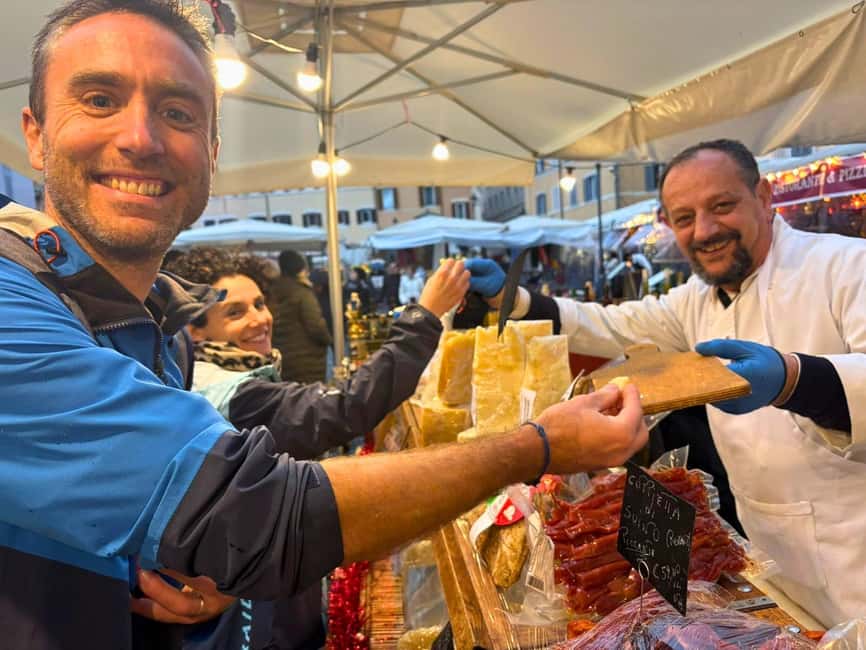
Rome has a million ways to eat well. This tour is built for speed with taste. You’re not trying to master a whole city in one afternoon. You’re sampling the Roman style in the places where locals shop, snack, and linger.
What makes this route smart is the mix of settings. You begin near the grand showpiece energy of Piazza Navona, then shift into the older, more human scale of Trastevere. Along the way you get Campo de’ Fiori, the market square that anchors the neighborhood’s food culture. It’s a nice contrast: big public space first, then the side-street rhythm where food shows up constantly.
You also get the story thread—less about dates, more about cause and effect. You’ll hear explanations that connect neighborhoods to habits: why certain areas draw crowds, how markets shape daily meals, and how the city’s dramatic past echoes in the present. In Rome, that kind of context makes even a simple snack feel earned.
Best of all, it stays focused. It’s a food tasting tour with six local tasting moments and drinks, not a long walking tour pretending it’s about food. If you want a practical introduction that still feels authentic, this is an easy win.
You can also read our reviews of more tours and experiences in Rome.



Starting at Touristation Navona and getting your bearings at Piazza Navona
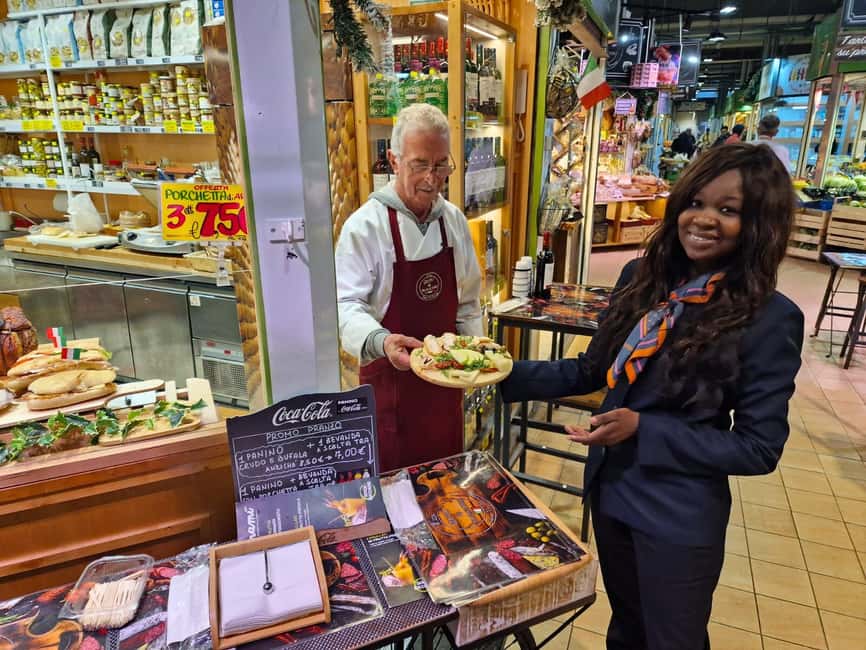
You meet your guide at Touristation Navona, inside the office at Piazza Navona, 25. This is a solid move for two reasons: you’re starting where you can see the main sights easily before branching out, and you’re in a central spot that’s easy to find on foot.
After the meet-up, you’ll take a quick guided look around Piazza Navona. Even in a short window, you get the point of the square: it’s one of those Roman places where activity is part of the architecture. From there, you head toward the food lanes—so the sight stops don’t feel like wasted time.
If you’re the type who likes to get oriented fast, this opening helps. You get the geography of the center, then immediately transition into the neighborhoods where food culture runs day-to-day. In other words: you see, then you eat.
Via della Pace and Piazza di Pasquino: the snack phase starts early
A good food tour doesn’t wait until the end to get interesting. Here, you start tasting at Via della Pace. Even though the time on this segment is short, it’s designed to get your appetite tuned in—think small bites that fit the pace of a walking tour.
Next you head to Piazza di Pasquino, where the focus turns to street food and regional flavor. This is the part of the experience that tends to make people grin, because you’re sampling things in the same spirit as locals: quick, practical, and meant to be eaten on the move.
On guides-led departures, the route often includes favorites you’ll recognize from Rome’s everyday menu. Reviews highlight crisp supplì and multiple savory bites, and that tracks with the tour’s emphasis on traditional Italian fare. I like that you’re not relying on one single signature dish; you’re getting variety across the salt-sweet spectrum.
One practical tip: wear shoes you can walk in for cobblestones. The tour moves on foot through older streets, and your enjoyment goes up when your feet aren’t protesting.
Campo de’ Fiori market time: where the ingredients tell the story
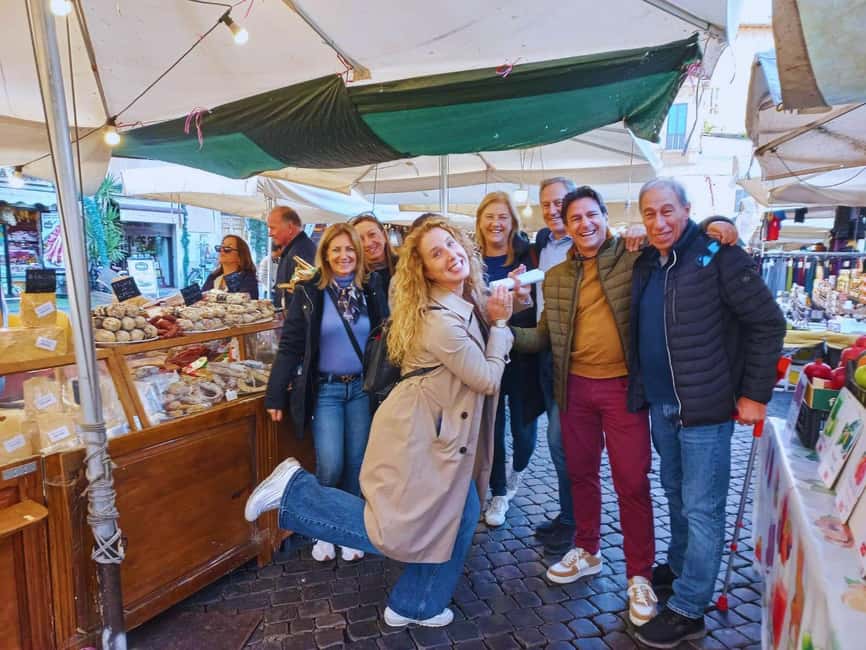
Campo de’ Fiori is more than a scenic stop. It’s a working square, and your tour includes a mix of tasting plus a market visit. This is valuable because it connects what’s in your mouth to what’s in the stalls.
During this portion, you’ll spend time tasting food tied to the market scene—so you can make a mental link between ingredients and finished bites. Some guides also build in extra context through pairings, like the way cheeses and oils fit into Roman preferences. In past departures, people have specifically enjoyed olive oil and vinegar tastings in the market area. That’s the kind of detail that turns a sample into a lesson you can use later when you’re shopping on your own.
Also, Campo de’ Fiori is where you notice the texture of the city. Not just big monuments—real daily life: chatter, produce, and that sense that food here is both serious and everyday.
If you’re vegetarian, I’d suggest asking what’s included when you book. The tour data confirms local tastings and cheese, but it doesn’t list specific alternatives. With Italian markets, there can be options, yet it’s not guaranteed for every dietary need. A quick question ahead helps you avoid surprises.
Largo dei Librari wine tasting: sit for a minute, then keep moving
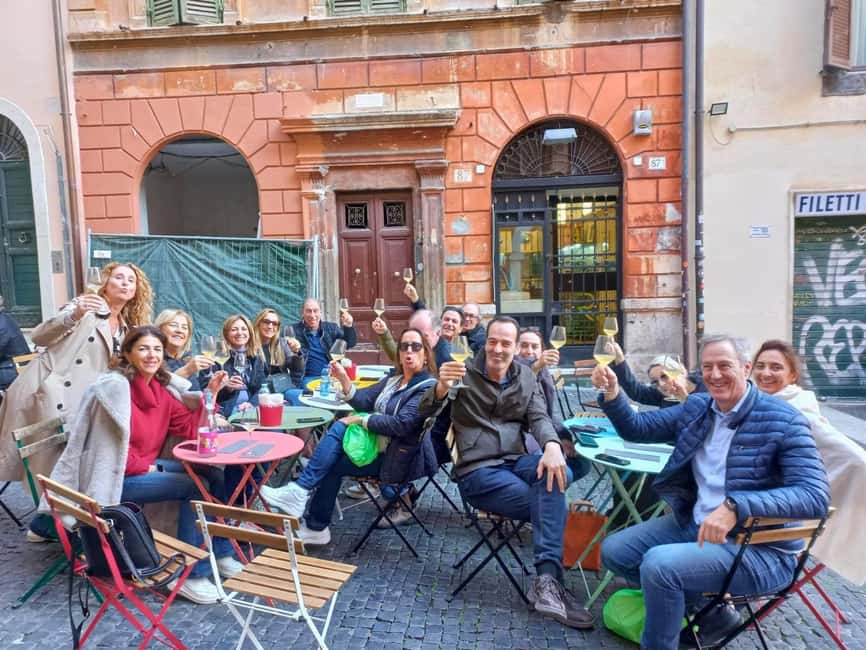
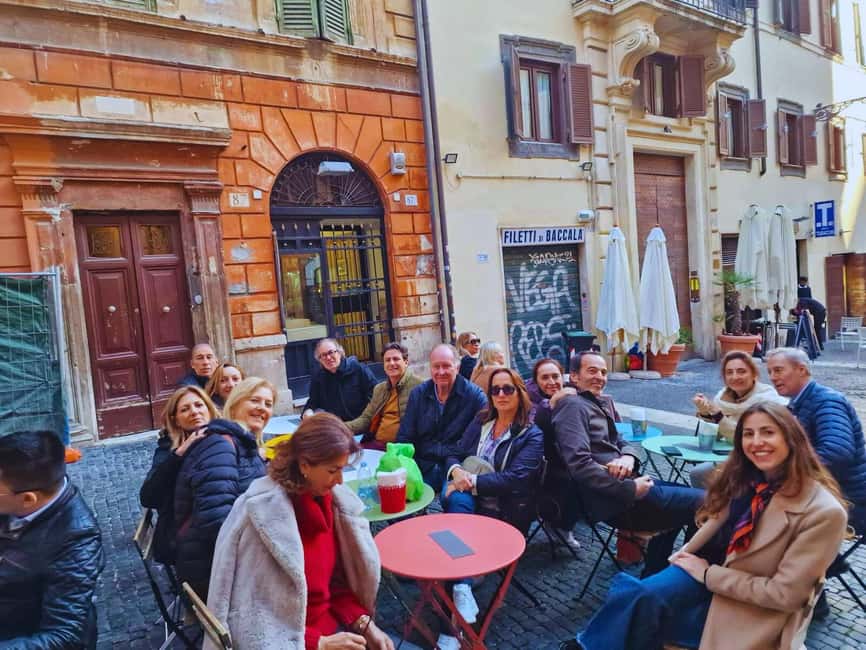
This tour isn’t only standing. You also get a wine tasting at Largo dei Librari. That’s a good ingredient in the mix: wine is part of Rome’s food rhythm, and this stop gives it structure instead of tossing in a drink token for show.
Here’s the trade-off: this is one of the moments where you may be sitting and taking your time a bit. One past experience noted that there was more table time than they expected, paired with chatting over drinks instead of adding more food stops. That doesn’t mean it’s bad. It just means you should know the pacing includes at least some slower moments.
If you’re traveling with a flexible attitude, that sit-down can actually improve the experience. It’s a breather, and it gives you time to talk with the guide about what you’re tasting and how locals think about pairing.
What you’re likely looking for here is simple: a glass that matches the food you’ve already sampled, and a chance to understand the role of wine in the meal culture you’re walking through.



Ponte Sisto walk-in and into Trastevere: the neighborhood shift feels real
Between the market and your Trastevere stretch, you cross near Ponte Sisto and walk along the way. The point isn’t just movement—it’s a shift in mood.
Trastevere has a different tempo. The streets feel older and tighter, and the air tends to shift from shopping square energy to neighborhood evening energy. This is where stories land better, too. When your surroundings change, the guide’s history and cultural notes feel more connected than if you stayed in one zone the whole time.
If you’re the type who likes to understand how a neighborhood functions, this walk segment helps. You feel the change in space and street layout, and then the food stops arrive with that same sense of place.
Trastevere street food, spirits, and dessert: classic bites with a sweet finish
Your Trastevere segment starts with street food tasting. This is where the tour’s signature Roman snacks show up in full. You’ll be sampling items meant for roaming Rome—foods you’d see sold quickly, eaten easily, and remembered because they’re craveable.
A standout called out in the experience details is a fried rice ball, supplì, described as Rome’s favorite street food. Past tasting descriptions also mention supplì being crisp and flavorful, which is exactly what you want from this kind of bite. If the oil is too soft or the inside too soggy, it loses its magic. A tour that pays attention to texture makes a difference.
Then you have a spirits stop in Trastevere—part of the aperitivo style of the day. One past experience highlighted an orange spirit aperitivo as a refreshing treat. Again, the logic is good: savory first, then a drink that resets your palate before dessert.
Finally, the tour ends with dessert and local snacks. This is where people often get the sweet, sometimes as gelato. The tour data calls it dessert and local snacks, and the experience you’ll feel is a friendly end to the day: salty flavors, then a cool or sweet finish.
If you’re watching your budget, remember something important: by the time you reach dessert, you already ate your way through the best “try it once” category of Roman food. That often means you can skip buying a bunch of extra snacks right afterward. You’ll still want gelato on your own in Rome, because you can’t help it—but you may not need a full second meal.
Cheese, oil-and-vinegar flavors, and why the guide matters so much
This tour lives or dies on the guide’s delivery. The food stops are only part of it. The other part is how they frame what you’re tasting.
In past departures, guides including Carla, Michelle, Erika, and Alima have been singled out for making it easy to interact, for weaving history into the walk, and for adding food-specific insight. That’s exactly what you want on a tasting tour: you don’t just want samples. You want to understand what makes them Roman and how to order them later.
You also get variety in the tasting menu approach. Reviews have mentioned cheese, olive oil and vinegar, pizza, wine, pork, and ice cream. The tour details confirm six local food tastings plus wine plus spirits plus dessert/snacks. That’s enough to build a mental map of Roman flavors without turning your walk into a food marathon.
And yes, there’s storytelling. You’ll hear cultural notes that go beyond “this is where something happened.” One specific example mentioned is the infamous murder of Julius Caesar. Whether you already know the story or not, the guide’s job is to make it feel connected to the streets you’re standing on.
Price and value: what $56.94 buys you in a city where food adds up
Let’s be real about the math. In Rome, you can spend $56.94 quickly if you’re buying separate snacks, drinks, and then trying to patch together a “real lunch” later.
Here, the price includes:
- a guided walking tour
- six local food tastings
- one glass of tasting wine
- an additional spirits tasting
- dessert/local snacks
You’re also paying for the “translation layer.” Someone else is choosing what’s worth your time, timing the bites, and guiding you through the neighborhoods where those foods make sense.
The 2-hour duration also affects value. You’re not trapped all day. You’re getting a concentrated introduction to Roman eating habits while still seeing major areas like Piazza Navona, Campo de’ Fiori, and Trastevere.
Is it the cheapest meal plan in Rome? No. But it’s a strong value if you want a curated start and you like the idea of tasting first, shopping later.
How to get the most from the tastings
Come hungry enough to enjoy everything, but not so stuffed that you’re counting down the minutes. Also, take a second to ask the guide what you should look for if you want to repeat the flavors on your own. This tour is a shortcut to knowing what to order later—especially if you care about things like oil-and-vinegar pairings or the right kind of supplì.
Who should book this Trastevere food tour (and who might prefer something else)
You’ll love this tour if you want:
- a quick way to learn Roman food culture in two hours
- an eating-focused walk through Piazza Navona, Campo de’ Fiori, and Trastevere
- history tied to real-life places, including stories like the Julius Caesar reference
It’s also a great fit for first-time Rome visitors who feel overwhelmed by choice. A guide removes the guesswork.
You might want to skip or choose another format if:
- you hate any seated tasting time and want only street bites
- you need full wheelchair accessibility (this tour is not suitable for wheelchair users)
- you have strong dietary restrictions and need clearly stated alternatives
If you’re okay with a paced mix of walking plus tastings, this is a very practical, enjoyable way to spend an afternoon.
Should you book it?
If you’re choosing between random snack stops and an actual guided tasting, I’d pick this kind of tour most days. The combination of six tastings, wine, spirits, and dessert means you leave with a real sense of Roman flavors, not just a couple of bites and a photo.
Book it when you want a focused intro that still feels like you’re moving through the city the way locals do—market first, neighborhood next, then a sweet finish.
If you’re the kind of person who likes to order confidently later, this tour helps you do that. And if you’re simply hungry for classic Roman street food like supplì and panino con porchetta, the structure makes it easy to enjoy without planning every detail yourself.
FAQ
Where do I meet the guide?
You meet your guide inside the office at Touristation Navona, located at Piazza Navona, 25.
How long is the tour?
The tour lasts 2 hours.
What food and drinks are included?
You’ll get 6 local food tastings, 1 glass of tasting wine, plus a spirits tasting and dessert/local snacks.
Does the tour include a market visit?
Yes. You’ll visit Campo de’ Fiori, including a food market visit (morning market setting is mentioned).
Is the tour wheelchair accessible?
No. The tour is not suitable for wheelchair users.
What languages are offered?
The live guide is available in French and English.
What should I bring?
Bring comfortable shoes and a camera.
Can I cancel for a refund?
Yes. You can cancel up to 24 hours in advance for a full refund.
Is transport or hotel pickup included?
No. Transport and hotel pickup are not included.