REVIEW · ROME
Tour of Rome in Golf Cart: Ancient Rome
Book on GetYourGuide →Operated by Luxurbe · Bookable on GetYourGuide
Ancient Rome gets easier on wheels. This 3-hour cart tour is interesting because you glide between major ruins with guided storytelling and short, low-stress rides instead of long walks. I especially like the photo-friendly stops at headline sights and the way the route strings together key layers of imperial Rome without tiring you out. One drawback: entrance tickets are not included, so you’ll enjoy the monuments from prime viewpoints rather than doing full inside-ticket visits.
You start at Piazza del Popolo 11 in front of the Leonardo da Vinci Museum, then spend the next few hours hopping through the densest archaeology zones of the city. The experience is also built around comfort and pacing, which matters in Rome when stone streets and crowds can eat up your day. Depending on the day and your guide, the commentary can get very specific; I’ve seen guides like Matt praised for clear English and Tobin Tazzuti noted for archaeological-style answers and off-the-usual-path tips.
If you’re planning a first visit (or you just want to see the “great hits” without turning your legs into a souvenir), this tour can fit nicely as a morning or early-day anchor. And if you’re traveling with kids, the cart setup and patient guiding style reported by past bookings is a real plus—just keep an eye on the age limits and stroller rules.
In This Review
- Key highlights at a glance
- Why a golf cart works for Ancient Rome
- Getting oriented: Piazza del Popolo 11 and your 3-hour rhythm
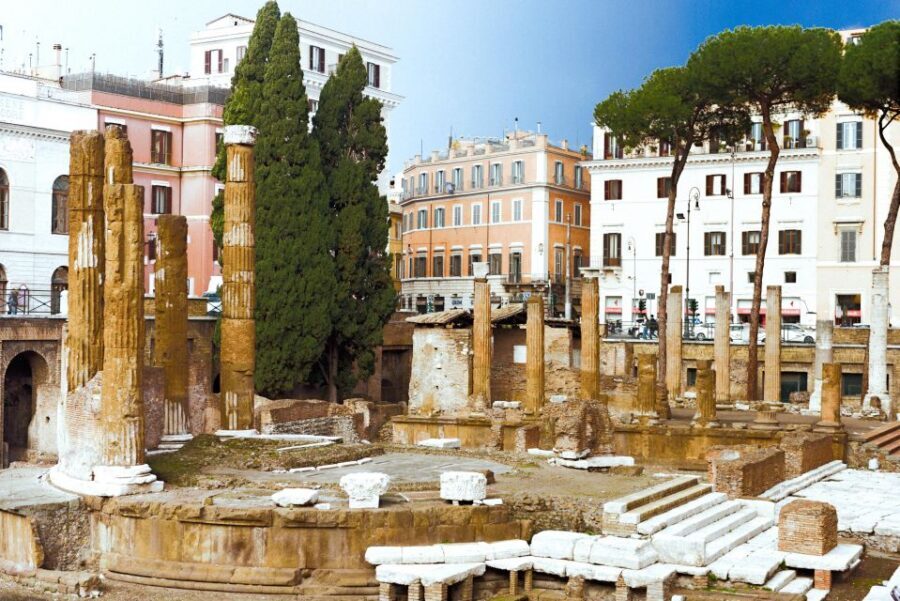
- Largo di Torre Argentina: start where Rome’s layers overlap
- Piazza Venezia: the view-maker stop in the heart of the city
- Theatre of Marcellus: a grand stop with room to breathe
- The next imperial-core stop: a 15-minute guided pause
- Temple of Venus and Rome: when the cart helps you see the big picture
- Domus Aurea: 20 minutes at a palace-in-ruins scale
- Colosseum from the privileged angle: 20 minutes of big views
- Roman Forum: 20 minutes that turn ruins into a story
- Circus Maximus: where your camera catches the scale
- Price and value: what $47 buys you
- Guides that make the difference: English clarity and smart questions
- What to bring (and what not to) so the tour feels smooth
- Practical limits to keep your expectations right
- Should you book this Ancient Rome golf cart tour?
- FAQ
- How long is the Ancient Rome golf cart tour?
- Where does the tour start and end?
- Is hotel pickup included?
- What language is the live guide?
- Are entrance tickets to monuments included?
- Is audio guide included?
- Does the tour run in bad weather?
- What time should I arrive at the meeting point?
- What should I bring?
- Can I cancel for a refund?
Key highlights at a glance
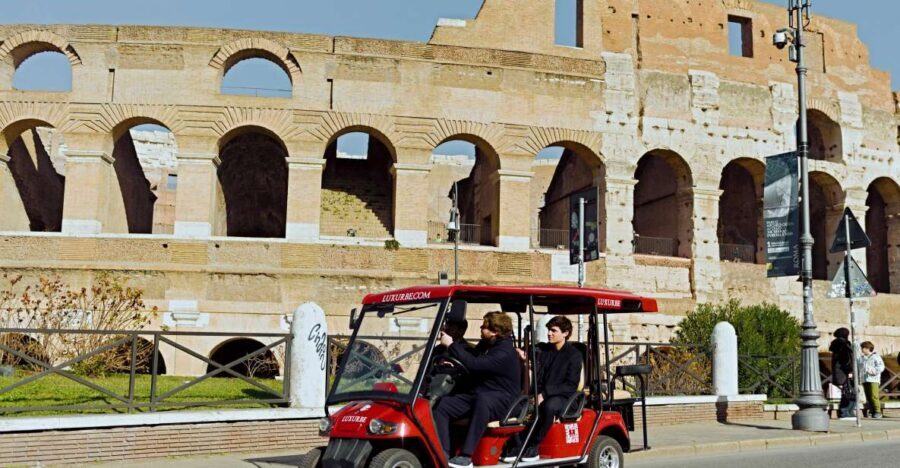
- Electric golf cart between ruins: short rides so you spend more time looking and listening.
- Guided stops with photo time: Largo di Torre Argentina, Piazza Venezia, Theatre of Marcellus, Colosseum area, Forum, Circus Maximus.
- Panoramic viewpoints: big sightlines from the Colosseum toward Circus Maximus.
- Multi-language support: live English/Italian guide plus audio options in Italian, English, and Spanish upon request/if available.
- Clear meeting point: Piazza del Popolo 11, in front of the Leonardo da Vinci Museum, with up to 10 minutes of waiting time.
Why a golf cart works for Ancient Rome
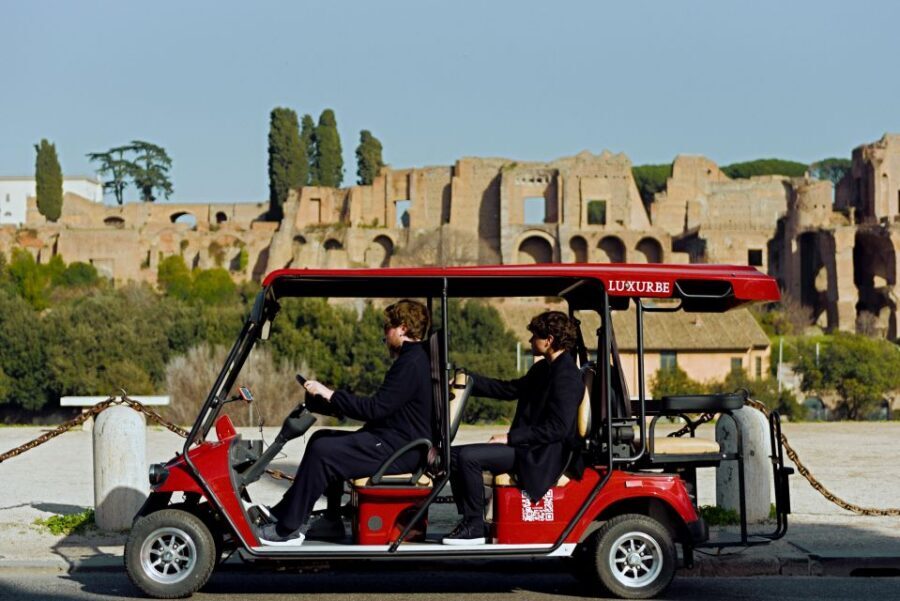
Rome’s ancient sites are spread out, but the “most famous” parts cluster in a way that can still feel exhausting. A walking-only route can turn into stop-and-go pushing through crowds, then backtracking to get the view you missed. With an electric golf cart, the focus stays where it should be: on the ruins and the story you’re being told.
You’re not trying to “speed-run” archaeology. Instead, the cart makes the pacing realistic. You get that moment where you look at a colonnade, archway, or open space and the guide explains what it likely was, how it was used, and why it mattered. Then you move on before your attention—and your feet—run out.
And since this is a guided tour, you don’t have to guess what you’re looking at from street level. Even when the remains are fragmentary, the narrative helps your brain connect the dots. This is one of those times when guided context is the value, not just the transport.
You can also read our reviews of more tours and experiences in Rome.



Getting oriented: Piazza del Popolo 11 and your 3-hour rhythm
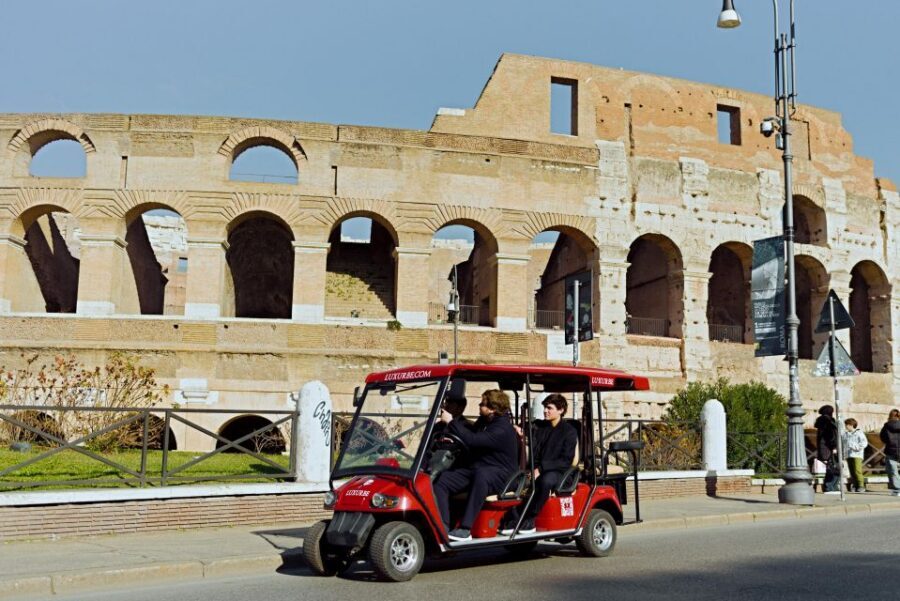
The tour starts and ends at Piazza del Popolo 11, in front of the Leonardo da Vinci Museum. Wait outside the entrance; do not go inside. There’s no Luxurbe sign, so look for the cart and the driver/guide—if you give yourself time to find them, you’ll feel relaxed instantly.
Plan for a little waiting time: you’re allowed up to 10 minutes after the scheduled start. Light rain isn’t a dealbreaker either—the tour runs in light rain—so pack for weather. Comfortable shoes still help, even with the cart, because you’ll step out for guided stops and photos.
The overall structure is simple: a short ride, a guided stop (often 15–20 minutes), then another ride. That rhythm is part of why this format works. It gives you enough time to really see each area without turning the day into a long slog.
Largo di Torre Argentina: start where Rome’s layers overlap
Your first major stop is Largo di Torre Argentina. This is a strong opening point because it sets a tone: Rome isn’t a single “period,” it’s stacked eras. A guided explanation here helps you understand why the city’s ancient remains show up in pieces rather than as one perfectly preserved monument.
You’ll have about 15 minutes for the guided portion and a quick chance to take photos. The practical win is that you start with context before you hit the big headline sights. If you want the rest of the tour to click, this early anchor matters.
Piazza Venezia: the view-maker stop in the heart of the city
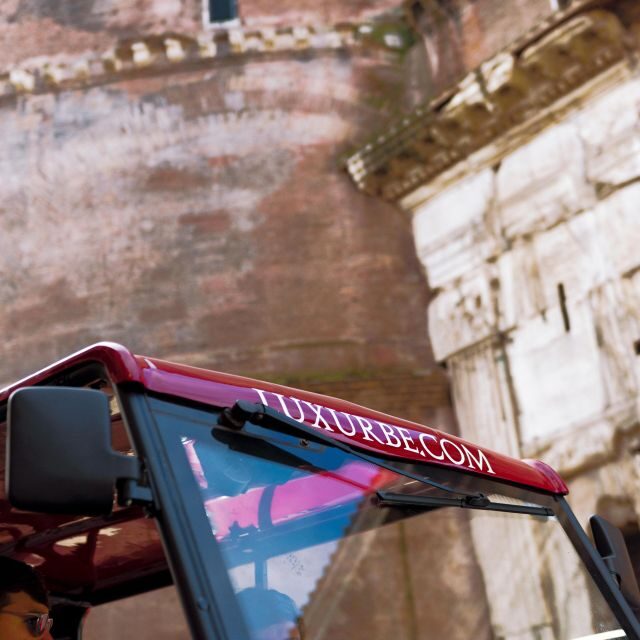
Next comes Piazza Venezia for another 15-minute guided stop. This is where many first-time visitors feel Rome “click” into focus—because you’re moving through the center of imperial-era storytelling. The guide’s commentary typically helps connect what you see on the ground to the political and architectural power that shaped this part of the city.
You’ll also appreciate how the cart keeps the energy level steady. Instead of walking between areas that can be a hassle to cross, you glide and arrive with your eyes fresh.
Theatre of Marcellus: a grand stop with room to breathe
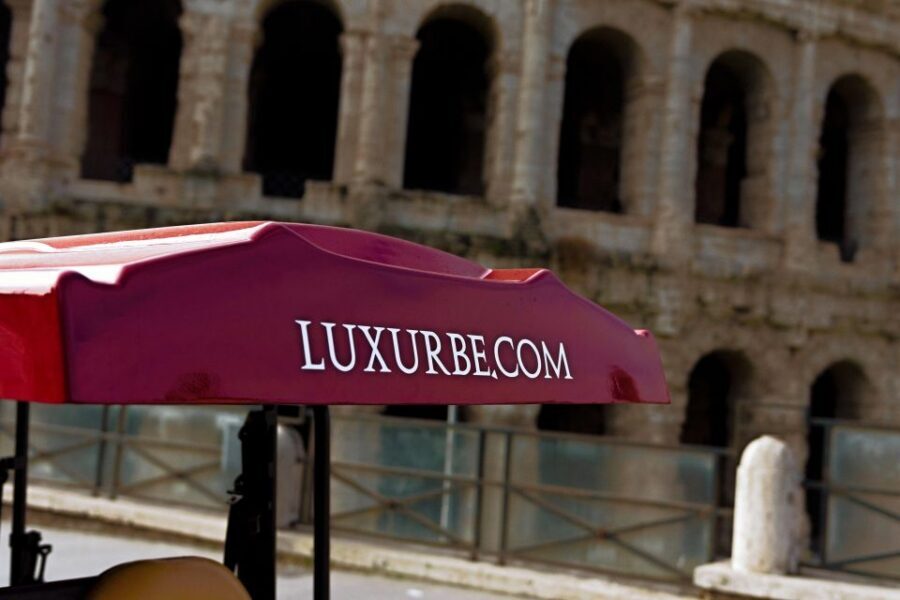
Then you head to the Theatre of Marcellus, again with about 15 minutes of guided time. This stop is about scale and atmosphere. Even without entering anything, you can often read the size of Roman public architecture from street level, and the guide can explain how theatres functioned socially and politically.
Because the time block is fixed, you don’t get stuck in the kind of Rome loop where you spend too long at one place and rush the rest. You get to look, listen, and capture a photo without feeling like you’re behind.



The next imperial-core stop: a 15-minute guided pause
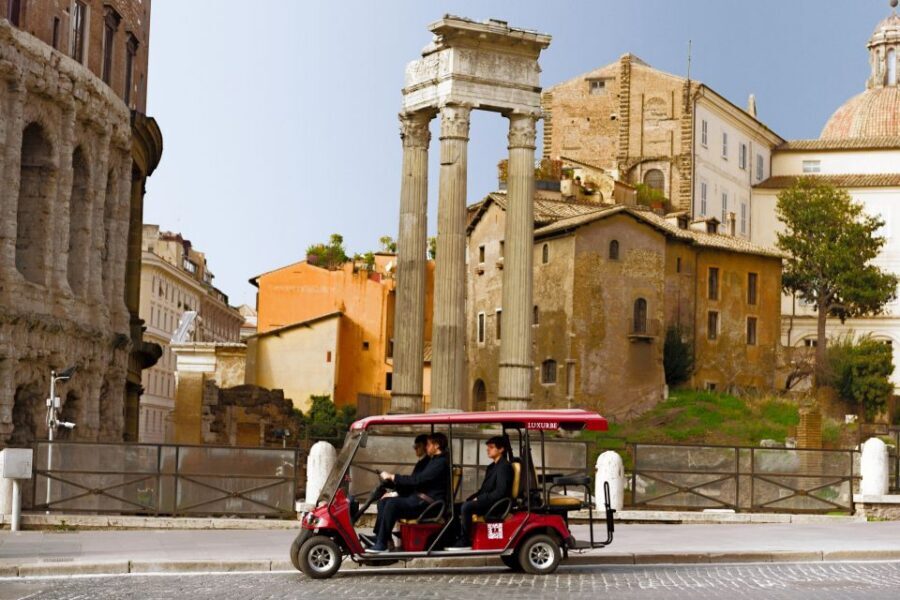
After the Theatre of Marcellus, there’s another 15-minute guided stop before another short cart transfer. The exact site name isn’t listed in the details I’m working from, but the important part is the pattern: you’re moving deeper into the imperial core with commentary tying the route together.
This is a smart design. The map of Ancient Rome can feel like a jumble until you experience it as an ordered line of stories. That mid-tour pause is what keeps the tour from becoming only panoramic sightseeing.
Temple of Venus and Rome: when the cart helps you see the big picture
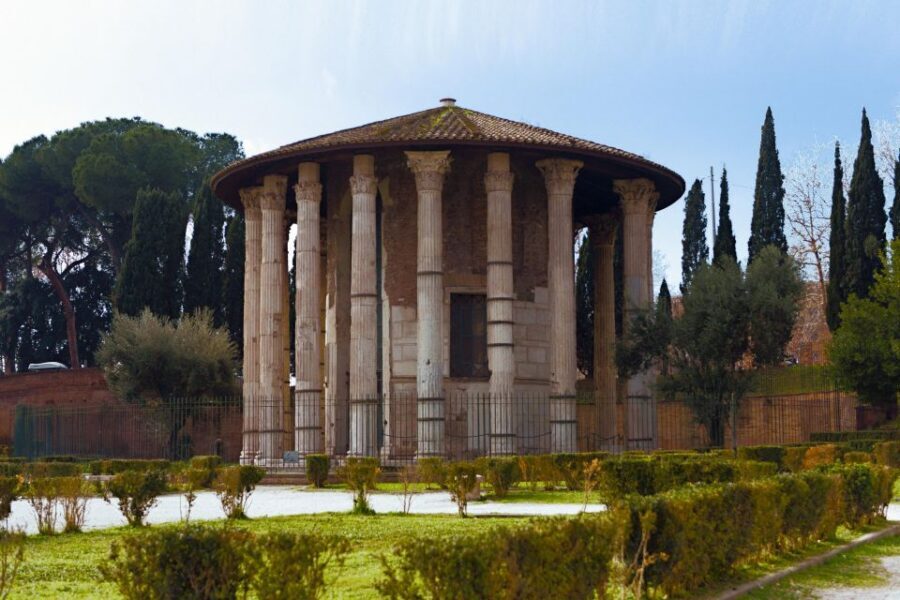
Next up is the Temple of Venus and Rome, with roughly 15 minutes for guided explanation. This kind of stop is ideal by cart because the viewpoints you get from the road can help you visualize how the temple functioned in a wider urban setting. The guide can also connect it to how Rome expressed religious and civic identity through monumental building.
Here, I’d treat the stop as a “look and learn” moment. You’re not trying to read every carved detail; you’re trying to understand the role the temple played. The timing is right for that.
Domus Aurea: 20 minutes at a palace-in-ruins scale
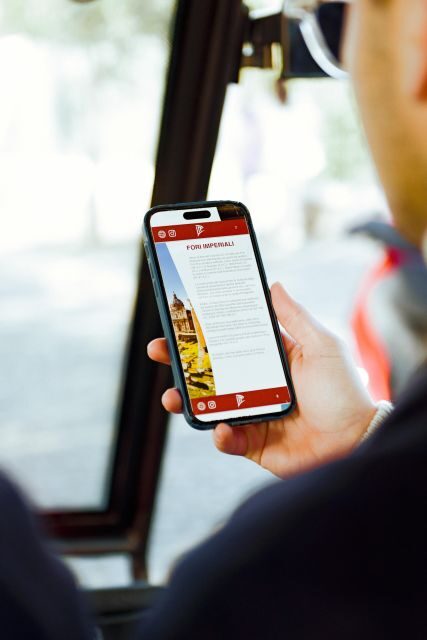
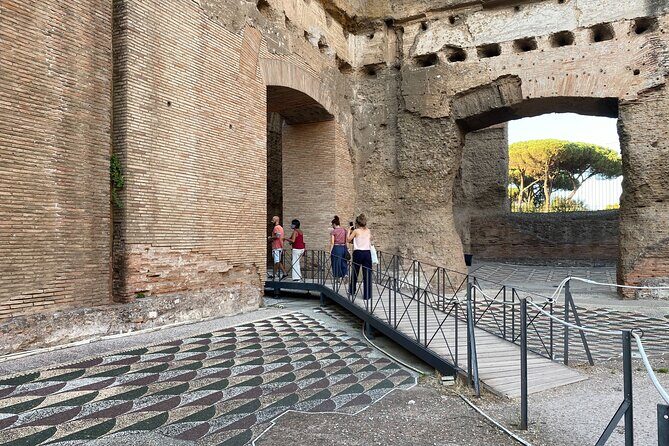
You then reach the Domus Aurea area for about 20 minutes of guided time. This is one of the spots where Roman remains tend to feel different: more broken, more suggestive. The benefit of a guided stop is that you can ask questions and get help interpreting what the fragments likely represent.
If you want to understand why “ancient Rome” wasn’t just temples and arenas, this is where that broader picture starts to show. The guide has the time to explain the building’s significance and how it fits into the imperial story.
Colosseum from the privileged angle: 20 minutes of big views
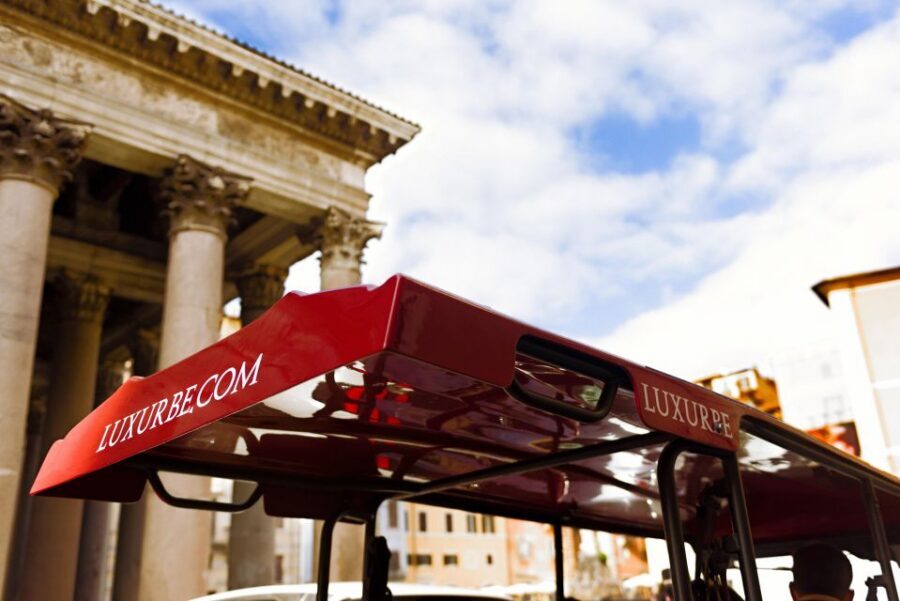
Next is the Colosseum, with around 20 minutes for guided focus and photos. You get a privileged perspective without fighting for a spot inside the ticket lines (since entrance tickets are not included). That said, this tour is still about the Colosseum, so you’ll spend enough time seeing it from meaningful angles.
A good way to use this stop: take a few photos from one spot, then pay attention to what the guide points out. The Colosseum looks familiar, but it helps to learn what you’re looking at—entry points, layout clues, and how it connects to the surrounding forum and city blocks.
Roman Forum: 20 minutes that turn ruins into a story
After the Colosseum, you head to the Roman Forum for about 20 minutes of guided time. This is where the tour format pays off because the Forum area can feel like scattered pieces unless someone puts the story in order for you. With guidance, you’re more likely to connect the dots between political space, public life, and how the city organized power.
You’ll have time for photos, but the real value is comprehension. When someone can explain how these spaces worked together, your mental map becomes clearer—even if you’re not walking every path as if you were on your own.
Circus Maximus: where your camera catches the scale
Finally, you end at Circus Maximus with about 20 minutes of guided time. This is a great closing stop because it’s about space. Even if you’ve seen photos before, the scale tends to hit harder in person. The guide’s commentary helps you imagine the motion—crowds, races, and spectacle—without needing to enter any special area.
And because you’re already in the right zone, the route naturally sets up those panoramic perspectives from the Colosseum area toward Circus Maximus. It’s a satisfying ending, the kind that makes you feel like you actually traveled through Ancient Rome, not just paused at it.
Price and value: what $47 buys you
At $47 per person for about 3 hours, the value comes from three things: transportation, guidance, and time efficiency.
First, you get electric cart transport between major ruins, which can save you from tiring walks and awkward transfers through Rome traffic. Second, you’re paying for storytelling at each stop, not just for views. Third, the schedule is tight enough that you hit key sites in a single session: Largo di Torre Argentina, Piazza Venezia, Theatre of Marcellus, Temple of Venus and Rome, Domus Aurea, Colosseum, Roman Forum, and Circus Maximus.
What you don’t get is entrance tickets to monuments and attractions. So if your goal is “I want to go inside everything,” you’ll need to plan separate ticketed visits. If your goal is “I want to see the big Ancient Rome highlights with a guide,” this price is easier to justify.
Also, hotel pickup and drop-off are available if selected. That can make the cost feel even more reasonable because you’re reducing transit friction and start-up time.
Guides that make the difference: English clarity and smart questions
One reason this tour earns such a strong reputation is how the guide shows up in the details. Past bookings specifically highlight Matt for clear English with an understandable accent and for being extremely helpful. That matters because a guided tour isn’t just facts—it’s how clearly you can ask questions and get answers you actually understand.
Another strong theme is depth. Tobin Tazzuti has been described as a studied historian/archaeologist who fielded questions well. He also reportedly offered insights away from the most predictable tourist hotspots, and in at least one case suggested an individualized route based on what people had already seen and what they still wanted.
What does this mean for you? Ask questions at your first stop. If your guide is the type to tailor the route, you’ll get more value by speaking up early. Even if the route stays the same, good questions can turn a quick view into a lasting memory.
What to bring (and what not to) so the tour feels smooth
Bring comfortable shoes and weather-appropriate clothing. Even though you’re on a cart, you still need solid footing for short guided stops and photo moments.
A few things are not allowed: pets, weapons or sharp objects, baby strollers, and luggage or large bags. Unaccompanied minors aren’t allowed either. There’s also a note that strollers and wheelchairs are allowed if notified in advance, but another section flags wheelchair users as not suitable. If either applies to you, confirm details directly before booking so you don’t get surprised on the day.
Also note: you won’t be getting food or drinks included. This is a 3-hour sightseeing block, so it’s smart to grab a snack or plan a meal around it.
Practical limits to keep your expectations right
This tour is built for seeing and learning from the outside, not doing ticketed interior visits. Entrance tickets are not included, so keep your plans flexible if there are monuments you really want to enter separately.
It’s also not the kind of tour for very small kids. Children under 3 years aren’t suitable. And because the tour relies on cart movement between stops, you should expect that the schedule depends on weather, traffic, road closures, and city events. Light rain is fine, but major disruptions can still affect timing and route.
Finally, remember you start at Piazza del Popolo 11 and return there. That makes it convenient for pairing with other central Rome plans, but it’s not designed as a drop-anywhere experience.
Should you book this Ancient Rome golf cart tour?
Book it if you want a guided, time-efficient overview of Ancient Rome’s key sights with minimal walking. This is especially good value if you’re short on time, traveling with kids who can’t do long distances, or you’d rather spend your energy on understanding what you’re seeing than on endurance.
Skip it (or plan ticket add-ons) if your main goal is getting inside monuments and attractions. Since entrances are not included, you’ll need extra plans for that part.
If you’re picky about guidance quality, you should feel comfortable asking early questions. Names like Matt and Tobin Tazzuti have been repeatedly connected with strong English, helpful answers, and thoughtful guidance. With that kind of support, this tour becomes more than a scenic ride—it becomes a coherent story of Ancient Rome, told stop by stop.
FAQ
How long is the Ancient Rome golf cart tour?
The duration is 3 hours.
Where does the tour start and end?
It starts and ends at Piazza del Popolo 11, in front of the Leonardo da Vinci Museum.
Is hotel pickup included?
Hotel pick-up and drop-off are included only if selected. If not selected, you meet at Piazza del Popolo 11.
What language is the live guide?
The live guide is available in English and Italian.
Are entrance tickets to monuments included?
No. Entrance tickets are not included.
Is audio guide included?
Audio guides are provided upon request, if available. The audio guide languages listed are Italian, English, and Spanish.
Does the tour run in bad weather?
It operates even in light rain.
What time should I arrive at the meeting point?
You should allow up to 10 minutes of waiting time. There is also a grace period of up to 10 minutes after the scheduled start.
What should I bring?
Bring comfortable shoes and clothing appropriate for the weather.
Can I cancel for a refund?
Yes, free cancellation is available up to 24 hours in advance for a full refund.