REVIEW · ROME
The Rise of Rome
Book on Viator →Operated by Great Times Tours - Rome · Bookable on Viator
Rome has a talent for time travel.
This walking tour ties Rome’s imperial rise to real places you can stand in today, with a guide adding context for emperors, gladiators, and the everyday rules of the city. I especially like how it moves fast but not frantic, and how it turns famous landmarks into a story you can follow. You’ll also get practical extras, like Roman cuisine restaurant ideas and viewpoint tips, so the tour helps after you leave the group. One thing to consider: it’s weather-dependent, and as with any group walk, punctuality matters—one review mentioned a guide no-show once, and another noted a late start, so build in a little patience.
What makes the route feel rewarding is the balance: big spectacle spots like the Circus Maximus, plus quieter layers around the Tiber and the Jewish Ghetto. I like that the tour doesn’t just point and name; it connects sites such as the Marcello Theater, Janus Arch, and the Temple of Hercules to the way Rome thought and organized life. Still, it’s only about two hours, so if you want a long museum-style pace, you’ll likely want to do follow-up stops on your own right after.
In This Review
- Key highlights I think you’ll feel on the street
- A 2-hour story of Rome’s rise, told where it happened
- Starting at Via del Circo Massimo: where the day’s energy begins
- Circus Maximus and the power of spectacle
- Mouth of Truth: myth, local tradition, and how Rome likes to play with stories
- The Marcello Theater: a lesson in how Romans shaped public spaces
- Janus Arch and the idea of beginnings and endings
- Temple of Hercules: where gods feel human
- Tiberina Island and the Jewish Ghetto: Rome beyond the loud monuments
- “How we still follow Roman lead” in everyday terms
- Where heroes become legends: emperors, gladiators, and the crowd
- Tips and where Claudio’s kind of guide energy matters
- Price, group size, and pacing: is $34 a smart trade?
- Who should book this walking tour?
- Should you book The Rise of Rome?
- FAQ
- How long is The Rise of Rome tour?
- Where does the tour start and when?
- How much does it cost?
- What ticket type do I need?
- How big is the group?
- Do I need to cancel in advance for a refund?
- Is the tour affected by weather?
Key highlights I think you’ll feel on the street
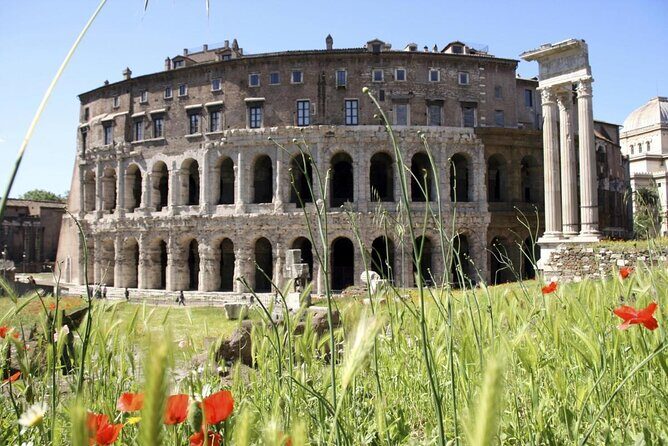
- Circus Maximus to Capitoline Hill: a compact route that traces Rome’s power centers without wasting time.
- Mouth of Truth: myth and local tradition brought into the same walk as imperial Rome.
- Janus Arch’s start-and-end theme: you’ll hear how Romans used symbolism for political messaging.
- Temple of Hercules and Roman religion in daily life: gods framed in human terms.
- Tiberina Island and the Jewish Ghetto: the walk includes Rome beyond the forums and stadiums.
- Friendly, engaged guidance: one guide highlighted by name, Claudio, earned praise for keeping the group locked in.
A 2-hour story of Rome’s rise, told where it happened
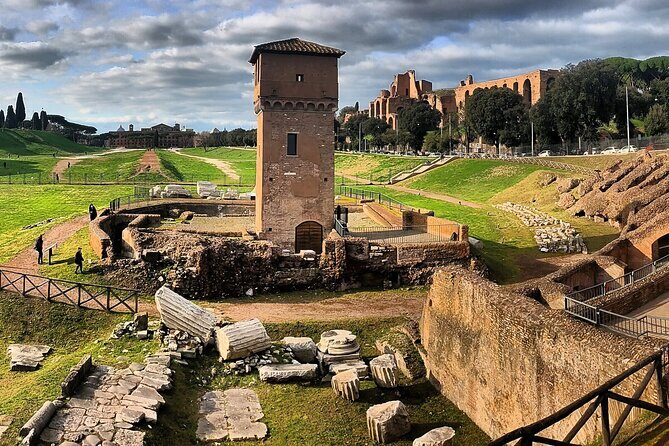
Think of this as a guided “Rome in motion” lesson. You’re not stuck reading panels; you’re walking through the same kind of spaces where people once gathered to watch power, perform myth, and argue politics—then you get the why behind it.
For $34, the value comes from the structure: a professional guide, a group size kept to a maximum of 25, and multiple named historic stops packed into roughly two hours. That’s a sweet spot for first-time visitors who want the big picture without spending your whole day in transit or lining up for separate attractions.
You’ll also leave with usable direction. The tour explicitly includes recommendations for Roman cuisine spots, viewpoints, and other tips for the rest of your trip. That matters because Rome can feel like a blur of monuments; having a guide translate the city into next-step plans saves time and helps you avoid the most generic tourist choices.
You can also read our reviews of more tours and experiences in Rome.



Starting at Via del Circo Massimo: where the day’s energy begins
The meeting point is Via del Circo Massimo, 21 (10:30am start). That location puts you right by one of the tour’s anchor stops: the Circus Maximus area. The advantage of this start is simple. Instead of easing in with a small church stop, you immediately step into Rome’s stadium culture—where crowds, politics, and spectacle all shared the same air.
The tour also ends on Capitoline Hill, which is a nice closing beat. If you’re thinking about your day after, this can help you plan your next walk or meal session around a central, historically loaded area.
One practical note: the tour is described as near public transportation, which is good news if you’re mixing metro lines with walking. Still, give yourself a few minutes buffer getting there—two-hour tours feel short when you’re trying to arrive perfectly timed.
Circus Maximus and the power of spectacle
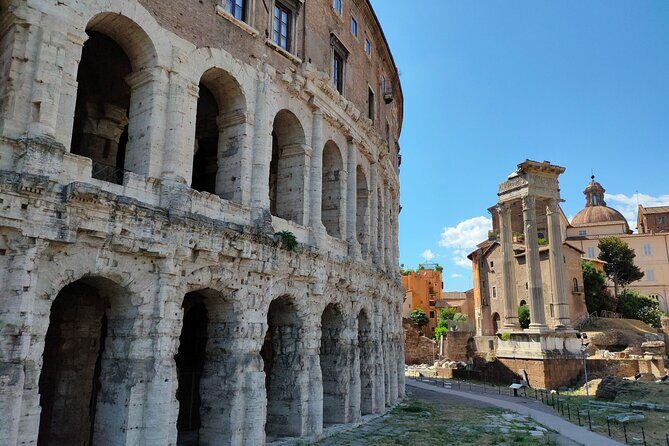
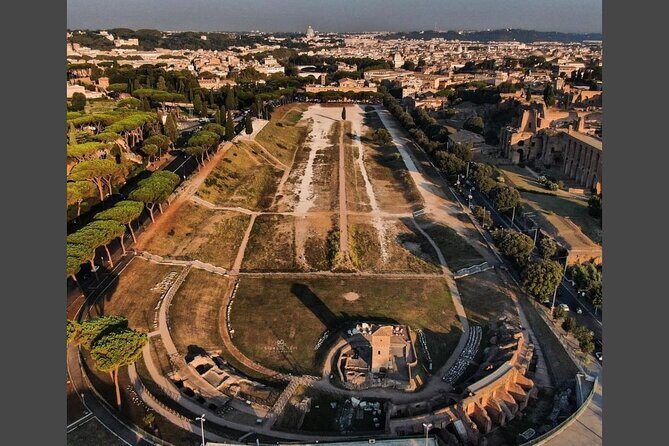
Your first major theme is the Circus Maximus: described as the largest and longest-standing stadium in history. This is more than trivia. This is where Rome shows you how power worked in public.
Here’s what I’d watch for as you walk:
- The scale of the space helps you understand how gladiators, chariot races, and crowd emotion became part of political life.
- The guide’s framing usually connects events to the rise of imperial authority—Rome didn’t just govern from offices. It governed from the crowd.
If you’re the type who likes Roman history with real-world context, this stop tends to do the heavy lifting. Even if you’ve read about emperors before, the Circus Maximus setting gives you a physical sense of what mass entertainment meant to the Empire.
A downside, depending on how the day goes: you may be walking in open areas. If the weather is hot or suddenly rough, it can change the feel of the tour quickly. The experience is marked as requiring good weather, so plan accordingly.
Mouth of Truth: myth, local tradition, and how Rome likes to play with stories
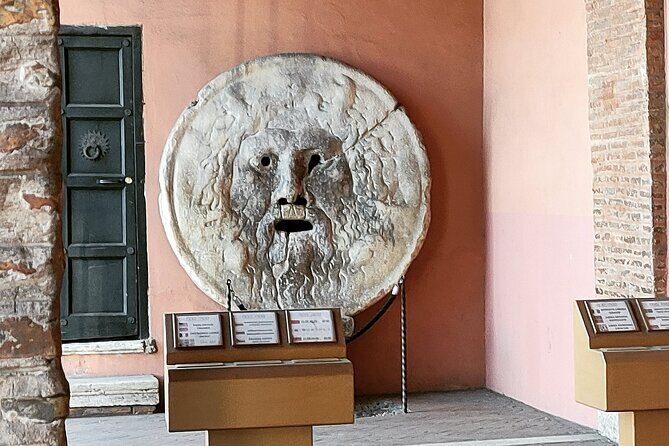
Another stop is the Mouth of Truth, listed as one of the must-dos in the city. This site works well inside a bigger historical tour because it’s not only about a single object. It’s about the way Rome keeps its stories alive through local ritual and public imagination.
What I like about including it here is timing. You’ve already absorbed big imperial energy at the stadium area. Then the walk shifts into a more story-driven, cultural moment—perfect for remembering that Rome’s legacy is partly built from narrative, not just stone.
When the guide links this kind of legend to the wider Roman world, you start seeing a pattern: the Empire shaped public life through symbols. The Mouth of Truth fits that theme, even if you come for the photo first.
The Marcello Theater: a lesson in how Romans shaped public spaces
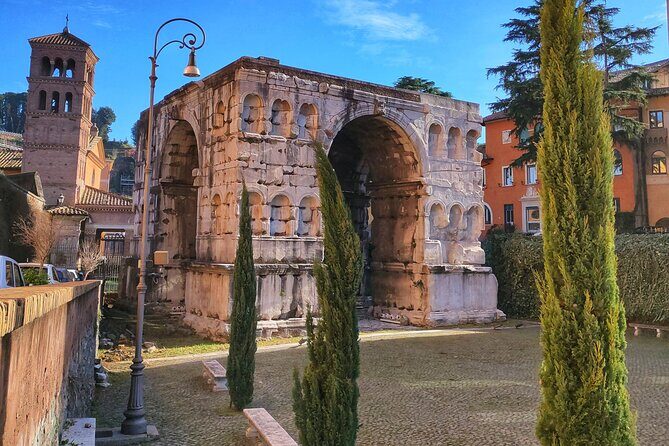
The tour includes the Marcello Theater. This is one of those stops that quietly shows you Roman engineering and planning at work, without requiring you to be an architecture person.
In your head, try this angle: look for how a theater functions as a social machine. It gathers people, sets sightlines, and makes shared experience possible. Once you grasp that, you get why Rome’s rise isn’t only about military victories. It’s also about building systems for public life—systems that kept people coming back.
If you’re wondering why it’s worth seeing alongside the stadium and the temples, that’s the reason. The guide is using these places to show the same theme in different forms: spectacle, order, and authority in one package.



Janus Arch and the idea of beginnings and endings
The itinerary includes Janus Arch, described with the theme of the beginning and end of Rome. This is a strong stop for visitors who want more than a list of locations. It’s a chance to hear how Romans used symbolism to express political and civic meaning.
Even if you’ve walked past arches before, in this context you’ll likely understand why the arch matters. Romans didn’t only decorate with stone; they used imagery to frame time and power.
Practical tip: plan for photos, but also listen during the explanation. The value here isn’t the arch alone. It’s what the guide helps you notice about how Rome thought.
Temple of Hercules: where gods feel human
Another key stop is the Temple of Hercules, framed as where gods become humans. That’s a great theme because it reminds you religion in Rome wasn’t just abstract. It sat inside daily life, public identity, and civic values.
What I’d do in this part of the walk is shift from “look at temple” to “look at the role.” When the guide connects the temple to the way Romans understood divine presence, the stop becomes more than a building—it becomes a window into how people behaved and believed.
If you’re traveling with someone who thinks they only care about ruins, this is often the moment that makes those ruins feel personal and understandable.
Tiberina Island and the Jewish Ghetto: Rome beyond the loud monuments
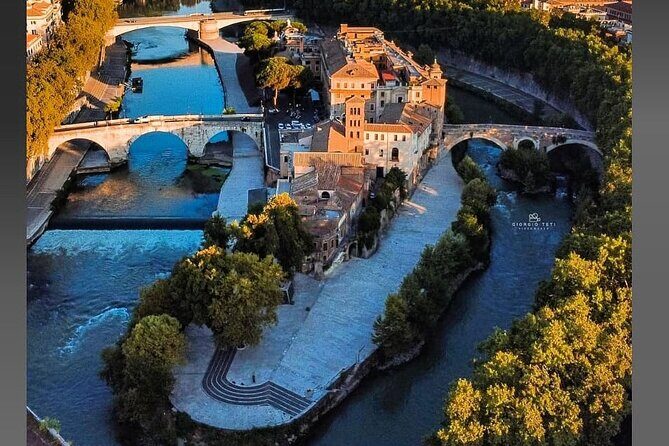
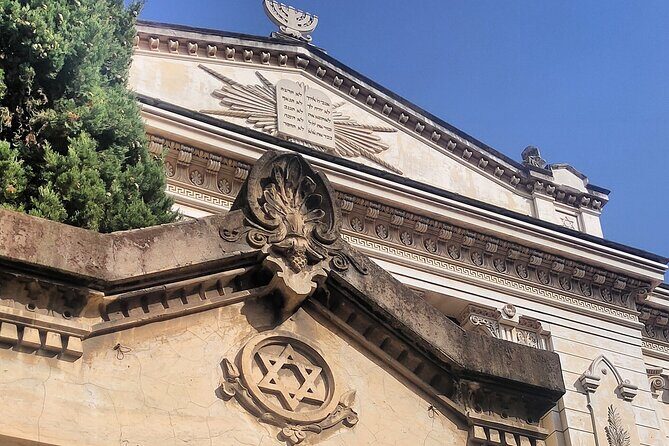
The tour also includes Tiberina Island and the Jewish Ghetto. This is important for balance. Rome’s most famous sites can sometimes flatten the story into emperors and arenas. Adding these areas helps the walk feel like a full city, not a theme park.
At Tiberina Island, you’ll get a sense of the river’s role as a divider, connector, and constant in Rome’s life. At the Jewish Ghetto, you get a reminder that communities lived through changes in rule, policy, and everyday life—history as lived experience, not only conquest.
One thing to keep in mind: because these areas can feel more street-level than stadium-level, the pacing can feel different here. In a good way. You’re slowing down enough to register neighborhood texture.
“How we still follow Roman lead” in everyday terms
The itinerary includes an example described as how we still follow Roman’s lead. The exact details aren’t spelled out in the summary you provided, so treat this as a listening moment: the guide likely points out modern echoes—ways cities organize space, public life, and civic structure.
This is where the tour is most useful for people who hate tours that only talk past tense. You want connections to today. If the guide highlights something you recognize—an urban pattern, a civic idea, a public-life habit—you’ll leave with a clearer sense of why Roman influence remains so visible.
Where heroes become legends: emperors, gladiators, and the crowd
The walk ties its story to days of emperors and gladiators, with the final themes turning toward heroes becoming legends. The point isn’t to turn Rome into a superhero comic. It’s to show how reputation worked in the Empire.
As you hear these stories, watch how the guide uses places to reinforce the theme:
- Stadium culture helps explain why gladiator fame mattered.
- Public spaces help explain why emperors needed image, not just authority.
Even if you think you already know the big gladiator facts, this kind of contextual storytelling tends to give you new angles—especially when a guide connects spectacle to politics.
Tips and where Claudio’s kind of guide energy matters
One review mentioned a guide named Claudio, praising his history knowledge and a friendly vibe that kept everyone engaged and feeling secure, with attention to detail.
That’s exactly the kind of guide impact that changes your experience. In a two-hour walking tour, you don’t have time for long pauses or confusion. A good guide:
- gives you clear cues on where to look next,
- keeps the group moving while still explaining what matters,
- and helps you understand what you’re seeing without overwhelming you.
Because the tour also includes recommendations for Roman cuisine restaurants and viewpoints, the guide’s personality matters. The best part of those suggestions is that they come from a local who can match your interests—whether you want a classic Roman meal or a spot with a good line of sight over the city.
Price, group size, and pacing: is $34 a smart trade?
At $34 for about two hours, you’re buying time, context, and a structured route. In central Rome, that’s often a fair deal compared with paying separately for guided add-ons or spending extra hours figuring out what’s worth your attention.
Group size is capped at 25. That’s big enough for variety, but small enough that a guide can usually keep the story coherent. For first-timers, that’s ideal. You’ll feel like you’re seeing the city, not just following a line.
Pace is the one variable you should consider. Since the tour is a walking tour with multiple stops, plan comfortable shoes and expect to move through busy streets. If you arrive tired, Rome will not slow down for you—this tour basically reflects that reality.
Who should book this walking tour?
This is a strong fit if:
- you’re in Rome for a short stay and want a high-signal history path,
- you like guided storytelling that connects sites to themes (not just dates),
- you want help with next stops, especially Roman food and viewpoints,
- and you enjoy walking routes that end in a dramatic, central location like Capitoline Hill.
It’s less ideal if:
- you need a slow, museum-style pace,
- you dislike open-air walking,
- or you expect a deep dive into one single monument. This is a broader sweep.
Should you book The Rise of Rome?
Yes, if your goal is to get your bearings fast and understand how Rome’s imperial era shaped public life. The route covers several headline sites—Circus Maximus, Mouth of Truth, Marcello Theater, Janus Arch, and the Temple of Hercules—then rounds it out with Tiberina Island and the Jewish Ghetto so the story doesn’t feel stuck in one district.
I’d especially recommend it to first-timers who want a guide that makes connections you can remember later, plus practical food and viewpoint ideas for the rest of your trip. The main caution is weather and timing: go with good shoes, check conditions, and give yourself a small buffer at the start point. If you want a solid introduction that turns landmarks into meaning, this is a good bet for your day.
FAQ
How long is The Rise of Rome tour?
It’s approximately 2 hours.
Where does the tour start and when?
It starts at Via del Circo Massimo, 21, 00153 Roma RM, Italy at 10:30am. It ends on Capitoline Hill.
How much does it cost?
The price is $34.
What ticket type do I need?
You’ll use a mobile ticket.
How big is the group?
The tour has a maximum of 25 travelers.
Do I need to cancel in advance for a refund?
Yes. Free cancellation is available up to 24 hours in advance for a full refund.
Is the tour affected by weather?
Yes. It requires good weather, and if it’s canceled due to poor weather you’ll be offered a different date or a full refund.