REVIEW · ROME
Santa Maria Maggiore Basilica and Dome
Book on GetYourGuide →Operated by TICKETSTATION SRL · Bookable on GetYourGuide
Santa Maria Maggiore has a quiet wow factor. This Papal Basilica sits on the Esquiline Hill and has dominated Rome for centuries, with major spiritual landmarks plus art you can actually understand through an audio guide. I especially like the way the visit layers big-name features—like the dome view and the Holy Door—into one smooth 2 to 4 hour loop.
Two things I’d highlight: the audio guide format makes the basilica’s key artworks and papal traditions easy to follow, and the dome visit is a practical way to get an honest “top of the Eternal City” perspective. One consideration: the price can feel steep if you only want the basilica, since the basilica entrance is free and you’re paying mainly for the audio guide plus the dome ticket.
Before you go, note the rules that matter: you’ll need the right dress code (no shorts, vests, or sleeveless tops), and this isn’t designed for kids under 7 or for wheelchair users due to safety and access.
In This Review
- Key things you’ll notice during Santa Maria Maggiore and the Dome
- Why Santa Maria Maggiore feels different from other Rome churches
- Check-in at Piazza Santa Maria Maggiore: simple, but be early
- The basilica inside: what to look for as the audio guide tells the story
- The Marian and historical foundation
- The tomb of the Bernini family
- The Baptistery
- The Holy Door
- The blessing loggia and the Hall of Popes: the papal part, made readable
- Blessing Loggia
- Hall of Popes
- Dome of Santa Maria Maggiore: how to get the most from the climb
- What you’ll actually get
- How to enjoy it without rushing
- Optional underground archaeological tour: worth it if you like layers
- Price and value: is $34 fair for Santa Maria Maggiore and the dome?
- Dress code, IDs, and rules that can slow you down
- Who should book this, and who should skip it
- Should you book Santa Maria Maggiore Basilica and Dome?
- FAQ
- Do I need a ticket to enter the Basilica of Santa Maria Maggiore?
- What languages is the audio guide available in?
- Is the dome included with the ticket?
- Is there an option to see the underground area?
- What is the dress code for entering the basilica?
- Is this activity suitable for children?
Key things you’ll notice during Santa Maria Maggiore and the Dome
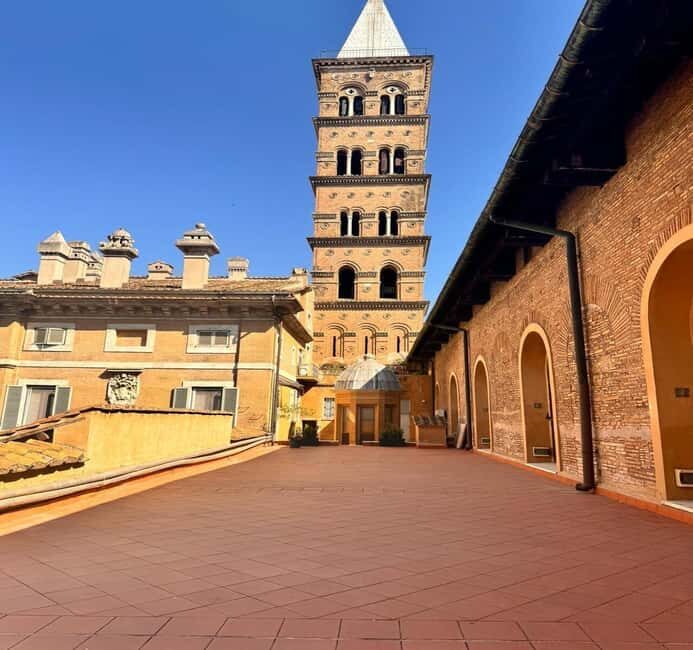
- A Papal Basilica on the Esquiline Hill that has been a focal point of Marian devotion for centuries
- Audio guide skip-the-line convenience, available in multiple languages
- Holy Door and papal connections, including traditions linked with Pope Francis
- Blessing Loggia and Hall of Popes stops that make the building feel like a living institution
- Dome access with staff escort for security, plus a panorama of Rome from a high point
- Optional underground archaeological tour if you want to go deeper
Why Santa Maria Maggiore feels different from other Rome churches
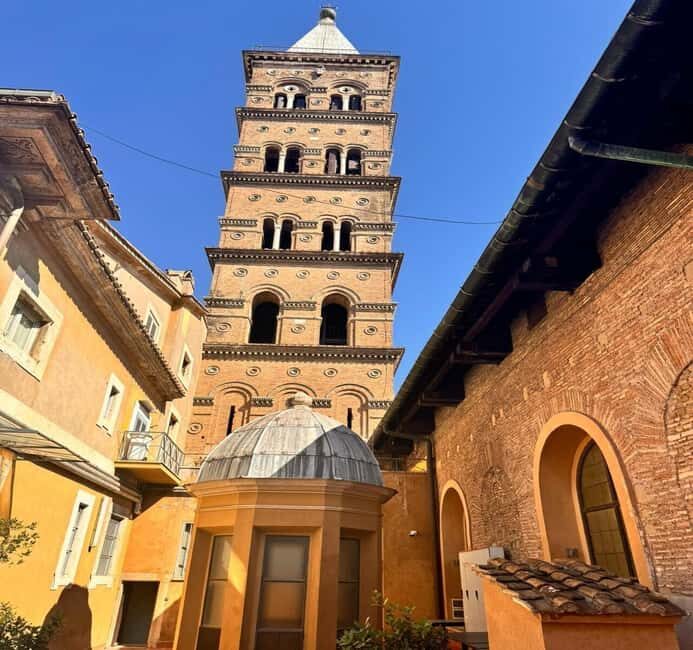
Most big churches in Rome can overwhelm you fast. Santa Maria Maggiore doesn’t just throw decorations at you. It follows a clearer story arc: Marian tradition, papal history, and major artworks all in one place.
The basilica has long been described as a cradle of artistic civilization, and you feel that here. The building’s position also matters. It sits on the top of the Esquiline Hill, one of the higher points in Rome. That helps explain why the dome experience is more than a “nice view.” You’re literally getting your bearings—Rome’s scale makes sense when you can look out from above.
You’ll also appreciate the practical design of the experience. The basilica entrance is free, but this option packages the audio guide and the dome entry ticket together, so you’re not wandering with no structure or hunting for what’s most important.
You can also read our reviews of more tours and experiences in Rome.



Check-in at Piazza Santa Maria Maggiore: simple, but be early
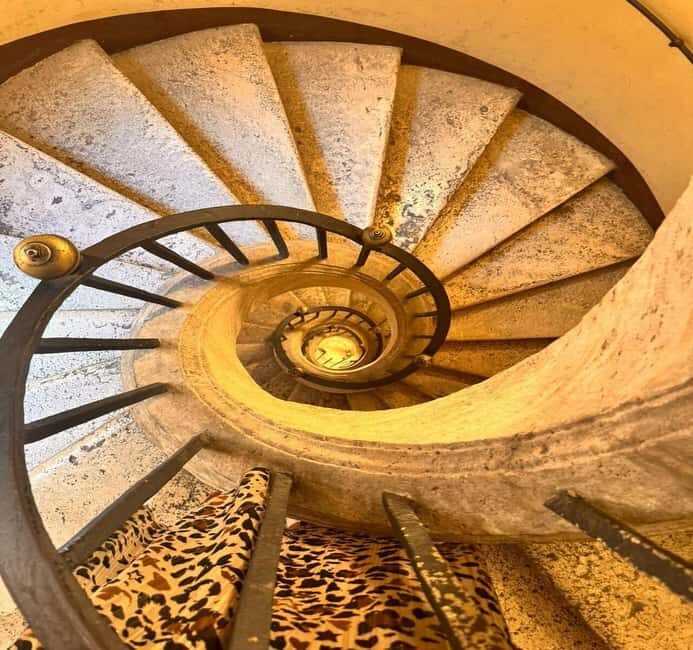
The meeting point is straightforward: report to the entrance of the Papal Basilica of Santa Maria Maggiore at Piazza Santa Maria Maggiore. You show your voucher to the reception staff at the Portico 15 minutes before your scheduled time.
Why that timing matters: dome access has security rules, and the dome ticket is accompanied by an authorized staff member. If you show up late, you can lose time waiting in the wrong place. Arriving a bit early keeps the whole visit stress-free.
Also keep an eye on what’s included versus what’s not. There’s no food or drink included, and there’s no transfer. So plan to arrive on your own and keep your energy up with a snack before you start.
The basilica inside: what to look for as the audio guide tells the story
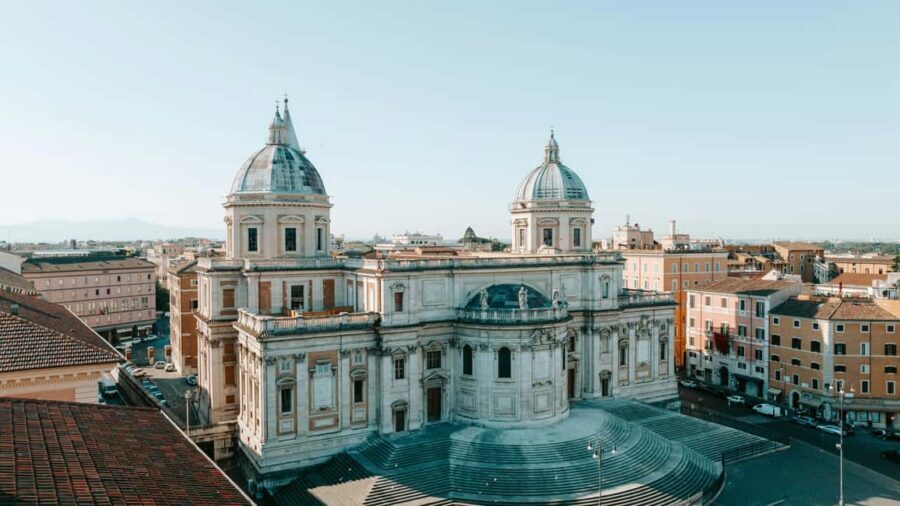
Once you’re inside, the audio guide is your best tool for turning “beautiful church” into “I understand why this matters.” It’s offered in English, French, German, Spanish, Italian, and it helps connect major stops into a timeline.
Here are the highlights that make the basilica experience worth slowing down:
The Marian and historical foundation
Santa Maria Maggiore is one of Rome’s four Papal Basilicas. It’s also linked to a famous tradition: the Virgin is said to have indicated and inspired the construction of her home on the Esquiline. Even if you don’t care about religious lore, it helps you read the building differently. This isn’t just architecture. It’s an ongoing place of meaning.
The tomb of the Bernini family
You’ll have a chance to see the tomb of the Bernini family. Bernini is a name you’ll keep hearing across Rome, and seeing a Bernini-linked work here makes the basilica feel connected to the city’s wider art world. Don’t rush past this one—take a minute to notice what makes the style distinctive.



The Baptistery
The basilica includes a Baptistery, another reason this church feels more than decorative. This is where the building connects to rites and spiritual milestones, not just sightseeing.
The Holy Door
One of the biggest “this feels special” stops is the Holy Door. In Rome, a Holy Door is tied to spiritual anniversaries and special moments, and it tends to draw attention even from people who normally keep a casual distance from church rituals. If you’re curious about how sacred traditions translate into physical spaces, this is one of the clearest places to see it.
The blessing loggia and the Hall of Popes: the papal part, made readable
Santa Maria Maggiore doesn’t only show art. It signals power and presence—especially through spaces tied to the papacy.
Two spots are particularly worth planning for:
Blessing Loggia
The Blessing Loggia is one of those locations where you can imagine the building’s role beyond worship. This is where the basilica’s public-facing function shows itself. Look at how the space supports visibility and ceremony.
Hall of Popes
The Hall of Popes adds a more direct historical layer. Rather than treating papal history like a textbook, this is where you can see how the basilica fits into the broader rhythm of Roman church life across time.
And if you want the Pope Francis connection, you’ll feel it here through the traditions tied to him. The info provided emphasizes that Pope Francis places his apostolic journeys under the protection of Salus, which he usually visits before departure and after returning. It also notes that Mass at Santa Maria Maggiore was first celebrated on Christmas Eve. In a city of constant motion, it’s a reminder that some routines have long roots.
Dome of Santa Maria Maggiore: how to get the most from the climb
This is where the “included dome ticket” becomes the value driver.
The dome ticket is part of your experience and comes with an authorized staff member for security reasons. That matters because it shapes how smooth the dome entry feels. You’re not just buying a ticket and hoping you’ll find the entrance.
What you’ll actually get
You’ll go up to the dome for a panoramic view. The view isn’t described as a quick peek. It’s meant to leave you feeling like you’ve seen Rome from a meaningful angle—high enough to understand the city’s layout.
How to enjoy it without rushing
When you’re at a viewpoint, the natural temptation is to take one photo and move on. Resist that urge. Pause long enough to orient yourself. From this height, Rome’s neighborhoods and major features start to make sense as a big whole rather than disconnected postcards.
Optional underground archaeological tour: worth it if you like layers
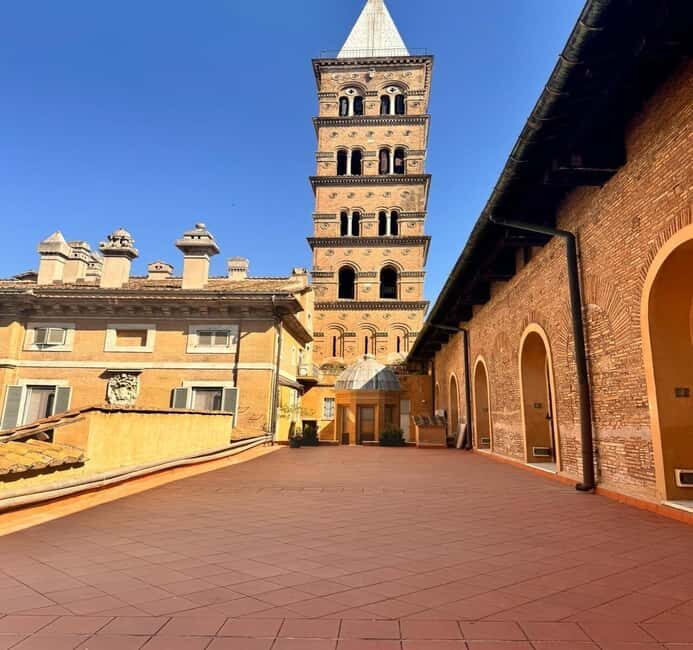
This experience offers an optional official guided tour through the Archaeological Area of the Papal Basilica of St. Maria Maggiore.
When does this option make sense? If you like learning how the present connects to earlier structures—when a church isn’t just standing there, but sitting on older history. If you prefer a lighter pace, you can skip it and focus on the basilica plus dome.
Because the underground part is described as an official guided tour, expect it to be more structured than the rest of the self-paced segments with the audio guide.
Price and value: is $34 fair for Santa Maria Maggiore and the dome?
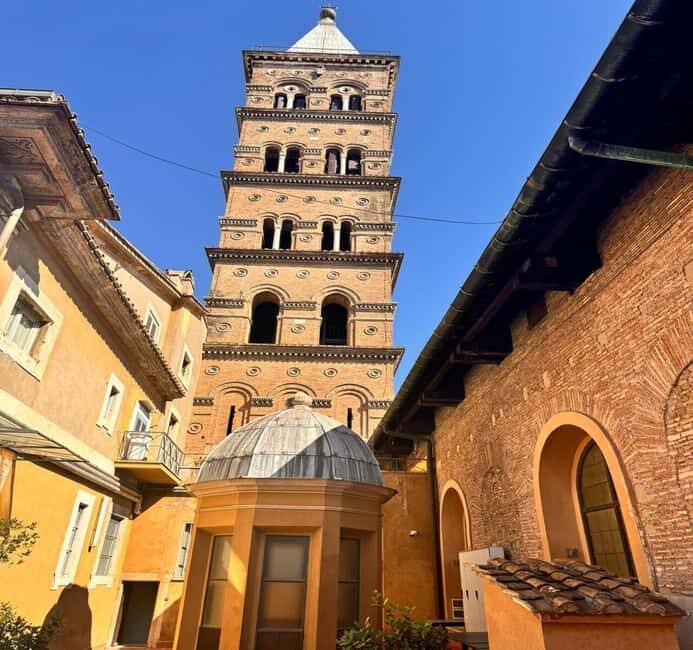
Let’s talk money honestly. The listed price is $34 per person. The basilica entrance itself is free of charge. So what are you paying for?
You’re paying for three concrete things:
- Entrance with an audio guide (with multiple language options)
- A ticket for the dome, with staff accompanying you for security
- Optionally, if selected, a guided underground archaeological tour
That means this ticket is best viewed as a “guided-in-your-pocket” experience plus a paid dome entry, not as a paid basilica admission.
Here’s the balanced way to judge value:
- If you want the dome panorama and you like learning as you go, $34 can feel reasonable because it bundles the dome with interpretation.
- If you’re mainly interested in walking the basilica and you don’t care about the dome, it may not feel worth it since you can enter the basilica for free.
One more detail: the experience says it skips the ticket line. In Rome, that time saving can be real. If your schedule is tight, the value goes up.
Dress code, IDs, and rules that can slow you down
These are the practical points that determine whether your visit feels smooth or annoying.
- Dress code is required: no shorts, vests, or sleeveless tops.
- Pets aren’t allowed.
- Smoking and alcohol/drugs are not allowed.
- Nudity isn’t allowed.
- This activity isn’t suitable for children under 7 years old for safety reasons.
- It isn’t suitable for people with mobility impairments, and it’s not for wheelchair users.
One small but important thing: you’re asked to bring an ID as a caution for the audio guide. That doesn’t mean it’s a full ID check every time, but you don’t want to lose time backtracking if you forgot yours.
Who should book this, and who should skip it
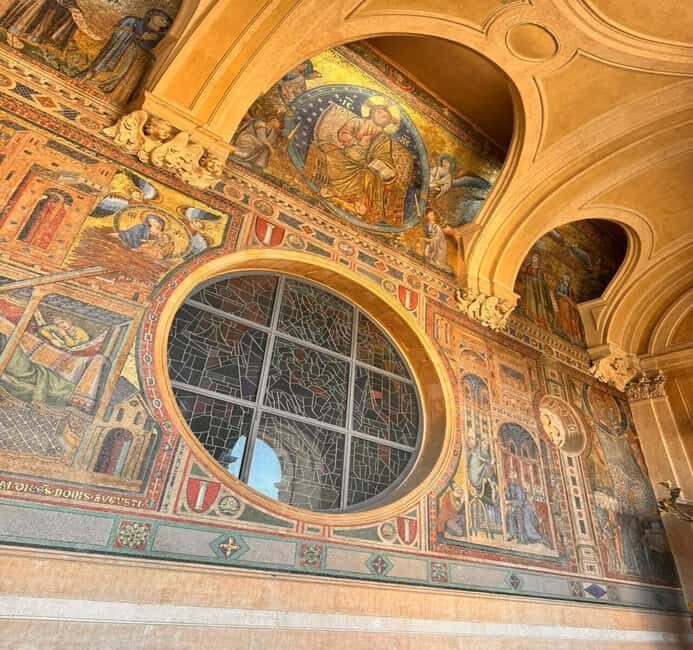
I’d book this if you:
- Want a clear, meaningful route inside Santa Maria Maggiore without guessing what matters
- Care about getting a proper Rome panorama from a dome
- Like the idea of combining papal history stops (like the Hall of Popes and Blessing Loggia) with standout art features
I’d think twice if you:
- Only want the basilica quickly and are not interested in the dome
- Need a fully accessible route (this experience says it’s not suitable for wheelchair users and people with mobility impairments)
- Are traveling with kids under 7
If you’re a “I want the highlights” type of visitor, this format fits well. If you’re the “I want to wander freely with no structure” type, you might enjoy the basilica more on your own, especially since the entrance is free.
Should you book Santa Maria Maggiore Basilica and Dome?
Book it if you want the dome view plus an audio guide that helps you connect the Holy Door, major artworks, and papal-history spaces into a coherent visit. The price is easier to justify when you treat it as dome access and guided interpretation, not basilica admission.
Skip it (or consider a basilica-only plan) if dome views aren’t your priority and you’d rather keep costs low—because the basilica entrance is free, and you can focus your time elsewhere.
FAQ
Do I need a ticket to enter the Basilica of Santa Maria Maggiore?
No. The entrance to the basilica is free of charge and doesn’t require an entrance ticket.
What languages is the audio guide available in?
The audio guide is available in Italian, English, French, German, and Spanish.
Is the dome included with the ticket?
Yes. Your ticket includes access to the dome, and it’s accompanied by an authorized staff member for security reasons.
Is there an option to see the underground area?
Yes. If you select the option, you can join an official guided tour through the Archaeological Area of the Papal Basilica of St. Maria Maggiore.
What is the dress code for entering the basilica?
You must follow the dress code: no shorts, vests, or sleeveless tops.
Is this activity suitable for children?
No. For safety reasons, it is not suitable for children under 7 years old.