REVIEW · COLOSSEUM TOURS
Rome: Colosseum, Arena and Ancient Rome Private Guided Tour
Book on GetYourGuide →Operated by Maya tours · Bookable on GetYourGuide
A three-hour walk through Rome’s biggest power rooms. This private tour strings together the Colosseum, the Roman Forum, and Palatine Hill in one smooth plan, with a guide who can connect the famous sights to the people and rules that shaped them over 3,000 years. I especially like the skip-the-line setup and the chance to enter the Colosseum from the Gladiator’s Arena entrance, which makes the start feel like you’re stepping into the action, not just viewing ruins. One thing to plan for: the Colosseum time window is strict, so arriving late can mean you lose the whole slot and get no flexibility.
You’ll also get the kind of personal attention that’s hard to match in a group bus tour. The route includes classic viewpoints from Palatine Hill and the political heart of ancient Rome in the Forum, so you’re not just collecting landmarks—you’re building a clear picture of how the city worked. My only caution is practical: if the schedule slips, the short time at each stop leaves less room to recover.
In This Review
- Key highlights to expect
- Why this private route works: Colosseum, Forum, and Palatine Hill in one plan
- Meeting point and timing: how not to lose Colosseum access
- Entering the Colosseum from the Gladiator’s Arena entrance
- Roman Forum stop: where politics, religion, and commerce all rubbed shoulders
- Palatine Hill views and palace ruins that explain Rome’s origin stories
- Guide style: private English storytelling that keeps the pace human
- Price and value at about $477 per person
- What to bring, what to avoid, and the ID rules
- Who this tour suits best (and who should look elsewhere)
- Should you book this Colosseum, Arena and Ancient Rome private tour?
- FAQ
- How long is the Rome Colosseum, Arena and Ancient Rome private guided tour?
- Where do I meet the guide?
- What’s included in the price?
- Is this tour skip-the-line?
- What sites will I visit during the tour?
- What time should I arrive before the tour starts?
- Do I need a passport or photo ID?
- What items are not allowed inside the Colosseum?
- Is the tour wheelchair accessible?
Key highlights to expect
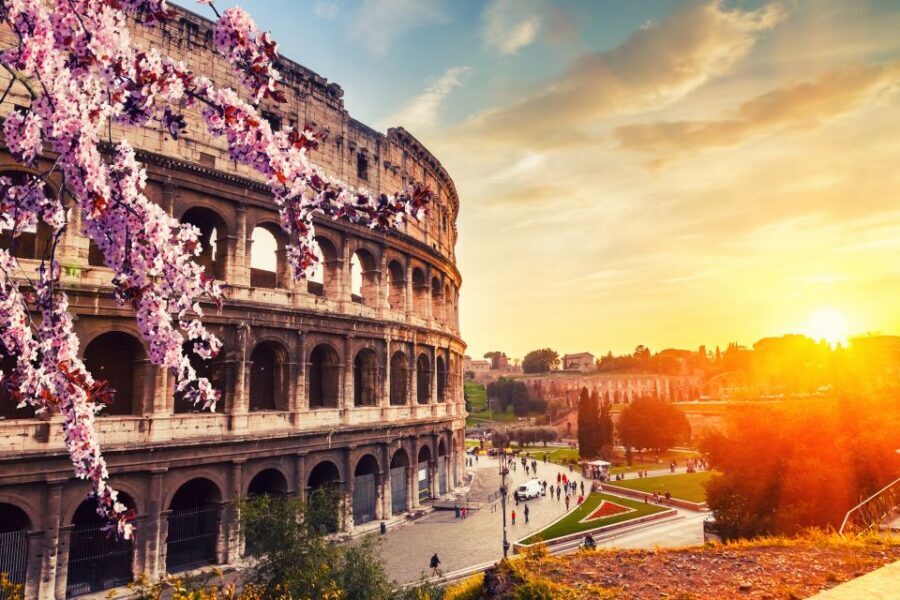
- Gladiator’s Arena entrance access to start the Colosseum experience in a memorable way
- Three core sites in one tour: Colosseum, Roman Forum, and Palatine Hill
- English private guide focused on stories, legends, and history in plain language
- Views from Palatine Hill toward Rome’s landmarks like Circus Maximus
- Security-and-time planning that protects your entry slot (and punishes late arrivals)
Why this private route works: Colosseum, Forum, and Palatine Hill in one plan
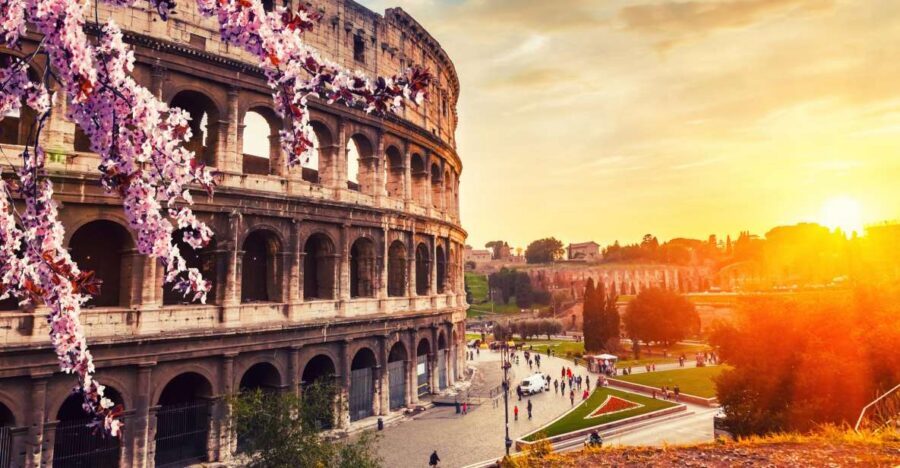
This tour is built around a simple idea: you get the Colosseum first, then you move outward to understand what surrounded it—government, religion, and elite residences. That order matters. The Colosseum shows you spectacle and social control in stone form. The Roman Forum explains the public machinery behind it. Palatine Hill ties it together with the emperors, myths, and palaces that turned power into scenery.
Because it’s private, you’re not stuck listening to a one-size-fits-all script. The guide can slow down when something catches your interest, and you’re more likely to ask the questions that pop into your head while you’re staring at arches and inscriptions.
You should still keep your expectations grounded: it’s a 3-hour experience. You’ll see a lot, but it’s not a slow day of wandering. The value is in the structure—each stop is timed to keep you moving and make the details connect.
You can also read our reviews of more guided tours in Rome



Meeting point and timing: how not to lose Colosseum access
The tour starts at Piazza del Colosseo, 21, at a green kiosk outside the Colosseo Metro ground-floor entrance. Your guide will be holding a Maya tours flag. The instruction is clear: arrive early—15 minutes before your booked departure time, and the monument requires you to be there at least 20 minutes prior. If you miss that window, the Colosseum does not allow lenience, and you won’t be able to join or reschedule.
Here’s my practical tip: treat “early” as a travel buffer, not a suggestion. Metro lines, street crossings, and crowds can eat time fast. If you’re coming from a hotel, I’d rather you show up with too much cushion than stand outside wondering if the line is moving.
Also plan for the “real world” variable: due to the Jubilee, some areas may be under restoration and could close at the last minute. That doesn’t mean the tour is a mess—it means the itinerary may tighten depending on what’s open that day.
Entering the Colosseum from the Gladiator’s Arena entrance
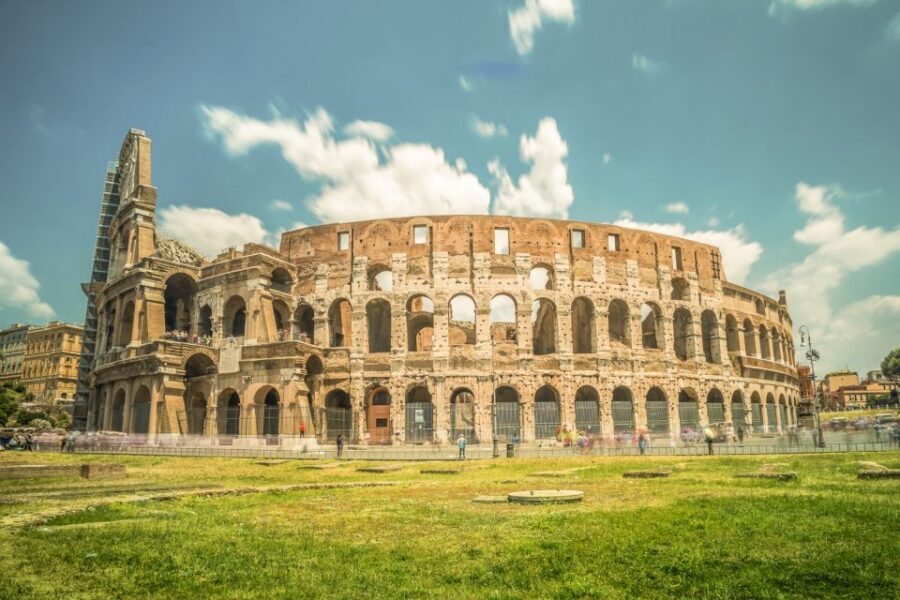
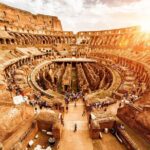
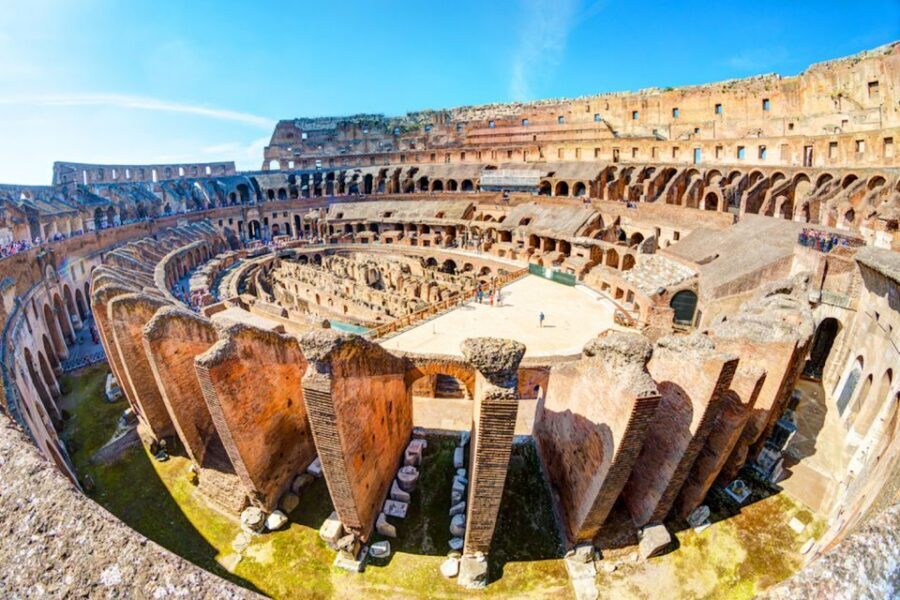
The Colosseum is the headline for a reason. With this tour, you don’t just enter through a regular door and join the crowd. You get a separate entrance and access from the Gladiator’s Arena entrance, which changes the feel immediately.
Instead of standing around and trying to picture where gladiators once stood, you start your visit closer to the action zone. Your guide is set up to explain how the games worked—organization, where the elite likely positioned themselves, and the stories that grew around gladiators: training, pressure, and the hope people tied to earning freedom.
One reason I like this Colosseum format is that a good guide helps you read the building. You start noticing the logic of the space: how people moved, how the spectacle was staged, and why the architecture was designed the way it was. That’s the difference between a quick photo stop and an experience you can remember when you walk away.
Timing here is the key. The guided portion is about 1 hour, so you’ll want to be mentally ready to absorb a lot. If you’re the type who wants to spend an extra hour roaming every corner, you might feel slightly rushed. The payoff is that the rest of the tour stays on track.
Roman Forum stop: where politics, religion, and commerce all rubbed shoulders
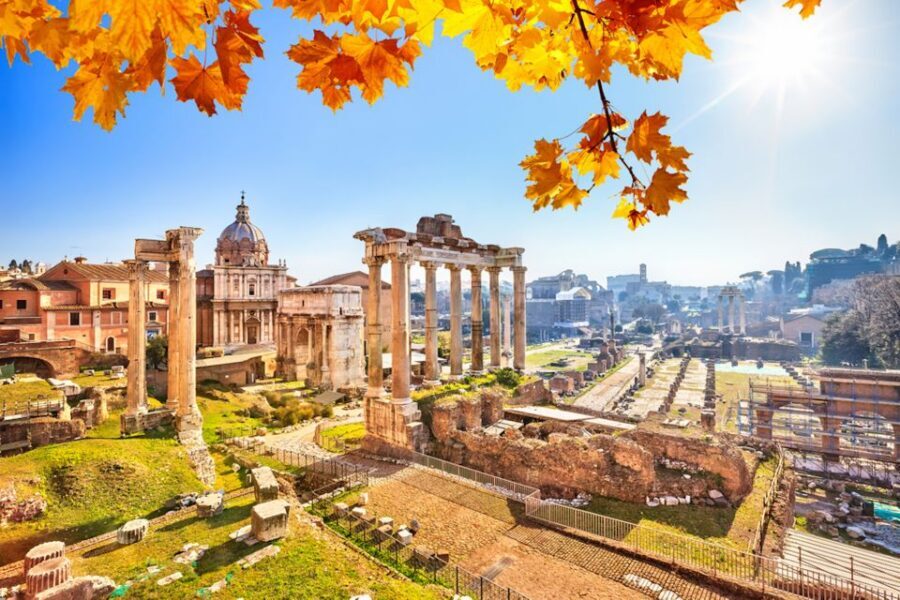
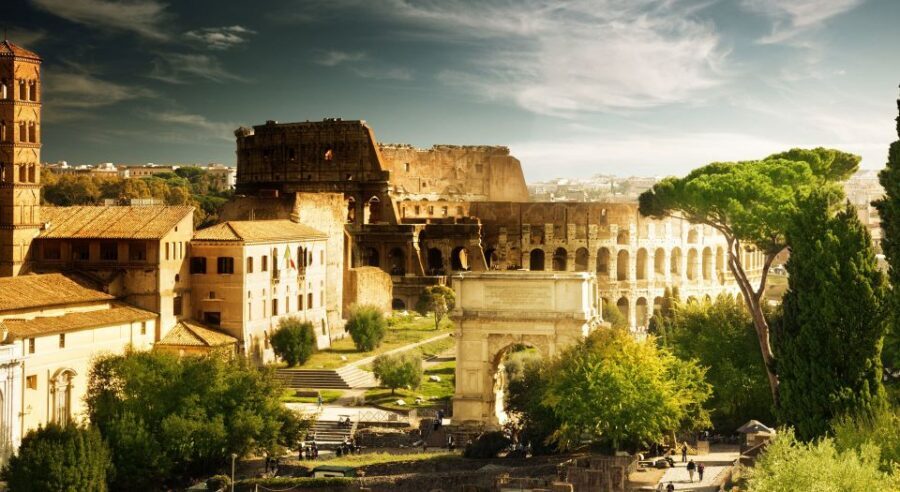
After the Colosseum, you’ll head to the Roman Forum for a guided 45 minutes. This is where Rome’s show business ties into its day-to-day power. The Forum wasn’t just a scenic ruin; it was a marketplace and a center for public life that later became the core of politics, religion, and commerce.
What you’ll get from a guided format is context for what you’re looking at. The Forum contains temples, basilicas, and monumental arches, and it’s easy to see “old buildings” without understanding why they mattered. A strong guide breathes life into that by explaining inscriptions and architecture in ways you can actually track while you’re standing there.
I also like that this stop helps you shift your perspective. The Colosseum can feel like a single giant event space. The Forum shows the system behind it—how decisions were made, how religious authority mixed with government, and how commerce flowed through the same streets where speeches happened.
Because it’s a short stop, I recommend having at least a basic curiosity about Rome’s leadership and law. If you’re interested in how empires run, this part clicks quickly.
Palatine Hill views and palace ruins that explain Rome’s origin stories
Palatine Hill is the “so what” layer of the day. After the Forum, this stop helps you understand who lived at the top of the food chain—and why they chose that spot.
You’ll get about 45 minutes on Palatine Hill, with panoramic views over the Roman Forum and even Circus Maximus from above. The guide also focuses on Rome’s origins and the myths that grew around them, plus the imperial palaces and their remains.
This is a great location for two different kinds of visitors:
- If you like legends, you’ll have a place to attach the stories to real geography.
- If you like power and architecture, the palace ruins help you see how status became a physical landscape.
A small heads-up: Palatine Hill has uneven ground and lots of ruins. You’ll want comfortable shoes with good grip. Also, this tour is not suitable for wheelchair users, so consider accessibility options if you need them.
You can also read our reviews of more private tours in Rome



Guide style: private English storytelling that keeps the pace human
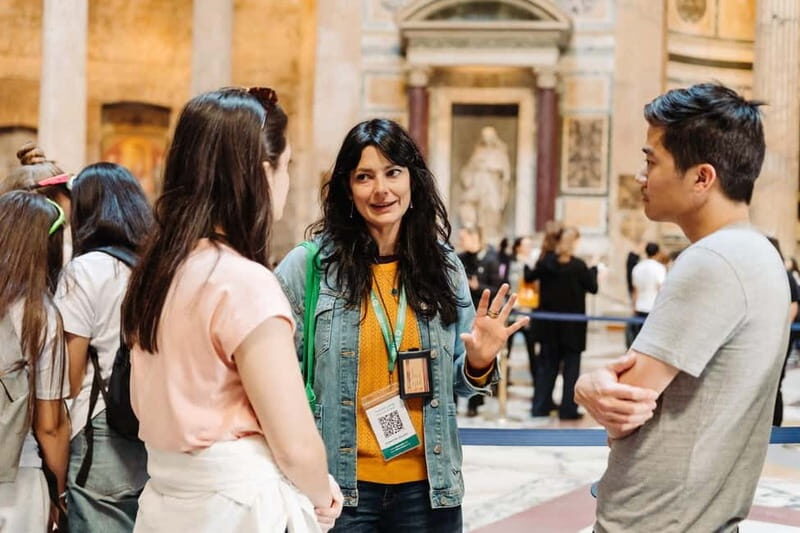
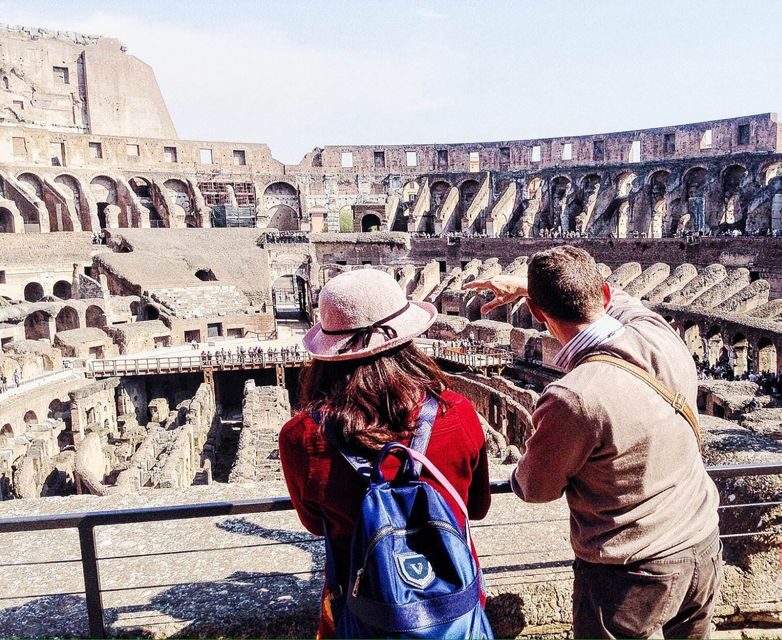
This is an English live guide experience, and the private format matters. On a good private tour, the guide isn’t just reciting facts—they’re pacing the story around your attention span.
One standout pattern from the guide descriptions you can expect: guides often mix professionalism with humor and a relaxed tone. That’s not fluff. When your guide keeps the mood easy, you stay engaged long enough to actually absorb details about gladiator life, Forum institutions, and Palatine Hill myths.
You may even meet different guides depending on your date. Names you might see include Susi and Renè, and the common thread is an emphasis on being personable and explaining clearly rather than listing dates at you.
Still, remember this is a strict-entry monument day. Even great guiding can’t fix lost entry time. If you want the full three-stop flow, show up early and stay flexible with your plan.
Price and value at about $477 per person
At $477.67 per person for a 3-hour private tour, this is not a budget option. The value comes from three things working together:
1) Private guide + small-group format
You get an expert who can tailor explanations and keep the pacing efficient. For the Colosseum and Forum, that context is worth real money because these sites can feel confusing if you only rely on signage.
2) Admission included and skip-the-line routing
You’re paying for the ticket and for the time-saving approach through a separate entrance. In Rome, saving time at entry is often the difference between enjoying the day and spending it stuck in lines.
3) Three high-demand sites in one run
Instead of doing the Colosseum one day and the other ruins separately, you’re bundling the “musts” into a single organized itinerary. You’ll also avoid the extra research and planning burden of coordinating separate tickets.
If your travel style is research-heavy and self-guided works for you, you may not need a private guide at this price. If you want your time to feel directed—especially for the Colosseum—this price can start to make sense fast.
What to bring, what to avoid, and the ID rules
This tour is strict about entry rules, so pack like it’s a concert with security.
Bring:
- Your passport or photo ID (a copy is accepted, but a photo ID is mandatory for entry)
- The full names of all travelers exactly as written on the ID when you book
Don’t bring:
- Weapons or sharp objects
- Luggage or large bags
- Glass objects
- Alcohol, spray, and anything similar to what security flags as a problem
If you get turned away at the gate because of ID mismatch or missing ID, it’s not a small annoyance. The monument entry rules are mandatory here, and you should treat them like the first boss fight of the day.
Also watch the “Jubilee closures” note. If areas are restricted due to restoration, your guide will work with what’s open. That’s one more reason to keep your schedule calm and your expectations flexible.
Who this tour suits best (and who should look elsewhere)
This is a good fit if you:
- Want private, English-guided context at the Colosseum, Forum, and Palatine Hill
- Prefer structured timing so you don’t lose the best parts to crowds or indecision
- Like explanations that connect buildings to how people lived and ruled
It may not be the best fit if you:
- Need wheelchair access (the tour is listed as not suitable for wheelchair users)
- Hate tight timing and prefer slow, self-paced wandering
- Are arriving late or uncertain about your ability to meet strict monument deadlines
If you’re traveling as a family, the private format can be a real advantage. A guide who can keep the tone light helps kids and adults both stay with the story.
Should you book this Colosseum, Arena and Ancient Rome private tour?
I’d book it if your priority is getting the most meaning out of three top Rome sites in one visit, with a guide who can explain what you’re seeing and why it mattered. The skip-the-line approach and the Colosseum entry style are strong reasons to choose this format over a purely self-guided day.
I would hesitate only if you know your schedule will be tight, if you struggle to arrive early, or if you need accessible routes. The Colosseum timing rules are not forgiving, and this tour’s stops are compact by design.
If you can show up early, bring the right photo ID, and you’re happy to move at a focused pace, this is a solid way to experience Ancient Rome without turning your day into a scavenger hunt.
FAQ
How long is the Rome Colosseum, Arena and Ancient Rome private guided tour?
It’s listed as 3 hours, and starting times depend on availability.
Where do I meet the guide?
You meet at Piazza del Colosseo, 21, at the green kiosk outside the Colosseo Metro ground-floor entrance.
What’s included in the price?
The tour includes the admission ticket, a professional private guide, and access to the Colosseum, Roman Forum, and Palatine Hill.
Is this tour skip-the-line?
Yes. It includes skip the line access through a separate entrance.
What sites will I visit during the tour?
You’ll visit the Colosseum, the Roman Forum, and Palatine Hill.
What time should I arrive before the tour starts?
Plan to arrive 15 minutes before your booked departure time. The Colosseum also requires you to be at the meeting point at least 20 minutes prior to departure.
Do I need a passport or photo ID?
Yes. You must bring a passport or ID card, and photo ID is mandatory for entry.
What items are not allowed inside the Colosseum?
Weapons or sharp objects, luggage or large bags, glass objects, and items like alcohol and spray are not allowed.
Is the tour wheelchair accessible?
No. It is listed as not suitable for wheelchair users.