REVIEW · MUSEUMS
Rome: Vatican Museum & Sistine Chapel
Book on GetYourGuide →Operated by My city Tours · Bookable on GetYourGuide
Two hours in the Vatican feels like a sprint. This tour is for you if you want the big-name art and rooms without spending your whole day figuring out where to go next. I like the professional live guide (English) and the sterilized headsets, which help you catch the explanations even when crowds are loud. One thing to consider: with only a 2-hour time window, you’ll hit the highlights hard, not every corner at a slow museum pace.
You’ll also want to be ready for practical rules. The Vatican dress code requires shoulders and knees covered, and that can affect what you wear. Price-wise, it’s $134.80 per person, so think of this as paying for guidance and time efficiency rather than just buying a ticket bundle.
In This Review
- Key Things to Know Before You Go
- Why This Vatican Tour Works When You’re Short on Time
- Price and What $134.80 Really Buys
- Dress Code and Timing: The Two Things That Can Derail You
- Inside Vatican Museums: How the Highlight Route Feels
- Belvedere Courtyard: Your visual warm-up
- Hall of Maps and the Geographical Maps: Where art meets idea
- Raphael and Caravaggio: Big names, but why they matter
- Sistine Chapel: What This Tour Tries to Get You to Notice
- The Creation of Adam: Why this moment stays in your head
- The Last Judgement: When size becomes a feeling
- St Peter’s Basilica: Ending at the Vatican’s Greatest Finish Line
- Private vs Small Group: Choose the Pace That Fits You
- Who This Tour Is Best For (And Who Should Think Twice)
- Quick, Practical Tips to Make This Worth Your Time
- Should You Book This Vatican Museum & Sistine Chapel Tour?
- FAQ
- How long is the Vatican Museum, Sistine Chapel, and St Peter’s Basilica tour?
- Is the tour in English?
- Do I need to pay for Vatican entry tickets separately?
- Is skip-the-line included?
- What’s included in the tour price?
- Is Vatican Necropolis part of the tour?
- What should I wear to enter the Vatican?
- Can I book a private or small group version?
Key Things to Know Before You Go
- Live English guide for the Vatican Museums, Sistine Chapel, and St Peter’s Basilica
- Sterilized headsets so you can hear your guide in busy rooms
- Belvedere Courtyard + Hall/Gallery of Geographical Maps on the route
- Stop for major art names like Raffaello (Raphael) and Caravaggio
- Sistine Chapel focus on The Creation of Adam and the Last Judgement
- Options for a private tour or a small group tour
Why This Vatican Tour Works When You’re Short on Time
The Vatican Museums are huge, and that can be your enemy. If you show up without a plan, you can lose time wandering and second-guessing every turn. This tour is built to keep you moving along a proven highlight route, with a guide steering you toward the rooms that most visitors care about.
The practical win here is hearing context while you see the art. The tour includes sterilized headsets, which may sound like a small detail, but it matters in the Vatican. When you’re packed in with other people, your guide’s voice can be the difference between seeing shapes on walls and understanding why those rooms matter.
This is also a good “first Vatican” option. You get the museum side (with Roman and Greek statuary, sarcophagi, mosaics) and then you move into the Sistine Chapel and St Peter’s Basilica without having to stitch together separate tickets and guidance.
You can also read our reviews of more museum experiences in Rome



Price and What $134.80 Really Buys
At $134.80 per person for a 2-hour guided tour, you’re mainly paying for three things:
- A professional guide who leads you through the key stops
- Headsets to make the commentary usable in real crowds
- Full on-site assistance, meaning you’re supported while you’re there
But the fine print matters. The activity information says entry to Vatican Museums, Sistine Chapel, and Vatican Necropolis is not included, and it also notes skip-the-line service is not included. That doesn’t automatically mean you won’t get any line advantage, but it does mean you should confirm what you receive with your booking: whether you’re getting pre-arranged entry, and whether any skip-the-line benefit is actually part of your ticket setup.
If your goal is to reduce stress and get expert context quickly, the price can feel fair. If your goal is purely the cheapest way into the Vatican, this may not be the best deal, since the museum entry itself isn’t included in the price as presented.
Dress Code and Timing: The Two Things That Can Derail You
The Vatican dress code is clear: shoulders and knees must be covered. This is not a style suggestion. It’s a gate-check. Plan your outfit accordingly—light layers help, because Rome weather can swing, and indoor spaces can feel warmer than you expect.
On timing: the tour duration is listed as 2 hours, and starting times depend on availability. That means you should pick a slot based on your day plan in Rome. If you’re trying to stack multiple big sights in one day, treat this as the centerpiece, not an afterthought.
Also note the tour language is English, and the guide is live. If you’re traveling with someone who struggles with English at speed, it may still be doable with headsets, but you’ll want to plan for the pace of commentary.
Inside Vatican Museums: How the Highlight Route Feels
This tour’s heart is the Vatican Museums—one of the most overloaded museums on earth in the best way. The experience is guided through what are described as absolute highlights, so you’re not stuck deciding what to prioritize. Instead, you flow from room to room with a plan.
You’ll see a mix of Renaissance masterpieces and older treasures. The Vatican’s collection includes paintings, frescoes, and tapestries (with famous Renaissance artists), but it also includes a lot of ancient material: Roman and Greek statues, sarcophagi, and mosaics. That variety is one of the reasons a guided route helps. A guide can help you read what you’re looking at—style, period, and symbolism—rather than just admiring technique.
Belvedere Courtyard: Your visual warm-up
You’ll walk through the Belvedere Courtyard. Think of it as the tour’s reset. Courtyards in this complex are not just hallways; they help you orient yourself and get your bearings before you hit the heavier gallery spaces.
If you’re the kind of person who needs a sense of the building’s layout to relax, this stop is useful. It turns the first stage from chaos into a simple path.




Hall of Maps and the Geographical Maps: Where art meets idea
Next up are the Hall of Muses and the Gallery of Geographical Maps. The tour explicitly calls out the Gallery of Geographical Maps, which is a great clue for what you’re in for: the Vatican didn’t just collect art; it also gathered knowledge and presented it visually.
Even if you don’t love maps, this stop is helpful. It shifts your brain from portraits and figures to the idea of the world as the Renaissance understood it. In a short tour, those course-corrections are gold.
Raphael and Caravaggio: Big names, but why they matter
The highlight list includes works by Raffaello (Raphael) and Caravaggio. In a museum like this, those names can turn into checkbox sightseeing if you don’t have someone telling you what to notice.
With a guide, you can focus on the why, not just the who:
- How artists used composition to pull your eye
- How light and dramatic contrast change the emotional temperature
- How Renaissance art was still in dialogue with older classical forms
Caravaggio especially tends to hit hard because of drama in how subjects are staged. Raphael often feels more about balance and clarity. Both are the kind of contrast that makes a short tour feel worth it.
Sistine Chapel: What This Tour Tries to Get You to Notice
You’ll arrive at the Sistine Chapel during the tour and see Michelangelo’s masterpiece with a focus on The Creation of Adam and the Last Judgement.
In a lot of visits, people walk into the Sistine Chapel and go starry-eyed. That’s normal. What makes a guided route valuable is getting you to look with a purpose before you’re swept up by scale. A guide can help you notice patterns across the scenes—how Michelangelo structured the narrative and how the figures’ energy pulls your attention around the ceiling.
The Creation of Adam: Why this moment stays in your head
When you see The Creation of Adam, you’re looking at one of the most copied images in the world. In person, it’s different because you can appreciate the details: the tension between gesture and stillness, and the way the composition builds drama with minimal movement.
For first-time visitors, this work is a fast way to connect the Renaissance imagination with human emotion. For repeat visitors, it’s still the kind of scene that makes you slow down, even when the tour timetable doesn’t.
The Last Judgement: When size becomes a feeling
Then there’s the Last Judgement. This is the work that often hits people as more overwhelming than beautiful. It’s crowded with figures, action, and emotion—so if you only glance, it can feel like noise. In a guided format, you get a roadmap for what to focus on first.
Even with limited time, the guide-led emphasis helps you avoid the classic mistake: looking at everything at once and noticing nothing deeply.
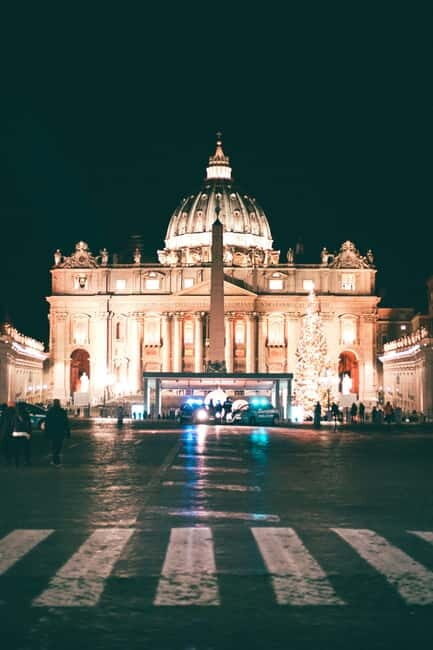
St Peter’s Basilica: Ending at the Vatican’s Greatest Finish Line
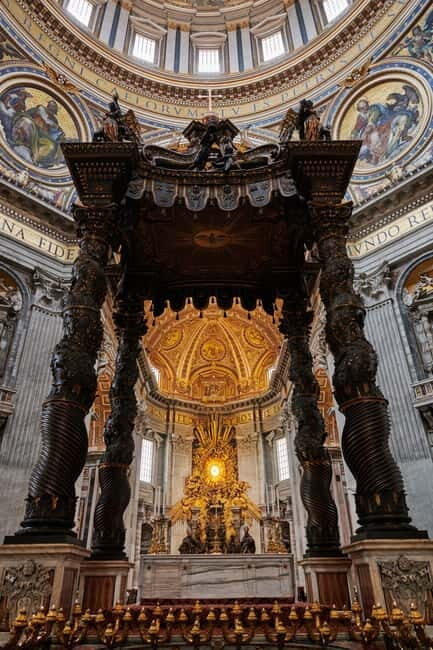
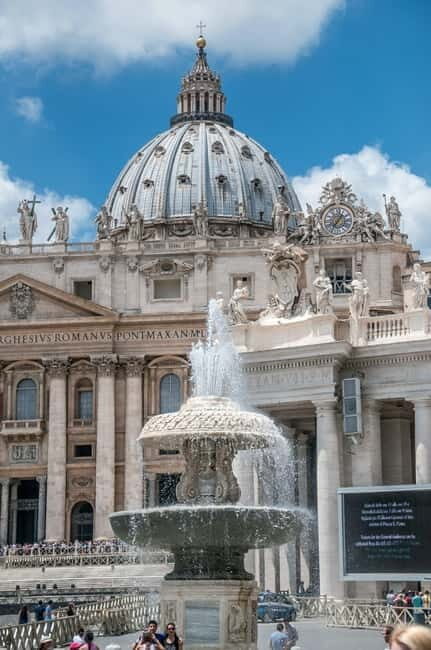
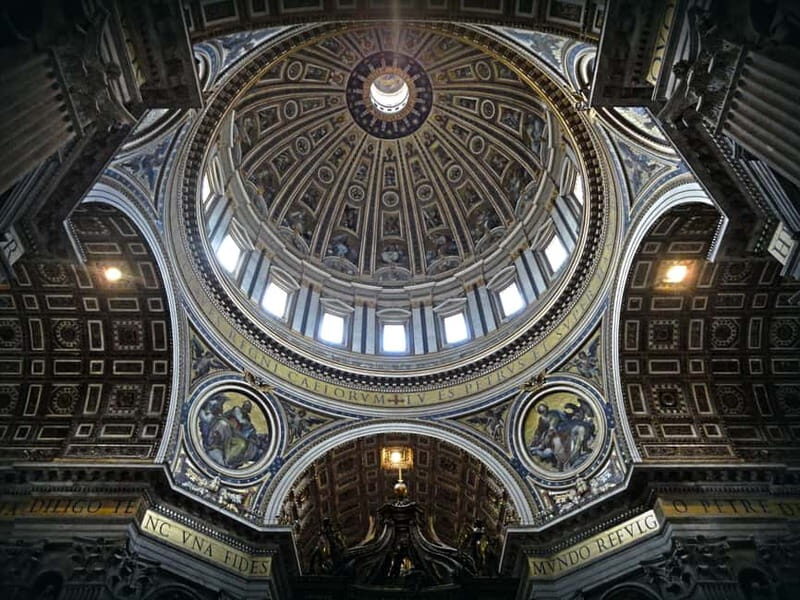
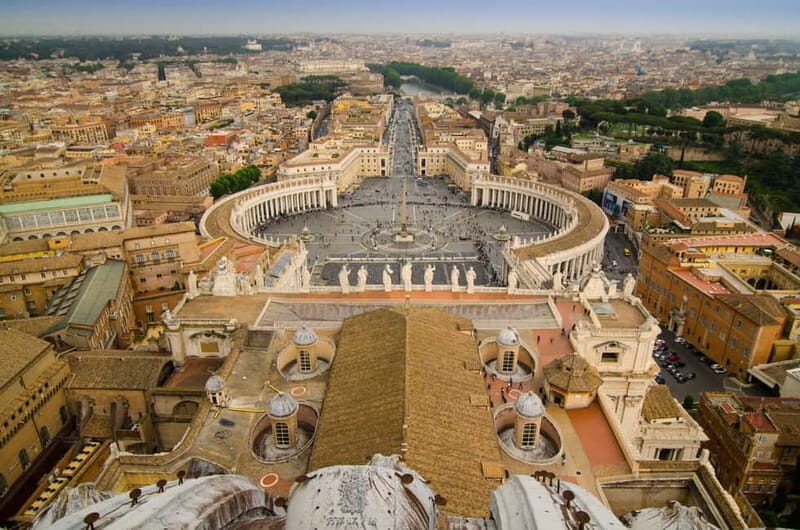
After the Sistine Chapel, the tour includes St Peter’s Basilica. This is a strong pairing because it changes the kind of experience you have. The Museums and Sistine Chapel are concentrated and art-focused. St Peter’s Basilica shifts you into sacred architecture and atmosphere.
Even if you’re not religious, basilicas hit people because of scale and space. The building is designed to make you feel small in the best possible way. And ending here gives your visit a satisfying arc: art history leads you to a physical place where that history is still alive in ceremony and design.
One practical point: because this tour is only 2 hours, you’ll likely treat St Peter’s Basilica as a highlight stop rather than a long explore. That’s not bad—it’s just the expectation. If you want a deep Basilica dive, you’ll need extra time after this tour.
Private vs Small Group: Choose the Pace That Fits You
The tour offers a choice between a private tour and a small group tour. That matters because the Vatican is crowded and unpredictable.
- If you hate waiting and prefer a quieter, more controlled pace, a private tour often helps you stay focused.
- If you like meeting people and can tolerate some shared rhythm, a small group tour can feel friendly without turning into a large chaos situation.
The data doesn’t list an exact group size, so I can’t promise numbers. But “small group” is usually a good sign for managing hearing and movement—especially since the tour includes headsets to improve that experience.
Who This Tour Is Best For (And Who Should Think Twice)
This tour is a strong match if:
- You want the Vatican Museums and the Sistine Chapel without building your own plan from scratch
- You like expert context and appreciate hearing it clearly with headsets
- You’re planning a tight Rome schedule and need a 2-hour solution
It may be less ideal if:
- You want to linger for long in specific rooms or trace art themes slowly
- You’re hoping the tour price fully covers museum entry and any skip-the-line convenience without extra steps (the information you provided lists entry as not included, and skip-the-line service as not included)
- Your day requires lots of flexible time. With a short tour, there’s less room for delays.
Quick, Practical Tips to Make This Worth Your Time
A guided highlight route is only as good as what you do when you arrive ready to look. Here are a few practical moves:
- Wear compliant clothing on purpose. Shoulders and knees covered is your entrance ticket.
- Bring patience. You’re going through some of the most famous rooms on the planet.
- Use the headset settings early, not halfway through. Make sure you can clearly hear the guide before you get distracted by the art.
- If you care about specific artists, arrive mentally set to notice them: Raphael and Caravaggio are explicitly part of the highlight route.
Also, remember that the tour includes full on-site assistance. That’s helpful if you’re not sure how the complex works. It doesn’t remove the need to be ready for basic entry rules, but it does reduce stress.
Should You Book This Vatican Museum & Sistine Chapel Tour?
Yes—if you want a guided, high-impact Vatican experience in a short window. The mix of Vatican Museums, a strong Sistine Chapel focus (The Creation of Adam and the Last Judgement), and a finishing stop at St Peter’s Basilica is a smart way to build a complete day around the biggest hits.
Before you book, do one important check: clarify what’s included with entry and whether any skip-the-line benefit applies to your specific ticket setup. The information you provided says entry is not included and skip-the-line service is not included, even though the highlights mention skipping lines. That doesn’t mean the tour is bad—it just means you should confirm exactly what you’re getting so you don’t waste time at the door.
If you like guided art context, hate wandering, and can follow the dress code, this is a solid value for $134.80 for what it packs into 2 hours.
FAQ
How long is the Vatican Museum, Sistine Chapel, and St Peter’s Basilica tour?
The duration is listed as 2 hours. Starting times depend on availability.
Is the tour in English?
Yes, the live tour guide is English, and the language listed is English.
Do I need to pay for Vatican entry tickets separately?
Entry to Vatican Museums, Sistine Chapel, and Vatican Necropolis is listed as not included. You should plan for separate entry arrangements.
Is skip-the-line included?
Skip-the-line service is listed as not included. Since the highlights mention skipping the line for Vatican Museum tickets, it’s best to confirm what your booking includes.
What’s included in the tour price?
The included items are a professional guide, sterilized headsets to hear your guide better, and full on-site assistance.
Is Vatican Necropolis part of the tour?
Vatican Necropolis entry is listed as not included, so you shouldn’t count on that as part of what’s covered.
What should I wear to enter the Vatican?
You must follow the Vatican dress code: shoulders and knees must be covered.
Can I book a private or small group version?
Yes. The tour offers the possibility to choose between a private tour or a small group tour.