REVIEW · PANTHEON TOURS
Rome: Treasure Hunt for Kids and Families Trevi and Pantheon
Book on GetYourGuide →Operated by Pink Umbrella Tours · Bookable on GetYourGuide
Kids and classics meet on this Rome walk. This family treasure hunt turns the historic center into a game, using quizzes and clue-finding at major landmarks like the Pantheon and Trevi Fountain. I like it because it keeps everyone moving and looking closely instead of just following a map.
I also like how guides run the experience like a team sport. In multiple bookings, guides such as Tomas and Maria had kids actively searching for specific details, and even adults got pulled in with trivia and stories. One possible drawback is that it’s still a walking tour through older streets, so it’s not a great fit if someone has mobility limits or uses a wheelchair.
If you want, the hunt includes moments that feel like Rome’s greatest hits plus a few extra stops along the way. The 2 hours are tight in a good way, but it means you’ll get a taste rather than a slow, sit-down museum visit.
In This Review
- Key things to know before you go
- Starting at Piazza Mignanelli: where the hunt begins
- The treasure hunt approach: quizzes, clues, and a prize
- Walking the historic center the fun way
- Pantheon time: why the hunt changes what you notice
- Trevi Fountain and Spanish Steps: icons with kid-friendly focus
- Piazza Navona and the hunt’s in-between magic
- How guides keep everyone engaged (and not just the kids)
- Price and value: is $105 per person worth it?
- Who this tour is best for (and who should think twice)
- Should you book the Rome Treasure Hunt for kids and families?
- FAQ
- What’s the duration of the Rome treasure hunt?
- How much does it cost?
- Where do we meet the guide?
- What language is the live tour guide in?
- Is the tour suitable for wheelchair users or mobility impairments?
- Can I cancel or pay later?
Key things to know before you go
- A guided scavenger-hunt format with quizzes, trivia, and clue prompts tied to iconic sights
- Pantheon and Trevi Fountain are central stops, not quick photo ops
- Family engagement is the point, with guides actively involving kids in looking for details
- A prize for the winner keeps the energy high and gives kids a reason to pay attention
- Skip-the-line convenience may happen at the Pantheon, depending on your guide and setup (seen in one booking with Tomas)
- It works for grown-ups too, but the game vibe is strongest when you have kids onboard
Starting at Piazza Mignanelli: where the hunt begins
Your tour meets at the Column of the Immaculate Conception in Piazza Mignanelli. That matters because it sets you up at a key junction in Rome’s Centro Storico, where you can connect to the sights without losing time. The best part of meeting at a landmark you can spot is that you start relaxed. You’re not spending the first 15 minutes trying to locate each other.
From there, you’re not just walking from one monument to another. You’re walking with tasks in your pocket—clues, questions, and mini challenges. This is the difference between a standard “see Rome” stroll and something that feels like you’re discovering Rome as a family group.
You can also read our reviews of more tours and experiences in Rome.



The treasure hunt approach: quizzes, clues, and a prize
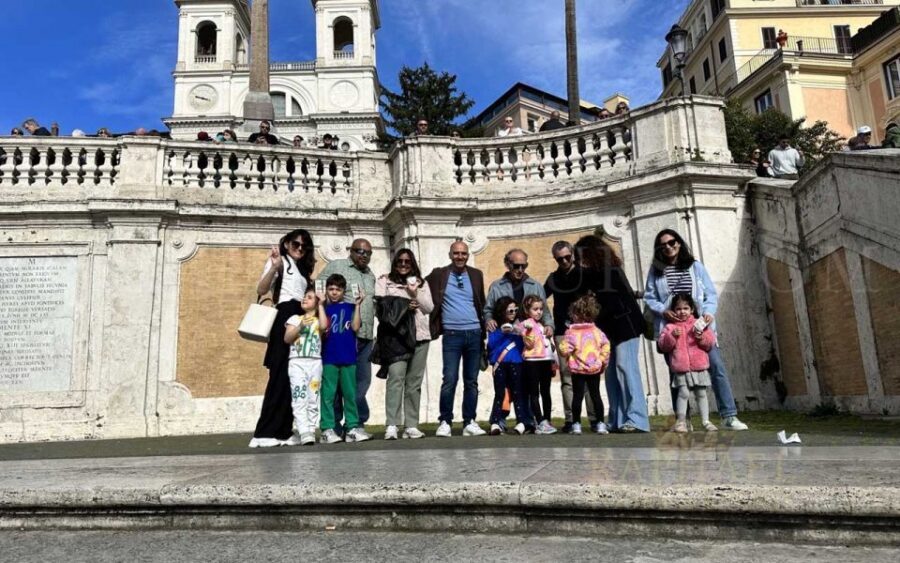
The core of this experience is the treasure hunt built for families. Expect an expert local guide who keeps things flowing with activities created for kids and parents, like quizzes and trivia. You’ll be looking for hints tied to famous places, which changes how you move through Rome. Instead of scanning for big views only, you’re trained to notice details—columns, carvings, and the kinds of architectural elements kids can actually spot.
One small example that showed up in a real booking: a guide got a child searching for a honey bees carving on a column. That’s exactly the kind of “Rome detail” that makes the city feel personal. It’s also the kind of moment that can turn a tired kid from dragging to participating, because the task is clear and immediate.
And yes, there’s a prize for the winner. It’s a simple thing, but it adds a little competition energy without turning the tour into chaos. The goal isn’t yelling or sprinting—it’s attention. When kids know they’ll be rewarded for participation, you usually get more listening, faster.
Walking the historic center the fun way
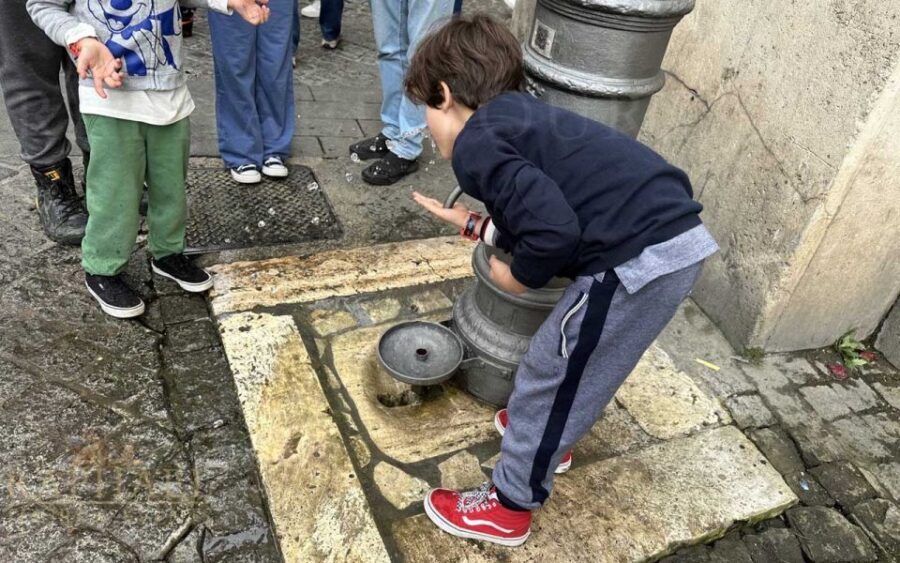
This is a 2-hour walk through the historic center of Rome, built for momentum. You’ll move through city streets where you can feel the rhythm of the area—busy corners, quiet side passages, and the “I can’t believe we’re standing here” moments that happen when Rome’s landmarks appear around the next bend.
You also get practical structure. The guide isn’t just narrating. They’re using the route as an extension of the game. That matters with families because kids often lose interest when the tour turns into a lecture. Here, the attention stays active because you always have a next clue, a next question, or a next detail to hunt for.
Another reason this walking style works: the sights are close enough that you get a sense of continuity. You’re not hopping across the city. You’re building a mini “Rome timeline” on foot—so the city feels connected instead of chopped into separate stops.
Pantheon time: why the hunt changes what you notice
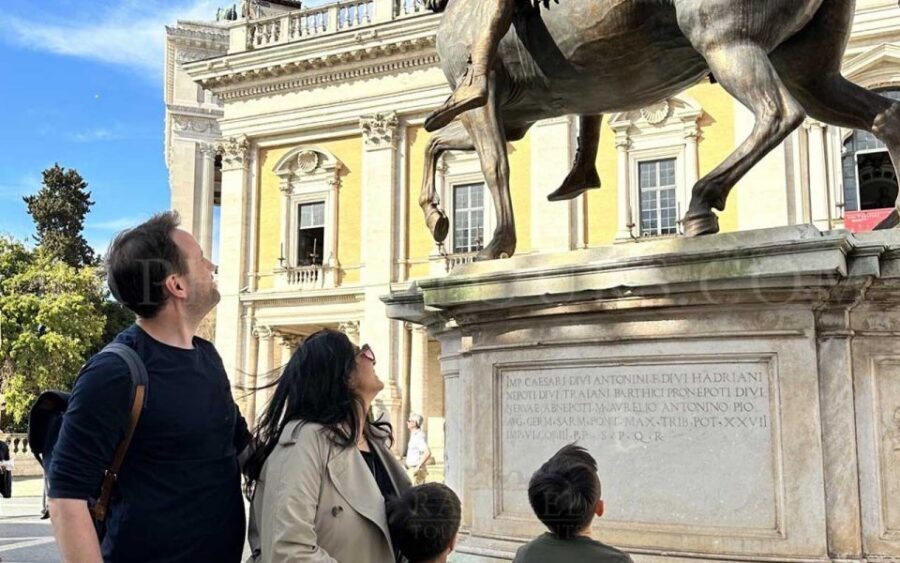
The Pantheon is a highlight for good reason, and the treasure format is a smart way to experience it. When you arrive as part of a clue-based tour, you naturally look upward and around instead of treating it like a background photo. You’re there to find answers, so your eyes actually do the work.
There’s also a real convenience upside. In one booking, guide Tomas had already arranged skip-the-line tickets for the Pantheon. That’s valuable for families because waiting can be the part of a Rome day that tests everyone’s patience. When you can start the important moments sooner, your kids are less likely to fade out.
Even if your setup differs, the guide’s mission stays the same: help you connect the Pantheon to the bigger story of Rome. In the hunt-style approach, you don’t just hear facts—you use clues to guide your own observations.
One more detail that tends to matter in a family setting: you’ll have room for photos as you go. That’s not just for parents. Kids often want proof that they were part of the action.
Trevi Fountain and Spanish Steps: icons with kid-friendly focus
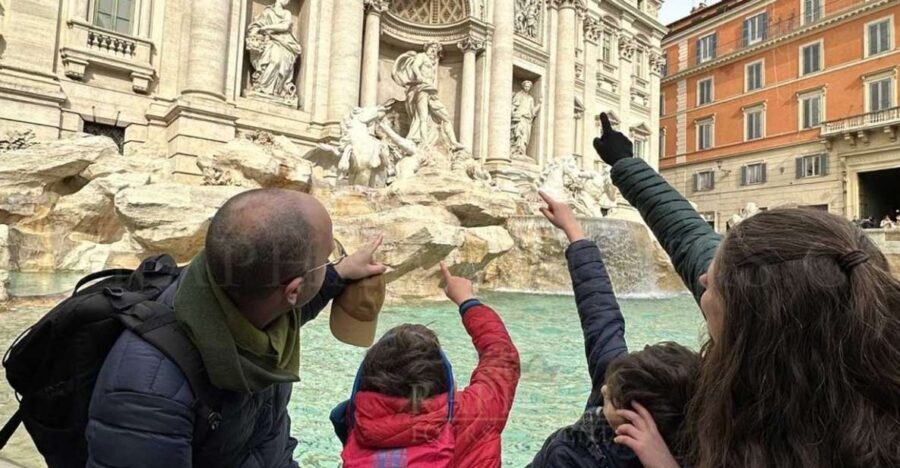
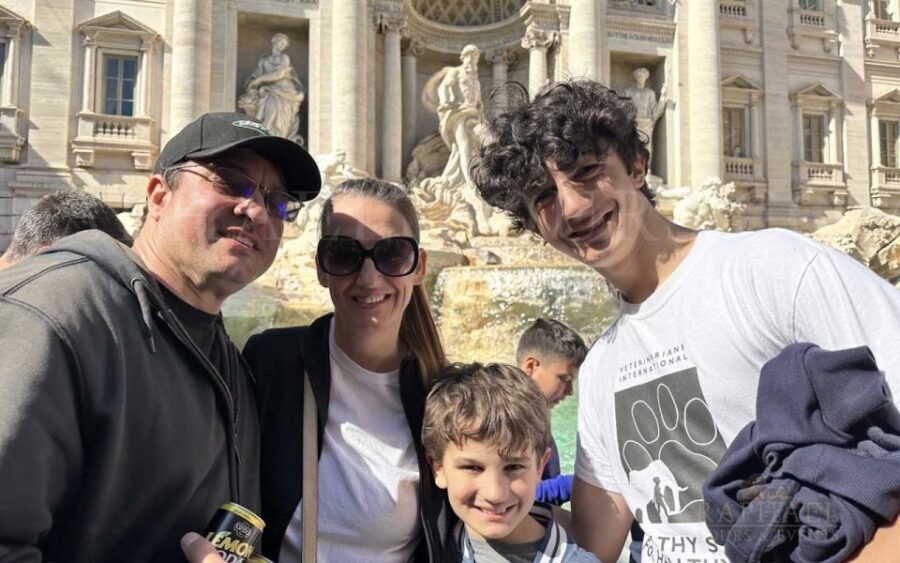
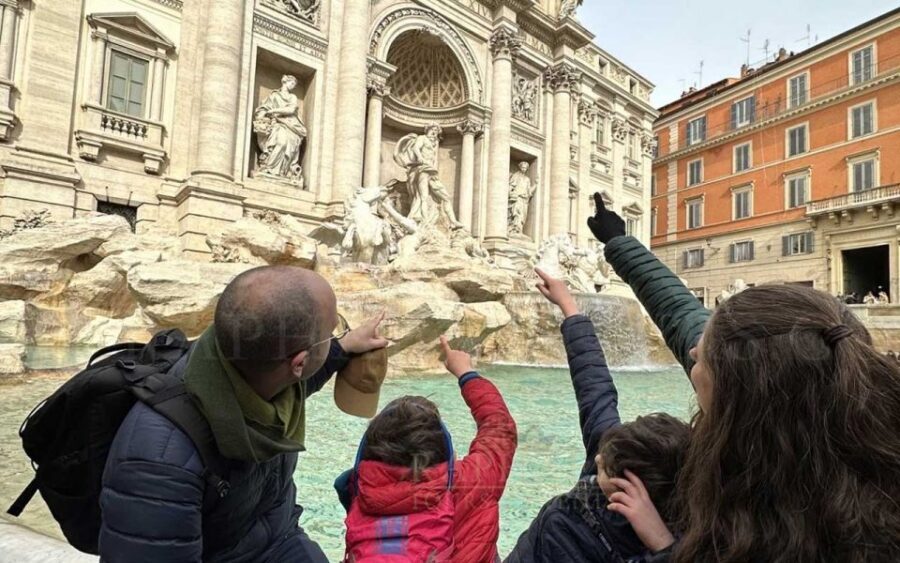
Trevi Fountain and the Spanish Steps are part of the tour’s mix, and they’re exactly the kind of landmarks families can enjoy without getting overwhelmed. These are places people recognize instantly, which makes it easier for kids to buy into the experience. The moment they see the famous setting, it feels like the hunt is real.
Then the guide adds structure by turning those recognitions into prompts. You’ll look for hints and connect them back to what you’re seeing, so you’re not just waiting for a crowd-managed photo.
Trevi also has a special “Rome moment” quality: it tends to draw everyone in. In this tour format, that means you get the famous atmosphere with built-in reasons to pay attention. You learn, but you also get movement. Kids stay engaged because the experience keeps them searching for the next clue.
The Spanish Steps work as a contrast. You can pause and look, then jump back into tasks. That rhythm is helpful if you have multiple energy levels in your group—especially when one child wants to run and another wants to stop and stare.



Piazza Navona and the hunt’s in-between magic
Piazza Navona shows up as another highlight, and this is where the treasure hunt format shines again. Squares like this are perfect for clue-based games because they give you lots of visual targets. The guide can point out elements you might otherwise overlook, and kids can scan the space like detectives.
Also, the “in-between” time is where Rome becomes more than a list of monuments. The tour includes moments that let you walk through streets and absorb the vibe of the Eternal City, not only stare at the biggest names. When you’re doing it as a hunt, the walk feels purposeful.
The guide’s commentary and anecdotes matter here too. They’re not just repeating history like a slideshow. They’re sharing stories and commentary that keep you curious about what you’re seeing—and why it’s there.
If you’re an adult who worries that kids’ activities will be shallow, this is where you’ll probably relax. The tour logic encourages the guide to explain things in plain language, and the setting gives you enough variety to keep both kids and adults paying attention.
How guides keep everyone engaged (and not just the kids)
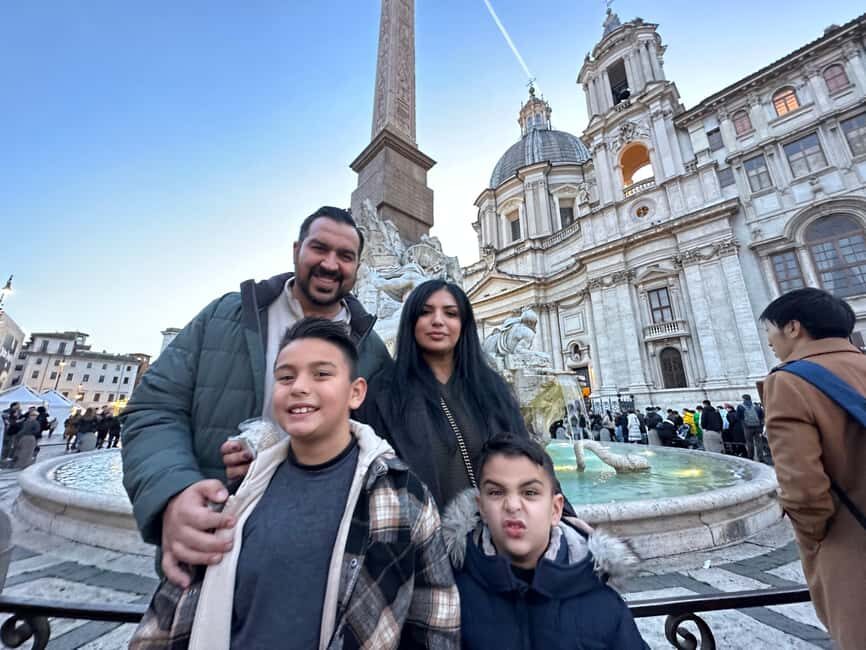
The difference between a good family tour and a great one is often the guide’s skill at pacing and attention. This tour has a strong track record there.
In different bookings, guides like Bruno, Maria, Alessandra, Francesco, Tomas, and Gabriël were praised for keeping kids engaged the entire time. One booking even noted that when a child was sick and kids were tired, the group stayed involved anyway. That’s a big deal. It usually means the guide doesn’t rely on excitement alone—they use structure: prompts, questions, and frequent interaction.
You’ll also see a pattern in the feedback: the guides don’t just talk. They ask kids to look for details. They keep adults involved too by weaving in interesting facts and architectural or historical commentary.
And the group tone can shift depending on your guide and your family. One booking described the tour with a group of just three people, which often makes it feel more like a conversation than a performance. If you like being able to hear everything clearly and interact naturally, a smaller group can be a real plus.
Price and value: is $105 per person worth it?
At $105 per person for 2 hours, the value comes down to what you’re actually buying. You’re paying for a licensed guide, a structured family-friendly activity, and a prize. You’re also paying for the friction-reduction part—especially if your guide can help you move through the Pantheon efficiently with pre-arranged skip-the-line tickets (seen in one booking).
If you were to do this on your own, you’d get freedom, but you’d lose the guided “eyes on the details” factor. Kids often need that extra layer of direction to stay engaged in a city like Rome, where it’s easy to feel overloaded.
So I think this pricing makes sense when:
- you want a family activity that teaches without turning into a chore
- you want iconic stops without spending your day managing boredom
- you value a guide who can keep the pace moving and the mood light
It might feel less worth it if your group prefers long museum-style visits or if you know your kids hate games and quizzes. In that case, you might find the treasure format less satisfying.
Who this tour is best for (and who should think twice)
This is a strong pick for families. The hunt is designed for kids, and the guide’s approach is built around keeping them involved. You’ll also likely appreciate it if your children are old enough to understand simple prompts and enjoy the challenge of finding clues.
It’s also a decent choice for adults who enjoy facts and detail. One booking even mentioned that it still works without kids, though the overall charm is tied to the family activity vibe. In other words: you can enjoy it solo or as a couple, but the “game” is the main engine.
Think twice if:
- someone in your group has mobility impairments or uses a wheelchair (this tour isn’t suitable for wheelchair users)
- your group needs lots of long rest breaks
- you expect a slow, sit-down, museum-heavy day (this is a walking hunt)
Should you book the Rome Treasure Hunt for kids and families?
If you’re trying to plan Rome in a way that won’t collapse under the weight of patience, I’d recommend this. The combination of iconic monuments (Pantheon, Trevi Fountain, Spanish Steps, Piazza Navona) and the treasure hunt format is a practical win. You get movement, learning, and kid involvement without turning Rome into a bedtime story tour.
Book it if your family wants an active first Rome day, or if you want an easy way to get the right sights in just 2 hours without overthinking logistics. Skip it if you want a quiet, unstructured stroll or you need accessibility support that doesn’t match a walking-only setup.
FAQ
What’s the duration of the Rome treasure hunt?
The tour lasts 2 hours.
How much does it cost?
The price is $105 per person.
Where do we meet the guide?
Meet at the Column of the Immaculate Conception in Piazza Mignanelli.
What language is the live tour guide in?
The tour is in English.
Is the tour suitable for wheelchair users or mobility impairments?
No. It’s not suitable for people with mobility impairments and wheelchair users.
Can I cancel or pay later?
You can cancel up to 24 hours in advance for a full refund, and you can reserve now & pay later to keep your plans flexible.