REVIEW · ROME
Rome: Trastevere with Underground Crypt & Jewish Ghetto tour
Book on GetYourGuide →Operated by Live Virtual Guide · Bookable on GetYourGuide
Rome has a second city beneath your feet. This tour pairs a relaxed stroll through Trastevere with underground crypt access at Santa Cecilia, including ancient ruins 5 meters below street level. I also love the small-group feel (max 12 people), so you can actually hear the stories while still enjoying Rome at an easy pace.
One real consideration: you’ll enter holy areas, so plan to cover your shoulders and knees.
In This Review
- Key highlights you’ll feel on the walk
- First meeting at San Francesco a Ripa: Trastevere’s quieter side
- San Francesco a Ripa: a short stop with big atmosphere
- Santa Cecilia Basilica: Bernini, then the stairs downward
- The underground crypt and ancient ruins 5 meters below street level
- Vicolo dell’Atleta: long enough to let the alley stories land
- Tiber Island: legends, local tidbits, and a river pause
- Jewish Ghetto walk: Portico d’Ottavia to Piazza Mattei
- Why the small-group size really matters here
- Price and value: $44.64 for Trastevere plus underground access
- What to wear and how to prepare for church visits
- Who this tour suits best
- Should you book the Rome: Trastevere with Underground Crypt & Jewish Ghetto tour?
- FAQ
- FAQ
- How long is the Rome Trastevere and Underground Crypt tour?
- What group size should I expect?
- Where do I meet the guide?
- What are the main places you visit?
- Is the tour offered in English?
- Do I need to dress a certain way?
- Is there free cancellation?
- Can I reserve without paying right away?
Key highlights you’ll feel on the walk
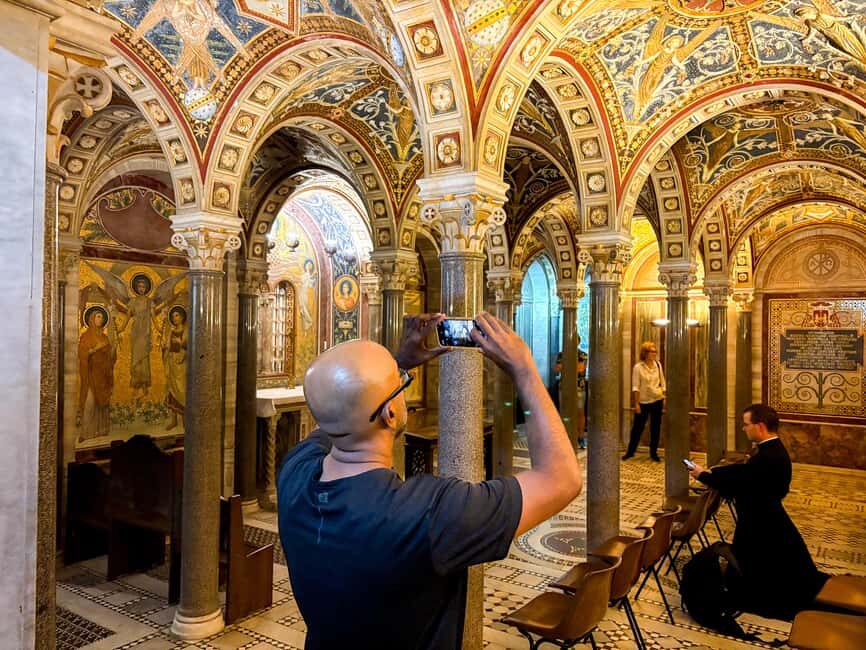
- Santa Cecilia underground crypt access, reached through the church and described as ancient ruins below street level
- Bernini’s Blessed Ludovica Albertoni view in the basilica complex
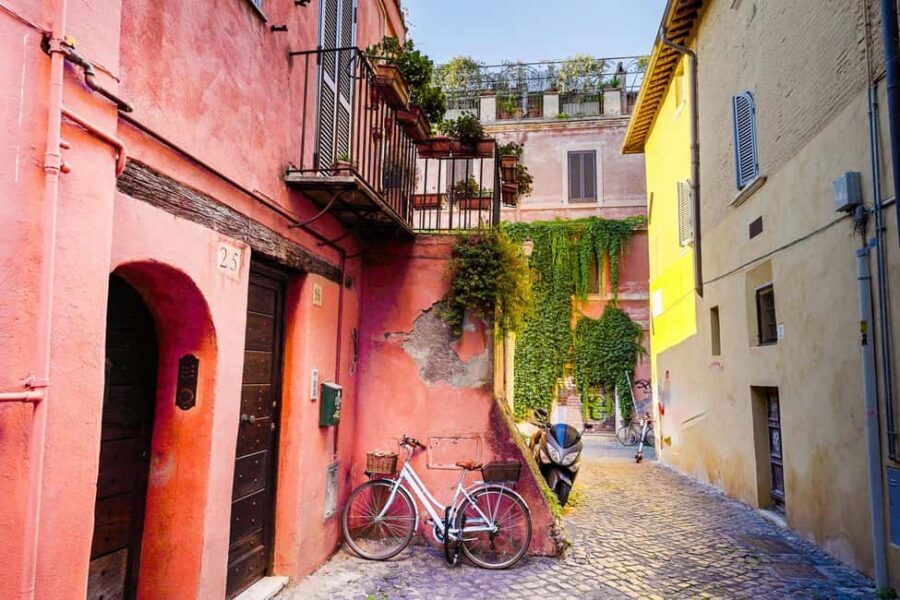
- Trastevere off the main tourist track, with alleyway time that feels calmer than the center
- Tiber Island urban legends, shared with the local “why is that here?” perspective
- Jewish Ghetto route stops including Portico d’Ottavia, Theatre of Marcello area, via della Reginella, and Piazza Mattei
First meeting at San Francesco a Ripa: Trastevere’s quieter side
You start at Piazza di San Francesco d’Assisi, by the church of San Francesco a Ripa. This is a smart way to begin, because Trastevere can feel loud and crowded if you only chase the big names. Here, you’re guided into the lanes that feel more like real neighborhood space.
From the start, you’ll get context for what you’re seeing. The guide frames the day around Rome’s “layers,” which matters later when you go underground. The walk begins gently, so you can focus on the details instead of just getting through the streets.
You can also read our reviews of more tours and experiences in Rome.



San Francesco a Ripa: a short stop with big atmosphere
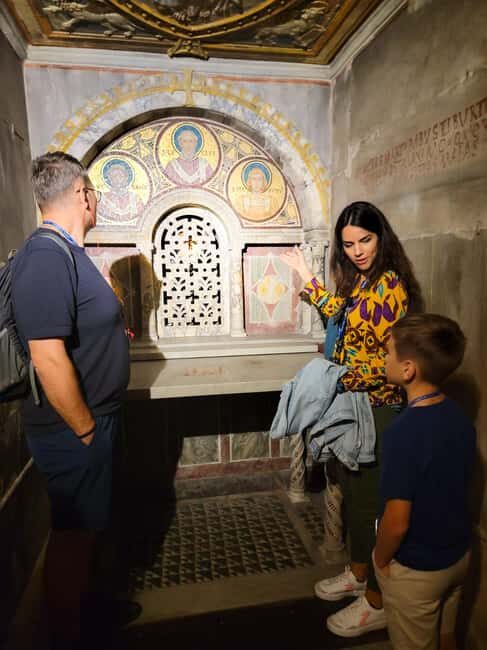
The tour includes a guided look at San Francesco a Ripa for about 15 minutes. It’s not just a quick picture moment. You’ll get just enough background to understand why people linger here and why this area reads differently when you know what to watch for.
This kind of warm-up stop is useful. You’re training your eyes for the rest of the day: how churches can sit in plain view while hiding other stories just beyond the walls.
Santa Cecilia Basilica: Bernini, then the stairs downward

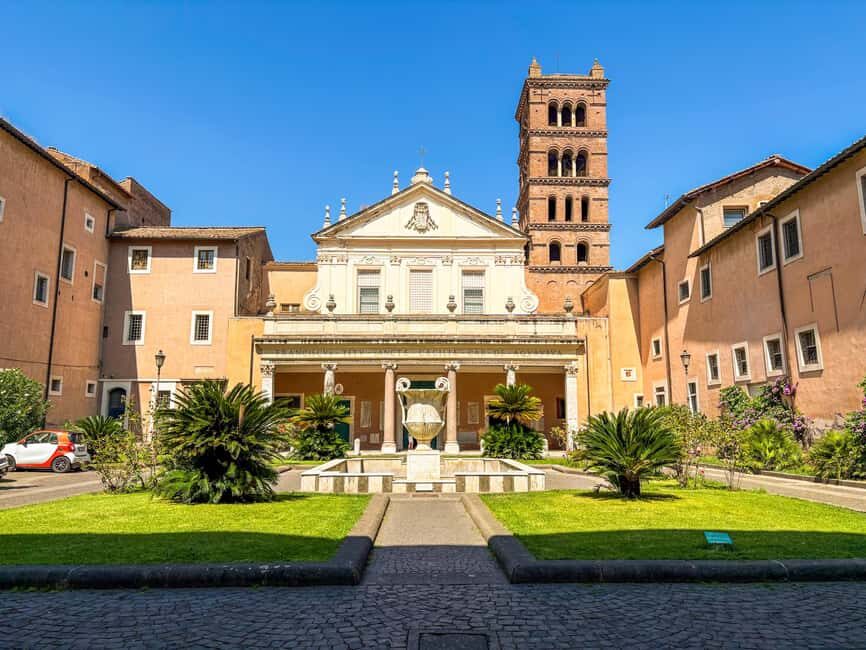
Next comes the Church of Santa Cecilia, with about an hour of guided time. This is one of the main anchors of the experience because it combines art, architecture, and the rare chance to experience what’s under the city.
You’ll see Bernini’s Blessed Ludovica Albertoni as part of the visit. Then the tour moves from above-street beauty to below-street reality, which changes the whole mood. It’s the kind of transition that makes the walking tour feel more like a story you can step into.
The underground crypt and ancient ruins 5 meters below street level
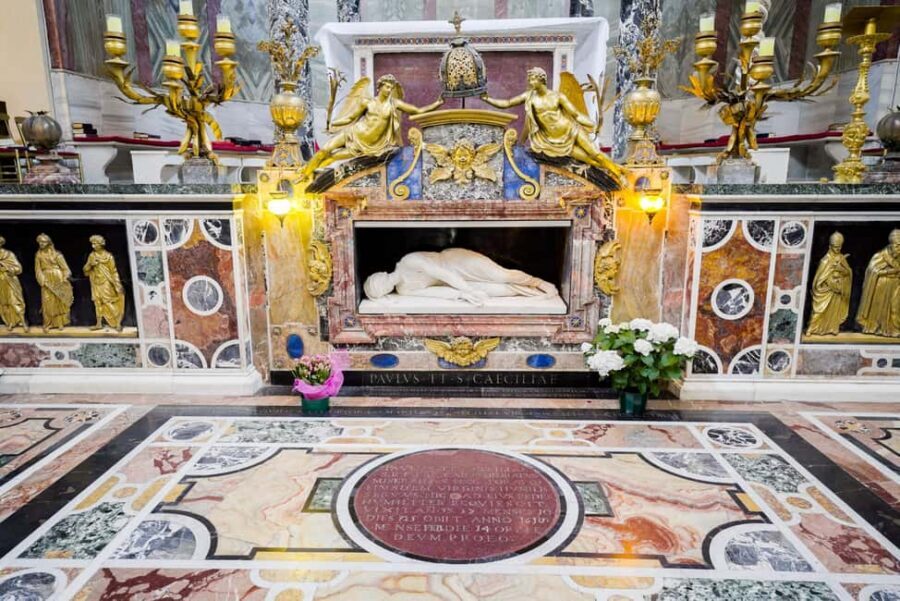
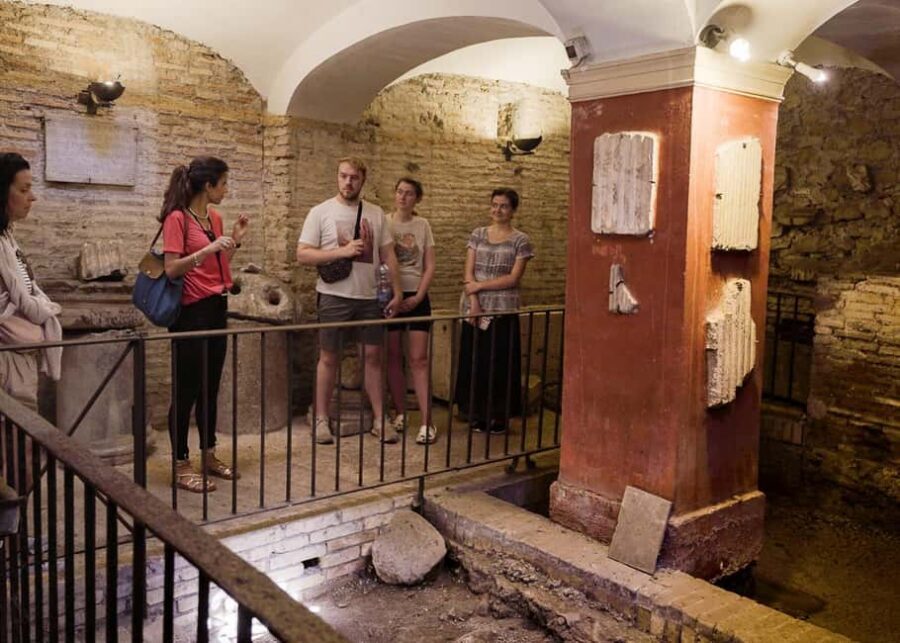
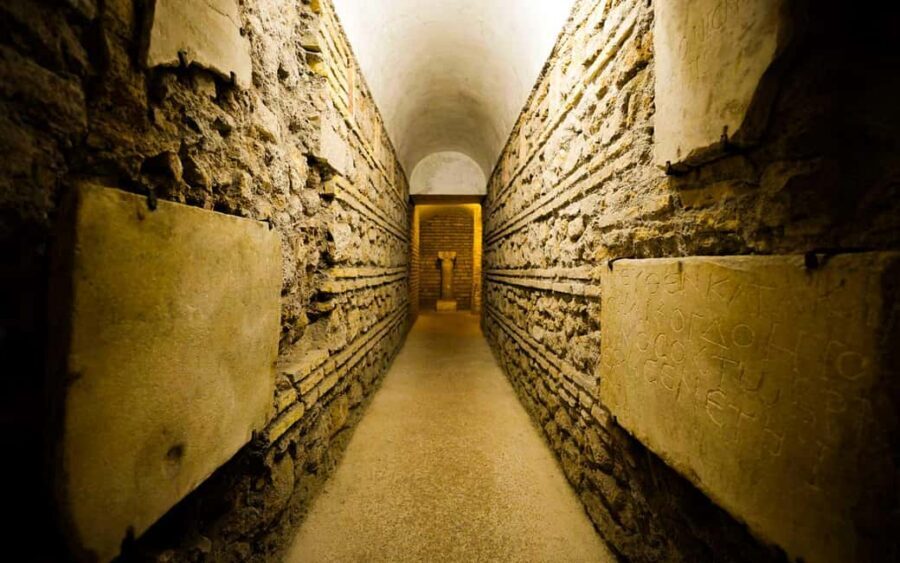
What you’re really here for is the underground crypt and ancient ruins—5 meters below the street level. The tour specifically includes access through the church area and notes that you’ll get entry via the nuns.
Even if you don’t consider yourself a church-crawl person, this part has a practical payoff: you’ll learn why Rome has so much underground and how earlier layers keep shaping what you see today. Standing below street level makes the idea of layers feel immediate, not abstract.
The guide also handles this as a “watch your step and listen” moment. It’s not just access; it’s guided interpretation, so you understand what you’re looking at while you’re still looking at it.
Vicolo dell’Atleta: long enough to let the alley stories land
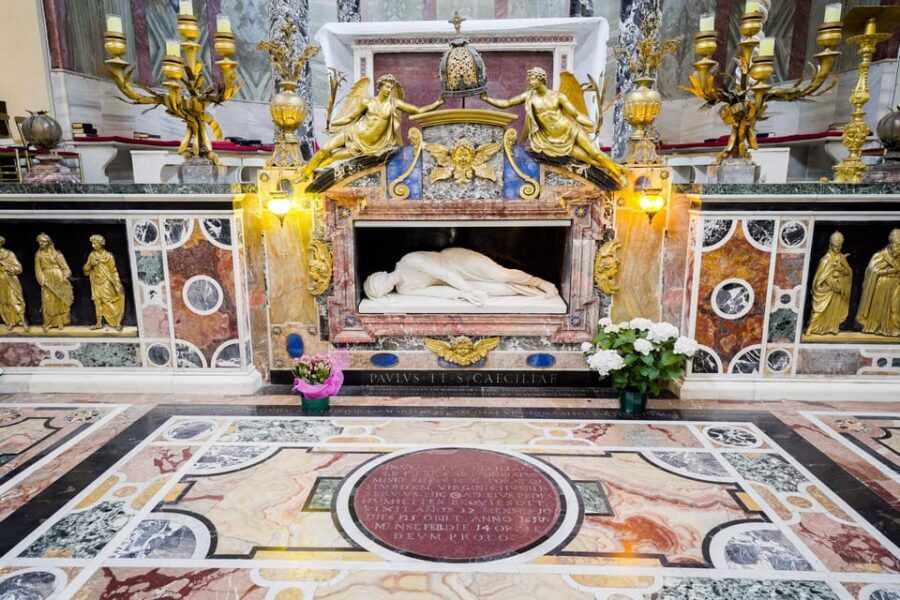
After Santa Cecilia, you’ll head to Vicolo dell’Atleta. The tour spends a good chunk of time here, with guided focus that’s longer than a typical quick alley stop.
This is where the day leans into local storytelling. Instead of treating side streets as background, you’ll get legends and small details that explain why certain corners feel the way they do. If your travel style is more curiosity than checklist, this stop is likely to be one of your favorites.
The alley feel also helps with pacing. You’re not sprinting between major sights. You’re walking, stopping, and letting the guide connect the dots for you.



Tiber Island: legends, local tidbits, and a river pause
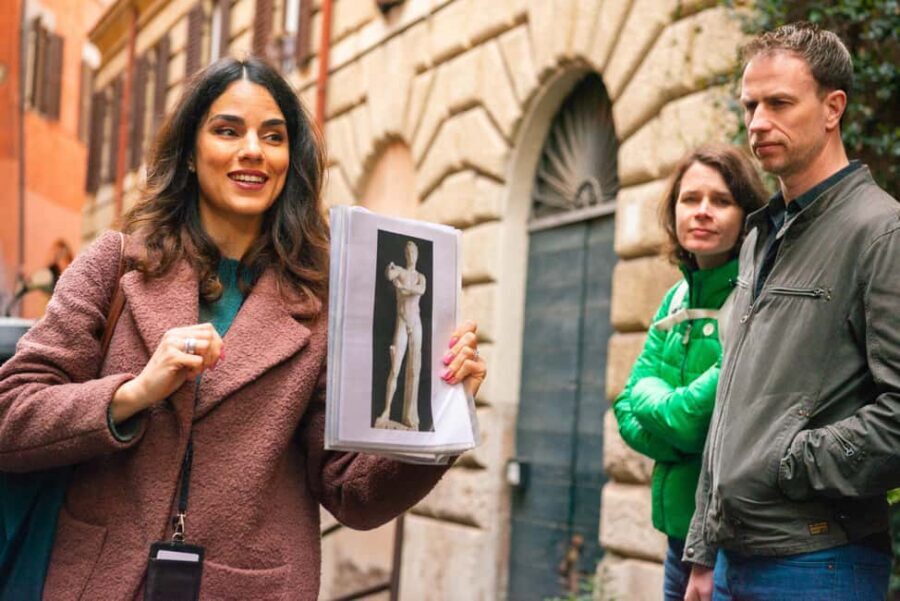
Next is the Tiber Island, with guided time that lets you slow down and actually absorb the setting. This is one of those places where Rome’s atmosphere does some of the work for you—so the stories hit better.
You’ll learn urban legends and local tidbits tied to the island. Importantly, the tour doesn’t treat these as random trivia. They connect to the broader theme of how history stacks up in this part of Rome.
This is also a nice moment to reset if you’ve been on your feet since the first church. Think of it as your breath-and-brain break before the Jewish Ghetto portion.
Jewish Ghetto walk: Portico d’Ottavia to Piazza Mattei
The Jewish district portion brings the day full circle toward one of Rome’s most story-heavy neighborhoods. You’ll cover key sights in a compact route, including Portico d’Ottavia, the Theatre of Marcello area, via della Reginella, and a final stop at Piazza Mattei.
The guided time here is built around local knowledge you’d miss on your own. Expect urban legends, neighborhood context, and that slightly surprising “history in layers” angle that Rome does better than almost anywhere else.
If you like getting oriented fast, Piazza Mattei makes a strong finish. It’s a practical end point because the area gives you an easy way to continue exploring afterward, without feeling stranded across the city.
Why the small-group size really matters here
Max 12 people is not just a feel-good number. On a route that includes underground crypts and active storytelling, small groups make a real difference.
You can hear the guide. You can ask questions without the tour turning into a loud shuffle. And because you’re stopping multiple times inside and around churches, small-group pacing helps you avoid that rushed, line-for-everything vibe.
The guide also brings humor and charm into the storytelling style—especially noted with the guide Federica, who’s described as able to explain a lot without hurrying anyone through it. That combination matters on a tour like this, where the best parts are the details.
Price and value: $44.64 for Trastevere plus underground access
At $44.64 per person for about 2.5 hours, you’re paying for two things that are hard to replicate on your own: guided context and special access to the underground crypt and ancient ruins of Santa Cecilia.
If you just walked around Trastevere, you’d get the street atmosphere. You might even find churches open at the right time. But getting the underground portion—and getting it explained well while you’re there—turns the experience from sightseeing into understanding.
This is also an efficient format. You cover Trastevere’s off-track lanes, cross over toward Tiber Island, and then reach the Jewish district within a short window. For a first or second visit, it’s a strong use of limited time.
What to wear and how to prepare for church visits
You will be visiting holy areas. Plan clothing that covers at least the shoulders and knees. It’s the kind of rule that’s simple until you’re mid-walk and trying to find a workaround.
Also expect some stairs and standing in and around churches and the underground areas. Comfortable shoes are the best travel insurance you can buy.
Who this tour suits best
This is a great match if you don’t want Rome reduced to the obvious landmarks. You’ll get a different angle on Trastevere, with time spent in lanes that stay relatively calmer, even during peak season.
It’s also ideal if you like history told as stories with meaning. The tour leans into legends, local tidbits, and explanations for why Rome has so much underground, not just where to find famous buildings.
If you prefer a relaxed walking pace—more conversation than racing—this one will fit your style.
Should you book the Rome: Trastevere with Underground Crypt & Jewish Ghetto tour?
I think you should book it if you want Rome with fewer crowds and more “how did this happen?” context. The combination of Trastevere alley time, Santa Cecilia’s underground crypt access, and the Jewish Ghetto route makes it feel like a complete neighborhood story rather than a string of stops.
Skip it only if you strongly prefer purely outdoor walking and you’d rather avoid church visits or anything that requires covering shoulders and knees. If that dress-code detail won’t work for you, pick a different style of tour.
FAQ
FAQ
How long is the Rome Trastevere and Underground Crypt tour?
The tour runs for about 2.5 hours.
What group size should I expect?
It’s a small group tour with a maximum of 12 people.
Where do I meet the guide?
You meet at Piazza di San Francesco d’Assisi, by the church of San Francesco a Ripa.
What are the main places you visit?
You’ll visit San Francesco a Ripa, the Church of Santa Cecilia (including underground crypt and ancient ruins), Vicolo dell’Atleta, Tiber Island, and the Jewish district area around Portico d’Ottavia, Theatre of Marcello, via della Reginella, and Piazza Mattei.
Is the tour offered in English?
Yes, the live tour guide leads in English.
Do I need to dress a certain way?
Yes. Since the tour includes holy areas, you should wear clothing that covers at least the shoulders and knees.
Is there free cancellation?
Yes. You can cancel up to 24 hours in advance for a full refund.
Can I reserve without paying right away?
Yes. You can reserve now and pay later.