REVIEW · ROME
Rome: Traditional Pizza and Gelato Making Class
Book on GetYourGuide →Operated by Walks Inside Rome · Bookable on GetYourGuide
Pizza and gelato lessons beat another museum stop. This 3-hour class in Rome turns Roman pizza dough and gelato into a hands-on cooking evening, with you rolling, topping, and making dessert from scratch. I especially like the way the chef teaches kneading technique step-by-step and the smart “choose your toppings” setup (think prosciutto or black olives). One possible drawback to weigh: the gelato part may feel a bit shared, since at least one class had only one mixing bowl per two people.
The best part is the energy of the chefs. I kept seeing names like Fabio, Marco, David, Julio, Alessandro, and Max showing up in reviews for patience, humor, and teaching kids and adults the same way. Just plan to arrive on time at Corso del Rinascimento 65 and ring the doorbell for InRome Cooking, because the meeting point can be a little tricky to spot.
In This Review
- Key points I’d circle before booking
- Why Roman pizza dough is the whole point of this class
- Meeting at Corso del Rinascimento 65 (and what to expect right away)
- Kneading Roman pizza dough: the technique lesson you’ll actually use
- Bianca or Rosso: topping your pizza like you mean it
- Gelato making secrets in a normal freezer world
- The best part: you eat what you made, with drinks
- How to recreate your pizza and gelato at home (without guesswork)
- Price and value: is $117.82 worth it?
- Who this class fits best (families, food nerds, and first-timers)
- Should you book the Rome pizza and gelato making class?
- FAQ
- How long is the Rome traditional pizza and gelato class?
- Where do I meet for the class?
- Is hotel pickup included?
- What’s included in the price?
- What languages does the instructor speak?
- Do I need to bring ID?
- How do I get the recipes after the class?
- Is this class suitable for wheelchair users or people with mobility impairments?
- Can I cancel or pay later?
Key points I’d circle before booking
- Roman pizza focus: smaller crust, crunchy style, and dough technique taught clearly
- Gelato from scratch: includes guidance on making the real thing (not ice cream)
- Chefs get praised a lot: Fabio, Marco, David, Julio, Alessandro, and Max keep classes fun and instructional
- Included drinks and snacks: prosecco plus a snack reception before you cook
- Toppings are part of the fun: choose Bianca (no sauce) or Rosso (tomato sauce) and customize
- Recipes via QR code: you’ll leave with a digital recipe set to recreate at home
Why Roman pizza dough is the whole point of this class
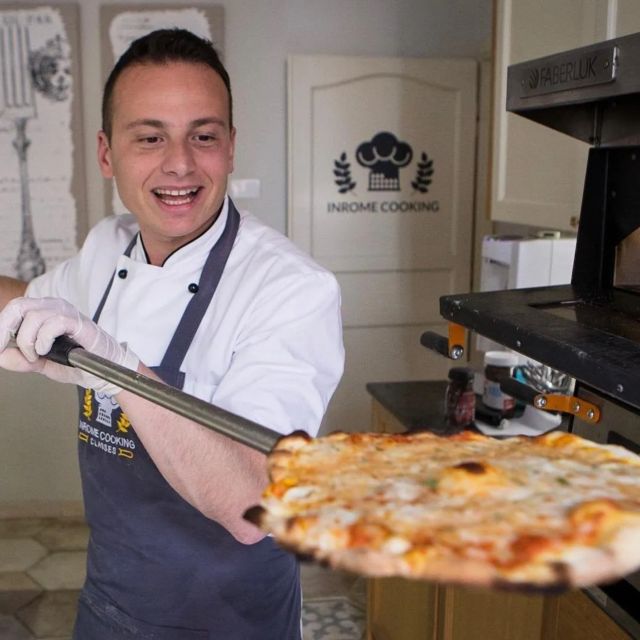
If your idea of pizza is fluffy New York-style or big Neapolitan bubbles, Roman pizza will feel more intentional. Roman-style pizza is known here for a smaller crust and a crunchy bite. That difference matters in class because it changes how you handle the dough, how you stretch or roll it, and how you think about thickness.
The chef also frames the lesson with a friendly rivalry. Expect the classic wink about how pizza isn’t only a “Rome” story. That’s not just small talk. It pushes you to pay attention to the method that makes Roman pizza work: dough texture and the kneading rhythm.
Another thing I like: this class doesn’t treat pizza as only a delivery vehicle for toppings. You’ll actually work the dough first, then decide between Bianca and Rosso. For me, that’s a big part of why the class feels worth the time. You’re learning a process, not just assembling food.
You can also read our reviews of more tours and experiences in Rome.



Meeting at Corso del Rinascimento 65 (and what to expect right away)
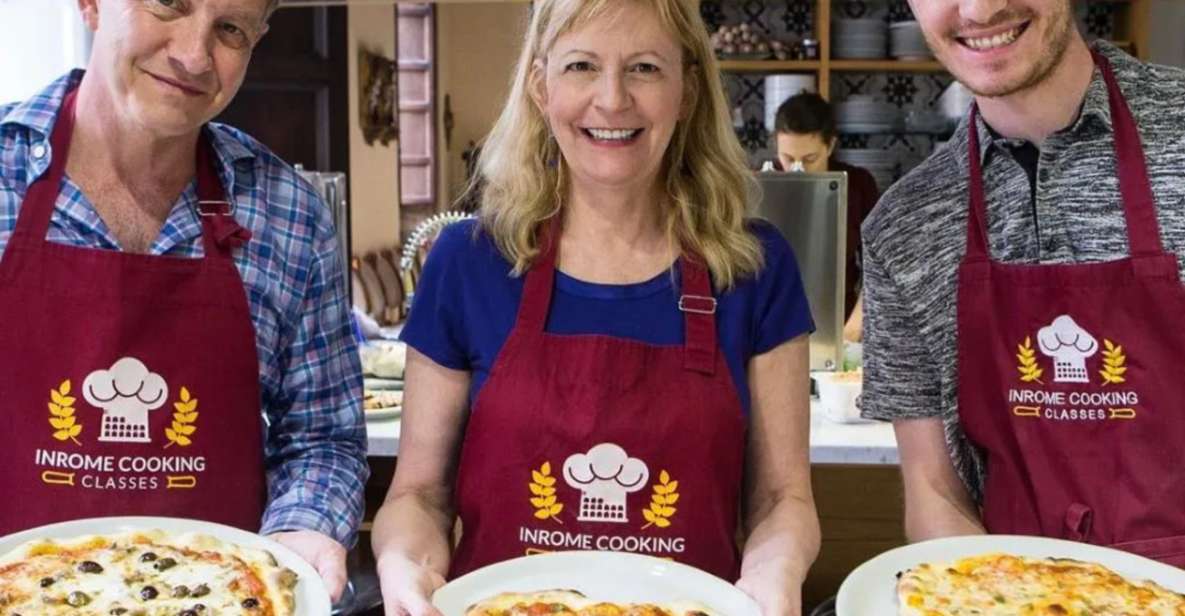
You meet at Corso del Rinascimento 65, ringing the doorbell for InRome Cooking. The ending goes back to the same meeting point, so you’re not hunting for a separate pickup location after dinner.
Once you arrive, the experience kicks off with a prosecco and snacks reception. Some reviews mention champagne and appetizers at the start, which fits the overall tone: relaxed, welcoming, and ready for a hands-on evening. You’ll likely be with a small group. One review described a group of about 10 people, including families and a couple, which is the sweet spot for getting real coaching.
Practical note: bring a passport or ID card (a copy is accepted). You’ll also want comfortable clothes. You’re kneading dough and working with ingredients, not just watching.
Kneading Roman pizza dough: the technique lesson you’ll actually use
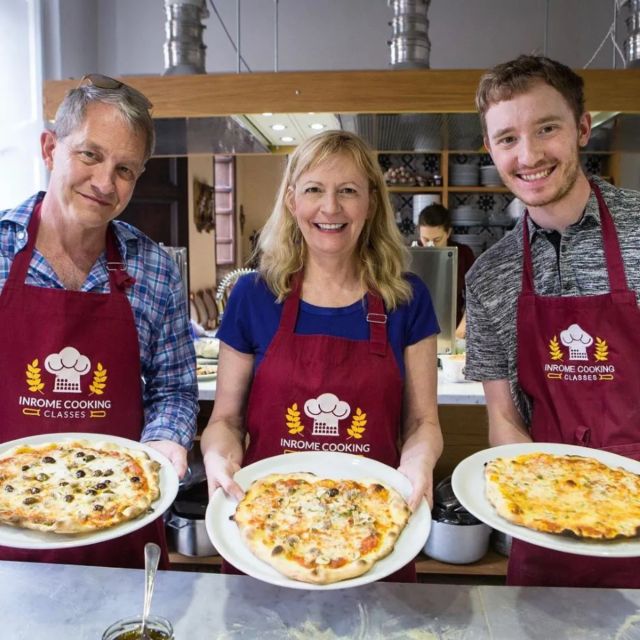
The core of the pizza portion is the dough work. You’ll learn kneading with an English-speaking Italian chef, with the chef demonstrating how to handle the dough and then guiding you through it. This is the part that people mention most: step-by-step help, patience, and teachers who don’t take over your job.
And yes, the timing matters. The dough needs time to prepare, so the class has a built-in rhythm: you prep the base, then move into topping choices. If you’ve ever tried to make pizza at home and wondered why it didn’t turn out right, the answer is usually dough handling and rest time. This class pushes you toward the fundamentals.
Also, you’ll hear why the dough behaves the way it does. That helps when you’re rolling and topping. One key takeaway from the vibe of the class: you’re not memorizing a recipe—you’re learning the mechanics. That’s what makes it easier to recreate later.
Bianca or Rosso: topping your pizza like you mean it
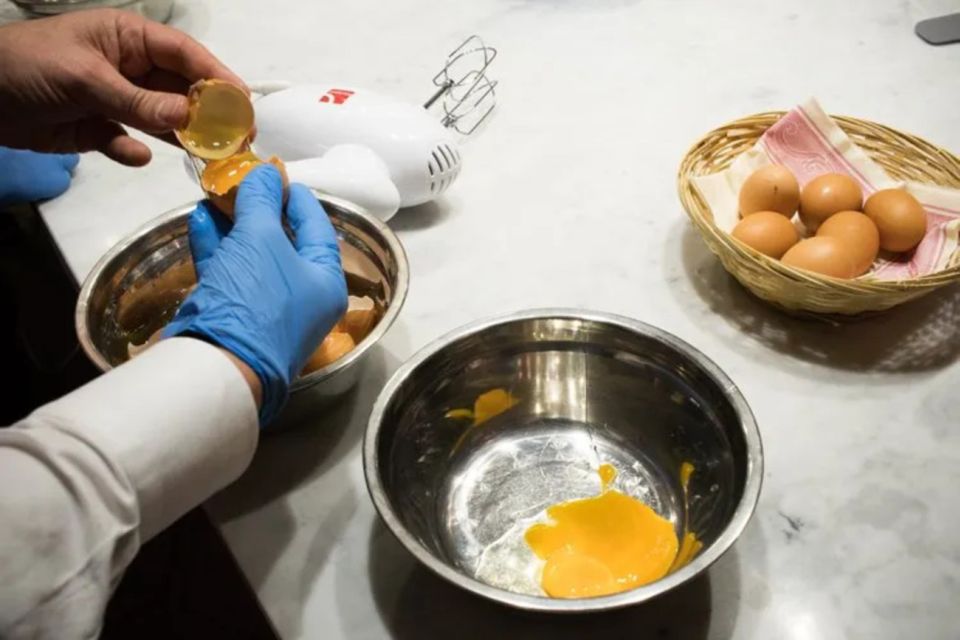
After the dough is ready, it’s your turn to build. You’ll choose from a variety of fresh ingredients, including options like prosciutto and black olives. That choice setup keeps it interesting even if you’re cooking with kids, because everyone can make a pizza that fits their taste.
Then comes the Bianca vs Rosso moment:
- Bianca: without sauce
- Rosso: with rich tomato sauce
That small choice teaches a real technique difference. Sauce changes moisture and flavor distribution, and it changes how you think about balance. Simple pizzas are easier to mess up in a different way, which is why the class framing helps.
One bonus for families: several reviews highlight chefs who keep kids engaged and moving through each step. If you have young chefs-in-training, this format is usually smoother than a longer, more lecture-heavy cooking class.
Gelato making secrets in a normal freezer world
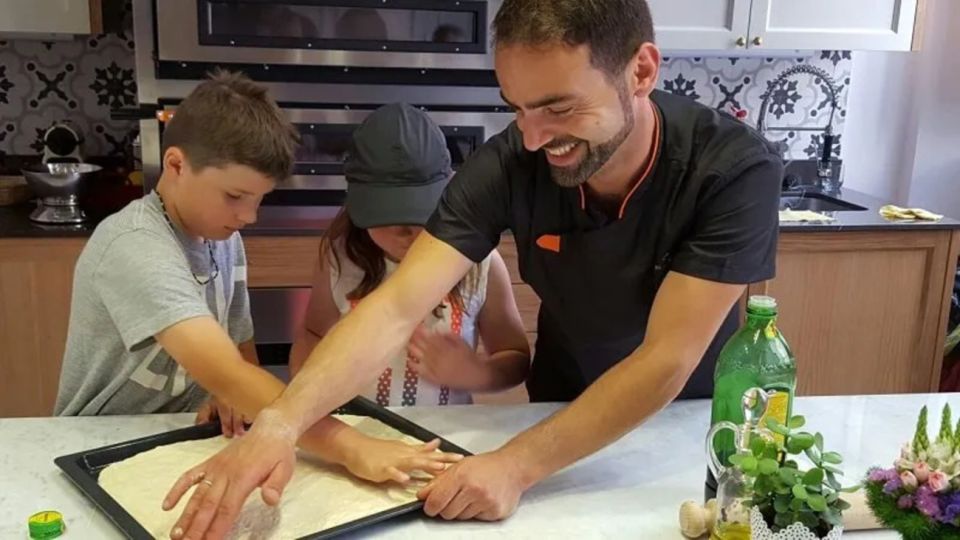
Then you shift from pizza to dessert: gelato. This class treats gelato seriously, and it doesn’t let you gloss over the details.
You’ll learn how to make gelato with the kind of guidance that helps it turn out right even when you’re making it at home. Gelato shops in Rome are known for quality, and the chef passes along the approach behind that reputation. In practical terms, that means focus on technique and the right handling of ingredients.
There’s also a clear “gelato isn’t ice cream” lesson. The class specifically calls out that they’re not the same, and it encourages you not to mix up the two. That’s good advice because texture and fat content differences can wreck the results if you treat gelato like any other frozen dessert.
One consideration: gelato equipment can be shared. One review noted a setup with only one mixing bowl per two people, so you might not get a total hands-on role for every gelato step if your group is larger or if the class is split.



The best part: you eat what you made, with drinks
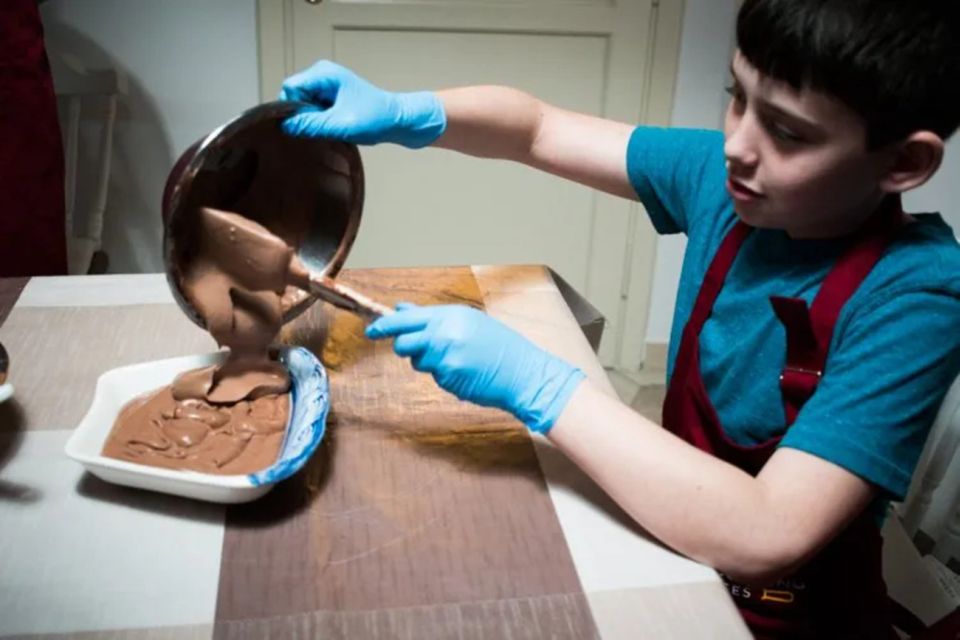
A cooking class is only half the deal if you stand back and watch. Here, you actually sit down and enjoy your pizza and gelato afterward as a homemade meal with drinks.
Reviews repeatedly praise the food and the satisfaction of eating straight from your work. People mention that the pizzas and gelatos tasted amazing, and they love that cleanup isn’t a chore at the end. That matters more than you’d think when you’re traveling. You don’t want to spend your limited holiday time with dishes.
There’s also a social component. One review described a cozy dining room and chatting with the other classmates after cooking. If you’re solo, this can feel like a friendly evening. If you’re traveling as a couple or family, it’s a structured activity without needing a ton of planning.
And if you’re the type who likes to pair food and fun, the drink component helps the mood. Several reviews mention wine being free-flowing, alongside the included prosecco reception.
How to recreate your pizza and gelato at home (without guesswork)
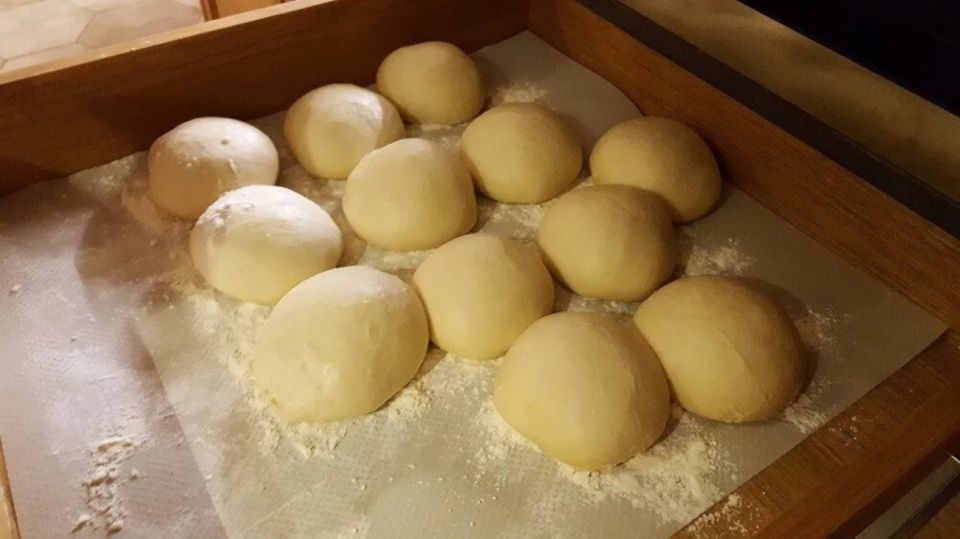
This is one of the ways this class earns its value: you don’t just leave with a full stomach. You leave with instructions.
You’ll get recipes via QR code. In one review, the participant mentioned receiving a digital recipe book with 75 recipes at the end. Even if your digital pack is smaller, the key is that you’re not relying on memory.
Use it like this:
- Start with dough technique, not toppings. If your dough handling improves, the rest gets easier.
- Match your sauce choice (Bianca vs Rosso) to how you want the pizza to taste.
- For gelato, follow the chef’s guidance closely for texture. Gelato is where small mistakes show up fast.
Also, if you plan to keep cooking after the trip, this is a great confidence builder. A few reviews explicitly say it helped them understand why pizza recipes didn’t always work at home before.
If you want an easy post-class Rome moment, the experience even nudges you toward grabbing gelato and walking near iconic sights like the Colosseum. It’s a nice way to connect the technique you just learned with the food you’ll recognize around the city.
Price and value: is $117.82 worth it?
At $117.82 per person for a 3-hour class, it’s not a cheap add-on. But you should judge value based on what you actually get, not just the headline number.
Here’s what’s included:
- English-speaking Italian chef
- Prosecco and snacks reception
- All ingredients and equipment
- Homemade meal with drinks
- Recipes via QR code
That mix matters. You’re paying for coaching, ingredients, and equipment plus an evening meal experience. In central Rome, that combination is usually more realistic than a “cook and watch” demo.
What also makes it feel fair is the repeated praise around teaching quality. Multiple reviews mention chefs who were patient, hands-on (but not taking over), engaging, and funny. When instruction is strong, you’re more likely to remember the method and reproduce it later. That’s the difference between a fun night and a meaningful skill.
The one value caution: if you’re expecting to make every single part entirely solo, keep in mind shared equipment for gelato may happen. If you’re mainly there to eat and have fun, that’s usually fine. If you’re very equipment-driven, ask about the exact gelato setup before booking.
Who this class fits best (families, food nerds, and first-timers)
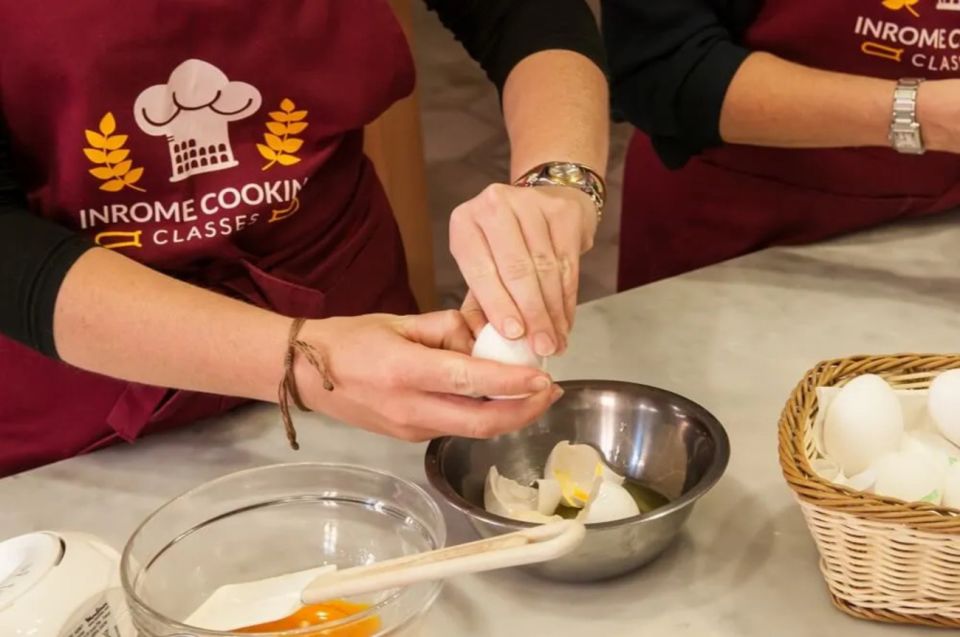
This class seems built for a wide range of people:
- Families: reviews mention kids and teens having a great time, with chefs who adapted to different ages.
- First-timers: the structure is hands-on and step-by-step, which lowers the intimidation factor.
- Food lovers who want technique: if you care about why Roman pizza is crunchy and why gelato isn’t ice cream, this format respects that curiosity.
One more fit check: it’s not suitable for people with mobility impairments and it’s not suitable for wheelchair users. If accessibility is an issue for you, it’s worth looking into other options in Rome that match your needs.
Should you book the Rome pizza and gelato making class?
Book it if you want a fun, practical Rome experience that mixes skill with a real meal. I’d especially recommend it if:
- you’re excited to learn kneading technique and Roman pizza differences
- you care about getting gelato right (not just ordering it)
- you’re traveling with kids or teens and want an activity that keeps everyone involved
- you’d like digital recipes you can use later
Skip it if you’re only seeking sightseeing and you’d rather spend your money on food stops you can control. And if you’re sensitive about sharing equipment, the gelato workflow may not feel fully solo.
For most people, though, this hits a sweet spot: you get coached cooking, included drinks, and the satisfaction of eating what you made, in about three hours.
FAQ
How long is the Rome traditional pizza and gelato class?
It lasts 3 hours.
Where do I meet for the class?
You start at Corso del Rinascimento 65. Ring the doorbell for InRome Cooking.
Is hotel pickup included?
No. Hotel pickup and drop-off are not included.
What’s included in the price?
The class includes an English-speaking chef, a prosecco and snacks reception, all ingredients and equipment, and a homemade meal with drinks. Recipes are provided via QR code.
What languages does the instructor speak?
The instructor is listed as English and Italian.
Do I need to bring ID?
Yes. Bring a passport or ID card. A copy is accepted.
How do I get the recipes after the class?
Recipes are provided via QR code.
Is this class suitable for wheelchair users or people with mobility impairments?
No, it is not suitable for wheelchair users and people with mobility impairments.
Can I cancel or pay later?
Free cancellation is available up to 24 hours in advance for a full refund, and there is a reserve now & pay later option.