REVIEW · ST PETER'S BASILICA TOURS
Rome: St. Peter’s Basilica and Papal Grottoes Guided Tour
Book on GetYourGuide →Operated by Best In Rome Tour · Bookable on GetYourGuide
St. Peter’s feels like a whole universe. This guided visit pairs the show-stopping St. Peter’s Square (with Bernini’s famous visual tricks and a 2,500-year-old Egyptian obelisk) with the art-packed Basilica interior—and then goes underground to the Papal Grottoes, where popes and royalty have been buried for centuries. It’s not just sightseeing; it’s a guided map through one of the world’s biggest religious-art spaces.
I love two things most: first, the way the guide uses headsets and clear pacing so you don’t miss the key works (like Michelangelo’s La Pietà and Bernini’s Baldachin). Second, I like that you get the Basilica scale and symbolism explained in plain language, then you physically move right below it for the tombs. One consideration: you can’t skip the airport-style security line, so waiting time can swing from reasonable to long.
In This Review
- Key highlights to know before you go
- Security, timing, and what the tour actually includes
- St. Peter’s Square: obelisk views and Bernini’s visual tricks
- Inside St. Peter’s Basilica: where the art hits hardest
- Your 1–2 hours: how to get real value
- The Papal Grottoes: tombs 3 meters down under the altar
- Guides and the difference between hearing facts and feeling the place
- Dome and Vatican Museums: what this tour does not cover
- What to wear and bring for a smooth Basilica visit
- If St. Peter’s or the underground level changes
- Who should book this St. Peter’s + Grottoes tour
- Should you book this tour?
- FAQ
- How long is the St. Peter’s Basilica and Papal Grottoes guided tour?
- Where do I meet the guide?
- Are tickets included for the Vatican Museums, Sistine Chapel, or Basilica Dome?
- Does this tour skip the security line?
- What should I bring and wear?
- What languages are available for the live guide?
Key highlights to know before you go
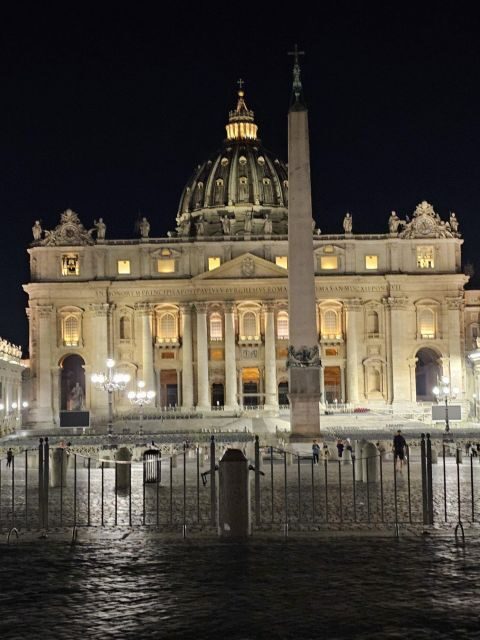
- Bernini’s “visual game” in St. Peter’s Square, plus two special spots your guide points out
- Gilded ceilings, marble floor, and giant scale inside St. Peter’s Basilica
- La Pietà and Bernini’s Baldachin are built into the main walking flow
- Papal Grottoes 3 meters below the Basilica, under the central nave and great altar
- Resting places of 90 Popes plus other church leaders and some monarchs
Security, timing, and what the tour actually includes
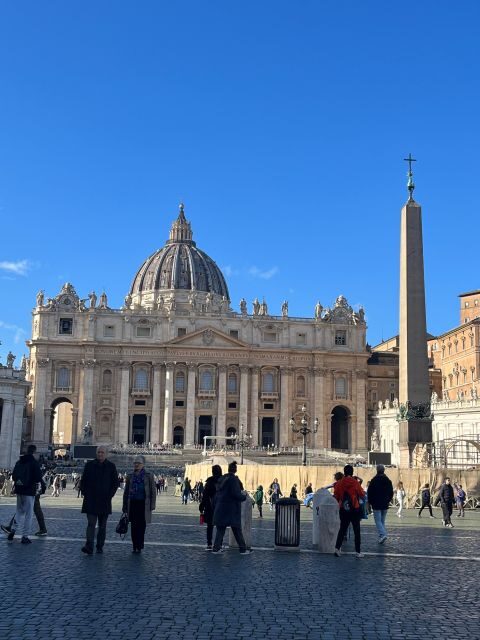
This tour starts in St. Peter’s Square and keeps you moving with a live guide and headsets. That headset detail matters in this area: it’s busy, acoustics can be weird, and you’ll get better value when you can actually hear the explanations.
Plan for a security check like an airport. Skip-the-line access isn’t available, and wait times can range from about 10 minutes to 2 hours during peak periods. If you want the smoothest experience, pick an earlier start time when you can—starting later can mean more time stuck in heat and crowds.
Tickets you should note: the tour price includes the guide and walking tour, but it does not include Vatican Museums, the Sistine Chapel, or the Basilica Dome. You’ll get access to St. Peter’s Basilica and the Papal Grottoes on this tour, with the dome being a separate option if you choose it.
You can also read our reviews of more guided tours in Rome



St. Peter’s Square: obelisk views and Bernini’s visual tricks
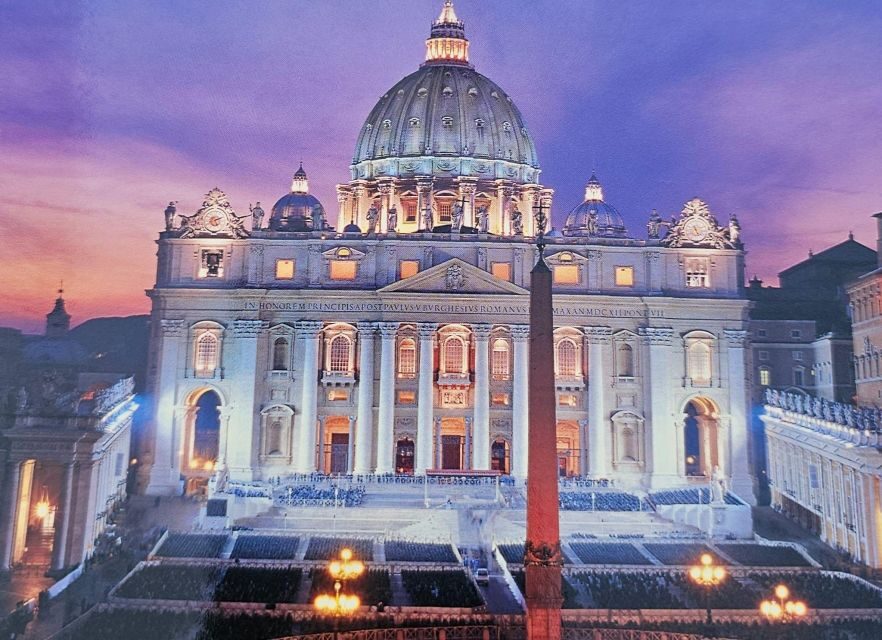
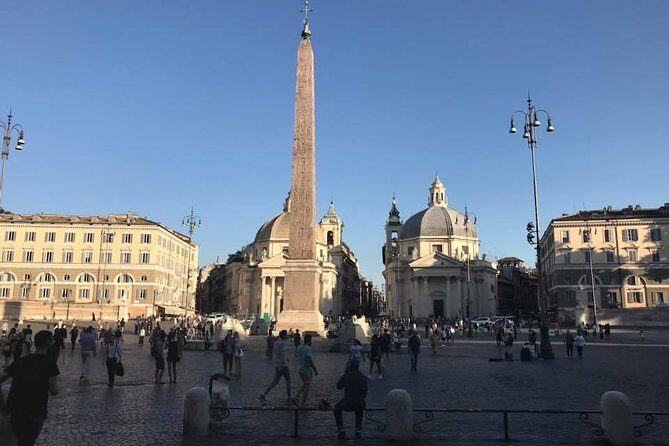
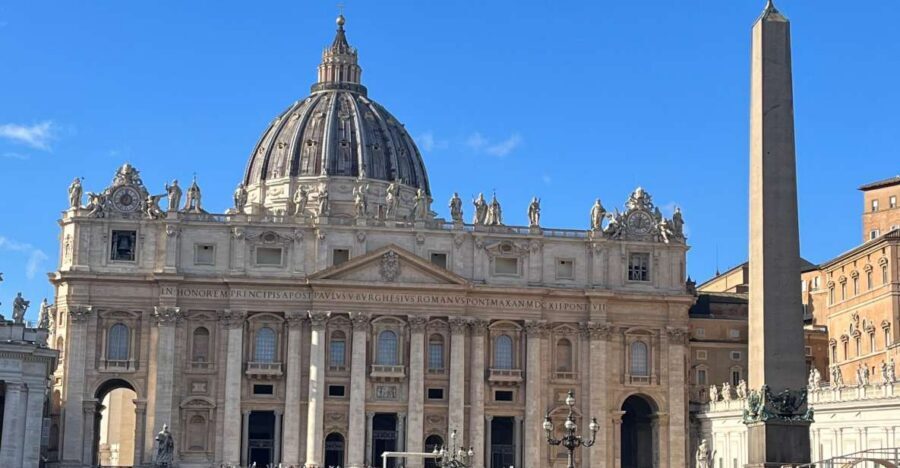
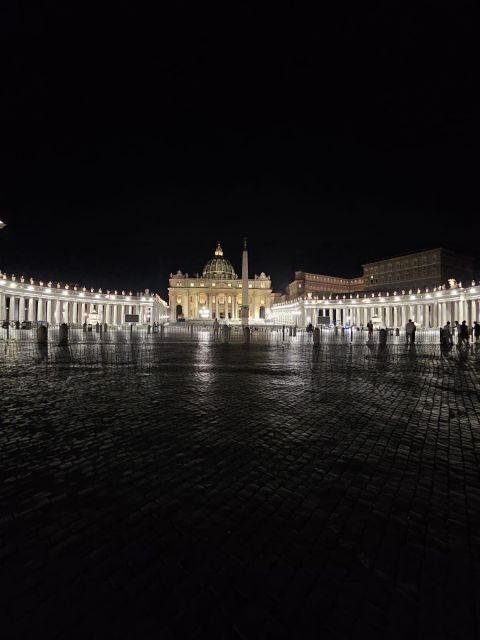
Before you enter the Basilica, your guide sets you up in St. Peter’s Square. This is where you start understanding why the space feels theatrical. The square’s design creates a visual effect that people often experience as they stand in certain spots—your guide will show you where those spots are and what to look for.
You’ll also see the Egyptian Obelisk that rises from the square—ancient, stern-looking, and wildly out of place in the best way. It’s a quick hit of history that makes the rest of the visit feel more layered: you’re moving through different eras at walking speed.
If you care about photos, this is your moment. Look up and across the architecture. Then when your group moves toward the Basilica entrance, you’ll already feel oriented instead of overwhelmed.
Inside St. Peter’s Basilica: where the art hits hardest
Once you’re inside, the Basilica can feel like it’s too big to take in at once. That’s where the guided flow helps. You’ll walk the colorful marble and notice how the building’s scale changes as you turn corners, with the ceiling’s gold coverage doing most of the talking.
The tour focuses you on the main “power points” so you don’t spend your limited time wandering. Expect to see:
- Bernini’s Baldachin over the Papal Altar area
- Michelangelo’s La Pietà, one of the most famous works in the church
- Major architectural and artistic elements connected to what you’re seeing
The trick here is not just seeing famous works—it’s understanding how they connect. Bernini’s Baldachin and the surrounding altar area are meant to pull your eye and guide your attention toward the spiritual center. When your guide explains the intent, you stop treating the space like decoration and start reading it like a designed experience.
Your 1–2 hours: how to get real value
The duration is listed as 1–2 hours, and in practice that time can feel short if security lines run long. The upside: this tour is built around the highest-impact highlights instead of turning into an all-day Basilica marathon.
A good strategy for your own planning: treat this as a “two-part priority” visit—Basilica first, then the grotto layer. One reason the tour works is that it helps you see the big ideas without waiting for slow, stop-everything explanations.
If you’re choosing between different start times, go earlier if possible. You’ll likely spend less time in queues and more time actually looking at the ceiling gold, the sculptures, and the art that your guide points out as you walk.
The Papal Grottoes: tombs 3 meters down under the altar
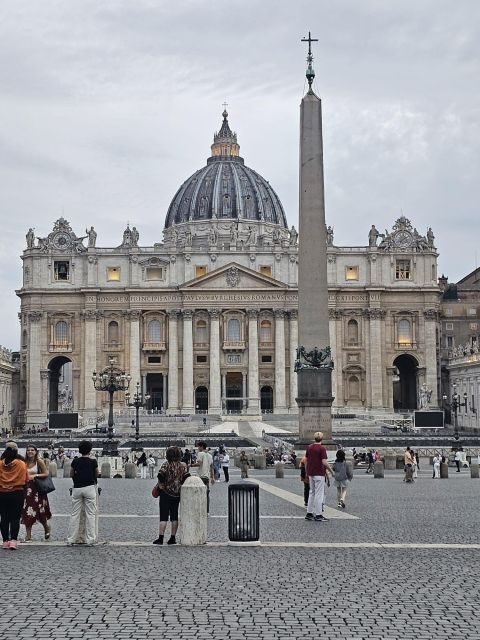
The main reason many people book this tour is what happens after you exit the Basilica floor. The Papal Grottoes are the underground level, built about 3 meters below the Basilica’s surface.
You’ll visit them near the altar area—located just under the great altar in the central nave. The effect is simple and strong: you’re standing in a space that was designed for worship above, and then you go below to see where burial became part of the church’s long-term story.
This is where the centuries show up in a very physical way. The grottos contain the burial resting places of 90 Popes, along with some monarchs and other church dignitaries. They date back to burials starting in the 11th century, so you’re not just looking at a single era’s memorials—you’re looking at how the church kept adding layers over time.
Give yourself mental room for this part. It’s not “cute history” or a quick photo stop. It’s a solemn, enclosed environment where the guide’s context makes the stones and names feel connected to a timeline.



Guides and the difference between hearing facts and feeling the place
This tour’s quality seems to hinge on the guide, and the reviews back that up with specific names. Guides such as Karen, Valentina B, Kelly, Alexandra, Tara, Frederico, Valery, and Paulo are praised for bringing the buildings and art to life in a way that doesn’t feel like a lecture.
What I’d call out as the “best-of” approach: the strongest guides pace the experience so the waiting isn’t wasted. More than once, the guide turns security/queue time into learning time—so you’re not just counting minutes while staring at a wall.
You’ll also want a guide who can connect details to what you’re seeing right in front of you. In this kind of huge space, that skill matters. One guide-style stands out when you hear them explain what to look for as you move: ceiling, sculpture placement, altar symbolism, then down into the grottoes with the same thread of meaning.
If you’re traveling with kids, the best guides also keep it moving without sounding like they’re reading from a script. That interactive, question-friendly tone is the difference between getting through the route and actually enjoying it.
Dome and Vatican Museums: what this tour does not cover
It’s easy to assume you’ll cover everything Vatican-related because the Basilica is connected to everything else visually. This tour does not include the Vatican Museums or the Sistine Chapel, and it also does not include Basilica Dome access.
That dome option is specifically limited: tickets for the dome are available exclusively for purchase at the entrance, and they can’t be reserved online. So if you think you might want the dome, build your visit style around that decision—otherwise you may feel rushed near the end of your guided time.
This is also why the tour works best as a focused pick. If your dream day includes the Sistine Chapel, you’ll need a separate plan and tickets for those areas.
What to wear and bring for a smooth Basilica visit
St. Peter’s is strict about dress, and it’s not the time to gamble. You should bring passport or ID, and you’ll need to avoid:
- Shorts
- Short skirts
- Sleeveless shirts
You can also expect normal site rules like no drones, and you can’t bring alcohol or drugs. The security line is the big practical factor, but dress code is the fast way to cause delays if you’re underprepared.
If you tend to travel light, plan your outfit before you leave your hotel. A simple layer can save you when the weather shifts and you still want to be respectful at entry.
If St. Peter’s or the underground level changes
Like any major site, St. Peter’s Basilica can have unforeseen closures due to Vatican affairs. If that happens, the provider will contact you to reschedule. And if the underground level is closed, you’ll spend extra time in St. Peter’s Basilica and St. Peter’s Square instead.
That contingency matters because the underground grottoes are the signature part of this tour. Still, it’s useful to know you won’t just get a cancelled “half day”—there’s a plan to keep your visit productive.
Who should book this St. Peter’s + Grottoes tour
This is a great fit if you want:
- Art and architecture highlights without getting lost in the Basilica’s size
- A guided path that leads you from the altar-level art to the underground burial spaces
- A structured visit that works within about 1–2 hours
I’d also recommend it if you don’t want to spend time figuring out what to prioritize in St. Peter’s. The biggest payback is that your guide points out what to look for so you don’t leave with only vague impressions of gold ceiling and famous names.
Who might skip it? If your goal is mainly the Vatican Museums and Sistine Chapel, this isn’t your one-stop solution. Or if you strongly prefer self-paced wandering and you’re comfortable reading art/architecture without a guide, a self-guided visit could feel better.
Should you book this tour?
Yes, I’d book it if you care about the essentials: St. Peter’s Square orientation, Basilica highlights like La Pietà and Bernini’s Baldachin, and especially the Papal Grottoes beneath the altar. It’s good value because you’re paying for interpretation and routing, not just entry.
Just book with your eyes open about security lines. Pick an earlier time if you can, wear the right clothes, and keep your expectations aligned with a tight, high-impact visit.
If you want a Basilica day that actually makes sense while you’re inside, this is a smart way to do it.
FAQ
How long is the St. Peter’s Basilica and Papal Grottoes guided tour?
The tour duration is listed as 1 to 2 hours, depending on the starting time and how your visit flows.
Where do I meet the guide?
Meet your guide outside the activity provider’s office and look for the green and pink Best in Rome Tour logo. The meeting point is about a 1-minute walk from St. Peter’s Basilica, and the tour ends back at the meeting point.
Are tickets included for the Vatican Museums, Sistine Chapel, or Basilica Dome?
No. Tickets for the Vatican Museums, Sistine Chapel, or Basilica Dome are not included.
Does this tour skip the security line?
No. Skip-the-line access isn’t possible. You must pass through security screening, and the wait time can range widely during high season.
What should I bring and wear?
Bring your passport or ID card. Dress requirements include no shorts, short skirts, or sleeveless shirts.
What languages are available for the live guide?
Live guides are available in Italian, English, French, Portuguese, Spanish, and German.