REVIEW · ROME
Rome: St Paul Outside the Walls, Mamertine Prison, 3 Fontane Tour
Book on Viator →Operated by Eyes of Rome · Bookable on Viator
If you like your faith and your sightseeing to line up, this one does it. You’ll follow a compact pilgrimage trail to three major Christian sites tied to St. Paul, with an English guide and private transfers so you’re not wrestling Rome’s traffic on foot.
I especially like that you’re not just looking at buildings. You get the story of Paul’s time in Rome in a way that helps the places make sense, and the guides have a strong habit of answering questions without rushing you (I’ve seen that praised again and again, including guides like Simone and Rosie). One thing to consider: it’s not cheap, and the best value is when you’ll actually use the guide time and enjoy the subject matter.
In This Review
- What I love, and what to think about first
- Key things to know before you go
- A pilgrimage route you can actually handle in 3.5 hours
- Meeting point and how the day flows (without the stress tax)
- Stop 1: Basilica Papale di San Paolo Fuori le Mura
- Stop 2: Tre Fontane Abbey and the three springs story
- Stop 3: Carcer Tullianum (Mamertine Prison) and the water-for-baptism legend
- How the guides make the Paul story click
- Dress code and site timing: the small stuff that matters
- Value check: how $536.13 per person makes sense
- Who should book this tour (and who might not)
- Should you book the Rome: St Paul Outside the Walls, Mamertine Prison, 3 Fontane Tour?
- FAQ
- Is this tour private?
- How long is the tour?
- Do we get pickup from the hotel?
- What’s included in the price?
- Are tickets included at all three sites?
- What dress code do I need?
- What language is the tour in?
- Are there any schedule changes I should expect?
What I love, and what to think about first
Two clear wins for me are the easy logistics and the “three stops, one meaning” flow. The private driver covers ground between the sites, and the itinerary is structured so you see prison to springs to burial-connected sites in a single morning-style outing. The main drawback? You must follow a strict dress code for churches, and that can affect what you wear if you’re packing light.
Key things to know before you go
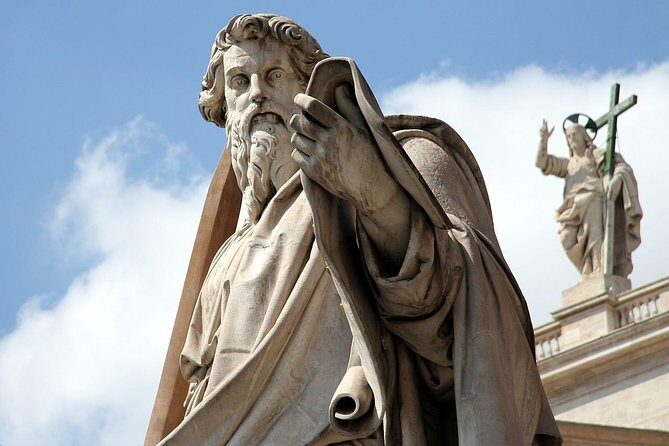
- Private driver and pickup from your hotel lobby (within the Aurelian Walls area), so you waste less time figuring out transport.
- Carcer Tullianum (Mamertine Prison) is included in the ticket price, not an extra charge you have to manage.
- Free admission at Basilica Papale di San Paolo Fuori le Mura and Abbazia Delle Tre Fontane (time for you to focus, not pay twice).
- A real guided narrative around Paul (and Peter), which turns “three random stops” into one storyline.
- The order can shift a bit based on opening hours, ceremonies, and Jubilee-related closures or restorations.
- Moderate fitness level is requested, so plan for walking inside religious sites even with transfers.
You can also read our reviews of more tours and experiences in Rome.



A pilgrimage route you can actually handle in 3.5 hours
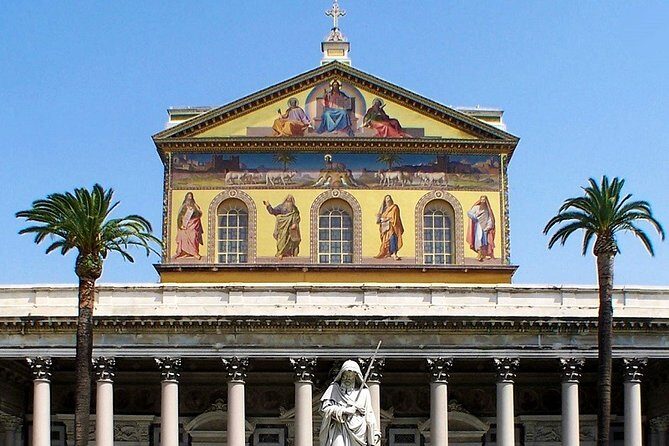
This tour is designed for one big problem in Rome: trying to cover key Christian sites efficiently without turning your day into nonstop walking and dodging buses. The route strings together three places tied to St. Paul’s suffering, death, and burial tradition, and it keeps you moving at a pace that’s realistic for most people who can do moderate walking.
The format is also private, meaning it’s just your group with a professional licensed guide. That matters because these stops have a lot of context, and you’ll get more out of it when you can ask follow-ups without feeling like you’re waiting for a large group.
Meeting point and how the day flows (without the stress tax)
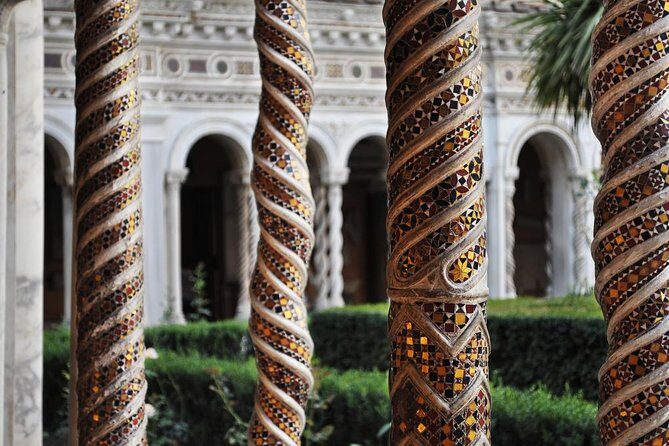
You meet your guide in the lobby of your hotel or accommodation, and the pickup time matches the tour start time. The transport is provided from and to centrally located hotels within the Aurelian Walls, which is a sweet spot for Rome touring.
Plan on about 3 hours 30 minutes total, with about 1 hour at the first basilica and roughly 40 minutes at each of the other two sites. That schedule is tight but not rushed—especially because the driver handles the in-between travel.
You’ll also get a mobile ticket, plus confirmation at booking time. Translation: you don’t need to scramble for paper tickets the morning of, and you can keep your focus on the route.
Stop 1: Basilica Papale di San Paolo Fuori le Mura
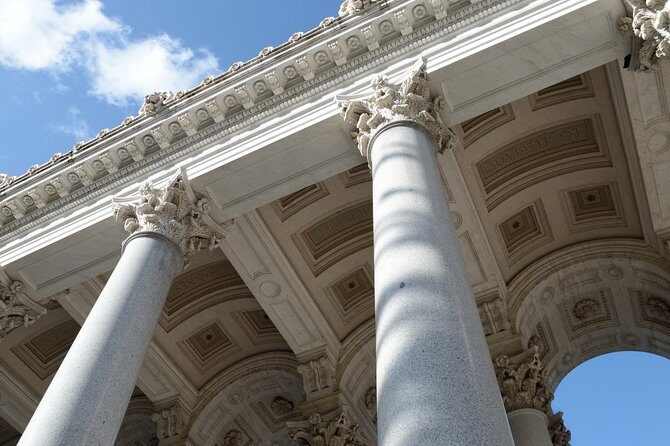
This is one of Rome’s four major Roman Catholic basilicas, and the church sits over the apostle’s tomb according to Christian tradition. The big value here is atmosphere plus meaning: you’re not just seeing a “famous church,” you’re landing at a site that’s meant to connect you directly to the story.
What you’ll likely notice first is the sense of pilgrimage. This is the kind of place where the guide’s framing matters, because the tradition is part of why people come.
You’ll have about 1 hour on-site, and admission is free. That means you’re not burning time on ticket handling, and you can spend that time listening, looking around, and soaking in what the basilica is trying to communicate.
Practical note: the dress code applies here (and the other worship sites). No shorts or sleeveless tops, and your knees and shoulders must be covered for both men and women, or you may be refused entry.
Stop 2: Tre Fontane Abbey and the three springs story
Next up is Abbazia Delle Tre Fontane, a monastery that feels calmer than most major Rome attractions. It’s also one of the most venerated pilgrimage points in the city, linked to Paul’s execution tradition.
This is where the famous legend comes in: Christian tradition says Paul was beheaded and that his head bounced three times, producing three springs of water. You’ll see the three springs that still flow in the sanctuary area of the monastery.
You’ll spend about 40 minutes here, and admission is free. That short window is usually enough if your guide keeps things focused and ties the physical place to the narrative—because the value is in connecting what you see with why it matters to believers.
One drawback to be aware of: monasteries can feel quiet, and sometimes that means there’s less “visual stuff” compared with bigger sites. The tour helps by giving you the story so the quieter setting doesn’t feel like downtime.



Stop 3: Carcer Tullianum (Mamertine Prison) and the water-for-baptism legend
If there’s one stop that tends to hit people hardest, it’s Carcer Tullianum. This is described as Rome’s oldest prison, with St. Paul and St. Peter held there for months according to tradition.
The tour also focuses on the legend tied to the prison’s story: the tradition says Paul and Peter miraculously made water appear so they could baptize the guards. Even if you treat legends as legends, the prison setting does something powerful—stone, constraints, and symbolism all at once.
You’ll have about 40 minutes here, and the prison entrance ticket is included. That inclusion is part of what makes the price feel less risky: you’re not guessing how much another site charge will add up to.
Quick reality check: this is a prison, so expect a darker, more enclosed feeling. If you’re claustrophobic, you might want to mentally plan for that. The good news is the time block is short.
How the guides make the Paul story click
The itinerary is strong, but what really lifts the tour is the guide. A lot of the high praise centers on guides answering questions at length and making the era feel concrete, not like a memorized list of names.
In particular, I’ve seen multiple guides mentioned for doing this well, including Simone, Rosie, Renata, Azzurra, Katie, and John Luke. The common thread in the feedback is not just how much they know, but how willing they are to pause and explain.
That’s especially important for St. Paul touring because you’re walking through sites that many people have studied for years. A good guide helps you connect that study to geography and to what Paul’s Roman context might have meant day to day.
If you want the tour to be worth it, this is where you should engage: ask about Paul’s mission, his relationship to early Christianity, and how these places became pilgrimage stops over time.
Dress code and site timing: the small stuff that matters
Plan for the dress code up front. For these worship sites, shoulders and knees must be covered, and you should skip shorts and sleeveless tops.
Timing can also be a little fluid. Some sites may adjust opening hours due to special ceremonies, and the order of the sites visited can change based on circumstances. Add the Jubilee factor too: some monuments may be under restoration or closed during extraordinary celebrations, and you’ll want to pay attention to any messages you receive if there’s a day-of change.
This doesn’t mean your tour will fall apart. It means Rome is still Rome. The private guide should be adjusting in real time so you still get the key stops.
Value check: how $536.13 per person makes sense
Let’s talk money without pretending it’s not a lot. At $536.13 per person, this is a premium, private-experience price. You’re paying for: a private licensed guide, a private driver at your disposal throughout the tour, and the included entrance to Mamertine Prison.
If you were DIY-ing, you’d still have transport time, ticket time, and the mental work of tying all three sites into one coherent story. Here, the driver helps you avoid the footsore part, and the guide turns the stops into a connected pilgrimage route.
So I’d judge value by your priorities:
- If you want a guided Paul narrative with Q&A time, you’re likely to feel the cost is justified.
- If you just want a quick photo-stop route with no deep context, this may feel pricey.
Also, because it’s private, there’s a logic to group size. If you’re traveling with one partner, you’ll pay for privacy, not crowds. If your group is larger, you spread value better—though your exact group size isn’t given here.
Who should book this tour (and who might not)
This tour is a great fit if you:
- Like guided interpretation and want your questions answered.
- Care about Christian history enough to make the setting matter.
- Prefer sitting in the car between stops so you can enjoy churches without turning the day into a leg workout.
It’s probably not the best choice if you:
- Want a casual wander with no structured narrative.
- Don’t care much about the Paul/Peter story behind the sites.
- Are unsure about dress code compliance and don’t have easy clothing options.
For many people, the deciding factor is simple: do you want the route explained, or do you want to manage it on your own?
Should you book the Rome: St Paul Outside the Walls, Mamertine Prison, 3 Fontane Tour?
I think you should book it if you’re the kind of traveler who likes your sightseeing to have a spine. The tour’s strength is the storyline across three sites—tomb/basilica, Tre Fontane’s three springs tradition, and the prison setting at Carcer Tullianum—connected by a guide who keeps you moving and ready to ask questions.
I’d skip it if you’re looking for a low-cost, do-it-yourself day, or if you’re worried about church entry rules and Rome’s shifting hours. For everyone else, this is one of those rare tours where the logistics are handled and the meaning doesn’t get left behind.
FAQ
Is this tour private?
Yes. It’s a private tour/activity, so only your group participates.
How long is the tour?
The duration is about 3 hours 30 minutes.
Do we get pickup from the hotel?
Pickup is offered. You meet your guide at the lobby of your hotel or accommodation, and pickup time matches the tour start time. The transport is provided from/to centrally located hotels within the Aurelian Walls.
What’s included in the price?
You get Mamertine Prison entrance ticket, a private driver available throughout the tour, and a private tour with a professional licensed guide.
Are tickets included at all three sites?
Admission is free for Basilica Papale di San Paolo Fuori le Mura and Abbazia Delle Tre Fontane. Carcer Tullianum (Mamertine Prison) admission is included.
What dress code do I need?
You need to cover knees and shoulders. No shorts or sleeveless tops. If you don’t meet the dress requirements, you may be refused entry.
What language is the tour in?
The tour is offered in English.
Are there any schedule changes I should expect?
Yes. Opening hours can change due to special ceremonies, and the site order may vary. During the Jubilee, some monuments may be under restoration or closed due to extraordinary celebrations, so you may receive messages about changes.