REVIEW · ROME
Rome: Squares and Fountains Guided Walking Tour
Book on GetYourGuide →Operated by TVR di Stefano Donghi · Bookable on GetYourGuide
Rome’s fountains get a lot smarter on foot. This guided walking tour strings together some of the city’s most famous sights and the quieter corners between them, with a guide focused on art, history, and archaeology. You’ll spend the time where the stories actually live, starting near the Trevi Fountain and moving on to the Pantheon.
I especially like how the guide connects what you see to what it meant, from legends around Trevi to the Pantheon’s ancient design. I also like that the walk keeps going beyond the postcard stops into areas like the Santa Maria della Pace neighborhood, plus an external look at Castel Sant’Angelo. One thing to consider: it’s a solid 2.5-hour walk, and it’s not recommended for people with back problems or difficulty walking.
In This Review
- Key takeaways before you go
- Why This 2.5-Hour Rome Walk Works
- Where You Meet (And How to Avoid the Usual Rome Confusion)
- Trevi Fountain: Myths, Legends, and the Best Kind of Crowd Control
- The Pantheon: Why That Dome Still Impresses
- Piazza Navona and Bernini’s Four Rivers Fountain
- A Side Trip to the Ponte District and Santa Maria Della Pace
- Castel Sant’Angelo Outside: A Monument with Ancient Roots
- The Real Value: What You Get for $67
- Who Should Book This Tour (And Who Should Think Twice)
- Practical Tips So You Enjoy It More
- Should You Book This Guided Walk of Rome’s Squares and Fountains?
- FAQ
- How long is the Rome Squares and Fountains guided walking tour?
- Where does the tour start?
- What sights are included on the tour?
- What’s the tour end point?
- Is food and drinks included?
- Is this tour wheelchair accessible?
- Do I need to bring anything or show ID?
Key takeaways before you go
- Trevi Fountain stories: expect the myths and legends that turn photos into context
- Pantheon dome facts: you’ll learn why it was considered the world’s largest dome in ancient times
- Piazza Navona’s artistry: Bernini’s Four Rivers Fountain plus the theater-square history
- A calmer Rome slice: Ponte district vibes and Santa Maria Della Pace’s atmosphere
- Castel Sant’Angelo by the bridge: you finish by the Bridge of Angels right by a hop-on-hop-off stop
Why This 2.5-Hour Rome Walk Works
This tour is short on purpose. In 2.5 hours, you get a packed hit of Roman landmarks without spending half your day on transit or chasing tickets across town. It’s built around the idea that Rome is best understood by walking—squares open up, fountains make sense in their setting, and the city’s layers show themselves faster when you’re moving.
The big win is the guide’s subject focus. You’re not just collecting names. You get art, history, and archaeology explanations tied to each place. That matters most at Trevi, Piazza Navona, and the Pantheon, where the visual payoff is obvious but the meaning takes a bit of help.
Also, this one ends in a very Roman mood. You get the bridge-of-angels feel right by Castel Sant’Angelo, which is a great way to close a square-and-fountain route.
You can also read our reviews of more tours and experiences in Rome.



Where You Meet (And How to Avoid the Usual Rome Confusion)
The tour starts at Piazza della Trinità dei Monti, next to the obelisk. Your guide carries a signboard reporting Fun Tour. This is one of those Rome logistics details that can make or break your first five minutes, so plan to arrive early and get your bearings.
There’s also an important timing rule: the tour has a mandatory meeting time 15 minutes before departure. That doesn’t mean you should panic. It does mean you shouldn’t show up “right on time” and hope for the best.
From the feedback, a small number of people ran into meeting-point confusion at first, and it was sorted out using the app contact. My advice: take 30 seconds to double-check you’re at Piazza della Trinità dei Monti by the obelisk, then look for the Fun Tour sign before you wander off.
Trevi Fountain: Myths, Legends, and the Best Kind of Crowd Control
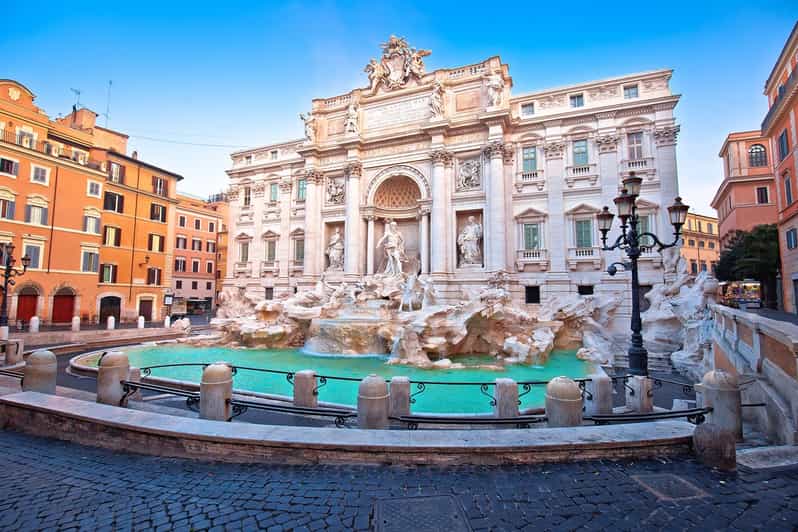
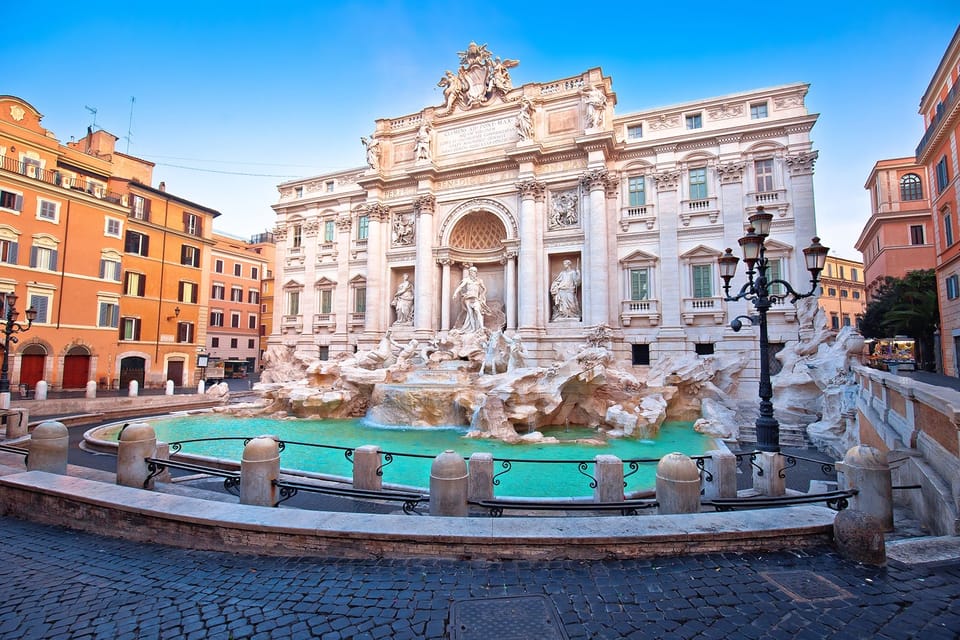
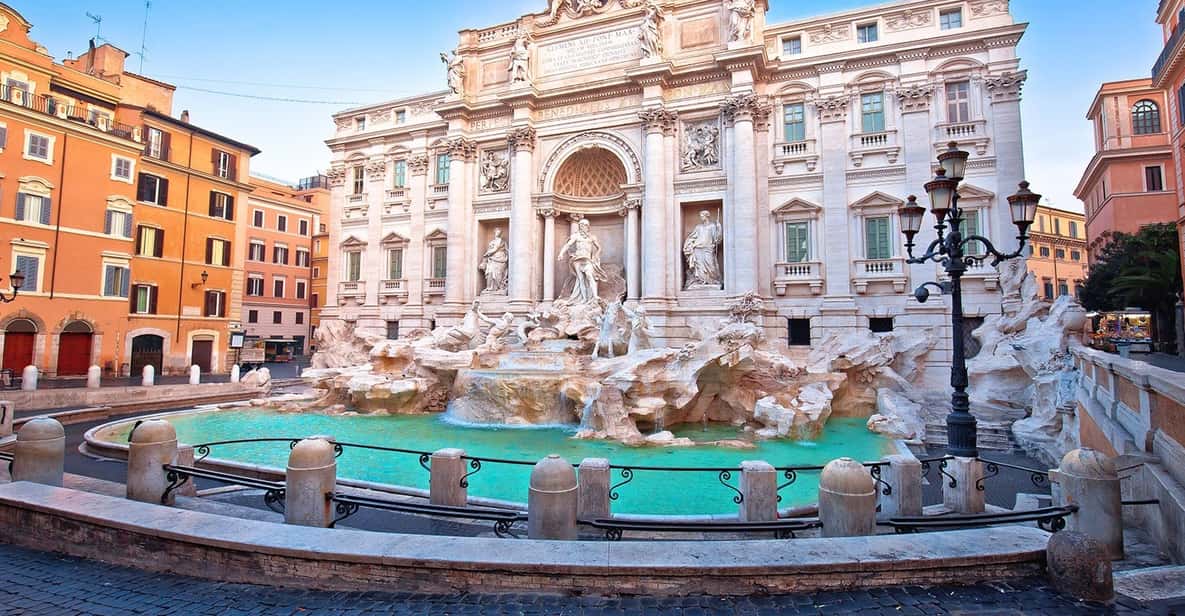
Trevi Fountain is the headline, but the tour treats it as more than a must-take photo. You’ll hear the story behind the monument, including the myths and legends that have grown up around it. That turns the experience from gawking into understanding, and you’ll notice details you might otherwise rush past.
Here’s why this stop is valuable: Trevi isn’t just a pretty composition. It’s a symbol-laden landmark tied to long-running beliefs and Roman storytelling. When you know what the guide is pointing out, the fountain starts acting like a mini history lesson right in the middle of tourist traffic.
One practical note: you’re going to be near the fountain in a busy, central area. Comfortable shoes really do matter, because you may be standing for explanations and then stepping along quickly to keep the flow.
The Pantheon: Why That Dome Still Impresses
Next up is the Pantheon. The tour frames it as a temple built for all the gods of Olympus. Then you’ll focus on the dome—specifically that it was the world’s largest since ancient times. Even if you’ve seen pictures, hearing the scale explained with that context helps you recalibrate your sense of what you’re looking at.
This is the kind of stop where a good guide earns their fee. Without context, you might treat it like a famous building you already “know.” With context, you start noticing the architecture in layers: how the space feels inside, why the dome matters, and how ancient Rome pulled off engineering that still gets attention today.
If you want one moment of quiet contrast in the middle of the tour, the Pantheon is often it. It’s a strong “pause and look” stop before you head back into square life.
Piazza Navona and Bernini’s Four Rivers Fountain
Piazza Navona is one of those places that feels like it’s built for performance. The tour points out its history of theatrical events and festivals, which explains why it always looks a bit dramatic, even when it’s just you and a crowd.
You’ll also see Bernini’s Four River Fountain. The guide’s job here is important: sculptures like this are packed with symbolism, and the meaning isn’t always obvious just by reading a sign. When someone explains what you’re looking at, it stops being “cool baroque stuff” and becomes “here’s why these figures were chosen.”
One more detail you’ll benefit from: the tour also references Santa Agnese in Agone, the church associated with Borromini. Even if you only catch an external view as you move through the square area, that name-level context can help you connect what you’re seeing to the broader Baroque story of Rome.



A Side Trip to the Ponte District and Santa Maria Della Pace
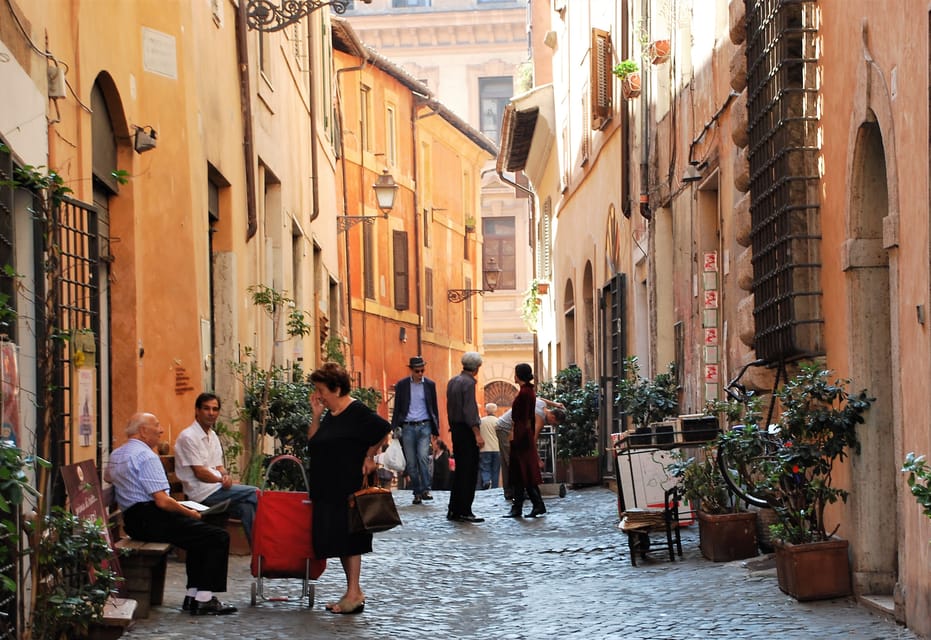
After the big spotlight sites, the tour shifts toward a more tucked-away feel. You’ll visit a hidden district area tied to the Ponte district and Santa Maria Della Pace church.
This part matters because Rome can feel like a set of famous dots on a map if you only do the obvious landmarks. A stop like Santa Maria Della Pace gives you a change of pace. You get to see how the city feels when it’s not only trying to impress visitors.
The benefit here is atmosphere plus perspective. The guide can point out how these Baroque and Renaissance periods sit side-by-side in real neighborhoods, not just in museum explanations. That’s the value of staying on a walking route: you experience the transitions.
If you enjoy small details—street-level beauty, church facades, and the sense of place—this segment is likely your favorite.
Castel Sant’Angelo Outside: A Monument with Ancient Roots
The tour includes an external view of Castel Sant’Angelo. This is a building with deep roots, described here as a monumental tomb built in 139 AD. Hearing that framing helps you understand why the structure feels heavy and historic, not like a modern “castle” fantasy.
External views can disappoint some people when they expect full interior access. Here, though, the pacing works because you’re focused on sightline impact and the overall story of the area. You’ll connect Castel Sant’Angelo’s ancient identity to its role in the city’s visual skyline.
Then the tour finishes with the Bridge of Angels atmosphere in front of the castle. That ending moment is especially handy because you’re right by a hop-on-hop-off bus stop, making it easier to roll into your next plan without extra searching.
The Real Value: What You Get for $67
At $67 per person, you’re paying for a guide to connect the dots across major stops in a limited time window. This is one of those tours where value comes from explanation, not from “included tickets” or a bunch of extra add-ons.
You also get a practical structure: start at Piazza della Trinità dei Monti, see the Trevi Fountain area, head into the Pantheon area, then go to Piazza Navona, Santa Maria Della Pace, and finish by Castel Sant’Angelo near the bridge. It’s a strong itinerary logic for first-time visitors who want the highlights but also want the meaning behind them.
This is also a good price for an English live guide for 2.5 hours—especially if you’d otherwise be paying for a guide or losing time piecing together what everything is.
Who Should Book This Tour (And Who Should Think Twice)
This tour fits best if you want a Rome highlights route with story-led guidance. It’s ideal for couples, solo travelers, and small groups who like walking and want context fast.
It also suits people who enjoy art and archaeology explanations more than pure sightseeing. Trevi, the Pantheon, Bernini’s work at Piazza Navona, and the church ties around Borromini are the kinds of stops that reward paying attention.
Think twice if you have difficulty walking or back problems. The tour involves a moderate amount of walking for 2.5 hours. And it’s not wheelchair accessible, so if mobility is an issue, you’ll likely be better off choosing an option designed for your needs.
Practical Tips So You Enjoy It More
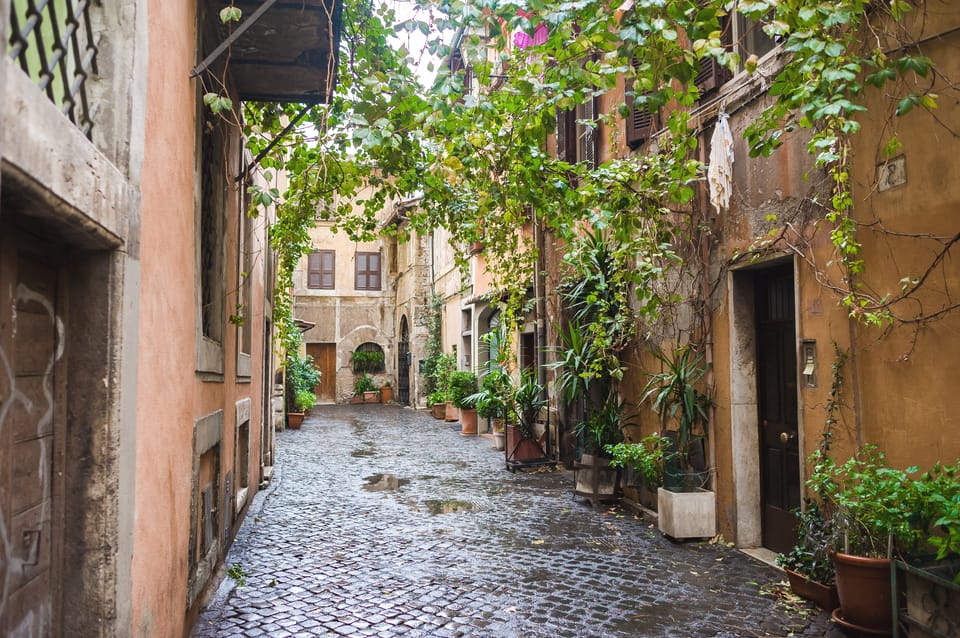
You’ll be happiest if you come prepared for walking in central Rome. Bring comfortable shoes—no debate. Also pack sunglasses and a sun hat, especially if you’re traveling in brighter months or midday heat.
Dress casual and keep it flexible. You’ll do better if you’re not worried about what’s in your pockets or whether your footwear is coping.
And because you must show a valid ID card at check-in, make sure it’s with you. It’s the kind of requirement that’s quick to satisfy when you’re ready, and annoying when you aren’t.
If you want to reduce stress, do a quick pre-check of the meeting point at Piazza della Trinità dei Monti and confirm the obelisk area match. It’s an easy fix that prevents the classic first-stops confusion.
Should You Book This Guided Walk of Rome’s Squares and Fountains?
Yes—if you want a well-paced introduction to Rome’s most iconic squares and fountains, paired with solid art and history explanations, book it. The route hits Trevi, the Pantheon, Piazza Navona, Santa Maria Della Pace, and Castel Sant’Angelo, and the guide focus is what makes it more than a checklist.
Skip it if you can’t handle moderate walking for 2.5 hours or if you need wheelchair access. In those cases, you’ll be happier with a different format that keeps the experience comfortable.
If you’re flexible, come prepared for the pace, arrive at the meeting point early, and keep your ID handy. Do that, and you’ll leave with a Rome that makes sense—fountains included.
FAQ
How long is the Rome Squares and Fountains guided walking tour?
The tour lasts about 2.5 hours.
Where does the tour start?
Meet your guide at Piazza della Trinità dei Monti, next to the obelisk.
What sights are included on the tour?
You’ll see Trevi Fountain, the Pantheon, Piazza Navona, Santa Maria Della Pace, Castel Sant’Angelo (external), and more around the historical center.
What’s the tour end point?
The tour ends back at the meeting point (Piazza della Trinità dei Monti). The final atmosphere area is in front of Castel Sant’Angelo near the bridge.
Is food and drinks included?
No. Food and drinks are not included unless specified.
Is this tour wheelchair accessible?
No, it is not suitable for wheelchair users.
Do I need to bring anything or show ID?
You should bring comfortable shoes, sunglasses, and a sun hat. A valid ID card must be shown at check-in. Children discounts apply only with a valid ID card.