REVIEW · MORNING
Rome: Sistine Chapel Early Morning Access
Book on GetYourGuide →Operated by Rome in tours · Bookable on GetYourGuide
Rome’s art hits hardest at dawn.
This small-group early morning tour is built for people who want the Vatican with less stress and more meaning. I like that you get priority entry so the Sistine Chapel moment doesn’t start in a crowd stampede. I also like that the guide is an art professional (Ph.D. archaeologist or art historian) who can explain what you’re looking at, not just point and move on. One consideration: it’s still a fast 2.5-hour circuit, so you need to be ready to keep up.
You’ll pass through major Vatican spaces with time to actually see, not just speed-skim. I found the mix of highlights and specialist stops works well: Courtyard sculpture, Raphael’s rooms, then straight into the Sistine Chapel and finish at St. Peter’s Basilica. If you’re sensitive to strict rules, note the dress and bag limits, plus the fact that a valid ID is required for everyone—no ID means no entry.
In This Review
- Key highlights at a glance
- Early access to the Sistine Chapel: the real payoff
- Where you meet and how you start strong (Viale Vaticano 100)
- Vatican Museums in a small-group pace: courtyards first, meaning second
- Stop by stop: what each main room gives you
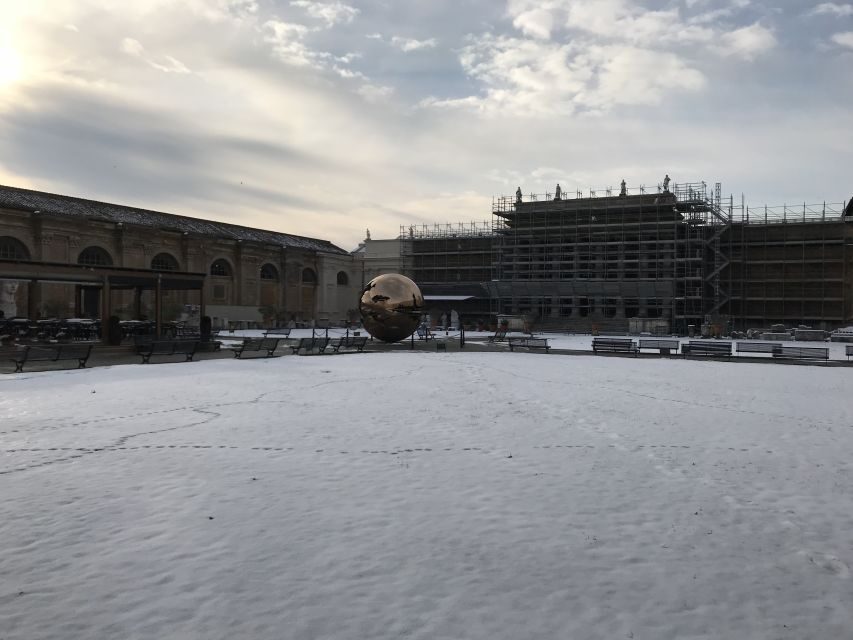
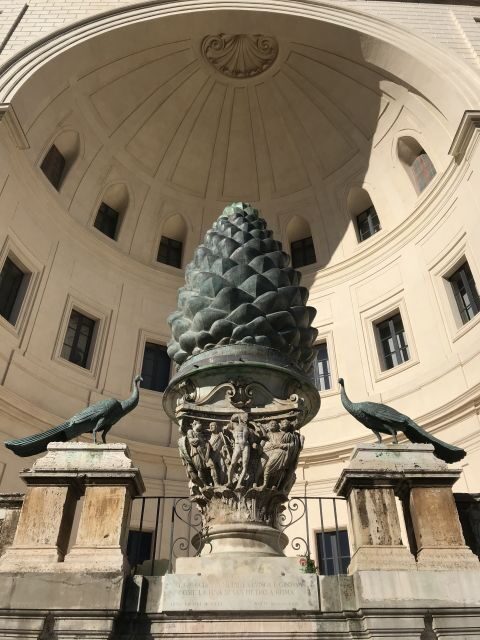
- Courtyard of the Pigna (15 minutes)
- Museo Pio Clementino
- Cortile Ottagono (15 minutes) and the sculpted transitions
- Gallery of the Candelabra (10 minutes)
- Gallery of Tapestries (10 minutes)
- Gallery of Maps, Vatican Museums (10 minutes)
- Raphael Rooms (20 minutes): Pope Julius II meets you
- Sistine Chapel: how to use your 30 minutes well
- Saint Peter’s Square photo stop and Basilica finish (30 minutes)
- Price and value: why $220.91 can make sense
- What I’d watch for: rules, pace, and what can slow you down
- Who this tour is best for
- About the guide and what to listen for
- Should you book Rome: Sistine Chapel Early Morning Access?
- FAQ
- How long is the Sistine Chapel early morning tour?
- What time does the tour start?
- Does the tour skip the ticket line?
- What ID do I need to bring?
- What should I wear and avoid?
- Are backpacks or large bags allowed?
- Is the tour suitable for wheelchair users?
Key highlights at a glance
- Early access to the Sistine Chapel so you see it before the main crush
- Expert guide background (Ph.D. archaeologist or art historian) focused on stories behind the art
- Small-group interaction that makes it easier to ask questions and get context
- A smart Vatican route that includes Raphael Rooms before the Sistine Chapel
- The full finish at St. Peter’s with St. Peter’s Square and a Basilica guided visit
Early access to the Sistine Chapel: the real payoff
The biggest reason to choose an early morning option is simple: you get control. The Vatican can turn into a long line of people staring up at ceilings, then scrambling for the next room. Early access gives you a different rhythm. You walk in with space to orient yourself, and you’re not fighting for viewing angles.
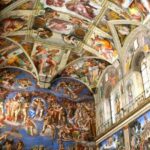
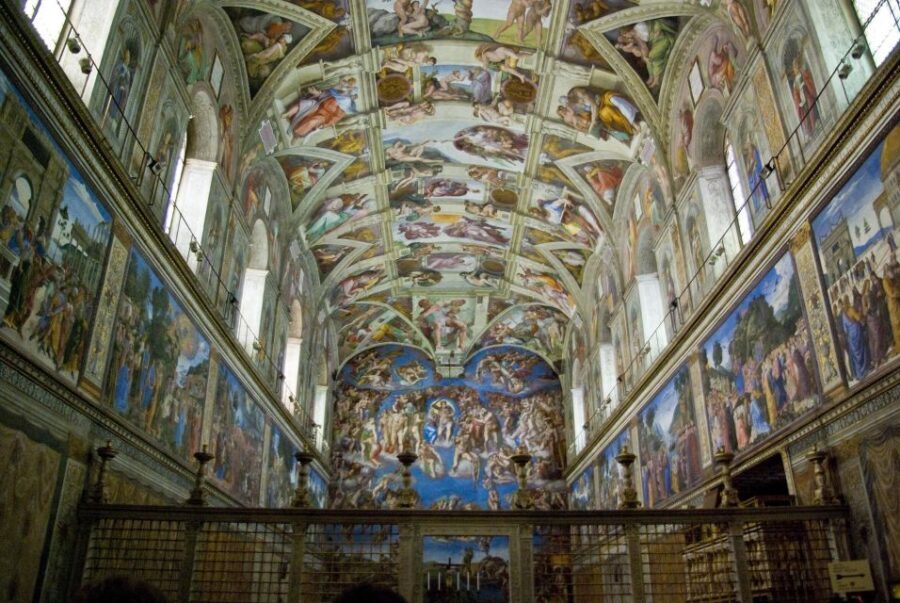
The Sistine Chapel is where that control matters most. Michelangelo’s ceiling and altar wall are designed to be seen slowly, even if the world makes you rush. This tour budgets 30 minutes in the Sistine Chapel, which is a rare luxury when the Vatican is running on clockwork.
And it’s not just the Sistine. You also get an early visit that includes the Vatican Museums circuit and Saint Peter’s Basilica, so the whole morning feels like one connected story instead of separate ticketed events.
You can also read our reviews of more tours and experiences in Rome


Where you meet and how you start strong (Viale Vaticano 100)
You meet at the Vatican Museums entrance, at the gate with statues of Michelangelo and Raphael, Viale Vaticano, 100 (00192 Rome). Starting there matters because it puts you inside the Vatican site with clear momentum from the first minute.
The tour duration is listed as about 2.5 hours, with start times that depend on availability. That means the plan is tight. You’ll be moving through a sequence of rooms and courtyards, guided the whole way, with specific short stops timed to keep the route flowing.
Practical tip: show up with your ID ready and your clothing sorted. The Vatican isn’t flexible about basic entry rules, and you do not want the morning to start with a scramble.
Vatican Museums in a small-group pace: courtyards first, meaning second
The tour begins with a guided pass through the Vatican Museums spaces that set the stage. You start by moving through courtyards and galleries like the ones featuring famous tapestries and geographical maps. This isn’t random sightseeing. It’s part of how the Vatican Museum experience is structured: you build context, then you meet the artists and rooms that made the Renaissance explode.
A guided route also helps you read what you’re seeing. For example, the Museums aren’t just a gallery of famous names. They’re organized around the kinds of collections the Vatican collected and displayed—classical sculpture, papal commissions, decorative programs, and political messaging through art.
The small-group element is the difference between walking through rooms and actually learning how to look. You get more back-and-forth with your guide, so if something catches your eye—symbol, style, a detail in a fresco—you have a better chance of getting an answer on the spot.
Stop by stop: what each main room gives you
Courtyard of the Pigna (15 minutes)
This is one of those classic Vatican spaces where one object changes the whole mood. The Courtyard of the Pigna gives you a “big scale” moment early—perfect for shaking loose the museum fatigue before you go indoor.
In a 15-minute slot, you’re not going to memorize every angle, but you will get the right idea of how the courtyard setting frames classical sculpture. It’s a good place to adjust your expectations: you’re not looking at art in isolation. You’re watching how it was displayed for impact.






Museo Pio Clementino
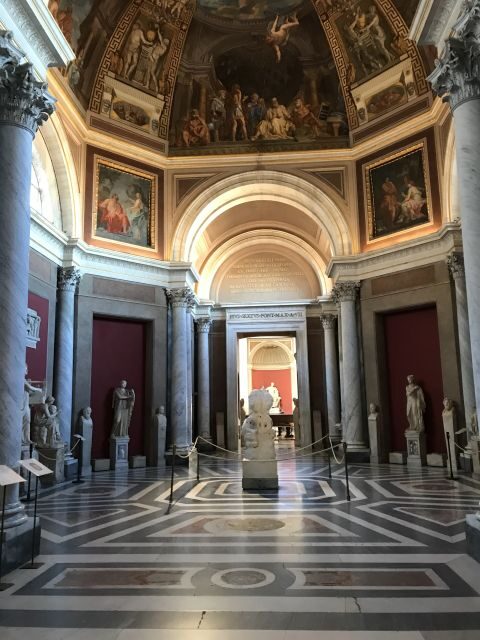
Next comes the Museo Pio Clementino, part of the Vatican’s major sculpture holdings. This stop works best if you let your eyes bounce between overall compositions and smaller details. The guide time here is focused on guided viewing, which matters because these rooms can feel like a blur if you’re trying to self-navigate.
A guided approach gives you a way to sort the material quickly: what’s being preserved, what the collection is known for, and why these rooms fit into the Vatican Museums as a whole.
Cortile Ottagono (15 minutes) and the sculpted transitions
The Cortile Ottagono is another short, timed pause. These courtyard-and-room transitions are useful because they prevent the common first-timer mistake: treating the Vatican like one long hallway.
Instead, you keep resetting your eyes and energy. In a short 15 minutes, the goal is to absorb the architectural feel and get ready for the galleries where the visual details go hard.
Gallery of the Candelabra (10 minutes)
This is a tight stop, but it’s exactly the kind of gallery the Vatican does well: decorative work that makes you slow down even if you only have 10 minutes. The point is to see how patterns and ornamentation connect to the overall art program.
If you’re the type who always looks for symbolism, this is the kind of room where your guide’s explanations can turn a quick glance into a real “oh, that’s what it means” moment.
Gallery of Tapestries (10 minutes)
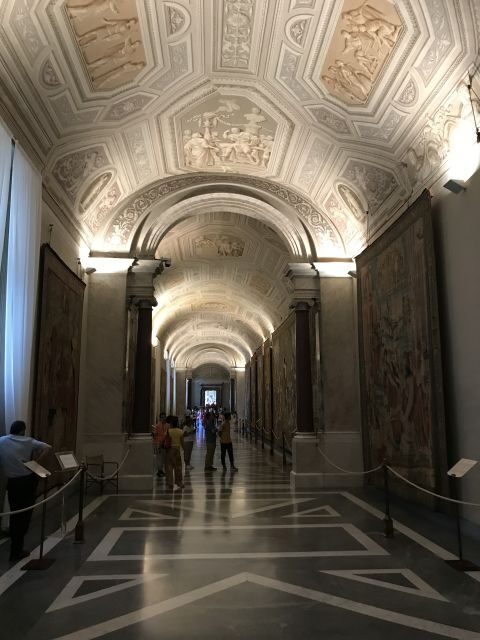
The Gallery of Tapestries is short by design, but tapestries are not “small art.” They cover walls and command attention in a way that feels almost cinematic.
This stop helps you understand how the Vatican used textile art to display power and knowledge. Even in a brief guided walk, you get enough orientation to recognize the value of the materials and the storytelling role they played.
Gallery of Maps, Vatican Museums (10 minutes)
The Gallery of Maps is one of those spaces that rewards looking with intention. Maps are visual tech, not just travel illustrations. In a guided format, you get context fast—what you’re seeing and why it matters for the Vatican’s collecting and worldview.
For me, this stop is also a reminder that the Vatican isn’t only about painting and sculpture. It’s about knowledge, display, and education through objects.
Raphael Rooms (20 minutes): Pope Julius II meets you
The Raphael Rooms take the morning into “Renaissance mode.” This part of the circuit includes the private apartment of Pope Julius II painted by Raphael. That’s a big deal, because it’s not just art in a room. It’s art as a lived environment, tied to papal patronage.
The tour allots 20 minutes here, which is enough time to get the structure and themes, especially with an expert guide talking through what you’re seeing. Raphael’s work can feel like it moves even when you’re standing still, and the guide helps you notice the story logic: composition, figures, and how the program communicates ideas.
This is also where many people start to feel the payoff. After all those rooms, you finally get to the work that makes it obvious why Raphael is part of this Vatican story for a reason.
Sistine Chapel: how to use your 30 minutes well
You enter the Sistine Chapel with guided narration and about 30 minutes inside. That’s enough time to do two things: get the main ceiling sweep, then notice key areas your guide flags.
Michelangelo is, of course, the star here. The ceiling and altar wall took him 9 years to paint. The tour keeps the focus on the meaning and the stories behind the works, so you’re not just looking at famous images. You’re learning why they’re arranged the way they are and what they’re communicating.
One practical note: you’ll want to pace yourself. The chapel rewards steady looking, but your eyes can tire fast. If you know you’ll wander, let your guide set a simple route for you—where to look first, what details to catch, and how to avoid getting stuck staring at the most crowded corner.
And yes, early access helps. Getting in when the room is fresher changes the feel. You can hear and understand more, and you can actually breathe for a few minutes while you take in the ceiling.
Saint Peter’s Square photo stop and Basilica finish (30 minutes)
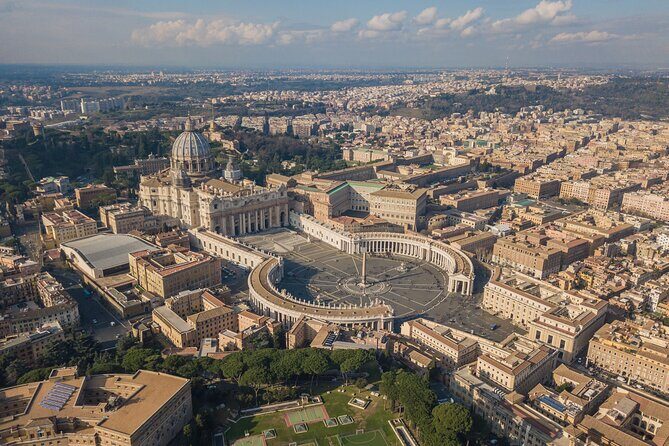
After the Sistine Chapel, you head to Saint Peter’s Square for a brief 5-minute photo stop and guided sightseeing. This is short, but it gives you a visual reset. You come from a dark chapel to open sky, and the scale hits you immediately.
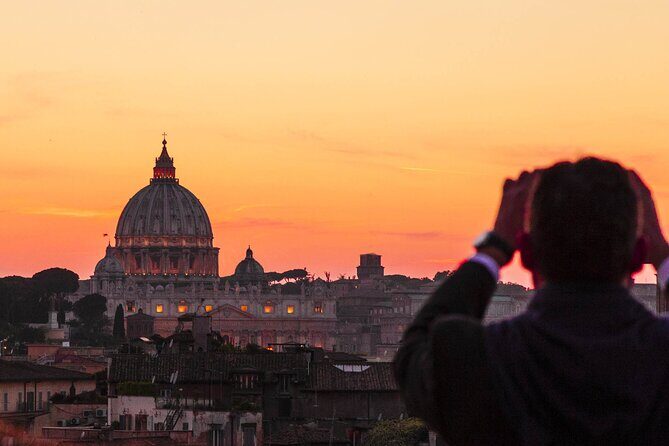
Then it’s into St. Peter’s Basilica for 30 minutes of guided time. The Basilica is a fitting finale because it brings the Vatican story into its mature, monumental phase. You’ll see major works tied to famous names, including Michelangelo’s Pietà and Bernini’s Canopy over the main altar.
This is where I like the “finish” format. You’re not done after the Sistine. You’re guided to a place where the art, architecture, and religious symbolism all converge. Even if you don’t plan to linger for hours afterward, you leave with the right anchors—what to notice and how to understand what you’re seeing.
Price and value: why $220.91 can make sense
The price is listed as $220.91 per person for a 2.5-hour guided experience with priority entry and included ticket fees. That’s not cheap. The question is what you’re buying.
You’re paying for three big value drivers:
- Priority entry / skip the ticket line: time has real cost here. The Vatican is a place where saving 30 minutes can feel like saving half a day.
- Expert guide guidance: you’re not paying for a walk through. You’re paying for explanations linked to what you see—art history and archaeology context, not generic facts.
- Small-group size: fewer people means fewer missed questions, and it helps you keep your attention where it counts.
If you’re the kind of traveler who tries to do the Vatican solo, you can save money on paper. But you’ll spend that cash in time and frustration: lining up, filtering information, and figuring out where to put your attention.
For many people, this tour is a practical shortcut to a better morning.
What I’d watch for: rules, pace, and what can slow you down
This is one of those tours where the main “drawback” is not the guide. It’s the environment and the rules.
You need a valid ID for all participants the day of the tour. If you show up without it, you can be denied entry to the Museums. That’s not a small inconvenience. It’s the difference between a tour morning and a cancelled plan.
Dress and carry rules also matter:
- Shorts are not allowed
- Short skirts and sleeveless shirts aren’t allowed
- Shoulders and knees must be covered
- Luggage or large bags aren’t permitted
- Big umbrellas and big backpacks are not permitted
Also, the tour isn’t listed as suitable for wheelchair users. If you need mobility support, you’ll want to contact the local partner for a private tour option, since customization is mentioned for wheelchair needs.
Finally, remember the pace: 2.5 hours is quick for a site as large as the Vatican. If you love wandering and staying flexible, you might feel slightly rushed. If you like guided structure and a strong highlight itinerary, you’ll likely feel right at home.
Who this tour is best for
This tour fits best if you:
- Want priority access and a smoother start to your Vatican day
- Prefer a structured route that hits the big masterpieces without guesswork
- Learn faster with explanations tied to what’s on the walls and ceilings
- Enjoy small-group conversation, not headset lectures
You might want to think twice if you’re planning to spend hours lingering in one chapel or courtyard. This route is designed for smart viewing across key locations, not deep solo time in every room.
Also, if you’re doing your first Vatican visit, this kind of guided “greatest hits with context” is often the best way to build a mental map for the rest of your Rome days.
About the guide and what to listen for
The tour is led by a live guide who is an English speaker, and the guide background is described as either a professional art historian or a Ph.D. archaeologist. That matters because the storytelling style tends to be grounded in specifics: what you’re looking at, why it was made, and how it fits into broader artistic and historical currents.
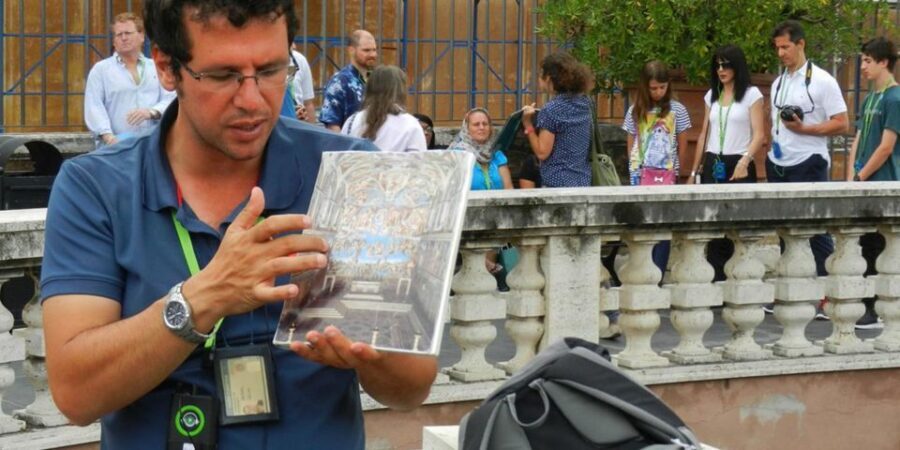
From one highlight example, Ferdinando led an excellent small-group session for a group and was praised for being both fun and effective at keeping things moving, while also answering questions and showing real passion for history and archaeology. Even if your guide is someone else, the format is clearly designed for that kind of engaged, Q&A-friendly pacing.
Should you book Rome: Sistine Chapel Early Morning Access?
I’d book this tour if you want a high-value Vatican morning with less stress, more context, and expert guidance in the rooms that actually shape the story. Priority entry and small-group format help you spend your energy on art instead of logistics.
Skip it if you’re traveling with very strict accessibility needs, don’t have proper ID ready to bring, or you strongly prefer unstructured wandering. This experience is structured on purpose, and it moves.
If your goal is to walk into the Sistine Chapel early and leave St. Peter’s Basilica with a clearer sense of what you saw, this is the kind of tour that makes the morning feel worth the price.
FAQ
How long is the Sistine Chapel early morning tour?
The duration is listed as about 2.5 hours.
What time does the tour start?
Start times depend on availability, and you’ll need to check what’s offered on your travel dates.
Does the tour skip the ticket line?
Yes. The tour includes priority entry and is described as skipping the ticket line.
What ID do I need to bring?
You need a valid ID on the day of the tour for all participants. Passport or an ID card for children is mentioned, and an ID card copy is accepted.
What should I wear and avoid?
Shorts, short skirts, and sleeveless shirts are not allowed. Shoulders and knees must be covered.
Are backpacks or large bags allowed?
No. Luggage, large bags, big umbrellas, and big backpacks are not permitted.
Is the tour suitable for wheelchair users?
It is listed as not suitable for wheelchair users. The information also says you should contact the local partner so the itinerary can be customized on a private tour for people with mobility impairments requiring a wheelchair.