REVIEW · COLOSSEUM TOURS
Rome: Private Colosseum Experience and Ancient Ruins Tour
Book on GetYourGuide →Operated by Tour in the City - Travel Agency Rome - · Bookable on GetYourGuide
Rome can feel like a time machine on foot.
This 3-hour private Colosseum experience bundles fast-track entry with expert context, so you spend less time stuck in lines and more time reading the site like it matters. I especially like the headset system (your guide’s voice stays clear) and the option to switch to an audio-guided format if you’d rather wander your own pace. One thing to plan for: Colosseum security checks names and IDs, so even with fast-track, you still need to show up on time or you may miss the start because tickets can’t be amended.
If you choose the private route, you’ll meet a licensed, English-speaking guide, with multilingual support available in languages like Italian, Spanish, French, Chinese, German, Russian. One guide name that comes up with strong feedback is Sara—praised for being personable, very specific with photos, and explaining details in a way that sticks. If you go during July and August, expect the tour to shorten to about 2 hours due to heat, so you’ll want lighter shoes and a quicker pace.
In This Review
- Key Highlights You’ll Feel on the Ground
- Choosing Your Style: Private Guide vs VIP Audio Pass
- Entering The Colosseum: Fast-Track, Security, and Timing Reality
- The Colosseum Interior: Gladiators, Engineering Tricks, and Big Views
- Stop-by-Stop: Arches and Forum Corners You Can’t Skip
- Arch of Constantine (short photo stop)
- Arch of Titus (10-minute visit)
- Roman Forum (about 40 minutes, plus photo stops)
- Palatine Hill Views: Where Rome’s Elite Lived
- Basilica of Maxentius and Temple of Caesar: Quick Stops With Meaning
- Basilica of Maxentius (10 minutes)
- Temple of Caesar (about 5 minutes)
- What You Get for Your Money (and Why It’s Not Just a Ticket)
- Practical Tips That Keep This Day Stress-Free
- Who This Tour Fits Best (and Who Might Want Another Plan)
- Should You Book This Private Colosseum + Ruins Experience?
- FAQ
- How long is the Rome Colosseum, Palatine Hill, and Roman Forum experience?
- Is this a private tour?
- Does the tour skip the long ticket line?
- What is included with the private guided option?
- Is an audio guide included, and what languages are supported?
- Is the VIP audio option different from the standard audio option?
- Where does the tour start?
- Where does the tour end?
- What should I bring?
- Is the tour wheelchair accessible?
Key Highlights You’ll Feel on the Ground
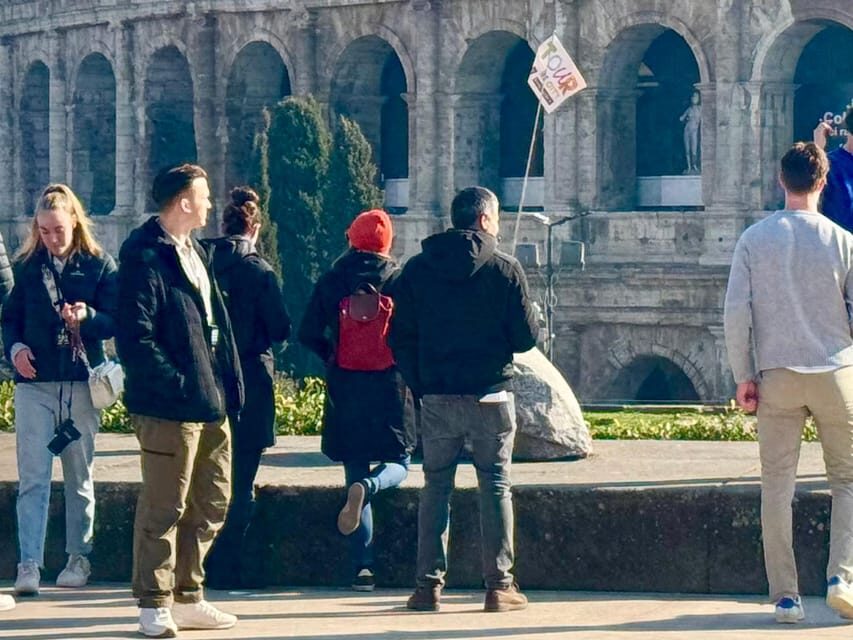
- Fast-track entry to the Colosseum and access to Colosseum, Palatine Hill, and Roman Forum tickets
- Private guide with headsets, so you can keep up without craning your neck
- Smart “choose your style” options: private guided, self-guided audio, or a VIP audio ticket with free cancellation up to 24 hours
- Iconic ruins in a single flow: Colosseum → arches → Roman Forum viewpoints → Palatine Hill
- Second-tier views inside the Colosseum for a dramatic “you’re finally here” moment
- Audio guide points of interest (44) across multiple languages on your phone
Choosing Your Style: Private Guide vs VIP Audio Pass
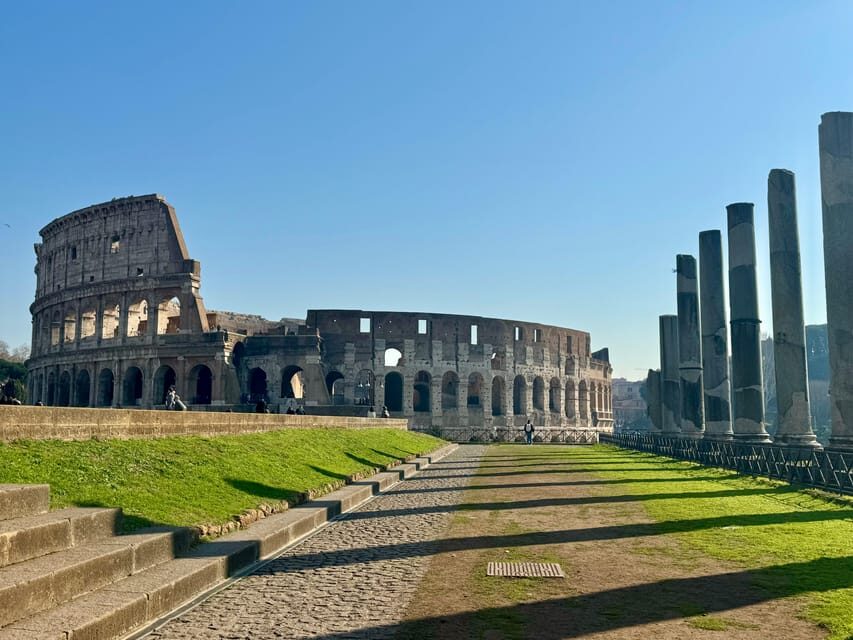
What makes this experience practical is that you’re not locked into one way of seeing Rome. You can pick:
- Private guided tour (about 2–3 hours, depending on season and conditions) with a professional, licensed English-speaking guide, plus a headset system.
- Self-guided audio option where you use your smartphone and follow a multilingual audio story.
- A VIP audio-guided option with the same self-paced approach, and added flexibility with free cancellation up to 24 hours before.
Why this matters: the Colosseum, Forum, and Palatine Hill can overwhelm you if you’re just drifting. A guide gives you a map for what to look at and why it’s there. Audio is great if you want less structure and more time for photos or slower reading. Either way, you’re getting the same core sites with tickets that include fast-track entry.
One more note that helps you plan your expectations: in July and August, the tour shortens to about 2 hours because of excessive heat. That doesn’t mean you’ll get less “Rome,” just less time inside the day if temperatures are high.
You can also read our reviews of more private tours in Rome


Entering The Colosseum: Fast-Track, Security, and Timing Reality
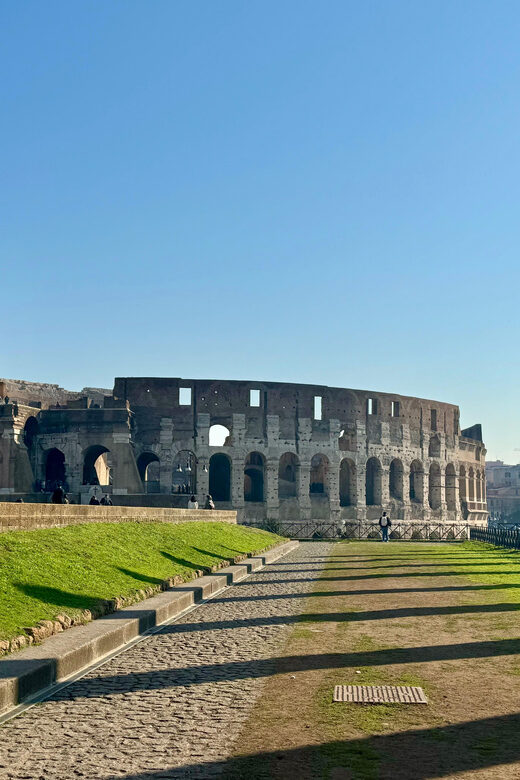
This experience is built around skipping the long ticket line for admission, and that’s the right idea in Rome. Once you’re through, the Colosseum becomes less about logistics and more about the spectacle it once hosted.
Still, don’t treat fast-track like a magic wand. The Colosseum security checks the names and IDs of each visitor, and that can add wait time. You’ll want to arrive early enough to absorb that delay and to avoid the unpleasant situation where you’re late and the tour can’t simply be rerouted. The rules are strict: if you arrive late to the meeting time, joining late or rescheduling isn’t possible because tickets can’t be amended or canceled.
Practical tip: plan to be at the meeting point with extra buffer. And yes, you should bring a passport or ID card, since the checks are part of how the Colosseum runs.
The Colosseum Interior: Gladiators, Engineering Tricks, and Big Views
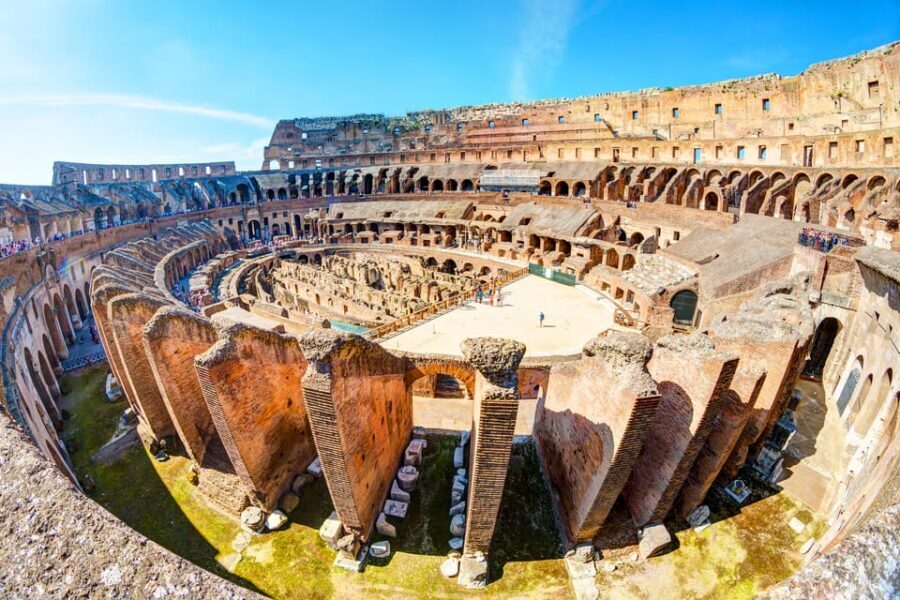
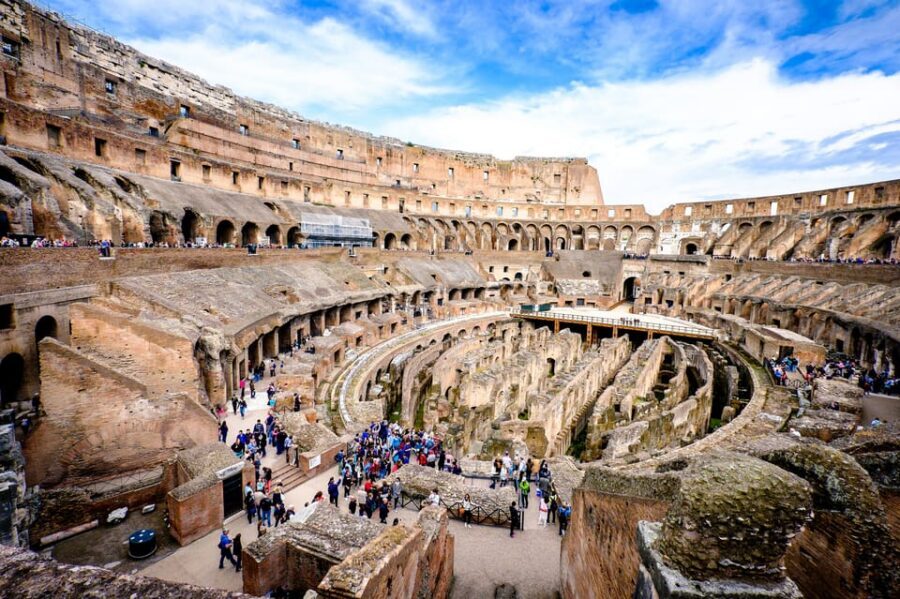
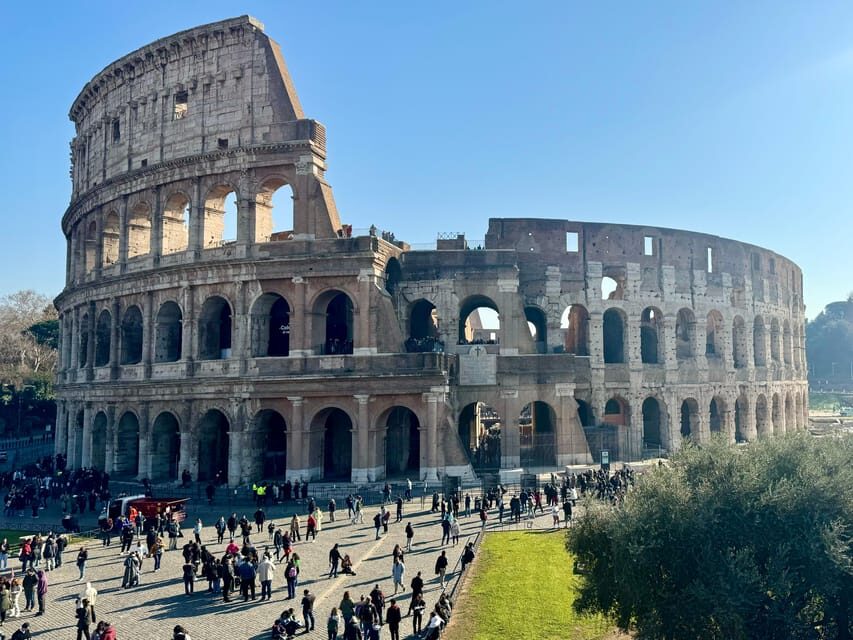
Inside the Colosseum, the point isn’t just to see big stone. It’s to understand what the space was designed to do. With a private guide, you’ll get a narrative that connects the architecture to entertainment: how Roman engineers solved big problems, how crowds were managed, and how spectacle was staged.
Here are the kinds of stories you can expect while you’re in the arena and walking through key zones:
- How Romans built it so the whole structure could handle massive crowds and events
- Thrilling accounts tied to gladiators and wild beasts, with context rather than just name-dropping
- Explanations of hidden mechanisms, including trapdoors used to animate the games
- References to mock sea battles and animals reportedly kept below the arena level
- A move toward the second tier, where the views over the Colosseum feel like a big payoff rather than a quick glance
If you pick audio-only, you’ll follow along at your own pace with multilingual storytelling and 44 points of interest. That can be a relief if you don’t like moving quickly in groups. But it also means you’ll have to be a bit self-directed: you’ll need to pause when the audio tells you something matters, and then look for it.
Either way, the Colosseum stops being a postcard and becomes a machine for drama. That’s the difference.
Stop-by-Stop: Arches and Forum Corners You Can’t Skip
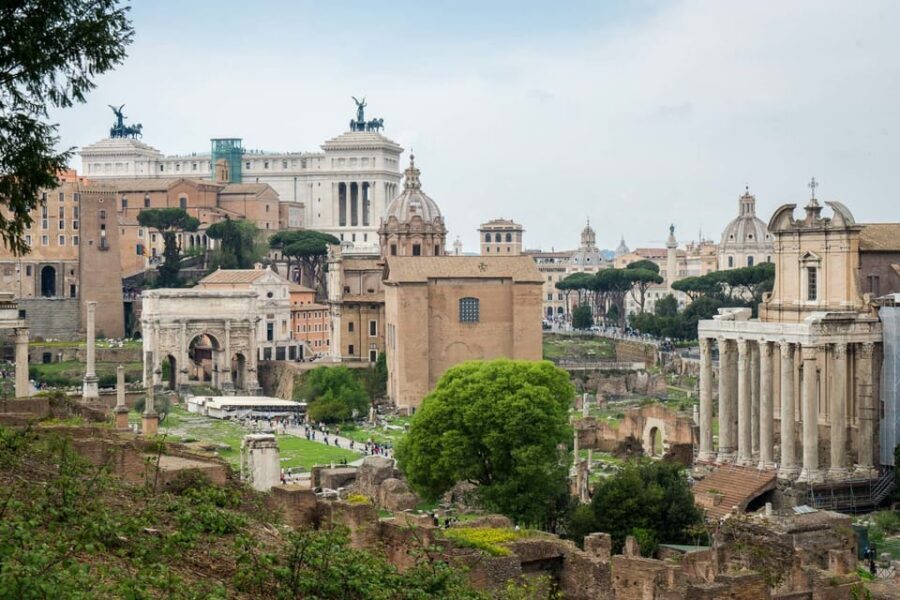
After the Colosseum, the day shifts from an event stadium to the civic heart of Rome. This is where you start connecting power, law, and myth with what you just saw in stone.
Arch of Constantine (short photo stop)
You’ll have a brief moment here. Even if your time is limited, the arch is worth it because it bridges eras—Constantine’s name is a reminder that this story doesn’t end with the Republic and doesn’t stay in one century. Use this stop for quick photos, but also for a mental reset: you’re moving from arenas to politics.






Arch of Titus (10-minute visit)
This is where you’ll slow down a bit more. The arch matters because it’s tied to triumph and messaging—Rome didn’t just conquer; it broadcast conquest through monuments. Even on a tight schedule, it helps to take 2 minutes to read the big idea before you move on.
Roman Forum (about 40 minutes, plus photo stops)
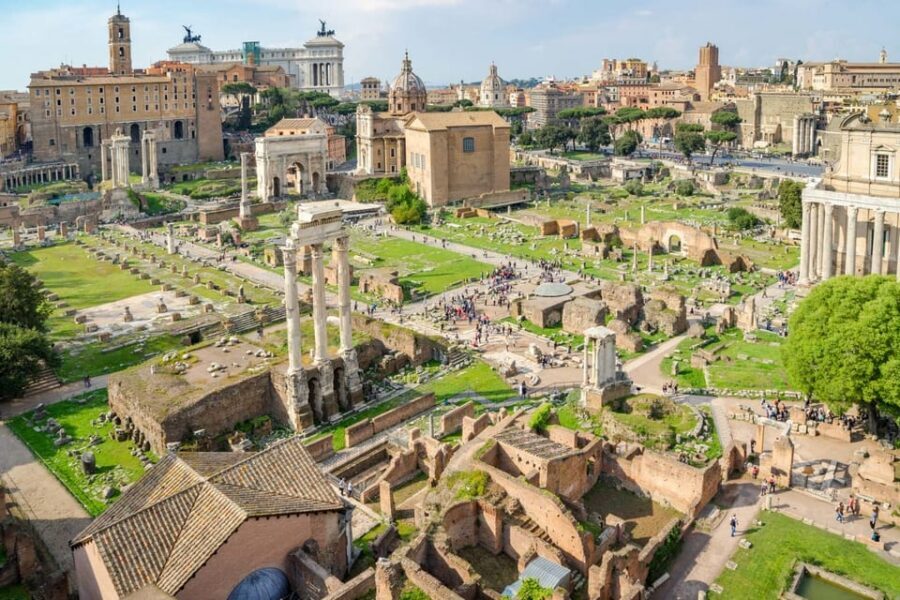
The Roman Forum is what turns “ruins” into a place that feels like it once ran daily life. You’ll walk through the key areas and get guided time (or audio guidance) to notice:
- Viewlines and how the space is laid out for movement and visibility
- Ruins linked to Roman leadership, religious life, and public decision-making
- The sense that this area was the stage for the Republic’s political drama, not just background stone
One of the best practical parts here is time management. The plan isn’t to rush every fragment. It gives you enough minutes to look up, orient yourself, and actually understand what each cluster of ruins was for.
Palatine Hill Views: Where Rome’s Elite Lived
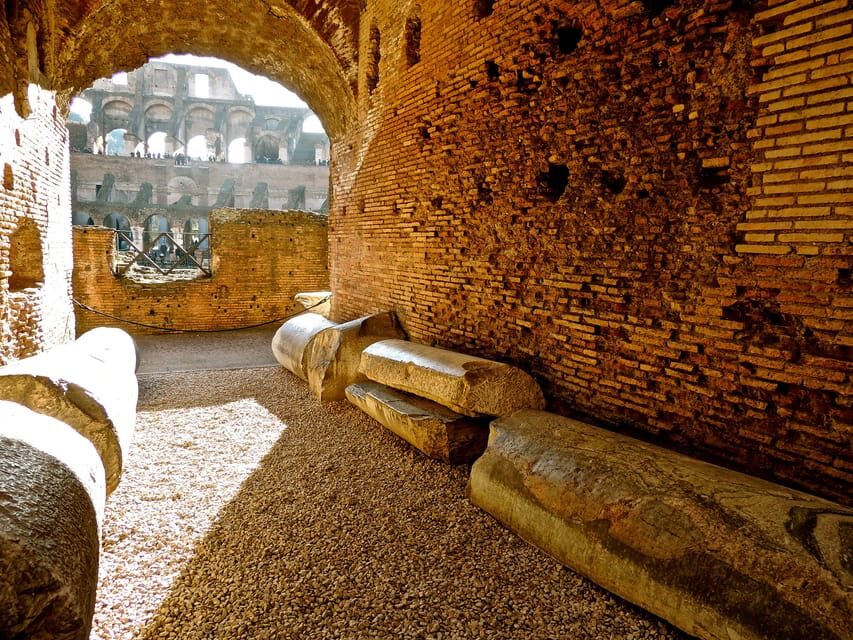
Palatine Hill is the reward for walking from the Forum. From here, Rome stops being a flat map and becomes a layered panorama.
You’ll get:
- A guided or self-guided walkthrough of the hill’s key remnants
- Time for the kind of views that make your brain connect the dots: Circus Maximus direction on one side and the Roman Forum on the other
- A clearer sense of why Palatine mattered as the residential district for emperors and elite families
You’ll also see ruins tied to famous power stories, including the Temple of Julius Caesar, associated with the spot where his body was cremated. Even if you only skim the details, the location helps you understand why people treated this area as more than property—it was symbolism made visible.
Photo tip: plan for angles. Palatine Hill is strong for wide shots and for “relationship” photos where you include both the hill and the Forum view. If you have a private guide, ask for the best view direction before you move on.
Basilica of Maxentius and Temple of Caesar: Quick Stops With Meaning
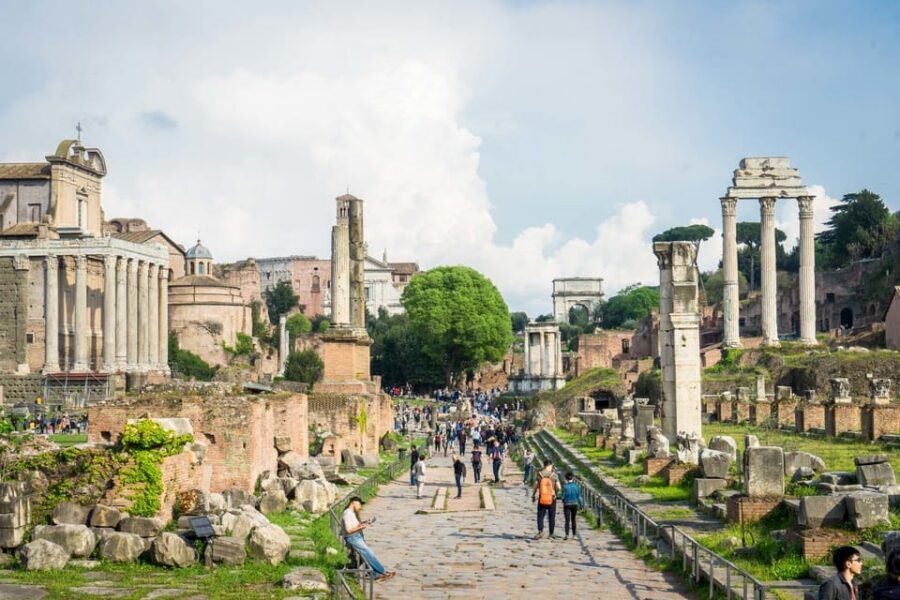
Some of the stops are short, but that doesn’t mean they’re throwaway.
Basilica of Maxentius (10 minutes)
This is one of those ruins that hits you with scale. Even if you don’t know the finer technical facts, you’ll feel the ambition of Roman building. In a guided format, this is a good time for your guide to connect the structure to imperial authority and public life.
Temple of Caesar (about 5 minutes)
This one is compact. The value is the context—this is tied to the story of Julius Caesar and the civic-religious ways Rome memorialized leaders. With audio, you’ll want to pause long enough to listen before you walk away.
What You Get for Your Money (and Why It’s Not Just a Ticket)
The posted price is $50.11 per person, and the important detail is how it relates to the required admission cost. The Colosseum, Palatine Hill, and Roman Forum tickets have a stated adult cost of 18 euros. That 18 euros covers the admission component, while the additional amount is tied to services such as the professional tour guide, headset system, staff, and taxes.
So the real value question isn’t only whether you’re paying for access. It’s whether the add-on services save you time, frustration, and confusion.
This tour’s value is strongest if you fall into one of these categories:
- You want to understand what you’re seeing, not just move through it
- You’re short on time in Rome and can’t afford the wandering stage
- You like your information delivered at the site, where the explanation matches what you’re staring at
It’s less of a slam dunk if you love reading slowly on your own and you don’t care about interpretation. For you, the audio format may feel like the same sites with more freedom and less cost in attention.
Practical Tips That Keep This Day Stress-Free
A few realities will shape your experience more than you think:
- Bring your ID/passport. Security checks names and ID cards of visitors at the Colosseum.
- Wear comfortable shoes. The route is built for walking and uneven stone.
- Skip selfie sticks. They aren’t allowed.
- No pets, no weapons/sharp objects, no glass objects.
- Weather runs the show. This tour operates in all weather conditions. Rain matters for the visit because Colosseum management doesn’t allow ticket amendments or refunds if you decide not to join due to weather.
- Meeting time precision matters. Late arrivals can’t be accommodated by rescheduling since tickets can’t be changed.
- Wheelchair access isn’t available. The experience is marked as not suitable for wheelchair users.
On top of that, consider the season. In hot months, plan for the shorter 2-hour timing and pace yourself. In shoulder seasons, the full 3-hour plan feels more satisfying, especially when you can linger in quieter corners.
Who This Tour Fits Best (and Who Might Want Another Plan)
This works especially well if you:
- Want three iconic sites handled in one compact window: Colosseum, Palatine Hill, Roman Forum
- Prefer a guided approach with headsets, which is a big deal when crowds make normal conversation impossible
- Like a mix of explanation and photo time, rather than pure lecture or pure wandering
It might not be ideal if:
- You want deep, slow museum-style reading. This is a guided walk with set stops.
- You hate any structure at all. Audio can help, but you still need to follow the flow for maximum value.
- You need wheelchair access, since this tour isn’t set up for it.
Should You Book This Private Colosseum + Ruins Experience?
Book it if you want your Rome day to feel efficient and understandable. The pairing of fast-track entry plus a guide (or a strong audio track) is exactly how you avoid the usual problem: standing in front of world-famous ruins with no clue what matters most.
I’d also book it if your travel style includes photos. The best-rated guides are praised for pinpointing strong photo spots, and the route gives you multiple built-in stops where pictures make sense, not just “move along” moments.
Skip or consider an alternative if you’re the type who only wants to wander, or if you’re traveling when extreme heat is likely and you’ll resent a shorter 2-hour plan.
If you want a balanced mix of access, storytelling, and practical pacing, this is one of the easier ways to make the Colosseum day actually land.
FAQ
How long is the Rome Colosseum, Palatine Hill, and Roman Forum experience?
The tour is listed as 3 hours, but starting times depend on availability. In July and August, the tour lasts about 2 hours due to excessive heat.
Is this a private tour?
Yes. A private group option is available, and the “Private Tour” option is described as a private guided experience.
Does the tour skip the long ticket line?
Yes. It includes fast-track entry to the Colosseum, Roman Forum, and Palatine Hill, helping you avoid the long line to buy tickets.
What is included with the private guided option?
The private guided option includes a professional, licensed English-speaking guide, a headset system, and a fast-track ticket for the Colosseum, Roman Forum, and Palatine Hill.
Is an audio guide included, and what languages are supported?
The audio-guided option includes a multilingual audio guide you download to your smartphone. Languages listed include English, Chinese, German, French, Italian, Spanish (and Portuguese is also listed for the optional audio guide).
Is the VIP audio option different from the standard audio option?
The VIP audio option is still self-guided with the audio app, but it includes free cancellation up to 24 hours before your visit.
Where does the tour start?
Meeting points may vary by option booked. Two start location options listed are Via Labicana, 96 near Piazza di San Clemente.
Where does the tour end?
One part of the information notes the activity ends back at the meeting point, and the route finish location is listed as Foro Romano. The exact end can depend on how the day is run.
What should I bring?
You should bring a passport or ID card, and wear comfortable shoes.
Is the tour wheelchair accessible?
No. It is not accessible for wheelchair users.