REVIEW · TREVI FOUNTAIN TOURS
Rome: Piazza Navona and Trevi District Underground Pass
Book on GetYourGuide →Operated by TICKETSTATION SRL · Bookable on GetYourGuide
Rome has a second floor.
This combo ticket strings together two underground archaeological stops: the Stadium of Domitian beneath Piazza Navona and the ancient passages of Vicus Caprarius under the Trevi District Underground. I especially like how the visit is built around two specific places you can picture on a real map, and I also like that you get an audioguide so you can slow down for photos instead of rushing with the group. One consideration: the underground areas are not huge, so if you expect a long tunnel tour, you might feel like it is over faster than you planned.
You still get the classic postcard Rome moments above ground. You walk through lively Piazza Navona, take in the Fountain of the 4 Rivers by Bernini, and see the Pantheon from the outside. The Trevi Fountain coin toss is part of the flow too, so you do not end up with a purely underground experience.
Logistics are simple, but be sharp. Your voucher is not the ticket, so you must redeem it at the Tourist Office at Piazza Navona 25 before you go in, and the visit runs in a tight 2-hour window. If you are early, double-check the time on your paperwork carefully, because some arrivals have had confusion about when staff expect you.
In This Review
- Key things to know before you go
- Piazza Navona Underground: Stadium of Domitian, with real context
- Trevi District Underground: Vicus Caprarius passages and street-level imagination
- The above-ground loop: Piazza Navona, Pantheon exterior, and Trevi Fountain
- How the audioguide helps (and how to use it for better photos)
- Pricing and value: Is $34 fair for two underground entries?
- Timing, tickets, and why early arrivals can get weird
- Optional add-ons: Glass Elevator, Palazzo Venezia, and museum choices
- Who this pass is best for (and who should think twice)
- Should you book the Piazza Navona and Trevi Underground Pass?
Key things to know before you go
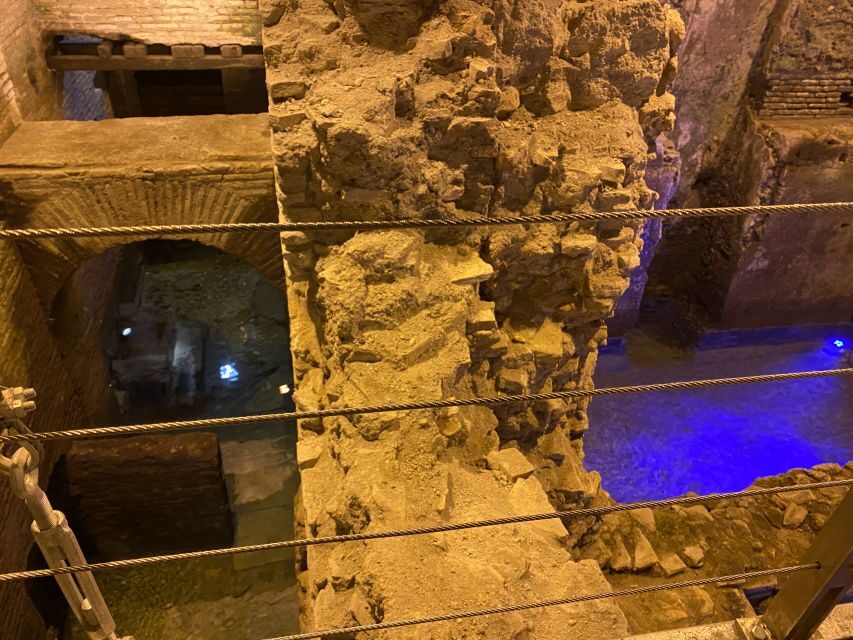
- Two underground archaeological sites, one ticket: Stadium of Domitian under Piazza Navona plus Vicus Caprarius near Trevi District Underground.
- Audio guidance built in: Reserved entrances come with an audioguide in Italian, French, English, Spanish, German, Russian, and Portuguese.
- A photo-friendly pace: The audioguide format helps you take selfies and city-hilight pictures without feeling constantly rushed.
- Compact stops, clear expectations: Each site takes roughly about 1/2 hour, so plan for a focused visit, not a sprawling maze.
- Easy walk between locations: The two stops are close enough that the day feels practical rather than chaotic.
- Redeem your voucher first: You start by exchanging your voucher at Piazza Navona 25, then you go to the entrances.
Piazza Navona Underground: Stadium of Domitian, with real context
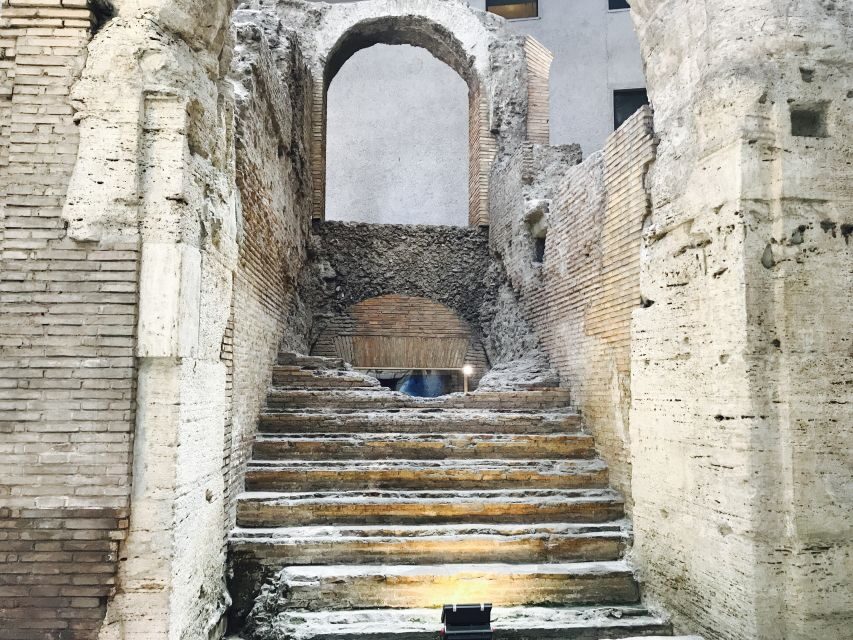
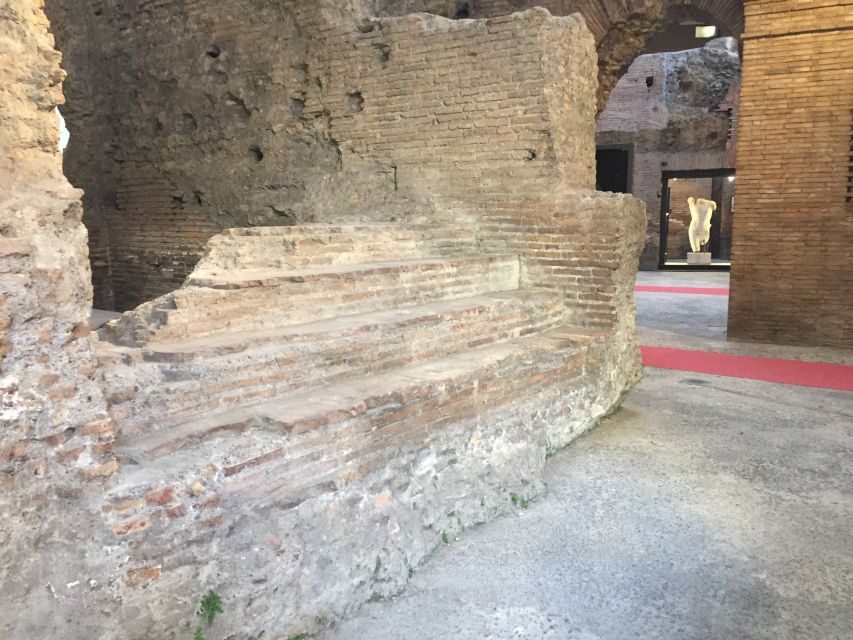
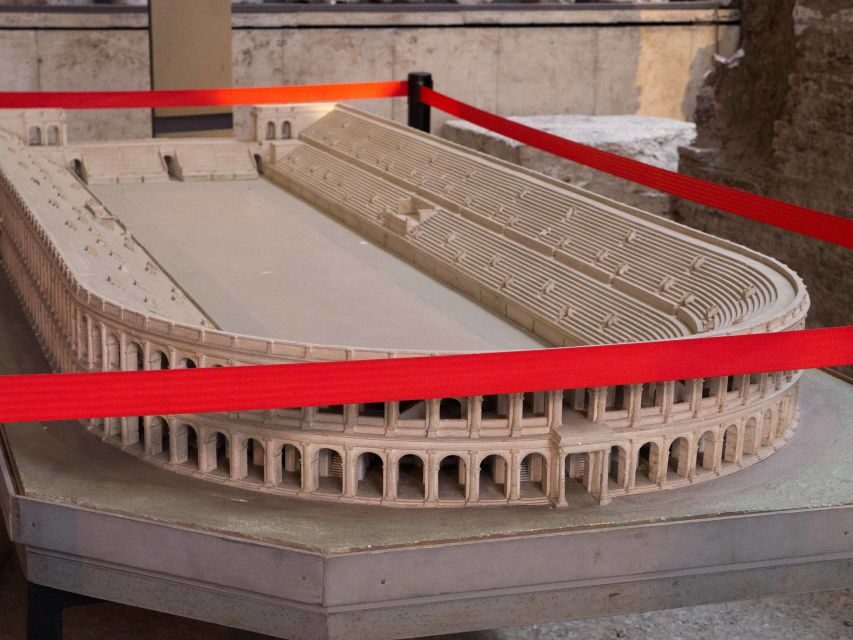
Piazza Navona already feels theatrical from street level. Once you are under it, that feeling becomes more grounded. The Stadium of Domitian site is the first underground stop in this pass, and the big value here is understanding what you are looking at while you look at it.
You are not just staring at stone. The audioguide is there to connect the space to Rome’s long story, including why this location mattered. Even in a short visit, you end up with mental hooks: what this part of Rome was, how the city changed over time, and why an underground view can make ancient Rome feel less abstract.
I also like that the experience is set up so you can move at your own speed. The audio format makes a difference when you are stopping for a photo. It is easier to frame your shot, catch your breath, and then continue—without constantly waiting for someone else’s group pace.
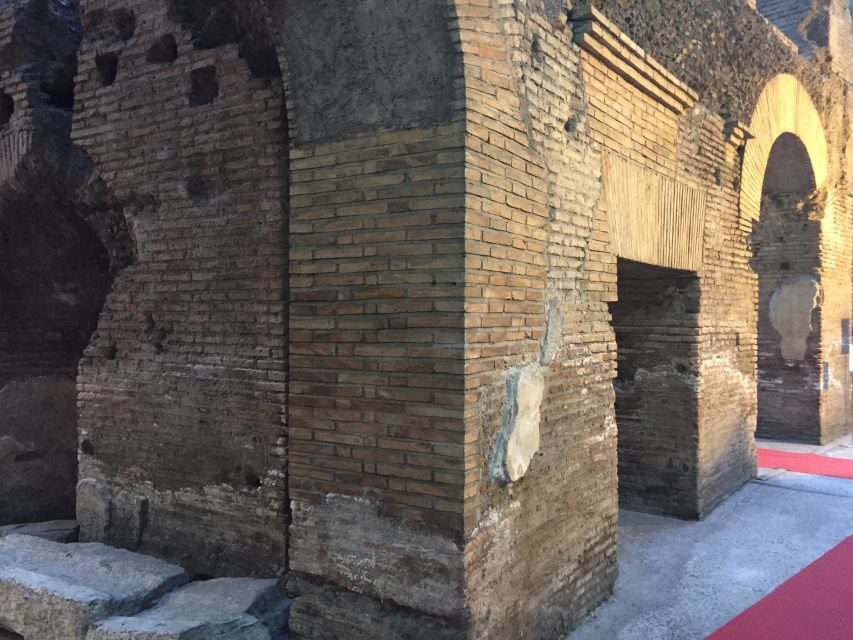
A small caution: the Stadium of Domitian area is not massive. Some people come in expecting huge tunnels and lots of space. If you treat it as a focused look at one important layer of Rome, it lands well.
You can also read our reviews of more tours and experiences in Rome.



Trevi District Underground: Vicus Caprarius passages and street-level imagination
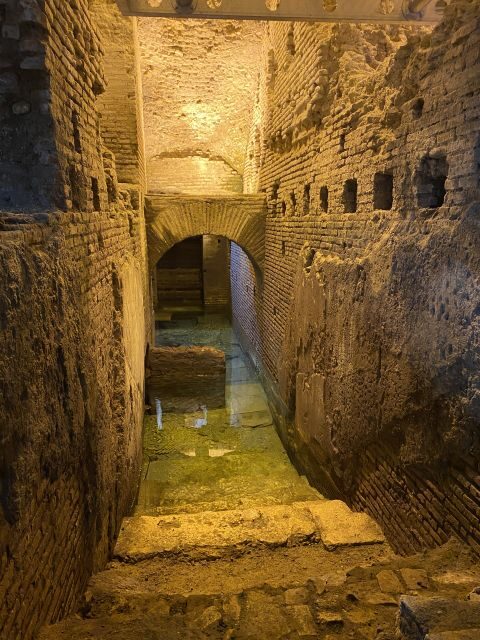
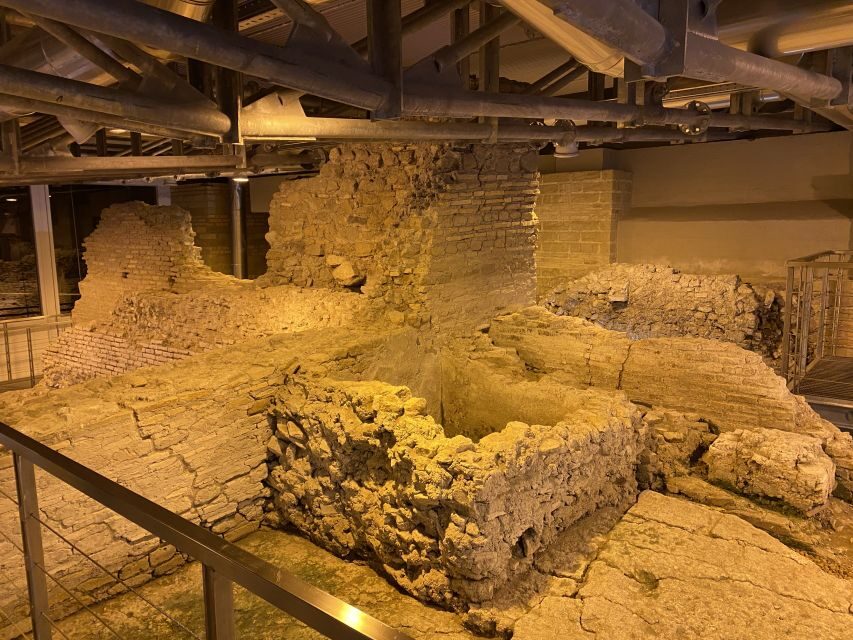
The second stop shifts you from the Piazza Navona layer to a different slice of ancient urban life: the Vicus Caprarius area within the Trevi District Underground. This is the kind of site that helps you picture how Rome worked beyond its most famous monuments.
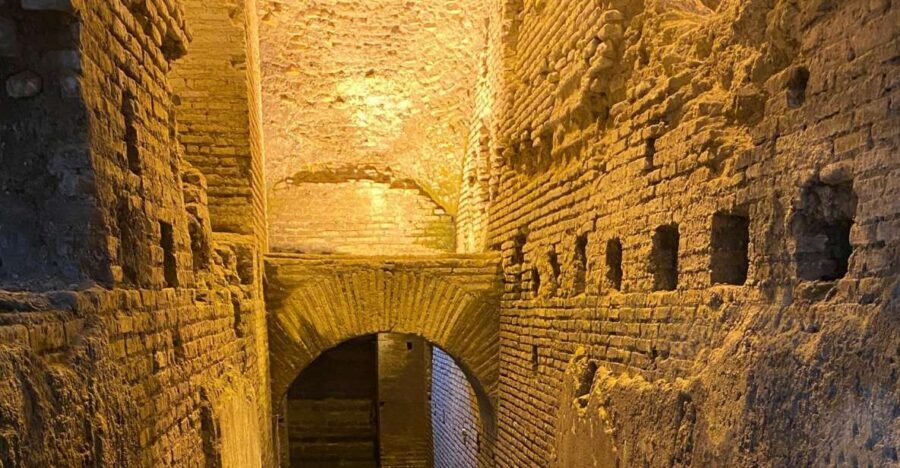
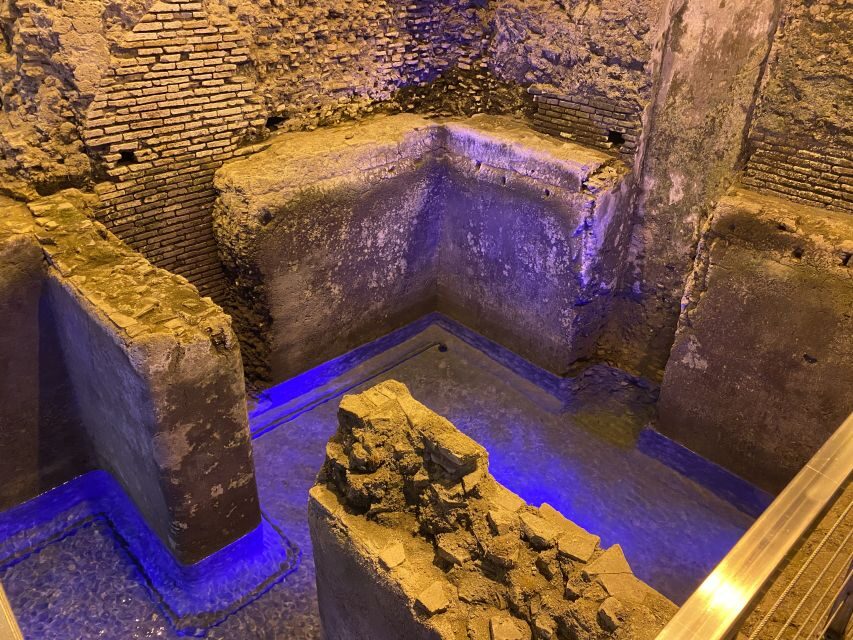
What you will appreciate here is the underground passages themselves. This is not a “museum room” vibe. You are moving through spaces that feel closer to how everyday ancient routes and edges might have functioned. The audioguide helps you connect those physical features to the bigger story of Rome’s evolution.
It is also one of the better moments for selfies and quick picture breaks. Underground light is always a bit tricky, but having time built in lets you find angles without feeling like you are constantly running out of time.
If you are the type who loves archaeology because it adds texture to the city, this stop is the payoff. If you mainly want grand visuals and wide-open areas, you might find the underground portion more “look closely” than “wow from far away.”
The above-ground loop: Piazza Navona, Pantheon exterior, and Trevi Fountain
Even though your pass centers on underground archaeology, you still spend time above ground. That matters because Rome is strongest when you connect the layers. You do not want to leave with two underground sites and no sense of how they fit into the postcard city.
Your walk includes Piazza Navona, with its famous fountains. The Fountain of the 4 Rivers by Bernini is specifically part of the experience, and it is one of those moments where you can feel why this square became such a magnet for artists, visitors, and commerce.
From there, the route includes the Pantheon from the outside. You are not going inside, but you still get to take in the scale and the architecture. The guide-style information includes how Michelangelo admired the Pantheon so much that he called it more angelic than human in design. That kind of framing makes a quick exterior stop feel more meaningful.
Then comes the Trevi Fountain moment. The tour includes the classic coin toss, because this is the easiest way to “lock in” the Trevi stop in your memory. You also get to learn about the fountain’s secrets—exact details aren’t the point so much as the fact that there is guidance beyond the photo line.
How the audioguide helps (and how to use it for better photos)
This pass includes reserved entrance to both underground sites with an audioguide, and the language list is strong: Italian, French, English, Spanish, German, Russian, and Portuguese. That means you should be able to get information in your preferred language without needing to hunt for a live translator.
For me, the best part of an audioguide setup is control. Underground spaces can be noisy or dim, and it is easy to miss details when you are moving with a group. With audio, you can pause mentally, catch a key point, and then keep going.
A practical strategy:
- Before you enter each underground section, take 20 seconds to locate yourself visually and get oriented.
- Then listen for the part of the commentary that explains what you are seeing, not just where you are standing.
- Use gaps in the audio to take photos, rather than trying to shoot while the guide is giving you the most important description.
You will likely get better results this way than if you just treat the audio like background noise.
Pricing and value: Is $34 fair for two underground entries?
At $34 per person, the value depends on what you want from your Rome time. This pass does two things well: it bundles access to two reserved underground entrances and includes audioguides, which helps stretch the experience beyond simple ticket entry.
If your plan includes seeing both the Stadium of Domitian underground site and the Trevi District Underground, then buying a combined ticket usually makes sense. You are paying for convenience plus time efficiency—especially if you want to avoid separate planning and separate lines.
If you are only interested in one of the underground sites, or if you expect long underground corridors, then the price may feel harder to justify. Some visitors have found the underground stops smaller than they expected. The key is managing your expectations: think “short, focused archaeology visits,” not “hours of tunnels.”
Also, note the time commitment. The total duration is about 2 hours, so you are paying for a compact experience that fits neatly into a busy sightseeing day.



Timing, tickets, and why early arrivals can get weird
The pass is timed, so the most important logistical detail is redemption. Your voucher is not your ticket. You need to redeem it at the Tourist Office at Piazza Navona 25 before visiting.
After that, your entrances are scheduled, and the experience flows with those timing constraints. The visit ends back at the meeting point, so you are not dealing with a complicated end location.
One real-world tip from the experience: pay close attention to the time information on your receipts. Some people have had trouble because the expected arrival time did not match what they thought, including confusion linked to how time was written. When you have a tight schedule, small misunderstandings can snowball fast.
If you want the smoothest experience, arrive at a sensible time—not dramatically early—and confirm you understand the time window.
Optional add-ons: Glass Elevator, Palazzo Venezia, and museum choices
This pass also points you toward finishing your day with optional sightseeing choices. The information includes the Panoramic Glass Elevator, Palazzo Venezia, and either the Risorgimental Museum or the Capitoline Museums.
The Capitoline Museums are described as the world’s first museum opened to the public in 1734. Even if you do only a slice of that museum time, that context can help you appreciate why the choice matters.
One practical note: the data suggests there is an option you choose that fits you better. So build this into your planning. If you want maximum value, you pair the underground archaeology with one museum block above ground and you get a full arc: Rome underground, Rome monuments, then Rome in a museum setting.
Who this pass is best for (and who should think twice)
This is a good fit if you like:
- short sightseeing with strong structure
- archaeology that adds depth to famous city squares
- taking photos without feeling forced to speed-walk the entire time
- audioguides in your language
It is less ideal if you:
- want long underground exploration with lots of space
- need wheelchair accessibility (the pass is not suitable for wheelchair users)
- prefer only big-ticket sights with lots of time inside them
Also, if you are sensitive to staff moods or the feeling of being rushed, you might want to arrive with extra calm and buffer time. Some of the experience feedback includes notes about staff attitude and site-day timing, so showing up exactly on time and staying flexible helps.
Should you book the Piazza Navona and Trevi Underground Pass?
Book it if you want a smart, time-efficient way to see a different Rome layer without losing the classic monuments. Two reserved underground entries with multilingual audioguides for about $34 is a solid deal when you plan to hit both sites.
Skip it or rethink it if your dream is a long underground adventure with endless tunnels and major scale. This is compact archaeology. Treat it like a focused “Rome beneath Rome” experience, then spend the rest of your day at the Pantheon exterior and Trevi Fountain above ground for the full effect.
If you can do that, this pass gives you a memorable two-part story in a tight 2-hour window.