REVIEW · ROME
Rome Pantheon Semi-Private Guided Tour with an Archaeologist
Book on GetYourGuide →Operated by Hili srl · Bookable on GetYourGuide
The Pantheon makes more sense with a guide. This small-group walk pairs Piazza della Minerva (hello, Bernini’s elephant) with an in-depth look at the Pantheon’s design and meaning, led by an archaeologist. I like how the experience moves from street-level Rome into monument-level history without feeling like a lecture.
Two things I really like: you get priority entry so the visit flows, and the guide uses clear storytelling to connect what you see (dome, columns, oculus, royal tombs) to how Romans thought about time, math, and astronomy. One thing to consider: you’ll be walking and you need to dress properly for entry (shoulders and knees covered), plus you can’t use flash inside.
In This Review
- 6 Key Highlights Worth Planning For
- Starting in Piazza della Minerva, Not at the Ticket Booth
- An Archaeologist Makes the Pantheon Click
- Walking in with Priority Tickets, Then Going Straight to What Matters
- Entering the Pantheon: Dome, Columns, and the Ocular Detail
- Piazza della Minerva’s Role: Rome, Repackaged Over Centuries
- Clothing Rules and Inside Etiquette You Actually Need
- Small Group Energy: Better Questions, Less Waiting Around
- The “So What” Part: Why This Tour Feels Like Value
- Where the Tour Can Flex (Without Promising the Same Thing Every Time)
- Who This Tour Is Best For
- Should You Book This Pantheon and Piazza della Minerva Tour?
6 Key Highlights Worth Planning For

- Starting at Piazza della Minerva with Bernini’s elephant statue sets the tone fast.
- Archaeologist-led explanations turn “great building” into “how it works and why it mattered.”
- Priority tickets included help you avoid the long line hassle.
- Inside the Pantheon, you’ll focus on the dome, columns, and the oculus role in tracking time and seasons.
- Small group format keeps the mood friendly and questions easy.
- A short, efficient route (about 1.5–2 hours) fits well into a busy Rome day.
Starting in Piazza della Minerva, Not at the Ticket Booth
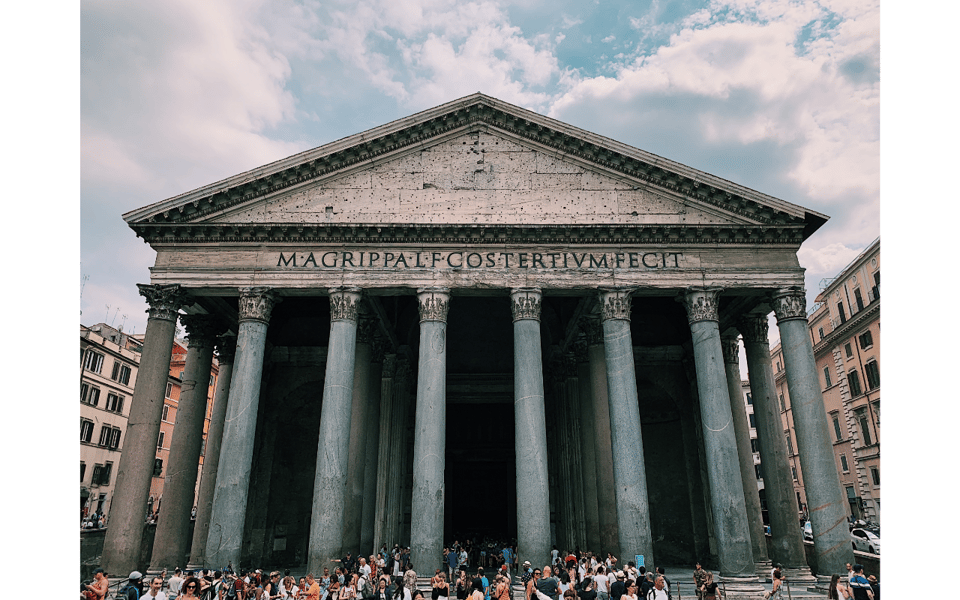
Most Pantheon visits start where the crowd is thickest. This one starts in Piazza della Minerva, which feels smarter because you get oriented to the neighborhood first. You’ll see Bernini’s famous elephant statue right away, and that instantly gives you a sense of how Rome keeps reusing and reinventing older spaces.
From there, you move toward the Pantheon with a guide who already has a story lined up. The pacing helps. You’re not just showing up and staring. You’re arriving with context, and that changes what you notice once you’re inside.
You can also read our reviews of more tours and experiences in Rome.



An Archaeologist Makes the Pantheon Click
The Pantheon is famous for a reason. Still, without the right lens, it’s easy to admire it like a postcard. With an archaeologist leading the tour, you get the technical and historical threads tied together in a way that feels practical, not academic.
In guides like Daniele (the name shows up again and again), you can feel the focus. The explanations tend to connect design choices to Roman thinking—especially the links between architecture and astronomy-related ideas. One review even points out that the guide framed the building through connections to math, physics, and archaeology, using clear explanations (and even visuals like photos or videos) to make the logic land.
That’s the core value here: you’re not only learning facts. You’re learning how to interpret the building. You’ll start noticing proportions, structural choices, and symbolic meaning instead of just walking in circles.
Walking in with Priority Tickets, Then Going Straight to What Matters
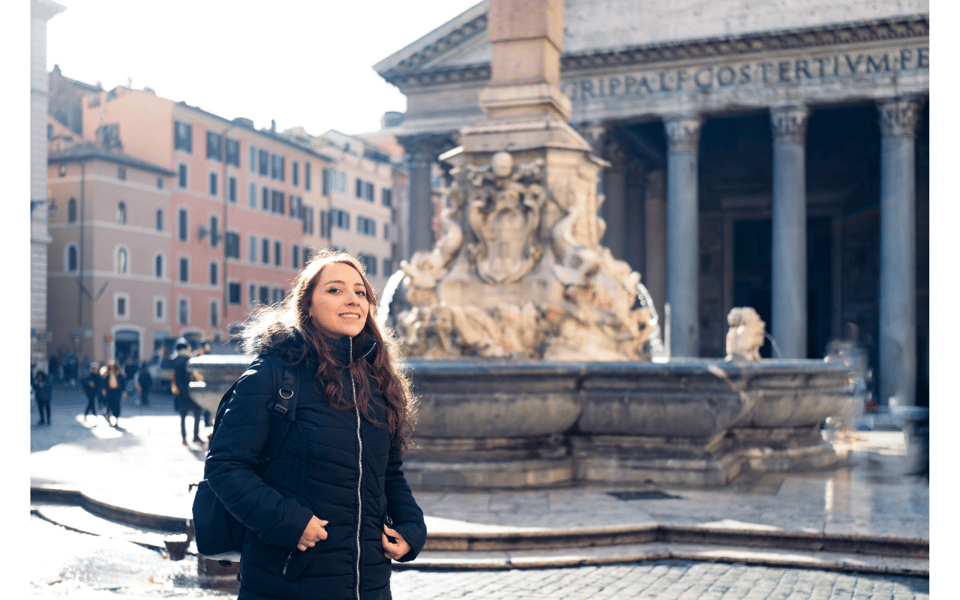
Timing matters at the Pantheon. Even when you’re strong-willed, lines can eat your time and make you rush. This tour includes entrance to the Pantheon and priority ticket access, which helps you spend your energy looking instead of waiting.
You’ll still want to be realistic: it’s a busy site. But priority entry is one of those small advantages that feels big in real life. You’re paying for smoother time on-site, and that’s especially worth it for a 1.5–2 hour experience.
Also, the fact that it’s a small group matters more than people think. When the group is limited, the guide can adjust pace and answer questions without the usual “keep moving” pressure.
Entering the Pantheon: Dome, Columns, and the Ocular Detail
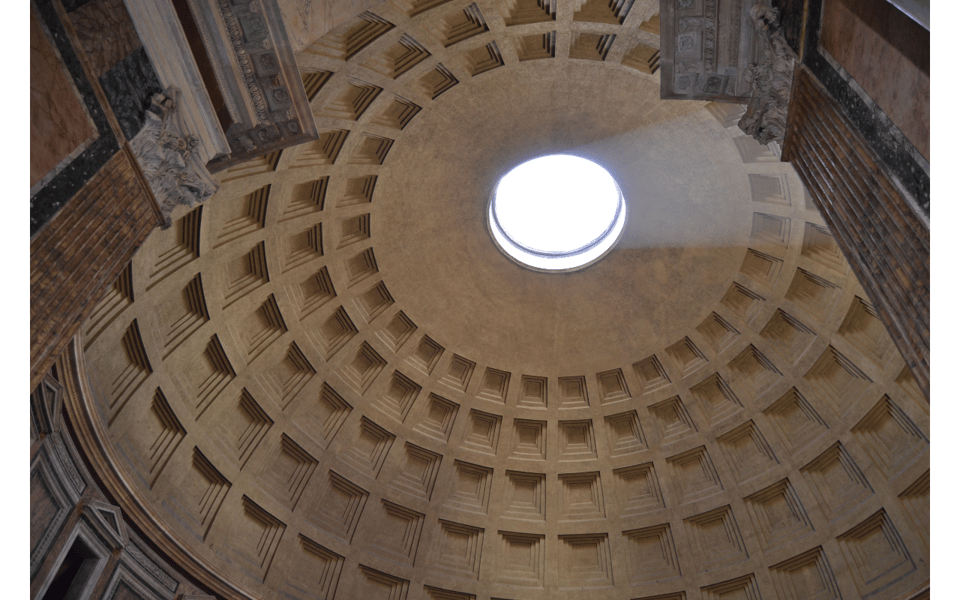
Once you step inside, the tour naturally shifts to what makes the Pantheon feel so right. You focus on the dome, the imposing columns, and the oculus—the opening at the top. The oculus isn’t treated like a neat feature. It’s explained in terms of how Romans understood the passage of time and seasons.
That timekeeping angle is one of the most memorable takeaways you’ll get. If you walk in expecting “cool view,” you might miss how the design relates to the sky. With a guide, the building becomes a kind of instrument for observing the year—through light, patterns, and practical geometry.
You’ll also spend time on the monument’s royal tombs. That portion is useful because it adds a human layer. The Pantheon isn’t just engineering greatness; it’s also tied to the people Rome wanted to remember.
Piazza della Minerva’s Role: Rome, Repackaged Over Centuries
The tour doesn’t treat Piazza della Minerva as a quick detour. It’s there for a reason: it helps you read the city’s layers. Rome is one big “built-over-built-over-built-over” story. Starting in this piazza gives you a sense of how later Rome frames earlier Rome.
It also keeps the experience from feeling one-dimensional. The elephant statue may sound like a quirky start (and it is), but it acts like a visual cue: Rome likes to talk. It does it through monuments, statues, church facades, and public squares.
If you like walking tours that help you connect buildings to broader city life, this structure works well.



Clothing Rules and Inside Etiquette You Actually Need
This is a church site as well as a major monument, so you do need to plan your outfit. You’ll want shoulders and knees covered to enter. It’s the kind of rule that’s easy to forget until you’re standing at the entrance, and then it becomes an expensive scramble.
A few other practical reminders from the tour details matter:
- Wear comfortable shoes. You’ll be on your feet for the whole experience.
- Bring water. Rome heat plus a short but active route can sneak up on you.
- Flash photography isn’t allowed, so rely on your eyes and camera settings you can keep discreet.
If you’re traveling with teens, it also helps to explain the clothing rule early so nobody loses momentum in the moment.
Small Group Energy: Better Questions, Less Waiting Around
A “small group” tour can mean anything from 4 people to 20, but here the point is simple: you don’t want to feel like you’re trapped behind a wall of strangers. The format is designed for an intimate pace, and the guide can keep the tone engaging while still covering serious content.
In multiple accounts of tours led by Daniele, the vibe is described as light, fun, and story-driven. That matters because the Pantheon’s topic could easily become dry. Instead, you’re given moments of humor and forward motion—so you finish with a sense of awe and understanding, not just a time stamp.
The “So What” Part: Why This Tour Feels Like Value
At $50 per person for about 1.5–2 hours, the price is less about “buying access” (the Pantheon is a famous, high-demand site) and more about buying interpretation and time saved.
Here’s the value equation that works for me:
- You get priority tickets included, so you’re not paying to stand in line.
- You get an archaeologist guide, which shifts you from passive looking to active understanding.
- You get a tight route that covers both Piazza della Minerva and the Pantheon without wasting half the time in transit.
If you’re the type who reads signs and still wants more, this fits. If you only want a quick photo stop, it may feel like too much structure for a short visit. But for most people planning one Pantheon visit, guided time like this tends to deliver more satisfaction per minute.
Where the Tour Can Flex (Without Promising the Same Thing Every Time)
The core plan stays focused: start in Piazza della Minerva (with the Bernini elephant) and then go to the Pantheon for the guided time, ending at the Pantheon. That’s clean and efficient.
In some cases, guides have offered extra nearby context, like taking people to nearby churches when circumstances allow. One account mentions a situation related to a mass held at the time, with the guide still making the experience work. So if you’re hoping for a slightly flexible, “let’s see what fits” approach, this tour style sounds compatible.
Just keep expectations grounded: the tour content you’ll consistently get is the Pantheon focus with archaeologist guidance, plus the Piazza della Minerva opening.
Who This Tour Is Best For
You’ll probably love this if:
- You want history that connects to design and science, not just dates.
- You like guides who can explain how a monument “works” visually and structurally.
- You prefer small-group pacing over rushing through crowds.
- You’re interested in the Pantheon’s dome, oculus, columns, and royal tombs with clear context.
You might choose something else if:
- You already know the subject deeply and just want free-flow time.
- You’re traveling with limited mobility and want a strictly seated or extremely short experience (though the tour is listed as wheelchair accessible, it’s still a walking format).
Should You Book This Pantheon and Piazza della Minerva Tour?
I’d book it if this is one of the key monuments on your Rome trip. A guided visit here isn’t just about skipping a line. It’s about understanding why the Pantheon still feels impossible, even after you’ve seen photos of it a hundred times.
Go ahead and book if you:
- Want your time to feel organized and efficient.
- Like “how it was built and what it meant” explanations.
- Appreciate a guide with real archaeological training and a story-first style—especially guides like Daniele, who many people single out for making the details stick.
If you’re on the fence, do this quick check: can you handle a bit of walking and you’re able to dress for church entry (covered shoulders and knees)? If yes, you’re the exact type of traveler this tour is built for.