REVIEW · PRIVATE
Rome: Houses of Augustus and Livia Private Tour
Book on GetYourGuide →Operated by Through Eternity Tours · Bookable on GetYourGuide
This is Rome in the key of power. You get a private guide plus skip-the-line entry to the Palatine Hill zone, including the House of Augustus and (when open) the House of Livia. It’s not just pretty ruins; it’s where emperors lived, planned, and put their image on display.
I love how the tour centers on the surviving interiors—especially the painted rooms in Augustus’ house. I also like that Livia’s house is explained with the kind of evidence-detail that makes the past feel real, including how the identification came from an inscription found on a lead pipe. One consideration: the House of Livia is temporarily closed, and that can change what you’ll see.
In This Review
- Key Highlights You’ll Actually Feel
- Meeting Your Guide at Largo Corrado Ricci (and Getting Oriented Fast)
- Roman Forum: Daily Life Meets Emperor Drama
- Palatine Hill: Views, Residences, and the Real “Power Neighborhood”
- House of Augustus: Painted Walls That Still Do the Talking
- House of Livia: When It’s Open, It’s a Style Lesson in Preservation
- What Makes This Tour Better Than a Walk-Up Ticket
- Itinerary Feel: 3 Hours That Don’t Waste Your Energy
- Price and Value: What You’re Paying For
- Who This Tour Suits Best (and Who Might Want Another Option)
- Should You Book This Private Augustus and Livia Tour?
- FAQ
- How long is the Rome: Houses of Augustus and Livia Private Tour?
- Where do we meet the guide?
- Does the tour include skip-the-line entry?
- Is the House of Livia included?
- What should I bring?
- Is the tour wheelchair accessible?
Key Highlights You’ll Actually Feel

- Skip-the-line access through a separate entrance so you lose less time to crowds
- House of Augustus frescoes in rooms connected to the emperor’s everyday world
- House of Livia’s preservation story, with mythological frescoes and original marbles (when open)
- Palatine Hill viewpoints plus major power-player stops tied to Domitian and Caligula
- Roman Forum walking connections that link daily life with famous names like Julius Caesar and Cicero
- A guide who can handle mixed backgrounds, with strong context and clear explanations
Meeting Your Guide at Largo Corrado Ricci (and Getting Oriented Fast)
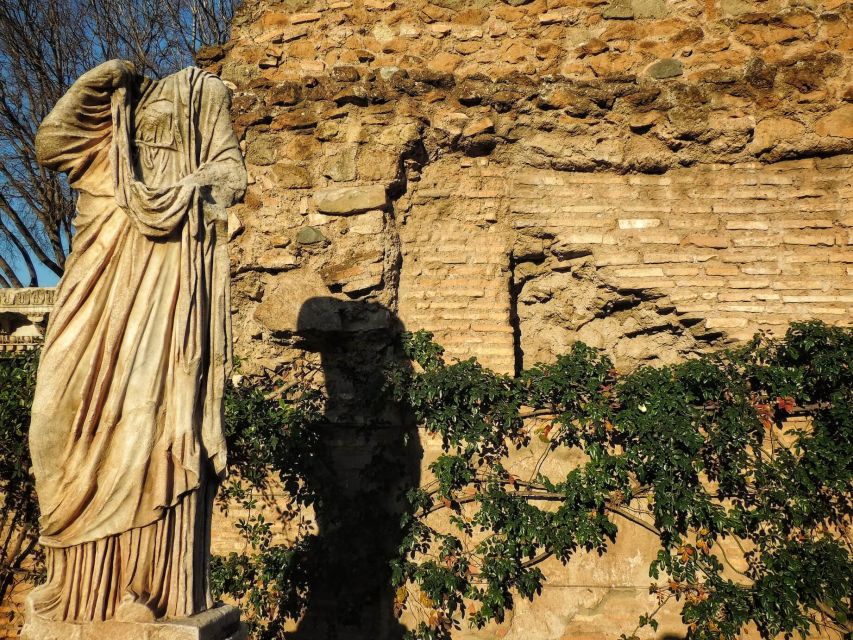
Your tour starts in front of Café/Restaurant Angelino ai Fori at Largo Corrado Ricci, 43a, with your guide holding a Through Eternity sign or flag. This matters more than it sounds: Palatine Hill and the Forum area can feel like one big maze, and a quick start helps you settle into the right story.
The tour is private, and the pacing is built for you to actually look at what you came for. If your group is larger (it mentions headsets for groups of 6 or more), you’ll likely have a way to hear clearly even when you’re moving between sites.
Wear comfortable shoes. This is a mostly on-foot visit with guided time inside sites, plus walking on uneven ancient terrain.
You can also read our reviews of more private tours in Rome



Roman Forum: Daily Life Meets Emperor Drama

The itinerary begins with a guided visit to the Roman Forum (about 35 minutes). I like how this stop sets the stage: you’re not only looking at monuments, you’re learning how the space worked in ancient daily life and politics.
The tour connects key figures you’ll recognize, including Julius Caesar and Cicero. That’s a practical approach because it turns the Forum from a list of ruins into a place where real people acted out real conflicts.
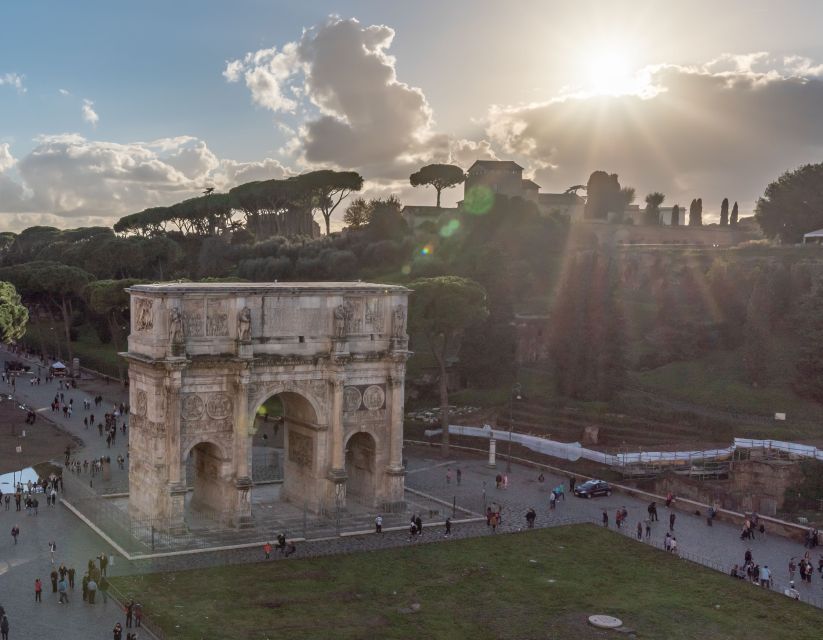
You also get a look at a symbolic connection between top and bottom: the tour includes the monumental ramp that led emperors from the Palatine down into the Forum. When you understand that route, the Palatine stops feeling like a hill with views and starts feeling like a command center.
One more added layer here: you’ll visit Santa Maria in Antiqua, an ancient church built from remains of the imperial palaces. It’s a useful reminder that Rome didn’t freeze after the empire—parts of the old world kept being reused and reinterpreted.
Palatine Hill: Views, Residences, and the Real “Power Neighborhood”
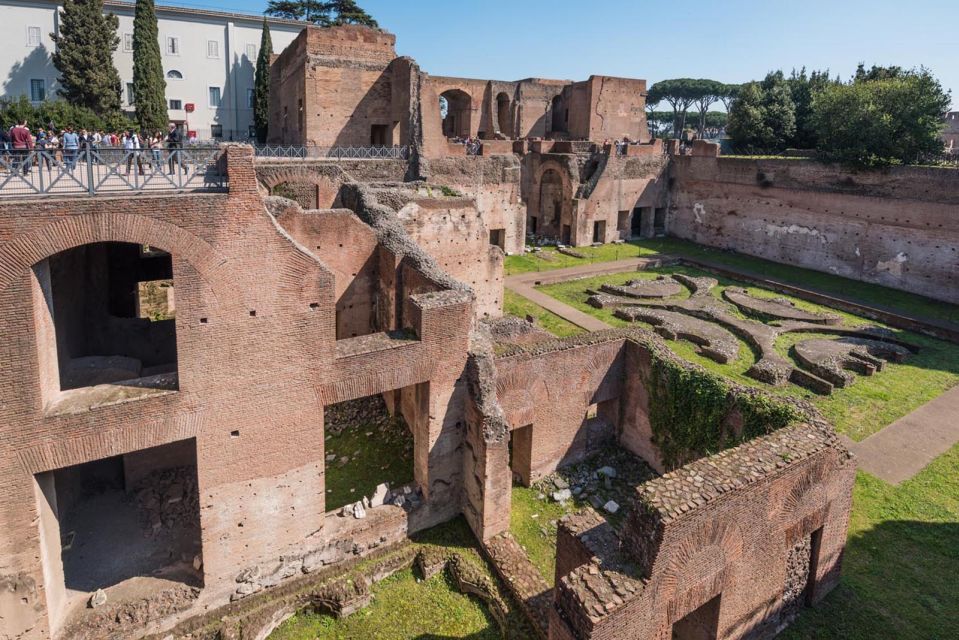
After the Forum, you move on to Palatine Hill for another guided block (again about 35 minutes). This is where the tour earns its “heart of the Roman Empire” reputation, because the hill is both legend and lived-in space.
Palatine Hill is tied to the early Rome story—Romulus and Remus and the founding myth. The practical value is that your guide can link the myth to why rulers later wanted to be physically close to that origin story.
Expect a mix of viewpoint time and big-history stops. The tour mentions the ruins of Domitian’s luxurious palace and the site connected with Caligula’s assassination. You don’t have to be a Roman-history expert to appreciate this—what makes it work is the way the guide explains why those locations mattered.
And yes, the views are part of the deal. Standing on Palatine, you can see how control of sightlines and movement would translate into control of reputation and power.
House of Augustus: Painted Walls That Still Do the Talking

The highlight for many people is the House of Augustus (about 45 minutes guided). This is the “wait, they still have the original look” part of the tour.
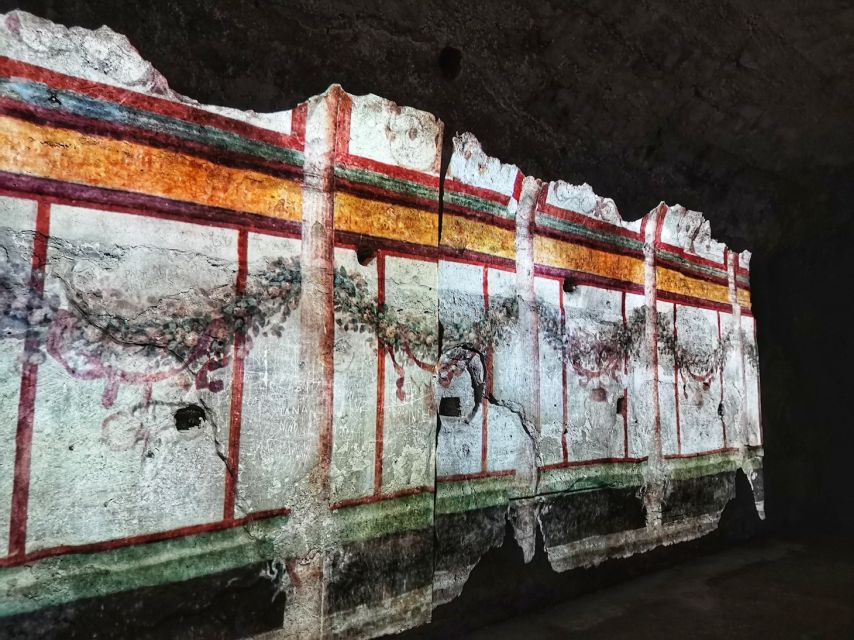
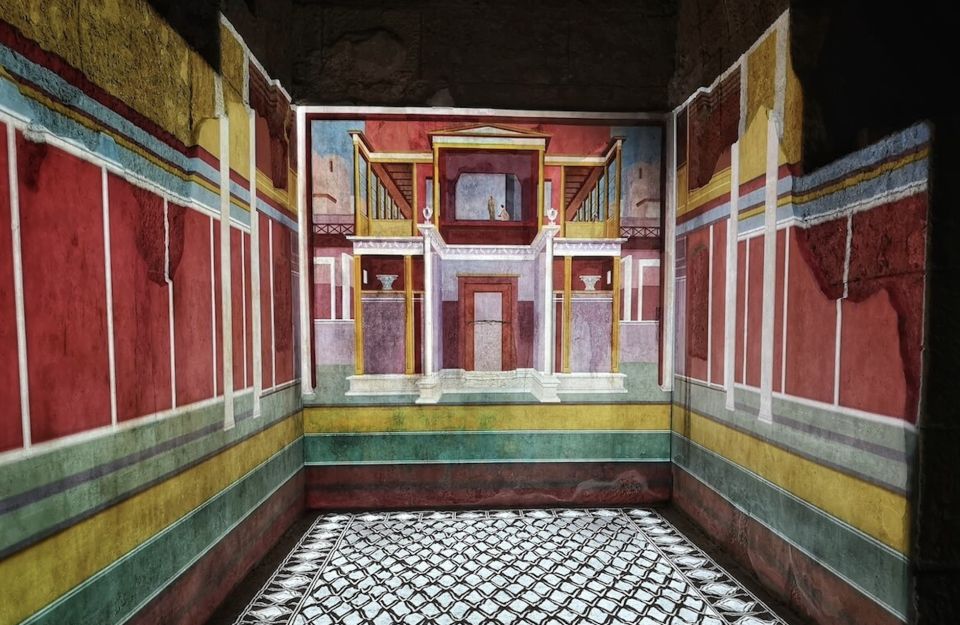
The big attraction is the quality of what survives. You’re shown some of the best-preserved examples of ancient Roman painting, with rooms still decorated in ways that echo what Augustus would have seen around him. The tour especially emphasizes Augustus’ study, including frescoes with plants and fantastical creatures.
I like how the house is described as understated compared to the later showier palace instincts. That contrast helps you understand Augustus as a builder of systems and image—not only a conqueror.
If you’re the type who gets lost in museum labels, this stop is worth it because the guide turns the space into a story: why certain rooms mattered, how the decorations worked socially, and how art functioned as messaging.
House of Livia: When It’s Open, It’s a Style Lesson in Preservation
Next door, you’ll be in the orbit of the House of Livia (about 35 minutes guided). This is the one to watch closely on your exact day.
Here’s what the tour data makes clear: the House of Livia is temporarily closed, and that can affect your visit. The closure is explicitly stated, and it’s described as something that may change, with the provider trying to arrange your tour if the closure continues.
When it is accessible, the selling point is dramatic: Livia’s house is identified through an inscription discovered on a lead pipe found in the 19th century. The tour then focuses on what that means visually—the mythological frescoes and original marbles, plus the fact that the paintings were protected underground for thousands of years. That protection is why the colors and details can feel unusually vivid compared to more exposed ruins.
Even with closure in mind, this part still matters because it shapes what you’ll learn about how imperial households were branded and lived in. Just be prepared that on your day, the schedule may need to adjust based on what’s open.






What Makes This Tour Better Than a Walk-Up Ticket
Several details push this tour into a higher-value lane:
1) Private guide, not a “follow the dots” script
You’ll have an English-speaking guide, and the tour is private. That means the explanations can match your pace and your questions, instead of racing through a fixed group checklist.
2) Skip-the-line entry
The tour includes skip-the-line access via a separate entrance. In this area, time saved is real time you can spend looking closely at the frescoes and textures.
3) Strong academic context
The reviews associated with this experience highlight guides who bring excellent academic training and clear context. Names that came up include Brian Green and Patrick—and the takeaway for you is the same: expect explanations that connect art, politics, and location rather than random facts.
4) Headsets when needed
If your group size triggers it (the tour notes headsets for groups of 6 or more), you’ll likely hear the guide better during moving segments and in quieter interiors.
Itinerary Feel: 3 Hours That Don’t Waste Your Energy

The tour is set for about 3 hours, with a starting time you can check for availability. That length is long enough to feel substantial, but short enough to stay focused on a few key sites rather than turning into a blur.
The movement is real—there’s on-foot travel between stops, plus guided time inside. This is why comfortable shoes matter so much.
Also note the tour can face site-level changes. The provider mentions that due to the Jubilee, some monuments may be under restoration, and messages may be sent about adjustments. In practice, that means you should plan for the possibility that a specific room or viewpoint could be limited on your date.
Price and Value: What You’re Paying For
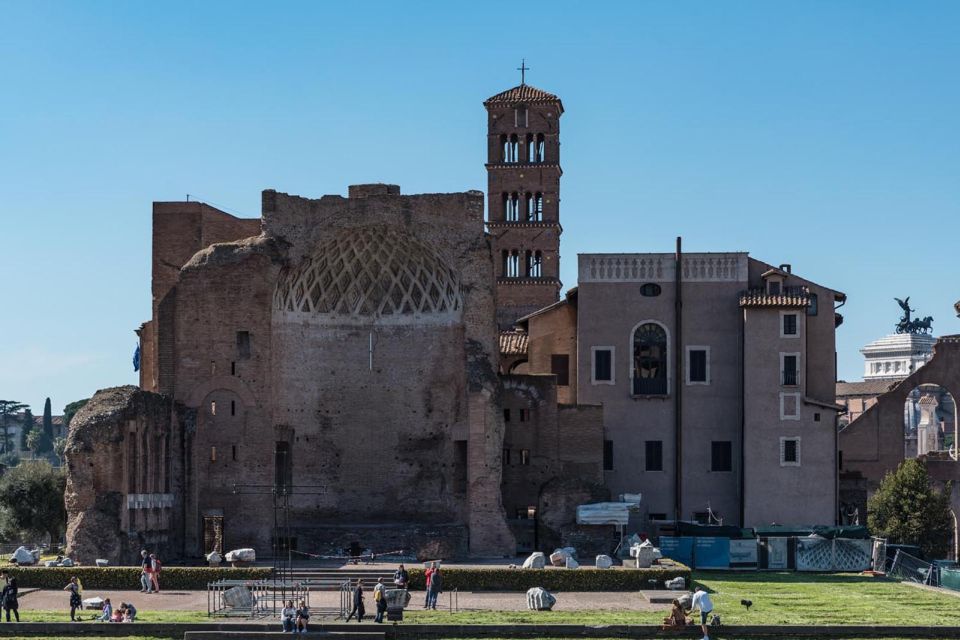
At $149.54 per person for a private 3-hour tour, you’re not paying for “a ticket.” You’re paying for access, time saved, and expert interpretation.
Here’s what that cost buys in a practical way:
- Exclusive interior focus at Augustus’ house (frescoes and painted rooms are the payoff)
- Palatine Hill + Forum connections, including the monumental ramp link
- A private guide who can explain why these spaces mattered, not just what they look like
- Skip-the-line entry, which helps you keep your day from feeling like a queue simulator
If you’re traveling with people who have different comfort levels with history, private guiding often pays off most. You can ask follow-up questions, and the guide can scale the story without leaving anyone behind.
If you’re traveling totally solo with a tight budget, you might compare to group tours. But if you want the “why does this matter” version of ancient Rome, this format is where the value tends to show.
Who This Tour Suits Best (and Who Might Want Another Option)
This tour is a strong fit if you like:
- walking through Rome with a clear narrative
- seeing painted Roman interiors up close
- connecting rulers to locations you can physically stand in
It’s also a good choice if you want a private setting where the guide can tailor explanations. The tour explicitly works well even for groups where people know very different amounts of Roman history, because the guide can keep the story coherent.
Not sure about logistics? The tour notes it’s not suitable for wheelchair users, so plan on steps and uneven ground.
And if you’re planning your whole Rome trip around Livia’s house specifically: keep expectations flexible because the House of Livia is temporarily closed.
Should You Book This Private Augustus and Livia Tour?
I’d book it if you want a focused, high-impact Palatine + Forum experience with a guide who can connect art, architecture, and power. Augustus’ house alone is enough reason for many people to choose this tour, because the painted rooms are the sort of Roman survival that makes the site feel alive.
I’d hesitate only if your dates are firm and Livia’s house is your top priority. In that case, message the provider ahead of time and ask what your plan B would be if it remains closed. The tour provider says they’ll do their best to arrange your tour, but the closure is real, and your day should be planned around that possibility.
If you want ancient Rome that feels like you understand it, not just that you saw it, this one delivers.
FAQ
How long is the Rome: Houses of Augustus and Livia Private Tour?
The tour duration is 3 hours. Starting times depend on availability.
Where do we meet the guide?
Meet your guide in front of Café/Restaurant Angelino ai Fori, Largo Corrado Ricci, 43a. The guide will have a Through Eternity sign or flag.
Does the tour include skip-the-line entry?
Yes. It includes skip-the-line access through a separate entrance.
Is the House of Livia included?
The House of Livia is temporarily closed, but this may change. The provider says they’ll do their best to arrange your tour, so what you see may depend on opening status.
What should I bring?
Bring comfortable shoes for walking on site.
Is the tour wheelchair accessible?
No. It is not suitable for wheelchair users.