REVIEW · ROME
Rome: Homemade Pasta and Tiramisu Cooking Class
Book on GetYourGuide →Operated by Orange Umbrella Srl · Bookable on GetYourGuide
Roman cooking classes have a way of slowing the clock down. This one pairs real hands-on pasta with the dessert you actually want to eat—tiramisu—then finishes with your meal and a glass of wine.
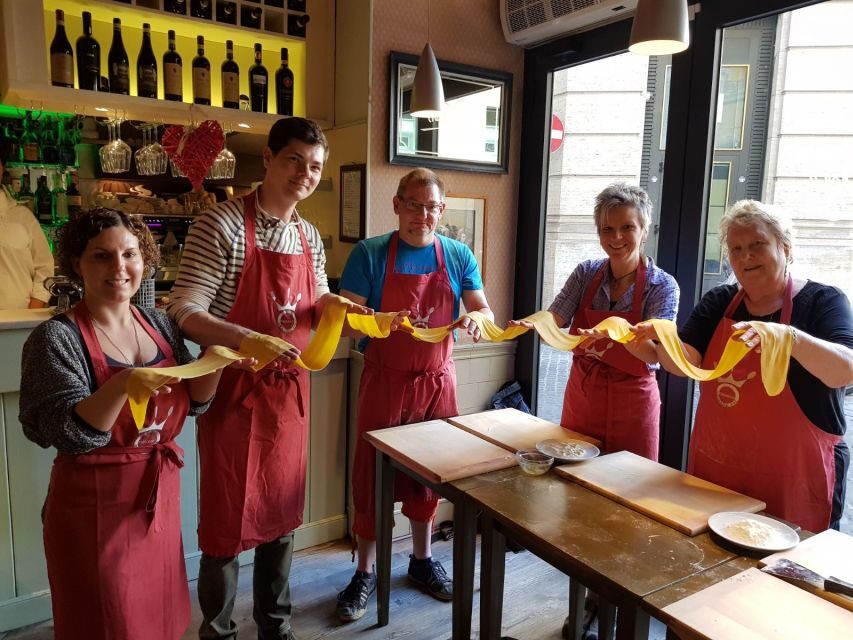
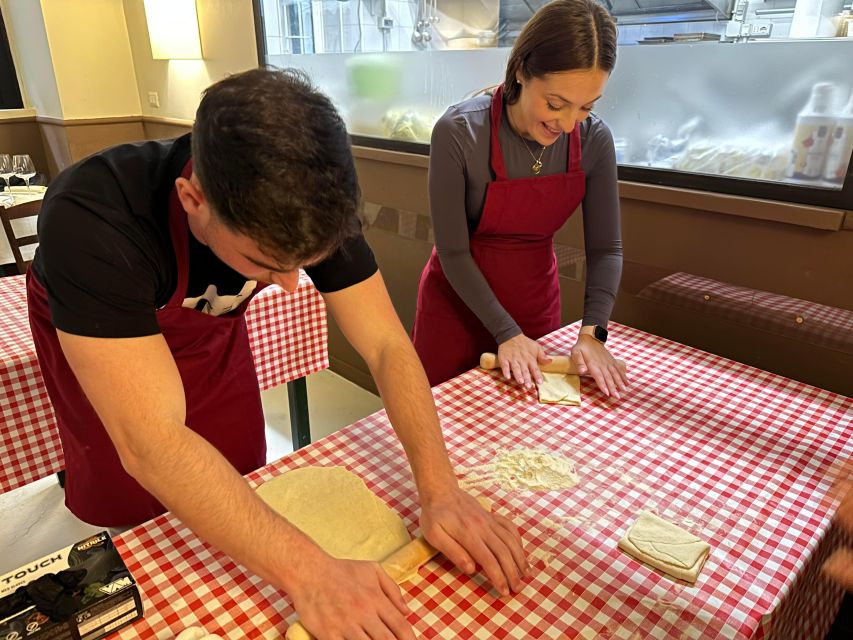
What I like most is how practical it feels: you’re not just watching pasta videos in a kitchen. You’ll mix, knead, roll, and cut dough while an English-speaking instructor guides you through what makes Roman pasta shapes different.
The only real drawback to plan for is dietary fit. This experience is not suitable for vegans, and it also doesn’t work for people with gluten or lactose intolerance.
In This Review
- Why This Class Feels Like the Real Thing
- Key Points to Know Before You Go
- Where It Happens: Osteria San Giorgio and a Working-Rome Kitchen
- What You’ll Make: Roman Pasta Shapes and a Real Tiramisu
- The pasta portion: more than one shape
- The tiramisu portion: the creamy part
- The Pasta Lesson: Mixing Flour and Water Like You Mean It
- How Roman Pasta Shapes Matter (Pappardelle, Tagliatelle, Tonnarelli)
- Ingredient Tips You Can Use at Home
- Tiramisu Step-by-Step: Espresso-Dipped Layers and Creamy Texture
- The Meal Portion: Eat What You Cook, Pair It With Wine
- Price and Value: Is $65 Worth It?
- Who This Cooking Class Is For (And Who Should Skip It)
- Should You Book This Roman Pasta and Tiramisu Class?
- FAQ
- Where is the meeting point for the cooking class?
- How long is the experience?
- Is the instructor available in English?
- What’s included in the price?
- Is the class wheelchair accessible?
- Is it suitable for vegans or lactose/gluten intolerance?
- Can it be a private class?
- Are there any booking or cancellation options?
Why This Class Feels Like the Real Thing
Two things consistently come through in the experience. First, the instruction style is personal and relaxed, and it can even turn into a small or private lesson when there are only a couple of people signed up. Second, you get a full pairing at the table—what you cook plus wine—so it feels like dinner, not a quick demo.
One other thing to consider: the class runs 2.5 hours. If you’re the type who loves long wandering breaks (or you hate being on your feet in a working kitchen), you may want to plan a lighter morning or afternoon around it.
Key Points to Know Before You Go
- Pasta shapes you can name and recreate: pappardelle, tagliatelle, and tonnarelli, plus what makes each one different
- Hands-on technique, not just theory: kneading, rolling, and hand-cutting dough in a real kitchen
- Ingredient sourcing tips: you’ll learn how to pick better basics for Italian results
- Tiramisu done the classic way: espresso-dipped layers and the method that makes it creamy
- Your meal includes wine: you eat what you made, plus water, then a glass of wine
You can also read our reviews of more tours and experiences in Rome.



Where It Happens: Osteria San Giorgio and a Working-Rome Kitchen
You meet at Osteria San Giorgio. That matters because you’re not learning pasta in a classroom. You’re stepping into the kind of place Romans actually eat and cook in, which changes the whole feel of the experience.
Expect a friendly setup where the staff support the class, and you’ll be cooking in the same space where the restaurant normally runs. In the reviews, people noted how kind the restaurant team was, even while the instructor worked with everyone step-by-step. If you’ve ever felt awkward in a kitchen, this is a good place to find your rhythm, because the pacing is built around doing the work, not performing for a crowd.
Also, the instructor is English-speaking, which is huge if you want to understand the “why” behind each step—not just memorize the motions.
What You’ll Make: Roman Pasta Shapes and a Real Tiramisu
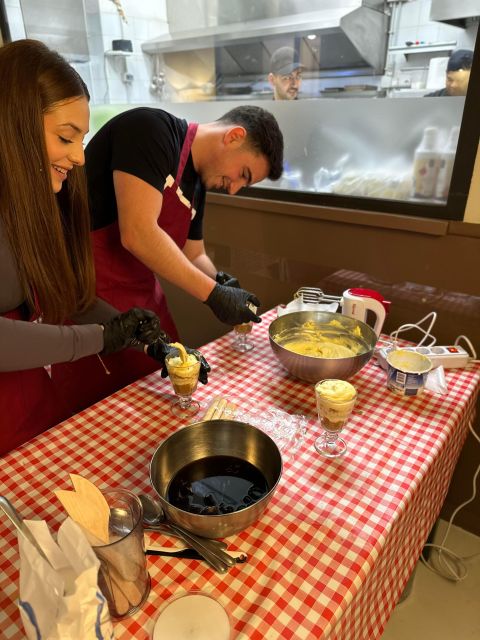
This class is built around two dishes: Roman pasta and tiramisu. Both have a reputation for being “easy” once you see the method, but tricky once you try to wing it at home. That’s exactly why a hands-on class pays off.
The pasta portion: more than one shape
You’ll make pasta while learning about three specific types: pappardelle, tagliatelle, and tonnarelli. The key isn’t just the shape. You’ll also learn how to handle the dough so it rolls and cuts cleanly, and how the thickness and width affect the final result.
If you’ve ever had pasta that tasted like it was either too dry or too fragile, this is where you fix the problem at the source. You’ll learn what dough should feel like as you knead and roll, and how to keep it consistent before you cut.
The tiramisu portion: the creamy part
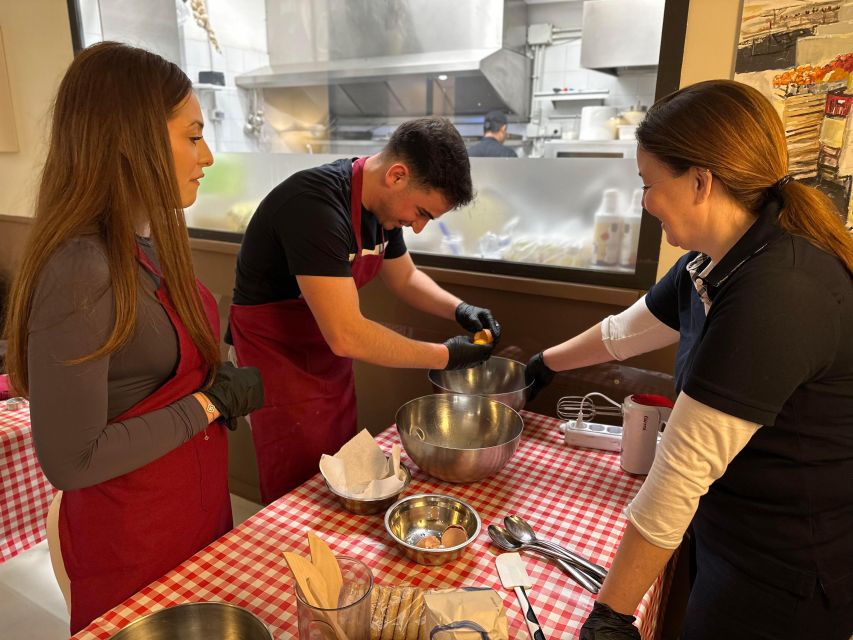
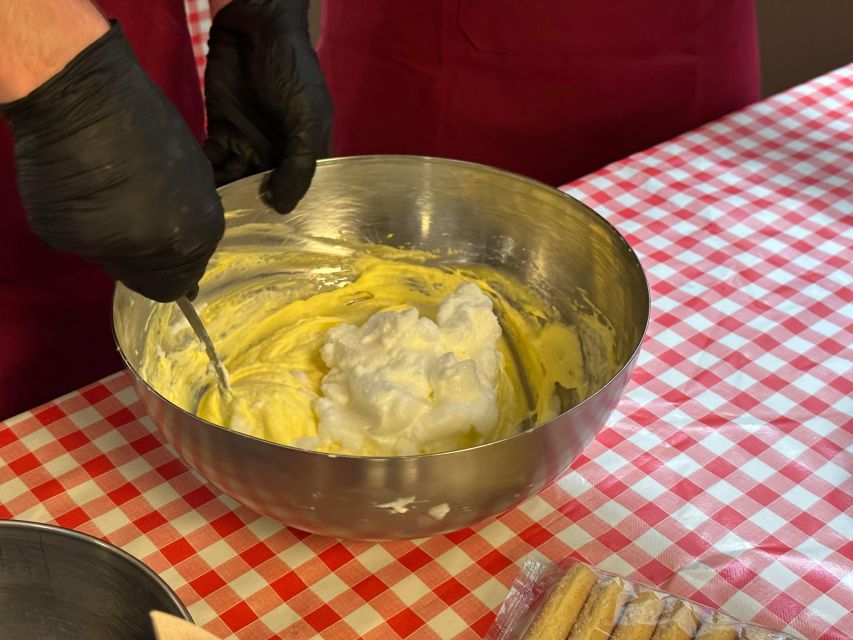
Then you move to tiramisu. You’ll prepare the classic style dessert built around espresso-dipped layers. The goal is the right texture—creamy, not watery, and not dry.
In short: pasta teaches you structure (dough and cutting), and tiramisu teaches you timing (mixing, layering, and getting it to set properly). Doing both in one afternoon gives you a full “Italian cooking logic” workout.



The Pasta Lesson: Mixing Flour and Water Like You Mean It
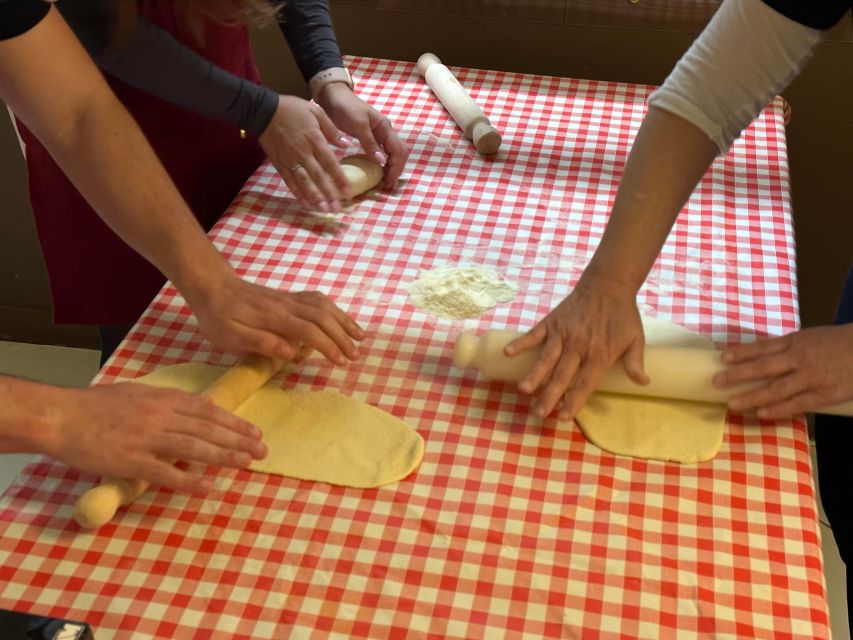
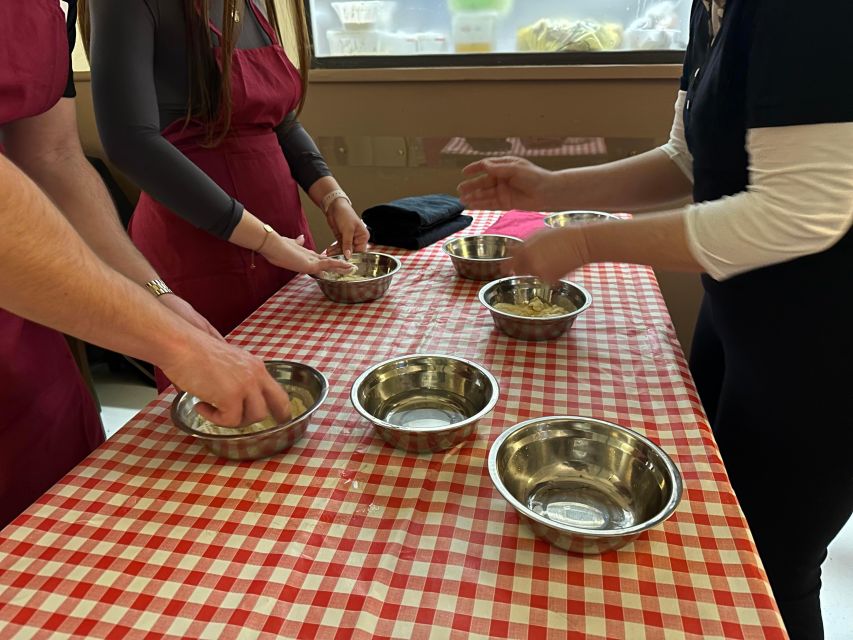
The pasta process in this class is straightforward in description, but real in execution. You’ll start with flour and water, then go through kneading, rolling, and hand-cutting.
Here’s why that sequence is worth your time:
- Mixing teaches you how hydration affects the dough. Too dry and it cracks; too wet and it won’t cut well.
- Kneading develops texture, so your pasta holds together when you roll thin.
- Rolling determines whether your sheets are even, which is what makes cutting feel clean.
- Hand-cutting is where you learn precision without fuss.
People in the feedback mentioned that the class feels relaxing and fun, with instructors making it easy to ask questions while you work. Names that came up include Kristian, Luca, and Christian (including Christian Simeoni). That lines up with the general pattern: instructors don’t just demonstrate; they coach.
One practical point: don’t rush the dough stage. Your hands learn faster when you slow down and feel what the instructor is pointing out.
How Roman Pasta Shapes Matter (Pappardelle, Tagliatelle, Tonnarelli)
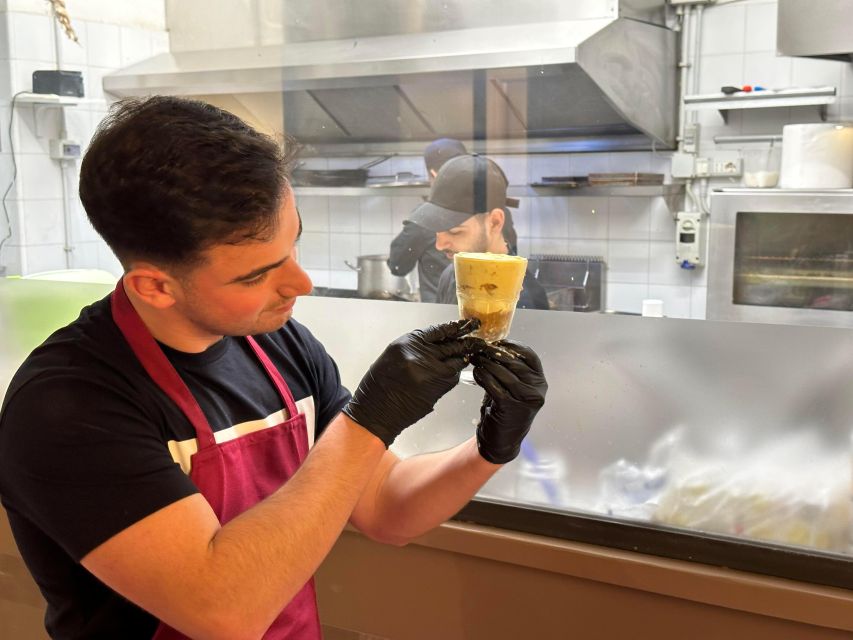
You’ll learn to tell the difference between the three pasta types in a way that actually helps you cook later.
In practical terms, shape affects two things:
1) how the pasta cooks through (and stays tender)
2) how sauce clings to the surface
So when you learn what makes pappardelle different from tagliatelle and tonnarelli, you’re not memorizing trivia. You’re building a map you can use once you’re back home.
And since you’re making them with your own hands in the same class, you’ll remember the differences. You’ll see how rolling thickness and cutting width change the final texture and bite.
Ingredient Tips You Can Use at Home
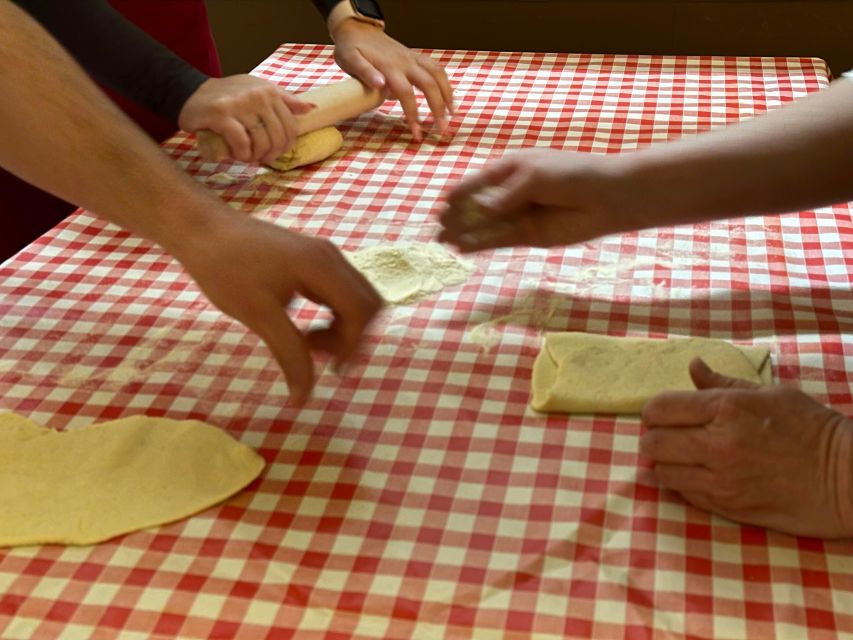
One of the most useful parts of this experience is the focus on selecting better ingredients for Italian cooking. You’ll get insider guidance on how to choose things that matter—things like flour, basics for the dough, and the coffee/espresso side of tiramisu.
This isn’t about buying fancy products. It’s about understanding what you’re trying to achieve. For pasta, you want dough that behaves well and cooks with a clean texture. For tiramisu, you want ingredients that give you balance: coffee flavor plus creamy sweetness without turning the dessert into a soggy mess.
If you’re the type who usually follows recipes but struggles with consistency, this section is where you’ll gain the confidence to adjust next time.
Tiramisu Step-by-Step: Espresso-Dipped Layers and Creamy Texture
Tiramisu can go wrong in predictable ways: watery layers, a texture that feels too stiff, or flavor that tastes flat. This class teaches you the classic method for the dessert, including espresso-dipped steps and the approach that keeps it creamy.
The practical value here is timing. You can’t treat tiramisu like a cake that just sits out forever. You have to build it with the right rhythm so the layers absorb without collapsing.
People mentioned the tiramisu part is fun and not complicated, but the payoff is serious. When you make it yourself and then taste it at the table, you instantly understand what the method is doing.
The Meal Portion: Eat What You Cook, Pair It With Wine
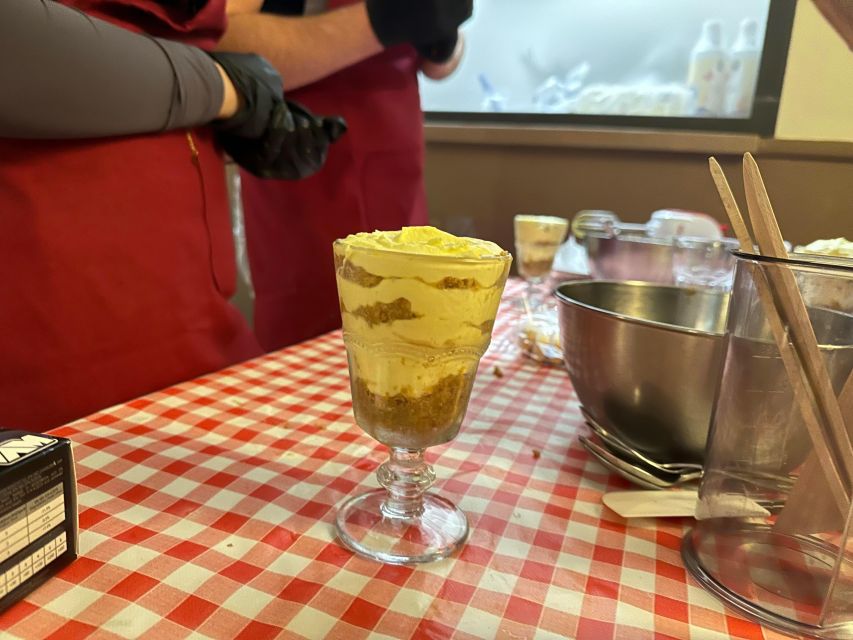
When you’re finished, you sit down to eat what you made. That’s pasta and tiramisu, served as your meal, along with water and a glass of wine.
This matters for two reasons:
- You get immediate feedback. If something felt off while you were cooking, you’ll see how it plays out on the plate.
- It turns the class into an experience, not just a skill lesson. Cooking workshops can feel like homework. This one feels like you earned dinner.
In the feedback, people also noted that the restaurant setup and staff helped make the experience comfortable. If you’re traveling as a couple, you’ll often leave with that rare combo: you learned something and you also enjoyed a real sit-down meal.
Price and Value: Is $65 Worth It?
At $65 per person for about 2.5 hours, you’re paying for more than a meal. You’re paying for:
- an instructor (English-speaking)
- all ingredients and utensils
- the workspace in a traditional restaurant
- your pasta and tiramisu, plus water and wine
The value here is that the class covers the biggest costs that usually kill cooking lessons: ingredients, equipment, and expert coaching. Without that, you’d likely spend more just trying to replicate the day with friends at home.
Also, you’re taking home usable technique, not just a recipe card. You’ll know how the dough feels, how to handle cutting, and how the tiramisu rhythm works.
Who This Cooking Class Is For (And Who Should Skip It)
You’ll likely love this if you:
- want a hands-on Rome activity that doesn’t rely on crowds or long lines
- like food you can cook at home, not just food you eat once
- enjoy learning from instructors who explain the “why,” not just the steps
- travel as a couple (the class can be small, even turning into a more private experience)
You should probably skip it if you need:
- vegan meals (not suitable)
- gluten-free options (not suitable for gluten intolerance)
- lactose-free options (not suitable for lactose intolerance)
If dietary limits are part of your trip planning, this is one of those activities where you’ll want to double-check fit early rather than hope substitutions happen.
Should You Book This Roman Pasta and Tiramisu Class?
I’d book it if you want one memorable Rome afternoon that teaches real technique and ends with a meal you helped create. The class has strong consistency in what people love: hands-on pasta making, a fun and supportive instructor, and tiramisu that actually tastes like the classic.
If you’re strict about diet, though, or you only want light, low-effort sightseeing, this may not match your pace. Otherwise, at $65 for a guided cooking session with dinner-style eating, this is a solid value.
FAQ
Where is the meeting point for the cooking class?
You meet at Osteria San Giorgio.
How long is the experience?
The class runs for about 2.5 hours.
Is the instructor available in English?
Yes, the instructor teaches in English.
What’s included in the price?
The class includes the instructor, all ingredients and utensils, water, and a glass of wine, along with the cooking workshop itself.
Is the class wheelchair accessible?
Yes, it’s listed as wheelchair accessible.
Is it suitable for vegans or lactose/gluten intolerance?
No. It’s not suitable for vegans, and it’s not suitable for people with gluten intolerance or lactose intolerance.
Can it be a private class?
The group can be small. There is at least one example where only two people signed up and it became a private lesson.
Are there any booking or cancellation options?
You have free cancellation up to 24 hours in advance for a full refund, and you can use reserve & pay later to keep your travel plans flexible.