REVIEW · ROME
Rome Highlights Private Tour From Civitavecchia Port
Book on GetYourGuide →Operated by AIRPORT SHUTTLE ITALY · Bookable on GetYourGuide
Rome feels huge. This tour tries to make it manageable with a private vehicle and a tight “best-of” route that starts right at Civitavecchia Port. You’ll hit major landmarks you’ve seen in photos—then add the small, human details that make them real, like the Pantheon oculus and the Bernini fountains tucked into daily streets.
I like that the day is built around key Roman and Vatican sights in a sensible order, so you’re not constantly zig-zagging across town. I also like that your sightseeing includes both the obvious icons (Colosseum, Trevi, St. Peter’s Basilica) and the in-between stops people often skip (Piazza Navona and the Circus Maximus area).
One drawback to consider: this is a schedule-heavy port excursion, and your results depend on getting smooth pickup timing and a vehicle/language setup that matches your needs. If anything goes off-script—like missed pickup or a mismatch in communication—you can lose time at the exact places you most want.
In This Review
- Key Points You’ll Care About
- The Value of a Private Rome Day From Civitavecchia Port
- Piazza Venezia and Vittorio Emanuele II: Starting With a Power Move
- Entering Ancient Rome: Roman Forum, Colosseum, and the Palatine View
- The Pantheon’s Oculus, Piazza Navona’s Bernini, and Rome at Street Level
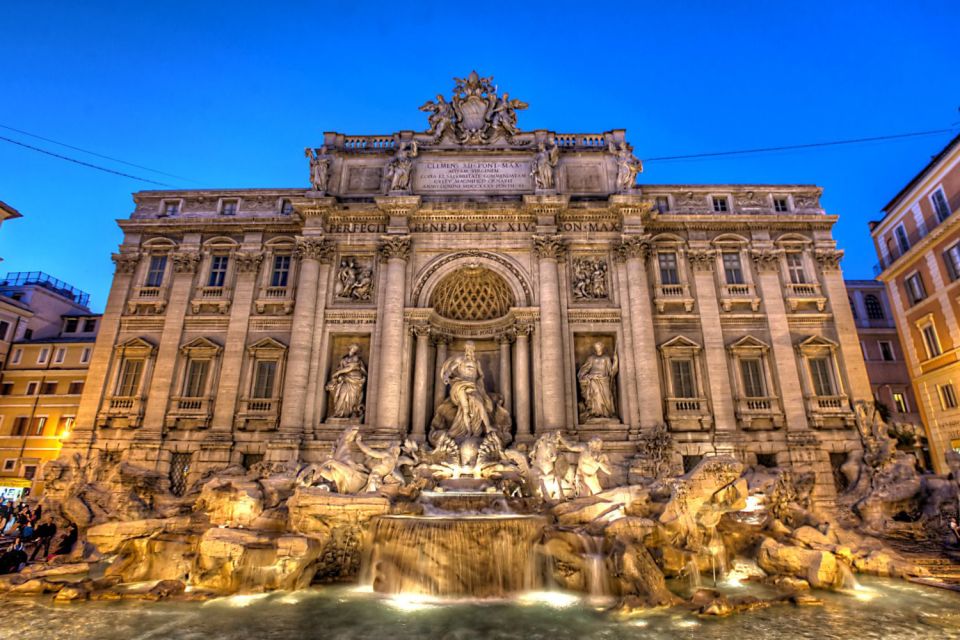
- Spanish Steps With Keats’ House, Then Trevi for the Coin Toss
- Lunch Timing: Why the Order Matters on a Port Day
- Vatican Museums, Sistine Chapel, and St. Peter’s Basilica: The Big Finish
- Tickets, Dress Code, and Sunday Closures: Your Checklist Before You Go
- Price and Logistics: What You’re Really Paying For
- Who This Tour Fits Best
- Should You Book This Tour or Not?
- FAQ
- Where does the tour pick you up?
- What’s included in the price?
- What are the biggest things you need to pay separately?
- Do I need to dress a certain way for the Vatican?
- Are the Vatican Museums and Sistine Chapel open on Sundays?
- How long is the tour?
- Is the tour wheelchair accessible?
Key Points You’ll Care About
- Port-to-city transfers by luxury private vehicle, so you start touring faster
- Vatican Museums plus Sistine Chapel time built in, with the route designed for big-gallery walking
- Multiple Bernini moments (Fontana dei Quattro Fiumi and the Spanish Steps fountain) for great photo anchors
- Ancient Rome panoramas from the Capitoline/Palatine area, not just street-level ruins
- Tickets and dress code are on you for the Vatican and Colosseum entrances
- Private group (up to 3) pricing can be a strong deal if you’re traveling as a small party
The Value of a Private Rome Day From Civitavecchia Port
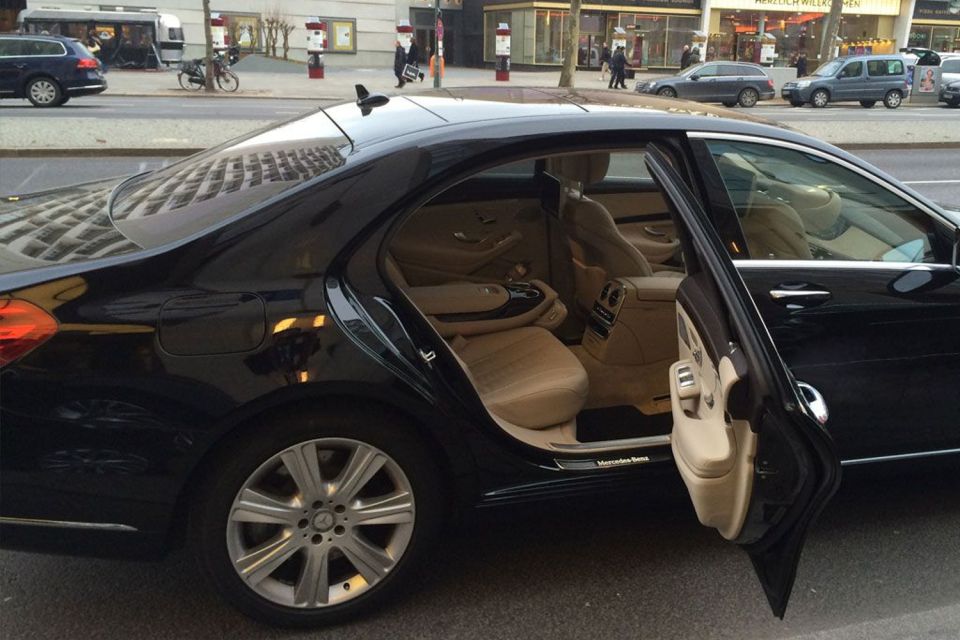
If you’re docking in Civitavecchia, you’re already dealing with a practical truth: Rome isn’t right next door. The big win here is the direct transfer from the cruise terminal, which saves you from figuring out buses, train schedules, and how to move luggage through stations.
For a small group, the price can make sense. At $946.30 per group up to 3, you’re basically paying for private, door-to-door logistics plus a full-day route packed with major sights. Where the value gets better is if you’re the type who wants to see a lot without spending hours planning and hopping between transport options.
The only thing you’ll want to watch is that this kind of day is time-sensitive. You’re stacking long stops, ticketed entries, and return logistics—so you’ll do best if you confirm pickup details early and keep your own expectations realistic about what can fit into one day.
You can also read our reviews of more tours and experiences in Rome.



Piazza Venezia and Vittorio Emanuele II: Starting With a Power Move
Your day begins around Piazza Venezia and the National Monument to Vittorio Emanuele II, the monument to the first king of a unified Italy. Even from the sidewalk, it helps you “get” Rome’s layers fast: Italy’s modern story placed right beside ancient city muscle.
From here, you’ll transition into the areas tied to Ancient Rome’s public life. That matters because Rome isn’t just about one building. It’s about how Romans used space—forums for politics, arenas for spectacle, plazas for gatherings, and fountains for daily rhythm.
If you’re the kind of visitor who likes your photos to come with context, this opening stop gives you a useful frame before you hit the ruins. And if you’re less patient with monuments, it still works because it’s a short landing point before the more dramatic sights.
Entering Ancient Rome: Roman Forum, Colosseum, and the Palatine View
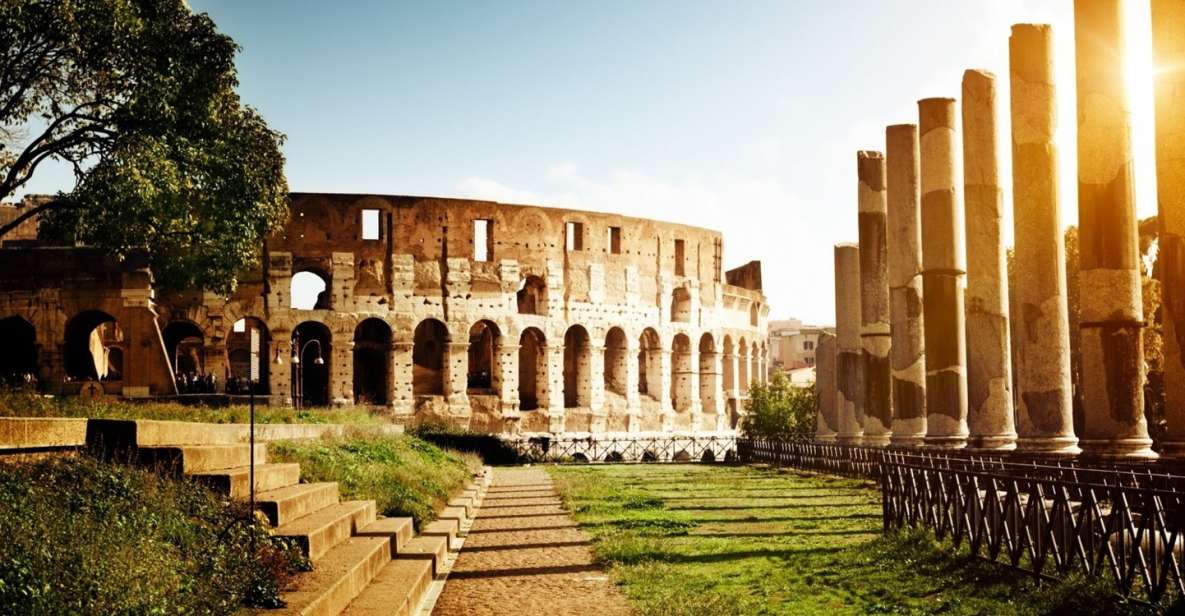
The route pushes into the Roman Forum ruins next, where you’ll see the battered foundations of where government and daily political drama happened in the Roman Republic. It’s not “complete” like a preserved museum, but that’s part of the point: you’re viewing the skeleton of power.
Then comes the Colosseum, the amphitheater that symbolized Roman spectacle on a huge scale. The listing encourages you to pre-purchase your Colosseum ticket online, and I agree—this is one of those sites where buying late can turn your day into a long, stressed wait.
After the arena, you shift into panoramic territory. The tour includes viewpoints from the Capitoline and Palatine hills, plus stops linked to the Circus Maximus and the Baths of Caracalla. This is where the tour becomes more than a checklist. Being on a hill gives you a sense of how Rome’s geography shapes what you see—why domes and towers appear where they do, and why ruins can feel smaller than they should until you spot the skyline.
Small practical note: the walking here can add up even when you’re moving by vehicle. If you want your legs to feel human by late afternoon, wear shoes with real grip and plan to take short breaks when your guide/driver stops for transitions.
The Pantheon’s Oculus, Piazza Navona’s Bernini, and Rome at Street Level
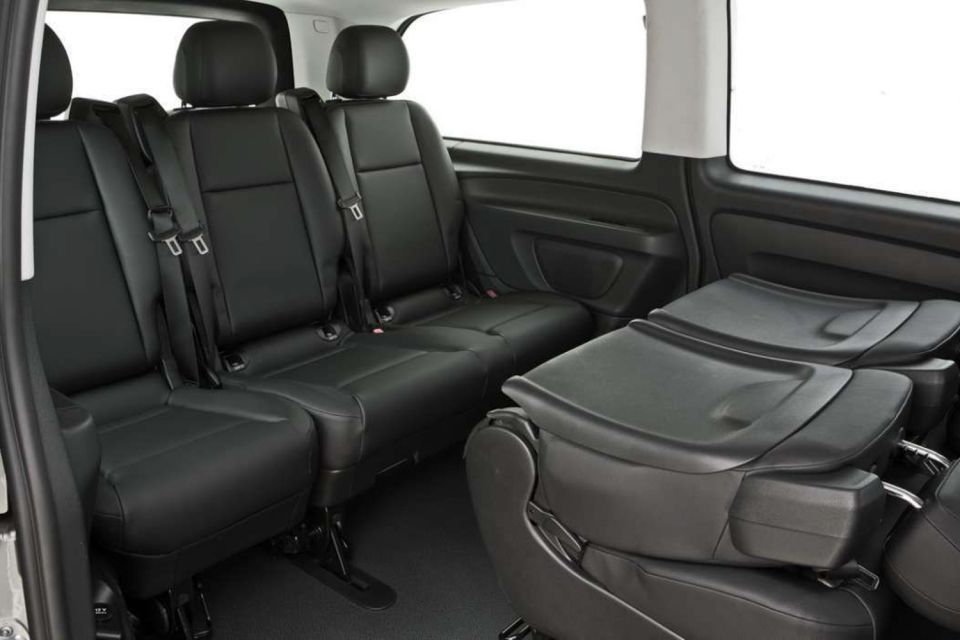
The tour then shifts toward some of the most recognizable “street Rome” scenes.
First up is the Pantheon, known for its famous facade and, especially, its interior logic—particularly the oculus that brings light into the domed space. Even when you’re not standing inside for long, the Pantheon is a stop that rewards attention. It’s one of those places where you immediately notice how engineering, proportion, and design work together.
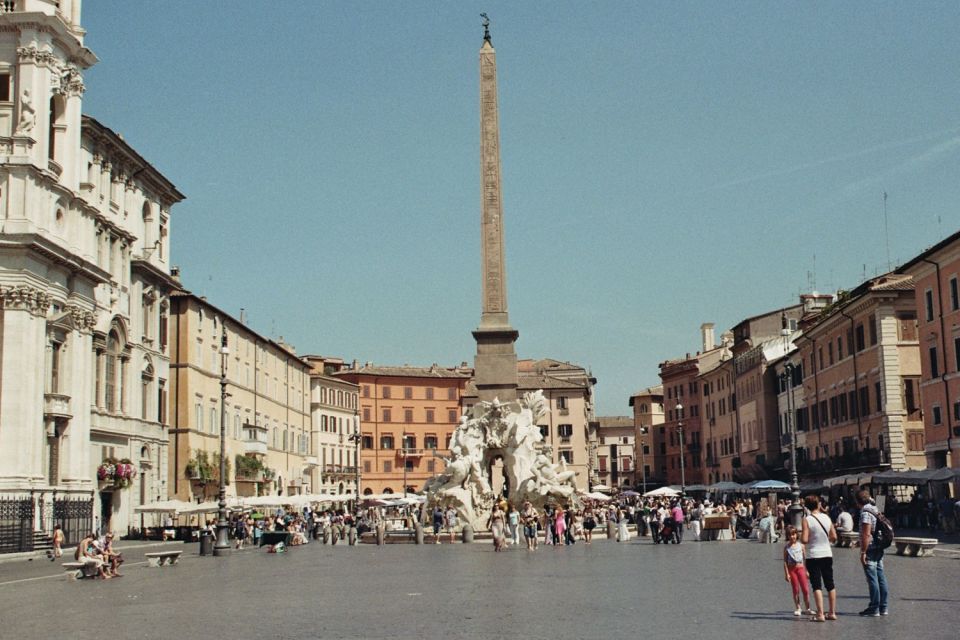
Then you’ll hit Piazza Navona, famous for its Baroque and Renaissance buildings and its showpiece fountain: Bernini’s Fontana dei Quattro Fiumi. The square is also a perfect place to slow down. You’re not just watching history; you’re watching how Rome plays today—people sitting, chatting, and drifting between corners.
This is the part of the day that often feels like a relief if you’ve been rushing between big ticket sights. The buildings and fountains are dramatic, but the pace can feel human compared to the “stand in line, move on” energy of major arenas.
Spanish Steps With Keats’ House, Then Trevi for the Coin Toss
The tour includes the Spanish Steps, and it specifically points out Keats’ house. That’s a nice detail because it connects the landmark to literature and the city’s intellectual vibe, not just fashion and photos.
You’ll also see a Bernini fountain at the bottom of the Spanish Steps, which makes the area more interesting than it appears at first glance. Rome often rewards you for noticing the smaller artworks that don’t dominate the postcard.
Then you’re headed to Piazza di Trevi for the Trevi Fountain coin toss. It’s a cliché for a reason: it’s gorgeous, and it’s one of the most satisfying places to stand and look around at what’s happening around the fountain—especially people watching, street musicians, and the sheer variety of visitors from every corner of the world.
The realistic timing advice: Trevi is popular. Plan to spend your time looking and photographing rather than expecting a quiet moment. If you’re traveling in busy season, treat it like a photo stop plus a short linger, not a long sit-down.



Lunch Timing: Why the Order Matters on a Port Day
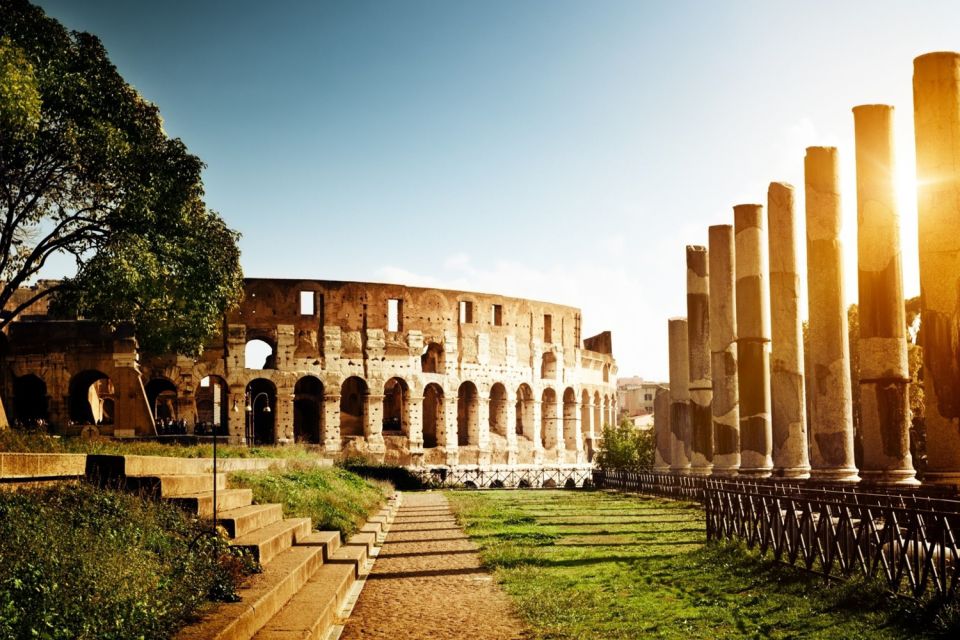
You’ll get a traditional Italian lunch during the day. The listing doesn’t specify the restaurant, so you should think of lunch as a moving piece in a schedule-driven day.
Here’s the best way to protect your afternoon: once you’ve eaten, focus on staying steady, not snacking endlessly before you reach the Vatican. Vatican Museums and the Sistine Chapel aren’t the places you want to feel rushed or over-tired. A proper lunch helps, but pacing matters more than menu choices.
Because this is a day from port with a long itinerary, I recommend you keep your lunch expectations simple: you’re there to refuel, not to do a full food review. If you’re picky about dietary needs, clarify those early. The route is fixed; your meal should fit your body.
Vatican Museums, Sistine Chapel, and St. Peter’s Basilica: The Big Finish
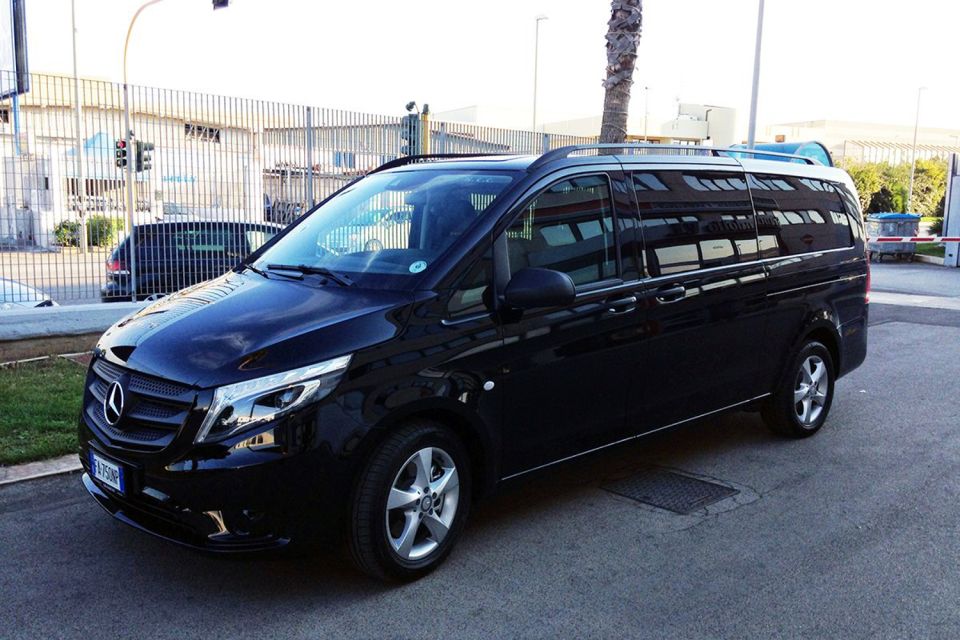
The afternoon is all about the Vatican City experience: time in the Vatican Museums, a focus on major works including Raphael and Michelangelo, and then the Sistine Chapel. The listing notes more than 7 kilometers of galleries. That’s a helpful number because it tells you this isn’t a quick museum pop-in. It’s a museum walk.
You’ll also end with a tour inside St. Peter’s Basilica, one of the most important churches in the Catholic world. Even if you’re not deeply religious, it’s still a masterwork of art and scale—one of those buildings that makes you notice how Renaissance and Baroque design can feel like theater.
This portion of the day also relies on smart ticket timing. The tour strongly advises pre-purchasing Vatican tickets online in advance for a visit at 14:00, and I’d treat that as a must-do, not a suggestion. Vatican entry can be timed tightly, and when that window slides, the rest of your day can feel squeezed.
Finally, a practical reminder: the Vatican has a strict dress code. Shoulders and knees should be covered at all times. If you’re traveling light or caught off-guard by weather, bring something you can throw on quickly—especially if your day includes cooler evenings.
Tickets, Dress Code, and Sunday Closures: Your Checklist Before You Go
This tour is built around iconic places that all require planning. The included list is mainly transportation by luxury private vehicle, while entrance fees are not included, and the Colosseum and Vatican need advance ticket planning.
Here’s what I’d do before you book, just to keep your day from turning stressful:
- Pre-purchase your Vatican tickets online for the advised 14:00 timeframe
- Pre-purchase your Colosseum ticket online
- Pack or plan clothing that meets the Vatican dress code (covered shoulders and knees)
- Check whether your day falls on a Sunday, because the Vatican Museums and Sistine Chapel are closed on Sundays except the last Sunday of every month
One more consideration based on common port-tour friction: your pickup and communication setup really matters. If you want the tour to run smoothly, confirm the pickup point at the port and double-check that your preferred language is workable for the driver/transfer team (the listing says Italian, English). On a one-day schedule, confusion costs more than it does in a multi-day trip.
Price and Logistics: What You’re Really Paying For
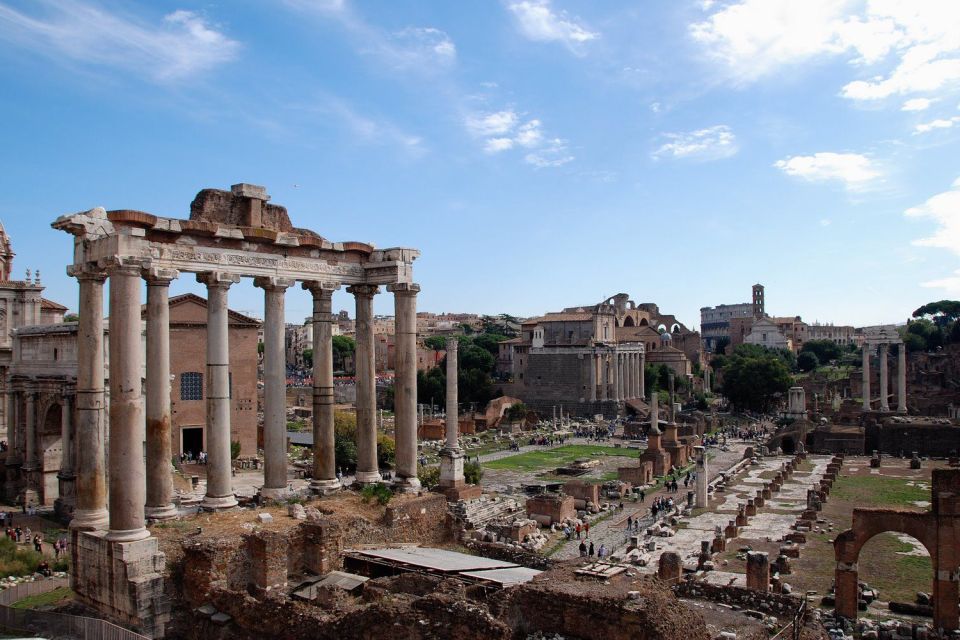
Let’s talk value honestly. At about $946.30 per group up to 3, you’re paying for a private, luxury transport plan and a day route that strings together major highlights efficiently.
What’s not included is equally important. Entrance fees are extra, and so is lunch. The listing also indicates the guide is not included. That means your “narration” could be limited to what your driver provides, unless you arrange additional guided services separately. If you love deep art explanations (Raphael, Michelangelo, Bernini symbolism), you’ll want to plan for how you’ll get that knowledge.
Also watch the “private vehicle” reality. Private tours are convenient, but you’ll want to make sure the vehicle size matches your luggage needs and that any changes (like last-minute adjustments) won’t disrupt the day. If you’re traveling with three suitcases or anything bulky, it’s smart to flag that before arrival so you don’t spend your morning negotiating space.
That said, when it runs well, private logistics can make Rome feel easier. You stop where you need to stop, you move efficiently, and you don’t waste precious daylight solving transit puzzles.
Who This Tour Fits Best
This is best for you if:
- You’re on a cruise and want a full-day highlights plan without figuring out intercity transport
- Your group is small (up to 3), so private pricing spreads out
- You want a mix of Ancient Rome + Renaissance/Baroque Rome + Vatican City rather than only one theme
It’s less ideal if:
- You’re hoping for a leisurely, slow-food day. This route is packed.
- You rely on someone else to handle all ticket logistics. You’ll still need to pre-purchase major entries.
- You’re very sensitive to language or pickup coordination issues. On port days, details matter.
Should You Book This Tour or Not?
My honest take: I’d book this only if you’re willing to do the prep—especially Vatican tickets (14:00), Colosseum tickets, and Vatican dress code. If you take care of those, the route can be a strong way to see Rome’s hardest-to-reach highlights in one day.
I’d hold off or ask sharper questions before booking if pickup accuracy, language support, or vehicle comfort are concerns for you. A private tour is supposed to reduce hassle, and it should start with reliable pickup and clear communication.
If you want a confident plan for a cruise day, this can deliver. But treat it like a well-run relay: your job is to be ready at the right time, and the payoff is getting to stand in places you can’t easily recreate on your own in a single day.
FAQ
Where does the tour pick you up?
You’ll be picked up from Civitavecchia Port at the cruise terminal for direct transfers into Rome.
What’s included in the price?
The tour includes transportation by luxury private vehicle for a private group. Entrance fees, lunch, and the guide are not included.
What are the biggest things you need to pay separately?
You’ll pay for entrance fees and lunch. The tour also advises that you pre-purchase Vatican and Colosseum tickets online.
Do I need to dress a certain way for the Vatican?
Yes. The Vatican visit has a strict dress code: shoulders and knees must be covered.
Are the Vatican Museums and Sistine Chapel open on Sundays?
The Vatican Museums and the Sistine Chapel are closed on Sundays, except for the last Sunday of every month.
How long is the tour?
It’s listed as 1 day. Starting times depend on availability.
Is the tour wheelchair accessible?
Yes, the tour is listed as wheelchair accessible.