REVIEW · COLOSSEUM TOURS
Rome: Guided Colosseum Underground Tour
Book on GetYourGuide →Operated by Trajan Tours · Bookable on GetYourGuide
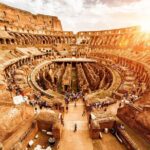
The Colosseum has a hidden level. This guided route takes you below the arena floor to see the hypogeum and tunnels, then brings you back up to walk the Forum and Palatine Hill. You get the stories that explain how the shows worked and why Rome’s power could be both cruel and controlled, with guides like Renata and Amanda often bringing the place to life.
Two things I really love: you’ll get underground access that’s hard to manage on your own, and you’re not just viewing ruins. You’re also walking through the Roman Forum and up to Palatine Hill afterward, so the Colosseum feels like part of the same political machine, not a stand-alone sight.
One consideration: the route includes uneven stone surfaces and lots of walking. If mobility is an issue, this tour may be frustrating, since it’s not geared for wheelchair users.
In This Review
- Key highlights that make this tour worth your time
- Underground Colosseum access: what makes it different
- Meeting by the Arch of Constantine and getting through faster
- Entering The Colosseum grounds: what you’ll focus on
- The hypogeum and tunnels: where the show was prepared
- Arena level walking: stepping into the same viewpoint
- Roman Forum tour: the politics behind the spectacle
- Palatine Hill and Domitian’s palace views
- How the local guide shapes the experience
- Timing, comfort, and what to bring for a smooth 3 hours
- Price and value: is $163.11 a good deal?
- Should you book this Rome Colosseum Underground tour?
- FAQ
- How long is the Rome Colosseum Underground tour?
- Where do I meet the guide?
- Does this tour skip the ticket line?
- What’s included in the ticket?
- Is the tour in English?
- What should I bring?
- What items are not allowed?
- Is this tour suitable for wheelchair users?
- What is the cancellation policy?
Key highlights that make this tour worth your time
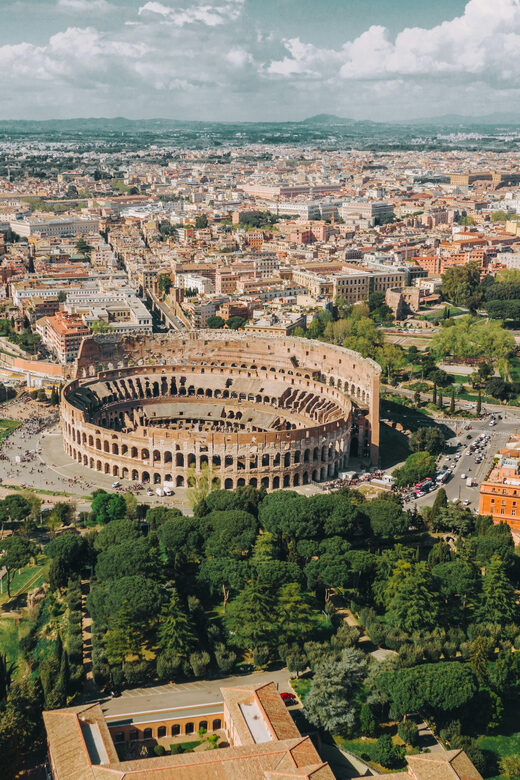
- Underground hypogeum access: you’ll see the staging area where animals and performers were lifted into position above.
- Arena-level walking: you get to stand and move through the same space where spectators once gathered.
- Forum + Palatine Hill pairing: the tour connects the spectacle of the Colosseum to the politics around it.
- Clear audio with radios/earphones: many groups are provided radios so you can hear the guide well.
- Guide storytelling that’s specific: names like Lorenzo and Amanda are repeatedly praised for details others skip.
Underground Colosseum access: what makes it different
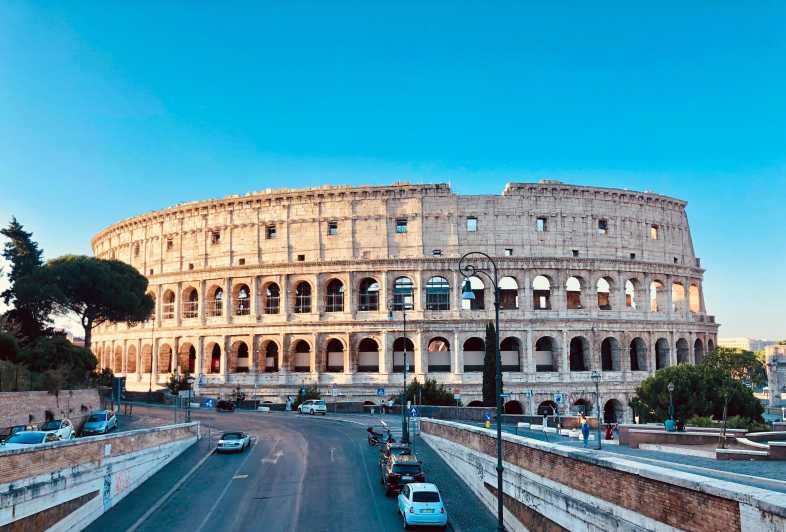
What changes everything here is going below the arena floor. The Colosseum you see from street level is already impressive, but the underground level helps you understand the real engine of the spectacle.
The hypogeum wasn’t just backstage. It was the staging system that made the show run on cue—where crews prepared, where animals were handled, and where moments were timed for maximum impact above.
This is also where the human stories land harder. Your guide frames Rome’s world with themes like cruelty, discipline, and even clemency, so the mechanics of the building connect to the behavior of the people using it.
You can also read our reviews of more guided tours in Rome



Meeting by the Arch of Constantine and getting through faster
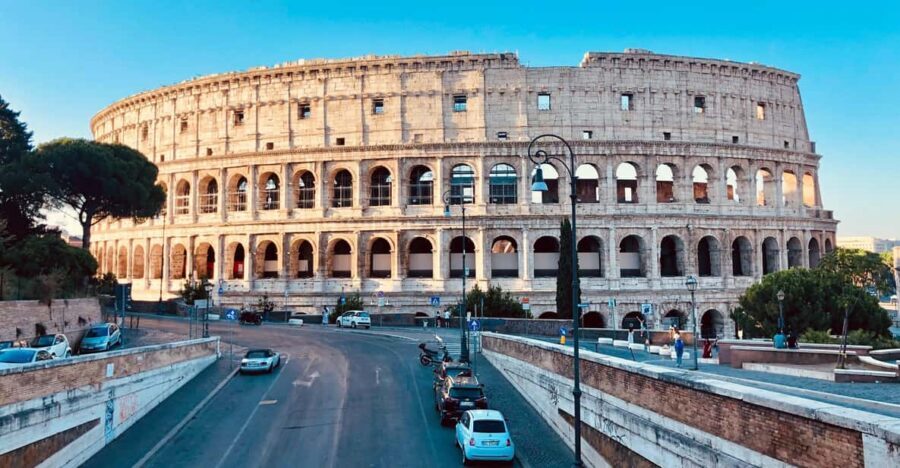
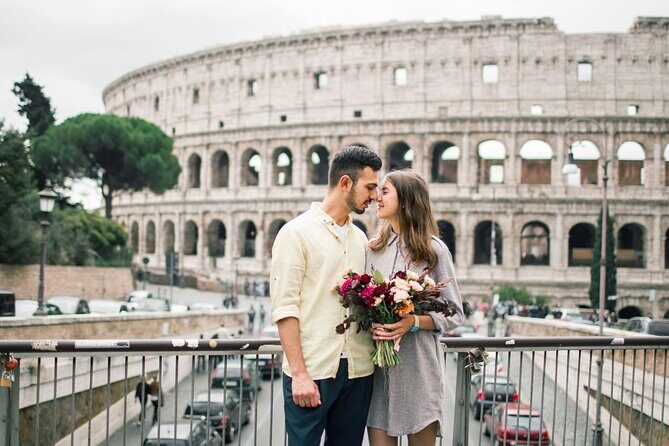
You meet right next to the Arch of Constantine, near the red Trajan Tours sign. The plan is simple: get together, get sorted quickly, then move into the Colosseum grounds with your guide guiding the flow.
One practical win is the skip-the-ticket-line entry. Rome’s biggest sights can turn into slow-moving lines, and this tour is built to cut that time so you can spend more of your energy actually looking.
You may also be given radios or earphones for the tour. That matters in a place like the Colosseum, where voices get swallowed by crowds and stone echoes.
Entering The Colosseum grounds: what you’ll focus on
Once you’re inside, your guide starts setting the scene. Instead of treating the Colosseum like a bunch of photos, you’re guided to notice engineering choices—openings, supports, and the layout that made large-scale shows possible.
This is a good moment to listen for the big picture. The Colosseum is not just an old stadium; it’s an operational space designed to control movement, timing, and visibility.
You’ll also get help with pacing. A guided route helps you avoid wasting time guessing where to go next, especially with multiple ticket checkpoints and crowded circulation paths.
The hypogeum and tunnels: where the show was prepared
The highlight is the descent into the subterranean hypogeum. This is where you see the hidden chambers and staging network beneath the arena.
You’ll walk through spaces tied to the logistics of spectacle: where animals and performers were prepared and then lifted into position above the arena floor. Your guide explains the purpose of the mechanisms and the layout, so it makes sense rather than feeling like a random set of stone rooms.
What I like about this part is the way the guide turns structures into stories. You’re standing in the same zone where performers waited, where shows were managed, and where plans had to work even when the crowd roared.
Arena level walking: stepping into the same viewpoint
After the underground portion, you return to the arena level. This is your chance to re-orient with what you saw below, then connect it to how the space felt from the stands.
You’ll walk in areas that help you imagine the audience line of sight. It’s one thing to read about it. It’s another to stand where the spectacle happened and understand how the building directed attention.
Your guide will point out architecture and engineering feats as you go. This part tends to feel less “tour-only” because you’re seeing the Colosseum as a designed machine—made for visibility, crowd flow, and dramatic effect.



Roman Forum tour: the politics behind the spectacle
Then you move to the Roman Forum, and the mood shifts. The Forum isn’t about shows and roar; it’s where Rome conducted business, power, and public life—so it adds the why behind the spectacle.
Your guide leads you through key ruins, focusing on temples, basilicas, and government buildings. Each cluster tells a part of the story of how authority operated in daily life, not just during games.
You’ll also hear about major landmarks, including the Arch of Titus and the remains of the Temple of Saturn. Even with ruins, the layout helps you understand how politicians used space for messaging and control.
One reason I think this stop is valuable: it keeps the Colosseum from feeling like an isolated curiosity. You see the same city that built entertainment and built governance—often with the same mindset.
Palatine Hill and Domitian’s palace views
Next up is Palatine Hill, including a stop at the Palace of Domitian. Palatine isn’t just a viewpoint; it’s a statement of status, designed for rulers who wanted proximity to power and position over Rome.
You’ll get an overview of why this area mattered so much to emperors. Your guide ties it back to Rome’s broader political system, so you’re not just looking at one hill of ruins.
And yes, the views help. The vantage points give you a better sense of the scale of the city, and they help connect the dots between monuments you saw earlier.
How the local guide shapes the experience
In this tour, the guide is the difference between seeing stones and understanding a system. The best guides here don’t just list facts; they explain why the stones were built that way and what behavior Rome rewarded in that moment.
You’ll hear praise for guides like Renata, Amanda, and Lorenzo for being energetic, organized, and focused on details. One recurring theme is humor paired with clear explanations, which helps you stay engaged even when you’re moving quickly between areas.
Another detail I’d highlight: some guides actively adjust their approach for group sightlines. There’s even an example of a guide taking heights into consideration so shorter people could still see during explanations.
Timing, comfort, and what to bring for a smooth 3 hours
This tour runs about 3 hours total, but starting times can vary. That flexibility is normal with sites that depend on timed entry, and it’s worth checking availability before you commit to a tight schedule.
Comfort matters because the route isn’t smooth-floor easy. Expect uneven surfaces and steady walking, plus time spent standing during explanations.
Bring water, and have your passport or ID card ready (a copy is accepted). Leave bulky items behind; luggage or large bags are not allowed, and you should also plan to skip weapons/sharp objects, glass objects, and sprays or aerosols.
If you’re traveling with a pet, note that pets aren’t allowed (assistance dogs are allowed). This is mostly about protecting the flow and safety in crowded historical areas.
Price and value: is $163.11 a good deal?
At $163.11 per person, this isn’t a budget tour. But it can be good value if you care about two things: getting into the right spaces and understanding what you’re seeing.
First, you’re not paying for just one level of the Colosseum. The entry includes Colosseum Underground and Arena Floor, plus Palatine Hill and the Roman Forum. That combo is exactly what helps you connect the Colosseum to the rest of the ancient city.
Second, the underground portion can be hard to source cleanly on your own. Here you get skip-the-line entry and a guided path, which saves time and reduces ticket stress.
Third, your guide’s explanations reduce guesswork. If you’ve ever walked the Forum on your own, you know it’s easy to miss the big connections. This tour gives you the storyline while you’re still looking at the ruins.
If you’re the type who likes to read history on your phone and wander, you might feel the cost more. If you want a guided route that turns the Colosseum into a living system, the price starts to make sense.
Should you book this Rome Colosseum Underground tour?
Book it if:
- You want the hypogeum experience, not just the main arena view.
- You like guided context that links the Colosseum to the Forum and Palatine Hill.
- You’d rather pay than wrestle with timed entry details and navigation once you’re in the crowd.
Skip or rethink it if:
- Mobility is a concern for you, because the tour involves uneven surfaces and lots of walking.
- You’re hoping for a slow, fully seated experience. This route moves.
My take: if you can handle the walking, this is one of the best ways to experience the Colosseum beyond postcards. The underground access plus Forum and Palatine Hill connection makes it feel like you’re learning the city, not just checking off one site.
FAQ
How long is the Rome Colosseum Underground tour?
The tour lasts about 3 hours.
Where do I meet the guide?
Meet right next to the Arch of Constantine. The guide will be holding a red Trajan Tours sign.
Does this tour skip the ticket line?
Yes, it includes skip-the-line entry.
What’s included in the ticket?
Your entry ticket includes the Colosseum Underground and Arena Floor, Palatine Hill, and the Roman Forum.
Is the tour in English?
Yes, the live tour guide speaks English.
What should I bring?
Bring water. You’ll also need a passport or ID card (a copy is accepted).
What items are not allowed?
Weapons or sharp objects, luggage or large bags, pets, sprays or aerosols, and glass objects are not allowed.
Is this tour suitable for wheelchair users?
No. The tour is not suitable for wheelchair users, and people with mobility impairments should reassess participation.
What is the cancellation policy?
You can cancel up to 3 days in advance for a full refund.