REVIEW · ROME
Rome: E-Bike Tour of Appia Antica, Aqueducts, and Caffarella
Book on GetYourGuide →Operated by Rome in a Day Tours · Bookable on GetYourGuide
Old Rome feels close on this ride. I loved how the e-bike turns Appia Antica into an easy, countryside-style journey, not a slog, and the guide’s storytelling makes the aqueduct-and-road connection click fast. You move at a human pace, but still cover real ground.
My other big win was how calmly it runs. Guides like Monika and Adriana keep the ride organized, largely away from cars, and they explain what you’re seeing at each stop without rushing you through photo ops.
The main watch-out: you need to be comfortable on a bicycle. Some sections are a bit bumpy (that old road texture is part of the magic), and one rider noted the bike didn’t fit her as well as she hoped.
In This Review
- Key things that make this tour worth your time
- Why riding Appia Antica on an e-bike is the smart play
- Starting at Circus Maximus: Rome’s scale in one quick moment
- Caracalla Baths and Porta San Sebastiano: history you can read at a glance
- Quo Vadis, catacombs pass-by, and the “first miles of Via Appia Antica”
- Appia Antica’s stones: what to expect and how to enjoy the bumps
- Aqueducts Park (Parco degli Acquedotti): the “how Rome worked” section
- Caffarella Valley: countryside energy just minutes from the center
- Mid-tour break at a local bar: small reset, big morale
- Guides, pace, and feeling safe around Rome traffic
- What you pay for: value at about $88 for 4 hours
- Who should take this e-bike tour (and who should skip it)
- FAQ
- FAQ
- Where is the meeting point?
- How early should I arrive?
- How long is the tour?
- How big is the group?
- What language are the guides?
- Do I need to know how to ride a bike?
- What should I wear or bring?
- What stops and areas are included?
- Should You Book This Tour of Appia Antica, Aqueducts, and Caffarella?
Key things that make this tour worth your time
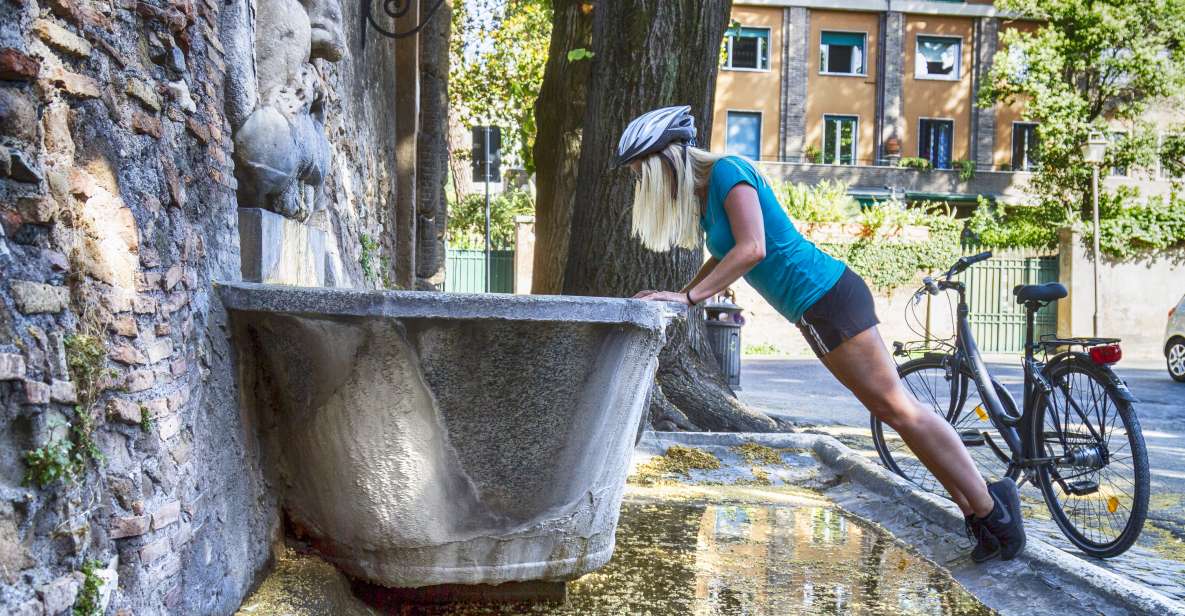
- Appia Antica without the exhaustion: e-bike power helps on uneven, historic surfaces
- Small group (up to 8): you hear the guide and stay together without feeling herded
- A clear story arc from Rome’s road system to its water engineering
- Aqueducts Park is the real payoff for anyone who likes infrastructure-as-history
- Caffarella Valley feels rural fast with horses, sheep, goats, and pigs near the path
- Safety-first route choices with crossings and controlled traffic when needed
Why riding Appia Antica on an e-bike is the smart play
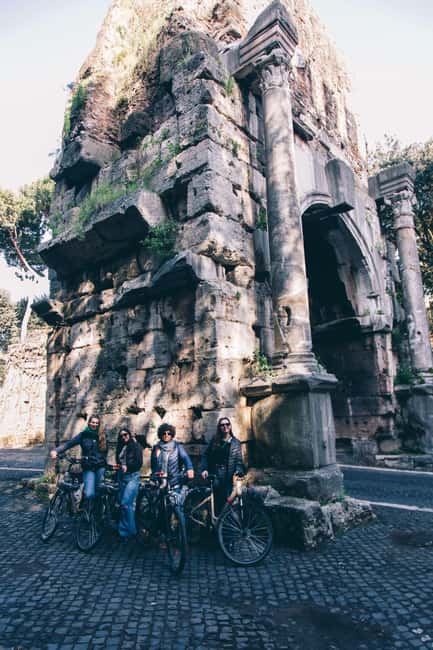
If you’ve ever tried to do the Appian Way by foot, you already know the catch: you can see it… but you can’t cover it the way you want. An e-bike changes the math. You get the thrill of being on the historic road system and in the parks, without arriving wiped out and cranky.
I also like that the tour isn’t only monuments. It’s monuments plus context. The guide frames the Appian Way and the aqueducts as pieces of one big Roman machine: roads moved people and goods; aqueducts moved water. Once you think of Rome like that, the ruins stop being random and start making sense.
One more practical upside: you’ll spend more time where the views and the scenery live, and less time in bottlenecks. Even the stops that feel like quick photo breaks help you orient yourself fast—so when you later see these spots from other angles, you’ll know what you’re looking at.
You can also read our reviews of more tours and experiences in Rome.



Starting at Circus Maximus: Rome’s scale in one quick moment
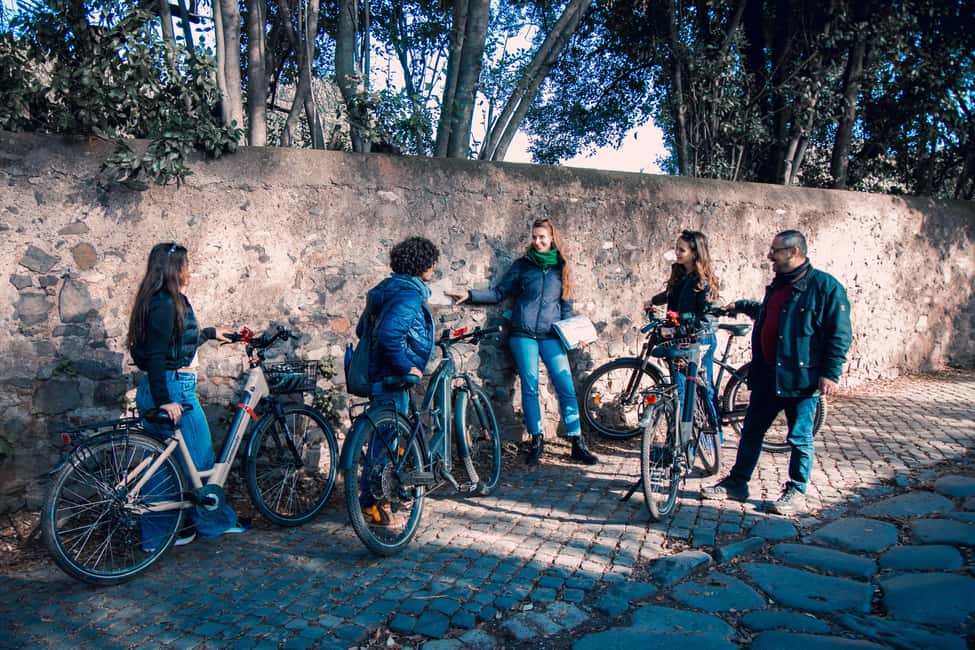
The tour kicks off at the meeting venue in front of Circus Maximus, the massive stadium that once hosted chariot races. Even before you roll, it sets the tone: this is a city built on scale, and the Appian Way tour is your shortcut to understanding how that scale affected daily life.
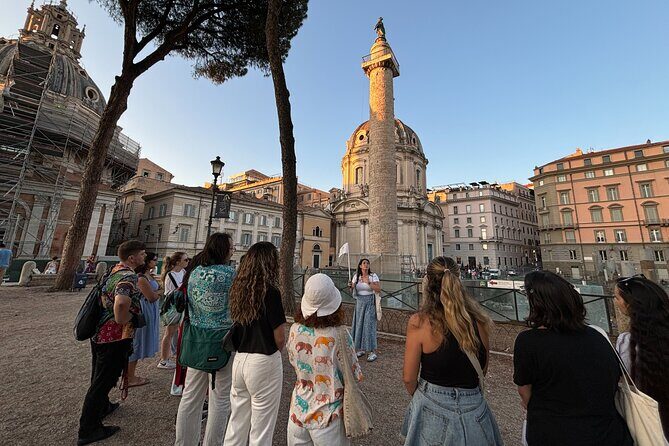
You’ll do a short photo stop near Circus Maximus. Then you’re rolling through the edges of the city, with the guide pointing out what to notice as you move: where the road system leads, what changes as you leave the urban core, and what to expect when you get into the archaeology-focused stretches.
Arrive about 15 minutes early. That time matters because you’ll get set up with the bikes and paperwork, and you’ll want a smooth start—especially since you’re sharing the route with others and moving as a group.
Caracalla Baths and Porta San Sebastiano: history you can read at a glance
As you ride, you’ll hit key landmarks that act like signposts. One of the first is the Baths of Caracalla, a classic introduction to the Roman obsession with water and engineering. From the outside, it’s easy to think baths are just places to relax. The guide helps you see them as part of a larger system—an answer to how Rome kept water flowing, distributed, and used.
Next is Porta San Sebastiano, a major point for understanding Rome’s fortification layers. This is where the tour starts to connect your day to the idea of defense and boundaries—Rome protecting itself while also expanding outward. It’s a useful contrast to the open-air feeling you get later in the parks.
Photo stops here are short, but they’re not pointless. They give you anchors. When you later see aqueduct structures or the road stretch of the Appian area, you’ll remember these earlier markers and recognize how the city’s edges evolved.
Quo Vadis, catacombs pass-by, and the “first miles of Via Appia Antica”
This is the part of the ride where you feel the tour’s mix of archaeology and rhythm. You’ll stop at the Church of Domine Quo Vadis, a site most people know by reputation, but which becomes much more meaningful when it’s connected to the area’s road history and early Christian-era landmarks. The guide’s talk is what turns the stop from a quick look into real understanding.
Then you’ll pass by the Catacombs of Saint Callistus. You aren’t going underground on this particular tour, but the pass-by still works because it keeps the pace and keeps you moving toward the quieter countryside stretches. If you want the underground experience, you’ll need a different tour later—but for this day, the pass-by helps you feel how layered the area is.
The route continues with dramatic, photo-friendly spots in the early Appian corridor, including Villa di Massenzio and the Tomb of Cecilia Metella. You also get close to impressive earth-and-stone forms tied to Roman burial traditions, and the guide helps you understand what you’re seeing: who built what, why it was placed there, and how the landscape carried memory long after Rome changed.
Here’s the main value of this section: it’s compressed and readable. Instead of trying to piece together a dozen sites on your own, you get a guided sequence that stays coherent while you ride.
Appia Antica’s stones: what to expect and how to enjoy the bumps
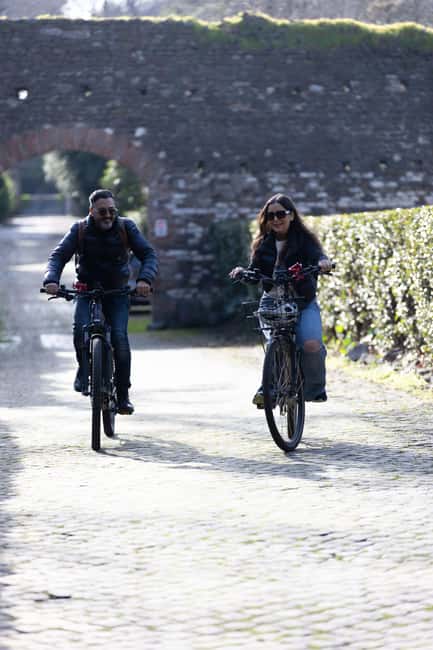
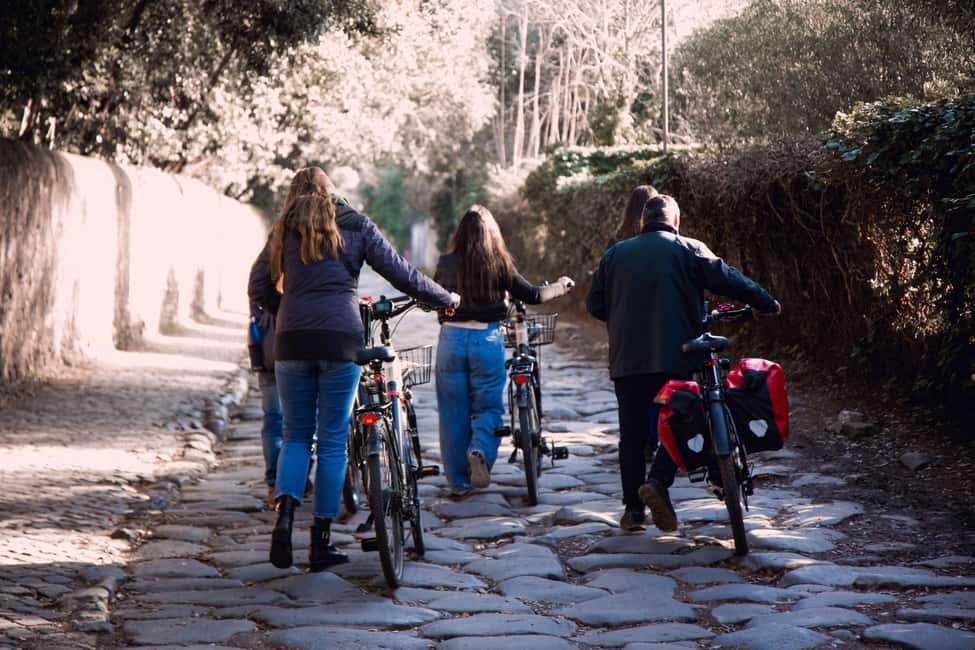
You’re going to ride some uneven sections. That’s normal here, and honestly, it’s part of what makes the tour feel authentic. Those old road surfaces can be rough under tires, so the e-bike helps most on the effort side—not on the physics side.
What this means for you: wear closed-toe shoes and comfy clothes you don’t mind getting a little dusty. If you’re expecting a smooth, modern bike path, you’ll be surprised. But if you’re okay with the texture of history, you’ll probably love it.
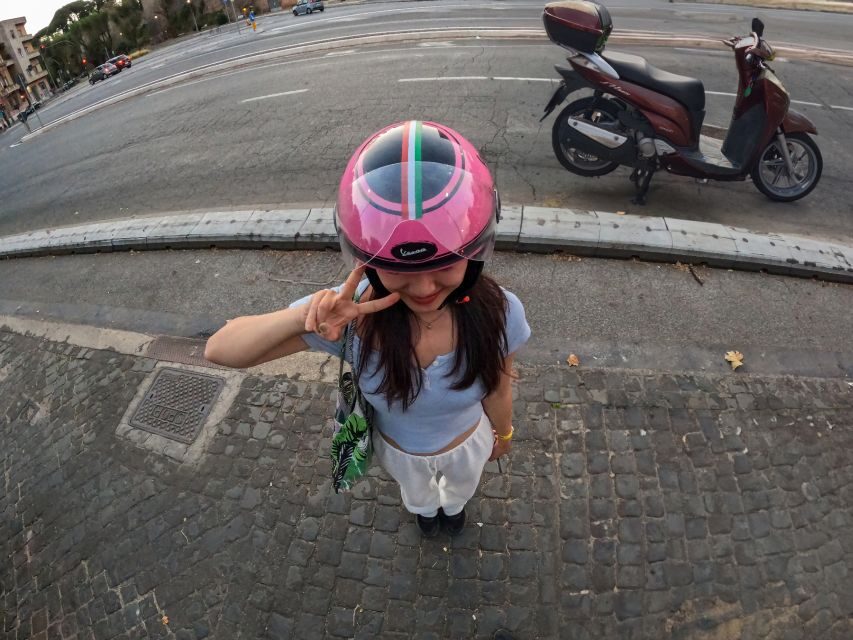
Safety and road placement also matter. In the best moments, the guide routes the group away from busier traffic. When crossing is needed, you’ll use crossings or the guide coordinates to keep things controlled. More than one rider highlighted how safe they felt during these transitions, and that matches what I’d look for in a bike tour in a city.
If you’re worried about your fitness, think about it this way: e-bikes reduce strain on hills and power through longer stretches. They don’t remove the need to ride confidently, so if you’re shaky on a bicycle, pick a different activity.



Aqueducts Park (Parco degli Acquedotti): the “how Rome worked” section
Once you reach Parco degli Acquedotti, the tour shifts into its most satisfying engineering lesson. Roman aqueducts weren’t just impressive; they were necessary. You’ll get a visit focused on the water infrastructure that supported the city at a scale that still feels unreal.
This part of the day is where the earlier stops pay off. When you’ve already looked at baths and city edges, the aqueducts stop being random stone arches. You start seeing them as the physical answer to a simple question: how did Rome keep water moving reliably?
You’ll get about 30 minutes here, which is long enough to walk, look up, and catch the shapes and directions of the structures. The guide helps you read the features instead of only admiring them. If you like systems—how cities function, how resources move—that’s your sweet spot.
Also, this is when the ride starts feeling more park-like. You’re out of the densest urban blocks and into open air. Even with traffic in the city earlier, the overall mood changes: quieter, more spacious, and much more “you are traveling” and less “you are sightseeing.”
Caffarella Valley: countryside energy just minutes from the center
After the aqueducts, the tour heads toward Caffarella Park and the Caffarella Valley area, following the Almone River down into the valley. This is where Rome’s countryside vibe really shows up. You may spot animals close by—horses, sheep, goats, and pigs are part of what makes this feel more like a rural outing than a monument crawl.
The visit here runs about 30 minutes, which works well. It’s enough time to slow down, look around, and let the day breathe. This is also the section that helps people who get tired of museum time. You’re still learning—just in a more relaxed setting.
The tour also reaches the Nymphaeum of Egeria, a graceful end-note tied to ancient tradition and the idea of a villa near the site. Even if you don’t know the legend before you show up, the guide frames it so it lands. In a day packed with big Roman structures, a quiet, poetic stop like this feels like a proper pause.
Mid-tour break at a local bar: small reset, big morale
You’ll take a 20-minute break at a local bar. It’s not a “food tour” stop, but it matters. When you’re riding for hours, you need a reset for water, snack, and getting your legs back in rhythm.
I like that it’s timed like a breather, not a delay. You return to the bikes with your focus back. If you’re traveling in warmer months, this kind of mid-ride pause is the difference between simply surviving the day and actually enjoying it.
The group stays small, so you won’t feel lost while people grab drinks. You’ll also keep moving without the “everyone take 30 minutes to decide what they want” problem you can get on larger tours.
Guides, pace, and feeling safe around Rome traffic
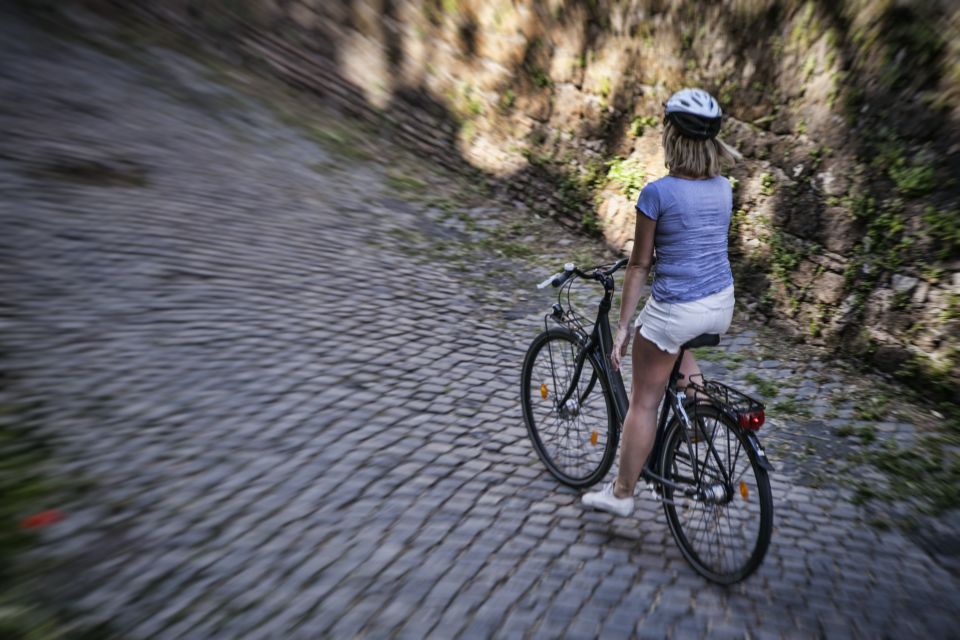
This kind of tour lives or dies on the guide. In the best runs, you’ll feel like you’re with a confident local who knows both the history and the road behavior.
I’ve seen this tour described as exceptionally well managed, and that lines up with the details that matter most:
- The pace allows for stops that are actually meaningful, not just a drive-by.
- The guide tends to keep you mostly away from heavy traffic.
- Crossings and more chaotic sections are handled with care so you feel in control.
Different guides include Monica/Monika, Adriana, Alannah, Frederik/Frederico, and Martin, and the common thread is clear: they’re patient, they explain, and they keep the group comfortable. One family mentioned their guide even adjusted and extended the ride when the group finished faster than expected, which tells me the scheduling isn’t rigid in a stressful way.
Group size also helps. With a maximum of 8 participants, it’s easier to hear the guide, easier to stay together, and easier for the leader to respond if someone needs a moment.
What you pay for: value at about $88 for 4 hours
At $88 per person for 4 hours, you’re paying for three things at once:
- A quality e-bike
- A real local guide who connects sites into a story
- Access to routes that are hard to replicate on your own without thinking through safety and timing
If you try to DIY this area using public transport, you’ll spend time figuring out connections and you won’t get the smooth sequence of stops that keeps the story coherent. If you do it by taxi and walking, you’ll hit a similar cost problem plus fatigue. The e-bike is what makes it efficient without turning it into a rush job.
Is it cheap? No. But it’s a fair spend if your goal is to see Appia Antica, aqueduct structures, and Caffarella Valley in one half-day with minimal hassle.
Also, you get the benefit of a small-group format. That’s part of the value, because it’s tied to safety, communication, and pacing.
Who should take this e-bike tour (and who should skip it)
This tour fits you if you want:
- A half-day that mixes Rome’s major ancient themes with real nature time
- A guided route that helps you avoid the scattered feeling of self-planning
- An e-bike day where you can still enjoy the details, not just the ride
It’s not the right choice if you:
- Don’t ride a bicycle confidently
- Need mobility support or have mobility limitations
- Are traveling with children under 12
- Are pregnant
It runs rain or shine, so dress for weather. The day is mostly outdoors, so you’ll want layers you can move in.
FAQ
FAQ
Where is the meeting point?
You meet at the Rome in a Day Tours venue, in front of Circus Maximus.
How early should I arrive?
Plan to arrive 15 minutes before the tour starts so you can get familiar with the bikes and complete paperwork.
How long is the tour?
The duration is 4 hours.
How big is the group?
It’s a small group, limited to 8 participants.
What language are the guides?
The live tour guide speaks English and Dutch.
Do I need to know how to ride a bike?
Yes. To join an e-bike tour, you need to know how to drive a bicycle.
What should I wear or bring?
Bring comfortable clothes, closed-toe shoes, and clothes you don’t mind getting dirty.
What stops and areas are included?
You’ll cover Circus Maximus, Baths of Caracalla, Porta San Sebastiano, Church of Domine Quo Vadis, a pass-by of the Catacombs of Saint Callistus, Villa di Massenzio, Tomb of Cecilia Metella, Parco degli Acquedotti, and Caffarella Park, with a break at a local bar.
Should You Book This Tour of Appia Antica, Aqueducts, and Caffarella?
If you want a Roman day that feels like you got out of the city but still stayed tightly on-theme, I’d book this. The standout strength is the combo: Appia Antica + aqueducts + Caffarella Valley in one smooth 4-hour circuit, led by guides who know how to explain what you’re seeing and keep the ride safe.
Skip it only if you’re not comfortable on a bicycle or you’re looking for a mostly gentle, flat, easy-to-walk experience. If you can ride, you’ll likely come away with the best kind of souvenirs: places you can picture, and a clearer sense of how Rome’s roads and water worked together.