REVIEW · COLOSSEUM TOURS
Rome: Colosseum, Roman Forum, & Palatine Hill Guided Tour
Book on GetYourGuide →Operated by Memento Experiences by M.S.W. Srl · Bookable on GetYourGuide
Rome has a way of getting personal fast. This guided loop through the Colosseum, Roman Forum, and Palatine Hill is built around stories, not just sightseeing. You start at the Arch of Constantine, then move into the arena space where gladiators and animals once played out their brutal spectacle.
What makes it work is the focus on how Rome functioned: cruelty and control, public spectacle, and how emperors used architecture and power to shape daily life. I love getting close to the Colosseum arena with the guide pointing out how the building was made to work. I also like the tight structure of the route, which keeps you from wandering lost among the stones at the biggest sites.
One consideration: while the plan is guided at all three main areas, a session can sometimes shift if something unexpected happens (like guide coverage or meeting details). Also, because you meet at a very specific spot by the Colosseum, you’ll want to arrive on time and watch for the purple flag.
In This Review
- Key points before you go
- Where You Begin: Arch of Constantine and a Purple Flag
- Entering the Colosseum: Arena Views You Can Actually Feel
- Colosseum Engineering and Imperial Planning: What the Guide Shows You
- Palatine Hill: Romulus and Remus Plus the Best Rome Views
- Roman Forum Ruins: Political and Social Life, Not Just Old Columns
- How the Timing Works: Three Hours, Tight Stops, and Real Access
- Price and Value: Paying for Entry Plus a Guided Frame
- What to Bring, and What to Leave Behind
- Who This Tour Suits (and Who Might Want Something Different)
- Should You Book This Colosseum, Forum, and Palatine Tour?
- FAQ
- Where is the meeting point for the tour?
- How long is the guided tour?
- Is the tour led in English?
- What does the ticket price include?
- Do I get into the Colosseum arena, or only view it from outside?
- Do I need to bring ID?
- Is food and drink included?
- What is allowed or not allowed during the visit?
- Can I cancel and get a refund?
Key points before you go
- Meet at the Arch of Constantine (purple flag, opposite side of the Colosseum) so you get oriented quickly
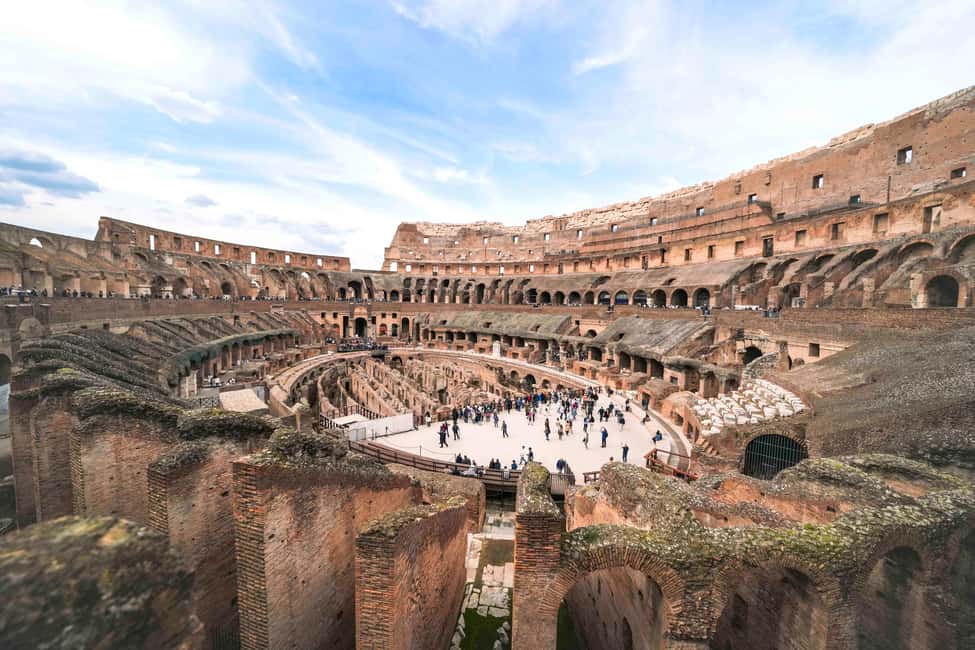
- Arena access is included, so you’re seeing the Colosseum from the inside, not just the viewpoint photos
- Palatine Hill includes legend + views, including the Romulus and Remus origin story and sightlines toward Circus Maximus
- Forum time is guided, with attention on the political and social reasons Rome built the way it did
- Guides bring different styles, including names like Gloria, Fina, Lumi, Celine, Jeannette, Tanya, and Francesco depending on your session
- Bring the right ID and skip big items, because luggage/large bags, strollers, weapons, and food/drink aren’t allowed
Where You Begin: Arch of Constantine and a Purple Flag
Your tour starts at the Arch of Constantine, on the side opposite the Colosseum. The meeting point detail matters here. Rome has multiple entrances and confusing sight lines, and this is the kind of tour where being five minutes late can mean missing the group shuffle.
You’ll look for your guide holding a purple flag. That’s a simple trick, but it’s also the difference between starting calm and starting stressed. If you’re navigating on foot, leave a little buffer and use the voucher info you receive after booking so you’re not guessing.
A good guide opening matters because the Arch itself is more than a photo stop. It sets the tone for the whole visit: imperial Rome telling the world it deserved to rule. From there, you’re headed toward the Colosseum as a machine for power, not just an old stadium.
You can also read our reviews of more guided tours in Rome



Entering the Colosseum: Arena Views You Can Actually Feel
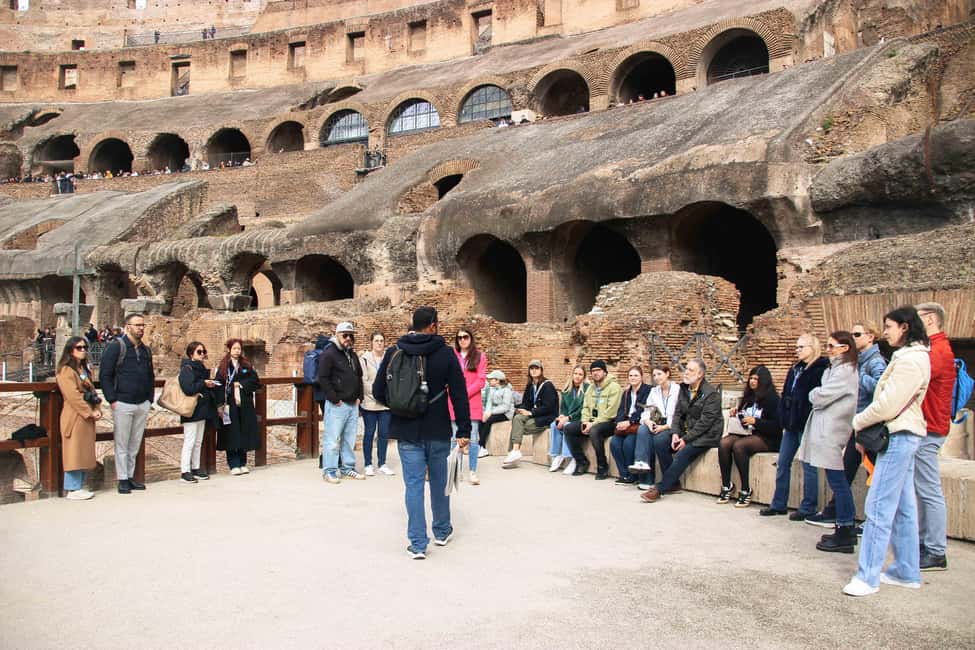
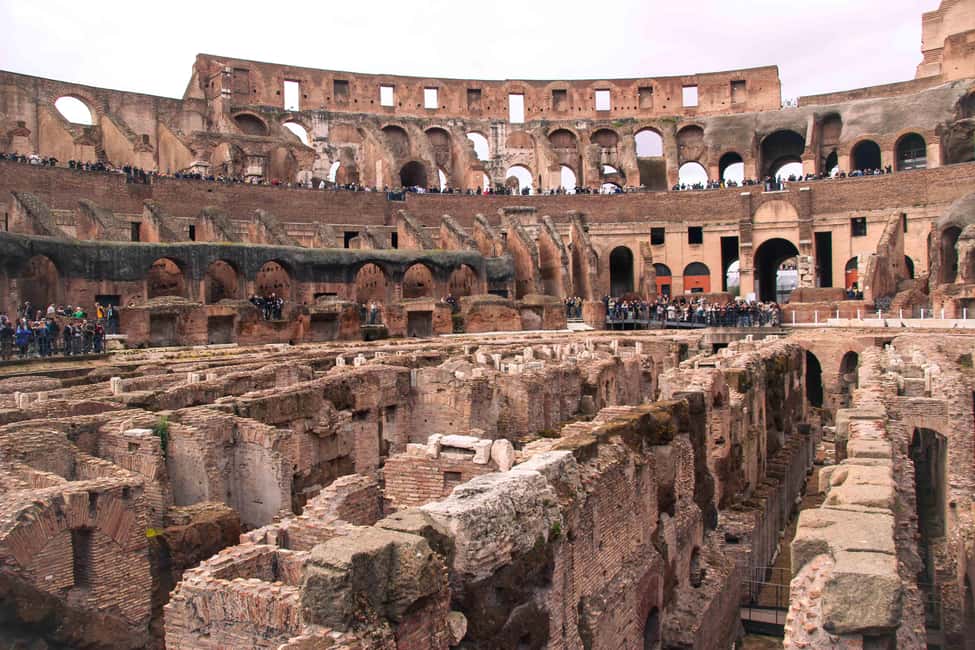
Once you’re inside, you’ll spend about an hour on a guided walk through the Colosseum, including close time at the arena. This is one of the biggest values of this tour: entry to the Colosseum and Arena is included, so you get the experience from the level where the spectacle happened.
What you should expect during the arena portion is not just a description of what happened there. The guide focuses on the human side of Roman public events: cruelty as a system, discipline as a tool, and occasional moments of clemency in how people were controlled. That story framing changes the way you read the stone. You stop thinking, Oh that’s impressive, and start thinking, This was built to move people.
It’s also the best place to understand why engineering was part of the show. Rome wasn’t only competing with myth and politics. It competed with logistics: access, crowd movement, and visibility. Your guide will point out the architectural and engineering wonder, including how the Colosseum’s design helped it function as a performance venue.
Colosseum Engineering and Imperial Planning: What the Guide Shows You
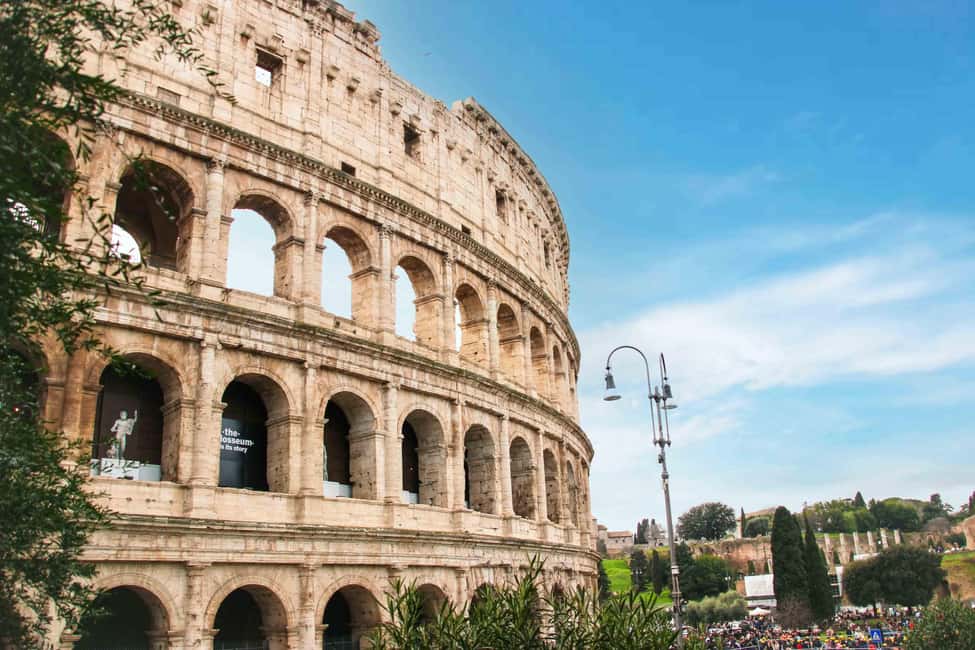
A lot of Colosseum visits stay at the surface: name the arches, count the levels, take photos. Here, the guide makes the building’s design feel purposeful. You’ll learn about the techniques and innovations used to build it, plus the political and social reasons behind its construction.
That matters because Rome built big things for big messages. The Colosseum wasn’t just a place for entertainment. It was also a statement about authority and civic identity. The tour guides this idea through what you see in front of you, so the building becomes a story you can track step by step.
If you’re the type who likes details, you may get a session with a guide like Celine, who comes from an archaeological background (based on previous sessions). In those moments, the Colosseum feels less like a landmark and more like evidence.
And if you’re with kids, this is often where it helps to have a guide who can keep attention without turning it into a lecture. In past sessions on this tour, guides have found ways to keep younger visitors engaged for the full three hours, not just the first few minutes.
Palatine Hill: Romulus and Remus Plus the Best Rome Views
Next comes Palatine Hill for about 45 minutes of guided time. This is where your tour shifts from spectacle to origins and power’s backstory. You’ll visit the area where the legend of Romulus and Remus is tied to the foundation of Rome. It’s the kind of myth that actually helps you orient the city in your head.
From there, the guide connects the legends to the reality of what Palatine became: the beating heart of Ancient Rome later on. You walk paths that connect the area to emperors, and you see ruins of temples and other structures tied to civic life.
And then there are the views. Palatine Hill gives you sightlines over the Colosseum and toward Circus Maximus. It’s a reminder that Rome is layered. You’re not just looking at one monument. You’re looking at the city as a system of places that supported power, crowds, and politics.
One practical note: Palatine Hill and the Forum sections are where pace matters most. This tour is designed to keep you moving with guidance, but if your session has a staffing hiccup, you might spend more time self-guiding than you expect. The best fix is simple: pay attention to your guide early, and don’t hesitate to ask questions right away if you feel the group is splitting.
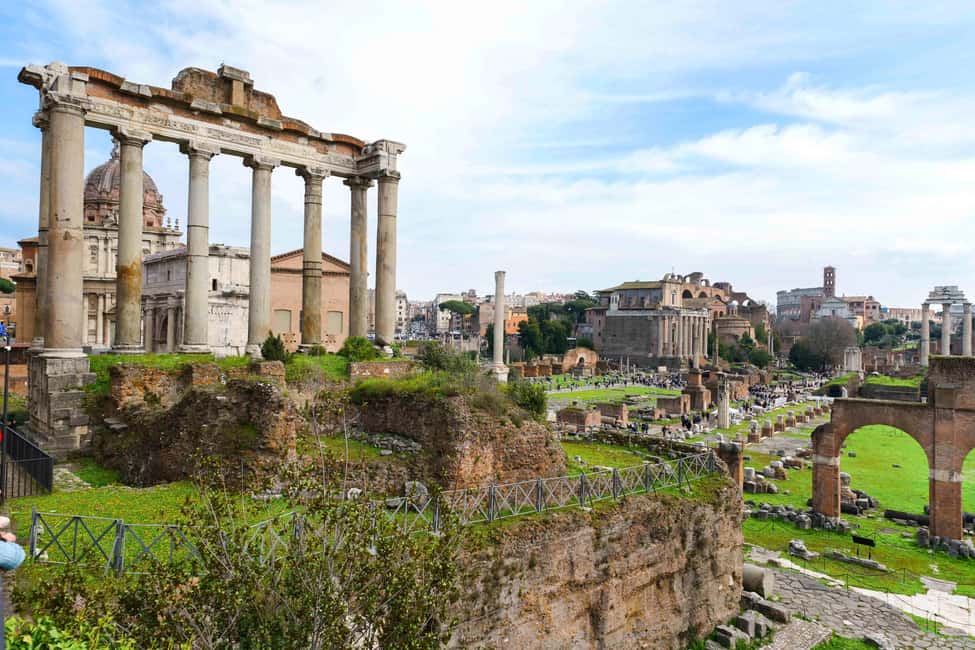
Roman Forum Ruins: Political and Social Life, Not Just Old Columns
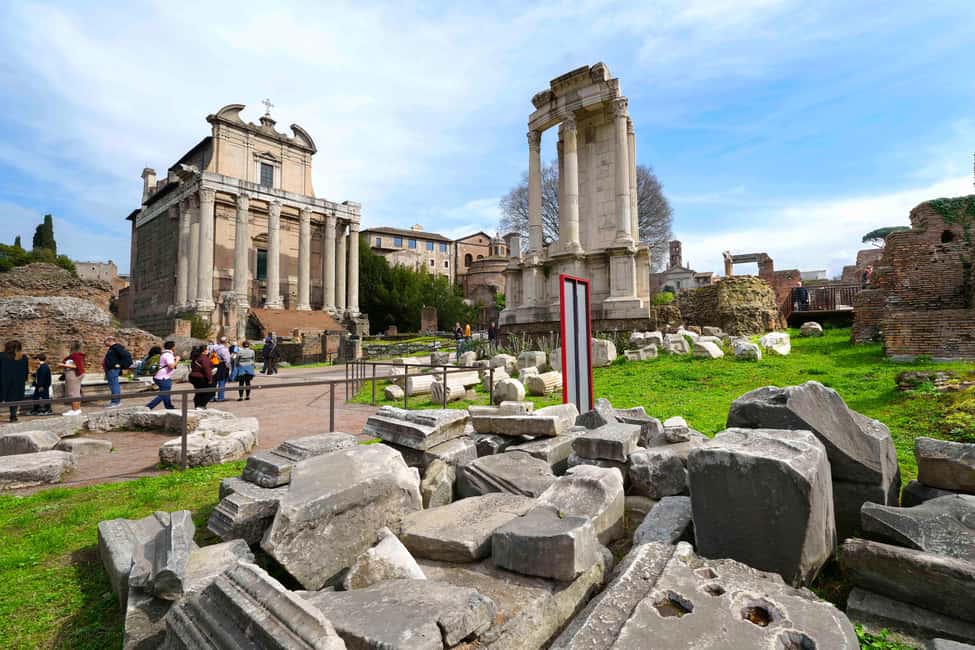
The Roman Forum takes about 45 minutes on this route. This is another big reason the guided format helps. The Forum can look like a pile of impressive ruins until you know what you’re looking at.
On this tour, the guide focuses on the political and social reasons behind major Roman developments, and you’ll explore ruins of temples while learning how the space worked in real life. The stories often connect back to what you saw in the Colosseum: power displayed publicly, discipline enforced, and social order shaped through architecture and events.
You’ll also walk the paths of Roman emperors. That’s not just a walking route—it’s a framing device. It helps you understand that the Forum wasn’t only symbolic. It was practical space for decision-making, ceremonial life, and the public face of authority.
Also, it tends to get crowded and noisy. Having a guide is what keeps the information coherent when the site gets chaotic. One helpful detail from prior sessions: guides often find spots where the group can pause while stories land, instead of forcing you to stand still in a bottleneck the whole time.



How the Timing Works: Three Hours, Tight Stops, and Real Access
This is a 3-hour tour with a small group. The schedule is short on purpose. You get:
- Colosseum time (about an hour) with arena focus
- Palatine Hill time (about 45 minutes) with views and origins
- Roman Forum time (about 45 minutes) with political and social context
The short duration is the trade-off. You won’t linger for long. But you will leave with a connected understanding of how Rome’s power story moves from myth and elite life (Palatine) to civic politics (Forum) to public spectacle (Colosseum).
Because the Colosseum itself can feel overwhelming, the guided plan also helps you avoid the worst outcome: wandering through major areas without knowing what matters. The group format keeps the flow moving.
If you’re comparing this to a DIY plan, think about what you gain. Entry is included, and you’re buying time with someone who can connect the pieces fast. That’s worth real money in Rome’s high-demand sites, where you spend less time figuring out where to go and more time understanding what you’re seeing.
Price and Value: Paying for Entry Plus a Guided Frame
The price is $50 per person for a guided tour with entry included to the Colosseum (including Arena), the Roman Forum, and Palatine Hill.
The value is in the bundle. If you were to visit these places separately on your own, you’d still be paying for multiple entries, and you’d be missing the narrative structure that turns stone into meaning. Here, the guide’s job is to supply that frame: why the Colosseum was built, what the Forum space was for, and why Palatine sits at the center of Rome’s identity.
Is it a splurge? It depends on how you like to travel. If you prefer free-roam and hate structure, you might feel constrained by the set time blocks. But if you want to see the key parts of Rome’s ancient core in one efficient run, the entry-included format keeps it competitive and sensible.
Also, the small group angle matters. Big tours can turn into a human tide. A smaller group usually means you can hear the explanation and keep up with where you’re walking.
What to Bring, and What to Leave Behind
Rome has rules, and this tour follows them. Plan to bring:
- Passport or ID card (including for children)
You should not bring:
- Pets
- Weapons or sharp objects
- Baby strollers
- Food and drinks
- Luggage or large bags
- Alcohol and drugs
- Glass objects
- Firework
This is one of those details that can ruin a day if you ignore it. If you’re used to carrying snacks, stashing a bottle, or traveling with a big daypack, adjust before you arrive. Pack light enough to get through site rules without drama, and plan meals before or after the tour since food and drinks aren’t part of this experience.
Who This Tour Suits (and Who Might Want Something Different)
This tour is ideal if you want:
- A guided run through the Colosseum, Roman Forum, and Palatine Hill in one trip
- Stories that connect cruelty and spectacle to politics, discipline, and clemency
- Close access to the arena area, not only outside viewpoints
- A small-group pace in a high-crowd setting
It may be less ideal if you:
- Want a long, slow wander through Palatine and the Forum without structure
- Are sensitive to intense crowds and want private access (this format is small, but it’s still inside major Rome sites)
- Expect every minute to be fully narrated with zero downtime, because the real-world flow at these sites can shift based on who’s guiding and how the group moves
Should You Book This Colosseum, Forum, and Palatine Tour?
I’d book it if you want maximum meaning per minute. The entry-included access to the Colosseum Arena, plus guided time on Palatine Hill and the Forum, is exactly what turns this part of Rome from impressive to understandable.
But book smart:
- Check your voucher and make sure you know where to meet at the Arch of Constantine and what the purple flag looks like.
- Bring the right ID and keep bags and items within the allowed rules.
- If you care most about one area, note the split of time: Colosseum first, then Palatine, then Forum.
If you like a clear route and you enjoy explanations that connect myths, politics, and architecture, this is a very workable way to get the ancient core of Rome into your head fast.
FAQ
Where is the meeting point for the tour?
Meet your guide at the Arch of Constantine on the opposite side to the Colosseum. Your guide will be holding a purple flag.
How long is the guided tour?
The total duration is 3 hours.
Is the tour led in English?
Yes, the live tour guide is English.
What does the ticket price include?
Entry is included to the Colosseum, Arena, Roman Forum, and Palatine Hill, plus a guided tour with a local guide.
Do I get into the Colosseum arena, or only view it from outside?
The tour includes entry to the Colosseum and Arena.
Do I need to bring ID?
Yes. You should bring a passport or ID card (and for children as well).
Is food and drink included?
No. Food and drinks are not included.
What is allowed or not allowed during the visit?
Pets, weapons or sharp objects, baby strollers, luggage or large bags, food and drinks, alcohol and drugs, glass objects, and fireworks are not allowed.
Can I cancel and get a refund?
Yes. Free cancellation is available up to 24 hours in advance for a full refund.