REVIEW · CATACOMBS TOURS
Rome: Colosseum, Ancient Rome and Catacombs Tours & Tickets
Book on GetYourGuide →Operated by Tour in the City - Travel Agency Rome - · Bookable on GetYourGuide
Step into Rome’s biggest power symbol.
What makes this combo tour work is the mix of Colosseum + Roman Forum + Palatine Hill in one stretch, plus a separate guided dive underground at the Appian Way catacombs. I like that you can go in guided mode with a headset at the Colosseum, so you get clear storytelling without constantly asking questions. I also like the option to switch to a self-audio plan for the Colosseum/Forum/Palatine so you can set your own pace. The main drawback to weigh is that the format is not ideal if you have mobility limits or want a super easy, step-free outing.
One thing to plan for: the catacombs run cool and feel damp.
The underground tour is short (about an hour), but the temperature is about 60°F with high moisture, so bring a layer even in warm months. If you’re prone to feeling uncomfortable in tight, dim spaces, this is where you should think twice.
In This Review
- Key takeaways before you go
- Entering The Colosseum Fast (and Hearing Every Detail)
- What I think is best about the Colosseum portion
- Roman Forum and Palatine Hill: The City’s Power Layout
- The tradeoff
- How the Combo Works: Tickets, Timing, and Flow
- Queue-skip reality check
- Your Catacombs Experience on the Appian Way
- The underground conditions to respect
- Transfers and Break Time Between Worlds
- Guided vs Self-Audio vs VIP Audio: Which Option Fits You
- Go guided if you want a story you can follow
- Go audio if you hate group pacing
- Consider VIP audio if you want extra flexibility
- What You’ll Really See (and What to Watch for)
- Price and Value: Is It Worth $73?
- Who This Tour Suits Best (and Who Should Skip It)
- Should You Book It?
- FAQ
- What sites are included in this experience?
- Is the Colosseum and Forum guided, self-guided, or both?
- How long does the tour take?
- What languages are available?
- Do you get tickets included for the sites?
- Is there a headset for the Colosseum?
- Do I need an ID to enter?
- How do you get to the catacombs?
- What should I expect temperature-wise inside the catacombs?
- Is this suitable for people with mobility impairments or wheelchairs?
Key takeaways before you go
- Skip the worst of the line so you can spend more time looking, not waiting
- Headset support on the guided Colosseum route helps you hear your guide clearly
- Forum + Palatine viewpoints give you the big-picture layouts of ancient Rome
- First and second tiers at the Colosseum mean better sightlines than you’d get if you stay on the ground
- Catacombs are fully guided with a focus on frescoes, crypts, tombs, and sarcophagi
- Wayfinding can be tricky in audio mode if you prefer super simple directions
Entering The Colosseum Fast (and Hearing Every Detail)
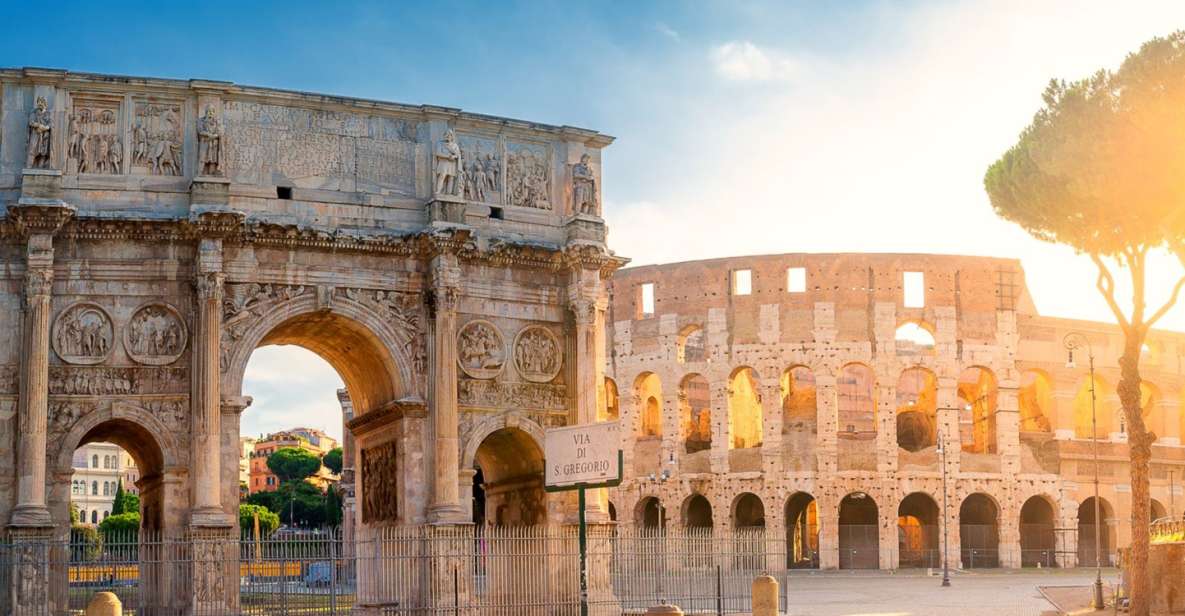
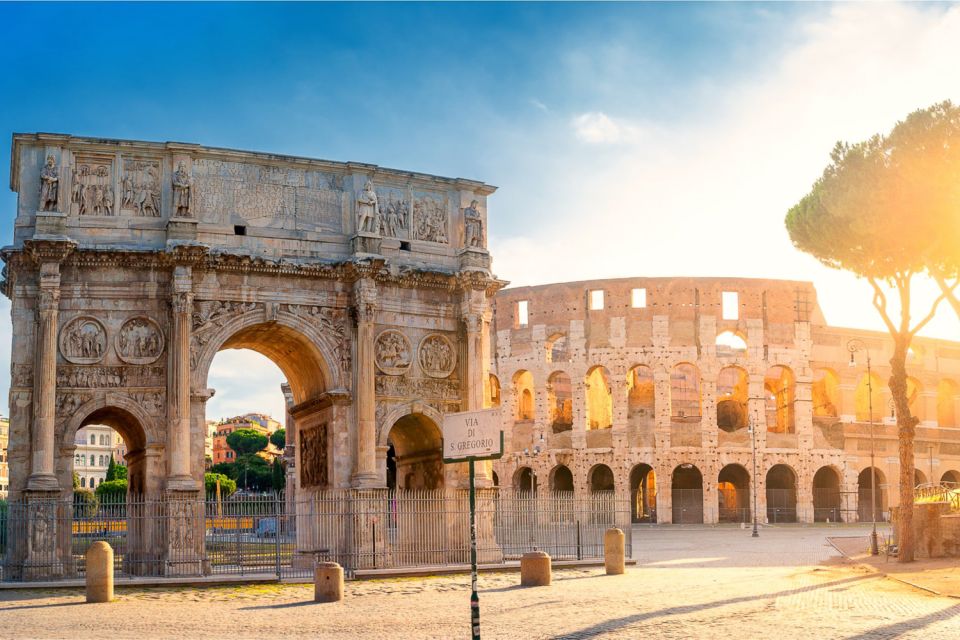
The Colosseum is one of those places where your brain wants to rush ahead. I like that this tour is built to fight that urge. The experience includes bypassing the queue, so you lose less time to waiting and more time to actually reading the place with your own eyes.
If you choose the guided option for the Colosseum/Palatine/Forum, you get tickets plus an English live guide (or French, German, Italian, Spanish depending on what you book). At the Colosseum, there’s also a headset system, which matters more than it sounds—big crowds and open-air noise can make even a loud guide hard to follow. With the headsets, you’re more likely to catch names, dates, and the reasoning behind how the site worked.
If you prefer freedom, there’s a self-audio option for the Colosseum/Palatine/Forum. You download an app tour to your phone and move at your own speed. The audio includes multilingual storytelling (English plus Chinese, German, French, Italian, Spanish) with 44 points of interest, which is a lot. That’s great if you like details, but if you’d rather keep things simple, you might feel a bit overloaded by how much the app covers.
You can also read our reviews of more tours and experiences in Rome



What I think is best about the Colosseum portion
You’re not only seeing the outer shell. The tour format is aimed at getting you into the Colosseum experience that people usually miss: views from the first and second tiers. Those higher levels help you understand scale, movement, and how the arena space relates to the surrounding city.
Also, the Colosseum here is tied into story-based explanations. In guided mode, you’ll hear entertaining, concrete scenes—like gladiator combat and animal hunts—plus the bigger engineering picture. In audio mode, you still get storytelling and structure, just without a live person shaping the pace.
Roman Forum and Palatine Hill: The City’s Power Layout
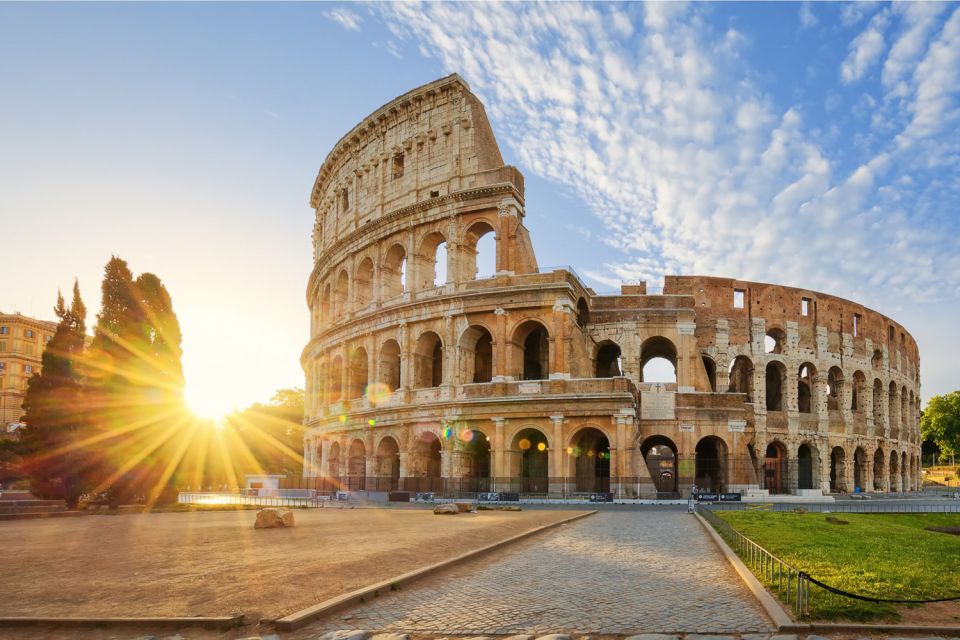
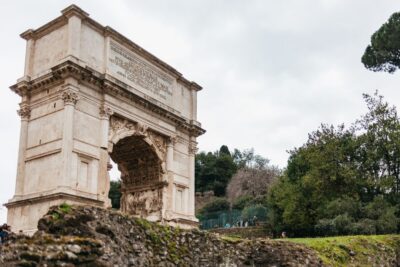
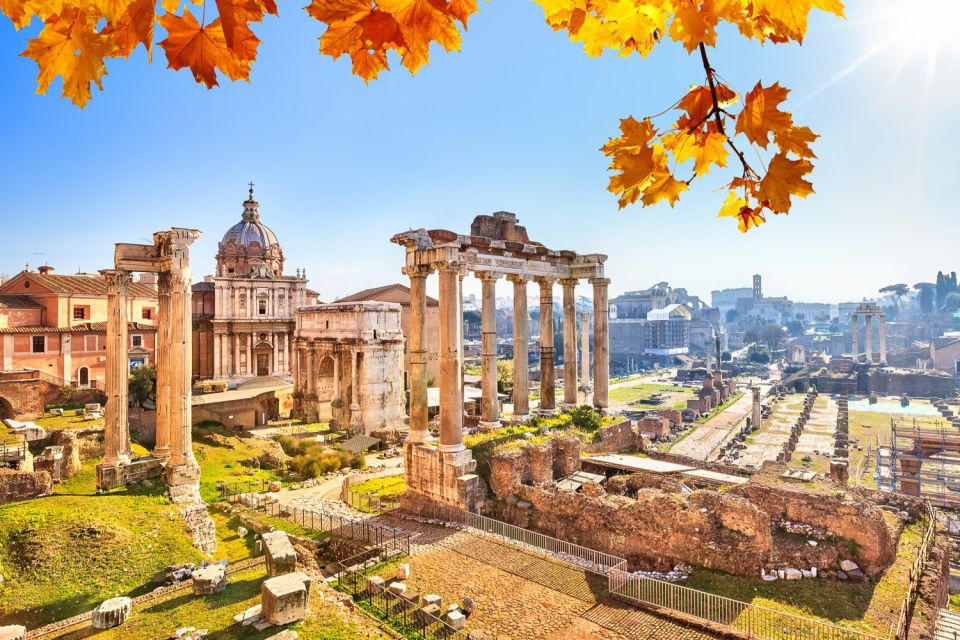
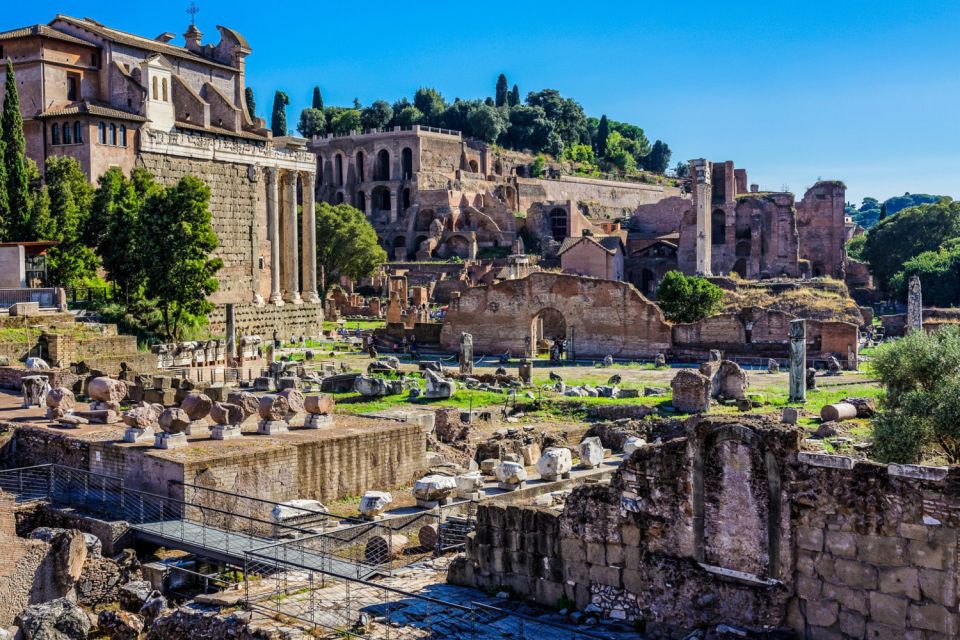
After the Colosseum, you move into the heart of “how Rome ran.” The Roman Forum and Palatine Hill are where the emperors’ world becomes more than a stage set. You start seeing the logic of the city: where authority was displayed, where religious power lived, and where daily elite life left traces.
With the guided plan, the Roman Forum slot is longer (about 105 minutes), and that extra time shows. The Forum is huge, and a guided walk helps you connect scattered ruins into a readable map. You’re also hearing the roles of major spaces: the Senate areas, temples dedicated to Roman gods, the House of the Vestals, and the triumphal arches. There’s also a specific reference to the altar where Julius Caesar was cremated. Even if you only catch part of that story in the moment, having a guide frame it makes the ruins feel less random.
Palatine Hill is the viewpoint payoff. The tour includes panoramic views over the Circus Maximus valley, which helps you understand why ancient elites wanted to live and rule from here. Palatine also focuses on remains of the sumptuous palaces where emperors lived—so you’re not only looking at politics, you’re also getting a sense of wealth and status carved into the landscape.
The tradeoff
This section is popular and can feel crowded. The big win is that you’re moving through a planned route instead of trying to self-navigate every turn while your brain is scanning for the “right” viewpoint. Still, if you’re the type who hates crowds, pick earlier time slots if you can when booking.
How the Combo Works: Tickets, Timing, and Flow
One key value of this package is that you’re working with timed, dated tickets and a planned progression through sites. Your entry is tied to the included tickets, and access relies on the name and ID details you provide at booking. That’s not glamorous, but it’s important: security can block entry if the information doesn’t match your ID, including for children.
Plan to arrive with your ID already in hand. Also plan clothes that work for long outdoor walking plus a second indoor/underground environment. Comfortable shoes matter here more than style.






Queue-skip reality check
Queue skipping is a big part of the promise. That said, the Colosseum still involves security screening, and the site can be busy. The time you save comes from not getting stuck at the biggest waiting point, which usually means more time for the parts that actually matter to you: views, stories, and atmosphere.
Your Catacombs Experience on the Appian Way
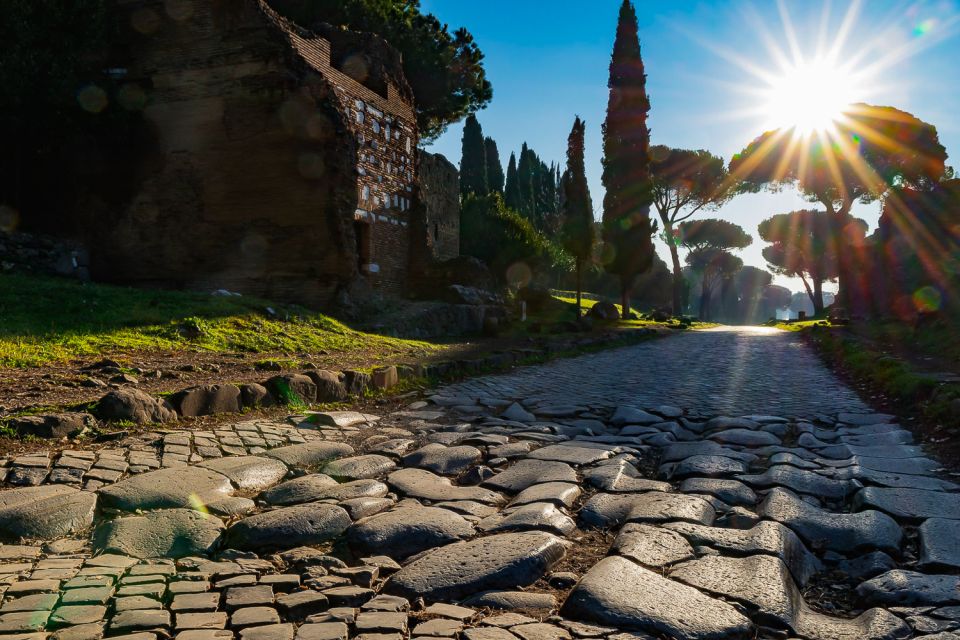
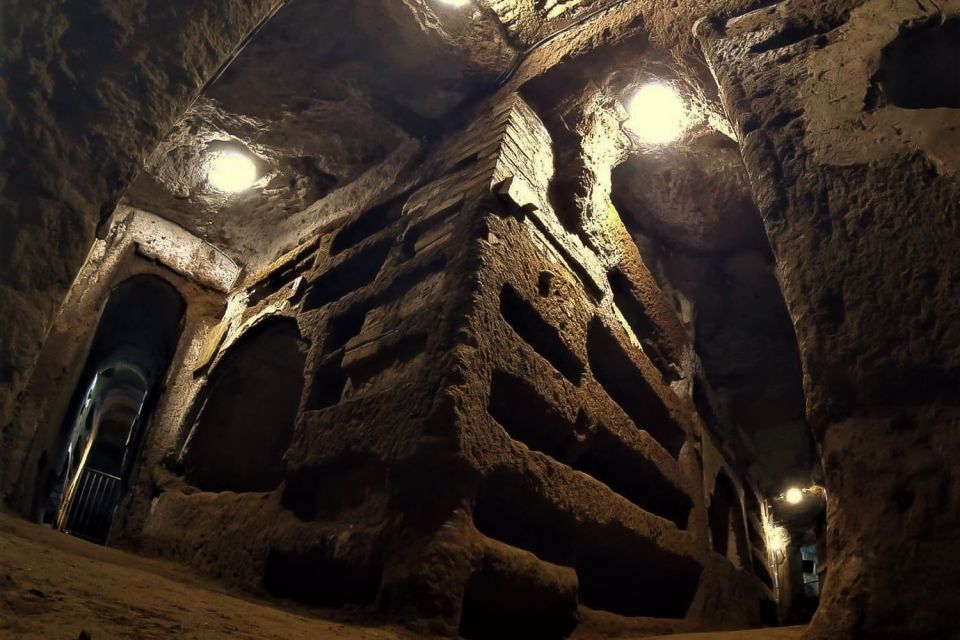
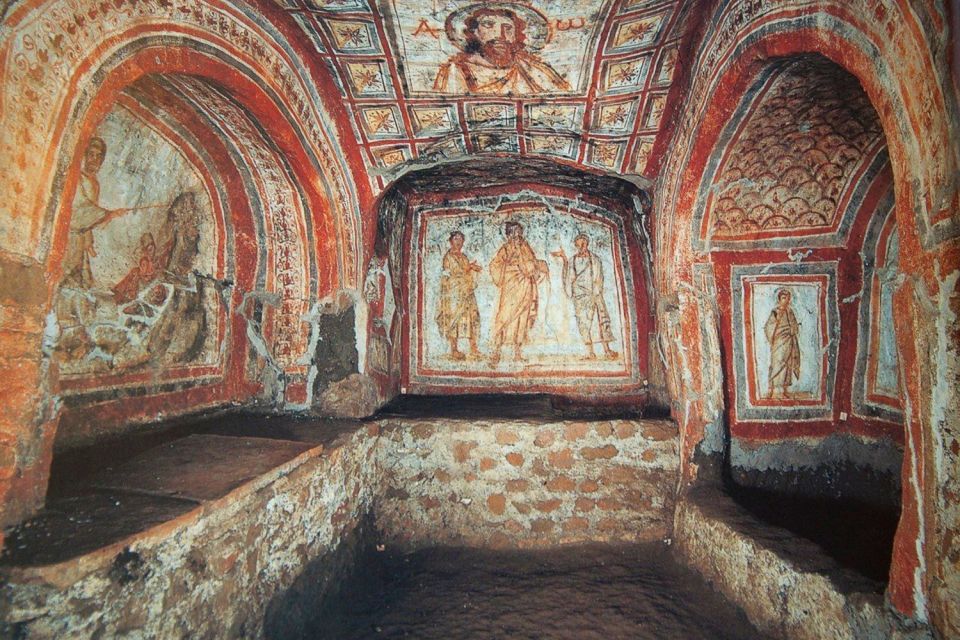
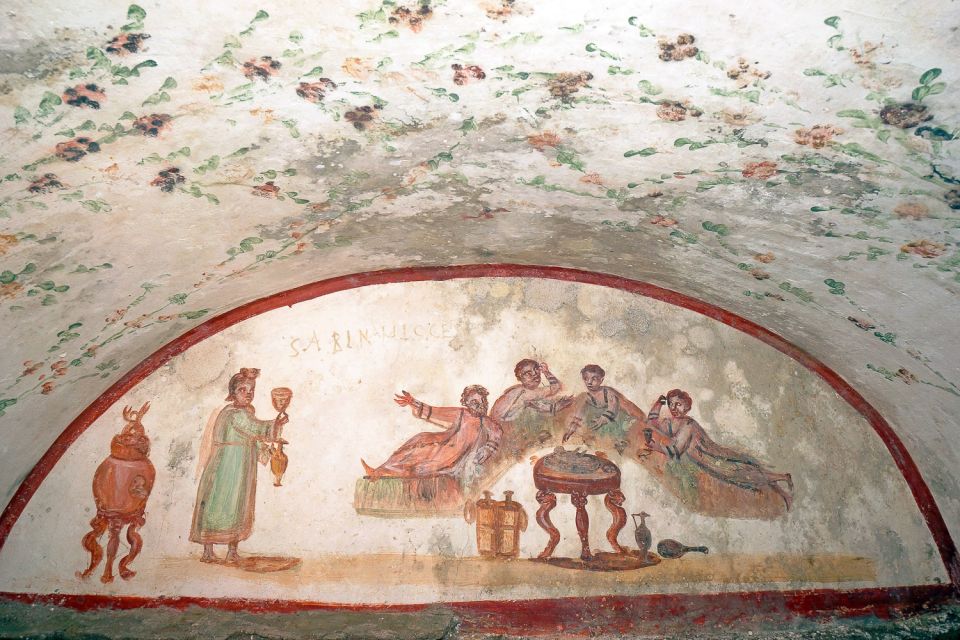
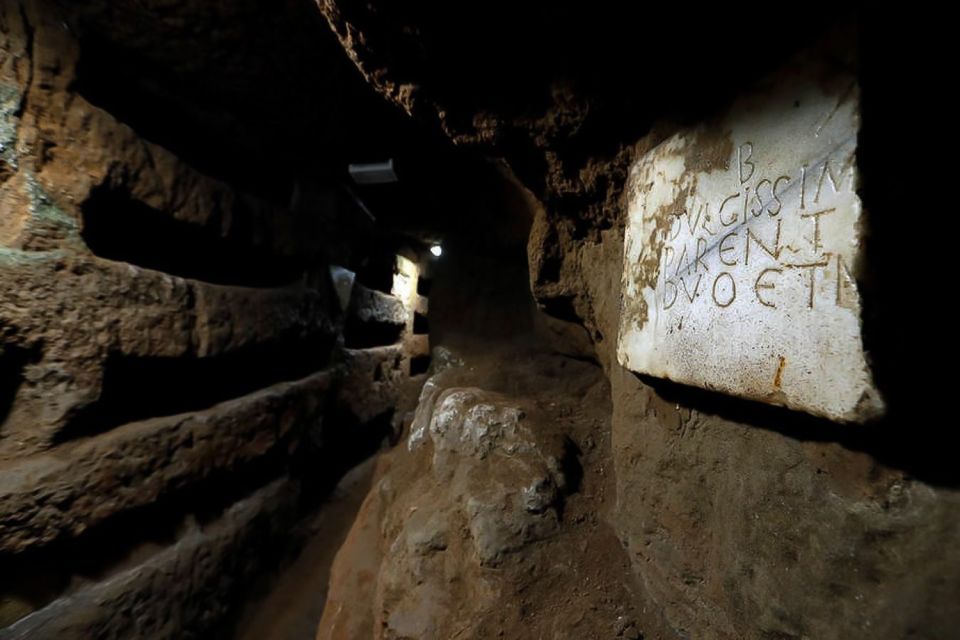
Then comes the mood shift: from bright ruins to underground rooms. The catacombs portion is a guided group tour (about an hour) focused on the spaces people used for burial and remembrance. You visit a complex network of tunnels described as among the longest in the world, plus burial chambers that include frescoes, inscription-rich crypts, small mausoleums, sarcophagi, and tombs.
The story layer is part of why this stop is memorable. The tour highlights burial sites connected to famous religious figures—popes and martyrs are specifically mentioned—and it also includes references, according to legends, to apostles. Whether you take every detail literally or view it as layered tradition, the guide’s explanations help you understand why these places were built the way they were.
The underground conditions to respect
Here’s where I give practical advice: bring a layer. The temperature in the catacombs is about 60°F with high moisture. Even if Rome is warm outside, you’ll feel the difference once you descend.
Also, the tour is not recommended for people with impaired mobility, and wheelchair users are not suitable. It’s not just about walking distance—it’s about the practical reality of underground steps and tight spaces. If you have medical concerns, communicate them in advance so the operator can advise you.
Transfers and Break Time Between Worlds
This isn’t just a walk-everywhere plan. It includes a round-trip transfer between the Colosseum area and the catacombs on the Appian Way. A professional driver meets you at the same place where your Colosseum tour started.
There’s also a short break built into the flow before returning to the meeting point for the catacombs. That break matters because it gives your body a breather and helps keep the second half from feeling rushed. You end with a drop-off back at the Colosseum after the catacombs tour, so you’re not stuck trying to figure out transport at the end of a long day.
Guided vs Self-Audio vs VIP Audio: Which Option Fits You
This experience is designed to offer multiple ways to enjoy the same main monuments. Here’s how I’d choose, based on what tends to matter most when you’re in Rome.
Go guided if you want a story you can follow
If you like your facts organized by a person—names, context, and the “why” behind the engineering—choose the guided Colosseum/Palatine/Forum option. With the headset system at the Colosseum, it’s usually the easiest way to understand what you’re seeing without straining.
Go audio if you hate group pacing
The self-audio option lets you download the app and explore on your schedule. It’s ideal if you want to linger at a viewpoint or circle back when something catches your eye. Just be aware that audio tours can come with wayfinding quirks. The information is there, but if you prefer very simple navigation, you might find the numbered stops harder than expected once you’re in a busy, complex site.
Consider VIP audio if you want extra flexibility
The VIP self-audio option adds public transport tickets valid for 48 hours (buses and metro). That can be a genuine value if you plan to do more on your own after the main monuments. It won’t change what you see, but it can lower the cost and friction of getting around the rest of your stay.
What You’ll Really See (and What to Watch for)
This is a “big-three” archaeology day, but it’s not only about scale. It’s about layers: how a stadium became a political icon, how the Forum became the machine room of authority, and how the catacombs show burial practices and belief.
Here’s what to pay attention to as you go:
- At the Colosseum, look for how the tiers change your perspective. You’ll get a better sense of the arena’s geometry and how the crowd space was designed.
- On Roman Forum paths, watch for the clustering of religious and political remnants. Even when pieces look disconnected, guides and audio cues help you connect the dots.
- On Palatine Hill, let the viewpoints do the teaching. The Circus Maximus view makes the site’s location make sense fast.
- In the catacombs, focus on the visual messages: frescoes, inscriptions, and the layout of tombs and crypts.
Price and Value: Is It Worth $73?
At about $73 per person, the value depends on how you like to travel.
If you’d otherwise pay for individual tickets and try to manage timing yourself, this package can be a money-saver in time terms. You’re getting tickets bundled for the Colosseum/Forum/Palatine experience, plus a guided catacombs tour, plus round-trip transfers included. You’re also getting a headset system in guided mode and queue bypass to reduce waiting.
Where you should be careful is the approach you choose. Audio tours can be great when you want pacing control, but you’ll get more value if you’re comfortable using an app in a crowded setting. If you want the least stress, guided is usually the better match because you have a person guiding the route and clarifying what matters.
Who This Tour Suits Best (and Who Should Skip It)
This works well for:
- People who want one day to hit the Colosseum, Forum, Palatine Hill, and catacombs without doing a complicated plan
- Travelers who want either guided storytelling (with headsets) or a self-paced audio version
- First-time Rome visitors who want the biggest hits connected into a coherent narrative
I’d think twice if:
- You need wheelchair access or have mobility limitations (this isn’t recommended)
- You get uncomfortable in damp, enclosed spaces (catacombs are cool and moisture-heavy)
- You prefer super simple signage and hate numbered audio stops (audio mode may feel harder to navigate in practice)
Should You Book It?
Book this if you want a structured, high-impact Rome day where the queue pressure is reduced and the sites are tied together with guided explanation—especially for the Colosseum tiers and the underground catacombs focus.
Skip or choose a different format if you’re very mobility-limited, sensitive to damp cool environments, or you dislike anything that depends on an app route and on-the-ground wayfinding in crowds. If you’re in the sweet spot—comfortable walking, curious about how Rome worked above and below ground—this combo is a smart use of time.
FAQ
What sites are included in this experience?
You’ll visit the Colosseum, the Roman Forum, Palatine Hill, and the Catacombs on the Appian Way. The catacombs part is a guided group tour.
Is the Colosseum and Forum guided, self-guided, or both?
You can choose a guided tour option for the Colosseum/Palatine Hill/Roman Forum, or a self-audio guided option for those same sites. The catacombs are guided in all options.
How long does the tour take?
The duration is listed as 1 to 5 hours, depending on the option and starting times available.
What languages are available?
Guided tours and languages offered include English, French, German, Italian, and Spanish. The self audio guide is offered in languages such as French, English, Spanish, Italian, and German.
Do you get tickets included for the sites?
Yes. Included options list tickets for the Colosseum, Palatine Hill, and Roman Forum, plus tickets for the catacombs.
Is there a headset for the Colosseum?
Yes, the guided Colosseum/Palatine Hill/Roman Forum option includes a headset system.
Do I need an ID to enter?
Yes. All visitors must provide a valid ID to enter the Colosseum, including children, and the information provided at booking must match the ID.
How do you get to the catacombs?
Transportation to the catacombs is provided via a professional driver. It’s described as a transfer round trip from the Colosseum area, and you’re dropped back at the Colosseum after the tour.
What should I expect temperature-wise inside the catacombs?
The temperature in the catacombs is about 60°F and the moisture content is high.
Is this suitable for people with mobility impairments or wheelchairs?
No. The experience is not recommended for people with impaired mobility, and it is not suitable for wheelchair users.