REVIEW · ROME
Rome: City Center Private Tour With Tuk-Tuk
Book on GetYourGuide →Operated by The Tour Spot · Bookable on GetYourGuide
Tuk-tuk in Rome feels tailor-made for sightseeing. I like that this tour gives you quick access to big-ticket sights and still keeps stops short and useful, not endless waiting around. It’s guided by a live instructor in English (and also Italian), and the vehicle is compact enough to get into tight central streets.
I especially like the photo-and-view rhythm: you get little breaks for pictures with explanations that help you understand what you’re looking at. Another big plus is the guide quality people rave about, with names like Antonio and Atilio coming up as standouts—punctual, friendly, and good at finding the right angles.
One possible drawback: the whole experience is only about 2 hours, with small pauses. That means you’ll see a lot from strategic stops, but you shouldn’t expect long interior visits or a slow, step-by-step wander inside every major site.
In This Review
- Key things I’d prioritize on this tuk-tuk Rome tour
- Why a tuk-tuk works so well for Rome’s tight center
- Starting at Largo Gaetana Agnesi and how to set yourself up
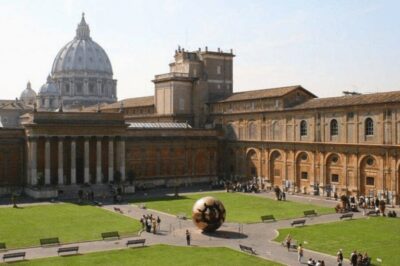
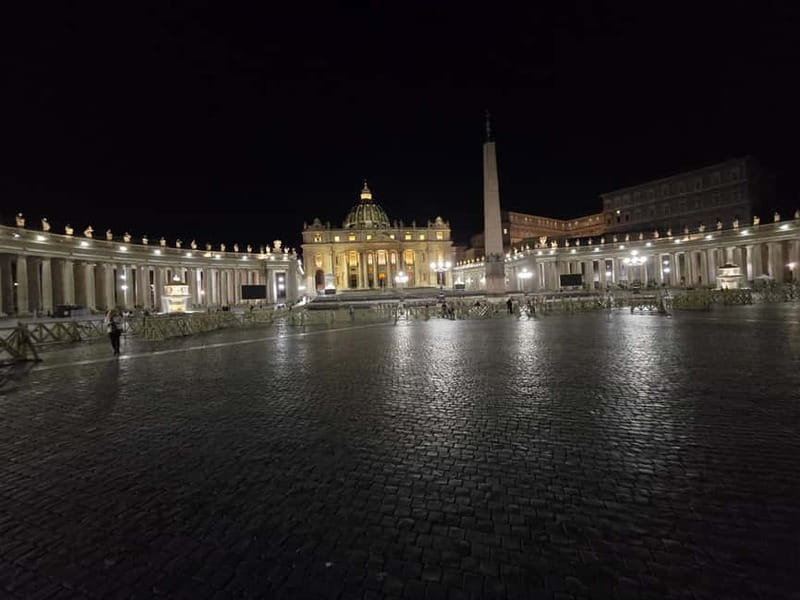
- Vatican City: St. Peter’s Basilica and St. Peter’s Square from street-level views
- Colosseum and Roman Forum: seeing the ancient center without getting swallowed
- Trastevere and Campo de’ Fiori: Rome beyond the postcard angles
- Pantheon and the Trevi Fountain: two classics with quick, useful stops
- What the best guides do for you (Antonio, Atilio, and friends)
- Small-group pacing: how 2 hours can still feel like a lot
- Price and value: what $112.15 per group really buys
- Practical fit: who will love this and who should think twice
- My take: should you book this Rome tuk-tuk tour?
- FAQ
- How long is the Rome city center tuk-tuk tour?
- Where does the tour start and end?
- What sights are included on the route?
- What language is the live guide?
- How many people are in the group?
- Is this tour wheelchair accessible or stroller-friendly?
- Is the tour appropriate for young children?
- Are photo stops included?
- What’s the cancellation and payment flexibility?
Key things I’d prioritize on this tuk-tuk Rome tour
- Vatican City first: St. Peter’s Basilica and St. Peter’s Square are early on your route, before the day crowds fully lock in.
- Guided picture stops, not just driving: You’ll get brief opportunities for photos plus context so the landmarks make sense.
- Colosseum and Roman Forum area passes: You’ll experience the feeling of the ancient center without getting bogged down.
- Trastevere and Campo de’ Fiori streets: The route includes lively neighborhoods and classic Roman corners, not only monuments.
- Pantheon and Trevi in the mix: Quick hits that help you cover Rome’s greatest hits in one outing.
- Small group size (up to 4): You get a more personal guide experience than a full-size bus day.
Why a tuk-tuk works so well for Rome’s tight center
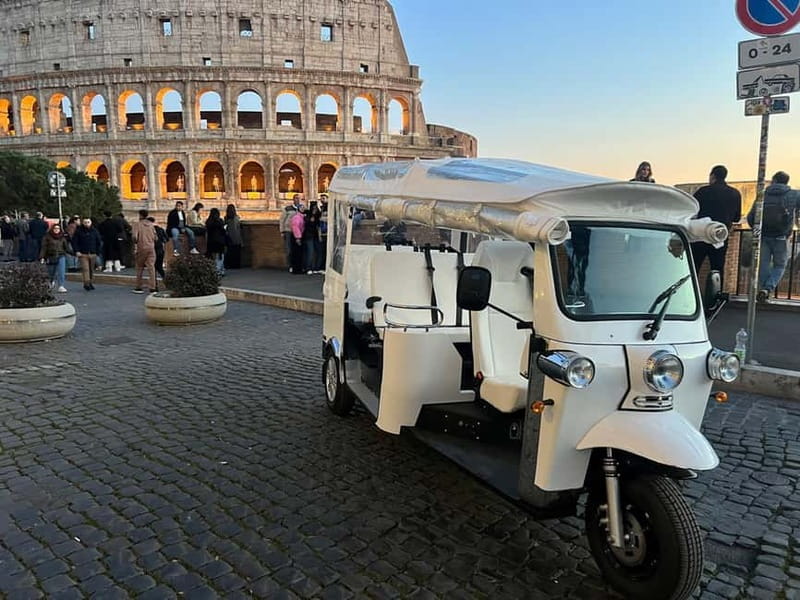
Rome can be a traffic jam with ancient ruins in the middle. That’s why I like a tuk-tuk format here: it’s a smaller vehicle that can handle the weird road geometry and narrow streets of the historic center better than large buses. Instead of spending most of your day stuck in lines, you spend your time where it counts—at the view points and landmark edges.
It also changes your pace. A tuk-tuk doesn’t feel like a tour bus where everyone’s herded in the same direction. You can actually get off, take a picture, and keep moving, which is perfect when you only have a couple of hours and want to see the core sights efficiently.
And yes, it’s fun. But the fun is practical too. The ride itself helps you keep your bearings fast, especially if it’s your first time in Rome.
You can also read our reviews of more tours and experiences in Rome.



Starting at Largo Gaetana Agnesi and how to set yourself up
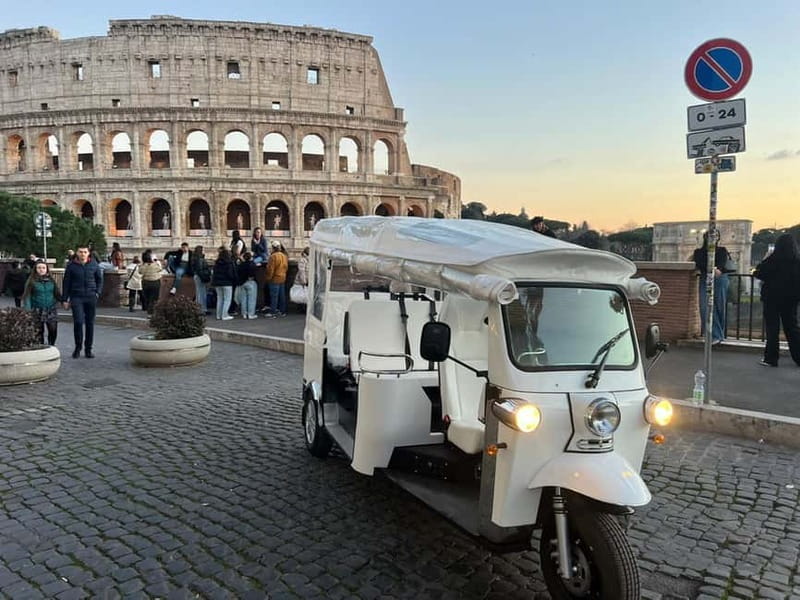
Your tour starts and finishes at Largo Gaetana Agnesi. I recommend arriving a few minutes early so you don’t feel rushed while you meet your guide and get settled. This is one of those tours where the best experience starts before you even move—being calm at the pickup point keeps the whole morning or afternoon smoother.
From there, the plan is a compact circuit through the historic center. You’ll be traveling by tuk-tuk, with short pauses for photos and explanations as you go. That means you don’t need to build extra buffer time for long walks between sites, because the whole point is moving you quickly to the right places.
Because the group is limited to 4 participants, it’s also easier for the guide to adjust when someone wants a better angle or needs a moment to regroup. In the feedback I’ve seen, guides like Antonio are noted for being patient and flexible with that kind of pacing.
Vatican City: St. Peter’s Basilica and St. Peter’s Square from street-level views

The Vatican segment kicks things off with major wow-factor. You’ll head into the area where St. Peter’s Basilica and St. Peter’s Square dominate the view. Even if you’re not planning to go inside as part of this tour, seeing these landmarks up close from the right spots helps you understand why they’re such a magnet for pilgrims and architecture fans.
What I like here is the pairing: the basilica is the architectural centerpiece, and the square gives you the scale and the feeling of the place. The guide’s job is to connect the visual details to the story—so you’re not just spotting a famous building, you’re learning what you’re looking at while you’re actually seeing it.
You’ll also want to keep in mind that Vatican-area days can get crowded. A guide who’s used to routing around busy areas can make a real difference in how smooth your photos come out. Feedback on Antonio, for example, highlights that he can work the crowds so you still get good pictures.
Colosseum and Roman Forum: seeing the ancient center without getting swallowed
After the Vatican, the route continues through the historic center with passes that connect the ancient landmarks you’ve seen in books to the real street layout around them. You’ll cruise past the Colosseum, and then you’ll soak in the atmosphere near the Roman Forum—a sprawling archaeological site that feels bigger in person than it does on postcards.
This is a part of Rome where it’s easy to get impatient. People try to do everything on foot and end up exhausted and behind schedule. The tuk-tuk approach solves that. You get the key sights in a way that respects time, while still giving you that close-up sense of place.
Also, the guide’s explanations matter a lot here. The Forum and its ruins can look like random stone fragments if you don’t have a framework. A good guide gives you that framework while you’re in the area, so the stop feels like learning instead of just photo-taking.
Trastevere and Campo de’ Fiori: Rome beyond the postcard angles
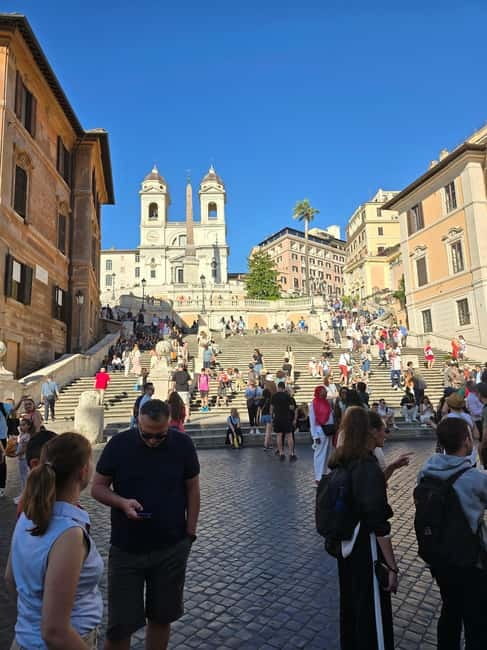
Here’s where the tour becomes more than just monuments. The route includes Trastevere and Campo de’ Fiori, and that’s a big reason I’d consider this even if you’ve already read about Rome.
These neighborhoods help you understand how Rome feels day to day: streets with character, local energy, and the kind of atmosphere you don’t fully get if your entire plan is museums and major squares. From a sightseeing point of view, it also breaks up the day so it doesn’t feel like you’re only chasing big names.
In practical terms, neighborhood stops also work well for photos. You’ll be closer to everyday life and street rhythm, so your pictures have context, not just architecture.



Pantheon and the Trevi Fountain: two classics with quick, useful stops
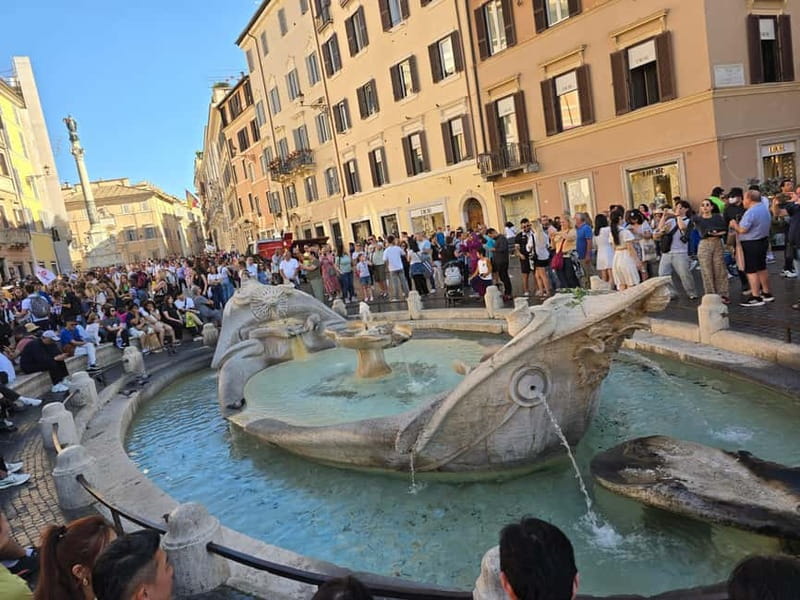
Two of Rome’s most famous landmarks show up near the later part of the tour: the Pantheon and the Trevi Fountain.
The Pantheon is the kind of place where you can stare for a long time, even from the outside. This tour gives you a chance to admire it and hear what makes it special—without demanding an entire separate visit. I like that because it helps you decide if you want to come back later for a longer, ticket-and-time experience.
Then comes Trevi. The Trevi Fountain stop is where you’ll toss a coin for a return to the Eternal City. It’s a classic tradition for a reason: it gives you a built-in moment to slow down, get the photo, and mark the experience. If you’ve only got one afternoon to cover the core sights, this is one of the best emotional payoffs on the route.
What the best guides do for you (Antonio, Atilio, and friends)
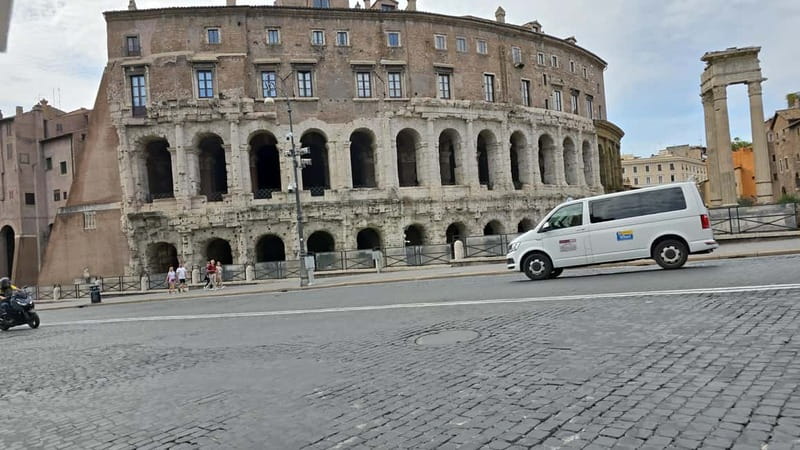
The difference between a decent tour and a great one is usually the guide. In the feedback I’ve seen from this tour, certain names come up again and again—Antonio and Atilio—and the common threads are what you’d hope for in Rome: clear communication in English, good stories that match what you’re seeing, and the ability to work around crowds without making it stressful.
One reason people rate this tour so highly is that the guides aren’t just giving facts. They’re helping you get the experience to work for real life—finding good photo angles, being flexible if you want different pictures, and keeping the pace comfortable for the group.
If you care about getting photos you’ll actually keep (and not blurry tourist roll-call shots), this is where the guide’s skill really shows.
Small-group pacing: how 2 hours can still feel like a lot
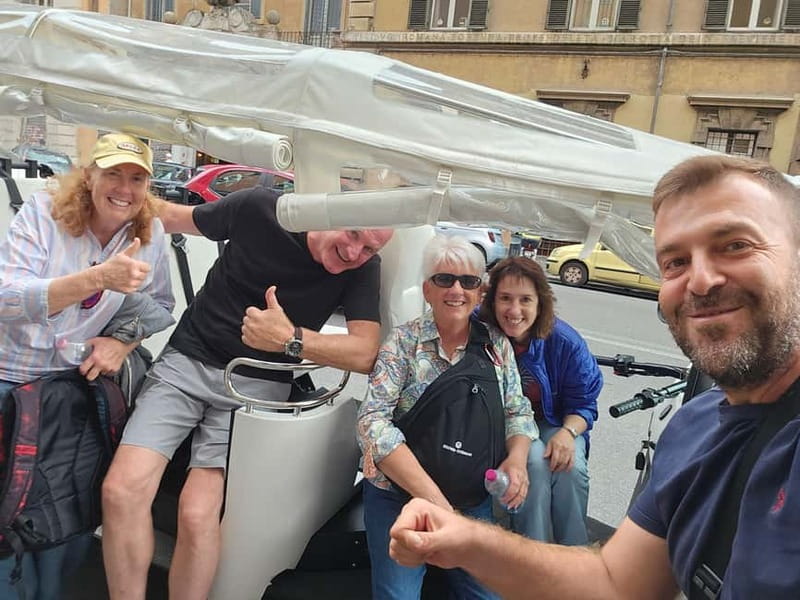
This tour is listed at 2 hours, for a small group limited to 4. That length is exactly why the tuk-tuk format is valuable. With a bigger group, you often lose time to bottlenecks: waiting for everyone to climb on, negotiating space at stops, and traffic delays that punish slower plans.
Here, the smaller group helps keep the schedule controlled. You’re not doing an intense “run to the next site” sprint either. Instead, you’re getting a series of short, high-value stops that add up to a full introduction to Rome’s center.
That said, keep your expectations realistic. If you want to spend lots of time inside major sites, you’ll likely need to pair this with separate visits. This tour is about seeing and understanding quickly, not about a full museum day.
Price and value: what $112.15 per group really buys
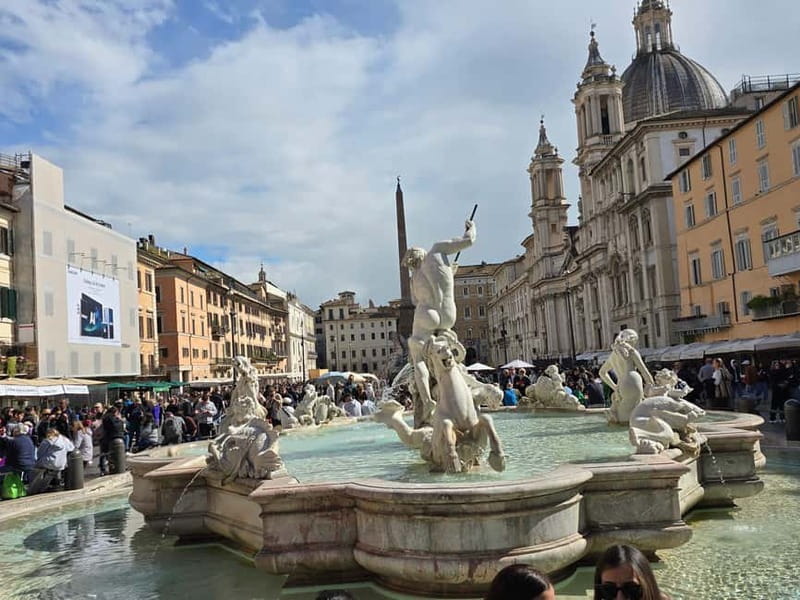
The price is listed as $112.15 per group up to 2. On the face of it, that may not sound like a bargain compared to a mass-market hop-on bus. But the value calculation is different here.
You’re paying for:
- a guided experience with a live instructor in English/Italian
- a tuk-tuk vehicle that can move efficiently through central streets
- a small group cap (up to 4), which usually means less waiting and more flexibility
- strategic stops tied to the biggest Roman highlights
For couples or small friend pairs, this can be a strong value because you’re essentially buying a compact guided outing without the hassle of coordinating multiple tickets and transport legs. If your alternative is spending a whole morning figuring out routes, dealing with transit lines, and losing time, this becomes easier to justify.
If you’re traveling solo, it may feel more expensive per person, so think about whether you’ll use the guide’s help enough to make it worth it.
Practical fit: who will love this and who should think twice
I think this tour fits best if you want:
- a first-time Rome hit list
- efficient sightseeing in a short window
- a guide who helps you connect landmarks to stories
- photo stops without a long walking marathon
It may not be ideal if you:
- want long indoor visits at each stop (this is built for short pauses)
- need wheelchair access (it’s not suitable for wheelchair users)
- want to bring a baby stroller (strollers aren’t allowed)
- are traveling with very young kids (not suitable for children under 3)
Also, alcohol and drugs are not allowed. That’s a pretty standard policy for tours, but it’s worth knowing.
My take: should you book this Rome tuk-tuk tour?
I’d book this if you want a smart, high-signal orientation to Rome’s core. The combination of Vatican-area sights, Colosseum/Forum atmosphere, and classics like the Pantheon and Trevi Fountain in one small-group ride is exactly the kind of “get your bearings fast” plan that makes your later days easier.
If you’re the type who enjoys sitting down later with a list of landmarks and stories you actually remember, this works well. And if you care about the photo results, the guide attention to picture angles and pacing is a big part of the appeal.
If you’re looking for deep, inside-the-building time at every major monument, you’ll probably want a different plan and use this tour as a quick kickoff.
FAQ
How long is the Rome city center tuk-tuk tour?
The duration is listed as 2 hours.
Where does the tour start and end?
The tour starts and arrives back at Largo Gaetana Agnesi.
What sights are included on the route?
You’ll see and pass major landmarks including the Vatican City area (St. Peter’s Basilica and St. Peter’s Square), the Colosseum, the Roman Forum, Trastevere, Campo de’ Fiori, the Pantheon, and the Trevi Fountain.
What language is the live guide?
The live tour guide is available in English and Italian.
How many people are in the group?
The tour is described as a small group limited to 4 participants.
Is this tour wheelchair accessible or stroller-friendly?
It’s not suitable for wheelchair users, and baby strollers are not allowed.
Is the tour appropriate for young children?
It’s not suitable for children under 3 years.
Are photo stops included?
Yes. The tour includes small pauses for pictures.
What’s the cancellation and payment flexibility?
You can cancel up to 24 hours in advance for a full refund, and there is a reserve now & pay later option where you pay nothing today.