REVIEW · ROME
Rome: “Chopin & Italian Friends” Piano Concert
Book on GetYourGuide →Operated by Opera da Camera di Roma · Bookable on GetYourGuide
If you want classical music in Rome that feels personal, this solo-piano concert in a church is a smart pick. I love the idea of hearing Fryderyk Chopin up close, and I also like how the program braids in Italian composers like Verdi, Mascagni, and Puccini. It’s not just familiar music in a new place; it’s a whole mood shift, because church acoustics make quiet passages feel bigger.
Two things I especially like: first, the sound quality in these historic worship spaces, where the piano carries clearly without turning harsh. Second, the mix of national styles—Chopin’s writing plus Italian opera melodies—played as solo piano arrangements that keep the focus on the instrument and the melody.
One drawback to keep in mind: if you’re sensitive to street noise, a small amount of outside sound can be noticeable depending on the church entrance and the day. Also, since it’s a live concert program, you should expect the set to follow the published works, but live performances can still run with small variations.
In This Review
- Key things to know before you go
- Why this Chopin-and-Italian theme feels different in Rome
- Your venue: Waldensian Church vs Methodist Church
- The 60-minute program: Chopin leads, Italians follow
- What solo piano arrangements do to Italian opera themes
- Acoustics, attention, and the live-feeling crowd
- Pricing and value: is $35 worth it?
- Who should book this concert (and who might skip it)
- How to plan your night around the music
- Should you book Chopin & Italian Friends in Rome?
- FAQ
- How long is the piano concert?
- How much does the concert cost?
- Where are the concerts held?
- What music will I hear?
- What languages are spoken by the host or greeter?
- Is the concert wheelchair accessible?
Key things to know before you go
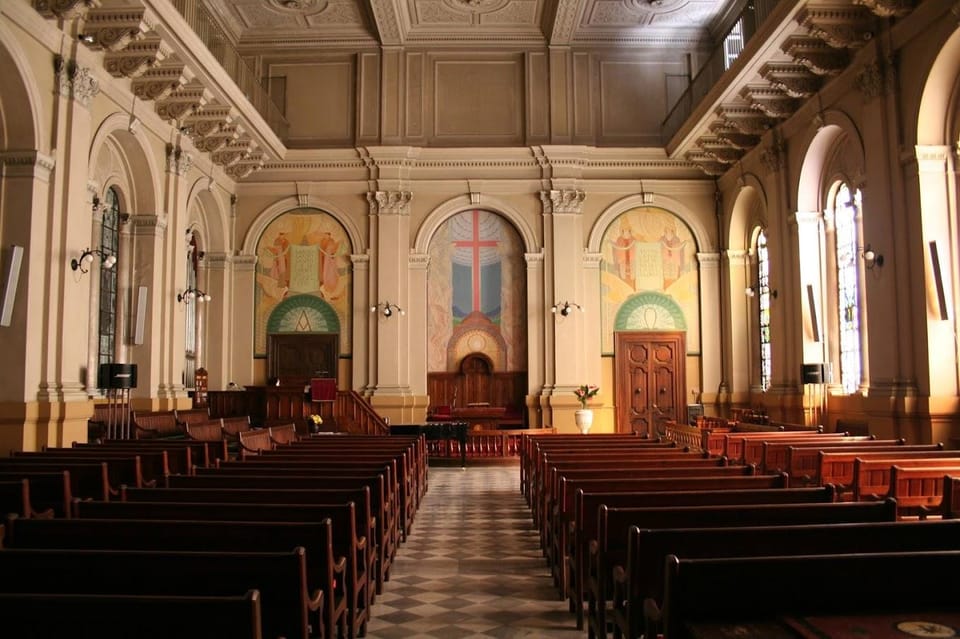
- Church acoustics make solo piano sound fuller and more direct than you’d expect
- Chopin plus Italian opera themes (Verdi, Mascagni, Puccini) keeps the evening moving
- Waldensian Church (Mon–Sat) and Methodist Church (Sundays) change the setting slightly
- A 1-hour format means you can fit this into almost any Rome day
- You’ll hear a true church concert, a rare experience in a city full of art and churches
Why this Chopin-and-Italian theme feels different in Rome
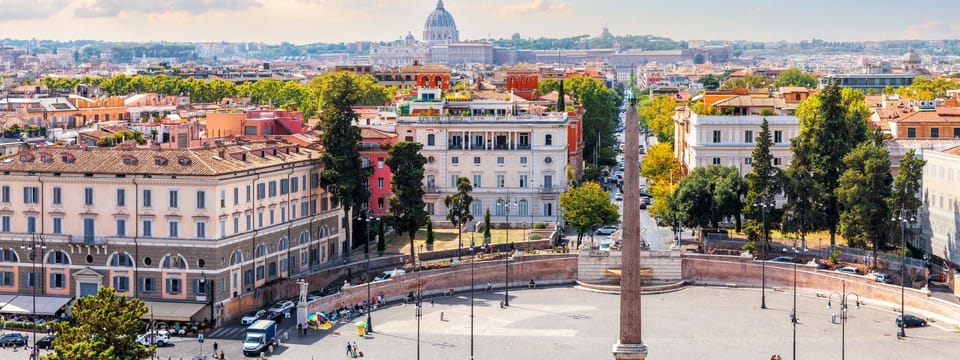
Rome has plenty of concerts, but most of them happen in theaters or halls. This one is built around a setting that changes how the music lands: a church. That matters more than you might think. In a hall, the sound disperses in a predictable way. In a church, the space does something else—it adds warmth to softer playing and gives sustained notes a bit more air behind them.
The theme also helps. Yes, the concert is centered on Fryderyk Chopin (a name you’ll see again and again on the program). But instead of playing Chopin nonstop like a tribute concert, the music alternates with Italian composers—especially opera-writing that translates well to piano. You get that emotional arc you expect from opera, without the cast.
If you like music that feels close and human—rather than distant, polished, and formal—this fits. The duration is short enough that you’re not stuck in a long evening, and the programming is varied enough to keep you from mentally checking out during the quieter stretches.
And at $35 per person for about an hour, the value can be quite strong. You’re paying for a rare kind of venue experience plus a live performer, not a “tour” that mostly happens around the edge of the main event.
You can also read our reviews of more tours and experiences in Rome.



Your venue: Waldensian Church vs Methodist Church
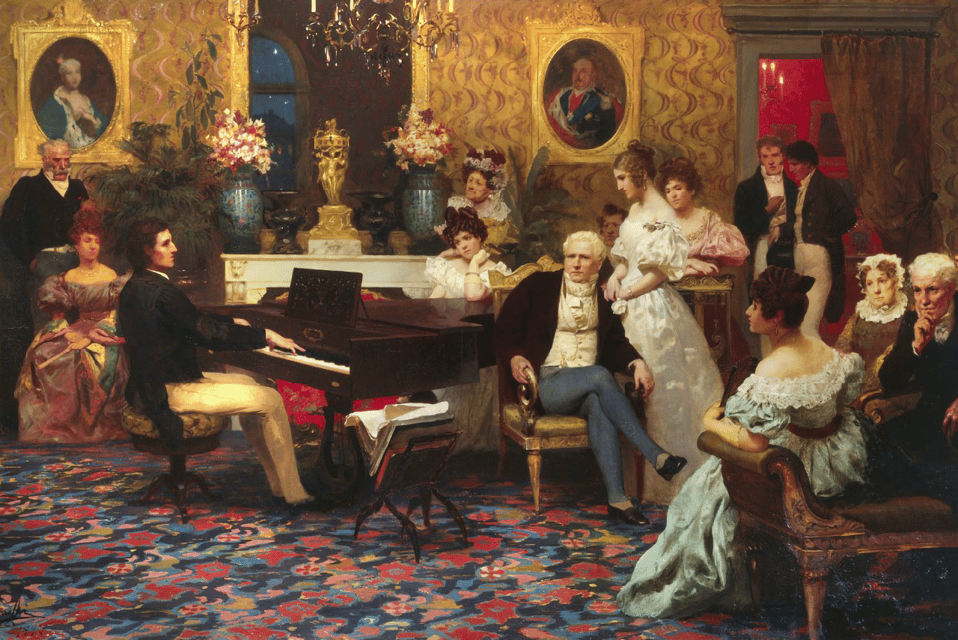
This concert uses two churches depending on the day:
- Monday to Saturday: Waldensian Church
- Sunday: Methodist Church
Even if you never visited either before, the practical takeaway is simple: you’re going to experience a real worship space, not a repurposed theater. That tends to create a more hushed, attentive crowd. It also influences the way the piano’s high notes carry.
What I’d watch for is the physical reality of churches. Doorways and entrances can let in outside sound more than you’d hope, especially near streets. One downside that showed up in real experiences is that street noise can cut through, so if you’re planning to bring someone who’s easily distracted by external sounds, consider that risk.
Still, the overall goal here is the acoustic magic. The event is promoted as the only chance to enjoy a piano concert in a church, and that single detail is doing a lot of work. If you’re the type of traveler who likes experiences you can’t easily replicate elsewhere, this venue setup is a big reason to book.
The 60-minute program: Chopin leads, Italians follow
You should expect a program that runs like a mini journey—starts with an Italian opera mood, moves into Chopin’s technical and lyrical side, then back into Italian melodies again. The published works give you a pretty clear roadmap.
Here’s what’s on the program:
- G. Verdi: Preludio da Traviata
- F. Chopin: Etude op. 25 n. 1
- F. Chopin: Fantaisie Impromptu op. 66
- P. Mascagni: Intermezzo da Cavalleria
- G. Puccini: Intermezzo da Manon Lescaut
- F. Chopin: Prelude op. 28 n. 4
- G. Ponte: Tarantella
- F. Chopin: Ballade op. 23
- G. Puccini: Foglio d’album
- C. Debussy: Clair de lune
- G. Gershwin: Rhapsody in blue
- F. Chopin: Scherzo n. 2 op. 31
A couple of notes on why this matters for you, not just for music nerds:
- Chopin appears repeatedly, so even if you only know him casually, the evening reinforces his sound-world fast.
- You’ll hear multiple opera intermezzos (Mascagni and Puccini), which often feel like lyrical movies for the ears.
- The set isn’t locked to Romantic-era Europe. You also get Debussy and Gershwin. That’s a good choice for mixed audiences, including people who don’t live inside a music history textbook.
Also, one practical detail: this is a 1-hour show. That’s long enough to feel like you attended something “complete,” short enough that you won’t have your feet begging for mercy halfway through. It’s also great if you want a calmer evening after sightseeing.
What solo piano arrangements do to Italian opera themes
A lot of people associate “opera” with singers. Here, the singers are gone, but the emotional DNA remains. When opera intermezzi get translated into solo piano, the melody has to do the work that a voice would normally carry.
In practice, that means you should listen for three things:
- The melody-forward lines: even when the harmony changes, the theme stays clear.
- Dynamics: pianists can make a phrase feel like breath, even without words.
- Rhythm character: that’s especially true in pieces like the Italian-flavored sections (including the Tarantella), where bounce and pulse matter.
Chopin and Italian composers also complement each other in a neat way. Chopin can feel like emotional close-up—small gestures, big meaning. Italian opera can feel like story momentum—melody with a sense of drama. When both are on one instrument, the result is contrast you can actually feel.
You don’t need to understand music theory to enjoy this. You just need to pay attention to where the pianist places emphasis. If the pianist leans into lyrical lines, you’ll feel that opera feeling. If they sharpen the rhythm, the Italian passages start to dance.
One caution: this kind of concert is best when you show up ready to listen. If you treat it like background music, you’ll miss the point. In a church setting, silence from the audience is part of what makes the performance land.
Acoustics, attention, and the live-feeling crowd
The concert is advertised around wonderful acoustics, and that’s exactly the kind of word that can turn into marketing fluff—unless the music setup makes it real. In a church, it usually does.
Here’s what acoustics tend to change for you as a listener:
- soft passages stay audible instead of disappearing
- sustained notes linger long enough to feel emotional
- the piano doesn’t sound “boxed in,” even though it’s right there in front of you
The other factor is audience behavior. Because this is intimate, not a huge hall show, you’ll likely feel more aware of your surroundings—your seat, your focus, the hush before the first notes. In one real account, the audience size was small, which usually makes the atmosphere more direct.
About outside noise: there can be moments when street sound competes with the performance. It doesn’t ruin everything, but it can be distracting if you’re very sensitive. If you’re easily pulled out of concentration, I’d consider choosing seats a bit back from any entrance or doorway area, if seating is assigned or if you arrive early enough to find a comfortable spot.
And yes, the musicianship matters. The concert has strong marks for professionalism and enjoyment, so you’re not walking into a random background performance. You’re going to hear a deliberate set with an experienced approach.



Pricing and value: is $35 worth it?
At $35 for roughly one hour, the value depends on what you want from Rome.
If you want:
- a unique venue you can’t easily replicate
- a focused musical experience without a long time commitment
- a program built around Chopin plus recognizable Italian opera melodies
…then the price can feel fair. You’re paying for a specific kind of night: live music in a church, not a generic entertainment ticket.
If you’re expecting something like a full opera night with staging, costume, or a big ensemble, this isn’t that. It’s solo piano. That can still be thrilling—especially when the performer uses rhythm and phrasing to suggest the missing voices—but your expectations should match the format.
Also, watch for the timing of your day. Because it’s only an hour, you can pair it with a lighter evening plan. That reduces the cost of “opportunity time,” which is often the hidden price in travel. If you’ve got a jam-packed schedule, this is one of the rare cultural activities that won’t swallow your whole evening.
Who should book this concert (and who might skip it)
This concert makes sense for you if:
- you love Chopin, or you want an easy entry point into his work
- you enjoy piano music more than big orchestras
- you like travel experiences with a strong sense of place
- you want a peaceful evening after Rome crowds
It may be less ideal if:
- you need zero outside noise for focus
- you dislike hearing a mix of composers rather than a pure Chopin-only program
- you’re very sensitive to changes in the exact pieces played (live programs can vary)
One small detail from real experiences that might help your expectations: on at least one occasion, some pieces weren’t performed exactly as listed. That’s not something you can control, but it’s a reminder that a concert is still live performance. If you’re arriving specifically for one single piece, be flexible and enjoy the overall arc instead.
How to plan your night around the music
You’ll check in at a meeting point that can vary by the option you book, so plan to follow the instructions you receive and give yourself a little extra time. There’s a host or greeter who speaks English and Italian, which helps if you’re unsure where to go.
Since the concert lasts 1 hour, treat it like a timed appointment. Arrive early enough to settle, and then let the space do its job. Churches reward calm behavior—no loud chats, no rustling that pulls focus right away.
A quick practical mindset shift: dress like you’re going to a classy indoor event, not a museum marathon. You don’t need formal wear, but you’ll feel more comfortable if you look “evening appropriate.” Comfortable shoes aren’t the focus here, but if you’re pairing the concert with walking around Rome, plan accordingly.
Also, because the program includes Gershwin’s Rhapsody in blue, you’ll hear a crossover style that can help first-timers stay engaged. If you’re traveling with someone who says they don’t usually like classical music, this is one of the better concerts to bring them to.
Should you book Chopin & Italian Friends in Rome?
If you want a distinctive Rome night—Chopin in a church, with Italian opera themes reimagined for solo piano—then I’d book it. The price is reasonable for what you’re getting: a real venue experience, a focused 60-minute show, and a performer who brings a professional approach.
I’d be a bit more careful if you’re extremely noise-sensitive or if you’re only interested in one specific piece on the program. In that case, you may feel disappointed if the live set has small changes.
For most people who like music and want a memorable setting, this concert is an easy yes. It’s short, it’s concentrated, and it turns a church visit from sightseeing into something you actually feel.
FAQ
How long is the piano concert?
It lasts 1 hour.
How much does the concert cost?
The price is $35 per person.
Where are the concerts held?
From Monday to Saturday, the concert is at the Waldensian Church. On Sundays, it is at the Methodist Church.
What music will I hear?
The program centers on Fryderyk Chopin and also includes Italian composers such as Verdi, Mascagni, and Puccini, plus additional composers listed on the concert program.
What languages are spoken by the host or greeter?
English and Italian.
Is the concert wheelchair accessible?
Yes, it is wheelchair accessible.