REVIEW · ROME
Rome: Catacombs of St. Sebastian Entry Ticket & Guided Tour
Book on GetYourGuide →Operated by OPERA ROMANA PELLEGRINAGGI · Bookable on GetYourGuide
Thirty minutes underground can change how you see Rome.
The Catacombs of St. Sebastian are a third-century Christian cemetery carved into an older quarry, and the guided route connects the dots from saints and popes to the emperors buried nearby. You’re not just wandering dark corridors; you’re seeing how a whole underground world got reused, expanded, and repurposed over centuries.
What I love most is the guided context that makes the layout click fast, and the time-efficient format that gives you a real underground experience without eating your whole day. The price also lands in a sane spot for what you get: an entry ticket plus a live guide in your chosen language.
One consideration: the catacomb route is not for everyone. It’s a tighter, colder place underground, and it isn’t suitable for people with mobility impairments or anyone with claustrophobia.
In This Review
- Quick hits before you go
- Catacombs of San Sebastiano: what you’re walking through
- 30 minutes and a guided route: the value of doing it with a guide
- Where you meet and how to time your entrance
- The guided highlights: saints, popes, and the old Roman layers
- The quarry-to-cemetery story
- Mausoleums and the reshaped valley
- Triclia portico and the graffiti invocations
- The circus-shaped basilica linked to Constantine
- The core martyrs focus: Sebastian and Eutichio
- What the short 30 minutes does well (and what it can’t)
- Practical tips: shoes, warmth, and the no-photo rule
- Wear comfortable shoes
- Bring a jacket and expect cooler air
- Plan for the photography restriction
- No baby carriages, and size of the space matters
- Who should book this and who should skip it
- Price and logistics: is $16 a good deal?
- Should you book the Catacombs of St. Sebastian tour?
- FAQ
- How long is the Catacombs of St. Sebastian guided tour?
- What is included in the $16 price?
- Can I take photos inside the catacombs?
- Where do I meet the guide?
- Is this tour suitable for mobility impairments?
- What should I bring for the underground visit?
Quick hits before you go
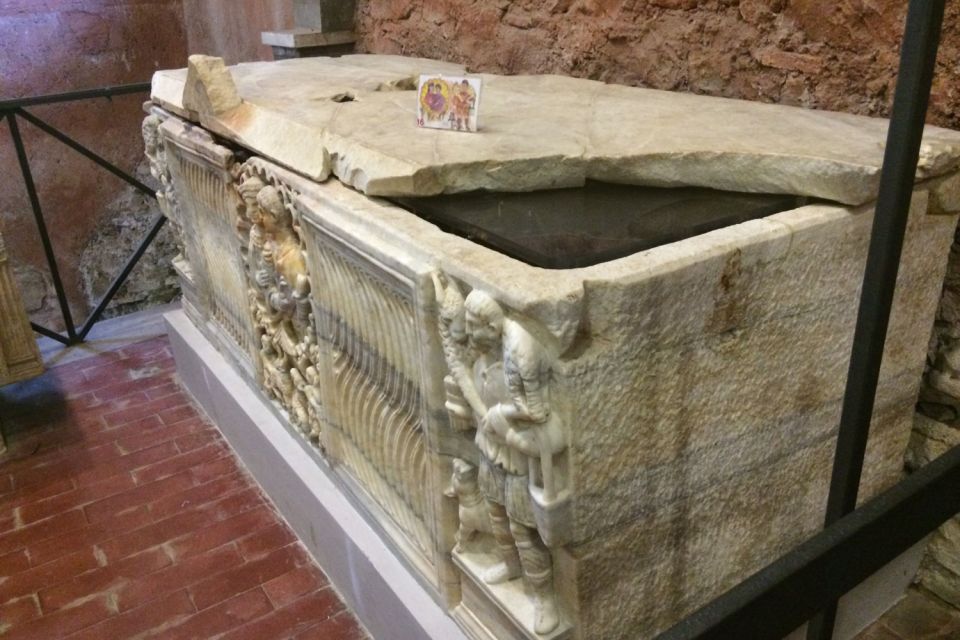
- Third-century burial site: St. Sebastian’s catacomb area developed underground over time, starting with the martyrs Sebastian and Eutichio.
- Quarry origins: The site began as a pozzolana quarry, later transformed into burial galleries.
- Constantine’s influence: The area connects to Constantine’s basilica in a circiform shape (circus-like).
- Expect short single-file stretches: You’ll move through narrow passages and pause when the group needs to regroup.
- Clear rules: No photography inside and no baby carriages.
- Multiple guide languages: English, Italian, Spanish, and French.
Catacombs of San Sebastiano: what you’re walking through
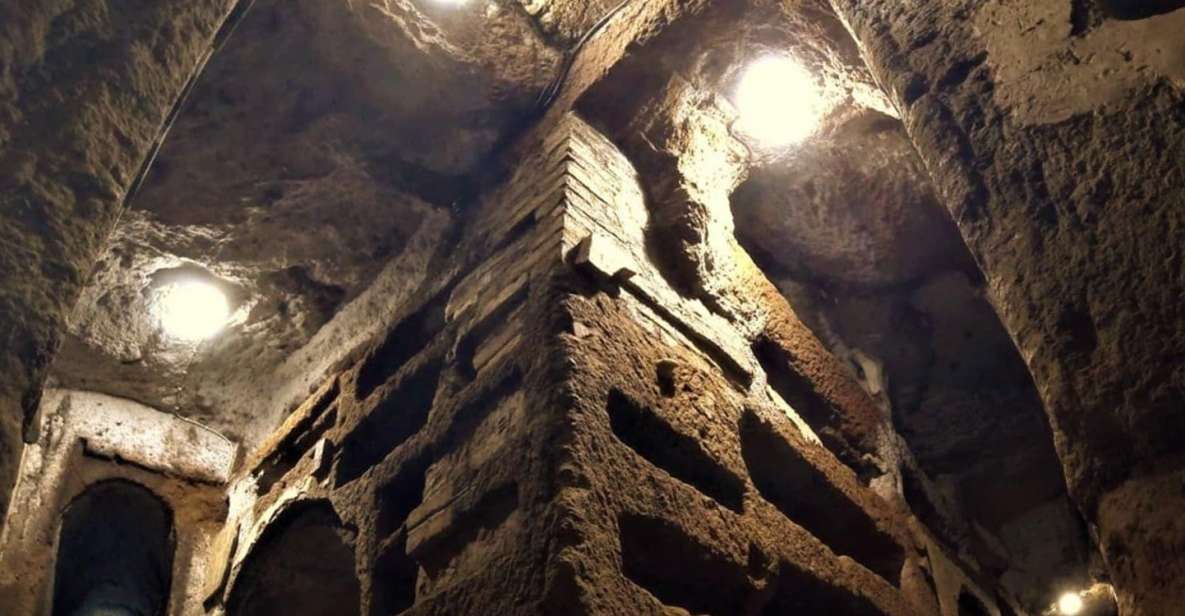
This place started life as a worksite. Long before anyone called it a cemetery, the ground was dug for pozzolana—the volcanic material used in Roman construction. The name hints at that story: ad catacumbas, near the cavities, became the word for underground burial grounds as the quarry transformed.
Then people moved in the way Romans always did: they reused what was already there. Galleries that once served one purpose became spaces for burial niches. On the surface you’ll also find evidence of other structures connected to the site’s long use, including columbaria (places for birds/ashes) and residential systems described as small and large villas, with wall decorations that show this wasn’t only a grim back corner of town.
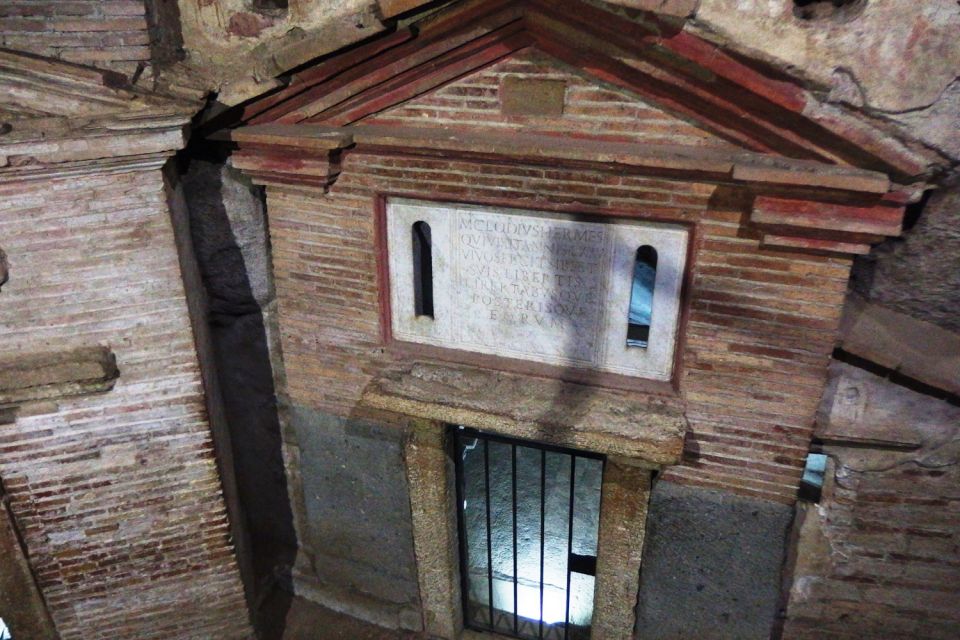
What makes the Catacombs of St. Sebastian especially compelling is the layering. By the middle of the second century, the valley floor was buried and reshaped into a pitch, with mausoleums built in succession (named in the site’s historical descriptions as those by Clodius Hermes, the Innocentiores, and Ax). Later, more construction followed, including the triclia portico with graffiti invocations tied to the veneration of SS Peter and Paul.
And by the third century, the catacomb that housed the tombs of the martyrs Sebastian and Eutichio began to develop as a Christian burial destination. That timeline matters because it explains why you see both Roman and Christian traces in the same underground space.
You can also read our reviews of more tours and experiences in Rome.



30 minutes and a guided route: the value of doing it with a guide
This experience is intentionally short: about 30 minutes of guided walking. I like tours like this for one big reason: they respect your energy. Underground spaces are tiring. Your pace slows down naturally, and you spend less time staring at the walls and more time understanding what those walls represent.
Because it’s a walking tour, you’ll get to follow a sequence rather than drifting. The guide helps you interpret what you’re seeing—how the quarry became burial niches, how later structures were layered on top, and why certain areas connect to Christian worship practices.
If you’re the type who asks questions, you’ll probably enjoy this more. People have had great results with guides like Micah and Niko, with clear explanations and room to ask follow-ups. Even when a tour isn’t private, the best guides still keep you moving and make sure you know what each stop means.
Where you meet and how to time your entrance
Plan to go directly to the ticket office of the Catacomb. Don’t try to wing it with a late arrival and hope someone catches you. You need to show your reservation at least 10 minutes before the scheduled tour time.
There’s no hotel pickup or drop-off. That’s good news if you like flexibility, but it means you’ll want to plan your transit and arrival like you would for any scheduled museum ticket.
One practical tip from past visitors: bus 118 has been mentioned as a convenient way to reach the area. If you’re using public transport, check the route ahead of time and give yourself extra buffer for any stops around the city.
Also, choose footwear like you mean it. The route is walking-first, and you’ll be on the move through uneven ground and stairs/steps typical of underground sites.
The guided highlights: saints, popes, and the old Roman layers
Your tour is focused, so the guide isn’t trying to cover every inch of the complex. Instead, you’ll get the main story beats that connect the site’s different phases. Here’s what that typically means as you move through the underground spaces.
The quarry-to-cemetery story
Early on, the guide frames the site’s origin as a deep depression turned quarry and then turned burial ground. That background changes how you interpret the shapes around you. Without it, the catacombs can feel like only corridors. With it, you start seeing reused spaces and the logic of where niches fit.



Mausoleums and the reshaped valley
As the area evolved, construction reshaped the setting. The site descriptions mention that around the middle of the second century, the valley bottom was buried to create a pitch and then mausoleums were built in succession. Even if you won’t measure every architectural detail in 30 minutes, the guide’s explanation helps you understand that this wasn’t random digging. It was organized burial space inside a changing neighborhood.
Triclia portico and the graffiti invocations
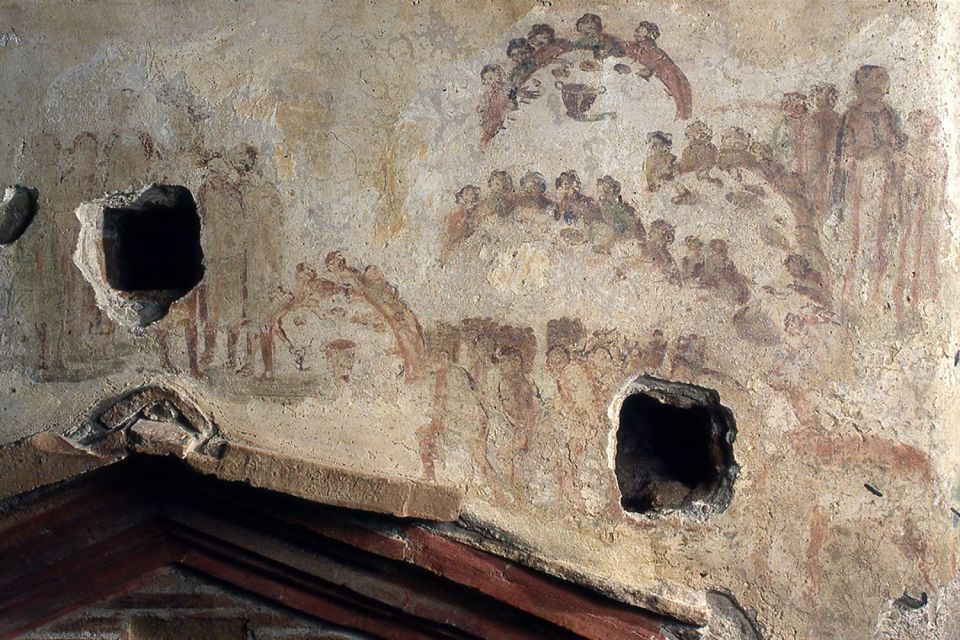
One of the most interesting elements is the mention of the triclia, a portico bordered by a wall with graffiti invocations addressed to SS Peter and Paul, venerated together around the year 250. This is where the place feels human. The messages suggest how people used these spaces for devotion, not just disposal of the dead.
Even in a short tour, a strong guide will point out why graffiti matters: it shows how ordinary worshippers participated in sacred practice.
The circus-shaped basilica linked to Constantine
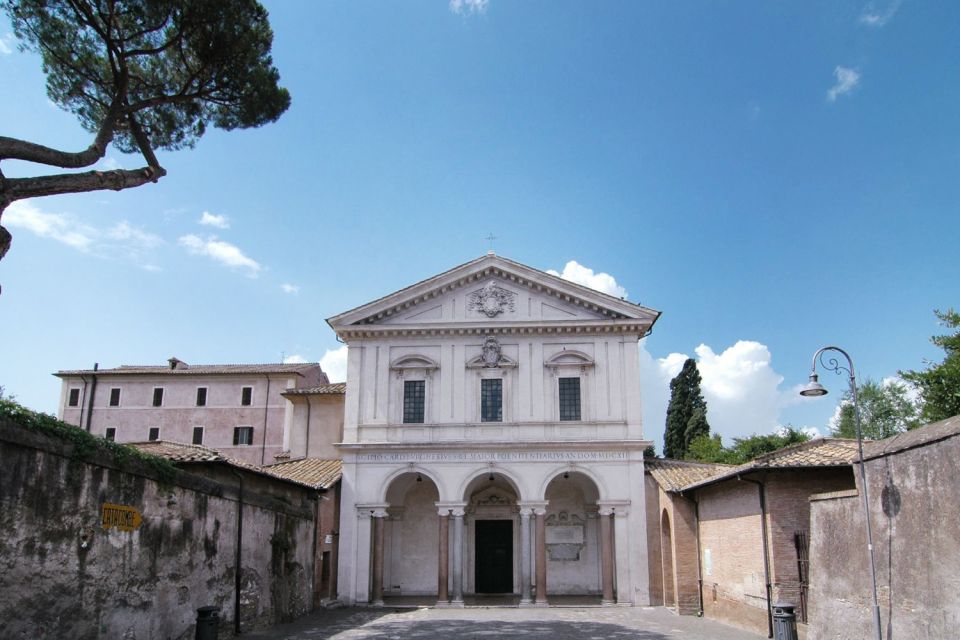
You’ll also hear about the emperor Constantine (306–337) and his basilica built in the shape of a Roman circus—described as circiforme. This connection matters because it links the underground burial world to broader shifts in Roman Christianity.
You might also see the basilica area as part of the experience. One practical thing I learned from how people describe the on-site visit: the basilica’s interior includes hand-carved wood elements that visitors call stunning. If photography is allowed anywhere, it may be in that more public section, but the rule for the catacombs themselves is still no photos inside.
The core martyrs focus: Sebastian and Eutichio
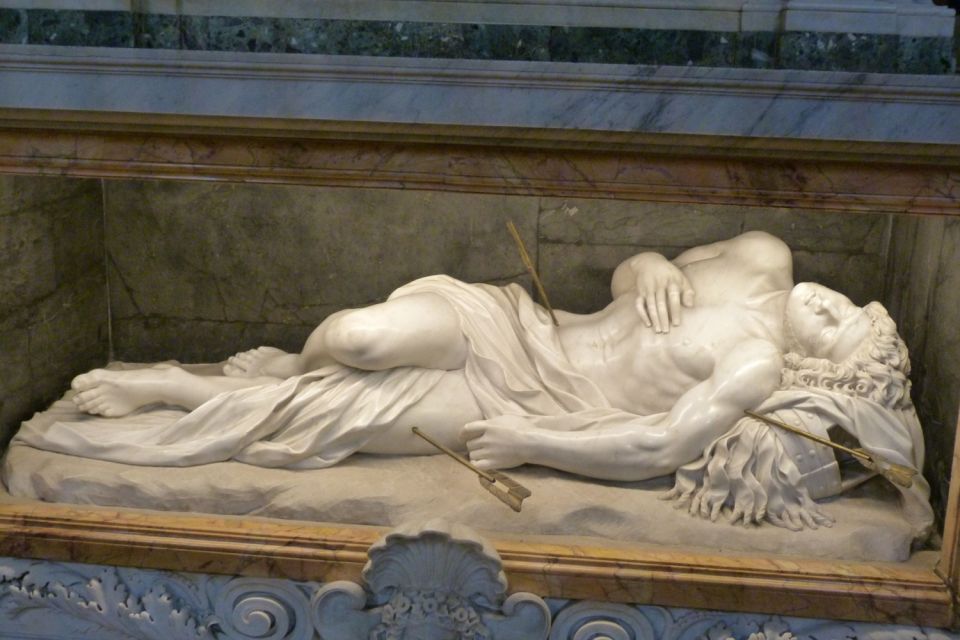
Finally, the tour centers on the catacomb area associated with the martyrs Sebastian and Eutichio. That’s your emotional anchor. You’re walking a route tied to Christian memory and burial traditions that became significant enough to preserve over time.
What the short 30 minutes does well (and what it can’t)
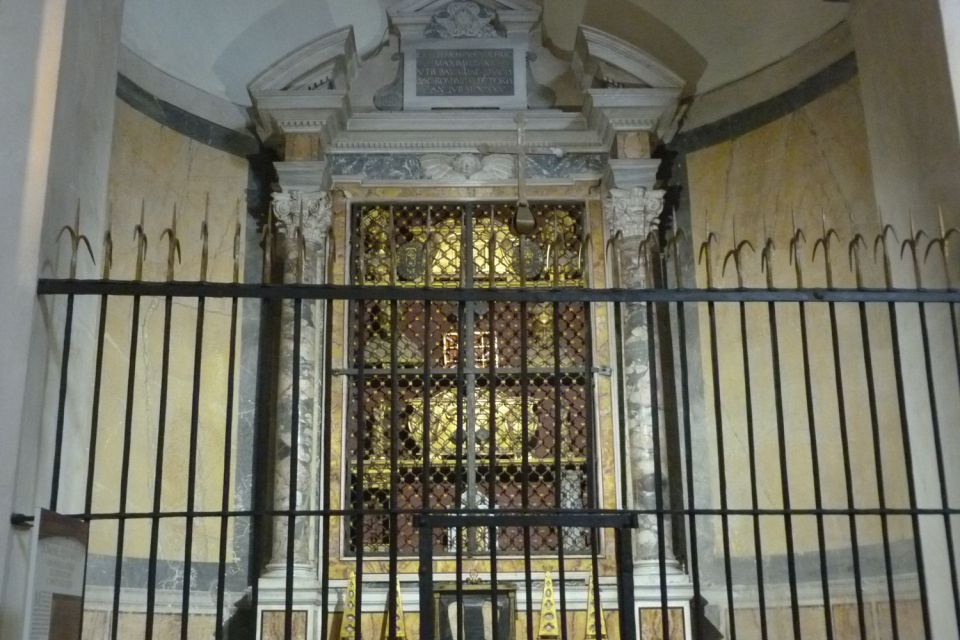
This tour is built for a specific goal: give you a guided underground experience without dragging on. In practice, that means you’ll cover the most meaningful points in one pass.
I think the sweet spot is that you get:
- A clear narrative arc from quarry work to cemetery use
- The major named elements (including the Constantinian connection)
- Enough time to feel the mood without getting worn out
But it also means you won’t have hours to wander slowly. Underground spaces can only fit so many people. Plan for some tight movement and likely short regrouping pauses in wider chambers, so the guide can keep the group together.
If you were hoping for a long, pick-your-own-route exploration, this format may feel quick. Even one visitor noted they wanted longer. The tradeoff, though, is that your visit stays focused and efficient.
Practical tips: shoes, warmth, and the no-photo rule
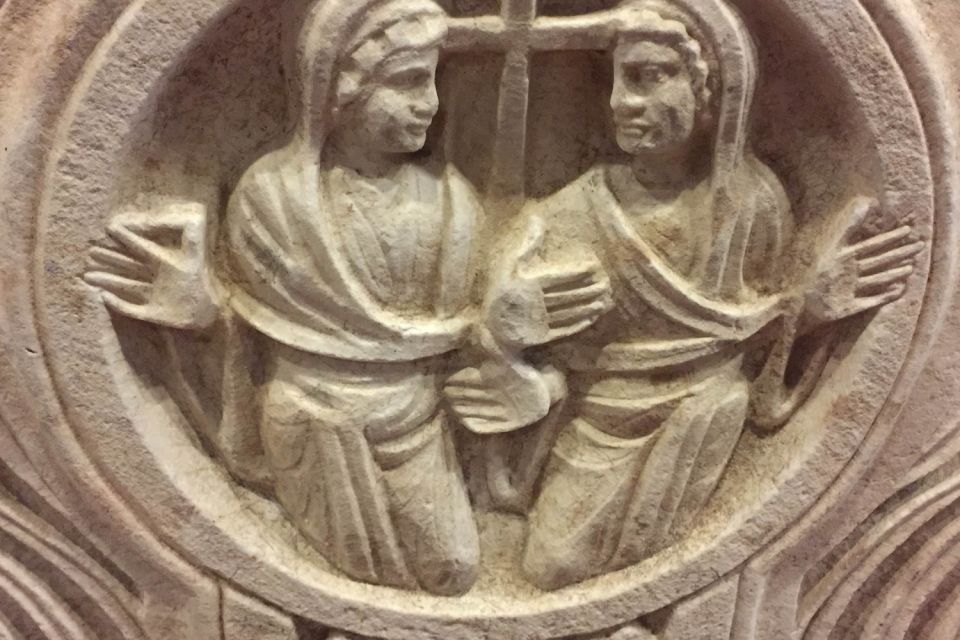
Here’s how to make this go smoothly on arrival day.
Wear comfortable shoes
You’ll be walking through an underground route that isn’t staged for flip-flops. Even if the surfaces look manageable at first, you’ll thank yourself once you’re on stairs/steps and navigating narrow passageways.
Bring a jacket and expect cooler air
One of the most consistent bits of practical advice: bring layers. People mention it being colder further down. Even on a warm Rome day, the catacombs can feel like a reset button to winter temperatures.
Plan for the photography restriction
Photography is not allowed inside the catacombs. Some people have said photos are only permitted in the basilica area, but the safest approach is to assume no cameras in the underground portions and follow staff instructions on the day.
No baby carriages, and size of the space matters
Baby carriages aren’t allowed. And since the route can involve tight passages, the tour is simply not designed for mobility constraints.
Who should book this and who should skip it
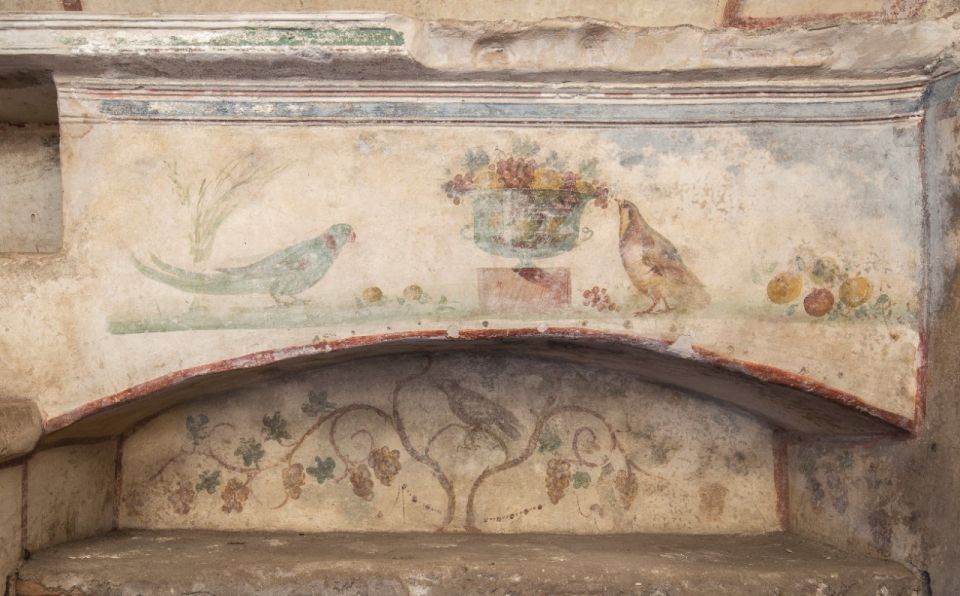
This tour makes the most sense if you:
- Want a short, guided underground visit instead of a slow self-guided day
- Prefer clear explanations about what you’re seeing
- Are okay with moving through narrow spaces at a steady pace
It’s a poor fit if you:
- Have mobility impairments (not suitable)
- Have claustrophobia (not suitable)
- Need stroller access (baby carriages aren’t allowed)
If you’re flexible and curious, you’ll probably enjoy it even if your Roman history is rusty. The guide structure helps you get oriented fast. If you’re the type who loves questions, pick a language where you can speak naturally with the guide.
Price and logistics: is $16 a good deal?
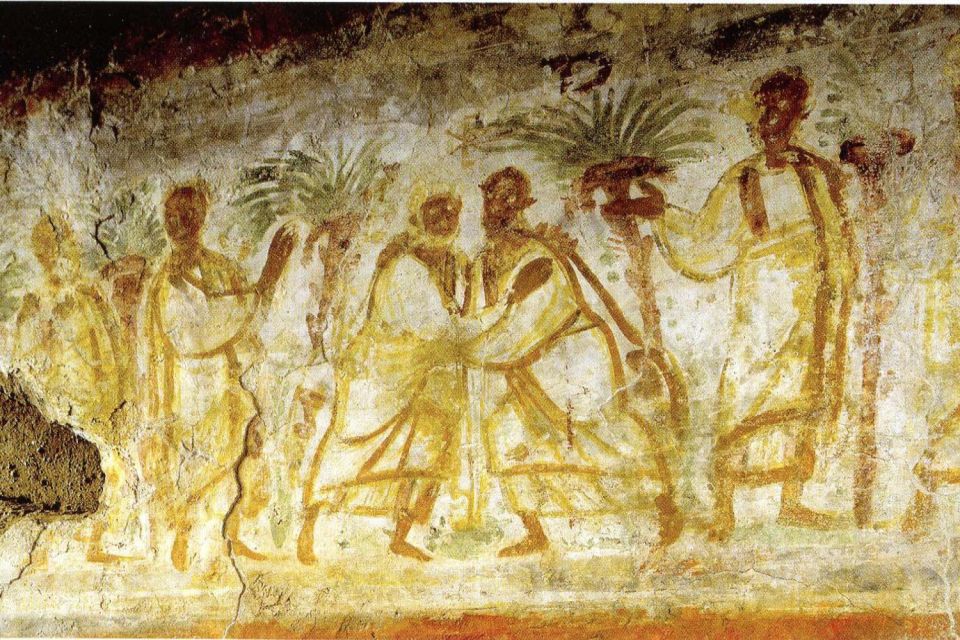
At $16 per person for an entry ticket plus a guided tour, I’d call this a good value for what you’re buying: access to a specific underground site and a live guide in English, Italian, Spanish, or French.
The main thing to weigh is time. Because it’s about 30 minutes, you’re paying for efficiency. If you have limited hours in Rome, that efficiency matters. If you have the whole day and like long museum wandering, you might wish for more time inside.
One more practical note: the price can be slightly higher than buying only an on-site ticket, but the guide component is what you’re really paying for. And in a catacomb, interpretation is half the experience.
If you’re the careful-planner type, there’s also free cancellation up to 24 hours in advance, which lowers the stress if your schedule is fluid.
Should you book the Catacombs of St. Sebastian tour?
Book it if you want a focused, guided underground experience in Rome that doesn’t swallow your afternoon. The short duration, ticket included, and the connection to named figures and key site phases make it easy to justify—especially when you’re also doing the big surface sights.
Skip it if you need accessibility support, have claustrophobia, or hate tight spaces. And if you want a long, unhurried crawl through every corner, this 30-minute format will feel short.
FAQ
How long is the Catacombs of St. Sebastian guided tour?
The guided walking tour lasts about 30 minutes.
What is included in the $16 price?
Your ticket includes entry and a live guided tour in your chosen language (English, Italian, Spanish, or French).
Can I take photos inside the catacombs?
No. Photography is not allowed inside the catacombs.
Where do I meet the guide?
Go directly to the ticket office of the Catacomb. Show your reservation at least 10 minutes before your scheduled tour.
Is this tour suitable for mobility impairments?
No. It is not suitable for people with mobility impairments.
What should I bring for the underground visit?
Wear comfortable shoes and bring warm clothing/jacket, since it can be colder underground.