REVIEW · CATACOMBS TOURS
Rome: Catacombs of Saints Marcellino and Pietro Guided Tour
Book on GetYourGuide →Operated by OPERA ROMANA PELLEGRINAGGI · Bookable on GetYourGuide
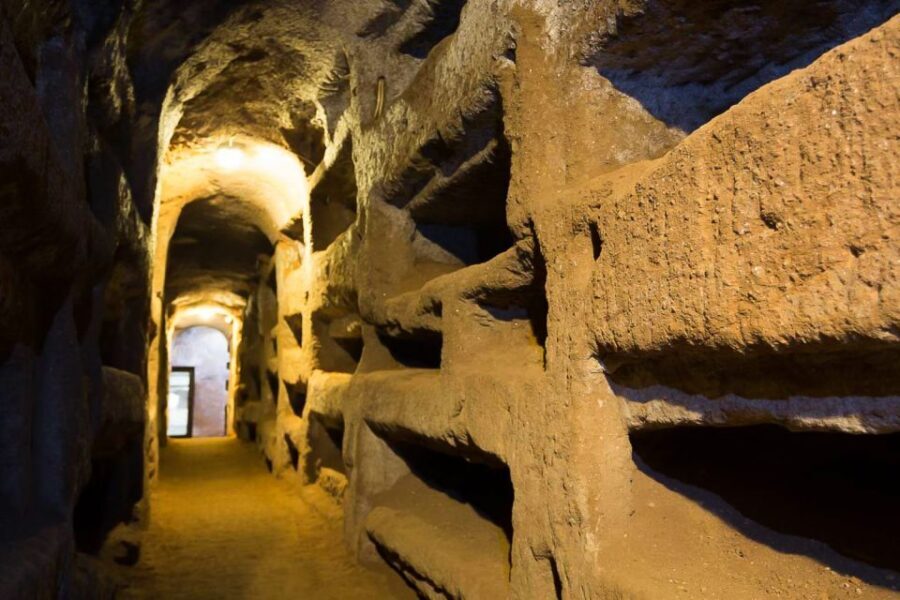
Rome’s catacombs are some of the city’s most moving places. This guided ticket for Saints Marcellino and Pietro brings you underground with a live guide, in a tight group, for about 30 minutes—enough time to grasp the story without feeling rushed.
I especially like two things: first, the chance to see ancient frescoes and paintings—including scenes that jump out even in the dim light. Second, the format is small and personal, with a live guide in English or Italian, so you can actually follow the details.
One consideration: no photography is allowed inside, so plan to use your eyes (and your memory) instead of your camera.
In This Review
- Key things to know before you go
- Getting to the catacombs by via Casilina
- A 30-minute guided walk you can actually finish
- What the guide helps you understand underground
- Saints Marcellino and Pietro: why this catacomb has a name
- Frescoes to look for: Noah, Jonah, and Lazarus
- The Constantinian complex aboveground (and what’s not included)
- Why this catacomb is such good value for $16
- Timing and meeting point: the part people trip over
- Who this tour fits (and who should reconsider)
- Should you book the Saints Marcellino and Pietro guided catacombs?
- FAQ
- What’s the duration of the Rome: Catacombs of Saints Marcellino and Pietro Guided Tour?
- How much does it cost?
- Where do I meet the guide?
- What’s included in the ticket price?
- Are audio guides included?
- What languages is the live guide available in?
- How big is the group?
- Is photography allowed inside the catacombs?
- Is transportation to or from the catacombs included?
- Is entry to Constantine’s Mausoleum included?
- Is the tour refundable if I cancel?
Key things to know before you go
- Small group size (up to 10) makes the guide’s explanations easy to hear.
- Laser-restored paintings help you appreciate the frescoes more clearly than you might expect.
- 3rd- and 4th-century art gives you a look at early Christian symbolism and everyday biblical scenes.
- Underground path through the catacomb passages keeps the experience focused and efficient.
- Short, 30-minute tour is ideal if you want Rome’s underground world without a half-day commitment.
- Not suitable for mobility impairments, and you won’t be able to rely on photography to capture everything.
Getting to the catacombs by via Casilina
The Catacombs of Saints Marcellino and Pietro sit just outside the historic core, by the third mile of the ancient Via Labicana—which later became Via Casilina. That matters because you’ll experience a different side of Rome here: less postcard, more real “this is where people were buried” atmosphere.
If you’re starting from central Rome, your easiest plan is public transit. You can reach the area from Termini by bus 105 or by tram. Once you’re nearby, the key move is simple: show up at the ticket office of the catacomb and check in at least 10 minutes early so the guide can start on time.
You can also read our reviews of more guided tours in Rome



A 30-minute guided walk you can actually finish
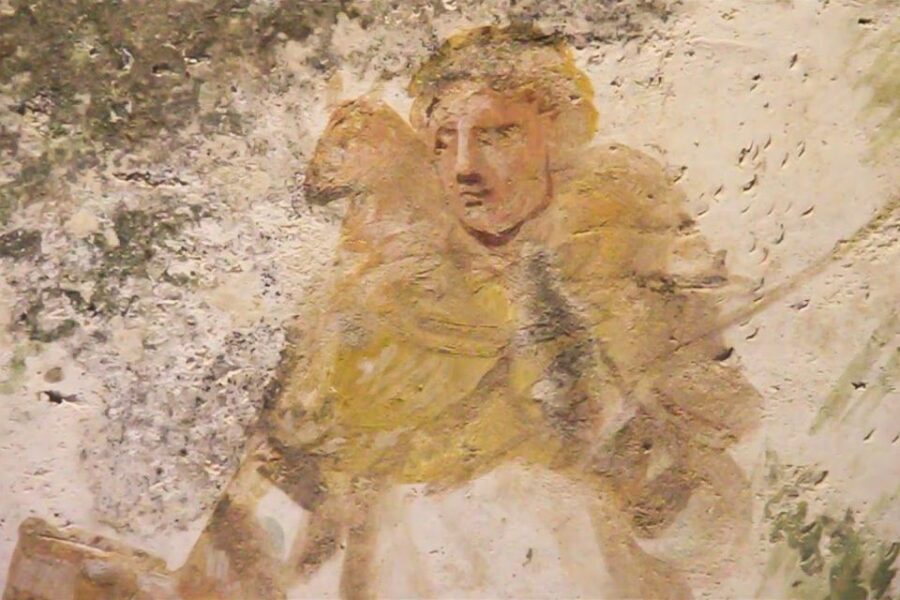
This tour is designed to be efficient. You’re in and out in about 30 minutes, with a live guide leading the way. In Rome, time adds up fast—tickets, transfers, crowds—so I like that this is a short commitment with a high payoff.
Because the group is capped at 10 people, the guide can slow down when you have questions and keep the story coherent from stop to stop. You’re not stuck listening to a monologue while you shuffle past other visitors.
If you hate rushed experiences, you’ll still appreciate the pacing: catacombs can feel like a maze, and a guide helps you connect the dots—where you are, what you’re looking at, and why it mattered.
What the guide helps you understand underground
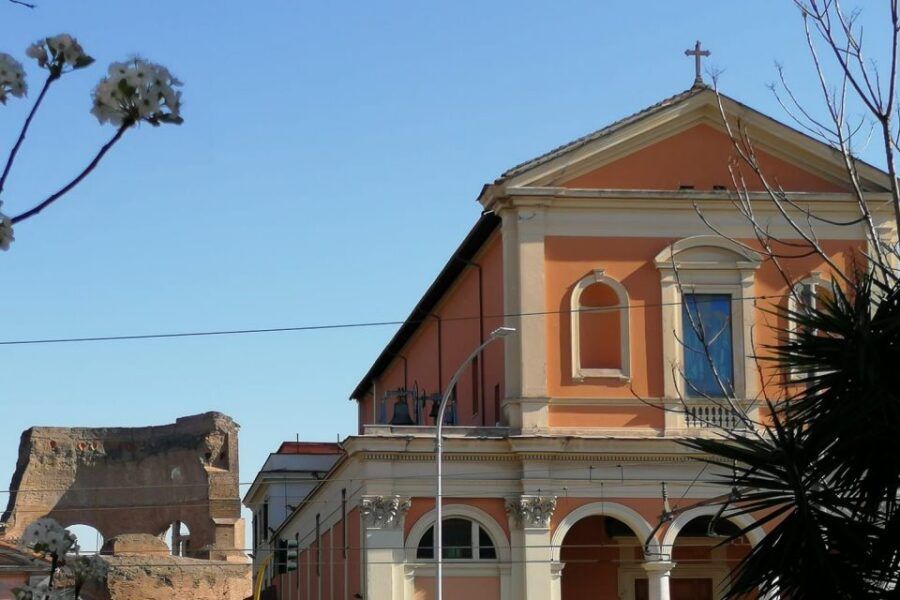
These catacombs trace back to the third century, when Christianity was spreading through the Roman world. The location itself is part of the explanation. Before the Christian burial complex took hold, the area had ties to imperial estates and guards.
The ancient toponym ad duas lauros—meaning at the two laurels—points to a large imperial property near the cemetery zone. The “laurels” were traditionally shrubs placed at entrances to imperial lands. That’s a detail worth filing away because it frames the setting: this wasn’t an isolated backwater. It was tied to the power and organization of Rome.
Another key layer is the presence of the Equites Singulares Augusti, the emperor’s horse guards, active there since the 2nd century. Then, in the second half of the 3rd century, the Christian catacomb was installed in this same broader landscape of Roman authority and burial practice.
Saints Marcellino and Pietro: why this catacomb has a name
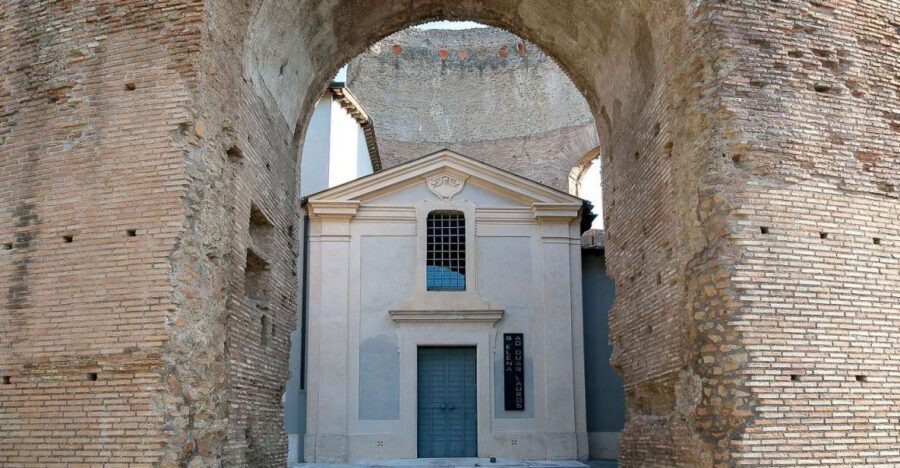
The catacomb’s identity comes from its link to persecution under Diocletian. In the complex are the bodies of numerous martyrs from that period, including Saints Marcellino and Pietro, who lend their names to the catacomb.
For you, this is where the visit becomes more than “old rooms with paintings.” The guide’s job is to connect the art to the people and the danger. These weren’t just decorative images. They carried meaning for early Christians—comfort, identity, and a visual way to talk about faith in a world that didn’t always welcome it.
Also, it helps you understand why Christians invested in burial places like these. A catacomb could serve as a place of remembrance and community memory even when public life was hostile.
Frescoes to look for: Noah, Jonah, and Lazarus
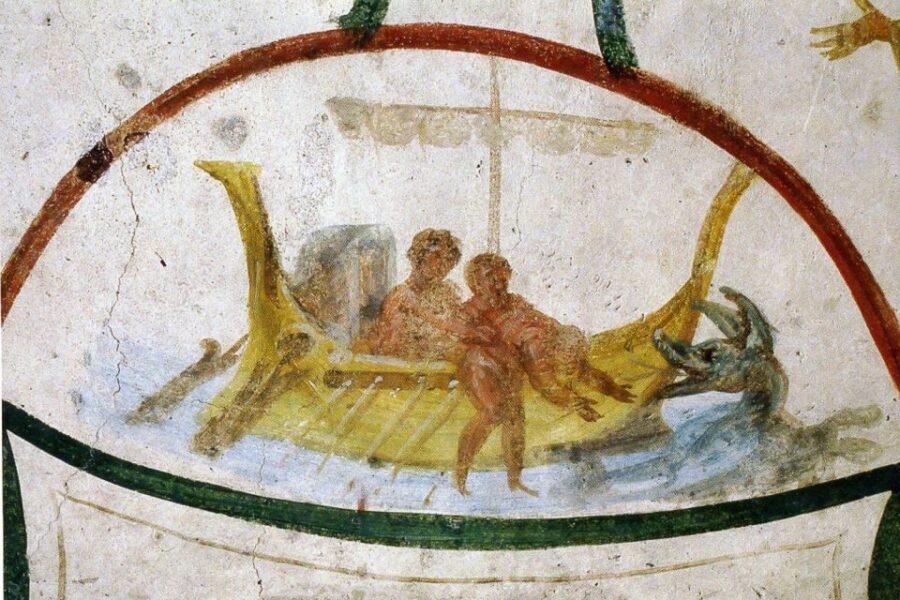
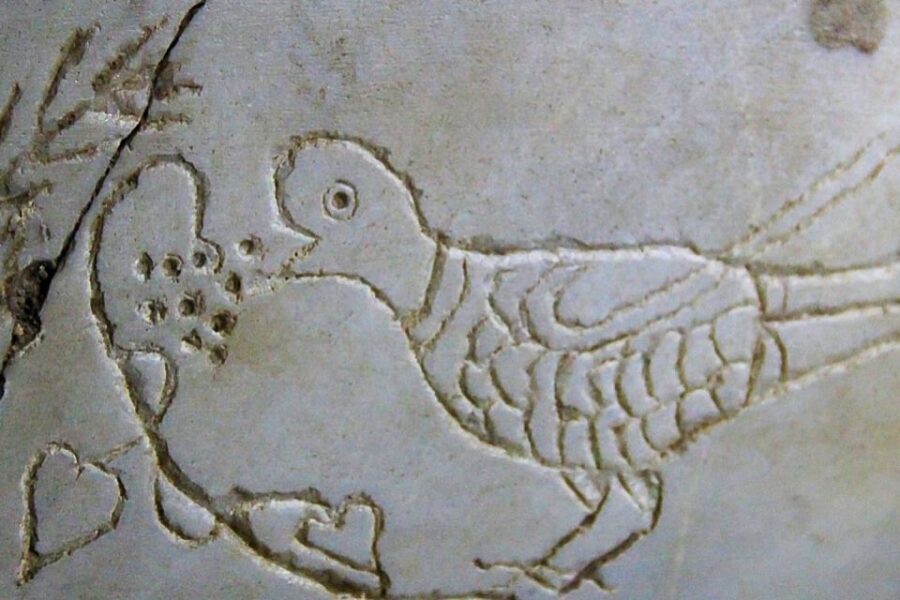
The most rewarding part of this stop is the painting program. The catacomb preserves a large patrimony of art, with works that can be dated to the 3rd and 4th centuries. Some of the frescoes have been recently restored with laser technology, which makes a real difference when you’re staring at wall surfaces that are both old and easy to miss.
I like that the art is described through specific biblical stories and figures, because it gives you a way to “read” the walls. In this catacomb, you may spot scenes tied to Noah’s ark, Jonah, and Lazarus, among others.
Even if you don’t know early Christian symbolism cold, you’ll benefit from your guide’s explanations. The guide helps turn what could feel like random decoration into a set of recognizable themes—stories people used to express hope, endurance, and belief.



The Constantinian complex aboveground (and what’s not included)
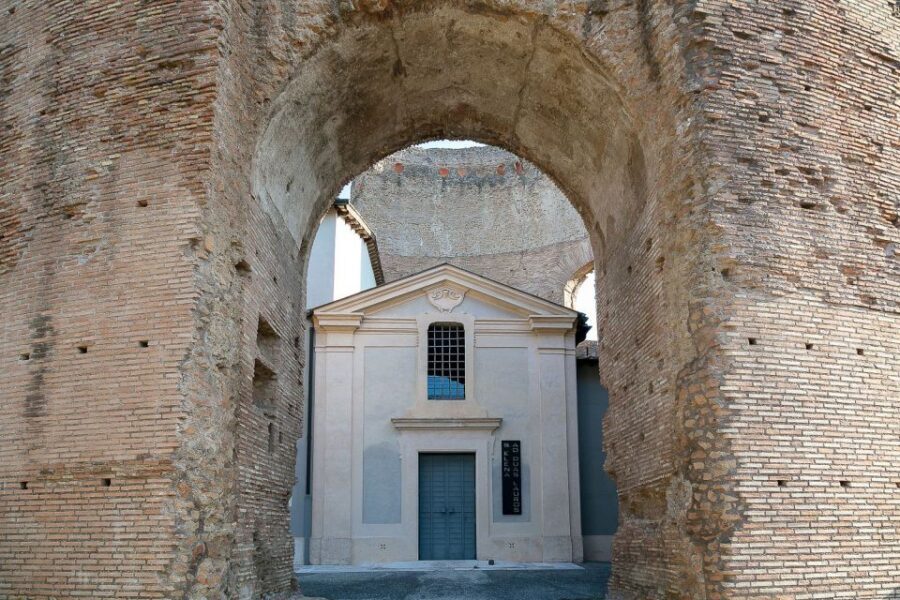
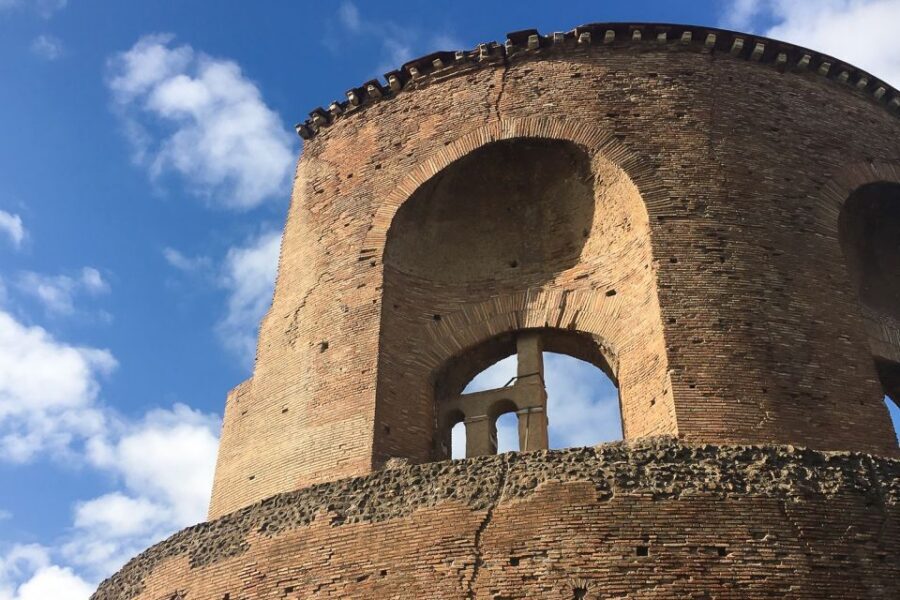
It’s natural to wonder what was happening on the surface. In the Constantinian era, a monumental complex was erected above the catacomb: a large basilica shaped like a Roman circus (often called circiforme) connected to a mausoleum.
The mausoleum is described as likely built by Constantine for himself, later adapted to house the burial of his mother, Augusta Elena. A famous detail associated with her remains is the large red porphyry sarcophagus now displayed in the Vatican Museums.
Here’s the key practical point for your planning: this tour’s included focus is the catacomb experience. Entry to Constantine’s Mausoleum is not included. You’ll want to keep expectations aligned—this is about seeing the underground space and its paintings, not walking through every aboveground structure.
Why this catacomb is such good value for $16
At $16 per person, the price feels reasonable—especially because you’re getting both the entrance ticket and a live guide. Many “budget” tours in Rome turn into self-guided walks where you’re left trying to interpret half the story with a pamphlet. Here, the guide is part of the value.
Duration helps too. A 30-minute format can be a smart buy when you’re stacking sights. Catacombs can be visually heavy, and you don’t want to spend hours underground trying to stay focused.
Another quiet value point: this catacomb tends to feel less chaotic than some of the better-known options. That means you’re more likely to actually hear what your guide is saying, and you won’t spend your visit fighting for space around the best paintings.
Timing and meeting point: the part people trip over
This is one of those tours where the start time matters. Tours run at starting times you can check for availability, and the visit itself is brief.
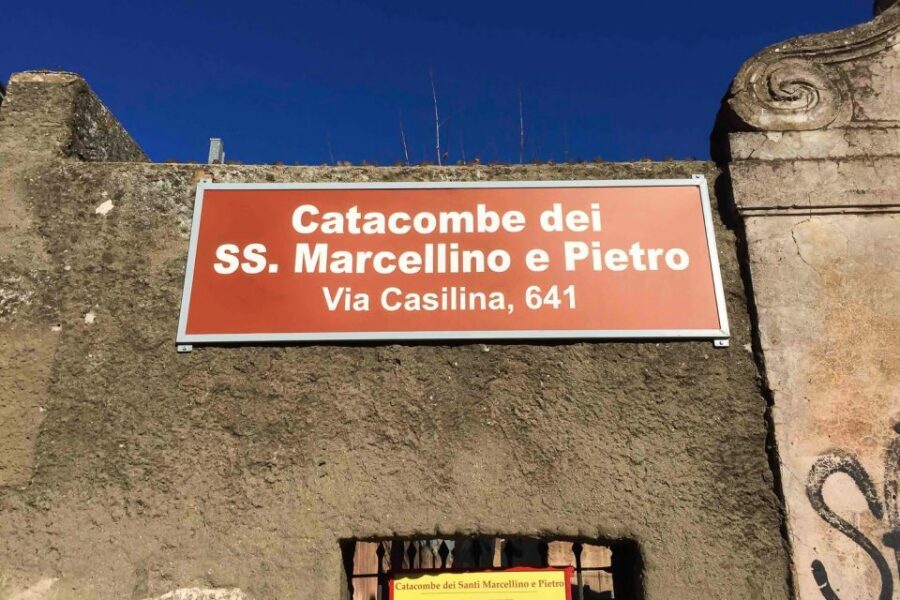
Be at the ticket office of the catacomb and show your voucher at least 10 minutes before the scheduled tour. That buffer keeps you from ending up at the wrong entrance or missing the beginning of the guide’s explanation, which is where a lot of the context lives.
Who this tour fits (and who should reconsider)
This catacomb tour is a great fit if you:
- Want early Christian art with a guide who can explain what you’re seeing
- Prefer small groups over crowd-control ticket lines
- Appreciate underground history but don’t want to burn half a day
It’s not a great fit if you:
- Need accessibility support, since it’s not suitable for people with mobility impairments
- Rely on taking photos as your main way of recording a visit, since photography inside is not allowed
- Expect an all-in Rome archaeology package, since Constantine’s Mausoleum entry isn’t included
Should you book the Saints Marcellino and Pietro guided catacombs?
If you’re choosing between a quick catacomb visit and a bigger, longer plan, this one makes sense. You get the essentials: a live guide, a short guided path through the 3rd- and 4th-century spaces, and attention to frescoes and paintings that are easier to appreciate thanks to restoration work.
I’d book it when you want a more focused, understandable introduction to early Christian burial life—without the pressure of a long itinerary. Skip it if you’re hoping for a photography-friendly visit or if mobility limitations will make the underground routes hard to manage.
If your schedule is tight in Rome, this is one of the clearer ways to spend it: short, guided, and packed with visual and historical payoff.
FAQ
What’s the duration of the Rome: Catacombs of Saints Marcellino and Pietro Guided Tour?
The tour lasts about 30 minutes.
How much does it cost?
The price is listed as $16 per person.
Where do I meet the guide?
You should go directly to the ticket office of the catacomb and show your voucher at least 10 minutes before the scheduled tour.
What’s included in the ticket price?
The included items are the entrance ticket and a guide.
Are audio guides included?
No, an audio guide is not included.
What languages is the live guide available in?
The live guide is available in Italian and English.
How big is the group?
It’s a small group limited to 10 participants.
Is photography allowed inside the catacombs?
No, photography inside is not allowed.
Is transportation to or from the catacombs included?
No, transportation to or from the catacombs is not included.
Is entry to Constantine’s Mausoleum included?
No, entry to Constantine’s Mausoleum is not included.
Is the tour refundable if I cancel?
Yes—free cancellation is available up to 24 hours in advance for a full refund.