REVIEW · CATACOMBS TOURS
Rome: Catacombs of Priscilla Entry Ticket & Guided Tour
Book on GetYourGuide →Operated by OPERA ROMANA PELLEGRINAGGI · Bookable on GetYourGuide
Underground Rome changes how you see religion.
The Catacombs of Priscilla are an early-Christian burial world beneath the streets, where people gathered for funerary commemoration and the walls still carry some of the oldest Christian art you’ll see in Rome. This is a 45-minute guided look at two underground levels, built for real lives and real losses, not a stage show.
I love the mix of art and archaeology. You’ll move through ancient galleries, niche tombs, and frescoed spaces where the story of early Christianity is told through what they built and painted. I also love the small-group setup, limited to 10 people, which matters because you’re walking through narrow corridors where everyone needs to hear the guide clearly, like Sister Lydia when she’s running the tour.
One possible drawback: this is a short visit in tight spaces, and the site isn’t for everyone. It’s not suitable for people with mobility impairments, baby strollers aren’t allowed, and photography inside is prohibited.
In This Review
- Key points to know before you go
- Priscilla Catacombs: what makes this site feel different
- A blow-by-blow of your 45-minute visit underground
- First floor: galleries turned into burial space
- Hypogeum of the Acili: inscriptions and a cistern past
- Cryptoporticus and the Greek Chapel
- The story behind the tomb names: martyrs tied to Priscilla
- Popes: a long timeline of burial associations
- Above-ground connections: basilica and museum fragments
- Frescoes and early Christian art: why the walls still hit hard
- Logistics in Rome: getting there and staying comfortable
- How much is it really worth at around $16?
- Who should book this tour, and who should skip it
- Should you book the Catacombs of Priscilla tour?
- FAQ
- Where do I meet for the Catacombs of Priscilla tour?
- How long is the guided tour?
- What languages are the guides?
- Is this tour free to cancel?
- Are photos allowed inside the catacombs?
- Is the tour suitable for people with mobility impairments?
Key points to know before you go
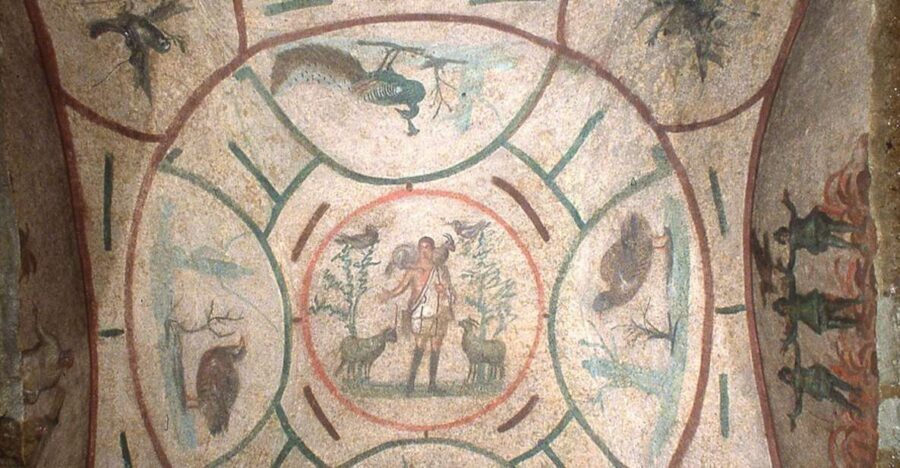
- Two floors of catacombs with different kinds of burial areas, starting with irregular galleries turned to Christian use.
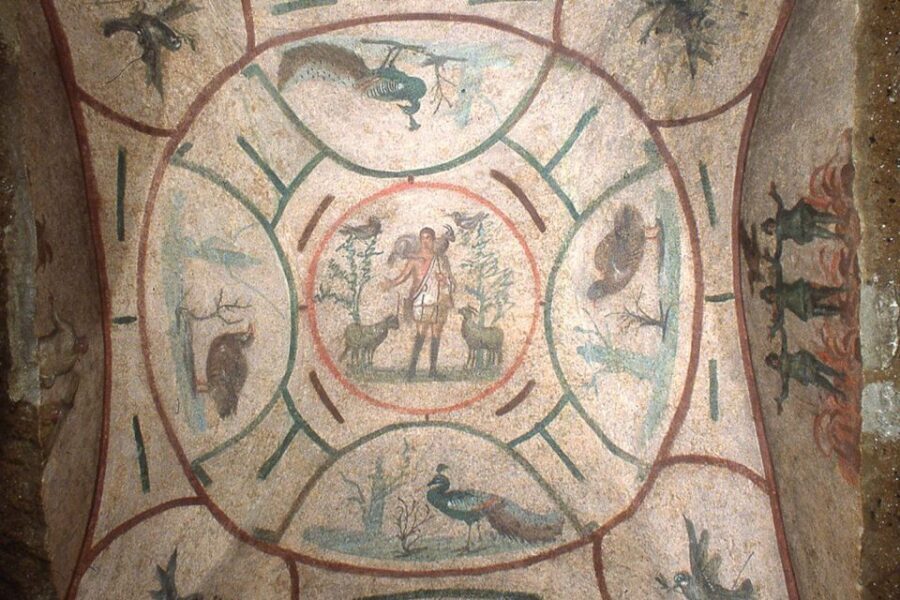
- Frescoes with early dates and well-preserved Christian paintings that people find genuinely moving.
- Cryptoporticus and the Greek Chapel add variety beyond the main burial passages.
- Inscriptions connected to the Acili family, shown through what was found in an older cistern area.
- Martyrs and multiple popes are associated with Priscilla, giving you names to attach to the art and architecture.
- No photos inside, so bring curiosity (and plan to buy postcard prints if you want keepsakes).
Priscilla Catacombs: what makes this site feel different
The Catacombs of Priscilla sit on Via Salaria, outside the usual postcard circuit. That’s part of the charm. You’re not just walking through a “tourist attraction,” you’re stepping into an underground complex that began life for a different purpose—an abandoned arenarium (sand/work area)—before Christians adapted it for burial.
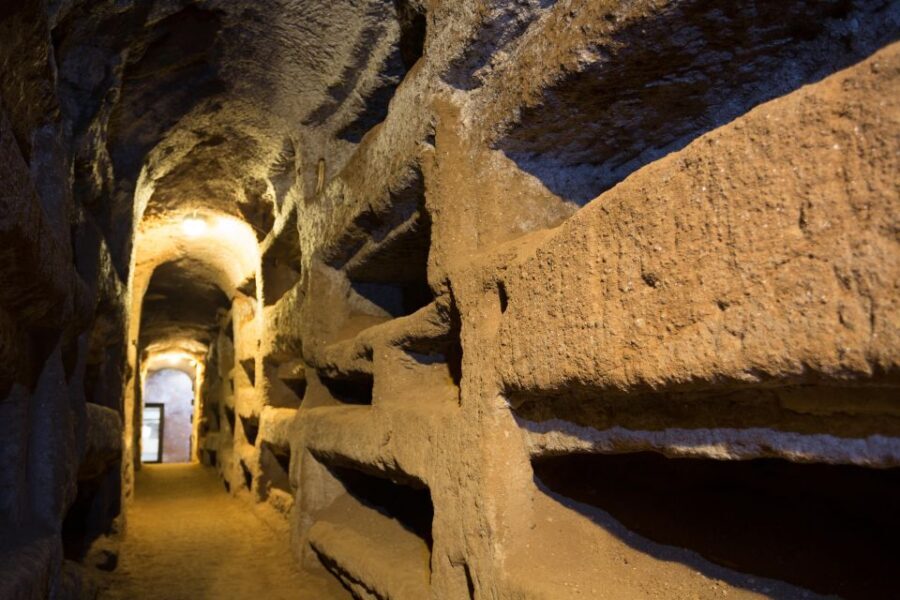
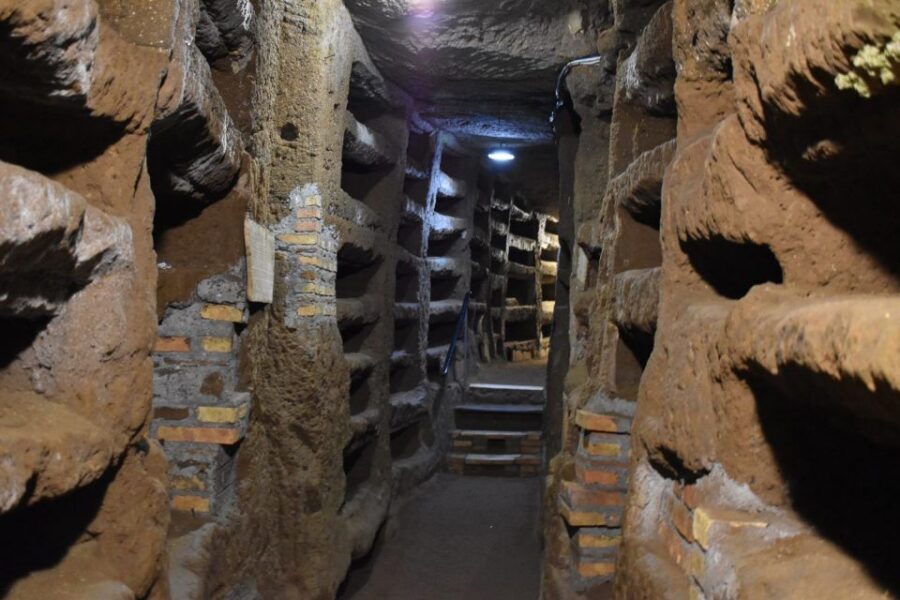
What makes Priscilla stand out in the early Christian story is how it evolved. In the beginning of the third century, Christians began using the large, irregular first-floor galleries and created around twenty niche tombs, while digging hundreds of niches into the walls. It’s not one neatly planned chapel. It’s a living record of how communities handled death, memory, and faith.
You’ll also notice how the complex connects layers of Roman life. An adjacent area includes the cryptoporticus and the Greek Chapel—spaces that have their own background as a noble family burial ground before links to the catacombs. It’s the kind of site where the guide’s job is to help you keep the map in your head, even when you’re walking in the real, narrow world below ground.
You can also read our reviews of more tours and experiences in Rome



A blow-by-blow of your 45-minute visit underground
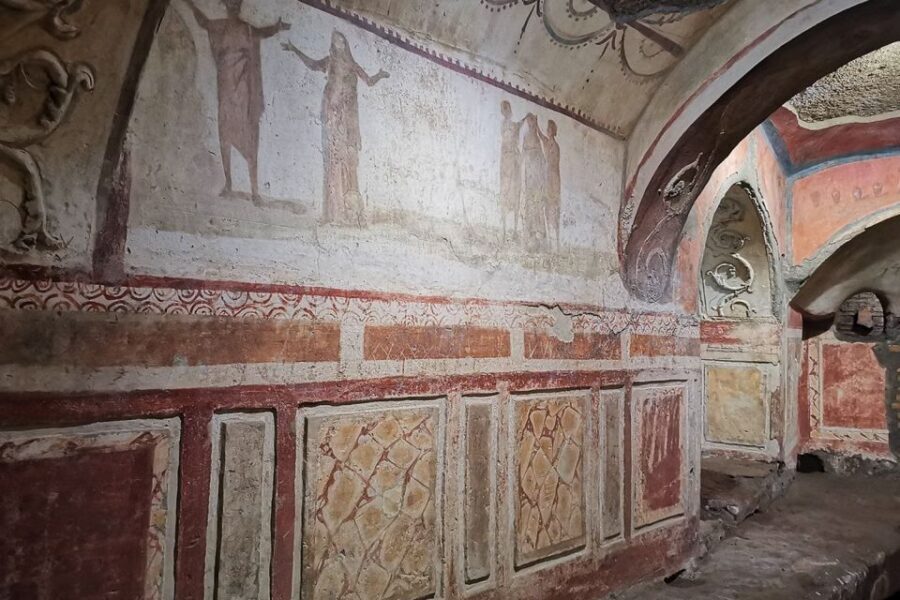
You’ll meet at the ticket office and go straight there with your reservation. You should show up at least 10 minutes before your scheduled tour time. Then you’ll head into the catacombs with your guide, and the pacing stays tight because the route is about learning what you’re seeing—not spending half the tour trying to find the next sign.
First floor: galleries turned into burial space
On the first level, you’ll see the broad, irregular galleries that became Christian burial space. This part is key because it shows the shift from earlier use to Christian adaptation. You’ll get oriented to how niche tombs were built and how the walls were later carved with many more niches.
This is also where the guide’s explanations really matter. The architecture can look repetitive if you’re not told what to look for—niches, locations, and how people were organized in death. The best tours keep it practical: what you’re looking at, what it meant, and how it fits into early Christian practice.
Hypogeum of the Acili: inscriptions and a cistern past
In the adjacent hypogeum of the Acili, an older cistern of water is part of the story. Inscriptions tied to the Acili family were found there and are exhibited. Even if you’re not a “text person,” these kinds of finds help you connect names, families, and locations to the underground spaces.
It’s also one of the moments where you can feel the value of a guided tour. Instead of just seeing walls, you understand why the site contains layers: earlier structures were reused, and later generations left new marks.
Cryptoporticus and the Greek Chapel
Moving into the cryptoporticus and the Greek Chapel gives your brain a reset. The cryptoporticus is a large underground environment tied to earlier elite burial, and the Greek Chapel adds another layer of cultural and religious meaning. It’s a good reminder that Rome’s early-Christian world didn’t exist in isolation. It grew in a city full of traditions, languages, and older burial practices.
You can also read our reviews of more guided tours in Rome




The story behind the tomb names: martyrs tied to Priscilla
Priscilla isn’t just architecture—it’s also a list of people associated with the site. The martyrs Felice and Filippo are central in the Priscilla story, along with their mother St. Felicita and the other brothers Alessandro, Marziale, Vitale, Silano, and Gennaro.
When the guide connects these names to specific areas you’re seeing, the tour becomes less abstract. You stop thinking of “catacombs” as a word and start thinking of them as a place where communities remembered real people. That’s one of the reasons many visitors walk away feeling thought-provoking rather than just impressed.
Popes: a long timeline of burial associations
Priscilla is also linked with the burial of multiple popes, including Marcellino (296–304), Marcello (308–309), Silvestro (314–335), Liberius (352–366), Siricius (384–399), Celestino (422–432), and Vigilius (537–555). Even though your route is short, the list gives weight to the idea that Priscilla stayed important across generations.
A good guide will help you hold those names without turning the visit into a history lecture. Think of it as context: early Christian art and burial weren’t one moment in time—they were part of a longer transformation.
Above-ground connections: basilica and museum fragments
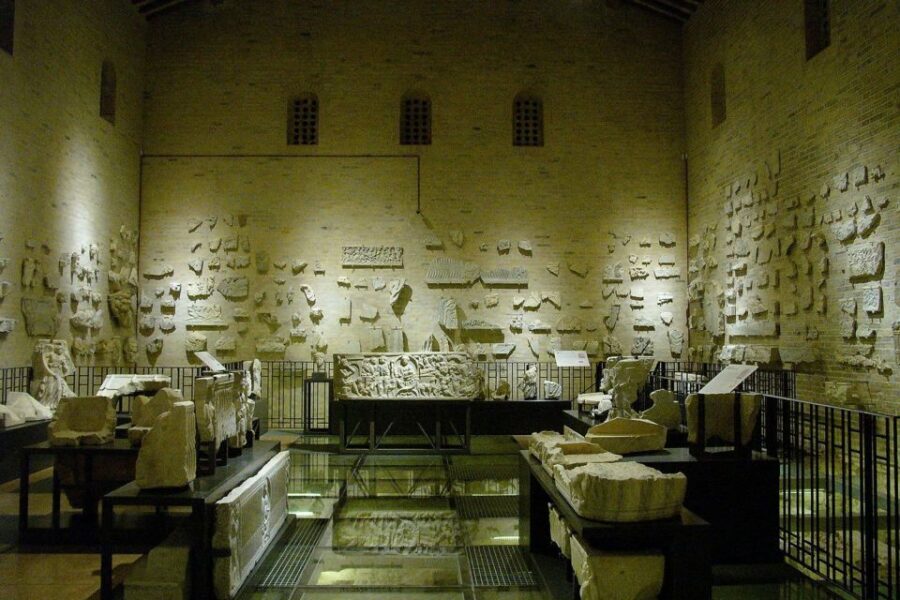
The tour also connects the underground with what exists nearby. Inside Villa Ada, there’s a basilica built by Pope St. Silvestro corresponding to the tomb of Felice and Filippo. In an area near the basilica, a museum collects hundreds of fragments of sarcophagi found during excavations around the catacomb.
That museum element matters because it prevents the visit from feeling like you only get the “bones and tunnels” side. You’re also getting what excavation turned up—physical pieces of the burial culture, preserved and studied.
Frescoes and early Christian art: why the walls still hit hard
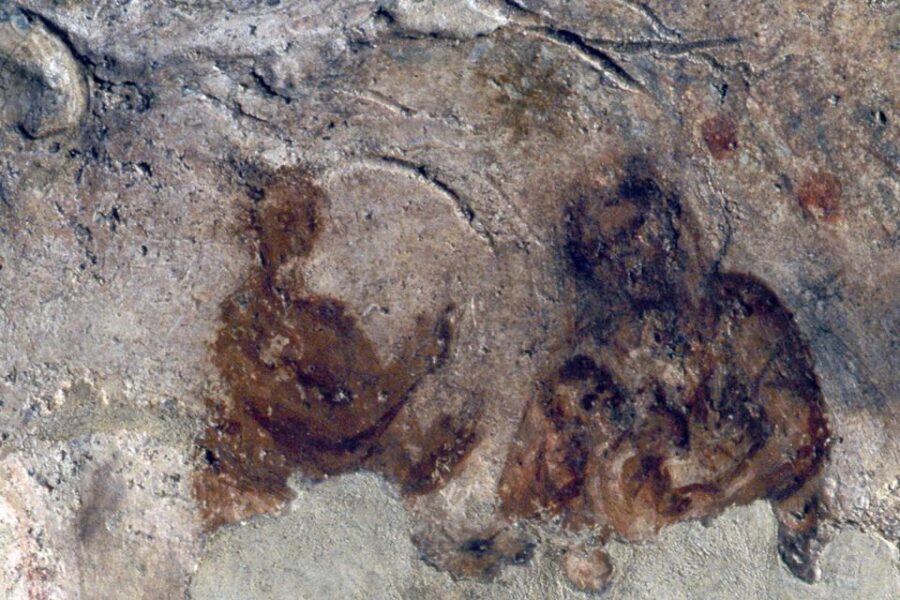
If you’re coming for the art, this is one of the best ways to see it without being swallowed by the crowds of Rome’s biggest attractions. People often mention intact frescoes and early Christian paintings, including artwork dated around 240–280 AD.
One detail that sticks with visitors: some guides point out how rare it is to see early Christian images preserved enough to recognize the religious message. You’ll likely hear about how early Christians used art as part of commemoration and identity, not just decoration. The art helps explain the human side of burial: faith, hope, and community memory.
There’s also a practical reality you should expect. Photography inside is not allowed, so you can’t rely on phone pictures to carry the details home. The good news is that you can often purchase postcard prints of the art afterward, which helps you recreate the images in your memory when you’re back above ground.
One more thing to know: not every tomb will be full of what you imagine. Some tombs are empty today because remains were moved. That doesn’t erase the experience, but it does mean you’re visiting for the underground space, the niche tomb system, inscriptions, frescoes, and the meaning behind them—not for seeing bodies preserved in place.
Logistics in Rome: getting there and staying comfortable
Priscilla is a bit out from the center compared with the “classic” stops. Plan on using public transport to get there. One useful tip: if you’re visiting in warm months, you’ll likely appreciate that it’s cooler underground. Bring a layer, even if Rome is roasting when you start your day.
Your pacing is built for people walking on foot with limited time. The tour lasts about 45 minutes. It’s small group (up to 10 people), which helps in the tunnels where space is tight. Still, if the group is full, some sections can feel narrow. This is not the time to worry about being the last one in line.
Also keep these rules in mind:
- No baby strollers.
- No photography inside.
- Not suitable for mobility impairments.
That last point is important. Even if you’re generally fine on flat ground, catacombs often mean uneven surfaces and confined passages. If accessibility is a concern, it’s worth choosing a different kind of Rome visit where you won’t be limited by steps and tight corridors.
How much is it really worth at around $16?
At about $16 per person for a guided tour, the value is pretty clear. You’re getting a ticket plus a guide for roughly 45 minutes, and the group is intentionally kept small. In a city where a lot of “entry tickets” are self-guided, this format helps you understand what you’re seeing instead of just walking through dark rooms with no context.
You’re also paying for something rare: early Christian burial spaces that preserve frescoes and memorial areas in a way most visitors can’t access anywhere else. Even if the route isn’t long, it’s dense with meaning—names, popes, inscriptions, burial practice, and art all in one compact underground experience.
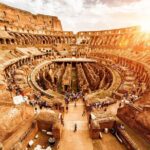
If you’re trying to squeeze too many Rome stops into one day, Priscilla can actually be a smart choice. It gives you a real break from the sun and the crowds while adding a side of Rome you can’t get from the Colosseum or Trevi.
Who should book this tour, and who should skip it
Book this if you like early Christianity, ancient burial practices, or religious art that’s old enough to feel like a direct link to the past. You’ll also enjoy it if you prefer quieter, less commercial-feeling sightseeing that focuses on place and explanation.
Skip this if you need step-free access, if photography is a must for you, or if you want a huge “wow set piece.” This is smaller and more intimate than Rome’s top monuments. Some people expect a dramatic, cinematic feel. Priscilla is more human than grand: corridors, niches, frescoes, and stories.
It’s also a good fit for people who don’t want a long tour. In 45 minutes, you’ll learn what the site was used for, why it developed the way it did, and which figures are tied to it. Then you can return above ground before Rome melts the rest of your afternoon.
Should you book the Catacombs of Priscilla tour?
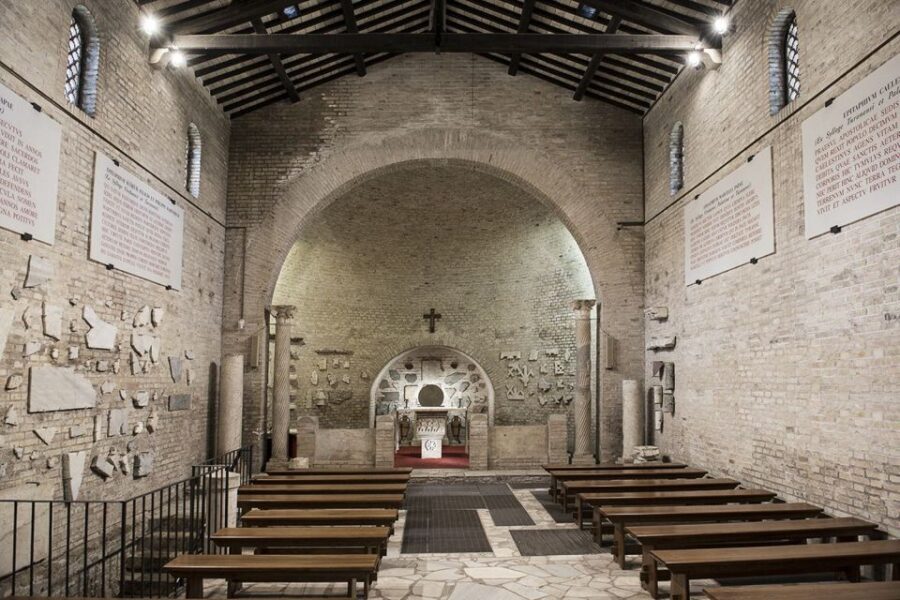
Yes, if you want a focused, small-group underground experience that mixes early Christian art with the way people actually buried their dead. The price is reasonable for guided time, and the route is compact enough to fit into almost any Rome plan.
Before you book, decide two things. First, check that the tour rules work for you—no stroller, no photos, and the site isn’t set up for mobility impairments. Second, set your expectations for length: it’s short, and the value comes from context more than from quantity of stops.
If you’re the type who likes names, symbols, and “what you’re looking at” explanations—this is one of the best uses of your time.
FAQ
Where do I meet for the Catacombs of Priscilla tour?
Meet at the Catacombs of Priscilla ticket office. Go directly there and show your reservation at least 10 minutes before the scheduled tour time.
How long is the guided tour?
The guided tour lasts about 45 minutes.
What languages are the guides?
The live tour guide is available in Italian, English, and Spanish.
Is this tour free to cancel?
Yes. You can cancel up to 24 hours in advance for a full refund.
Are photos allowed inside the catacombs?
No. Photography inside the catacombs is not allowed.
Is the tour suitable for people with mobility impairments?
No. It is not suitable for people with mobility impairments.