REVIEW · ROME
Rome: Caravaggio and Baroque Art Private Guided Tour
Book on GetYourGuide →Operated by Tour in the City - Travel Agency Rome - · Bookable on GetYourGuide
Caravaggio hits different in the churches. I love how this private tour shows Caravaggio as part of real Rome, not a dusty museum stop, and how the guide connects his life to specific buildings you can still see today. One thing to plan for: you’ll do a moderate amount of walking and you have to follow a strict church dress code (shoulders and knees covered).
You start at Piazza del Popolo and move through key Baroque stops in under three hours, with a close-up look at major works by Caravaggio and the era’s big-name architecture. I also like the pacing for a private group: you’re guided by a professional art historian, and you get privileged skip-the-line entry so you spend your time looking, not waiting.
In This Review
- Key highlights you should care about
- How a Caravaggio and Baroque private tour works in 3 hours
- Piazza del Popolo to Santa Maria del Popolo: the tour sets the tone fast
- Caravaggio’s Roman life, mapped onto palaces and government buildings
- The Contarelli Chapel at St. Louis of the French: where the drama lands
- Sant’Agostino and St. Ignatius of Loyola: two different Baroque moods
- Pantheon area pass-by and the walk to Piazza Navona
- Skip-the-line, private time, and the headset detail that helps
- What I’d watch for: pass-by stops versus inside visits
- Price and value: is $158.60 per person worth it?
- What kind of traveler should book this?
- One more practical tip: plan your clothes like a local
- Should you book this Caravaggio and Baroque private tour?
- FAQ
- Where is the meeting point?
- How long is the tour?
- Is this tour private?
- What’s included in the price?
- Do I need to buy tickets in advance?
- Which languages are offered?
- What should I wear or bring?
- Is there a rule against certain clothing?
- Is the tour hard to do with moderate walking?
- What’s the cancellation policy?
Key highlights you should care about
- Caravaggio in context: you see paintings where they were meant to be viewed, inside the churches tied to his story
- Light-and-shadow explained: the guide focuses on how Caravaggio uses dramatic illumination and realism
- Roman-life storytelling: the tour ties his turbulent period in Rome to landmarks tied to his life
- Baroque contrast: Bernini versus Borromini in the open air at Piazza Navona after major church stops
- Private, art-focused pacing: your time is spent on fewer places, with guided time inside each one
How a Caravaggio and Baroque private tour works in 3 hours
A lot of Rome tours try to cram too much in. This one has a simpler goal: show you Caravaggio and the Baroque world around him, without turning it into a sprint.
You get a professional art historian guide leading a private walking route. The stop time is built around what matters most: entry into churches and chapels where you can actually see the work up close. Some sights are pass-by moments (great for orientation), while others are short guided visits inside (that is where the real payoff is).
If you like your art with narrative—who lived here, what the buildings do now, why the paintings look the way they do—this format fits well. And since it’s private, you can move at the pace your group needs, from quick looks to slower photo pauses.
You can also read our reviews of more tours and experiences in Rome.



Piazza del Popolo to Santa Maria del Popolo: the tour sets the tone fast
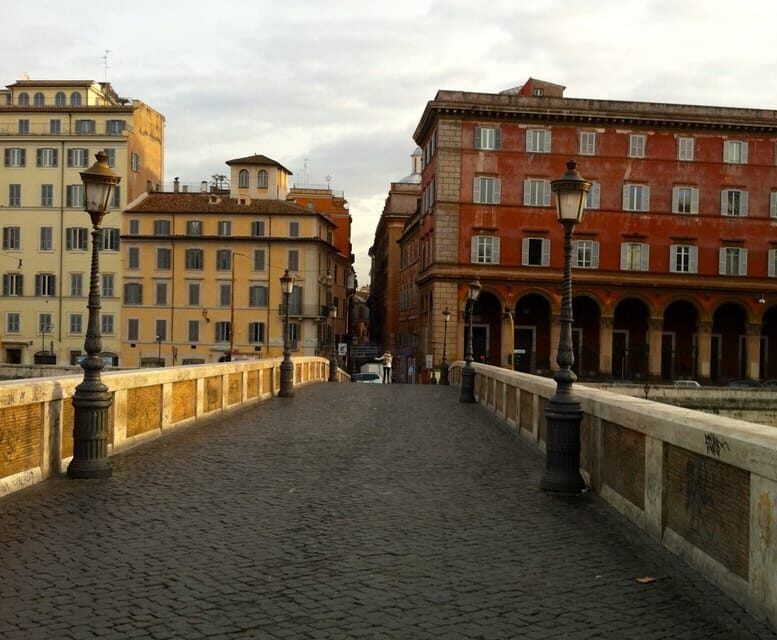
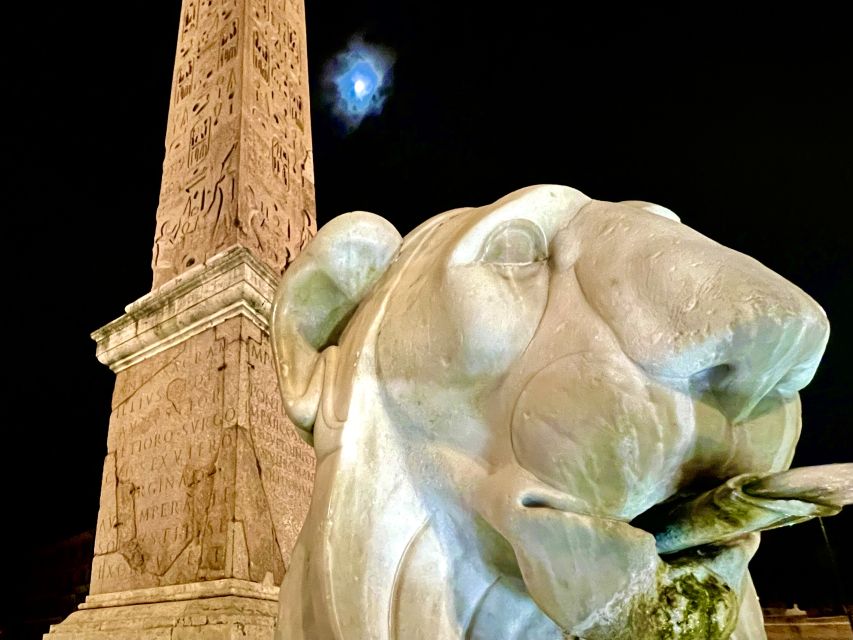
You meet at Piazza del Popolo, right by the obelisk in the middle of the square. It’s a solid place to start because the square helps you get bearings quickly. From there, the tour leans into dramatic religious art right away.
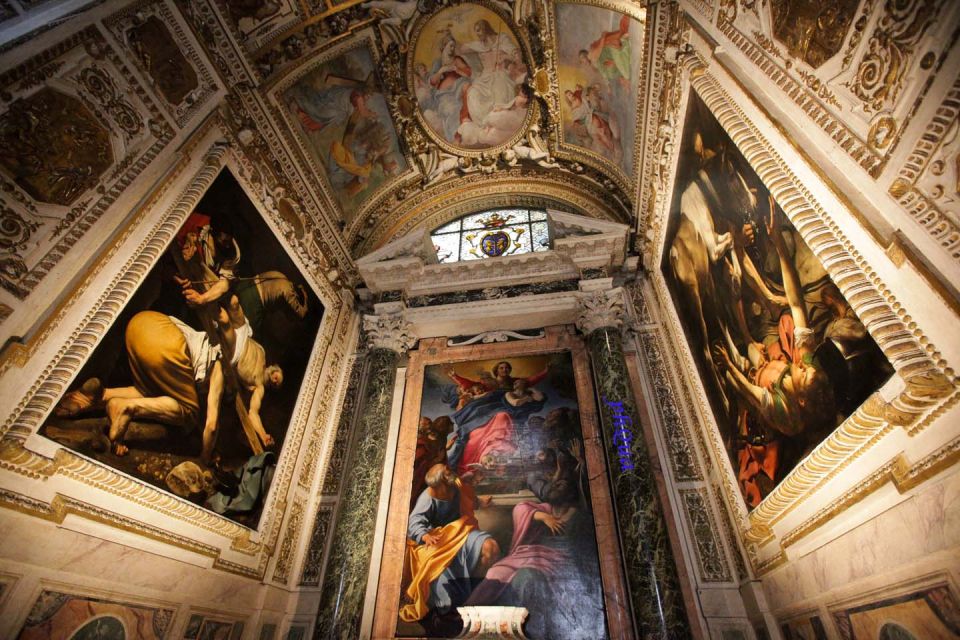
The first big stop is the Basilica of Santa Maria del Popolo. Inside, you’ll encounter two powerful Caravaggio canvases: The Crucifixion of St. Peter and The Conversion of St. Paul. Even if you only know Caravaggio by reputation, these paintings give you the core idea instantly—his figures look intensely real, and the mood lands because of how light cuts through the scene. The guide pays attention to that: how shadows aren’t just background, they’re part of the storytelling.
What I like about starting here is that you’re not easing in with generic Baroque scenery. You’re watching Caravaggio’s dramatic style in a church setting, with the guide explaining what you’re seeing while you can still look closely.
Dress code matters on this day because you’ll be stepping into churches early. Shoulders and knees must be covered, and the tour also lists restrictions like no sleeveless shirts, shorts, or short skirts. If your outfit is borderline, fix it before you start walking.
Caravaggio’s Roman life, mapped onto palaces and government buildings
One of the smartest parts of this tour is the way it connects art to place. While you walk, your guide points out landmarks tied to Caravaggio’s time in Rome.
You’ll pass by Palazzo Madama, now the elegant seat of the Italian Senate, and you’ll see Giustiniani Palace, which houses Senate offices. These aren’t treated like random architecture stops. The point is to show you how Caravaggio’s Rome overlaps with the power centers of the city—an important contrast to the tender, intense subject matter inside churches.
The guide also connects the story to other major government architecture you pass, like Montecitorio Palace. Even in a quick pass-by format, this helps you understand the city’s layout and what you’re looking at when you later visit other historic sites on your own.
If you’re the kind of person who likes the why behind the artwork, this is a big reason the tour works. You’re learning not just what Caravaggio painted, but where he lived and how chaotic that Roman chapter of his life was.
The Contarelli Chapel at St. Louis of the French: where the drama lands
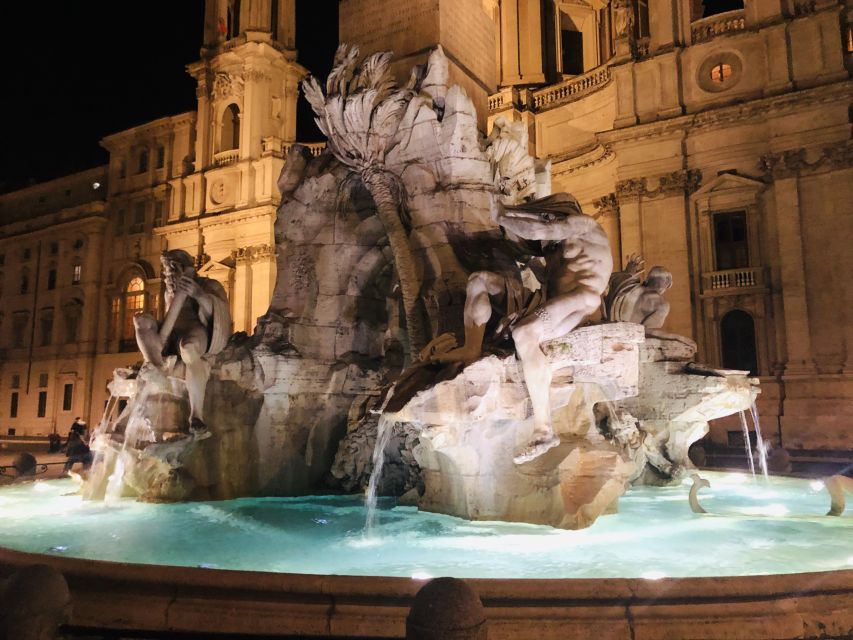
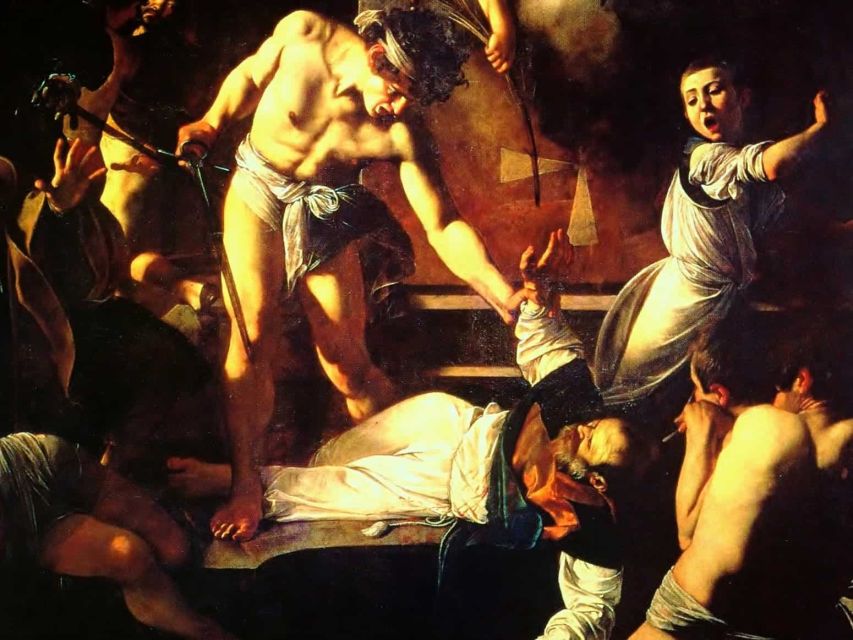
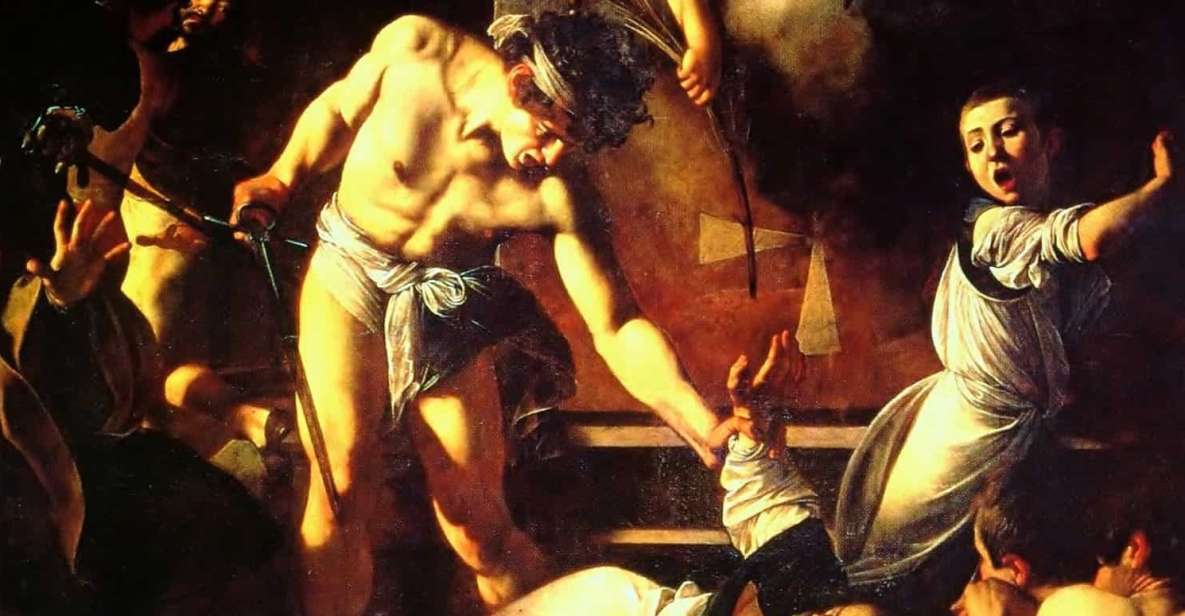
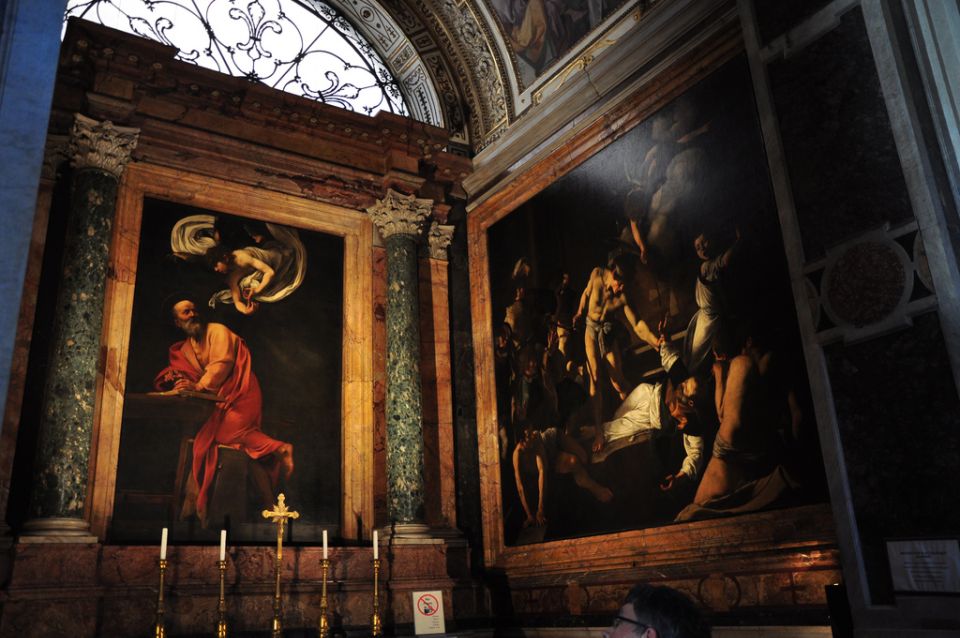
The most art-heavy stop on the route is the Church of St. Louis of the French. Here, you get a guided visit focused on the Contarelli Chapel and the cycle of The Life of St. Matthew.
This is the kind of place where a guide changes everything. Caravaggio’s style can look obvious at first glance—intense realism, strong contrasts, emotional faces—but the guide helps you notice structure: how the scenes flow, what the lighting is doing, and how the painting series creates momentum. You don’t just look; you interpret.
The tour keeps this portion efficient, with a guided time inside (about 20 minutes). That’s long enough to absorb what you’re seeing without turning the experience into a lecture marathon. If you’re a quick-watcher, it still works. If you like slow looking, you’ll likely wish you had more time—but in three hours, this stop is where the tour earns its focus.
Sant’Agostino and St. Ignatius of Loyola: two different Baroque moods
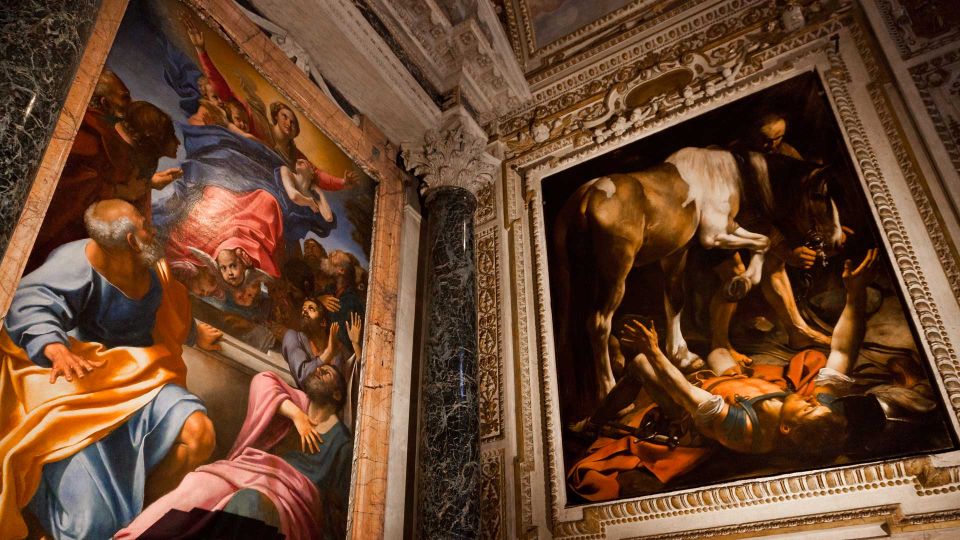
After St. Louis of the French, the tour moves into other Baroque showpieces with major Caravaggio connections.
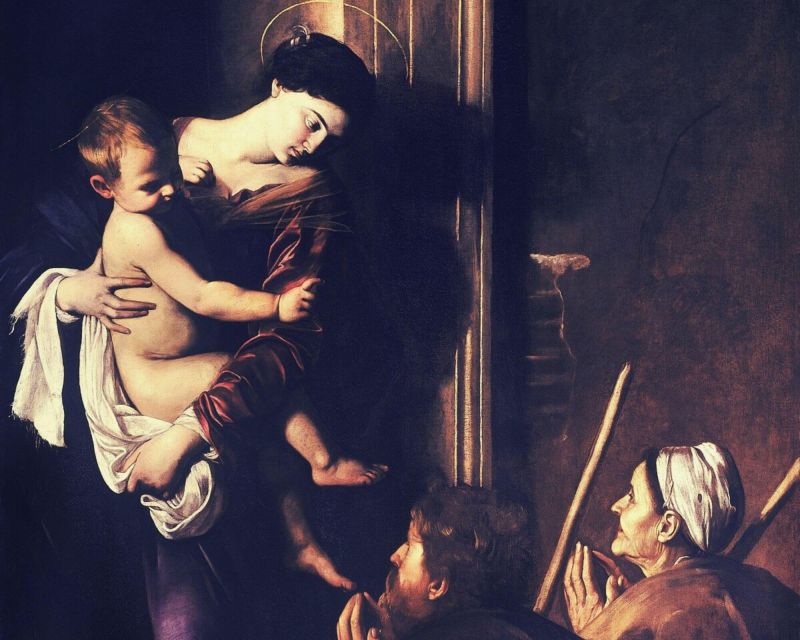
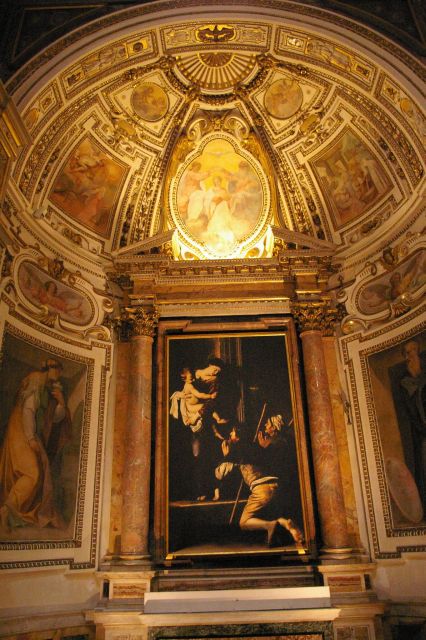
At Basilica of St. Augustine, the guide brings you to Caravaggio’s Madonna of the Pilgrims in Sant’Agostino. Again, the emphasis is on seeing the work where it belongs and understanding how it fits into the space. You’ll often get the best experience when you let the guide explain the themes first, then step back and see how the painting holds up on your own.
Next comes Church of Sant’Ignazio di Loyola (visited with a guided tour). This is more about Baroque architecture and drama than a single Caravaggio painting. If you enjoy the era’s theatrical design, this stop delivers. Even when you only have a short guided visit (around 15 minutes), you can still grasp why this church became a favorite target for Baroque artists: it’s built to make you feel something.
A practical note: church interiors can feel cooler than the street, and stone floors can be slippery. Wear shoes you trust.



Pantheon area pass-by and the walk to Piazza Navona
Between church stops, you get a brief Pantheon pass-by. This isn’t the main event here, but it gives context. When your guide points out the history and significance of the Pantheon, you start seeing Rome as a connected chain of art eras, not isolated monuments.
Then you shift to the tour’s outdoor payoff: Piazza Navona.
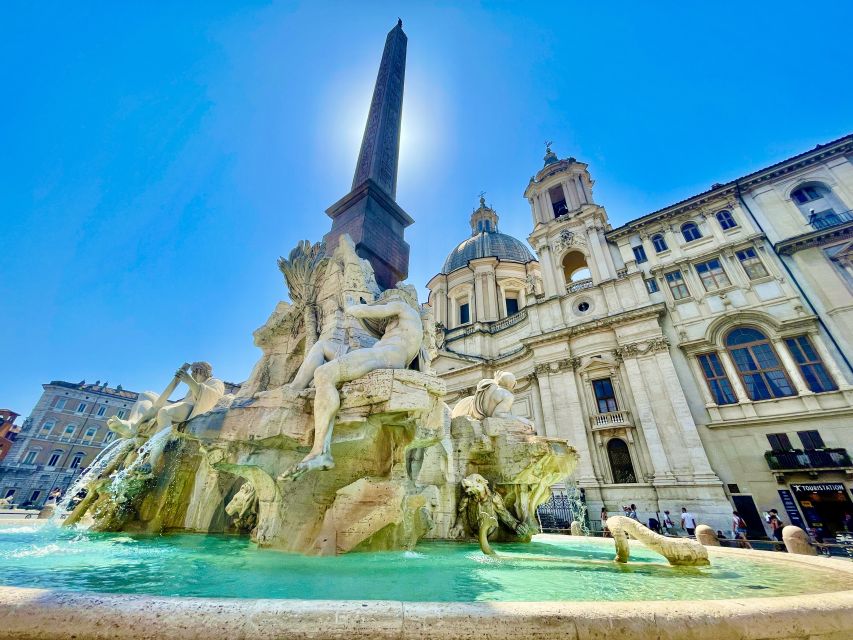
Piazza Navona is where Baroque energy becomes visible in public space. The guide focuses on Bernini’s Fountain of the Four Rivers and the striking façade of Borromini’s Sant’Agnese in Agone. This is a different kind of learning than inside churches. Here, the rivalry between artists comes through in how their styles compete on the same stage.
You’ll hear the story of Bernini versus Borromini and why their work feels like it’s pushing each other. The fountain’s motion in stone and the church façade’s design tension help you understand Baroque as more than decoration—it’s persuasion, emotion, and identity.
Skip-the-line, private time, and the headset detail that helps
This tour includes privileged skip-the-line admission and a professional art historian guide. That matters in Rome, where waiting can steal time from what you paid to see.
It’s also private, so your group isn’t stuck behind large crowds. If you’re traveling with family or friends and you hate rushing, private is the way to go. The stop plan is built around short guided visits, so you’re not just standing around hoping the line moves.
There’s also a small detail that makes a real difference: headset support is provided only for groups over 8 people. If you’re a smaller group, you’ll rely on your guide’s voice and your own positioning. Either way, the tour aims to keep the audio clear enough so you don’t miss key explanations about the paintings and Baroque design.
What I’d watch for: pass-by stops versus inside visits
Some parts of the route are pass-by moments, like Palazzo Madama, Giustiniani Palace, Montecitorio Palace, and the Pantheon. Those are useful for orientation, and they help connect Caravaggio’s story to the city’s power structures.
But the experience payoff is clearly in the guided visits inside churches:
- Santa Maria del Popolo for the two Caravaggio canvases
- St. Louis of the French for the Contarelli Chapel cycle
- Sant’Agostino for Madonna of the Pilgrims
- Sant’Ignazio di Loyola for Baroque architectural drama
- Piazza Navona for Bernini and Borromini in action
So if you’re someone who wants heavy inside viewing time, this tour fits your taste. If you prefer constant indoor stops with no walking, you might find the route’s outdoor transitions a little more active than you’d like.
Price and value: is $158.60 per person worth it?
For $158.60 per person, you’re paying for three things: a private walking format, a professional art historian guide, and skip-the-line admission.
Is it expensive? It can be, depending on your travel style. But in this case, the value comes from how the guide uses your time. Art historians don’t just tell facts. They help you see what the artist is doing with light, composition, emotion, and symbolism—especially crucial for Caravaggio, where the drama is visual and not always obvious without guidance.
Also, this isn’t just one museum room. You’re visiting multiple churches across the core Baroque zone, including major Caravaggio works and key Baroque landmarks around Piazza Navona. For many people, the guide’s ability to connect paintings to buildings makes the whole day feel coherent, instead of like separate stops stitched together.
If you’re traveling with a companion, private tours often feel more reasonable because you’re sharing the cost of guidance rather than paying for it in a large-group setting.
What kind of traveler should book this?
This tour is best for you if:
- You want Caravaggio explained in plain language as you see the paintings
- You like Baroque art tied to real places, not just art facts
- You want a private pace so you can take your time in churches
- You’re interested in the Bernini versus Borromini story at Piazza Navona
It’s less ideal if:
- You hate walking between central Rome landmarks
- You’re unwilling to follow church rules on shoulders and knees
- You want a slow, unhurried museum-style visit with lots of time at one stop
One more practical tip: plan your clothes like a local
Rome church dress codes are strict and the tour specifically warns you that you risk being refused entry. So check your wardrobe before you go: bring something that covers your shoulders and knees. If you’re coming straight from sightseeing in hot weather, consider a light layer you can toss on.
Comfort matters too. You’ll be moving for a few hours, including short indoor visits and outdoor steps. Good shoes are not optional.
Should you book this Caravaggio and Baroque private tour?
I’d recommend booking if Caravaggio is a priority and you want the paintings in their real setting, with an art historian guide explaining why the images hit so hard. The combination of Caravaggio works at Santa Maria del Popolo and Sant’Agostino, the St. Louis of the French Contarelli Chapel cycle, and the Bernini/Borromini showdown at Piazza Navona makes it feel like one focused story.
I’d skip it only if you’re trying to do zero walking, or if you know you won’t be able to meet the church dress requirements.
If you do book, give yourself a little buffer on arrival at Piazza del Popolo. Being there 10 to 15 minutes early makes it easier to start on time, which matters when your day is built around entering churches efficiently.
FAQ
Where is the meeting point?
You meet at Piazza del Popolo, 7, next to the obelisk in the middle of the square. Your guide will have a signboard with your name.
How long is the tour?
The tour lasts about 3 hours. Starting times vary by availability.
Is this tour private?
Yes. It’s a private walking tour for a private group, with a minimum of 2 people per booking.
What’s included in the price?
You get a professional art historian guide, a private walking tour, privileged skip-the-line admission, and headsets only for groups over 8 people.
Do I need to buy tickets in advance?
Skip-the-line admission is included, and the tour is set up for you to enter with the group, but the details of ticket handling aren’t listed beyond the skip-the-line benefit.
Which languages are offered?
The live tour guide is available in English and Italian.
What should I wear or bring?
Bring a passport or ID card and wear comfortable shoes and comfortable clothes. For places of worship, shoulders and knees must be covered.
Is there a rule against certain clothing?
Yes. The tour is not allowed to enter with shorts, short skirts, or sleeveless shirts.
Is the tour hard to do with moderate walking?
The amount of walking is described as moderate. You’ll be on your feet moving between several sites in central Rome.
What’s the cancellation policy?
You can cancel up to 24 hours in advance for a full refund.