REVIEW · MUSEUMS
Rome: Capitoline Museums Private Guided Tour
Book on GetYourGuide →Operated by Tour in the City - Travel Agency Rome - · Bookable on GetYourGuide
Ancient Rome, explained fast. This private tour threads the Capitoline Museums into a clear, guided story, with skip-the-line entry and real stops like the Marcus Aurelius statue and Forum viewpoints. In about 2.5 hours, you’ll move through two historic museum “seats,” plus an underground passage designed for exactly this kind of guided flow.
I especially like two things. I love seeing sculpture with a point of view, like the Spinario and the Capitoline Wolf, rather than just “cool old statues.” I also like the Pinacoteca Capitolina side of things, where you can spot major names such as Caravaggio, Titian, and Tintoretto inside an older, Rome-centered setting.
One consideration: with 2.5 hours, you won’t tour every room in depth. You’ll get the big hits and the best guided connections, but you’ll still be doing a fair amount of walking and standing.
In This Review
- Key highlights to watch for
- Meeting where the story starts: Marcus Aurelius
- Palace of the Conservatives: Constantine, the wolf, and Greek vases
- Pinacoteca Capitolina: old paintings, Roman gravity
- Down to the exedra: the Marcus Aurelius viewpoint
- The Tabularium tunnel and Forum views
- New Palace: Marforio, the Dying Gaul, and Cupid & Psyche
- Is $201.65 good value for 2.5 hours?
- The human factor: guides make the difference
- Smart planning tips so you don’t waste the good part
- Who this Capitoline Museums tour fits best
- Should you book the Capitoline Museums private guided tour?
- FAQ
- How long is the Capitoline Museums private guided tour?
- Where do I meet the guide?
- Is skip-the-line access included?
- What’s included in the price?
- Is this tour private, and how many people can be in a group?
- What languages are available for the live guide?
- What should I bring and wear?
- Are there any restrictions on luggage or mobility aids?
- What’s the tour route like, and where does it end?
Key highlights to watch for
- Skip-the-line access so you start in the galleries instead of feeding the line monster
- Art historian guide who connects Roman antiquities to what came later in Renaissance and Baroque Rome
- Iconic works like Spinario, the Capitoline Wolf, and the Dying Gaul
- Pinacoteca Capitolina paintings by Caravaggio, Titian, Tintoretto, and more
- Tabularium tunnel views that point you straight toward the Roman Forum
- Up to 20 people keeps it private, but still lively enough to hear the guide clearly
Meeting where the story starts: Marcus Aurelius
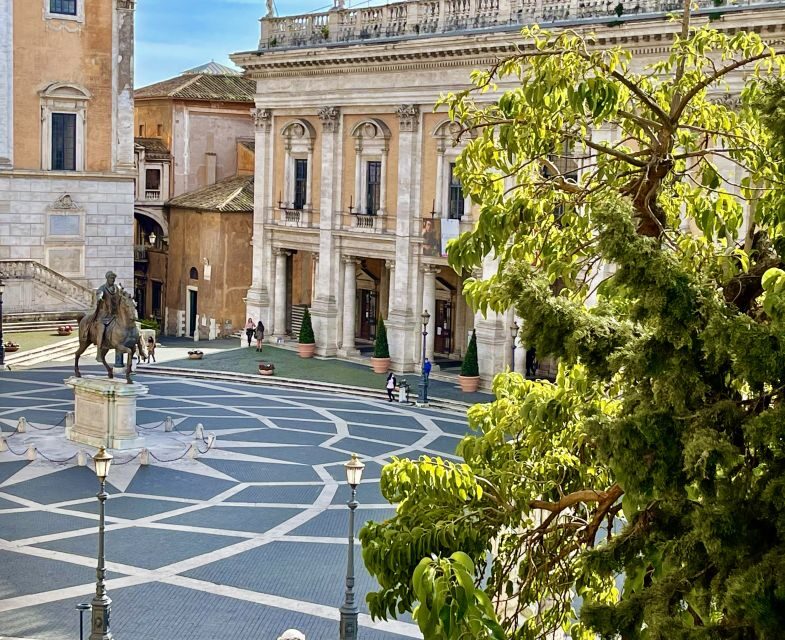
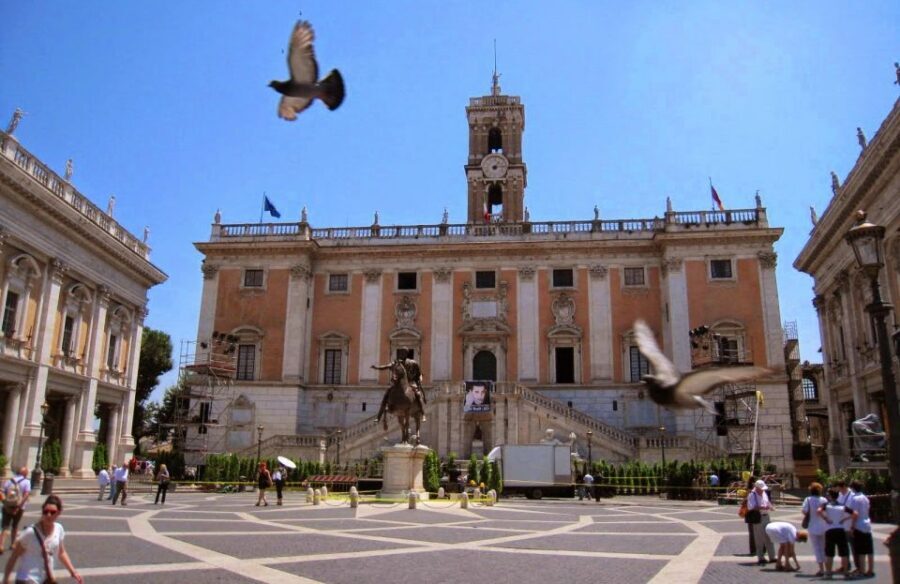
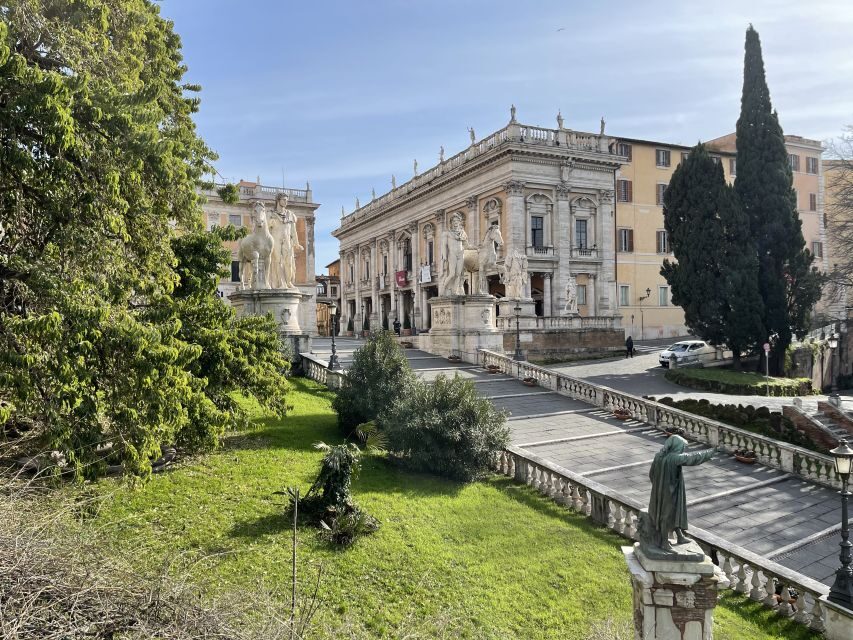
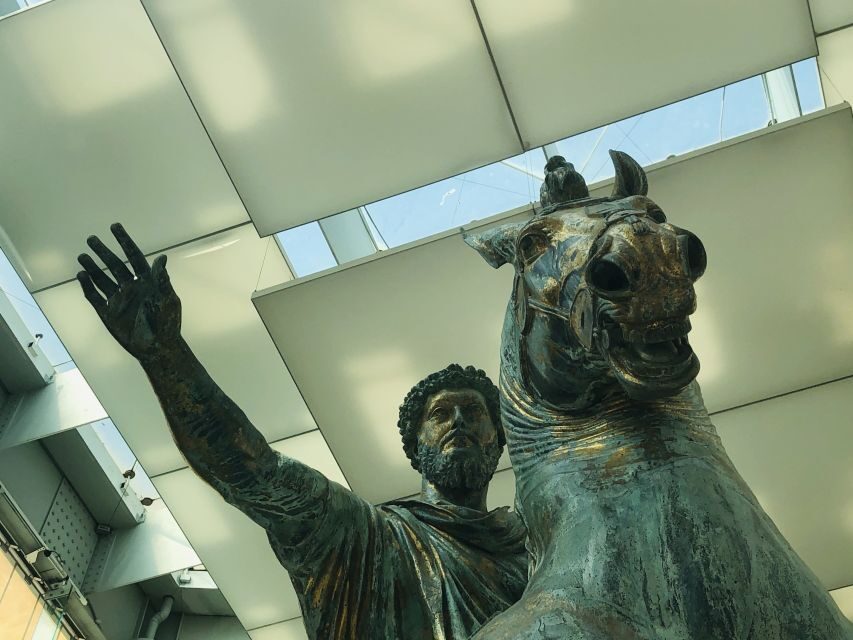
You begin right by the Equestrian Statue of Marcus Aurelius. It’s a smart first move because it sets the tone: the Capitoline Museums are not a random warehouse of artifacts. They’re a working timeline of power, faith, and taste across centuries.
From there, your guide takes you into the museum sequence in a way that feels like walking through chapters. It’s much easier to follow than wandering on your own, especially if you’re short on time.
And yes, this is where you’ll get your bearings fast. Even when the museum is busy, the starting point is clear, and your guide meets you at the museum with a sign showing your name.
You can also read our reviews of more guided tours in Rome



Palace of the Conservatives: Constantine, the wolf, and Greek vases
The tour starts in the Palace of the Conservatives. First stop is the courtyard area, where you can see remnants of a monumental acrolith tied to Constantine. Even if you’re not a specialist, it helps you understand scale and ambition in Roman art—especially how emperors used imagery as messaging.
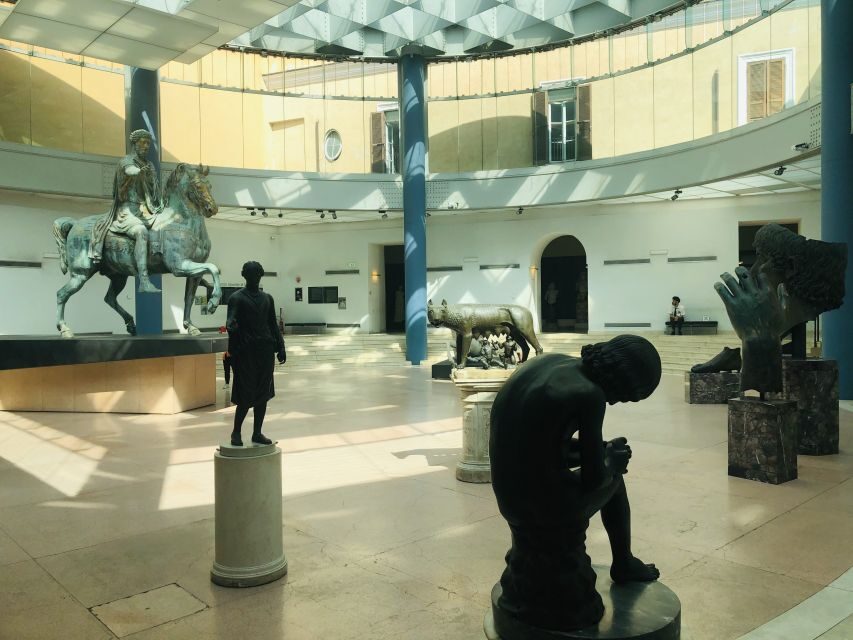
From the courtyard, you move into key highlights on the first floor. One of my favorite “wait, what am I looking at?” moments here is the Spinario—the bronze boy pulling a thorn from his foot. It’s famous, but the guided framing is what makes it click.
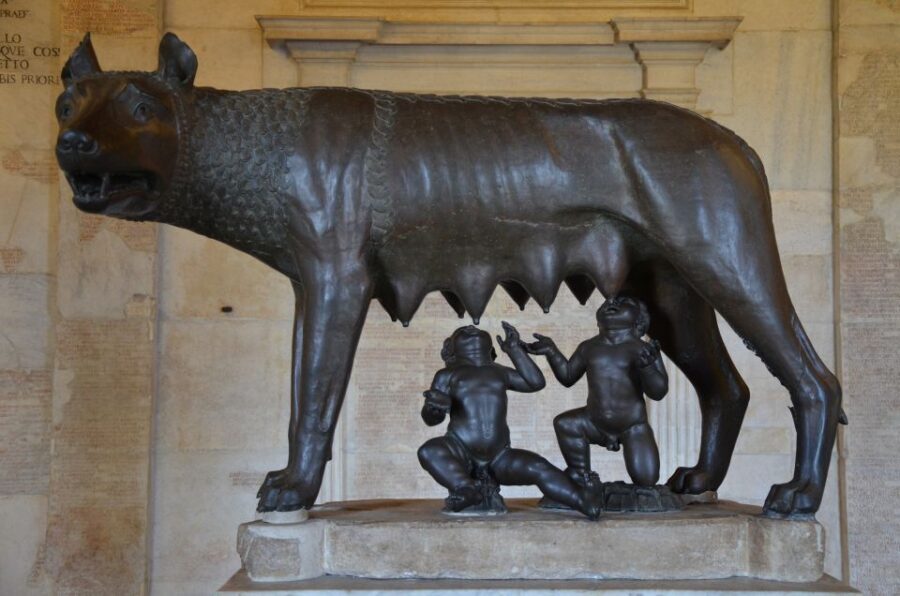
Another standout is the Capitoline Wolf, the bronze she-wolf that nurses Romulus and Remus. It’s become an emblem of Rome, and the tour helps you see it as more than a symbol: it’s a piece of myth-making that keeps getting retold in different eras.
You’ll also see the Capitoline Brutus bust, which is another reminder that Roman portraiture wasn’t just about faces. It was about values, politics, and how power wanted to be remembered.
Then there’s the Castellani collection—about 700 Greek and Etruscan vases. That sounds like a lot (because it is), but your guide’s job is to point you toward patterns: materials, styles, and what these objects reveal about everyday Roman neighbors and earlier cultures.
A practical note: this part can move quickly. If you like to linger, lean into the guide’s pacing first, then you can always come back for extra time on your own later.
Pinacoteca Capitolina: old paintings, Roman gravity
Next you shift to the second floor and the Pinacoteca Capitolina, described in the tour as the oldest public collection of paintings. That’s a big deal because you’re not just viewing masterpieces—you’re also seeing how Rome collected and displayed art as civic identity.
Your visit includes works by major artists such as Caravaggio, Guido Reni, Annibale Carracci, Guercino, Domenichino, Veronese, Titian, Tintoretto, Rubens, and Pietro da Cortona. This isn’t a random gallery stop. The guide’s connections help you notice the shift from antiquity to painting traditions that Rome adopted and reshaped.
As you move through, you’ll also encounter frescoes and statues from Renaissance and Baroque Rome. That’s the sweet spot for people who want to understand how the “ancient look” kept being re-used in later centuries.
If you’re thinking, I came for Roman ruins, not paintings—fair. But even if you only have a little patience for art history, this section is a useful bridge. It explains why the museum doesn’t treat antiquity and later art like separate worlds.
Down to the exedra: the Marcus Aurelius viewpoint
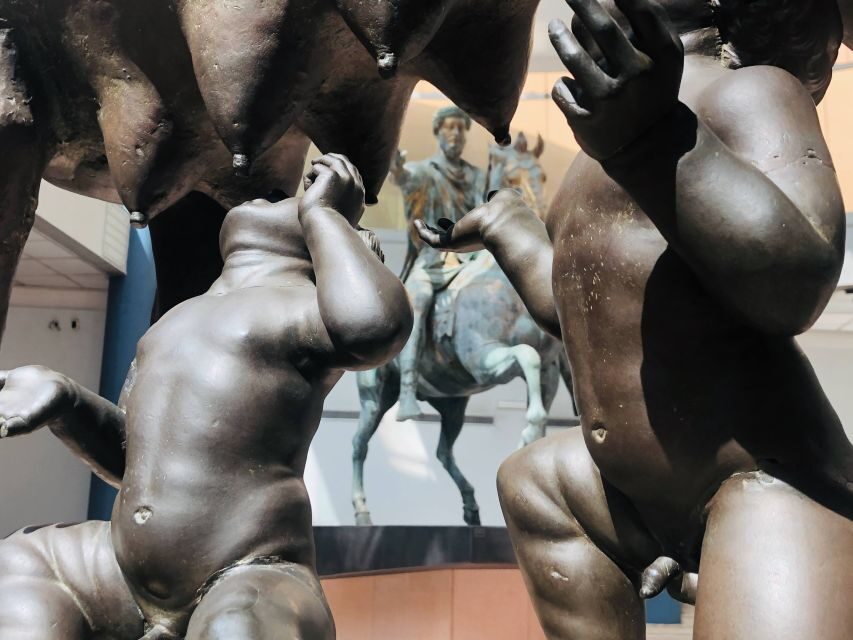
Going back down to the ground floor, you’ll reach the exedra with the equestrian statue of Marcus Aurelius again, now in its museum setting. The guide helps you see how the architecture frames the statue, and that matters. A statue’s meaning changes when it’s placed in an intentional space rather than viewed as just an object.
This area also includes visible ruins and temple remnants built into the museum structure. It’s one of those moments that makes you think, Rome really did recycle its own bones. And because this is done under the museum’s roof-and-stone layout, you can study it without fighting weather or street crowds.
If you’re traveling with kids, it can still work. The guide can usually turn the art and architecture into a story about what people believed, what they feared, and how they ruled.
The Tabularium tunnel and Forum views
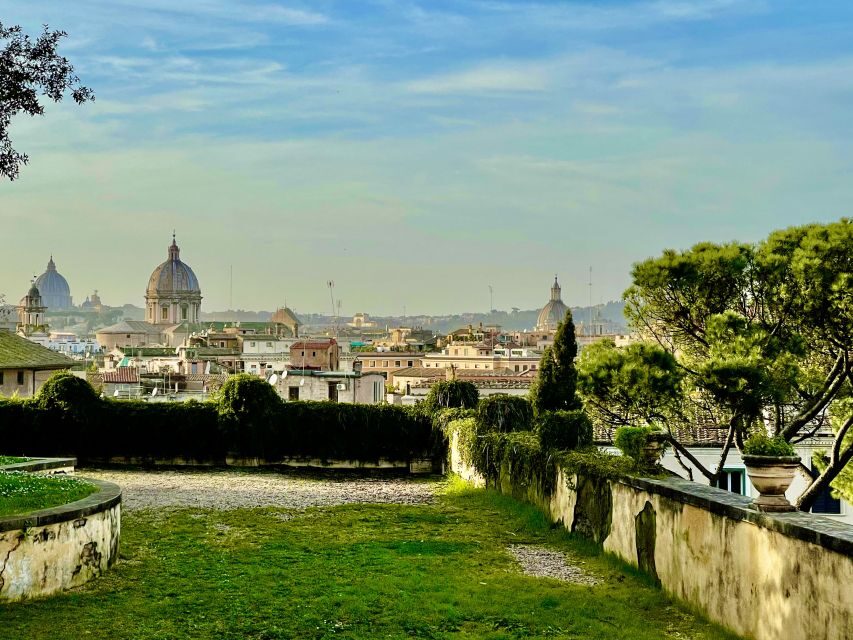
Here’s where the tour earns its “this is worth it” reputation. Your guide leads you through an underground tunnel that crosses the Tabularium. That tunnel isn’t just for getting from A to B—it gives you a controlled, dramatic transition to the next museum seat.
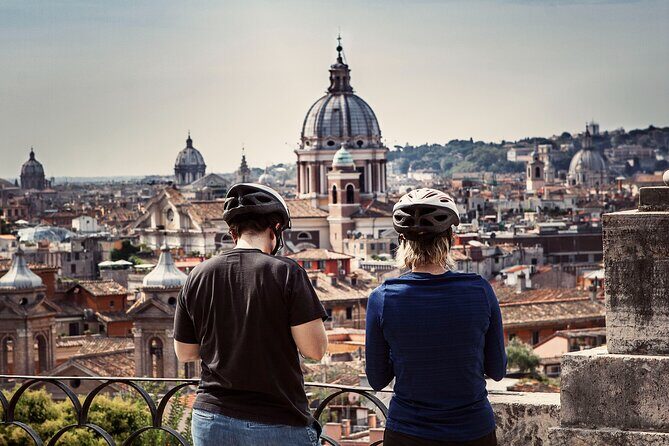
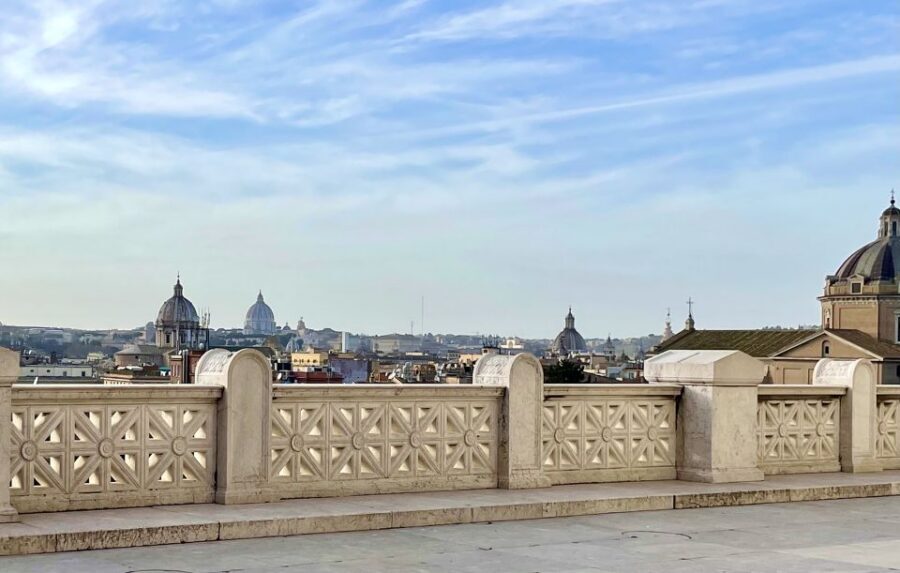
And it pays off with magnificent views of the Roman Forum. Even if you’ve seen the Forum before, you’ll likely appreciate the vantage more when you can tie it directly to what the guide is pointing out behind the scenes in the museum.
This is a great moment for photos, but also for slowing down. Look first, then take pictures. If you grab every photo at once, you miss the way the guide connects monuments to earlier and later history.
You can also read our reviews of more private tours in Rome





New Palace: Marforio, the Dying Gaul, and Cupid & Psyche
Then you move to the second historic seat of the museum, the New Palace. Here the collection leans more into sculpture, inscriptions, and artifacts that help you trace Roman life through objects, not just grand monuments.
You’ll see statues, inscriptions, sarcophagi, busts, mosaics, and other Roman artifacts. That variety is part of why this museum tour works well as a guided experience. It reduces the feeling that you’re just scanning one gallery after another.
A few named highlights include Marforio, the Dying Gaul, and Cupid and Psyche. These are not obscure works, but the tour framing makes them easier to read. The Dying Gaul, in particular, is the kind of piece where the guide’s explanation helps you understand why viewers kept returning to its emotion and realism.
If you’re the type who loves “how did they do that?” details, focus on the transitions between works: how portraiture, myth, and everyday symbols blend together over time.
Is $201.65 good value for 2.5 hours?
At $201.65 per person for a 2.5-hour private guided tour, the price isn’t “budget museum” territory. But you are buying a few specific things that matter in Rome: skip-the-line access, a professional art historian guide, and a tight route that hits the major collection areas you’d struggle to connect on your own.
Also, the skip-the-line piece is not a small benefit. Rome museum lines can cost real time. With this format, you spend that time inside the galleries where your guide’s explanations pay off.
The private angle helps too. Your group size is capped at 20, and the tour is described as private. That means you’re not stuck in a giant crowd where you hear the guide only when you’re lucky.
So the value question comes down to you. If you want a museum “greatest hits” plan with interpretation, this is a strong use of time. If you love drifting for hours and don’t care about context, a self-guided visit might be cheaper.
The human factor: guides make the difference
One of the best parts of this tour model is the guide quality. In the feedback you can clearly see a pattern: the guides know how to explain, but also how to adjust to real life.
For example, Martin comes up as an excellent guide with deep museum knowledge and the ability to make connections across events and societies. That kind of connective thinking turns a room full of marble into a map of ideas.
There’s also a very practical moment described with Martin: when someone felt light-headed about 90 minutes in, the guide took a sensible pause to get water, then continued and even returned with extra time. That tells me this tour isn’t just about speed—it’s about caring for the group.
So when you show up, be ready to work with the pacing. The guide is clearly steering the experience, and you’ll get more from it if you let them lead.
Smart planning tips so you don’t waste the good part
A few details from the setup can save you stress. The meeting point is at the museum, and your guide waits for you with a sign holding your name. If you can, arrive a little early so you can confirm you’ve found the right person. In a rainy Rome moment, that extra time can make the start less chaotic.
Bring passport or an ID card and wear comfortable shoes. The tour includes going through multiple floors and walking between spaces, plus the tunnel route. Also follow the simple “smart casual” dress guidance.
Two restrictions are worth noting: no oversize luggage and no walking frames. If you’re traveling with a large bag, you might want to plan for how you’ll carry it before this tour.
Finally, keep a water plan in mind. Rome can be warm even when the sky looks uncertain, and museum walking stacks up. A small break can make the whole tour feel easier.
Who this Capitoline Museums tour fits best
This tour works especially well if you want a guided path through both antiquity and later art without getting lost in the museum maze. It’s a good match for people who like sculptures but also want the Pinacoteca section to make sense, not just to be seen.
It also suits travelers who have limited time. 2.5 hours is long enough to cover a lot of ground with a guide, and short enough to keep the day flexible. If you’re planning to see the Forum and other sites afterward, this timing can help you stitch the day together.
If you’re visiting with someone who gets bored when explanations turn into lecture mode, the private format helps. The guide can keep the pace human.
Should you book the Capitoline Museums private guided tour?
Book it if you want the museum to feel like a story, not a scavenger hunt. The combination of skip-the-line access, a professional art historian, major works like Spinario and the Capitoline Wolf, plus the Forum views through the Tabularium tunnel is exactly the kind of “time value” Rome is famous for.
Skip it if your goal is pure wandering and you’re happy reading plaques at your own speed. With only 2.5 hours, you won’t see everything, so self-guided time might suit you better if you’re not chasing the highlights.
My practical take: if you care about understanding what you’re seeing, this is a solid way to spend a morning or afternoon in Rome.
FAQ
How long is the Capitoline Museums private guided tour?
The tour lasts about 2.5 hours.
Where do I meet the guide?
You meet at the Capitoline Museums entrance. The guide will wait for you with a sign showing your name.
Is skip-the-line access included?
Yes. The ticket includes skip-the-line access, plus admission to the Capitoline Museums.
What’s included in the price?
The included items are the Capitoline Museums entry ticket, skip-the-line access, and a professional art historian guide.
Is this tour private, and how many people can be in a group?
It is a private group tour, with a maximum of 20 persons per booking.
What languages are available for the live guide?
The live guide is available in English and Italian.
What should I bring and wear?
Bring your passport or ID card and wear comfortable shoes. The dress code is smart casual.
Are there any restrictions on luggage or mobility aids?
Oversize luggage is not allowed, and walking frames are not allowed.
What’s the tour route like, and where does it end?
It starts at the museum meeting point and ends back at the same meeting point. The route includes visits to the museum seats and scenic Forum views along the way.