REVIEW · ROME
Rome: Cannondale E-Bike Tour of Top Landmarks & More
Book on GetYourGuide →Operated by TopTours · Bookable on GetYourGuide
Rome moves faster on two wheels. This 4-hour Rome e-bike tour is built for easy cruising and smart pacing, with a safety-first guide leading you through big-name sights and smaller, quieter corners that you’d miss on foot. You cover about 14 km (8.5 miles), glide past major monuments, and still have time to pause for photos.
What I like most is the combo of great bikes and strong guidance. The Cannondale e-bikes are kept in shape (anti-puncture tires, comfy saddle, checked after each use), and the guides are ready with clear directions and city context—people like Carmen, Bita, and Sina are singled out for making stops make sense while keeping the group moving.
One thing to consider: you’re riding in Rome’s center, so even with pedal assist, you should be comfortable navigating tight streets and stopping/starting. Also, a helmet is mandatory, so plan to wear it without fuss.
In This Review
- Key highlights you’ll feel fast
- Why this Rome e-bike tour works so well
- Meeting at Via Labicana 49 and getting rolling
- Colosseum and Imperial Forums: the big start without the big crowds
- The practical takeaway
- Trevi Fountain, Spanish Steps, and the art of not getting stuck
- Piazza Navona: Domitian’s stadium energy, minus the marathon
- Pantheon to Jewish Ghetto and Portico di Ottavia: where the city feels lived-in
- Theatre of Marcellus and panoramic Roman Forum angles
- Piazza del Popolo and Villa Borghese: a break from the tight center
- How the ride feels: comfort, safety, and effort level
- Guides make the difference: from humor to clear history
- Price and value: what $100 gets you in Rome time
- Who should book this (and who might skip)
- Should you book the Cannondale e-bike tour?
Key highlights you’ll feel fast
- Cannondale e-bikes maintained and checked after every use, with anti-puncture tires for less stress
- Safety-focused small groups capped at 10, which makes directions easier and traffic less chaotic
- A balanced route: iconic monuments plus lesser-visited neighborhoods and viewpoints
- Stops built for photos with time to look closely, not just pass by
- Views that change your perspective, including Roman Forum viewpoints from above
- Family-friendly structure using child seats/extensions for the right ages
Why this Rome e-bike tour works so well
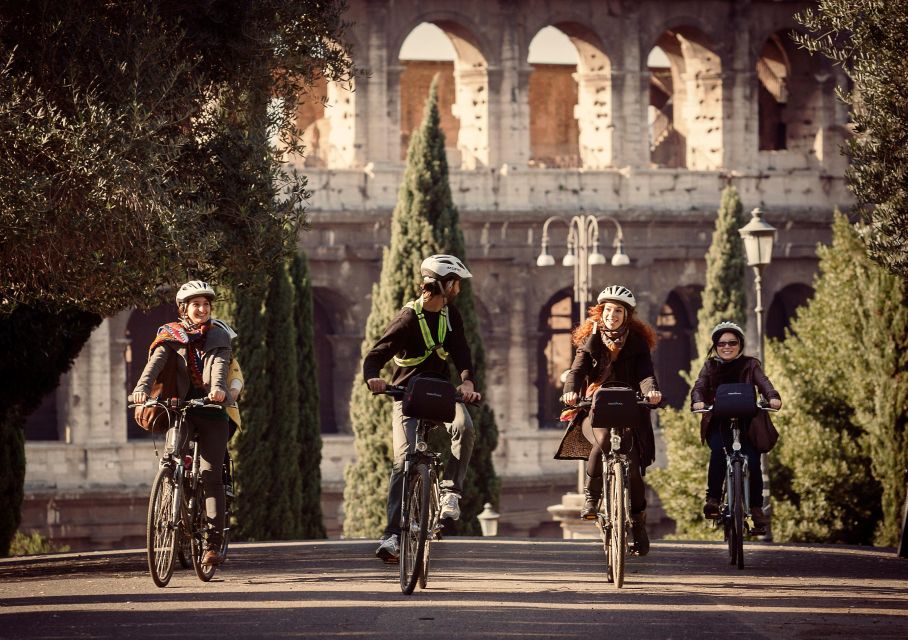
Rome is a city where “seeing it all” usually turns into sore feet and missed details. This tour fixes that with a simple idea: cover real distance on a bike, then spend your energy on the moments that matter—facades, arches, street life, and the stories behind them.
You’ll do about 14 km over roughly 4 hours. That distance doesn’t sound huge on paper, but in Rome, it’s the difference between a “hit-and-run” sightseeing day and one that still feels enjoyable. The e-bike pedal assist helps on hills and bridges, but you’re still actively riding. So it doesn’t feel like a scooter tour where you’re disconnected from the street.
The other big win is the small group size. With up to 10 people, your guide can actually control the flow—where to wait, when to cross, and how to regroup. Several guides are praised for leadership and clear directions, including Carmen (noted for guiding well) and Sina (praised for both humor and information).
You can also read our reviews of more tours and experiences in Rome.



Meeting at Via Labicana 49 and getting rolling
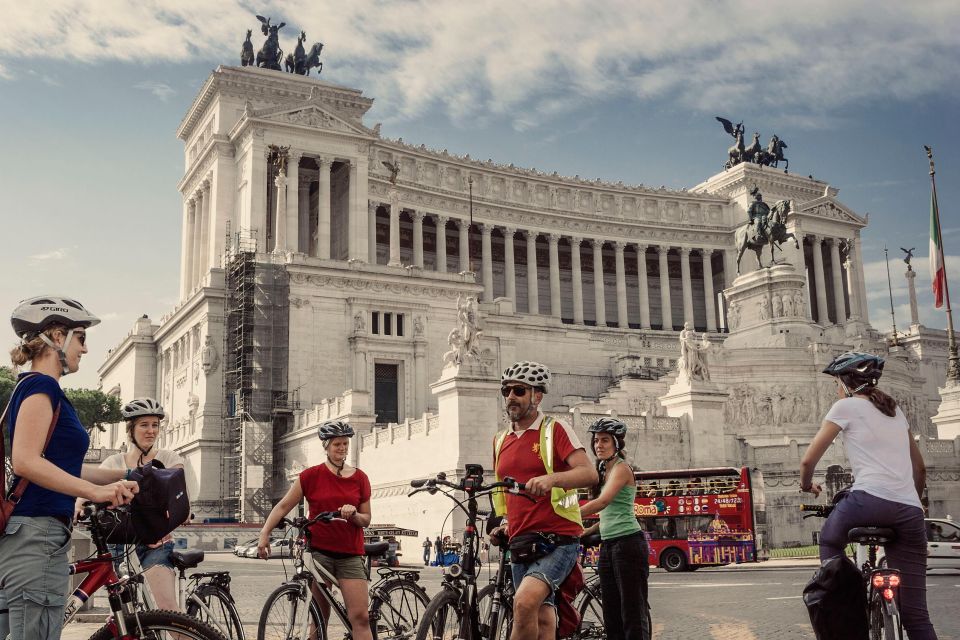
Your tour starts at the shop on Via Labicana 49, a short walk from the Colosseum area. This location is convenient because it puts you in “ancient Rome mode” right away. You’re not spending the first hour crossing the city; you’re using that morning/afternoon energy to go straight to highlights.
Once you arrive, you’ll get a bike setup with a helmet (mandatory), a handlebar bag, and a bottle of water. The bikes are Cannondale models with an easy ride feel and comfortable saddles. There’s also an anti-puncture approach built in, which is exactly the kind of behind-the-scenes detail you appreciate when you’re riding through streets where a flat tire can ruin the whole day.
If you’re a first-time e-bike rider, this tour is the right kind of training. Guides are repeatedly described as patient with different comfort levels, which matters when Rome throws you a mix of wide avenues and narrow lanes.
Colosseum and Imperial Forums: the big start without the big crowds
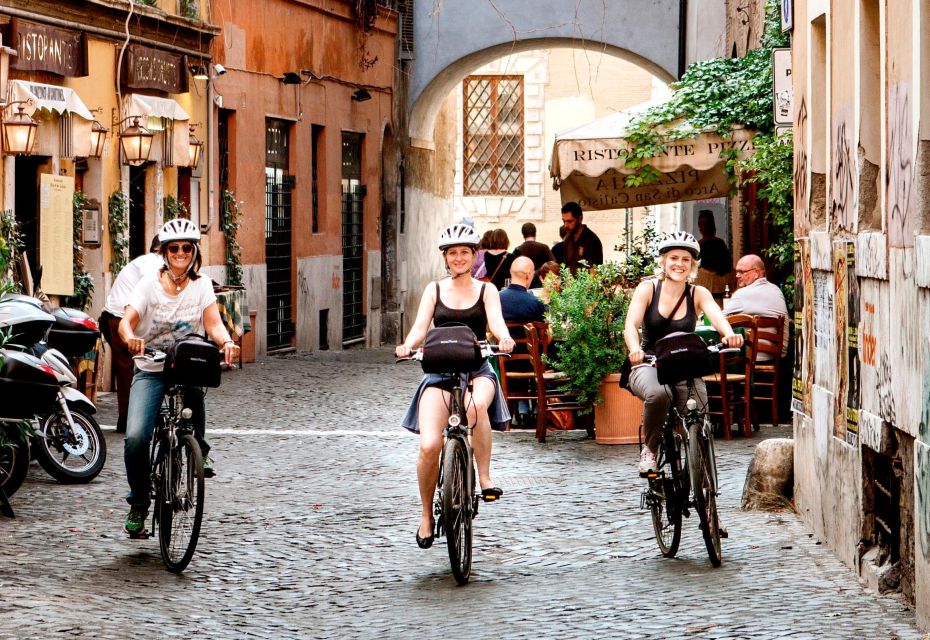
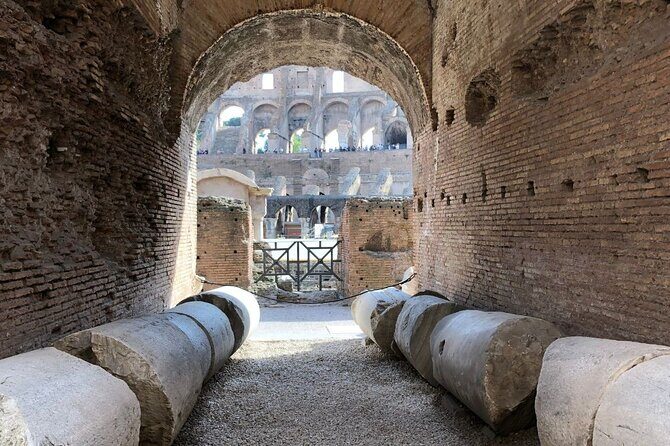
The tour’s first major hit is the Colosseum, and the way you approach it matters. Instead of arriving exhausted from walking, you come in fresh, then settle into the shapes and scale in a way that’s easier to absorb.
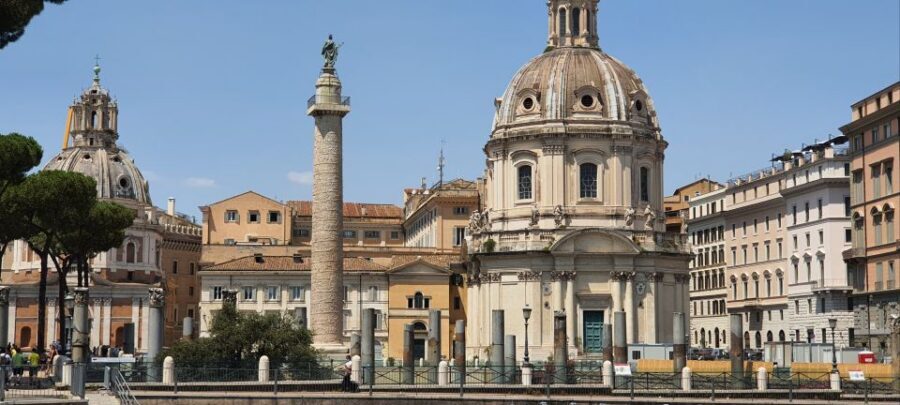
From there, you move into the Imperial Forums area. This is where a guide’s job becomes more than logistics. You’re not just seeing ruins—you’re learning why the space felt powerful in its day. The best advantage of an e-bike format here is timing. You can keep moving between nearby sights instead of turning your day into a series of long walks between gates.
One extra detail worth knowing: you get a panoramic Roman Forum viewpoint during the ride. In one experience, the Roman Forum was seen from a position up above and behind, giving an angle that makes the layout feel less random. That kind of viewpoint often takes forever to find on your own, especially with Rome traffic and crowds.
The practical takeaway
Expect short pauses with enough time to look and take photos. You won’t feel rushed in the way you might on a bus. You also won’t spend hours staring at a single monument while the rest of Rome stays off your schedule.
Trevi Fountain, Spanish Steps, and the art of not getting stuck
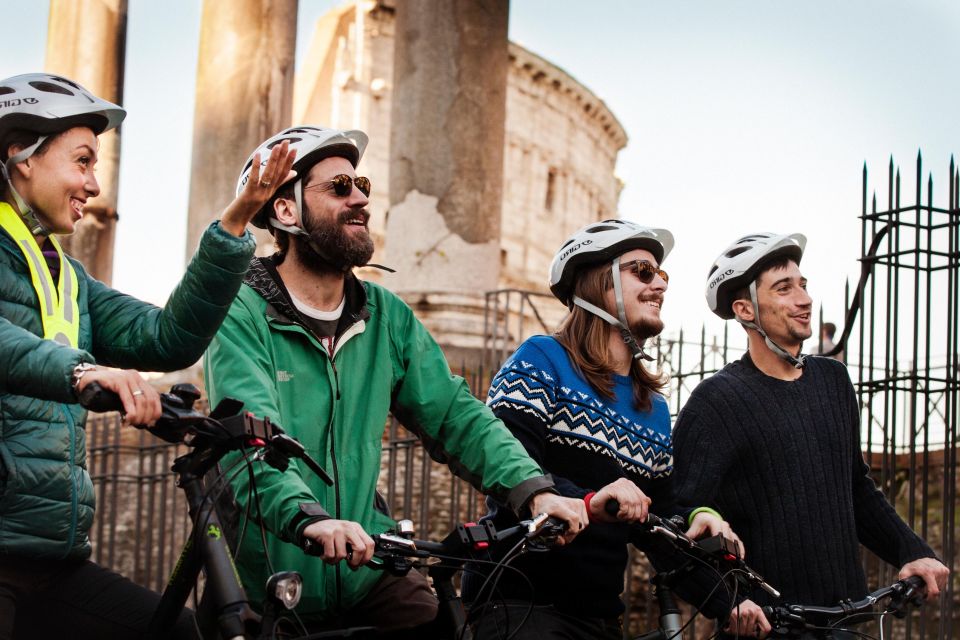
After the ancient core, the route shifts into Rome’s most recognizable postcard areas: Trevi Fountain and the Spanish Steps. These places are famous for a reason, but they’re also famous for bottlenecks. Doing them by e-bike helps you keep your momentum while still arriving at close range.
What I’d watch for here is how the tour balances your time. Even when you’re seeing the big names, the goal isn’t to just stand and sweat. The tour is designed around short segments and repeatable regroup points, so you’re not stuck waiting for the slowest person to catch up.
If you’re visiting later in the day, it’s possible your exact path and stop order may adjust based on the tour schedule and city conditions. In at least one case, Spanish Steps and Trevi weren’t visited on an afternoon session, but the overall experience still felt complete because other churches and historical stops filled the time. Think of it as a plan that prioritizes the day’s flow.



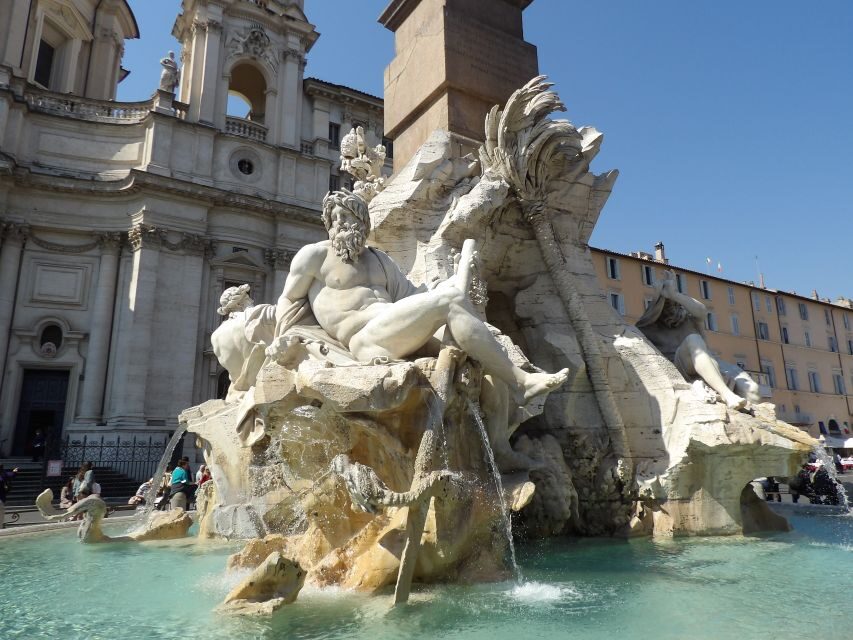
Piazza Navona: Domitian’s stadium energy, minus the marathon
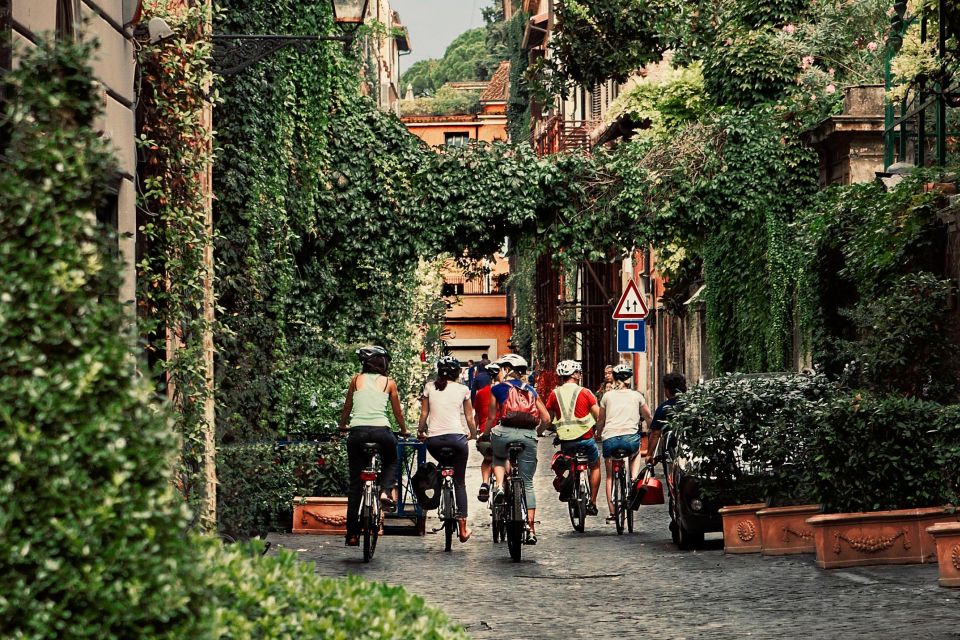
Piazza Navona is a place where Rome’s layers show up instantly. It looks like a lively square, but it sits on older history—the former stadium of Domitian. Riding makes it easy to get there and then pause long enough to notice the space.
A good guide will point out how the square’s shape connects to its past, so you don’t just see fountains—you understand why the geometry matters. The value of this stop on a bike tour is that you can arrive and leave efficiently, so you can fit more of Rome into those 4 hours without feeling like your day is only famous-sight queueing.
Pantheon to Jewish Ghetto and Portico di Ottavia: where the city feels lived-in
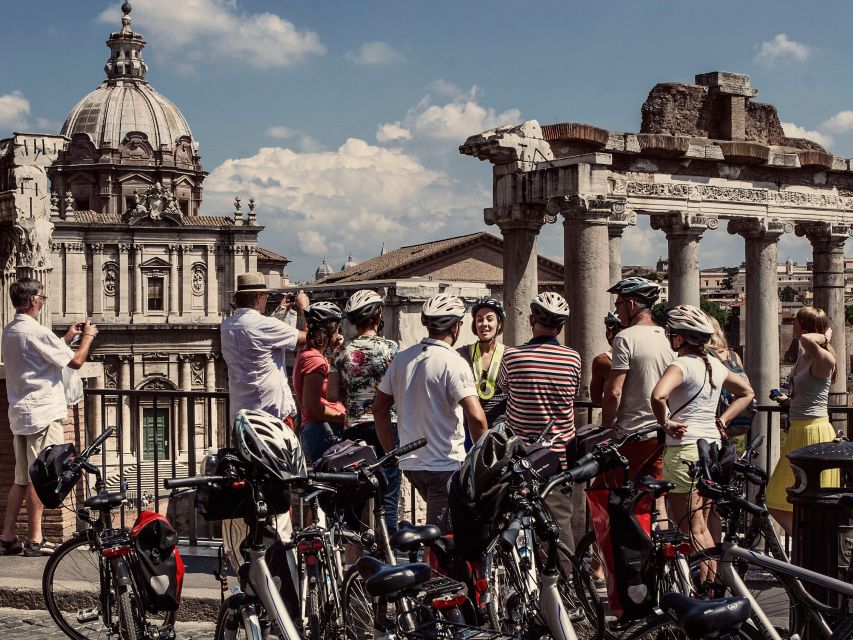
Pantheon is next, and it’s the kind of sight that changes you the second you look up. You’ll get close and take it in in a way that’s hard to replicate when you’re weaving through crowds solo. Again, the bike pace is the advantage. You can focus on what you see instead of “where do we go next?”
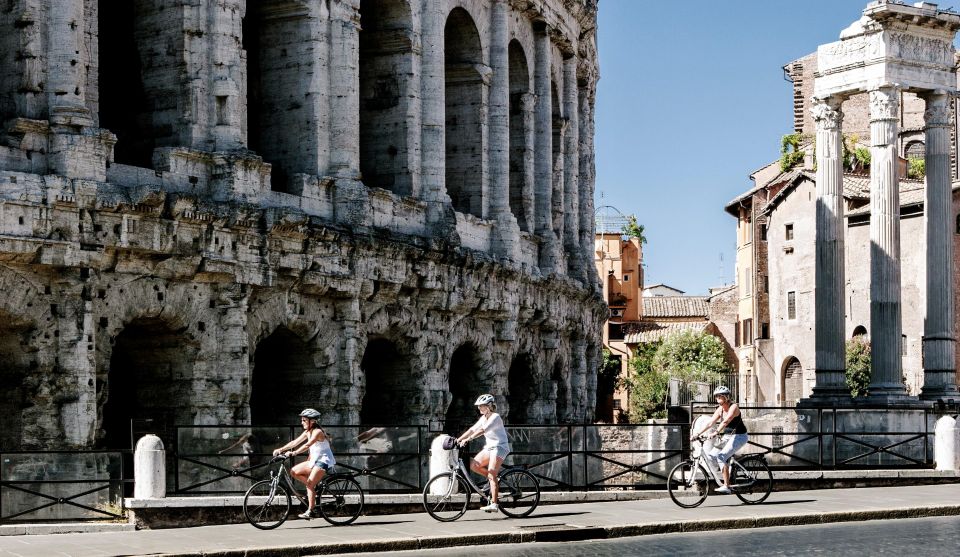
Then the tour turns toward the Jewish Ghetto and Portico di Ottavia. This is one of the most meaningful shifts in the route because it moves you from pure landmark viewing into neighborhoods with real historical texture. The portico area helps you slow down and notice details: arches, street edges, and the way smaller spaces connect to major chapters of Rome.
This is also where your guide’s storytelling really matters. Several guides are praised for pairing directions with context at each stop, which is what turns a ride into an understanding of what you’re looking at.
Theatre of Marcellus and panoramic Roman Forum angles
You’ll also pass the Theatre of Marcellus, another stop where Rome’s old forms sit in plain sight. It can be easy to walk by a structure like this and miss what it represents. On the tour, it’s built into the sequence for a reason: it reinforces the city’s scale and how these monuments relate to each other.
Then there’s that panoramic Roman Forum view again. If you’re the type who likes to “read” a city visually, this is where you’ll feel it click. Seeing the Forum from a viewpoint up and over helps your brain map where things sit relative to the Colosseum and surrounding zones. It’s one of those moments that makes the rest of your Rome trip easier, because you start recognizing connections.
Piazza del Popolo and Villa Borghese: a break from the tight center
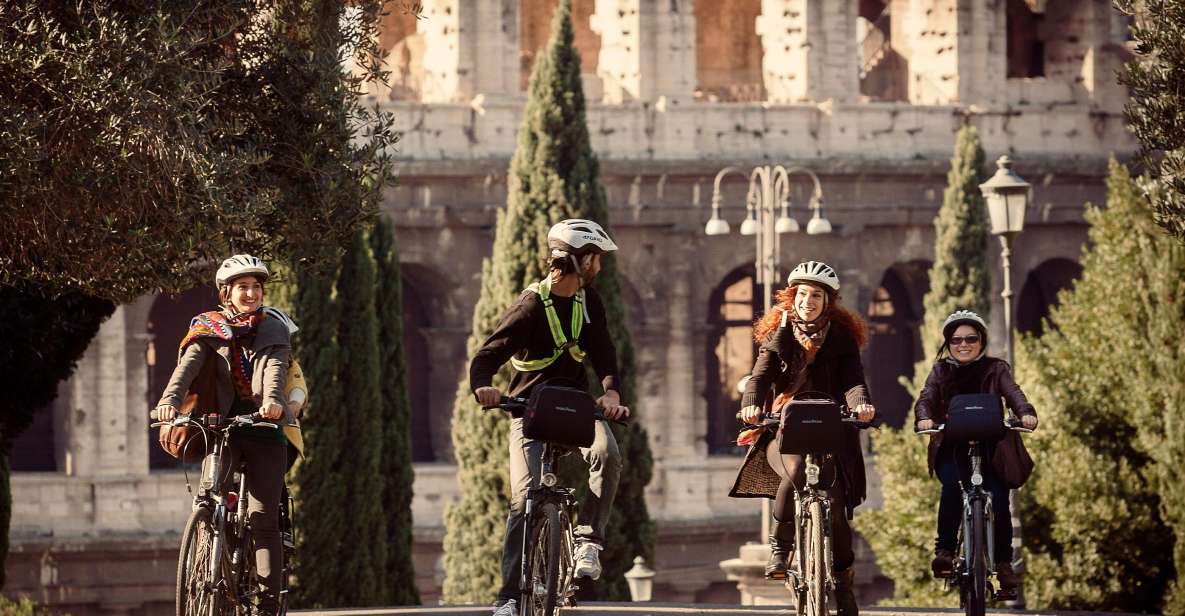
Mid-to-late in the ride, the route includes Piazza del Popolo, plus time in the Villa Borghese park area with a scenic viewpoint over Rome.
This part is not just a scenic detour. It’s a rhythm reset. After dense center streets and major monuments, the green space and open sightlines give your legs and your mind a breather. You still feel like you’re in Rome—just with different air.
And it’s not only about views. Parks are where you can see people doing normal life: strolling, pausing, taking photos, talking. One family even made a day out of it with breaks that included simple treats like gelato and beer mid-ride. That’s not guaranteed as a formal stop, but the pacing of the tour often leaves room for small breaks if you want them.
How the ride feels: comfort, safety, and effort level
This tour is rated leisure, and the 14 km distance is spread across a plan that includes frequent, manageable stops. E-bikes help a lot, especially on Rome’s slight climbs and uneven ground. But you still need basic control—start/stop skills, safe spacing, and helmet etiquette.
Bike equipment includes:
- E-bike with a comfortable saddle
- Anti-puncture tires
- Handlebar bag
- Bottle of water
- Helmet provided free and mandatory
Weight limit is 300 lbs (136 kg). And for kids, there’s a clear structure:
- Infants aged 1–4 ride free on a child seat (under 22 kg / 49 lbs)
- Ages 5–8 can ride with a child extension
- Ages 9+ (over 140 cm / 55 in) can ride an e-bike
It’s not suitable for babies under 1 year.
In real life, guides are repeatedly described as adjusting to different comfort levels and keeping the ride calm, which is exactly what you want when you’re mixing novice riders, families, and people who just want to see Rome without the stress of scooter-style bravery.
Guides make the difference: from humor to clear history
A lot of tours say they’re informative. This one is remembered for how the information is delivered—clear directions, strong pacing, and stops that feel meaningful.
Names that come up include Carmen, Bita, Sina, Anna, Ali, Pablo, Fabio, and Ghazaleh. Different personalities, same pattern: the group is led well, and the guide’s humor or warmth helps the ride stay light even when the topics get historical.
One guide was praised for an understudy role that helped manage the rear of the group—small group logistics done right. Another guide was praised for fixing a bike gear issue quickly, which shows you’re not stuck if something minor goes wrong.
If you’re the kind of traveler who wants the “why” behind what you’re seeing—Roman power, city planning, and why neighborhoods have the shape they do—this tour format is a strong match.
Price and value: what $100 gets you in Rome time
At about $100 per person for 4 hours, this isn’t the cheapest way to see Rome. But it’s also not selling you only motion. You’re paying for:
- A maintained Cannondale e-bike
- A live guide
- Helmet and water included
- A route that packs major landmarks plus neighborhood history into one organized loop
The value math is simple: if you’d otherwise spend your day walking between the Colosseum, Trevi, the Pantheon, and the Forum area, you’d likely burn hours, energy, and patience. This tour turns those hours into a single plan with built-in pacing. For many people, that’s the difference between enjoying Rome and merely surviving it.
Who should book this (and who might skip)
This is a great fit if:
- It’s your first time in Rome and you want orientation fast
- You want major sights in one day without turning your feet into noodles
- You’re traveling with kids or teens who need structured breaks (the e-bike format helps a lot)
- You want to ride through Rome’s street texture—more than just “arrive, stand, leave”
You might choose something else if:
- You’re uncomfortable riding anywhere with mixed traffic or tight turning areas
- You want a slow, deep museum day instead of a moving, stop-and-look rhythm
- You’re looking for a fully hands-off experience (you still pedal with assistance)
Should you book the Cannondale e-bike tour?
If you have limited time in Rome, I’d strongly consider booking this as one of your first experiences. It gives you the big-picture connections—Forum angles, monument layout, and neighborhood texture—so the rest of your trip feels easier to navigate.
Also, you’ll feel the value in small details: well-kept bikes, helmets provided, and guides who manage the group with clarity. For a city as chaotic as Rome can be on a normal walking day, a safety-focused, small-group e-bike tour is one of the more practical ways to spend 4 hours.
If that sounds like your pace, book it and ride with confidence.