REVIEW · ROME
Rome Best Squares & fountains Walking Tour
Book on GetYourGuide →Operated by Guydeez Tours · Bookable on GetYourGuide
You can see a lot of Rome in just two hours.
This private Rome squares and fountains walk strings together the big names you actually want, plus the smaller street-level sights that make the city feel real. I like that the route is built for flow: you start near Piazza Mignanelli, work your way through Trinità dei Monti and Rome’s famous fountain-and-square stops, and finish with extra context from a guide who’s ready to answer your questions on the spot.
Two things I’d call out right away: you get private time (so you can move at your pace, including photo breaks), and you also get practical city advice while you walk, not just a script. One thing to consider: it’s a compact 2-hour loop, so if you want to linger for museum-level time inside buildings, this walk is more “see and understand” than “take your time.”
In This Review
- Key Highlights to Look Forward To
- Why This 2-Hour Rome Squares Walk Works
- Meeting Near Piazza Mignanelli and Getting Oriented Fast
- Trinità dei Monti: Panoramas and the Late-Renaissance Jump-Start
- Piazza Navona: From Domitian Stadium to Baroque Theater
- Column of Marcus Aurelius: A Short Stop With Real Story Power
- Trevi Fountain in a Tight Time Window
- Pantheon: How to Appreciate It Without Feeling Rushed
- Finishing at Sant’Ignazio di Loyola: A Church Stop That Adds Texture
- Private Format and Customization: What You Actually Get
- Price and Value: What $41 Buys You in Rome
- What the Guide Adds (And Why Rain Did Not Ruin It)
- Practical Tips So You Enjoy Every Stop
- Who Should Book This Tour
- Should You Book It?
- FAQ
- How long is the Rome Best Squares & Fountains Walking Tour?
- Where does the tour meet?
- Is this tour private?
- What’s included in the tour price?
- Is food or drinks included?
- What languages are available for the guide?
- Is the tour wheelchair accessible?
Key Highlights to Look Forward To

- Spanish Steps area views with Trinità dei Monti as your early wow moment
- Piazza Navona explained as a former Domitian Stadium site, then reworked into Baroque splendor
- Trevi Fountain and the best ways to experience it fast without feeling lost
- Pantheon treated like a living landmark, not just a postcard stop
- Guided context at the Column of Marcus Aurelius, including scenes that echo the Gladiator movie feel
- A second church stop with Sant’Ignazio di Loyola, so the walk ends with real Roman character
Why This 2-Hour Rome Squares Walk Works
Rome is huge, and most first-time tours end up feeling like a sprint. This one avoids that problem by focusing on a tight stretch of central Rome and letting you “read” what you’re seeing.
You’ll move through a sequence of squares and landmarks that are famous for a reason: they’re visually dramatic, but they also show you how Rome layers time on top of time. You start with the elevated viewpoint energy near Trinità dei Monti, then shift into the plaza/fountain rhythm at Piazza Navona, and then you pivot into Rome’s older core with the Pantheon. That mix keeps your brain engaged: you’re not just staring at beauty; you’re also learning what you’re looking at and why it matters.
This tour also gives you something most short tours skip: on-the-ground guidance. As you go, your guide can recommend what to do next around your interests, whether you care about food, shopping streets, quieter corners, or where to return later for photos.
Finally, it’s private and customizable, so you can adjust around your needs—especially helpful if your group has different walking comfort levels or photo priorities.
You can also read our reviews of more tours and experiences in Rome.



Meeting Near Piazza Mignanelli and Getting Oriented Fast
Your meeting point is Piazza Mignanelli (near the Spanish Steps and Via del Corso). This is a smart start because you’re dropped into Rome’s central geography from the get-go. You’re already close to major connections, and the surrounding streets make it easy to understand where everything is.
From there, you rendezvous with your guide and head toward the staircase area linked with the early climbs toward Santissima Trinità dei Monti. Even if you’ve seen photos, it helps to experience this part in motion. The city’s scale becomes clearer when you can stand in the right spot and look out over the rooftops and street lines.
If you’re the type who gets frustrated when Rome feels like “one long blur,” you’ll appreciate the structure here. You’re not wandering. You’re walking with a plan, and every step comes with a reason.
Trinità dei Monti: Panoramas and the Late-Renaissance Jump-Start
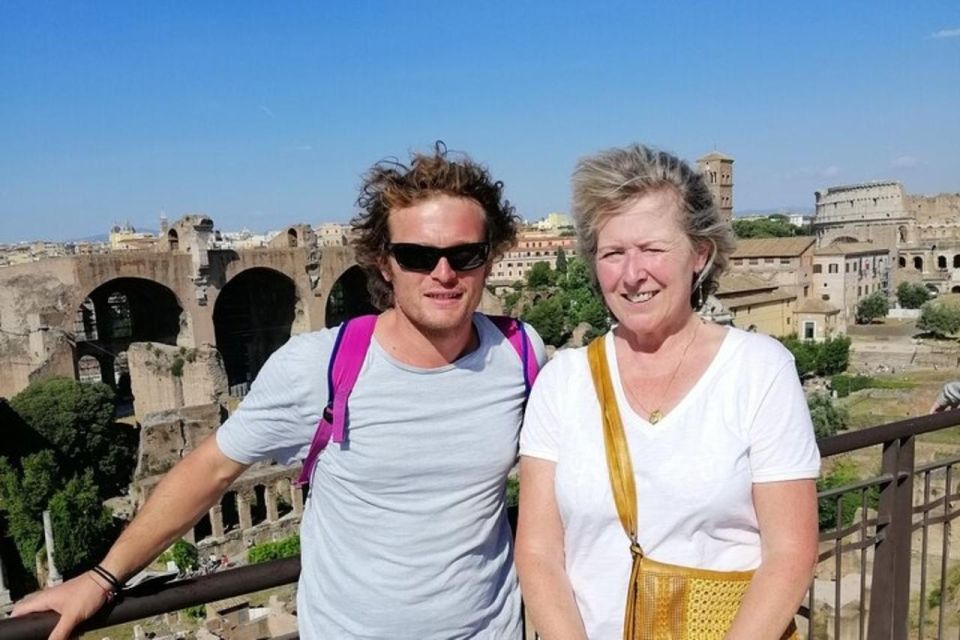
This is one of the first big payoff moments. You’ll head up to Santissima Trinità dei Monti, a late Renaissance church area that’s known for the sweeping views.
What I like about making this your early stop is psychological. Once you see the landscape from that higher angle, the rest of the route makes more sense. You start to understand which streets connect where. You also get a sense of the city’s “layers,” because you’re looking at central Rome while learning how the Baroque-era landmarks connect to the older foundation underneath.
It’s a great stop for photos, but also for orientation. If you keep getting turned around in Rome, that’s usually because you’re not using viewpoints to build a mental map. This gives you that map fast.
Practical note: wear shoes with solid grip. The area includes stairs and uneven pavement in places, and two hours goes by faster than you think.
Piazza Navona: From Domitian Stadium to Baroque Theater

Then the tour shifts into Piazza Navona, one of Rome’s most satisfying squares to walk through. The key detail your guide will connect for you: it wasn’t always a Baroque showpiece. This site was once the ancient Stadium of Domitian, and later it was transformed by artists such as Gian Lorenzo Bernini and Francesco Borromini.
That historical angle changes how you experience the square. Instead of just looking at the fountains and facades, you start noticing the geometry of the space. Stadium design tends to shape how crowds move and how buildings frame long sightlines. Baroque design then turns that into visual drama.
What to do here: slow your pace for a few minutes. Let the fountains and perimeter details come into focus. Even within a short tour window, if you take just a tiny pause, Piazza Navona stops being a “stop” and starts feeling like a place.
Potential drawback: it’s a top sightseeing area, so the square can be busy. The private format helps you avoid the worst feeling of getting herded. You can also ask your guide for the best spots to stand so you don’t fight for the same angle as everyone else.
Column of Marcus Aurelius: A Short Stop With Real Story Power
Next up is a photo stop at the Marcus Aurelius Column. It’s not a long visit, but it’s worth treating like one because of what your guide points out.
The column is carved with scenes, and you’ll get help noticing the narrative quality of the relief work. The tour description makes a comparison to the Gladiator movie look and feel, which is a smart teaching tool. You’ll see that it’s not just decorative. It’s meant to communicate power and history through imagery.
Here’s the value: a stop like this can make you feel more grounded. Rome can be overwhelming. A single object with a clear story helps you anchor everything else you’re seeing.



Trevi Fountain in a Tight Time Window
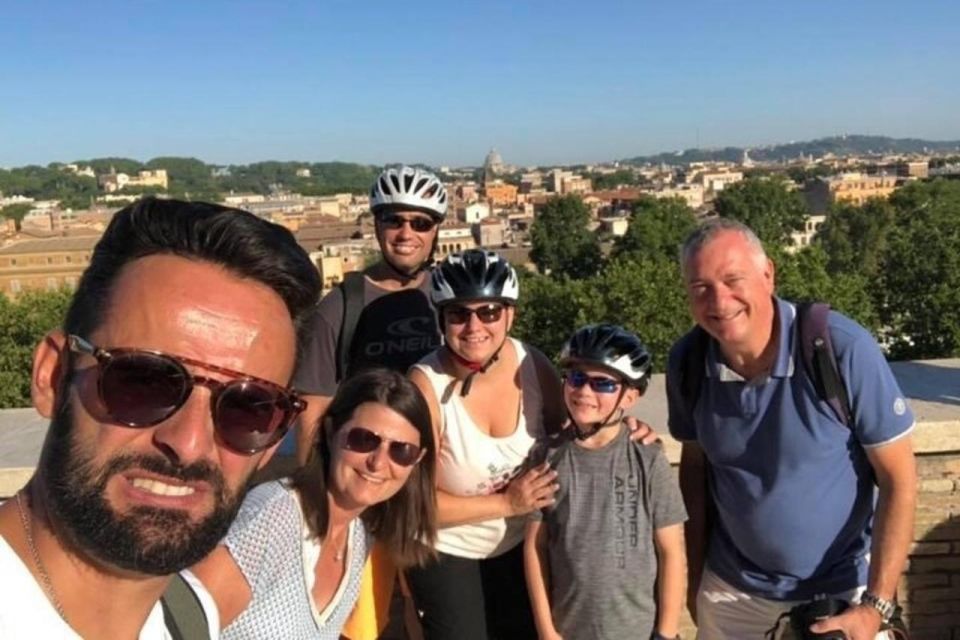
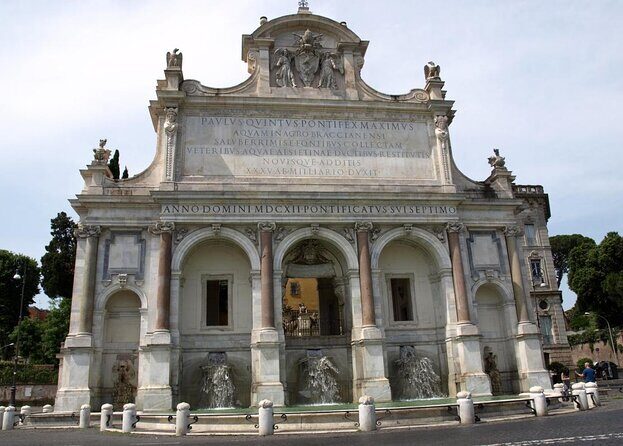
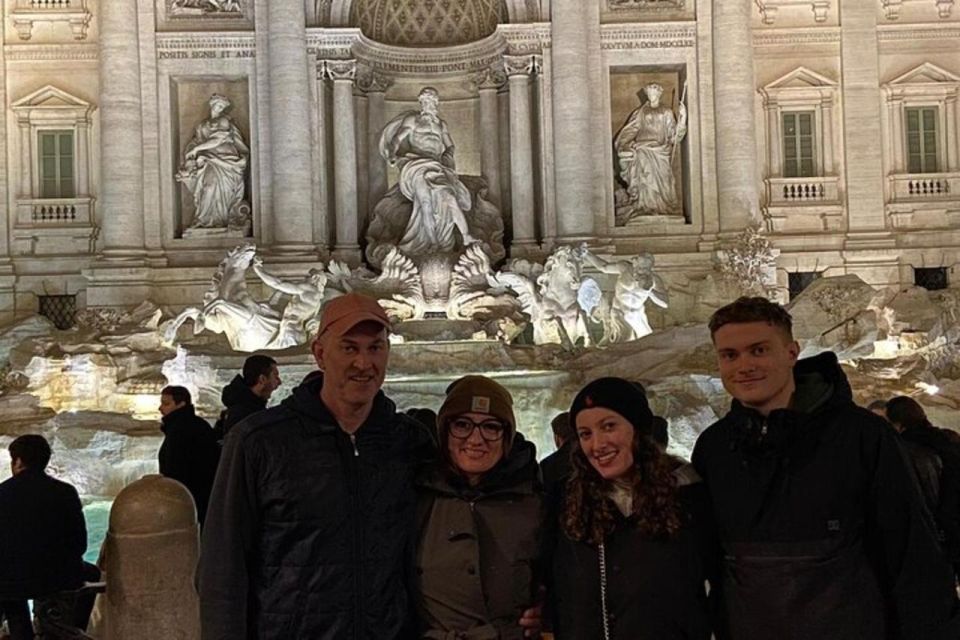
If Trevi is on your must-see list, you’re in luck. This tour builds in a photo stop and guided walk at Trevi Fountain without dragging you into a long detour.
Because you only have two hours, the guide’s job becomes crucial: getting you to the right spots to see the fountain clearly and understand what you’re looking at. You’ll also have time to get a feel for how the square works around it, rather than just posing quickly and rushing away.
One practical thought: Trevi photos can be tricky because of crowds and angles. A private guide can help you avoid wasting your limited time standing in the wrong line for the wrong view.
Also, this is one of those places where it helps to know where your eyes should go first. Don’t let yourself get hypnotized by the water alone. Look at the sculptural layout, then come back for the overall effect.
Pantheon: How to Appreciate It Without Feeling Rushed
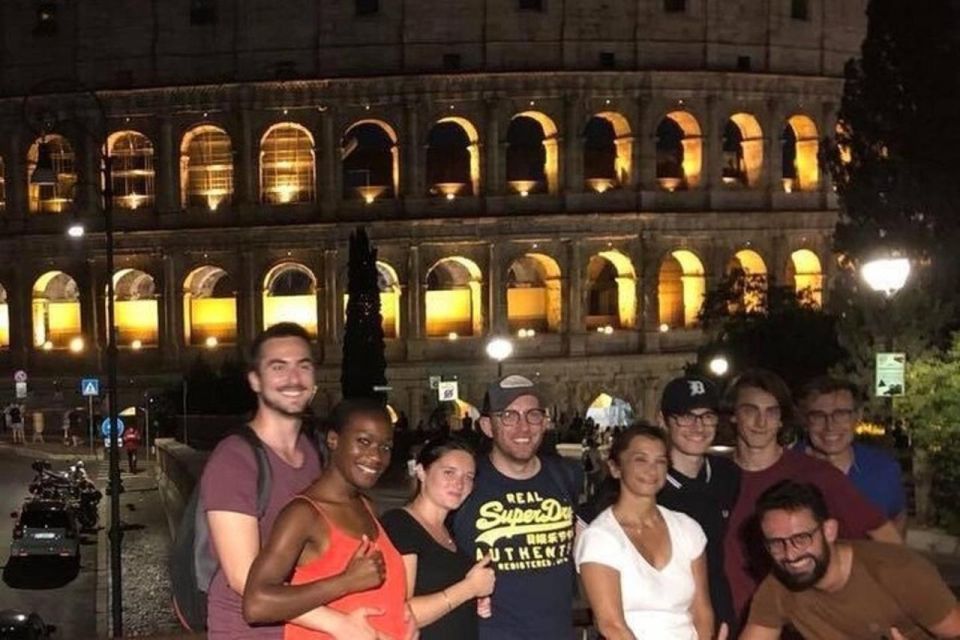
The Pantheon is next, and this stop is a big one. It’s a remarkably preserved Roman temple, and your guide helps you recognize it as more than a famous exterior photo.
Even in a short visit, you can pick up the key feeling: this is a structure that has survived because it’s built with serious Roman confidence. Your guide will guide you through what to notice so you’re not just scanning for Instagram angles.
If you’ve ever visited and thought, I get why people love this, but I still don’t know what I’m looking at, this is exactly the fix. A short explanation beats a long guessing game.
Time-wise, plan to spend enough moments to look up and take in the interior mood. If the weather is rough, you’ll still benefit because the Pantheon is a “worth it” stop even when you can’t roam outside much.
Finishing at Sant’Ignazio di Loyola: A Church Stop That Adds Texture
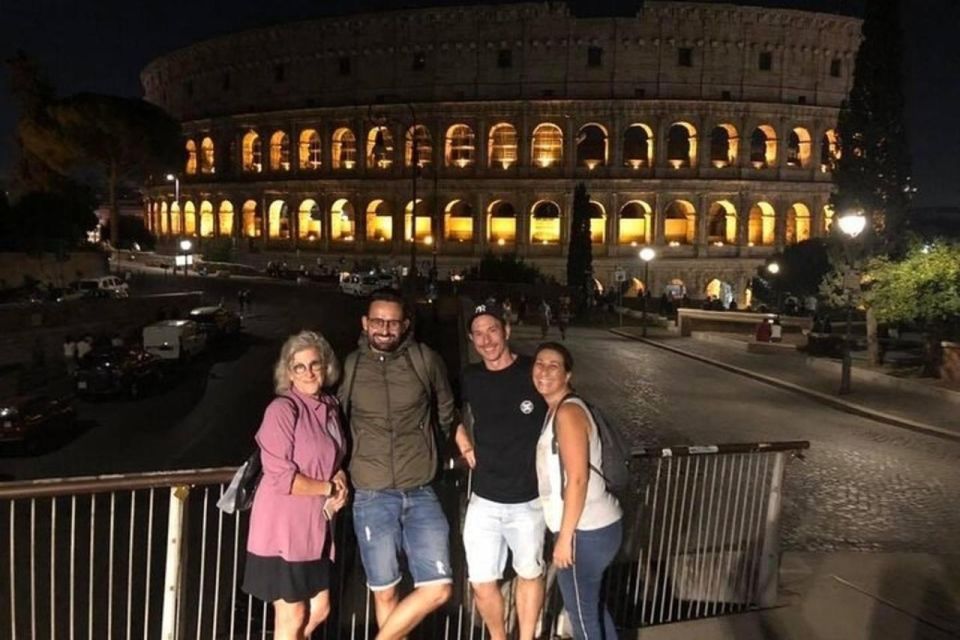
The walk continues to Church of Sant’Ignazio di Loyola. This is a smart closing choice because it shifts the focus from the biggest square icons to a more intimate, place-based experience.
Even as a photo stop with a guided component, it adds variety. After Trevi and Pantheon, you’ve already hit the major heavy hitters. A church stop at the end helps the tour feel like more than a hit list. It brings you back to the real rhythm of Rome: street, stone, sculpture, and sacred space all in close distance.
This is also a good moment to ask your guide questions you didn’t think of earlier. Want a recommendation for what to do next this afternoon? Or where to go tomorrow without duplicating what you just saw? This tour is designed for that kind of conversation.
Private Format and Customization: What You Actually Get
On paper, “private” can sound like marketing fluff. Here, it matters because the tour is tightly timed.
You can:
- linger briefly at a spot that clicks with you
- move faster if you’re seeing the pattern and just want to get to the next landmark
- ask direct questions while you’re standing in front of what you mean
- keep your group together without waiting on a big crowd schedule
The tour is also described as customizable, which is useful if your group has a specific priority—fountains, squares, churches, or history-as-you-walk.
One more helpful detail: the included help from the team to book tickets for desired visits. If you’re trying to connect this with other sights later, that support can save time.
Price and Value: What $41 Buys You in Rome
At $41 per person for a 2-hour walking tour, you’re paying for time with a guide plus a structured route that hits multiple top sights.
Is it cheap? No. But it’s also not overpriced for what you get. In Rome, a guided route can be the difference between:
- moving efficiently and understanding what you see, vs.
- spending two hours walking around with a half-remembered map
This tour is private, and it’s focused on the kind of landmarks that usually take time to “unlock” on your own. Your money is buying clarity. You also get advice for what to do next, which is where the real savings can happen—because it reduces the chance you’ll waste hours repeating what you’ve already done or heading somewhere that doesn’t match your interests.
Also, this tour includes walking and may include public transport depending on your selected option. That flexibility helps keep the route realistic in two hours.
What the Guide Adds (And Why Rain Did Not Ruin It)
One standout theme from actual guide performance on this kind of route: keeping people engaged.
For example, one guide named Simona has been described as perfect at capturing attention even when it’s raining, including keeping two teenagers focused through the whole experience. That tells me something important about this tour’s real strength: a good guide doesn’t just know facts. They manage energy, pacing, and focus when conditions aren’t ideal.
Even if your weather is good, that skill shows. On a short tour, you don’t want your time lost to side conversations that don’t go anywhere. You want the guide to keep momentum and make the landmarks feel connected.
And because the tour is offered in multiple languages (English, French, Italian, Spanish), you’re more likely to get explanations that land cleanly.
Practical Tips So You Enjoy Every Stop
A few things that will make this walk smoother:
- Wear comfortable shoes for stairs and uneven old-city pavement.
- Bring a light layer. Rome weather can shift fast, especially around open squares.
- Have one or two questions ready about what you want next in the city. Your guide can use the walking time to answer them right where it matters.
- Plan your day around a short attention span. This is two hours. Don’t schedule it as your “after everything else” activity unless you have a buffer.
If you’re traveling with limited mobility, the tour is listed as wheelchair accessible, which is a big plus to check for your specific route needs.
Who Should Book This Tour
This fits best if you:
- want the classic Rome sights in one organized 2-hour plan
- prefer learning by walking, not by sitting in a bus
- value private time and the ability to customize
- are okay with a “see and understand” pace rather than a long, slow sightseeing day
It’s also a strong choice for families, including teens, because the route has enough variety to keep interest from dropping.
If you’re the type who needs a deep, multi-hour museum day, you’ll still enjoy this, but you might treat it as your first Rome overview and then build longer visits later.
Should You Book It?
I’d book this if you want fast confidence in central Rome: the Spanish Steps viewpoint mood, Baroque squares like Piazza Navona, the big Roman anchor of the Pantheon, and the fountain-and-church variety that makes Rome feel like Rome.
Skip it only if you want long time in interiors or a slow wander with no structure. This tour is built for momentum.
If your priority is value-through-clarity—seeing the major sights without losing your way—this is a good fit at $41 for two hours.
FAQ
How long is the Rome Best Squares & Fountains Walking Tour?
The tour lasts 2 hours.
Where does the tour meet?
You meet at Piazza Mignanelli, 00187 Rome RM, Italy.
Is this tour private?
Yes. It’s described as private and exclusive, with no one else in your group, and there’s also private group availability.
What’s included in the tour price?
It includes a private guided walking experience, walking tour and public transport (except if you select one of the options), help from the team to book tickets for desired visits, and a small-group/private structure with an English-speaking guide.
Is food or drinks included?
No. Drink or Food is not included.
What languages are available for the guide?
The guide is available in English, French, Italian, and Spanish.
Is the tour wheelchair accessible?
Yes, it’s listed as wheelchair accessible.