REVIEW · GUIDED
Roamin’ Around Rome Guided Tour
Book on GetYourGuide →Operated by Italy Wonders · Bookable on GetYourGuide
Night Rome feels like a time machine. I love how this 2.5-hour walk strings together the biggest classics under streetlights, and I like that the guide adds place-by-place context as you go. Piazza Navona, the Pantheon, and the Trevi Fountain all become more than photos.
The one trade-off is simple: this tour is walking-heavy, and the areas around Trevi and other top stops can feel crowded. Wear comfortable walking shoes and plan for cool evening air or summer heat.
You meet at the Fontana della Pigna with a branded company flag, then you finish right back there. The tour runs in English and Spanish with guides such as Pillar and Furio, who keep things friendly and full of facts.
In This Review
- Key things to know before you go
- Starting at Fontana della Pigna: how the tour actually begins
- Palazzo Venezia and Trajan’s Column: where the stories start
- Piazza Navona and the Pantheon after dark
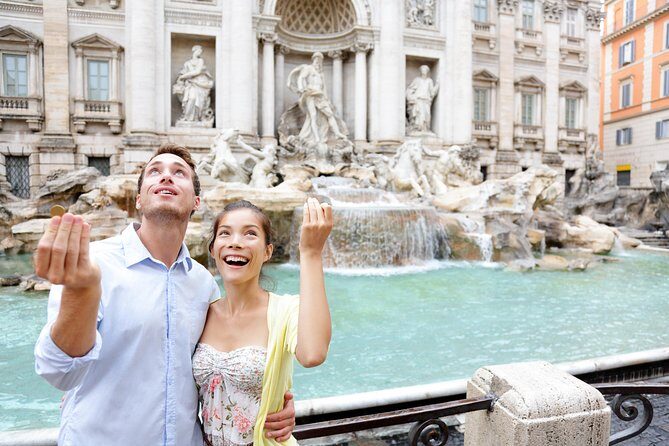
- Trevi Fountain: the coin toss and crowd math
- Galleria Sciarra and Vicus Caprarius: Rome below the surface
- St. Ignazio di Loyola and Altar of the Fatherland views
- Colosseum glow and the end of the night loop
- Price and value: is $35 a good deal?
- Practical tips to make the 2.5 hours work for you
- Who this tour suits best
- Should you book Roamin’ Around Rome Guided Tour?
- FAQ
- How long is the Roamin’ Around Rome guided tour?
- What is the price per person?
- What does the $35 include?
- Are entrance fees included?
- Where do I meet the guide?
- Where does the tour end?
- What languages is the tour offered in?
- What should I bring for the tour?
- What isn’t allowed during the tour?
- Is the tour suitable for wheelchair users or mobility impairments?
Key things to know before you go
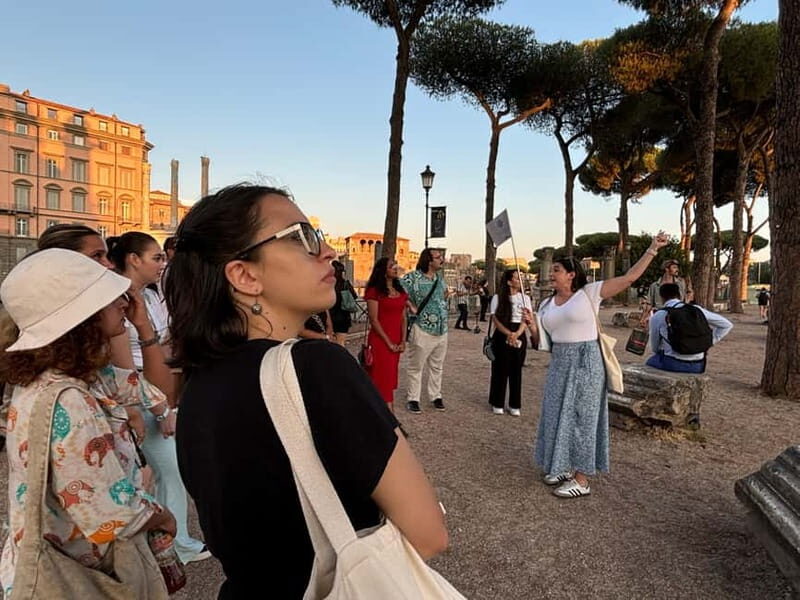
- Two-and-a-half hours that move: you cover major sights without dragging the pace
- Iconic Rome at night: lit monuments give a different mood than daytime crowds
- Real variety in the route: famous landmarks plus frescoed corridors and underground archaeology
- A guide who connects dots: you learn why each stop matters, not just where it is
- No entrance fees included: plan around any ticketed stops you might expect
Starting at Fontana della Pigna: how the tour actually begins
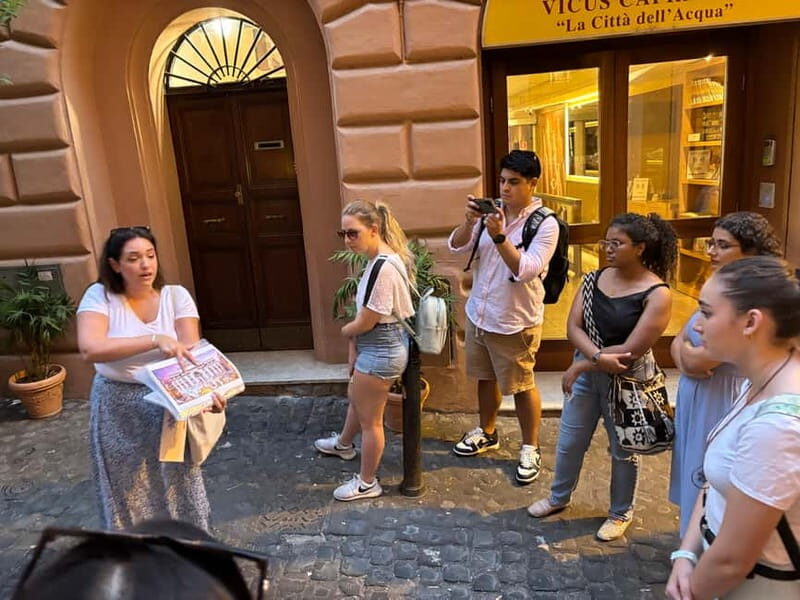
This tour keeps things easy to follow. You start next to the Fontana della Pigna, where the guide holds a branded company flag, and you end back at the same spot. That loop matters, because you don’t spend the night figuring out transit or backtracking.
At night, meeting points can be a little tricky if it’s busy nearby, so give yourself a few extra minutes to get your bearings. Also, keep your ticket and ID handy. The tour accepts a passport or ID card (a copy is accepted), so you won’t be scrambling if someone checks.
Since the walking starts immediately, I recommend treating those first minutes like a warm-up: comfortable shoes on, water ready, and phone batteries charged. Night Rome looks great on camera, but you’ll be moving most of the time.
You can also read our reviews of more guided tours in Rome



Palazzo Venezia and Trajan’s Column: where the stories start
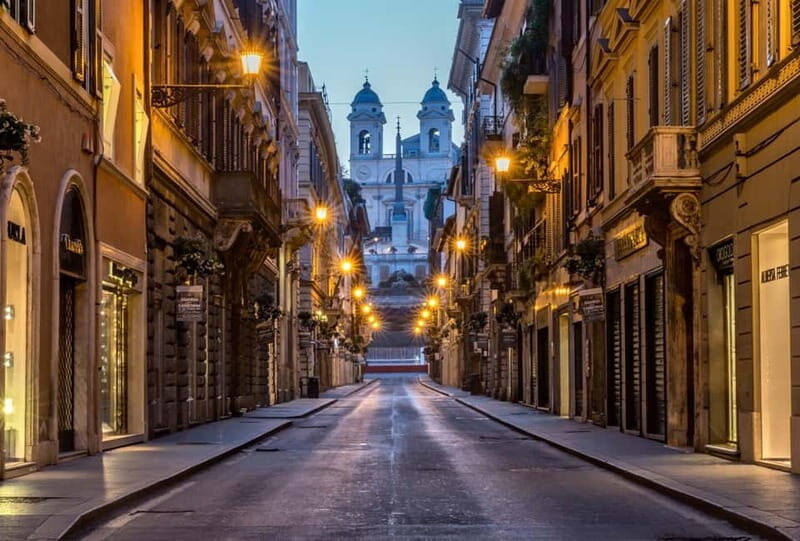
Early on, you’ll get a strong sense of Rome’s “why.” A key stop is Palazzo Venezia, where you’ll learn about its history as you pass through the area. Even if you’ve seen the building in passing during the day, the guide’s explanation gives you a clearer picture of how power, buildings, and public life fit together.
Then comes Trajan’s Column, a monument built to celebrate Rome’s military triumphs. The column is one of those sites where the physical thing is impressive, but the meaning lands harder when someone explains what you’re looking at and why it was made. You’re not just standing there reading plaques. You’re getting a quick narrative that makes the whole street scene click.
A small but important point: this kind of stop works best if you stay close to the guide and listen through the quick moments. On a night walk, you’ll move from “wow, that’s big” to “I get it now” fast.
Piazza Navona and the Pantheon after dark
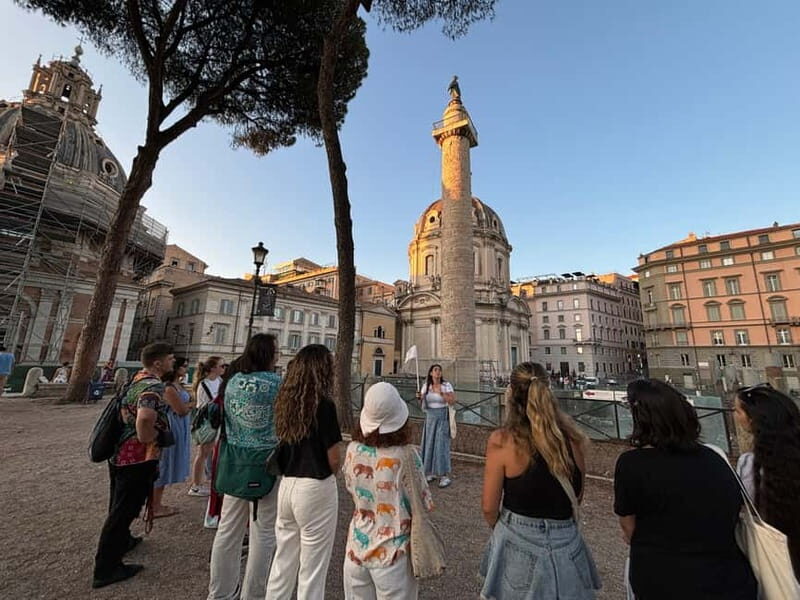
Rome really behaves differently after sunset. Piazza Navona is one of the stops that shows you that change. The square looks theatrical at night, with light bouncing off façades and the space feeling calmer than the daytime crush.
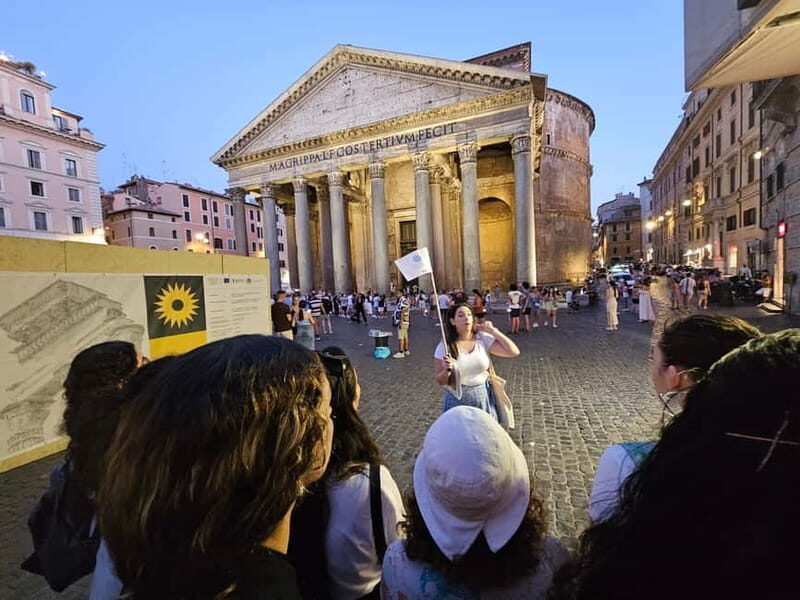
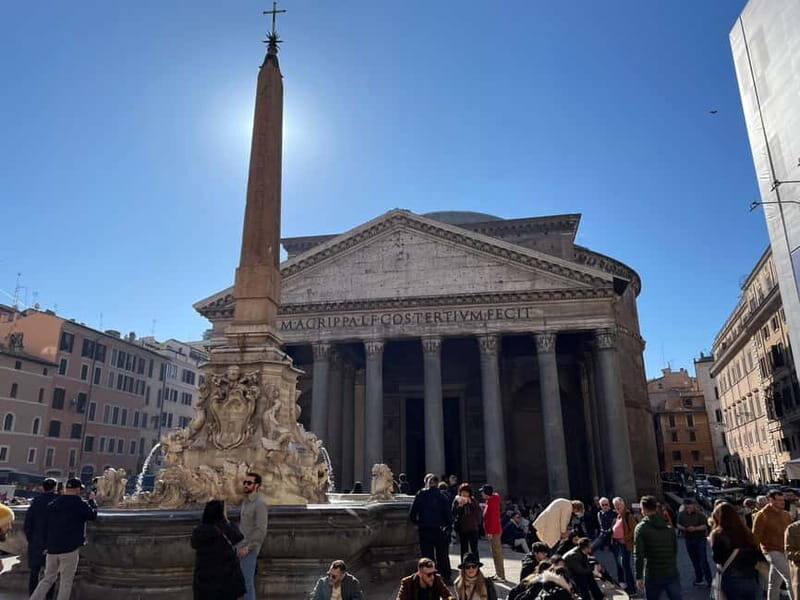
From there, you’ll pass by the Pantheon, and the guide connects it to its place in the imperial era. The Pantheon is already a headline attraction, so what you gain here is context: what makes it so durable, why people kept it central, and what the surrounding area signaled over time.
You should also know what you might feel: the Pantheon area draws attention, and your group will likely mix with other visitors. Keep your pace steady, and don’t block walkways for photos. If you’re the type who stops for every detail, you’ll want to pick a few moments to linger so you don’t fall behind.
Trevi Fountain: the coin toss and crowd math
The Trevi Fountain is the kind of place that tests your patience and your timing. This tour gives you the coin moment, so you can do the classic toss and move on with the rest of the group. That’s the best approach here. If you try to stay indefinitely, you’ll spend more time in the crowd than learning from the guide.
This is also where photos are easiest to get wrong. Photography is allowed, but you’ll want to be respectful—no aggressive elbows, no tripods in other people’s paths, and no lingering in doorways. If you want the cleanest shots, watch where the flow of people naturally opens a gap, then take your image quickly.
The guide’s job is more than facts. It’s helping you manage the crowd so you don’t lose the tour rhythm. I like this format because Trevi can eat an entire evening on its own; here it’s a highlight inside a plan.
Galleria Sciarra and Vicus Caprarius: Rome below the surface
This is one of the smartest parts of the route. You go beyond the obvious postcards and see Rome in other formats.
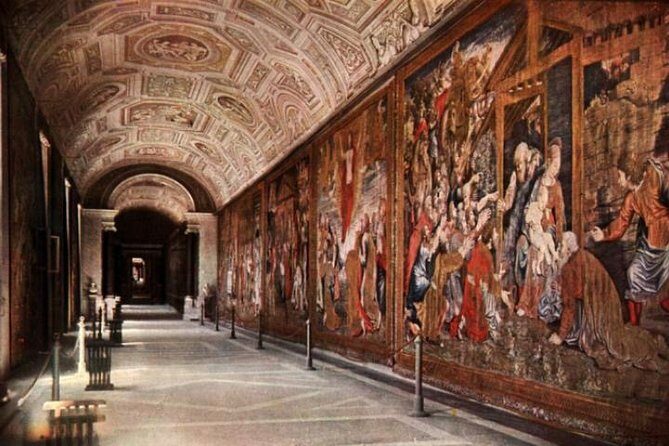
First, there’s Galleria Sciarra, described here as having stunning frescoes. Even when you know Rome is full of art, it’s still a surprise to see it in quieter passageways. This kind of stop gives you a break from the big outdoor crowds while keeping you on-theme with the city’s creative side.
Then you’ll visit Vicus Caprarius, an underground archaeological site. Going underground changes your perspective fast. It slows you down and makes the past feel close in a different way. Since this is a walking tour with limited time, you’ll likely get a focused experience rather than a long exploration, but that’s actually a plus if you want variety without spending hours ticket-hunting.
For these stops, keep an eye on your group pace. Underground spaces can be tight, and it’s easy to get separated when you pause too long.



St. Ignazio di Loyola and Altar of the Fatherland views
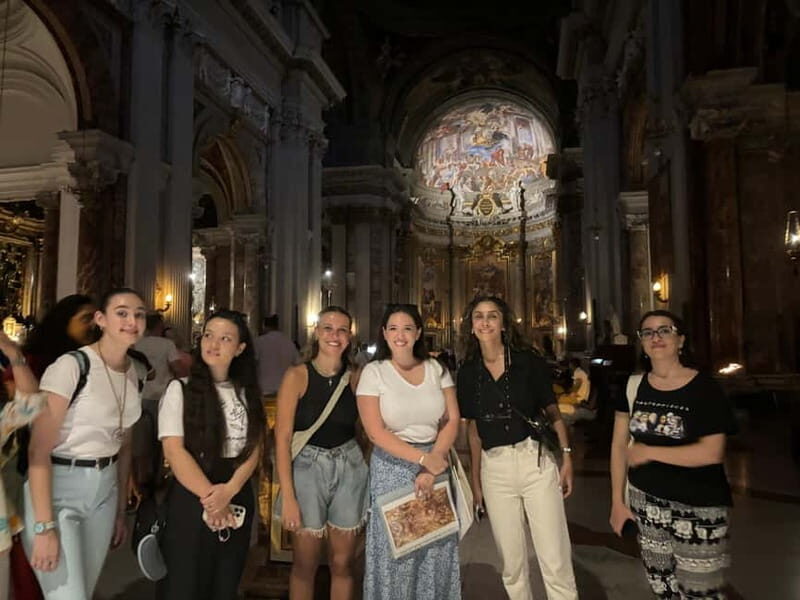
Next comes the church stop: you’ll step inside St. Ignazio di Loyola. Churches on a night tour can feel especially powerful because the light inside is controlled and calm. Even if you’re not chasing religious art, it’s a good moment to reset from street-level noise.
After that, the tour moves you toward panoramic views from the Altar of the Fatherland. This is where you get a wider mental map of Rome, instead of only tight street scenes and single buildings. Looking out over the city from a higher viewpoint helps you understand how the major sights relate to each other.
I like these “view” moments because they make the walking feel worth it. Without them, a night tour can feel like a blur of statues and façades. With them, you end the experience with a sense of direction and scale.
Colosseum glow and the end of the night loop
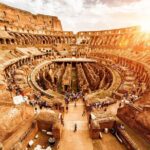
The tour finishes with a breathtaking view of the Colosseum glowing against the night sky. After 2.5 hours of landmark-to-landmark motion, this last stop is a payoff. It’s the kind of finale that sticks in your memory because you’re seeing it in the mood you came for—after dark.
Then you return to the meeting point near the Fontana della Pigna. That back-to-start finish is practical. You’re not left wandering in the dark with a half-charged phone and a vague plan.
If you want to maximize your final photos, keep your hands free until you reach the Colosseum viewpoint. It’s easy to spend the last minutes fumbling with bags and camera straps.
Price and value: is $35 a good deal?
At $35 per person, this tour’s value comes from how much it packs into a short window. You’re getting:
- a professional guide
- a walking tour of Rome’s historic heart
- a route that links major monuments with smaller, story-driven stops
What’s not included matters too. There are no food and drinks, and entrance fees to any attractions aren’t included. In practice, that means you shouldn’t expect everything to be fully ticketed and covered. The experience is built around guiding you through what you can enjoy as part of the walk and what you can access during the stops.
For the price, I think the biggest win is time. Rome is efficient when you’re doing it on foot with an expert guiding the meaning. Instead of bouncing between landmarks on your own and missing the connections, you get a curated flow in a single night.
Practical tips to make the 2.5 hours work for you
A night walk through central Rome is simple, but it has rules that make or break the experience.
- Wear comfortable shoes: you’ll be on your feet for the full 2.5 hours.
- Bring a water bottle: staying hydrated helps, even in cooler weather.
- Dress for the forecast: Rome can swing from hot summer evenings to cooler winter nights.
- Plan for crowds, especially around Trevi and the Pantheon areas.
- Keep your belongings secure: standard big-city advice, but it’s extra important when you’re close to other people.
- Photography is allowed, just be respectful of people and private property.
- Avoid audio recording, since it’s not allowed on this tour. Also, alcohol and drugs are not permitted.
One more smart habit: arrive a few minutes early at Fontana della Pigna. Starting on time keeps the pace comfortable and helps you enjoy each stop rather than sprinting to catch up.
Who this tour suits best
This is a great fit if you want iconic Rome without spending your whole evening lost in logistics. It’s also a good match for first-timers who need help prioritizing and placing landmarks into a bigger picture.
It’s not the best choice if you have mobility limitations. The tour is not suitable for people with mobility impairments and not suitable for wheelchair users, and it’s built around continuous walking.
If you speak English or Spanish, you’re in good shape. The guide works in those languages, and the guides highlighted for this experience (like Pillar and Furio) are known for being kind and very informed as they lead you through the route.
Should you book Roamin’ Around Rome Guided Tour?
Book it if you want a focused night walking tour that hits Rome’s top sights plus a couple of stops most people skip. For $35, you get a guide doing the hard part—explaining what you’re looking at—so you don’t just collect monuments.
Skip it if you hate crowds or if walking 2.5 hours straight through central sights sounds stressful. Also, if you’re expecting food included or ticketed entrances fully handled, you’ll need to plan those pieces yourself since food/drinks and entrance fees aren’t included.
Overall, this is an efficient way to see Rome glow after dark while picking up details that turn quick photo stops into memories that make sense.
FAQ
How long is the Roamin’ Around Rome guided tour?
The tour lasts 2.5 hours.
What is the price per person?
The price is $35 per person.
What does the $35 include?
It includes a professional guide and a walking tour of Rome’s historic heart.
Are entrance fees included?
No. Entrance fees to any attractions are not included.
Where do I meet the guide?
The guide meets you next to Fontana della Pigna, holding a branded company flag.
Where does the tour end?
The tour ends back at the meeting point.
What languages is the tour offered in?
The live tour guide speaks English and Spanish.
What should I bring for the tour?
Bring a passport or ID card. A copy is accepted.
What isn’t allowed during the tour?
Alcohol and drugs are not allowed, and audio recording is not allowed.
Is the tour suitable for wheelchair users or mobility impairments?
No. It’s not suitable for wheelchair users or people with mobility impairments.