REVIEW · PRIVATE
Private Tour – Palazzo Barberini
Book on Viator →Operated by Rome Guides · Bookable on Viator
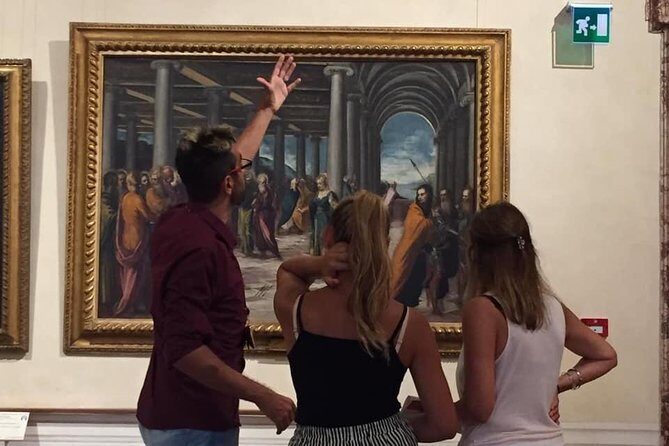
Rome’s art feels smarter here. In this private Palazzo Barberini museum visit, I like that you get museum admission included and a guide who connects the paintings to the political and religious shifts that shaped what artists painted. I also like the human side of the tour: you’re not stuck watching from the back of a crowd, and you get time for questions in a true private format. One thing to plan for: you’ll need to use the checkroom, since leaving bags and backpacks is mandatory.
If you want names you can actually remember, this tour gives you that. You’ll encounter major artists such as Titian, Caravaggio, and El Greco, and the guide can turn big scenes into understandable backstories. The standout detail from the guide experience is how Vinzenzo leads with energy and interaction, including clear explanations around key works like Pietro da Cortona’s fresco. Just remember this is about art history and interpretation, not a quick photo run.
In This Review
- Key Things I’d Put on Your Radar
- Palazzo Barberini in Rome: The Value of a Real Private Museum Visit
- What You’ll See: From Medieval Roots to Baroque Moments
- Political and Religious Change: Why the Paintings Look the Way They Do
- Titian, Caravaggio, and El Greco: How the Guide Turns Big Names Practical
- Pietro da Cortona’s Fresco: A Baroque Clue to Watch for
- How the Private Format Changes the Museum Experience
- Price and What You’re Really Paying For ($138.03 Per Person)
- Meeting Point Near Public Transit, plus Checkroom Reality
- Who This Tour Is Best For (and Who Might Skip It)
- Practical Tips to Get the Most from Palazzo Barberini
- Should You Book This Palazzo Barberini Private Tour?
- FAQ
- What is the duration of the Palazzo Barberini private tour?
- Is museum admission included?
- What language is the tour offered in?
- Where do I meet for the tour?
- What time does the tour start?
- Do I need to leave bags or backpacks at a checkroom?
- Is hotel pickup or private transportation included?
Key Things I’d Put on Your Radar
- Admission tickets are included so you’re not juggling extra steps at the museum door
- English private guide with time built in for questions, not just a scripted walk-through
- Baroque and Renaissance focus with artists like Caravaggio, Titian, El Greco, and more
- Political and religious context helps you understand why the art looks the way it does
- Mandatory checkroom means you should travel light (bags/backpacks stay behind)
Palazzo Barberini in Rome: The Value of a Real Private Museum Visit
A private tour at Palazzo Barberini is a practical way to see important art without feeling rushed or lost. Rome has plenty of museums where you can wander on your own, sure. But here, the payoff is that an informed guide turns what you’re looking at into something you can actually explain afterward.
At about 2 hours, this isn’t a marathon. It’s long enough to understand major themes in the collection, but short enough that you still have room in your day to do other Roman basics—like grabbing a snack nearby and walking off the adrenaline. The tour price is $138.03 per person, and that number matters less than what you get folded into it: a private professional guide plus museum admission.
Also, because it’s private, you don’t have to guess what to ask. If something clicks—or something feels confusing—you can ask right then. That makes a difference with Baroque art, where symbolism, drama, and religious messaging can be hard to decode without help.
You can also read our reviews of more private tours in Rome

What You’ll See: From Medieval Roots to Baroque Moments
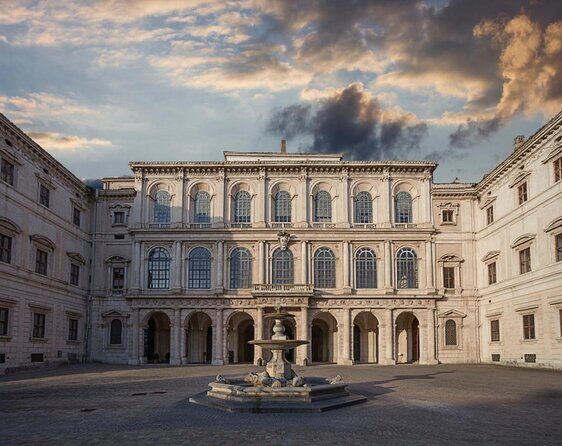
Palazzo Barberini is built for art lovers who like timelines. This tour is framed as an Italian art history journey that starts from the Middle Ages and runs through the Renaissance and Baroque periods. That structure is useful because it stops you from treating every painting like an isolated artwork.
Instead of just learning names and dates, you learn what changed—style, subject matter, and even the purpose of art. Renaissance painters and Baroque painters didn’t just paint different looks. They responded to a changing world. When you understand that, the collection stops being a list and starts being a sequence.
You can also expect the guide to point you toward major works by well-known Rome-working artists—think the kind of names you’ll recognize right away:
- Titian
- Caravaggio
- El Greco
- and others connected to the Rome art scene
The key benefit is that you’re not simply shown what’s important. You’re helped to understand why it’s important.
Possible drawback: if you only want the most famous paintings with zero context, a guided interpretation may feel heavier than you planned. This tour is for people who enjoy explanations.
Political and Religious Change: Why the Paintings Look the Way They Do
One of the most helpful parts of this experience is the way it ties art to the big forces of its time—especially political and religious changes. Art doesn’t get made in a vacuum. In Europe, when power shifts and belief systems intensify, artists often respond.
This is where the tour earns its time. Baroque art can look dramatic and theatrical, but that drama has a reason. The guide approach aims to connect those visual choices to the pressure and priorities of the era.
That means when you stand in front of a work, you’re more likely to notice:
- how emotion is staged
- how authority and faith are communicated
- how the subject aims to persuade or inspire
This is also why the tour works well as a first museum stop in Rome—or as a second one after you’ve already seen a few highlights. After one guided pass, you’ll start seeing patterns faster when you visit other churches and collections.
Titian, Caravaggio, and El Greco: How the Guide Turns Big Names Practical
Big-name artists can sometimes feel like trivia. The guide focus here is on turning those names into real understanding—what to look for and what to ask yourself.
Here’s what helps with Caravaggio-style intensity and El Greco-style spirituality: context. When you know the cultural pressures and the “why” behind the work, the art becomes more than a style. It becomes a message.
Titian, Caravaggio, and El Greco are also a strong trio for a two-hour visit because they span different kinds of drama and different artistic instincts. Even if you’ve seen their works before, a guided framing can refresh how you interpret them.
And it’s not just lecturing. The tour is set up so you have plenty of time to ask questions. That interactive element matters because everyone’s background is different. You might want help reading symbols. Someone else might want a clearer timeline. With a private setup, the guide can respond to your curiosity instead of keeping pace with a larger crowd.
One highlight from the guide experience is Vinzenzo’s teaching style. The descriptions point to him as a fountain of knowledge who stays interactive—enthusiastic, passionate, and able to explain background stories in a way that makes the works feel alive.
Pietro da Cortona’s Fresco: A Baroque Clue to Watch for
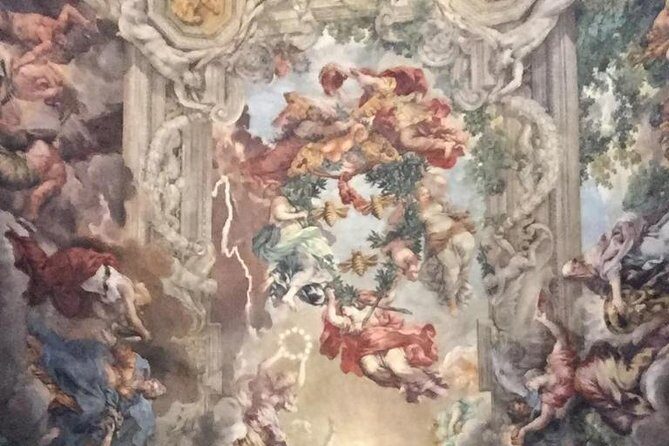
If you love Baroque art, you’ll appreciate how the tour brings attention to major works, including Pietro da Cortona’s fresco. Frescoes can be tough on your own because you tend to either:
1) stare up and hope you understand it, or
2) miss the narrative because you don’t know where to look first.
A good guide changes that. By calling out the fresco’s role and giving a straightforward walkthrough, you can start catching the visual logic: how the scene is organized, what the figures seem to be doing, and how the artwork tries to move your attention.
This kind of moment is exactly why I like short-to-medium guided museum tours. You don’t need hours of wandering. You need a few well-chosen guide-led stops that teach you how to read the whole collection.






How the Private Format Changes the Museum Experience
Let’s talk about the part you actually feel. In a private tour, you’re not competing with:
- other groups rushing ahead
- headphones blaring different tours
- a guide trying to keep everything moving for a schedule
Instead, you get a professional guide at a pace that fits your questions. That matters in a museum like Palazzo Barberini, where you’re juggling style, era, and symbolism. Baroque in particular can reward curiosity.
Also, because you’re not traveling with strangers, you can ask small questions that would feel awkward in a group. Want clarification on why a theme is religious versus political? Ask. Curious about how an artwork relates to the era? Ask. That freedom makes the tour feel less like a lecture and more like a guided conversation with art.
Price and What You’re Really Paying For ($138.03 Per Person)
Pricing is where you should do a quick reality check. $138.03 per person is not cheap, but it’s easier to justify when you compare it to what you’d otherwise pay and organize.
From your included items:
- Tickets to the museum are included
- Local guide / professional guide is included
- It’s private
Not included items are straightforward: hotel pickup/drop-off and private transportation aren’t part of the cost. That’s common for Rome museum tours, but it does mean you should plan to arrive under your own power (public transit works well).
So the value angle is this: you’re paying primarily for expert guidance plus admission. If you’re the kind of visitor who likes to understand what you’re seeing, that’s where the money goes.
If you’re a “quick photos only” type, you might find the cost harder to justify. But if you’re looking for context and you want to ask questions, this price makes more sense.
Meeting Point Near Public Transit, plus Checkroom Reality
The meeting point is:
Gallerie Nazionali di Arte Antica – Palazzo Barberini, Via delle Quattro Fontane 13, 00184 Roma
The tour start time is 3:30 pm. The tour ends back at the meeting point.
Two practical notes to plan around:
- It’s near public transportation, so you don’t need a car to make this work.
- It’s mandatory to leave bags and backpacks in the checkroom, so travel light. If you’re carrying a heavy day bag, expect that extra stop.
Also, keep the start time in mind. A mid-afternoon museum visit is nice because you can sleep in a bit, then switch from street-watching Rome to art-watching Rome. You’ll likely feel more awake and curious than at an early morning slot.
Who This Tour Is Best For (and Who Might Skip It)
This is a good fit if you:
- want art history with real explanation
- recognize big artist names and want to understand what you’re seeing
- enjoy Baroque art and want help reading it
- like asking questions and staying engaged
It’s also a smart pick if you’re doing Rome with a mix of major sights and want one experience that feels genuinely different from church exterior-hopping.
You might consider skipping if:
- you prefer a self-guided museum pace with no interpretation
- you want a purely chronological overview with no political/religious framing
- you don’t like checkroom rules and heavy bag handling
Practical Tips to Get the Most from Palazzo Barberini
Here are a few ways to make your two hours pay off:
- Bring fewer items than you think. The checkroom rule is real, and lighter bags keep the visit smoother.
- Ask one question early. The private format is at its best when you set the tone—ask about something that’s confusing or that you’re curious about.
- Watch for “why” clues, not just beauty. This tour emphasizes why paintings were made and what they were trying to do.
- Look up and around when you see larger compositions. Fresco and Baroque works often reward a first, fast sweep before you focus on details.
- Plan to be flexible with attention. Some works may get more time than others depending on what you find interesting and what questions you ask.
Should You Book This Palazzo Barberini Private Tour?
Yes, I’d book it if you want Baroque and Renaissance art explained in plain language, with time to ask questions, and with admission included. The mix of major artist coverage (Titian, Caravaggio, El Greco and more) plus the focus on political and religious context is exactly what turns a museum from pretty rooms into real understanding.
If you’re budget-tight, the price might sting. If that’s you, it’s still worth comparing options—but for most art-minded visitors, this is one of those experiences where the structure does the heavy lifting for you.
FAQ
What is the duration of the Palazzo Barberini private tour?
The tour lasts about 2 hours.
Is museum admission included?
Yes. Museum admission tickets are included in the tour.
What language is the tour offered in?
The tour is offered in English.
Where do I meet for the tour?
You meet at Gallerie Nazionali di Arte Antica – Palazzo Barberini, Via delle Quattro Fontane 13, 00184 Roma RM, Italy.
What time does the tour start?
The start time is 3:30 pm.
Do I need to leave bags or backpacks at a checkroom?
Yes. It’s mandatory to leave bags and backpacks in the checkroom.
Is hotel pickup or private transportation included?
No. Hotel pickup/drop-off and private transportation are not included.