REVIEW · COLOSSEUM TOURS
Private Guided Tour in the Colosseum and Ancient Rome
Book on Viator →Operated by Roman Vacations · Bookable on Viator
Rome’s loudest buildings, explained clearly.
This is a private, guide-led way to see the Colosseum and the surrounding power centers of ancient Rome without getting swallowed by the crowd maze. You get a real person to tailor the pace to your group, plus commentary you can hear clearly with optional headsets in busy spots.
What I love most is how the guide can slow you down for the details that matter and speed you up when you just want the highlights. I also like the mix of gladiator-life talk at the arena plus big-picture context as you move from the Forum’s politics to the Palatine Hill residences of emperors. One thing to watch: you must match every traveler’s name on your booking to the ID/passport at the ticket office, or entry can be denied.
In This Review
- Key things to know before you go
- Enter the Colosseum without the chaos
- Meeting point and ending spot: where you’ll actually be dropped off
- The arena first: what you’ll focus on inside the Colosseum
- Roman Forum walk: turning ruins into a political map
- Palatine Hill: where emperors lived like they owned the world
- Why the private guide format is worth it here
- Headsets and pace: how you’ll manage crowds and heat
- Price and value: what $301.20 buys you
- Who this tour is best for
- Should you book this private Colosseum and Ancient Rome tour?
- FAQ
- How long is the Private Guided Tour in the Colosseum and Ancient Rome?
- What’s included in the tour price?
- Is the tour private?
- What language is the tour offered in?
- Where does the tour start and end?
- Do I need to bring identification?
- Are food and drinks included?
- Can I cancel and get a refund?
- When should I book?
Key things to know before you go
- Reserved entry to the Colosseum plus a reservation fee included, so you’re not hunting for the right timed slot.
- Small and personal feel since it’s a private tour just for your group.
- Headsets for when it’s crowded, so you don’t miss the commentary.
- A clear route: arena first, then the Roman Forum, then Palatine Hill.
- Family-friendly guidance is a plus, with guides who work well with kids.
Enter the Colosseum without the chaos
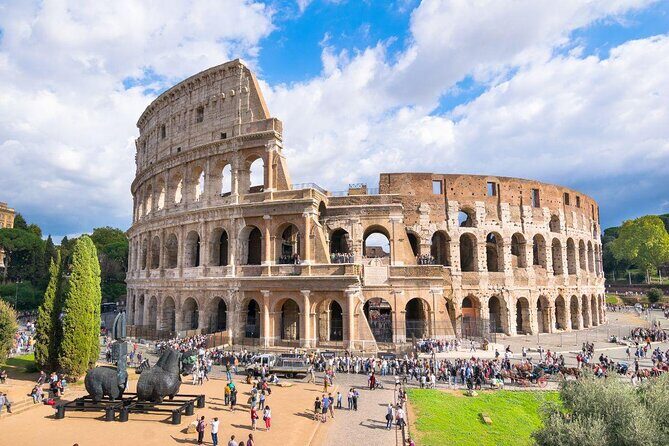
The Colosseum is one of those places where your eyes keep moving faster than your brain. Even if you love history, the venue can feel like a busy, noisy blur if you’re there on your own. This private format helps because your guide becomes your translator, map, and story coach all at once.
You’re led in with entry included for the Colosseum, Roman Forum, and Palatine Hill. The timing is also built around seeing the main stops in a logical flow instead of zig-zagging across the archaeological area. For most people, the result is that you actually understand what you’re looking at, not just that it’s impressive.
The tour also includes a practical advantage: headphones/headsets when appropriate. In Rome’s peak crush, that can be the difference between catching the story versus just staring.
One more small detail that matters: the tour ends at Piazza del Colosseo, where you’ll be close to Metro B and bus stops, plus a taxi stand nearby. That means you’re less likely to feel stuck at the far end of the site when you’re tired.
You can also read our reviews of more guided tours in Rome



Meeting point and ending spot: where you’ll actually be dropped off
This experience starts at Foro Traiano, 84, 00187 Roma RM, Italy and ends at Piazza del Colosseo, 00184 Roma RM. That’s helpful because it’s easy to plan your day around public transit at the end. It also reduces the stress of trying to coordinate your way out after the walk across ancient ruins.
In real life, the biggest trip hazard is not the ruins. It’s the meeting point. One guide, Angela, was specifically noted for helping smooth things over when someone couldn’t find the exact spot at arrival. That’s the kind of support you want to know exists before you pay for a timed entry.
Tip: if you’re arriving via transit, give yourself a buffer. The start point is near a historic area where street names and entrances can confuse even confident walkers.
The arena first: what you’ll focus on inside the Colosseum
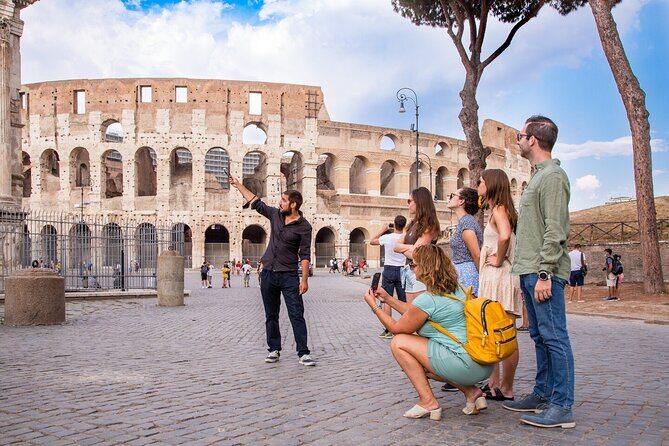
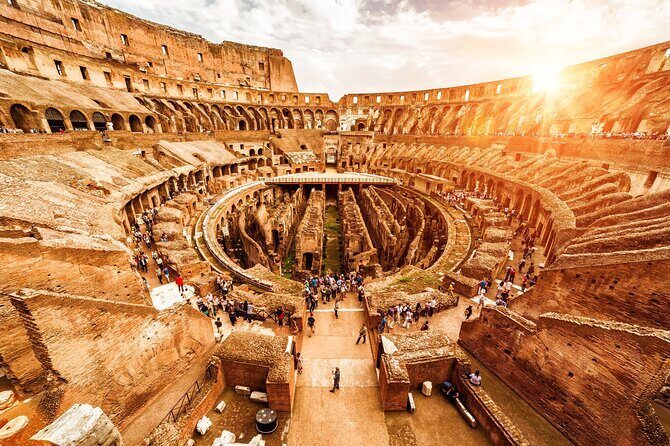
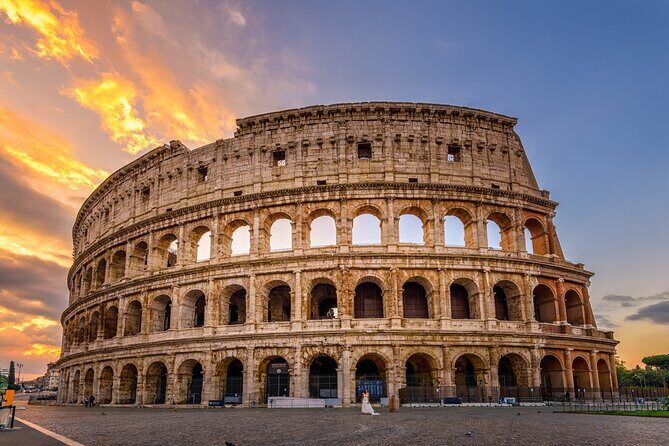
The Colosseum stop is about 1 hour, and it’s structured to help you land the right mental picture fast. Your guide starts you off with the monument’s history, then brings it to life with gladiator culture and the kinds of weapons used in the contests. You’re also guided to take in the architecture from strong viewpoints inside the arena.
What makes this work well is the combination of show-and-tell plus orientation. From the right angles, you can understand how the space was designed for movement, visibility, and spectacle. That’s hard to do without context if you’re just wandering.
The tour also emphasizes what ancient Romans did there beyond gladiator combat. You’ll hear how people cheered on their favorites, gambled, and marveled at animals brought from across the empire. That last bit helps modern visitors connect the Colosseum to the broader Roman practice of turning distant places into local entertainment.
If you want a memorable moment, you’ll get one: the guide points you toward the arena viewpoint that makes the scale click. It’s the kind of perspective that turns the Colosseum from a photo subject into a space you can actually picture being used.
Possible drawback to know: the Colosseum can feel hot and exposed. Your comfort will depend on the season and time of day. One guide, Benjamin, was praised for keeping explanations clear even in hot weather, but your best defense is to bring water and wear sun-smart clothing.
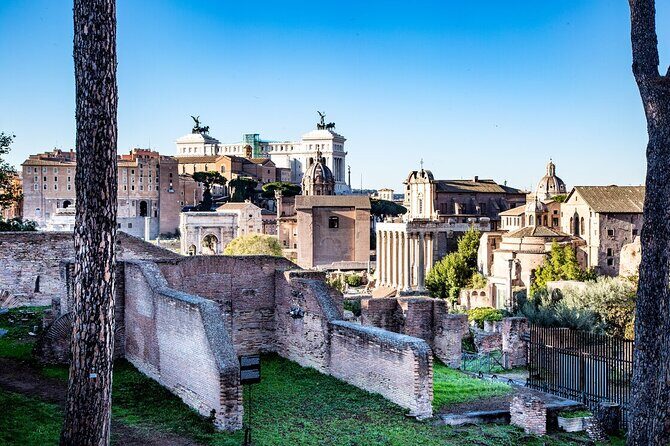
Roman Forum walk: turning ruins into a political map
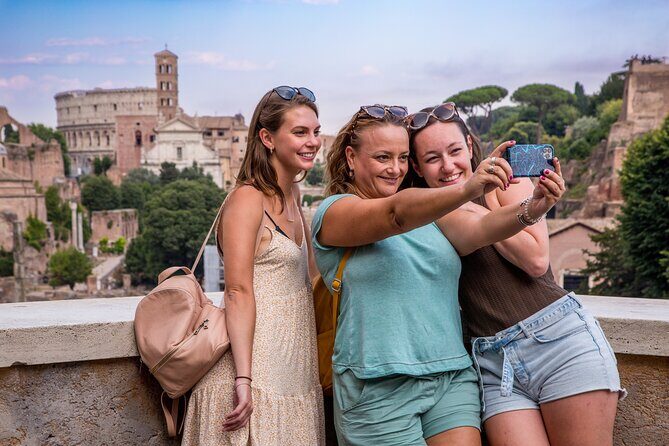
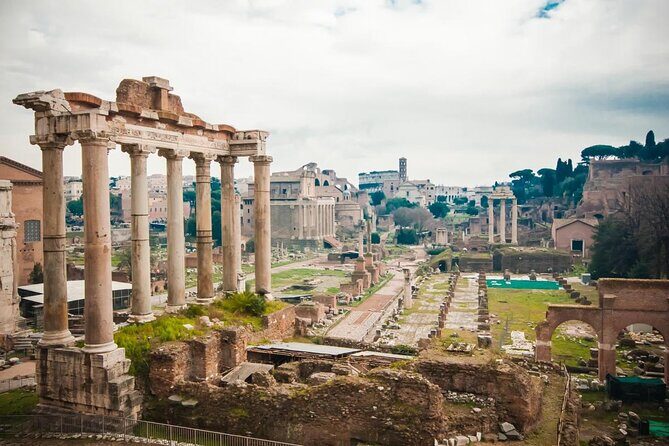
After the Colosseum, the tour shifts toward the Roman Forum with a short walk. This stop takes about 45 minutes and is designed to help you see the Forum as a working civic center, not just a pile of stones.
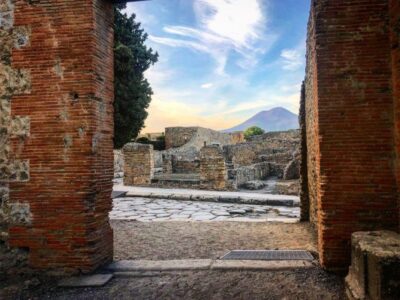
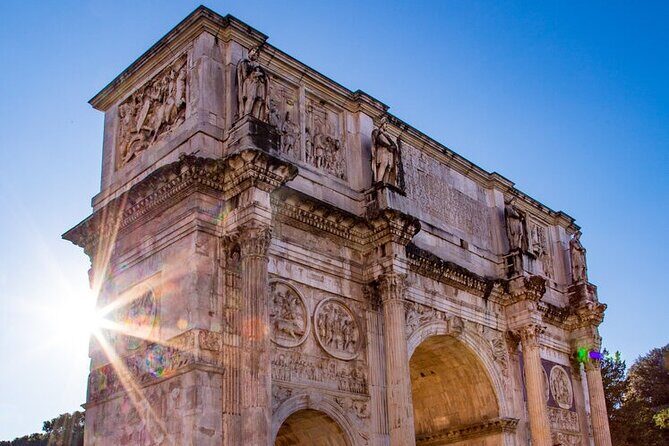
The route begins entering near the Senate House and then moves past law courts, triumphal arches, and important temples. One temple called out on this route is the Temple of Julius Caesar, where his ashes were laid to rest. That’s a detail that gives the ruins emotional weight, because it connects a named person to a specific place you can stand in and look at.
A big reason this stop feels more rewarding with a guide: the Forum has multiple layers of meaning. From one direction, it looks like architecture. From another, it looks like governance. Without someone pointing out what you’re seeing, you might miss the relationships between sites.
You also get “many angles” viewing time. The guide’s goal isn’t to rush you to the next photo spot. It’s to help you understand why a particular angle matters—how the buildings relate to one another, and how the space would have worked as a route through the political heart of the city.
Heads-up: the Forum area is uneven and can be busy. The private format helps because your guide can adjust pace, choose calmer paths when possible, and make sure the group keeps moving together.
Palatine Hill: where emperors lived like they owned the world
The last major stop is Palatine Hill for about 45 minutes. This is where the tour shifts from public power to private luxury—at least, the Roman version of it.
Palatine Hill is approached up gentle slopes, and the guide walks you through why it mattered. You’ll see the type of setting where rich Romans lived in luxury villas, with servants and staff waiting on them. You’ll also learn about the imperial palace area—where emperors lived and made decisions that shaped the empire.
The tour highlights some specific kinds of spaces inside this area: stately dining rooms and serene gardens. It also leans into human reality with a wink: the emperors were sometimes quite mad, and that contrast makes the palaces feel less like textbook diagrams and more like power centers run by actual people with complicated minds.
Then you get a final standout: Domitian’s hippodrome, attached to the imperial palace. It’s called out as a place to linger for views and to feel that shift between ancient grandeur and what’s left today. After the denser archaeology of the Forum, this last stop offers breathing room and a wider sense of Rome as an evolving city.
Practical consideration: even with “gentle slopes,” you’ll be walking on archaeological paths. Wear shoes with good grip, and plan for small steps and uneven ground.
You can also read our reviews of more private tours in Rome



Why the private guide format is worth it here
At this price point, the question is simple: what are you getting besides entry tickets? The answer is time, attention, and control.
Your guide is exclusive to your group, and the tour is framed around your interests. That means you’re not stuck listening to a rigid script that doesn’t match what you care about. If you want more emphasis on gladiators and the arena mechanics, you can likely steer more there. If you want the political storyline of Caesar and the Senate House area, you can focus the conversation.
You also have room to ask questions in plain conversation. One guide, Viviana, was praised for working especially well with a family and with four children. That kind of feedback is a hint that the guide can adjust explanations for different age groups and keep attention from drifting.
Another detail tied to that family-friendly experience: Viviana used visual aids, with photos before and after points, helping people picture what they were seeing. You don’t need to be a Rome scholar to benefit from that. When ruins are fragmented, visuals help your brain rebuild what’s missing.
Headsets and pace: how you’ll manage crowds and heat
The tour includes headsets for groups when appropriate. That matters because the Colosseum and Forum areas get noisy fast, and earshot can be a problem when you’re surrounded by other visitors. With headsets, you can follow the guide’s explanation without shouting.
Pacing is built around comfort too. The Colosseum stop is 1 hour, followed by 45 minutes in the Forum and 45 minutes on Palatine Hill. In plain terms, that’s a structured 2 to 3 hour experience with enough time in each section to feel like you actually saw something, not just walked through.
But you still have to plan for your own stamina. You’re doing three major ancient stops in one go. If you’re traveling with kids, the family-positive feedback is reassuring. If you’re traveling with mobility limits, note that you might find portions uneven, since archaeological paths can be tricky.
For best comfort, go prepared for sun and heat. Even with a top guide, physics still wins.
Price and value: what $301.20 buys you
The price listed is $301.20 per person. That’s not “cheap,” and you should judge it by the value you can actually feel during the tour.
Here’s the math lens that helps: admission is included for the Colosseum, Roman Forum, and Palatine Hill. The Colosseum entrance ticket is valued at €18 per person, and there’s a €2 per person Colosseum reservation fee included. So you’re not paying the full cost for just tickets.
What you’re paying for is:
- An exclusive certified guide for your group.
- A guided route that keeps you oriented through three big sites.
- Reserved entry help and timing management.
- Headsets when needed for clearer listening.
Is it a deal for one person traveling solo? Often, private tours work best when you can spread the cost across a small group. If you’re a couple or small family, the “per-person” price can start to feel more reasonable because you’re buying fewer distractions and more understanding.
The practical value is that you’ll leave with a coherent story: spectacle at the Colosseum, governance at the Forum, and imperial life at Palatine Hill. If you like learning as you walk, that’s money well spent.
Who this tour is best for
This private tour makes sense if you want:
- A personal pace instead of a large-group rush.
- Clear explanations tied to what you’re standing in front of.
- More time for questions, not just photo stops.
- A smoother visit when crowds make self-guided wandering frustrating.
It’s also a strong choice for families, based on the positive experience with kids and the guide’s ability to use visuals to keep younger attention engaged.
If you’re the type who only wants a quick look and doesn’t care about context, you might decide you can do it on your own with audio guides. But if you care about meaning—who lived here, who ruled here, and what this place was for—having a live guide is the difference between seeing Rome and understanding Rome.
Should you book this private Colosseum and Ancient Rome tour?
Book it if you want a guided, organized route across the Colosseum, Roman Forum, and Palatine Hill with reserved entry and a guide who can adapt the pace. The standout theme across guides is clarity and smooth management—getting you into the right places and keeping the story understandable even in tough conditions like hot weather.
Skip or reconsider if you’re purely photo-first and hate structured tours. Also think twice if your group members might struggle with the ID/name match requirement, since entry can be denied if the names on your voucher don’t match the passports or ID shown at the ticket office.
If you’re trying to do Rome’s big ancient highlights in one focused visit, this format gives you a clear win: you get the places, plus the why.
FAQ
How long is the Private Guided Tour in the Colosseum and Ancient Rome?
It runs about 2 to 3 hours, with roughly 1 hour at the Colosseum, 45 minutes at the Roman Forum, and 45 minutes at Palatine Hill.
What’s included in the tour price?
The tour includes entry to the Colosseum, Roman Forum, and Palatine Hill, an exclusive expert certified guide, and headsets when appropriate. The Colosseum entrance ticket and Colosseum reservation fee are also included.
Is the tour private?
Yes. It’s a private tour/activity, and only your group will participate.
What language is the tour offered in?
The tour is offered in English.
Where does the tour start and end?
It starts at Foro Traiano, 84, 00187 Roma RM, Italy, and ends at Piazza del Colosseo, 00184 Roma RM, Italy.
Do I need to bring identification?
Yes. Each traveler must present a valid passport or ID document that matches the name provided at booking for entry to the Colosseum and Roman Forum.
Are food and drinks included?
No. Food and drink are not included.
Can I cancel and get a refund?
You can cancel up to 10 days in advance for a full refund. If you cancel less than 10 days before, the amount paid is not refunded.
When should I book?
On average, this tour is booked about 45 days in advance.
If you tell me your travel month and group size, I can suggest a smart time-of-day plan for heat and crowd stress.