REVIEW · PRIVATE
Private Golf Cart Tour: Discover Rome’s Best Highlights
Book on GetYourGuide →Operated by RomeFirstChoiceTours · Bookable on GetYourGuide
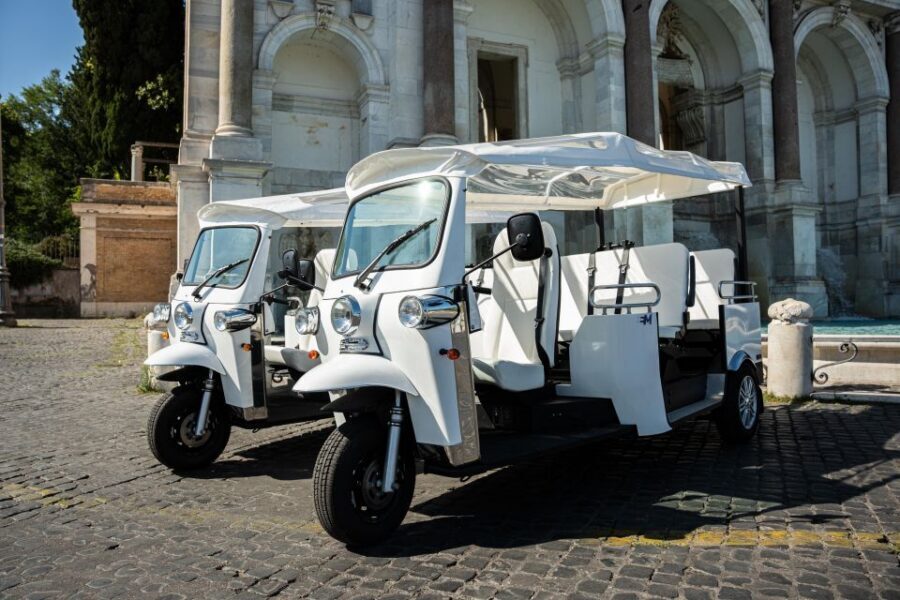
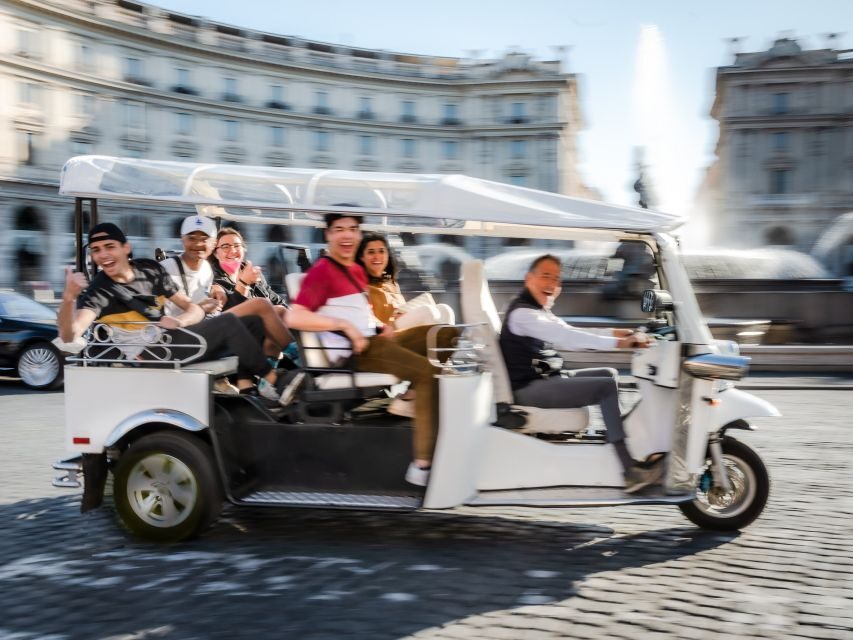
Rome goes zoom in a cart. I love the private electric golf cart setup for getting around without turning your feet into souvenirs, and I like how guide Asem can turn each stop into clear, practical context you can actually use while you’re there.
One thing to keep in mind: tickets aren’t included, and the whole experience is only about 2.5 hours, so you’ll get smart highlight time, not long-stay museum marathons.
If your Rome plan includes big-name sights and a few skyline-worthy stops, this tour format is built for it. You’ll cruise key areas with an English-speaking local guide, then use the cart time to ask questions and grab photos without the constant stop-and-go of walking crowds.
In This Review
- Key Things I’d Pay Attention To
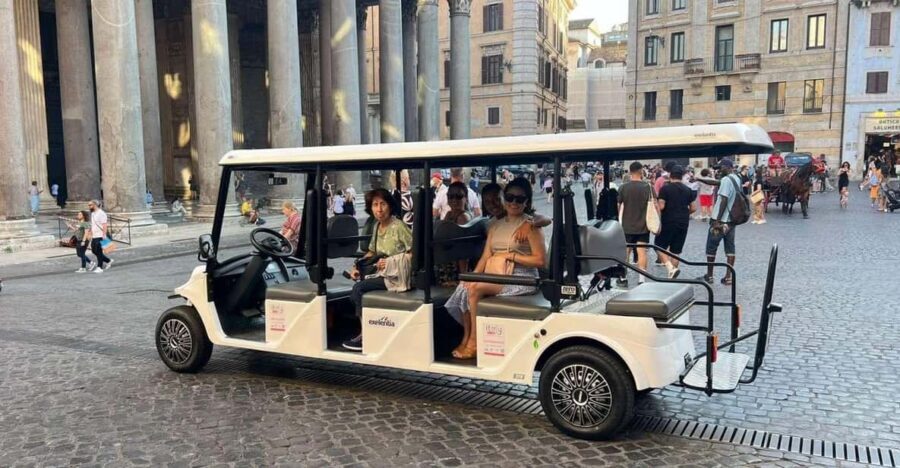
- A Private Electric Golf Cart Through Rome: What It Really Feels Like
- Meet Your Guide Asem and Get a Tour That Can Flex
- From Piazzale delle Canestre to the Spanish Steps: Pickup and Timing
- Aurelian Walls, Piramide Cestia, and Colle del Gianicolo: Rome Beyond the Big Names
- Aurelian Walls
- Piramide Cestia
- Colle del Gianicolo
- Colosseum Time Without the Walking Grind
- St. Peter’s Basilica and the Pantheon: How to Pace Two Icons
- Trevi Fountain: Getting the Photo Moment You Actually Want
- The Practical Reality: Tickets and Short Stops
- Price of $135.94: When This Private Cart Tour Is a Good Value
- Who Should Book This Tour and Who Might Prefer Something Else
- Should You Book This Private Golf Cart Highlights Tour?
- FAQ
- FAQ
- What does the tour cost?
- How long is the private golf cart tour?
- Is this tour private?
- Do you pick up from a hotel?
- Where do you get dropped off?
- What language is the guide?
- Are tickets to the attractions included?
- Is food or drink included?
- Is there free cancellation?
Key Things I’d Pay Attention To
- Private by design: you won’t be stuck with a one-size-fits-all pace.
- Electric cart comfort: easier touring when you want to cover more ground.
- Asem as the guide: repeatedly praised for friendly, engaging storytelling.
- A flexible route: you can customize the itinerary to match your priorities.
- Iconic plus skyline stops: Colosseum-area classics plus Aurelian Walls, Piramide Cestia, and Colle del Gianicolo.
- You still plan for entrance fees: tickets are not part of the deal.
A Private Electric Golf Cart Through Rome: What It Really Feels Like

Rome is one of those cities where your itinerary can look perfect on paper, then your legs decide the schedule. A private electric golf cart tour is a smart answer to that problem. You spend less energy getting from place to place, which means you can actually enjoy the stops instead of rushing between them.
The cart also helps you feel the city’s rhythm. You can pause for photos when the moment is right, then move on before the crowd surge takes over the street. It’s not about skipping effort entirely. It’s about trimming the waste: the long walks between viewpoints, the repeated detours when streets get narrow, and the time lost waiting around.
Another practical upside: you’re not tied to a strict walking route. If you care more about viewpoints, you can steer the day that way. If your priorities are the famous landmarks first, the guide can structure the sequence around that.
You can also read our reviews of more private tours in Rome


Meet Your Guide Asem and Get a Tour That Can Flex

This is a live, English-language private tour with a local guide. That matters because Rome isn’t just a list of famous buildings. It’s also how those buildings relate to one another, why certain areas developed where they did, and what to look for when you’re standing there.
The guiding style you’re likely to experience centers on conversation. Asem’s name comes up in the kind of feedback you want: knowledgeable guidance, friendly delivery, and an ability to keep the tour engaging from start to finish. In practical terms, that means you’ll spend less time staring at a monument and more time understanding what you’re seeing.
The itinerary can also be customized. That gives you real control. If one stop matters a lot more to you than another, you can ask to spend more time there and shift the rest. For couples, families, or small groups, that flexibility is often the difference between a tour that feels like a checklist and one that feels like your day in Rome.
From Piazzale delle Canestre to the Spanish Steps: Pickup and Timing
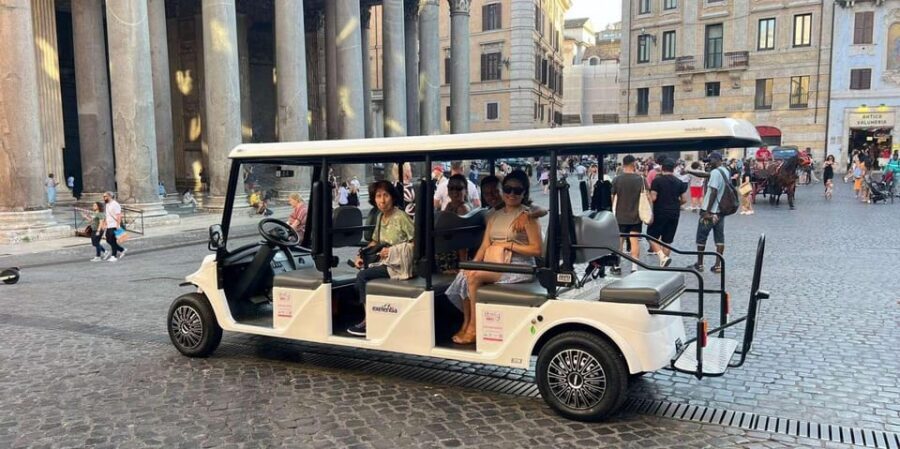
Your pickup point is Piazzale delle Canestre. If you’re staying in central Rome, hotel pickup is included. Either way, you’ll end with a drop-off at the Spanish Steps. That’s a handy finish point because it keeps you close to more neighborhoods, cafes, and easy onward plans.
The tour length is about 2.5 hours, and starting times depend on availability. In that time window, the tour is designed to hit major highlights without chewing up your day. Think of it as a fast, guided orientation plus photo-friendly stops.
Because tickets aren’t included, you’ll want to think ahead about what you plan to enter versus what you simply want to see from the right vantage points. If you’re traveling with limited time in Rome, this format helps you decide fast what’s worth your paid entry and what’s better as a memorable exterior moment.
Aurelian Walls, Piramide Cestia, and Colle del Gianicolo: Rome Beyond the Big Names
If you only do the usual center-city highlights, Rome can feel one-note. This tour builds in stops that widen the story.
Aurelian Walls
The Aurelian Walls are tied to Rome’s long defensive history. Even if you’re not a “walls expert,” the guide can help you spot how these structures fit into the city’s growth. You’ll get a sense of Rome as a place that expanded, defended itself, and kept reshaping its boundaries over centuries.
What I’d watch for: the way the walls connect the city’s edges to its central life. A cart lets you move quickly between perspectives so you can get more than one angle in a short time.






Piramide Cestia
Piramide Cestia (the Pyramid of Cestius) is one of those visually striking, slightly unexpected landmarks. It’s the kind of site that breaks the rhythm of “round building, square building” and gives you a clean photo moment with a strong shape.
The value here is contrast. After you’ve seen the big crowd magnets, this stop adds a calmer, more distinctive visual.
Colle del Gianicolo
Colle del Gianicolo is a hill area, and in Rome hills often translate to views. Even if you only get a short stop, it’s exactly the kind of place where a guide’s timing matters: you want a clear moment for photos and a quick explanation that makes the view feel more meaningful than just a pretty skyline.
For anyone who loves photography, the combination of cart mobility plus a hill viewpoint is a solid pairing. You save energy, then you spend it where it counts.
Colosseum Time Without the Walking Grind
The Colosseum is the headline for a lot of Rome trips. Even when you’re not doing a full inside visit, the exterior experience can be impressive and a little overwhelming.
This tour’s advantage is pacing. Instead of sprinting through crowded streets, you’re guided to the right general area and you can spend your limited time asking questions, snapping pictures, and getting orienting context from the local guide.
Tickets for the Colosseum are not included, so you’ll need to decide whether you’ll add entry on your own. If you want to keep this tour as a fast highlights ride, treat the Colosseum stop as a guided viewing moment. If you care about going inside, plan your ticket strategy separately so you’re not scrambling at the last second.
Either way, a cart-based approach helps you keep the day fun. The site is famous for a reason, and this format helps you stay present instead of stressed.
St. Peter’s Basilica and the Pantheon: How to Pace Two Icons
Two landmarks that can easily eat a whole day are St. Peter’s Basilica and the Pantheon. This tour gives you a smart way to see them without turning Rome into a line-waiting contest all afternoon.
Here’s how to think about these stops in a short tour:
- You’ll likely focus on what you can take in quickly: sightlines, exterior details, and what to notice in the moment.
- You may have time for photos and guided commentary, but you shouldn’t plan on deep, slow exploration.
That doesn’t make the stops less valuable. In 2.5 hours, your best move is to use the guide to help you understand what you’re seeing so you can appreciate it now—and remember it later.
If you plan to enter either site, that’s where you’ll need tickets arranged separately. But even without entry, a well-timed guided stop is enough to understand why these places are so important.
Trevi Fountain: Getting the Photo Moment You Actually Want
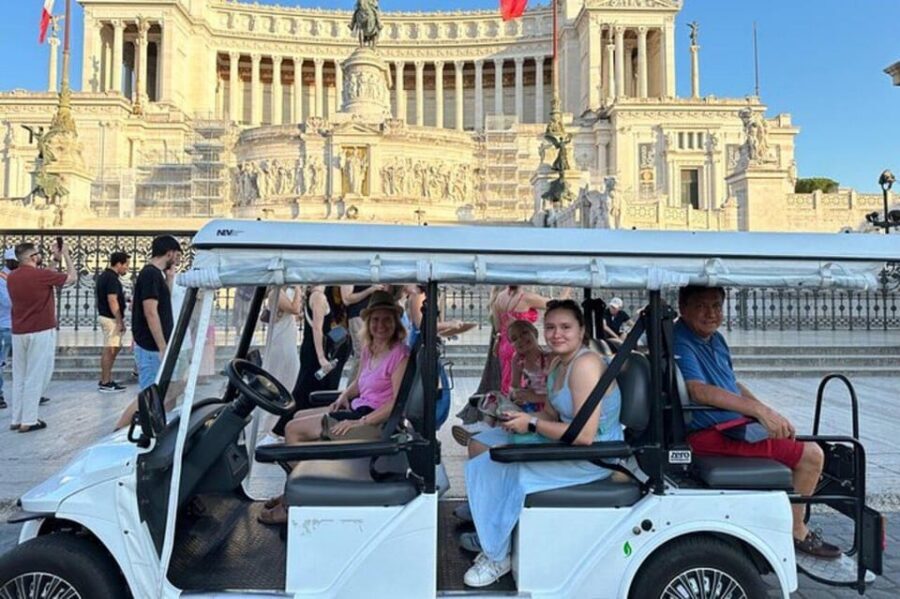
Trevi Fountain is famous for a reason, but the practical reality is that it can get crowded. A cart tour helps you approach the moment with a plan: you get to see it, you can position for photos, and you can then move on without feeling like you’re trapped in a crowd loop.
What I’d do if you’re the photo type: ask your guide where the best quick angles are for photos from where you’ll be standing. The value of having a local guide is speed. You don’t want to spend your whole Trevi moment figuring out angles while other tourists steamroll the best spots.
Also, since food and drink aren’t included, plan to keep Trevi as a stop, not a full meal reset. That keeps the pace comfortable and helps you get the most out of the 2.5-hour window.
The Practical Reality: Tickets and Short Stops
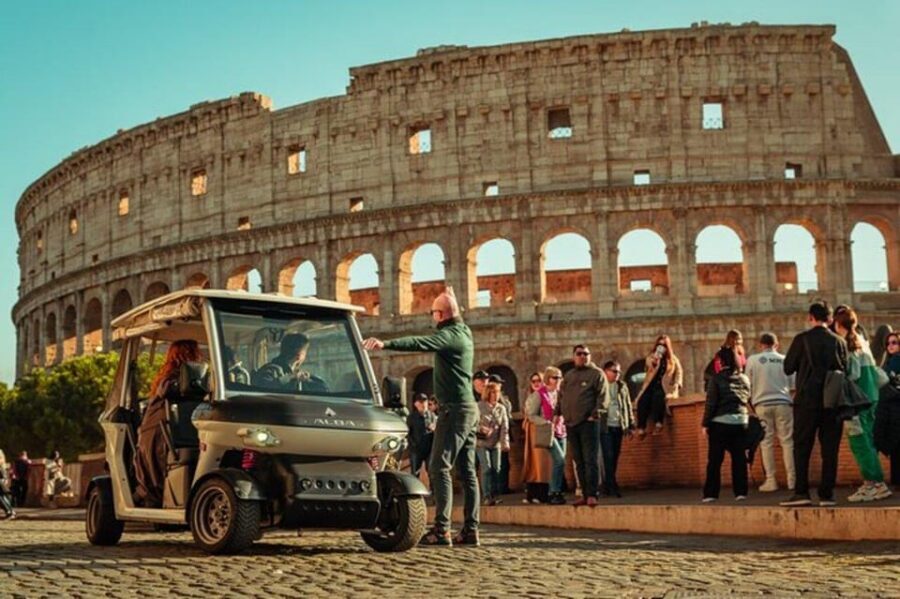
This tour includes a local guide, an electric golf cart, and private time with a flexible itinerary. What it does not include is the one thing that can make or break a short sightseeing plan: tickets for the places you’ll visit.
So here’s the decision framework I recommend:
- If you want entry into one or more major sites, buy or plan those tickets ahead of time.
- If you’re okay with exteriors and photo moments, you can treat this as an efficient “see it and understand it” tour.
Also note that food and drink are not included. Bring water if you run warm. Even on a cart day, you’ll often step out for photos and quick viewing.
And because it’s private and customized, your guide can help you shape the time: extra attention to a viewpoint like Colle del Gianicolo, or more focus on the central classics like the Pantheon and Trevi Fountain. That’s where the short duration can feel like a feature instead of a limitation.
Price of $135.94: When This Private Cart Tour Is a Good Value
At $135.94 per person, this is not a budget group tour. But it also isn’t priced like a luxury limo experience. The value sits in three areas:
- Private guiding
You’re paying for a live English guide plus a private route built around your interests, not a fixed lecture in a crowd.
- Comfortable transportation
The electric golf cart matters most when Rome’s walking becomes the main stressor. You spend your time looking at monuments instead of crossing every distance on foot.
- Time efficiency
With only about 2.5 hours, the cart lets you pack in a strong selection: Aurelian Walls, Piramide Cestia, Colle del Gianicolo, plus major icons like the Colosseum, St. Peter’s Basilica, the Pantheon, and Trevi Fountain.
The one catch is the tickets line. Because entrance fees are not included, your total cost may rise depending on what you choose to enter. Still, if you’re strategic—deciding what’s worth paid entry—you can keep your overall spending under control.
If you’re traveling as a couple or a small group, private transportation often starts to feel like a reasonable splurge compared to paying for multiple separate taxis and coordinating schedules yourself.
Who Should Book This Tour and Who Might Prefer Something Else
This tour fits best if you want:
- Comfortable sightseeing with less walking
- A private experience with an English-speaking guide
- A plan that mixes major landmarks with Rome’s wider historic atmosphere
- Flexibility to adjust the route based on what you care about most
It’s a particularly good match for families with kids who get tired of long walks, couples who want a romantic, lower-stress way to see key sights, and small groups who prefer to travel together without negotiating where to stop next.
If you’re the type who wants to spend hours inside museums and churches, you might pair this with a separate ticketed day for deeper time. Think of this cart tour as the orientation and highlight boost, not the full Rome curriculum.
Should You Book This Private Golf Cart Highlights Tour?
I’d book it if you want Rome to feel easy and guided from the start. The combination of a private electric cart, a flexible route, and an English local guide like Asem—who’s praised for being engaging and supportive—makes it a strong choice for first-time Rome visitors or anyone short on time.
You should also book it if your priorities include seeing the big icons (Colosseum, St. Peter’s Basilica, the Pantheon, Trevi Fountain) while also getting away from the most obvious center-only loop through stops like Aurelian Walls, Piramide Cestia, and Colle del Gianicolo.
Skip it or rethink it if you hate the idea of separate ticket planning. Since tickets aren’t included, you’ll need to decide ahead what you’ll enter and what you’ll simply view and photo.
FAQ
FAQ
What does the tour cost?
The price is $135.94 per person.
How long is the private golf cart tour?
It runs for about 2.5 hours, with starting times depending on availability.
Is this tour private?
Yes, it’s a private group tour, so your itinerary can be customized.
Do you pick up from a hotel?
Hotel pickup is included if your hotel is in central Rome. If not, pickup is at Piazzale delle Canestre.
Where do you get dropped off?
You’ll be dropped off at the Spanish Steps.
What language is the guide?
The live tour guide is available in English.
Are tickets to the attractions included?
No. Tickets for the places you visit are not included.
Is food or drink included?
No. Food and drink are not included.
Is there free cancellation?
Yes, you can cancel up to 24 hours in advance for a full refund.