REVIEW · PRIVATE
Private Churches Tour San Clemente and San Giovanni & Scala Santa
Book on Viator →Operated by Gladiator Tours · Bookable on Viator
One time-saver in Rome is planning ahead. This private churches route keeps you focused on the big spiritual and architectural moments around San Giovanni, without you having to figure out the maze of streets. You’ll move through layered sites, from San Clemente’s stacked past to the famous Holy Stairs, with an expert guide to make the connections click.
I especially like two things: first, the way San Clemente gives you three time periods in one building, and second, how the guide’s explanations help you read what you’re seeing instead of just admiring it. It’s the kind of tour where the buildings tell a story, and you’re not guessing the chapters.
One possible drawback: the pace can depend on your specific guide. One earlier booking flagged slow timing and people leaving, so if you’re sensitive to pace, it helps to go in ready to follow directions and stay engaged.
In This Review
- Key Highlights You’ll Care About
- Why This Short Churches Route Makes Sense
- Where You Start (and How the Tour Actually Moves)
- Stop 1: San Clemente’s Three-Tier Time Machine
- Stop 2: Arcibasilica di San Giovanni in Laterano, Papal-Scale Church Viewing
- Stop 3: Scala Santa and the Devotional 28 Marble Steps
- Stop 4: Piazza San Giovanni in Laterano After the Steps
- The Licensed Guide Factor (and Why Pace Matters)
- Who This Tour Is For (and Who Might Want Something Else)
- Price and Value: What $300.38 Buys You Here
- Should You Book This Private Churches Tour?
- FAQ
- How long is the private churches tour?
- How much does the tour cost per person?
- Is this tour private?
- What language is the tour offered in?
- What churches or sites are included?
- Are admission tickets included?
- Are headsets provided?
- Where do I meet the tour?
- Where does the tour end?
- Is hotel pickup or drop-off included?
- How does cancellation work?
Key Highlights You’ll Care About
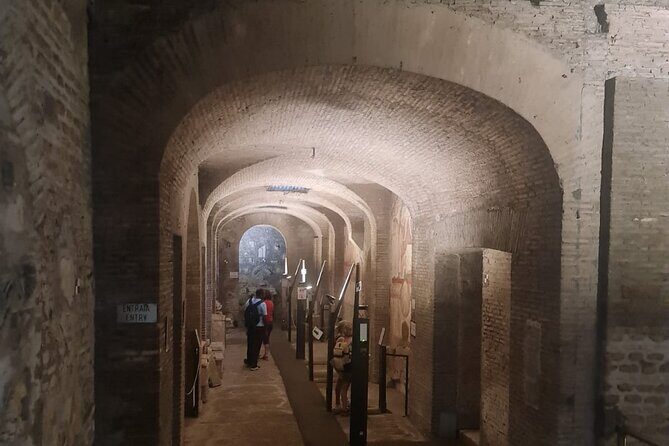
- San Clemente’s three-tier layout turns one visit into a history lesson you can walk through
- San Giovanni in Laterano’s scale makes it feel like a power center, not just another church stop
- Scala Santa’s 28 marble steps is the devotional centerpiece, with frescoes in the walls
- Headsets included if needed so you can actually hear the guide in crowded areas
- Private format for your group only means fewer interruptions and more Q&A time
Why This Short Churches Route Makes Sense
Rome can be intense. You want the main scenes, but you also want context, and you don’t want to burn half your day just getting oriented. This tour clocks in at about 3 hours 45 minutes, with four stops clustered tightly around San Giovanni in Laterano, so the logistics don’t eat your sightseeing time.
What makes this work for most people is the built-in structure. Your guide leads you through the busy streets, so you’re not constantly checking maps or wondering which doors are the right ones. Plus, it’s a private tour with English guidance, which usually means you can ask questions and get answers that fit what you care about.
Now the money part. At $300.38 per person, this isn’t a “cheap add-on.” It’s priced like what it is: a private licensed guide plus admission tickets at the stops. If you’d otherwise pay for entry on your own and still wanted someone to explain what you’re seeing, you can treat part of the cost as paying for interpretation, not just transportation between sites. The listing also mentions group discounts, which can improve the value if you’re booking with friends.
One extra practical note: it’s commonly reserved about 54 days in advance. If your dates are firm, don’t wait for last-minute choices.
You can also read our reviews of more private tours in Rome



Where You Start (and How the Tour Actually Moves)
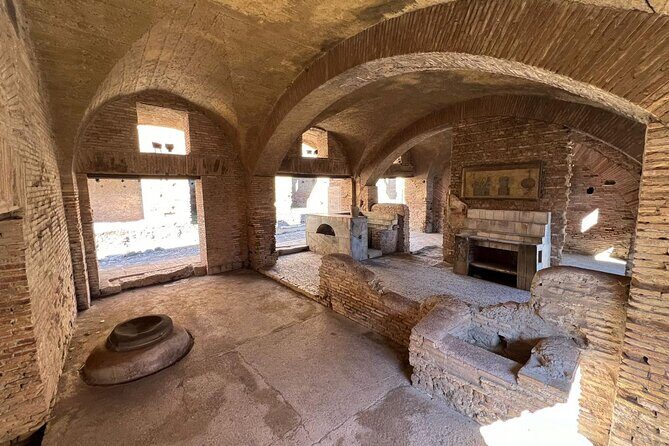
You meet on Via di S. Giovanni in Laterano, 14, at the Gladiator Tours location. The end point is at Pontificio Santuario della Scala Santa in the same square area. So you’re not doing that Rome thing where you start on one side of the neighborhood and end somewhere far away.
The tour also includes headsets (if needed for clarity). That sounds minor, but in church areas with chatter and foot traffic, it can make the difference between hearing the guide clearly and missing the best parts. One past guest specifically praised that the audio tools worked well, which is exactly what you want in a 3–4 hour tour.
Also, note what you’re not getting: there’s no hotel pickup or drop-off and no included transportation between sites. That’s normal for walking-based church tours, but it does mean you’ll want to plan to reach the meeting point on public transit or on foot.
Stop 1: San Clemente’s Three-Tier Time Machine
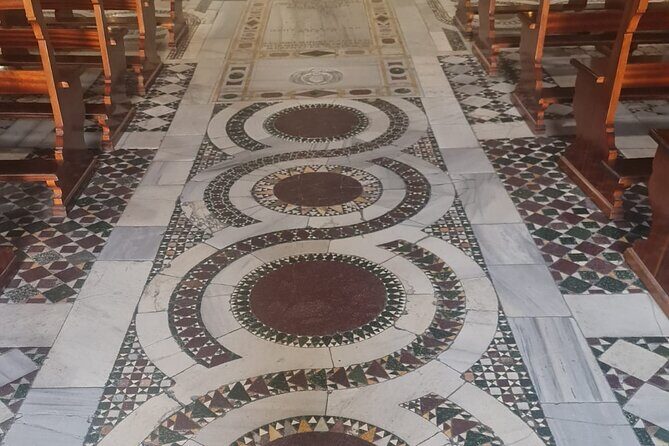
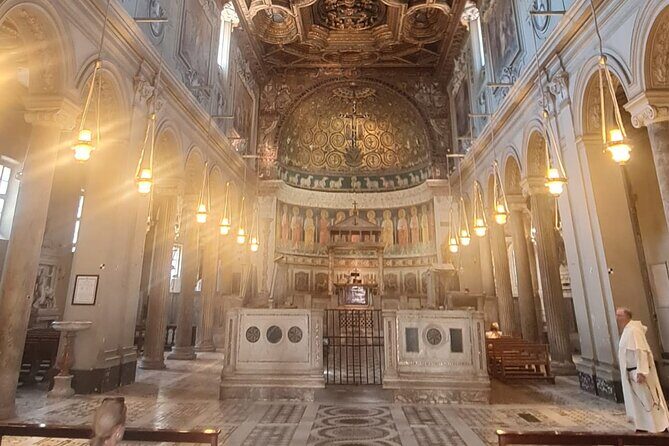
San Clemente is the kind of place that makes you stop using the word impressive. It makes you think in layers. The building is known for its three-tier structure, where the 12th-century basilica sits above an earlier 4th-century church. Below that, you can explore a 1st-century Roman house and a Mithraic temple.
That combination is what I’d call the true value of this first stop. Most churches have one main “period.” San Clemente has multiple worlds stacked vertically. You walk through different eras and you can see how religious and cultural space gets reused, repurposed, and reinterpreted over time.
You also get plenty of visual payoff. The church is known for medieval frescoes and mosaics, plus architectural details that reward close attention. This is where a guide matters most: without context, you might just see decorations. With context, you’re better able to understand why those layers exist and what changed as Rome changed.
Timing is generous for a ticketed stop: about 1 hour, and admission is included. If you like to linger, the guide can help you prioritize so you don’t end up rushing through the best parts.
Possible consideration: San Clemente’s stacked layout can involve time spent moving between levels. If you know stairs or uneven passages tire you, be ready for a bit of physical movement as part of the experience.
Stop 2: Arcibasilica di San Giovanni in Laterano, Papal-Scale Church Viewing
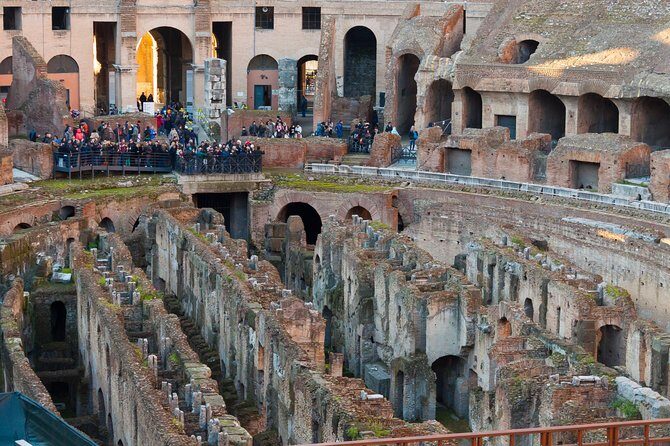
Next up is the Arcibasilica di San Giovanni in Laterano, one of Rome’s four papal basilicas. This isn’t a small neighborhood church vibe. It’s built to feel grand and authoritative, from the impressive façade to the interior scale.
Inside, you’ll find a vast nave and mosaics that help give the space that long, ceremonial feel. The basilica also includes the papal altar and the tombs of several popes, which adds an art-and-history angle beyond simple sightseeing.
One clever aspect of this stop is that it sets up what comes next. The Holy Stairs are connected thematically to this complex, so you’re not just visiting random religious sites. You’re moving from the larger basilica context into the specific devotional object that people travel for: the Scala Santa.
This stop runs about 1 hour 15 minutes, and admission is included. That length matters because the church isn’t just a photo stop. You’ll have enough time to take in the interior without the feeling that the guide is constantly trying to push you along.
Potential drawback: this is a big site, and crowds can happen around well-known churches. The private guide and possible headset use helps, but you may still need a patient mindset while you wait for the group to move through the most important areas.
Stop 3: Scala Santa and the Devotional 28 Marble Steps
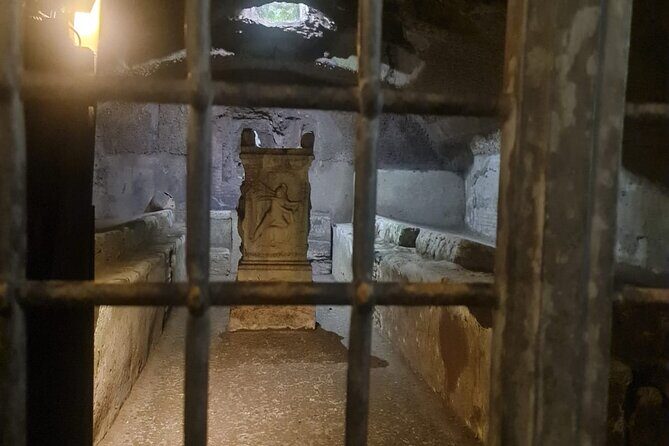
The Scala Santa, or Holy Stairs, is the centerpiece that most people come to see. The site contains 28 marble steps, believed to be the very stairs used during Jesus’ trial before Pontius Pilate.
The steps sit next to San Giovanni in Laterano, and they’re enclosed within a protective wooden structure. That enclosure is practical, but it also frames the experience. You’re not looking at the stairs like a museum object only. You’re seeing them in a way that supports devotion.
Traditionally, visitors climb on their knees. I’d suggest you think ahead about whether you want to participate in that ritual. You don’t want a surprise moment where you’re unprepared. Even if you don’t climb, this stop still works because you get the atmosphere and the religious context explained by your guide.
You can also view frescoes that adorn the walls around the stairs. So the experience isn’t only about the marble steps. It’s about how the space is decorated to reinforce the sacred story.
This stop is about 45 minutes, and admission is included. It’s enough time to understand the significance and take in what’s around you without feeling dragged into a long stretch.






Stop 4: Piazza San Giovanni in Laterano After the Steps
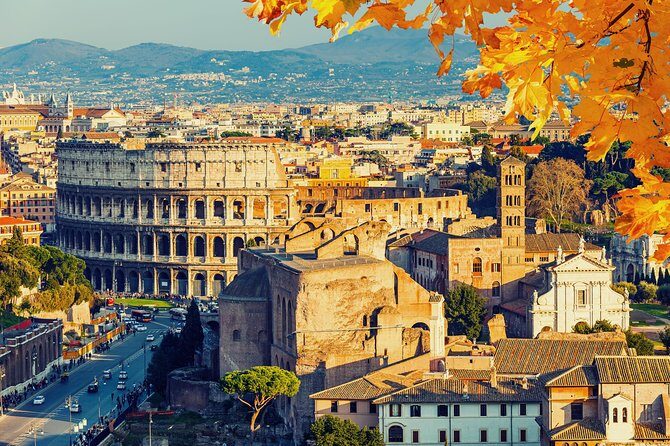
After the churches, you get a breather in the Piazza San Giovanni in Laterano. This is about feeling the neighborhood, not stacking more “must-see” items. The square gives you a chance to look around and reset your brain after the intensity of the Holy Stairs.
The tour allots about 30 minutes here. Use it to notice how people move through the religious area, how it connects to the basilica complex, and how the vibe shifts when you step out into open space.
This stop is also practical. You’ll often appreciate a slightly less structured segment after indoor visits, especially if you’ve been walking and standing for a couple of hours.
The Licensed Guide Factor (and Why Pace Matters)
This is a private guided tour with a professional licensed tour guide. That’s not just a legal checkbox. It’s what keeps the stops from turning into a checklist.
The strongest feedback you’ll want to pay attention to is about the guide’s attitude and Q&A style. One earlier booking praised the guide for being the best—very knowledgeable and happy to answer questions. Another person loved that the explanation worked well and that the headset/means to hear functioned properly.
On the flip side, one booking raised a concern about a slow and boring pace, with some group members leaving early. That doesn’t mean every tour runs that way, but it’s a good reminder: the tour quality depends heavily on how your guide manages time and engagement during a 3 hour 45 minute run.
My practical take: go into this expecting to be led. If you want a totally self-directed experience where you wander off whenever you want, this format may feel a bit structured. But if you enjoy questions and want context tied to what you’re seeing, the guide is exactly the point.
Who This Tour Is For (and Who Might Want Something Else)
This tour fits best if you’re:
- Short on time and want the San Clemente and San Giovanni area highlights
- Interested in architecture plus spirituality, not just one or the other
- The type who likes a guided narrative that connects buildings across centuries
- Traveling with a group and want fewer navigation headaches
It’s also a smart choice if you’re the kind of person who hates wasting time. The guide leads the way, the stops are clustered, and admission tickets are included for the key sites. That “less thinking, more seeing” style is exactly what works on a first or second Rome trip.
Who might skip it? If you want long independent exploration at a single site—especially if you prefer silent wandering or you’re trying to study artwork in detail without group pacing—then you may want a longer standalone visit to one location instead of a tight rotation.
Price and Value: What $300.38 Buys You Here
Let’s be realistic. Paying $300.38 per person for 3 hours 45 minutes isn’t for everyone. But it can be a good deal depending on what you would do otherwise.
Here’s what you’re getting that protects your value:
- A private licensed guide for the full route
- Admission tickets included at the main sites (San Clemente, San Giovanni in Laterano, and the Holy Stairs focus)
- Headsets if needed, which helps you actually understand the guide
- A timed plan that keeps you from losing hours to figuring things out
In a city like Rome, private guided time adds up fast. The included entry also matters. If you were to buy tickets yourself and still wanted a guide to explain the stacked architecture and devotional significance, you’d likely end up spending similarly—just with more uncertainty.
Also, remember the note about group discounts. If you’re booking with others, the per-person value can improve a lot compared with solo travelers footing the whole cost.
Should You Book This Private Churches Tour?
I think you should book this tour if you want a focused, guided run through the most meaningful religious and architectural sights in the San Giovanni orbit—without spending your time wrestling with directions. The combination of San Clemente’s layered structure and the Scala Santa devotional centerpiece is a strong pairing, and the private guide makes the difference between seeing buildings and understanding them.
I’d skip it (or at least consider your expectations) if you need long, slow independence at a single site. This is a timed, guided rotation. If your ideal Rome day is drifting and exploring at your own pace, you might feel rushed.
If your dates are flexible but you want the slot, don’t wait too long. With typical bookings around 54 days in advance, planning ahead helps you lock in the time window that fits your itinerary.
FAQ
How long is the private churches tour?
It lasts about 3 hours 45 minutes.
How much does the tour cost per person?
The price is $300.38 per person.
Is this tour private?
Yes. Only your group participates.
What language is the tour offered in?
The tour is offered in English.
What churches or sites are included?
You visit the Basilica of San Clemente, Arcibasilica di San Giovanni in Laterano, the Pontifical Sanctuary of the Holy Stairs (Scala Santa), and you also stroll in Piazza San Giovanni in Laterano.
Are admission tickets included?
Yes. Admission tickets are included for the listed sites.
Are headsets provided?
Headsets are included if needed for clarity.
Where do I meet the tour?
You meet at Gladiator Tours, Via di S. Giovanni in Laterano, 14, 00184 Roma RM, Italy.
Where does the tour end?
The tour ends at Pontificio Santuario della Scala Santa, P.za di S. Giovanni in Laterano, 14, 00185 Roma RM.
Is hotel pickup or drop-off included?
No. Hotel pickup and drop-off are not included.
How does cancellation work?
Free cancellation is available if you cancel up to 24 hours in advance for a full refund.