REVIEW · ROME
Popes and Artists: sex, lies and betrayals in the 1600s
Book on GetYourGuide →Operated by Roman Art and History · Bookable on GetYourGuide
Rome gets messier in the 1600s. This walk turns Rome’s famous art stops into a story about power, passion, and betrayal—the kind that made popes and cardinals take artists seriously, and other artists nervous. You’ll move through the center on foot and learn how Baroque masterpieces connect to duels, courtesans, and outright drama.
I love how the guide team’s storytelling is built for the street, not a classroom. My favorite part is the way Luisa (she’s the kind of guide who teaches like a university professor) connects art and scandal so the paintings and churches feel alive, not just old. I also like the pacing and structure: you see major landmarks like the Trevi Fountain and Pantheon, then you get pulled toward the quieter streets where the real intrigue sits.
One thing to consider: it’s a walking tour with church stops, and it’s not suitable for people with mobility impairments. If you need step-free access or lots of flexibility to stop and start, this may not fit.
In This Review
- Key highlights worth your time
- The premise: Baroque art with popes, fists, and love letters
- Where you meet and how the tour is paced
- Trevi Fountain: the start that sets the drama level
- Piazza di Pietra and Sant’Ignazio di Loyola: moving from grandeur to purpose
- The Pantheon stop: seeing Raphael’s tomb in a story context
- St. Louis of the French: Caravaggio’s trilogy and the story behind it
- Piazza Navona: sculptor rivalry you can feel in the stones
- Piazza Fiammetta finale: duels, courtesans, and the human price of fame
- What the $59 price includes, and whether it’s good value
- Who this tour is for (and who should skip it)
- Should you book Popes and Artists: sex, lies and betrayals in the 1600s?
- FAQ
- How long is the tour?
- Where do we meet?
- What’s included in the ticket price?
- What language is the tour guide available in?
- How big is the group?
- What should I bring or wear?
- Is this tour suitable for mobility impairments?
Key highlights worth your time
- Small group (max 10) keeps the pace comfortable and the questions possible
- Baroque “secrets” route blends iconic sites with lesser-known streets and buildings
- Luisa-style storytelling focuses on the human side of Bernini, Borromini, and Caravaggio
- Church entrances included, plus explanations tied to the art you’re seeing
- Caravaggio’s trilogy at St. Louis of the French comes with a story you’ll actually remember
- A finale at Piazza Fiammetta ties love, rivalry, and duels back to the culture that shaped art
The premise: Baroque art with popes, fists, and love letters
This tour is built around one idea: in 1600s Rome, art wasn’t just decoration. It was strategy, status, and sometimes survival. You’ll hear how the big names—Bernini, Borromini, and Caravaggio—worked under intense pressure from patrons, including popes and cardinals. And the stories don’t shy away from the darker side: competition, revenge, courtesans, and scandal.
What makes this work for you is the route itself. You start in the grand public spaces, then the narrative gradually pushes you into more intimate corners of the city center. That shift matters. Rome’s monuments can feel distant if you treat them like postcards. Here, you treat them like theater sets—every stop is a scene, and the streets are the backstage.
Also, the guide approach is practical. It’s not only about dates and names; it’s about what these artists were dealing with while they were creating. That’s why the tour feels less like a lecture and more like a guided walk through the emotional weather of Baroque Rome.
You can also read our reviews of more tours and experiences in Rome.



Where you meet and how the tour is paced
You meet at Via della Stamperia, 72, right in front of the Accademia S. Luca Academy of Painting. That’s a solid starting point because it puts you near the action without dumping you into confusion at a random metro exit.
The tour runs about 2.5 hours, in a small group of up to 10 people. That’s a nice sweet spot. You get enough time to cover several major sites and still move at a human pace. You’ll spend short, guided chunks at each stop (most are 10–20 minutes), which keeps the experience from dragging.
One more practical note: you’ll be doing a lot of walking, including church interiors. Bring comfortable shoes and expect to stand and look for a while. And dress matters: sleeveless shirts are not allowed for the church stops. If you’re coming straight from warm-weather sightseeing, keep a light layer handy.
Trevi Fountain: the start that sets the drama level
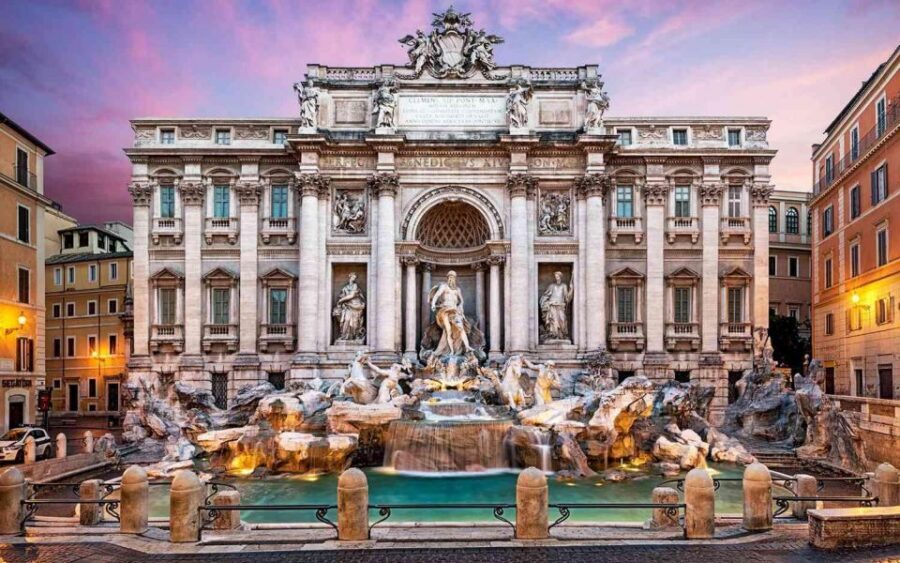
You begin at the Trevi Fountain with about 15 minutes there. This is a smart opening. It’s one of those places where you already have expectations—beauty, mythology, famous photos. But in this tour, the fountain acts like a gateway into Baroque Rome’s obsession with spectacle and persuasion.
What you’ll likely take away is that Baroque art was designed to move people emotionally. The guide uses the surrounding energy of Trevi—crowds, mythology, and public visibility—to explain the stakes behind artists gaining commissions. Even if you’ve seen Trevi before, you’ll get a different lens: not only what the fountain looks like, but why Rome wanted that kind of visual power in the first place.
Also, starting here helps with momentum. You don’t feel like you’re “catching up” later; you’re already in the story early.
Piazza di Pietra and Sant’Ignazio di Loyola: moving from grandeur to purpose
Next comes Piazza di Pietra (about 15 minutes), where the vibe shifts. You’re still in the center, still surrounded by important architecture, but the tone becomes more about the city’s structure—how Rome funnels people through spaces that feel built for performance.
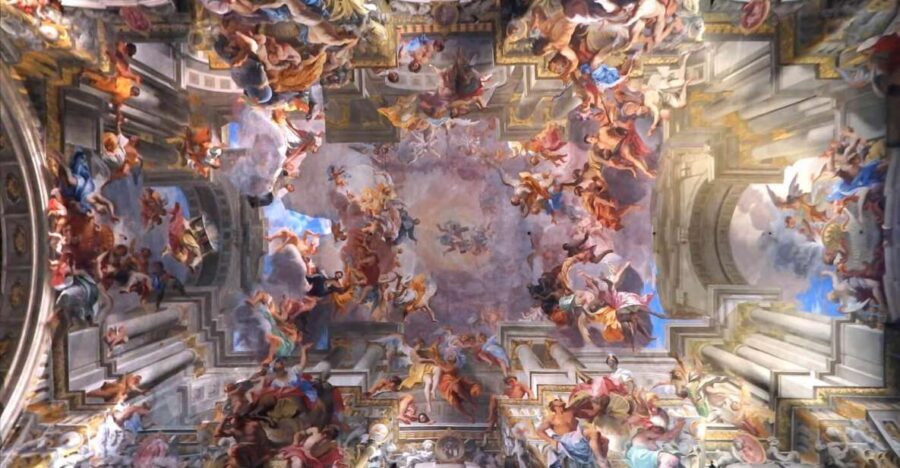
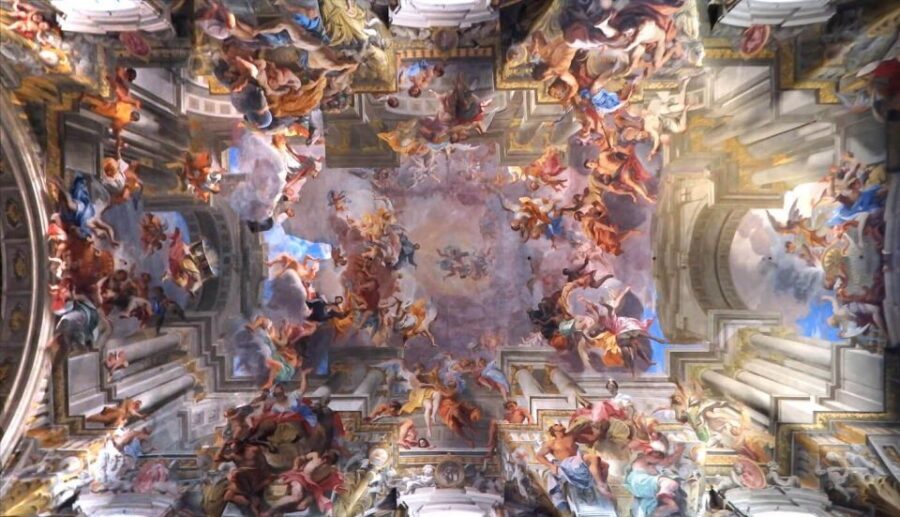
From there, you head to Church of Sant’Ignazio di Loyola for about 20 minutes of guided time. Churches in Baroque Rome weren’t neutral. They were part of the competition for attention: between orders, patrons, and artists all trying to make their messages impossible to ignore. This is where the tour’s theme—popes and artists entangled in scandal and ambition—fits naturally.
Practical upside: since church entrances are included, you’re not stuck juggling ticket steps mid-story. You can stay in the flow and let the guide connect what you see to the bigger picture.
The Pantheon stop: seeing Raphael’s tomb in a story context
At the Pantheon, you’ll have about 10 minutes with a guided explanation. This is short by design, and that’s okay. The Pantheon is one of those spots where your body already reacts—scale, light, the sensation of being in something ancient. The guide’s job is to reframe the moment so it connects to the 1600s world you’re walking through.
You’ll also specifically see the tomb of Raphael. That detail matters because Raphael sits at a crossroads between eras. He’s not the Baroque headline of the tour, but he anchors the idea of artistic legacy in Rome. The story then becomes easier to hold in your head: Baroque artists weren’t inventing everything from nothing. They were inheriting prestige, and they were fighting to keep it.
If you like quick, focused stops that still add meaning, this one delivers.



St. Louis of the French: Caravaggio’s trilogy and the story behind it
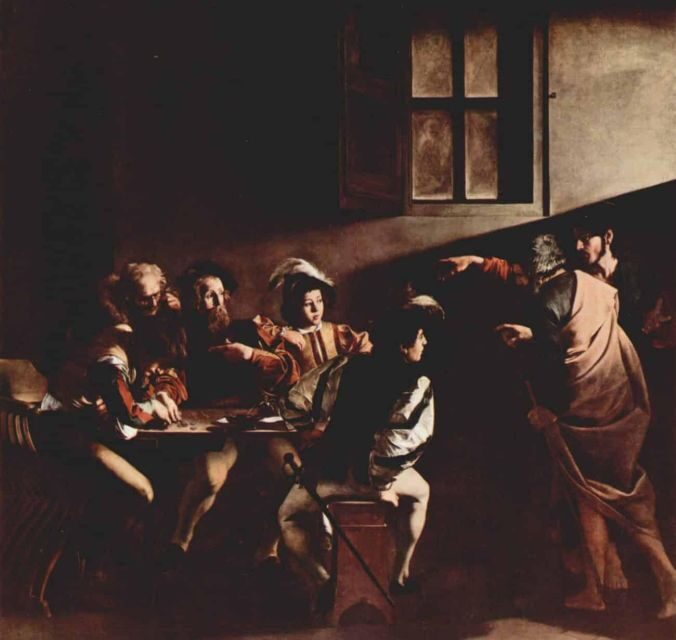
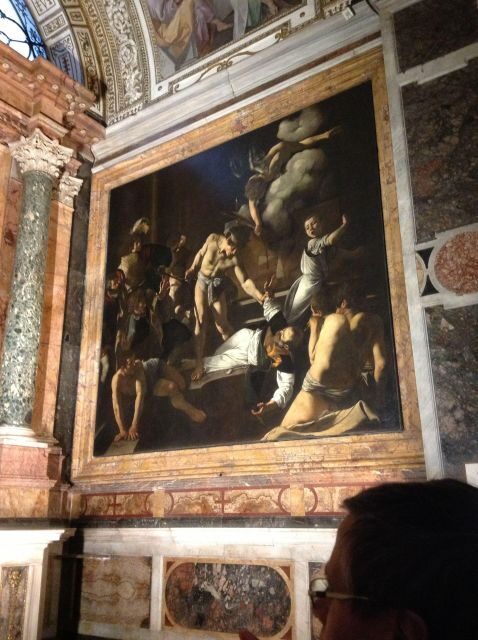
One of the most compelling parts is at the Church of St. Louis of the French (about 15 minutes). This is where you go to admire Caravaggio’s wonderful trilogy of paintings, with the guide sharing a very unbelievable story tied to the artwork.
Even if you’re not a Caravaggio specialist, you’ll get something useful: Caravaggio’s power wasn’t only technical. His art came with shock value—drama, tension, and people talking. The guide’s focus on the story behind the paintings helps you look longer and notice details you might otherwise miss.
Why this stop is so valuable for you: you leave with a narrative hook. Instead of just remembering the church as a beautiful building, you’ll remember it as a place where paintings came with consequences. In a tour about conflict and betrayal, this is the perfect emotional peak.
Piazza Navona: sculptor rivalry you can feel in the stones
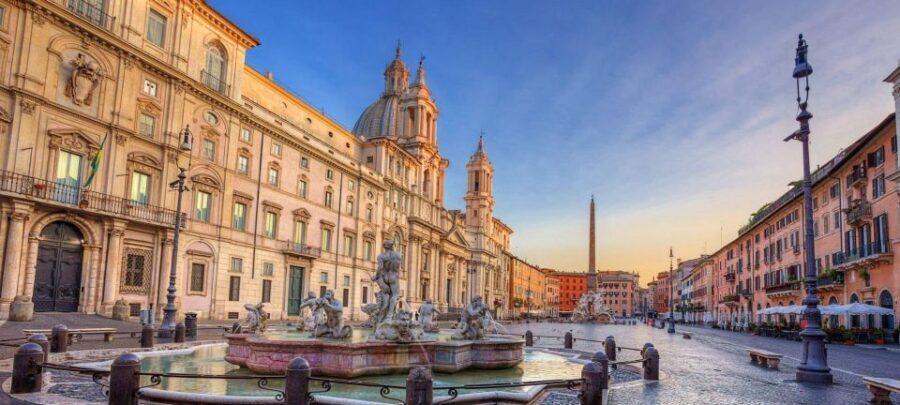
Then you reach Piazza Navona (about 20 minutes), and the tour shifts again into competition mode. Here, you learn about the great competition between two famous sculptors. The setting supports the topic: the square feels like a stage, and Baroque Rome loved art that looked like it was in motion.
You’re not stuck only in “who did what.” The guide ties rivalry to the pressures artists faced—trying to win commissions, protect reputation, and outshine rivals while patrons and church politics watched closely. That’s the connective tissue between the tour’s big theme and a practical sightseeing moment: you’re seeing the city’s public face, but you’re learning the private fight underneath.
If you enjoy art history that explains human behavior, this is one of the stops you’ll talk about later.
Piazza Fiammetta finale: duels, courtesans, and the human price of fame
The tour ends in front of the House of Fiammetta at Piazza Fiammetta. This finale is built around a woman from the 1500s and the duels for her love—a reminder that romance and violence often walked side-by-side in Renaissance and Baroque Rome.
Why end here? Because it turns all the previous themes into a single human story. You’ve been hearing about artists chasing favor, popes shaping careers, and rivalries between creative minds. Now you get a version of the same pressure, but with love and personal obsession at the center. It’s not just gossip for entertainment; it’s a way to understand what kind of world produced Baroque intensity in art.
The best part is that you’ll likely look back at the route differently. Rome’s elegance won’t feel only pretty. It’ll feel like a mask people wore while competing for power.
What the $59 price includes, and whether it’s good value
The price is $59 per person for 2.5 hours. For Rome, walking tours can range from “good stories” to “good locations.” This one leans into both, and that’s why it can feel like solid value.
You’re paying for:
- a live guide in English or Italian
- small group size (max 10)
- entrance to churches
- painting explanations tied to what you see
That combination matters. If you’re the type who wants your sightseeing to come with context, $59 isn’t just paying for someone to walk you around. It’s paying for guided interpretation in several church stops—exactly where self-guided visits often feel slow, confusing, or too general.
If you prefer art history delivered as timelines only, you might find the tone more “human drama” than “museum label.” But if you like why art happened, this format fits well.
Who this tour is for (and who should skip it)
This tour is a great match if you want Baroque Rome connected to real people: popes, artists, rivalries, and the consequences of ambition. It’s also ideal if you enjoy a guide who tells stories with energy and teaches in a way that sticks—one reason Luisa comes up again and again in the guide feedback you’ll hear associated with this experience.
Skip it (or consider a different style of tour) if you:
- need step-free routes and lots of mobility support (it isn’t suitable for mobility impairments)
- hate church interiors or don’t want to stand and look for guided moments
- show up without the right clothing (remember no sleeveless shirts)
Should you book Popes and Artists: sex, lies and betrayals in the 1600s?
I’d book it if your idea of a good Rome experience includes story, context, and art that feels connected to power. The mix of major landmarks like Trevi and Pantheon with church stops and an art-focused finale at Piazza Fiammetta gives the tour structure that many “Baroque history walks” don’t manage.
Also, the small group size and the fact that church entrances and painting explanations are included means less friction and more time actually looking. If you’re curious about Bernini, Borromini, and Caravaggio but want the politics and human mess around them explained in plain language, this is one of the better ways to do it.
FAQ
How long is the tour?
The tour lasts 2.5 hours.
Where do we meet?
You meet at Via della Stamperia, 72, in front of the Accademia S. Luca Academy of Painting.
What’s included in the ticket price?
It includes entrance to churches and painting explanation during the visit.
What language is the tour guide available in?
The live guide offers English and Italian.
How big is the group?
The group is small, limited to 10 participants.
What should I bring or wear?
Bring comfortable shoes. Sleeveless shirts are not allowed.
Is this tour suitable for mobility impairments?
No. It is not suitable for people with mobility impairments.