REVIEW · POMPEII
Pompeii Visit at its Most Peaceful Moment
Book on Viator →Operated by Albireo Travel · Bookable on Viator
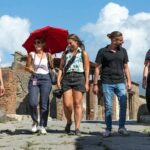
Pompeii gets quiet when the sun drops. This is a closing-time style visit that starts after most day-trippers have left, so you get the UNESCO World Heritage Site feeling calmer and cooler. I love the small group size and the sunset timing, because the ruins look better and you move without shoulder-to-shoulder crowd pressure.
The guide factor matters here. You’ll travel with a Blue Badge guide, and the tour includes skip-the-line access so you spend more time walking and less time waiting. In real life, I also like how different guides get mentioned by name, like Giovanni, Giovanna, and Paulo, because it suggests consistent, guide-led attention rather than a rushed “headphones and go” model.
One thing to plan for: the tour price doesn’t include entrance fees. Also, because this runs late, you might finish a bit earlier if sunset arrives fast for your travel month.
In This Review
- Key things I’d circle before you book
- Pompeii after hours: why the timing feels like a cheat code
- Meeting point and small-group pacing: what you’ll notice right away
- The 2-hour walk: forum, theater, thermal baths, and houses (minus the chaos)
- Stop 1: Pompeii Archaeological Park at sunset
- Stop 2: The Forum area (civic life, not just ruins)
- Stop 3: Theater (performance space in good light)
- Stop 4: Thermal bath area (where everyday life shows up)
- Stop 5: Houses and residential details (learning beyond the big public spaces)
- Price and value: is $142.42 worth it for your Pompeii day?
- Guides make or break it: what I’d expect from Giovanni, Giovanna, and Paulo
- Practical tips so sunset doesn’t trip you up
- Who this tour fits best (and who might want something else)
- Should you book this after-hours Pompeii tour?
- FAQ
- How long is the Pompeii guided tour?
- What group size is this tour limited to?
- Is the entrance ticket included in the tour price?
- Where does the tour start and end?
- What time of day is the tour?
- What level of fitness do I need?
- Is free cancellation available?
Key things I’d circle before you book
- Go after crowds leave: cooler weather and breathing room make Pompeii feel human again
- Blue Badge guide included: you’re not just touring stones; you’re getting guided context
- Small group (max 15): easier pacing, fewer bottlenecks, and better questions
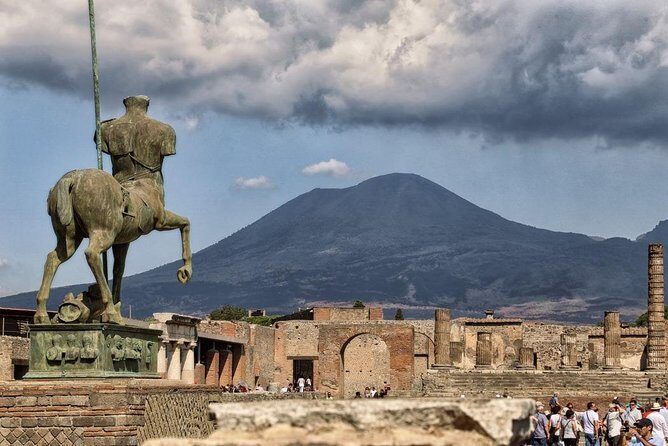
- Sunset views over Pompeii: the light changes the experience, especially in open areas
- Skip-the-line access: less waiting at the gate, more time inside
- 2 hours is the whole plan: great value for a tight window, but not for a long sit-down explore
Pompeii after hours: why the timing feels like a cheat code
Pompeii can be overwhelming in peak daylight. It’s not just the crowds. It’s the heat, the noise, the sense of being herded. This tour leans hard into the solution: go late, after most people are gone, and focus on the walk when the temperature drops and the site feels calmer.
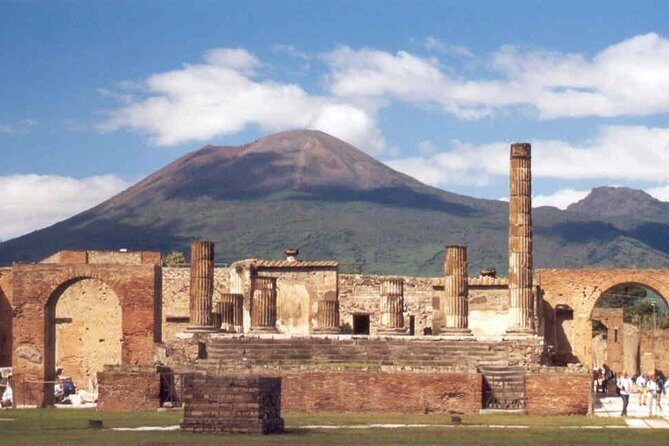
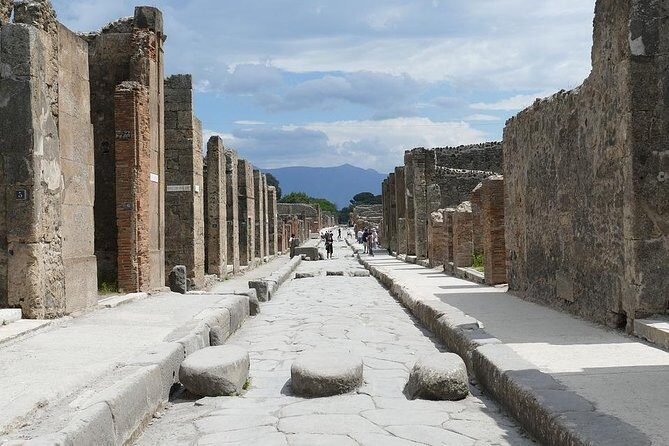
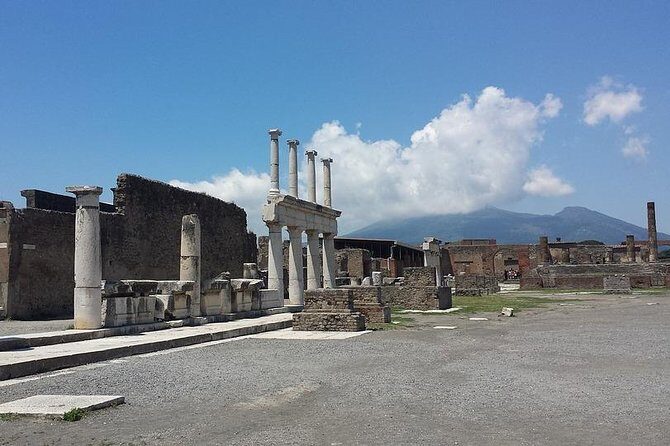
That change in atmosphere is the real luxury. You still see the big pieces of Pompeii—the public spaces, the thermal area, the theater—but you experience them with less pressure. You’ll also get that special sunset look over the ancient city, which helps the ruins feel like a place people lived in, not just a checklist.
And yes, it’s also a practical move if you’re using Pompeii as part of a Naples or Sorrento day. You can arrive earlier in the region, then save the ruins for evening when your feet and head are more comfortable.
You can also read our reviews of more tours and experiences in Pompeii.


Meeting point and small-group pacing: what you’ll notice right away
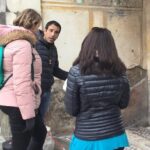
The tour starts at Hotel Vittoria (Piazza Esedra, 80045 Pompei NA, Italy) and ends back at the same meeting point. The guide meets you there, and the group size is capped at 15 travelers, with a maximum that keeps the pace controlled.
What does that mean for you on the ground? Less clogging at doorways and viewpoints. Quicker corrections when you’re moving into a crowded junction of streets. More chance to hear details instead of catching only fragments over the din.
You’ll also want comfortable shoes. Pompeii’s surfaces can be uneven, and at sunset the light can shift quickly. The tour lists a moderate physical fitness level, which usually translates to: you can manage walking for about two hours, but you shouldn’t expect flat, stroller-friendly pathways.
If you’re using public transport, this is rated as near public transportation, so you’re not stuck relying entirely on taxis. And service animals are allowed, which matters for planning with pets in tow.
The 2-hour walk: forum, theater, thermal baths, and houses (minus the chaos)
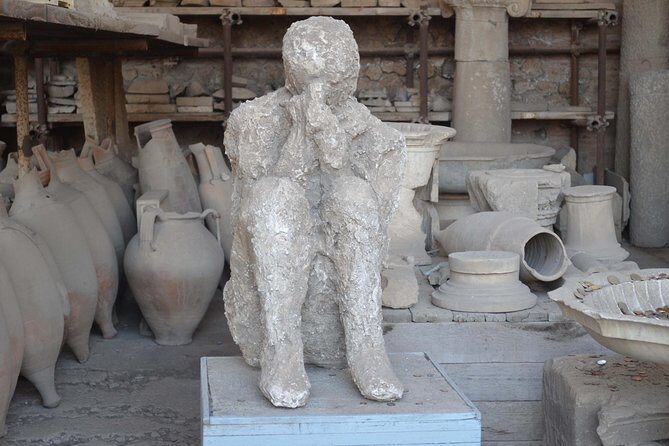
This is an in-depth guided visit at closing time. Plan for a full two hours of moving plus stops for explanations. In other words, this isn’t “stand here and stare” time. It’s active, guided, and designed for a best-of Pompeii route when the site is quieter.
Stop 1: Pompeii Archaeological Park at sunset
You begin inside the Pompeii Archaeological Park, meeting your fully licensed guide at the entrance area. The timing is the point: you’re walking while the big daytime groups have already departed, and the sun starts doing that cinematic thing over the ruins.
What you can expect in this phase is context first. Your guide sets the scene—how the city worked, where people gathered, and why certain buildings mattered. You’ll also get pacing tips as you move: where to look, what to notice, and what to ignore so you don’t get lost in details that won’t help your understanding.
A couple of important notes:
- Evening light can run out sooner than you want, especially in earlier autumn months. One common issue is finishing a little earlier because you lose the best visibility for the later parts of the route.
- The tour is timed, so you’re seeing key areas rather than trying to absorb the entire park. If you want a slower self-guided wander, you can pair this with extra time on another day.
Stop 2: The Forum area (civic life, not just ruins)
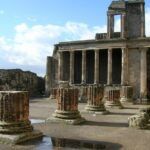
The forum is one of Pompeii’s most important spaces, and it’s also one of the easiest to understand with a guide. Even if you know Roman history basics, a good guide makes the forum click as the city’s social and civic hub—where people encountered each other, where activity clustered, and where public life unfolded.
The benefit of coming late is that open spaces feel less crowded. You’re more likely to get a “look and listen” moment rather than trying to hear over footsteps and chatter. It’s the kind of stop where you can actually connect building functions to street life.
Possible drawback: because the tour is two hours total, you may not have the long, slow linger some people want in the forum. You’ll get the core understanding, but not unlimited time for every nook.
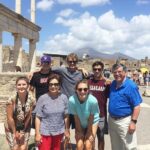
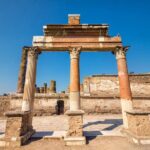
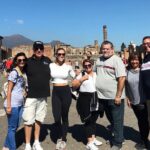
Stop 3: Theater (performance space in good light)
Next is the theater area. With a guide, this is where you can start imagining the sounds and crowds, instead of just seeing seating rows and stone walls.
Evening timing helps here because the theater space can look dramatically different as the light angle changes. If you’re traveling with kids or teenagers, a guide who can narrate with energy tends to keep this stop from feeling like another stop on the map.
One more practical point: since this is a moving tour, you’ll cover it as part of a sequence, not as a standalone museum-style sit-down. That’s a trade-off, but it also keeps the energy from dragging.
Stop 4: Thermal bath area (where everyday life shows up)
The tour also includes the thermal bath area. This is where Pompeii shifts from “public monuments” to “everyday routines.” Bathrooms, changing areas, and bathing spaces tell you a lot about how people spent time and used the city.
With evening visits, the bath complexes can feel less harsh than in midday heat. You might still be in sun for portions of the walk, but the overall atmosphere is easier to handle. A guide can point out key features so you’re not just wandering through rooms and guessing what you’re looking at.
Possible drawback: thermal areas can also have uneven footing. Wear shoes you trust, and take your time in transitions.
Stop 5: Houses and residential details (learning beyond the big public spaces)
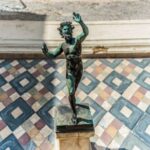
The tour includes “and more,” and the experience described by guides points toward residential stops—people have mentioned getting into houses on the property during the tour.
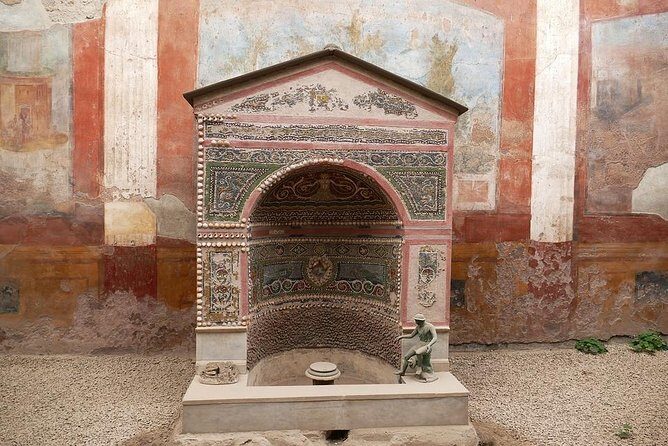
These house visits can be a highlight because they show a different side of Pompeii: household life, private spaces, and how people lived behind street-level facades. With fewer crowds, you’re better positioned to actually see what your guide is explaining rather than trying to squeeze into a narrow viewing spot.
You’ll probably leave with a clearer mental map: which buildings were public stages, which were civic centers, and which were domestic spaces where daily life played out.
Price and value: is $142.42 worth it for your Pompeii day?
At $142.42 per person for about two hours, this is not a bargain tour. It’s priced like what it is: a late-session, guided Pompeii experience with a small group limit and skip-the-line support.
Here’s how I think about value:
- You’re paying for a Blue Badge guide and structured time, which saves you from trying to “DIY” your way through Pompeii’s complexity.
- You’re paying for better timing. Avoiding peak crush and heat can be worth real money, because it reduces fatigue and makes the site enjoyable instead of stressful.
- You’re paying for small group size, which usually translates into better listening and easier movement.
Now the caveat: entrance fees aren’t included. The tour does include skip-the-line, but you should expect to pay admission separately. That matters for value math. If entrance fees are high during your visit window, you’ll want to budget for the total spend, not just the tour price.
Also, two hours is a smart duration for most people. It’s long enough to get meaningful context without turning into a full-day exhaustion event. If you already have limited time in the area, it’s also a clean fit.
Guides make or break it: what I’d expect from Giovanni, Giovanna, and Paulo
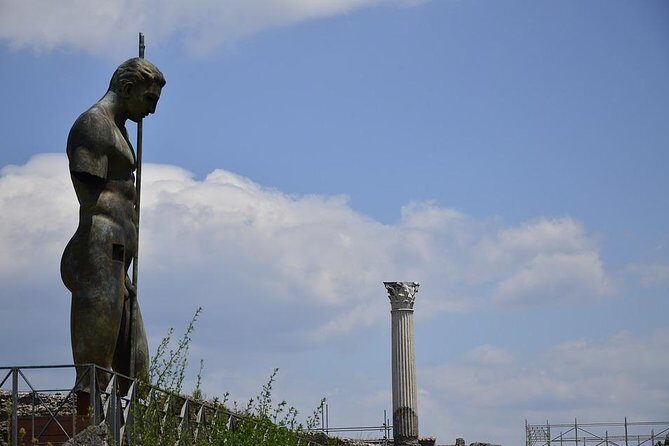
The guides tied to this experience are repeatedly described with the same core traits: passion, energy, and the ability to keep attention. Names that come up include Giovanni, Giovanna, and Paulo.
What that means for you:
- You’ll likely get explanations that connect the building features to how people lived and gathered.
- The best guides in Pompeii don’t just list facts. They help you know where to look and what it means.
- If you’re traveling with kids, you can benefit from a guide who can pace the story and keep things lively. One of the reviews strongly suggests that kind of family-friendly attention.
If you care about understanding the city beyond a photo stop, pay attention to how your guide speaks and how questions get handled. This is the part that turns Pompeii from a place you visited into a place you understood.
Practical tips so sunset doesn’t trip you up
A peaceful Pompeii visit still needs basic planning.
- Wear comfortable shoes. You’ll be walking a lot in two hours, and Pompeii’s ground can be uneven.
- Plan for shorter light. Sunset timing changes by season. Some people report ending a bit earlier when light fades.
- Bring a plan for entry fees. Since entrance fees aren’t included, have payment ready.
- Arrive a little early at Hotel Vittoria (Piazza Esedra) so you’re not rushed.
- If you’re using public transport, build in a little buffer; the meeting spot is near transit, but evening schedules can still be tight.
If you’re sensitive to heat, this is the right style of tour. The whole premise is you’re avoiding the blistering daytime sun and walking when it’s more comfortable.
Who this tour fits best (and who might want something else)
This tour is a great match if:
- You want Pompeii without peak crowds and without losing your afternoon to heat.
- You prefer guided structure for understanding the key areas quickly.
- You have a limited amount of time and still want a meaningful experience.
- You like small groups and better pacing.
It might be less ideal if:
- You want a long, self-paced exploration where you can spend extra time in one building.
- You’re hoping the tour price fully covers admission fees with no extras.
- You travel during a season where sunsets happen very early and you’re not comfortable with finishing earlier than planned.
Should you book this after-hours Pompeii tour?
If your goal is a calm, guided Pompeii experience with good light and less crowd pressure, I think this is a smart booking. The combination of late timing, small group size, and Blue Badge guidance is exactly what turns Pompeii into a place you can actually enjoy, not just survive.
Just go in with one clear expectation: you’ll likely pay entrance fees separately, and because it’s timed around sunset, you may not see every inch of the site. If you’re okay with seeing Pompeii’s main highlights in a focused way, this tour should deliver a very satisfying, low-stress evening.
FAQ
How long is the Pompeii guided tour?
It lasts about 2 hours.
What group size is this tour limited to?
The tour has a maximum of 15 travelers.
Is the entrance ticket included in the tour price?
Entrance fees are listed as not included. The tour includes skip-the-line support, but you should expect to pay admission separately.
Where does the tour start and end?
It starts at Hotel Vittoria, Piazza Esedra, 80045 Pompei NA, Italy, and ends back at the same meeting point.
What time of day is the tour?
It’s an after most visitors have departed style tour, led at sunset and during closing time.
What level of fitness do I need?
It’s noted as suitable for travelers with a moderate physical fitness level, and you should wear comfortable shoes.
Is free cancellation available?
Yes. You can cancel up to 24 hours in advance for a full refund.