REVIEW · NAPLES
Pompeii Tour from Naples: Skip-the-Line Entry + Guided Visit
Book on Viator →Operated by Naples bay tour · Bookable on Viator
Pompeii without the ticket-office headache. This skip-the-line entry starts fast through Porta Marina, and the licensed guide keeps the story moving across the best-known Roman spaces. I especially like the focus on how people lived—food, daily routines, and elite leisure—and the way the eruption tragedy is explained in plain terms. One thing to consider: it’s meant to be a small group, but you may sometimes see more people than the maximum advertised.
In about 4 hours, you don’t just see famous ruins—you get guided context for what you’re looking at. Stops like the Macellum and the Villa dei Misteri help you connect the dots between art, religion, and everyday commerce. If you’re craving a slow, unhurried wander where you linger for long stretches, this schedule may feel a bit fast.
The tour runs in English, includes your Pompeii ticket, and uses a mobile ticket (so you won’t be hunting for paper). If you’re picked up from outside a standard meeting point, a staff member will call your name and they’ll wait up to 5 minutes before trying again by phone or WhatsApp—useful info if you’re traveling with a tight plan.
In This Review
- Key highlights that matter on the ground
- Skip-the-line through Porta Marina: your time gets used better
- The Naples pickup + air-conditioned ride: the logistics that prevent stress
- Macellum: seeing Pompeii as a working food city
- Villa dei Misteri: the frescoes and what they were for
- Villa Imperiale: elite lifestyle, architecture, and status
- Praedia di Giulia Felice (House of Giulia Felice): gardens and thermal-bath life
- Price and value: what you’re paying for at about $97.44
- Group size, timing, and the English-guided pace
- What to bring so the 4 hours feels comfortable
- Should you book this Pompeii tour?
- FAQ
- How long is the Pompeii tour from Naples?
- What time does the tour start?
- Do I get skip-the-line entry into Pompeii?
- Does the tour include pickup from Naples?
- What’s the meeting approach if they can’t find you right away?
- Is the Pompeii ticket included?
- Is the tour guided in English?
- What stops are included during the visit?
- Is food or drinks included?
- How big is the group?
Key highlights that matter on the ground
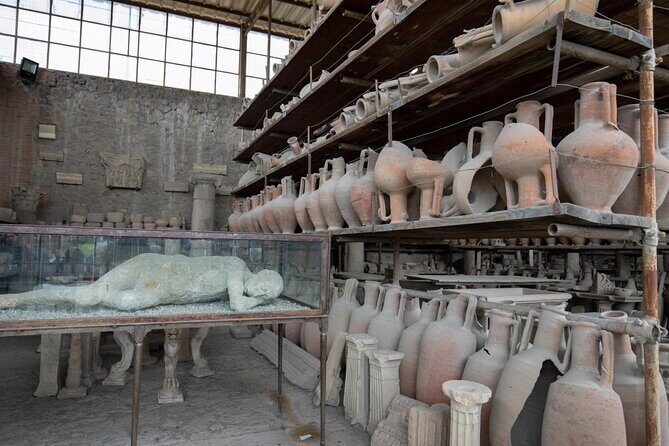
- Skip-the-line through Porta Marina: you avoid the main ticket-office wait and get into the action sooner.
- A guided route through Roman daily life: markets, homes, and villas—linked by real explanations, not just stone sightseeing.
- Macellum food market stop: you’ll see where Romans bought meat, fish, and produce and how that daily system worked.
- Villa dei Misteri fresco focus: the famous vivid wall paintings and their Dionysian ritual themes are explained.
- Elite Pompeii stops: Imperial Villa remains and the House of Giulia Felice area show how wealth shaped architecture.
- Small-group feel (with a caveat): the tour lists a maximum group size, and most days feel manageable—just expect the real world can vary.
Skip-the-line through Porta Marina: your time gets used better
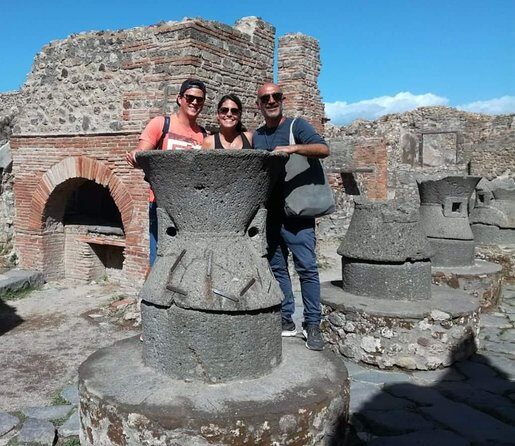
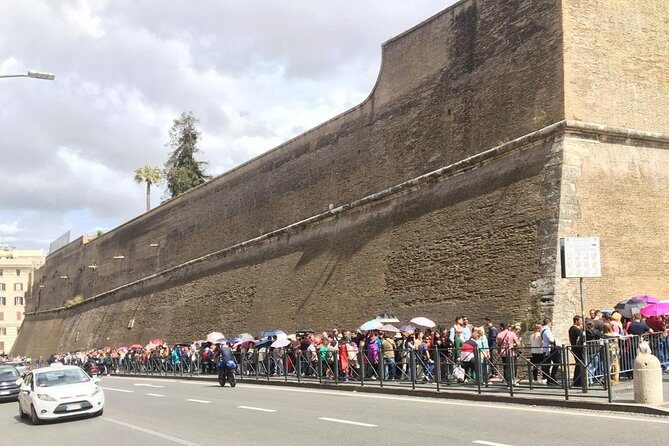
Pompeii can eat a morning fast, mostly because you spend time standing still. The big advantage here is that you enter through Porta Marina with skip-the-line access, which means you’re getting moving while other visitors are stuck at the ticket bottleneck.
This matters for two reasons. First, the site is large enough that every early-minute counts. Second, guided tours feel best when you’re not already tired from waiting. You start with momentum, and your guide’s opening framing helps you understand the place before you’re lost in columns and corridors.
Also, starting at 9:00 am typically helps with crowding (Pompeii is always popular, but morning usually gives you better breathing room). The priority entry doesn’t magically make it empty, but it does cut down on the most frustrating part of arriving.
You can also read our reviews of more guided tours in Naples


The Naples pickup + air-conditioned ride: the logistics that prevent stress
This tour includes a vehicle with air conditioning, plus parking rates, so you’re not stuck thinking about transport details. Pickup is offered at your location, and a staff member meets you at the pickup spot, calls your name, and keeps communication going if they can’t find you immediately.
A couple practical tips if you want this to go smoothly:
- Be ready a few minutes early. They’ll wait up to 5 minutes, then try to contact you by phone or WhatsApp.
- Have your WhatsApp available if you use it often. The tour notes that they may contact you there if needed.
You’ll also get a mobile ticket, which is handy in a place where it’s easy to misplace paper right before departure. Nothing fancy—just fewer things to juggle.
Macellum: seeing Pompeii as a working food city
One of my favorite parts of guided Pompeii visits is when you stop thinking of it as a museum and start thinking of it as a city that was alive—loud, busy, and intensely practical. The Macellum food market stop is built for that mindset.
At this market area, your guide explains how it functioned for selling meat, fish, and produce. That explanation is the difference between seeing a set of stalls and understanding a system. You’re not only looking at stone walls; you’re picturing what people ate, how they shopped, and how the local economy worked day to day.
How much time do you get? About 20 minutes for this stop, with admission included. That’s enough to learn the layout and key points, then move on before the group loses energy. If you’re the type who likes to take 20 photos per corner, you’ll want to choose your angles fast and trust that the guide will keep the story coherent as you walk.
Villa dei Misteri: the frescoes and what they were for
Next up is one of the most famous Pompeii villas: the Villa dei Misteri. It’s known for vivid frescoes connected to Dionysian ritual themes, and your guide walks you through what those images are doing.
This stop is where art stops being “pretty paintings on a wall” and starts becoming evidence. Dionysian references aren’t just random myth references—they connect religion, identity, and performance in Roman life. With a guide, you’ll understand what you’re seeing and why that mattered to the people who lived here.
You get around 20 minutes, which is a sweet spot. The frescoes can hold your attention for longer on your own, but guided timing helps you grasp the big picture first, then come back to details with your new context.
One small consideration: fresco viewing is visual by nature, and Pompeii can have tricky lighting. If you’re sensitive to glare, wear something with a hat or keep your phone camera low and focused so you’re not fighting the light while the group moves.
Villa Imperiale: elite lifestyle, architecture, and status

The Villa Imperiale stop brings you into the world of wealth and power. This is where your guide’s storytelling really earns its place. You’ll explore remains of the Imperial Villa and get explanations about structure, decorative features, and historical context.
What I like about this portion is that it doesn’t treat the villa as just a luxury fantasy. It frames elite life as a set of design choices: how spaces are organized, what kinds of decoration signal status, and how the architecture communicates who mattered and how.
You’ll spend about 20 minutes here, again with admission included. That timing works well because it prevents the common mistake of spending too long in one room and then rushing the rest. By the end of this stop, you’ll have a clearer sense of how Pompeii served both ordinary daily needs and elite comfort.
You can also read our reviews of more tours and experiences in Naples

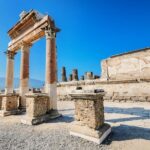

Praedia di Giulia Felice (House of Giulia Felice): gardens and thermal-bath life

The final major stop is at Praedia di Giulia Felice, tied to the House of Giulia Felice. This is a great way to end the tour because it shifts from grand public-market life and ceremonial villa frescoes into more personal, private spaces.
Your guide highlights this as a luxurious private residence, including gardens and thermal baths. That detail is key. Roman homes weren’t only for sleeping and eating. Even in a private setting, bathing culture and outdoor space reflected comfort, cleanliness, social life, and wealth.
You get about 30 minutes for this last stop, which is the longest segment on the tour. It gives you a little extra time to slow down, absorb the changes in architecture, and ask questions while the guide is still there.
If you like your tours to end with something visually calm—gardens and bath-related spaces rather than only walls and floors—this is a smart finish.
Price and value: what you’re paying for at about $97.44
At around $97.44 per person, this tour is priced like a practical “best hits” experience: entry plus a guide, with transport support from Naples. The value shows up in three places.
First, the Pompeii ticket is included, so you’re not doing separate ticket math on arrival. Second, you get skip-the-line entry, which can easily save real time. Third, your guide’s role matters more than people expect. Pompeii is visual, but it’s also confusing unless you know what to look for. A guided visit helps you avoid the most common trap: walking through and remembering only what it looks like, not what it means.
Now, there’s a consideration. This is a shared guided experience, and it’s also time-limited (about 4 hours). If what you want most is a very slow, deeply personal pace—or a strict private-only experience—then you may feel the constraints.
Still, for many visitors, this is the type of tour that gives the most useful return on a limited schedule. You’ll see multiple major sites without burning your day in logistics.
Group size, timing, and the English-guided pace

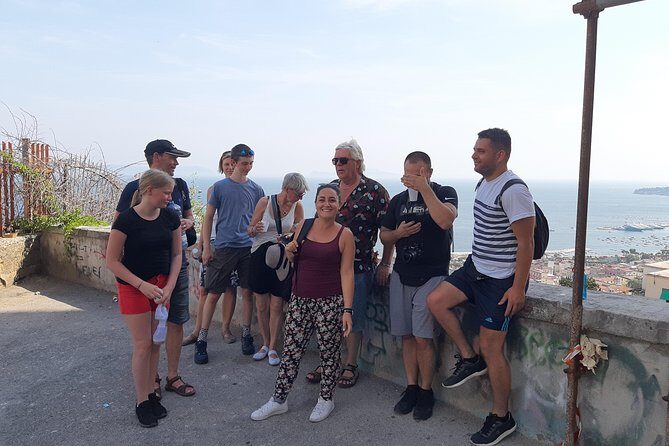
The tour lists a maximum of 15 travelers, and in many cases that keeps things friendly and easy to follow. In one case, a review mentioned the group felt larger than advertised and that the transportation had longer pauses between parts of the day. That doesn’t mean it’s always like that, but it’s worth flagging.
Here’s how to protect your experience:
- Bring patience for small transit pauses. Pompeii-area movement and schedule constraints are real.
- If you’re a fast walker, pace yourself anyway. The guide needs everyone together so explanations stay consistent.
- If you’re sensitive to crowding, aim for the earliest entry you can—and the 9:00 am start helps.
On the guide side, one name surfaced in the reviews: Maria. The comments praised her as an amazing, knowledgeable guide. When you get a guide like that, the tour can feel like a story you can actually follow.
English is offered, and you’ll get an in-depth look at architecture and Roman daily life, plus the tragic eruption context woven into the route.
What to bring so the 4 hours feels comfortable
You’ll be on foot inside Pompeii for multiple stops, so plan for practical comfort even if the guide handles most of the coordination.
Bring:
- Comfortable walking shoes (Pompeii surfaces can be uneven)
- Water (the tour doesn’t include food & drinks)
- Sun protection in warm months
- A charged phone for the mobile ticket and for communication needs at pickup
Because food & drinks are not included, it’s smart to eat before you go. You’ll likely want a snack afterward, especially if you’re doing other Naples sights the same day.
Should you book this Pompeii tour?
Book it if you want a time-saving, story-driven Pompeii visit from Naples, with priority entry and a licensed guide handling the explanations. It’s a strong choice when you have limited time but still want more than a random walk through ruins.
Think twice if you:
- Want a fully unhurried pace with lots of solo exploration time
- Need a strictly private, just-your-party format (this tour is presented as a shared guided visit)
- Are very concerned about group-size variability; most days should feel manageable, but real-world numbers can sometimes shift
If you’re aiming for the smartest use of a half-day, this is a solid way to do it: you get inside fast, hit key Pompeii stops, and leave with a clearer sense of what life was like there before the volcano changed everything.
FAQ
How long is the Pompeii tour from Naples?
It runs for about 4 hours.
What time does the tour start?
The start time is 9:00 am.
Do I get skip-the-line entry into Pompeii?
Yes. The experience includes skip-the-line entry through the Porta Marina entrance.
Does the tour include pickup from Naples?
Yes. Pickup is offered from your location, and a staff member will call your name at the pickup spot.
What’s the meeting approach if they can’t find you right away?
They will wait up to 5 minutes, and if they can’t find you, they’ll contact you by phone or WhatsApp.
Is the Pompeii ticket included?
Yes. The Pompeii ticket is included in the tour.
Is the tour guided in English?
Yes. The guided visit is offered in English.
What stops are included during the visit?
You’ll visit the Macellum, Villa dei Misteri, Villa Imperiale, and Praedia di Giulia Felice (House of Giulia Felice).
Is food or drinks included?
No. Food and drinks are not included.
How big is the group?
The tour is capped at a maximum of 15 travelers.