REVIEW · ROME
Personal Chef at Home in Rome
Book on GetYourGuide →Operated by Carlo Bernabei · Bookable on GetYourGuide
Rome tastes better at home.
This is a private chef dinner in Rome that turns your apartment or B&B into a real sit-down restaurant, without you doing the work. I like that the experience can meet you wherever you are in your comfort level: you can help side-by-side, or you can walk in and find everything ready. And you’re promised a traditional 4-course flow that ends with tiramisù.
Two standout things I love: you get serious Roman flavors served with care, and the whole evening feels easy. Chef Carlo Bernabei’s approach shows up again and again in the details—warm, professional energy, plus stories and small explanations tied to what’s on the table. One possible drawback: you’ll be spending the night in more of a home-setting rhythm, not bouncing from spot to spot like a pub-crawl. If you want constant sightseeing movement, this may feel too calm.
In This Review
- Quick Highlights
- Why a Private Chef Dinner Works So Well in Rome
- Meet Chef Carlo Bernabei and Set the Kitchen Stage
- From Shopping to Clean-Up, This Is Low-Effort Luxury
- The Antipasto Course: Roman Starters in Your Dining Room
- The Pasta Course: Classic Roman Comfort (Including Carbonara)
- The Traditional Roman Meat Course for Main Event Appetite
- Tiramisù for the Sweet Finish, Plus Optional Wine Pairing
- Practical Tips to Get the Most Out of Your 2.5-Hour Dinner
- Who This Experience Fits Best (and Who Should Skip It)
- Should You Book This Private Chef Experience in Rome?
- FAQ
- What do I eat on this private chef dinner?
- How long does the experience last?
- Does the chef handle everything, including shopping and cleanup?
- Can I help in the kitchen, or should I just relax?
- Is wine included?
- Where will the chef meet me?
- What languages are spoken?
Quick Highlights
- 4-course Roman menu in 2.5 hours: antipasto, pasta, Roman meat main, then tiramisù
- Shopping, prep, and cleanup handled so you can actually relax
- Chef Carlo Bernabei brings stories and personal warmth to the table
- Wine available on request, with pairing done thoughtfully
- Diet flexibility is possible (including alternate courses, when planned ahead)
Why a Private Chef Dinner Works So Well in Rome
Rome can be a lot. Long days, lots of walking, and then you still have to figure out dinner. This is where a private chef at home shines. You keep your energy for the places that need it, while a professional handles the food like it’s opening night.
The big value here is control without stress. You get an evening that feels special and polished, but it happens in your own space. That matters when you’re traveling as a couple, hosting family, or gathering friends and you want conversation to happen without squeezing into restaurant seating.
And the menu structure is designed for the way Romans actually eat. You start with something light and interesting, then move into pasta comfort, then a traditional meat course, and you close with a sweet that almost never disappoints. If you like your meals to feel like a chapter of one consistent story, you’ll probably like this format.
You can also read our reviews of more tours and experiences in Rome.



Meet Chef Carlo Bernabei and Set the Kitchen Stage
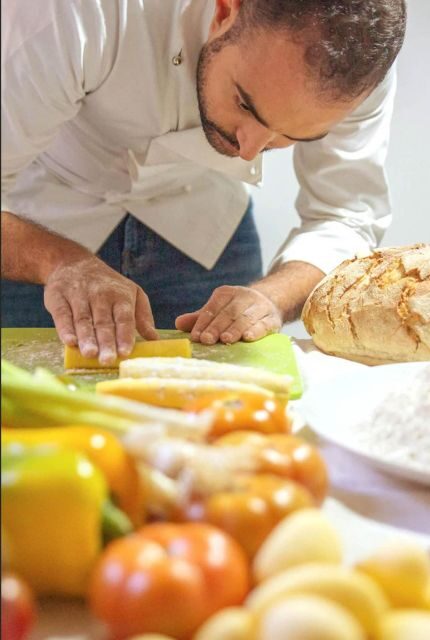
Chef Carlo Bernabei is the heart of this experience. He arrives to your place and turns your kitchen into a workable cooking space, even when it’s not fully stocked. That part is huge. Many rentals in Rome have compact kitchens, odd layouts, or missing essentials. Here, the promise is that the chef can work with what you have.
You can also expect a friendly, approachable tone. In multiple dinners, Carlo’s personality is described as warm and upbeat, with explanations that make the food feel personal instead of rigid. If there’s a language gap in your group, that can help too—one dinner setup included an assistant who spoke both Spanish and English to support communication and cooking explanations.
Timing is also part of the “stage-setting.” The experience is 2.5 hours, so the pacing is meant to flow without dragging. Nobody wants a dinner that starts late and keeps everyone hungry. With this format, you can plan the rest of your evening around a clean finish.
From Shopping to Clean-Up, This Is Low-Effort Luxury
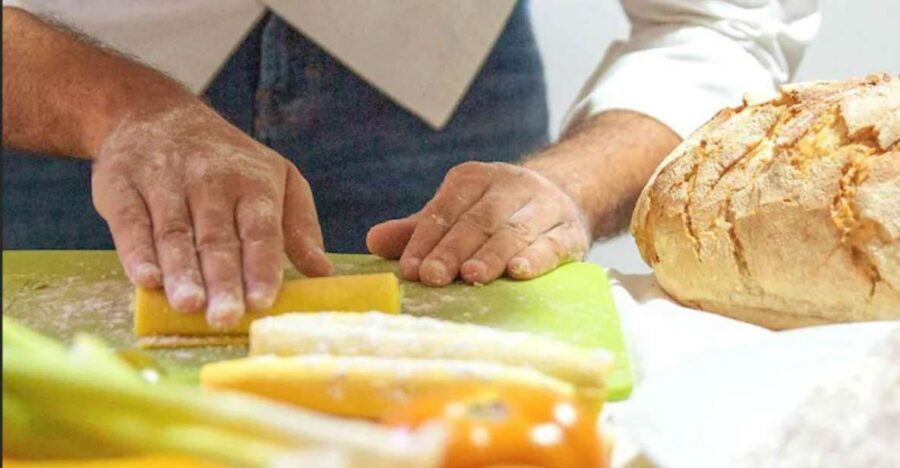
The best part for me is what you don’t have to manage. The chef takes care of the full arc: shopping, prep, cooking, and cleaning up afterward. That means you can spend your pre-dinner time doing what you came to Rome for—walking, browsing, taking photos, or just sitting with gelato and pretending you’re not hungry yet.
This also removes the most annoying travel problem: last-minute food errands. When you’re tired, supermarkets and late-night searches turn into a chore. Instead, you get a dinner that starts with the right ingredients and ends with a kitchen that isn’t trashed.
One more practical point: if your home setup is missing something important for service—like enough plates for a larger group—there’s evidence that Carlo can handle it. In one group of ten, he went to source extra plates. That’s not something you should assume in every situation, but it tells you he’s watching the details that make hosting smooth.
The Antipasto Course: Roman Starters in Your Dining Room
Antipasto is the opener, and in Roman food it’s not just filler. It sets the tone: simple flavors, good balance, and a “let’s start well” feeling that makes the whole meal seem more intentional.
In the home setting, antipasto also changes the vibe. You’re not fighting restaurant noise or waiting for everyone to get seated. The chef can serve the first course while you’re already relaxed in your own space. That’s where an at-home meal feels different from a standard dinner reservation.
If you’re celebrating, this is also the moment to take a breath and make the evening feel like a real event. People in Rome walk all day. Here you get an easy pause that doesn’t turn into a long gap between courses. The aim is a steady rhythm: enough time to enjoy, not enough time to feel stuck.
Diet matters here too. If anyone in your group is vegetarian, the experience has shown it can work with alternate courses. The key is planning and communication before the chef arrives, so the menu adapts without turning the dinner into a compromise.
The Pasta Course: Classic Roman Comfort (Including Carbonara)
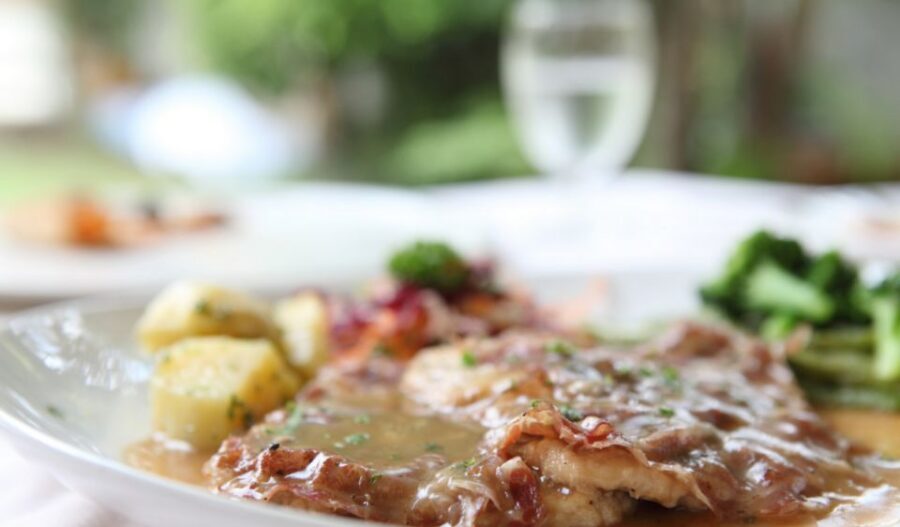
A classic Roman pasta course is built into the menu plan. This is where Rome’s comfort food energy takes over. Pasta shouldn’t feel complicated. It should feel precise and satisfying, with seasoning that’s confident and not heavy-handed.
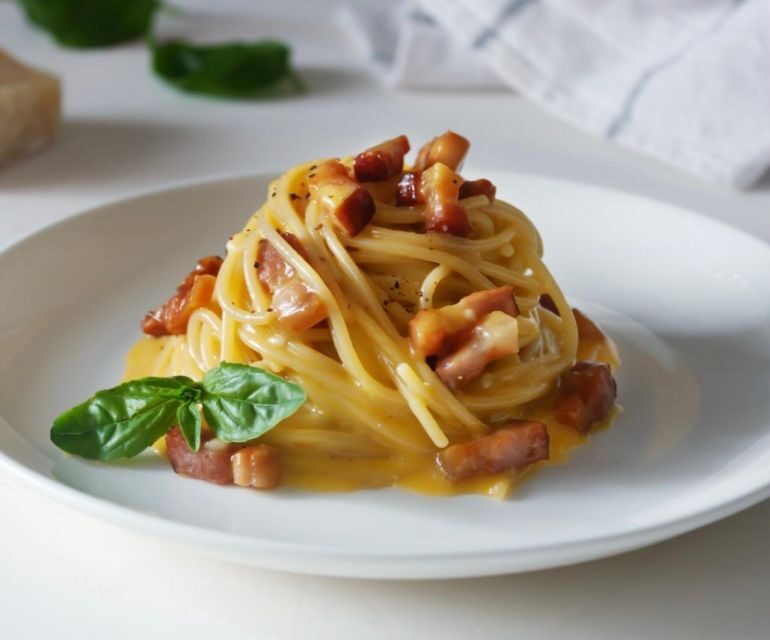
One of the most praised examples in the reviews is carbonara, described as among the best tasted, with a texture that hits the creamy target without going flat. That’s a good clue about the chef’s strengths. Carbonara is not forgiving if the method or proportions are sloppy, so repeated praise suggests you’ll be in capable hands.
In a home setting, pasta also becomes a “watchable moment.” The kitchen becomes active. You can choose to be hands-on or just enjoy the process. Even for kids, the kitchen energy can be engaging—one family setup included children in learning the secrets of Roman cooking, turning dinner into something more than just eating.
If your group has varied tastes, pasta is a flexible center. It’s usually the course that brings people together, even when one or two people are picky. You get a classic Roman result without the awkwardness of trying to order something for everyone from a restaurant menu.



The Traditional Roman Meat Course for Main Event Appetite
After the pasta, the meal shifts to the traditional Roman meat course. This is the part that feels like the “main chapter.” It’s where appetite usually catches up, and where you get that strong sense of Roman dining—hearty, meat-forward, and meant to satisfy.
In one group, the dinner included veal that even picky eaters accepted. That’s important practical information if you’re bringing family. The chef can handle real-world eating preferences, not just “perfect for everyone” theory.
If you’re planning for a mixed group—adults who want bold flavors and kids who want familiar comfort—the meat course is where it helps to ask questions. The experience is designed for personalization, so bring up concerns early. If you know someone won’t eat a certain ingredient, say it ahead of time. You’ll get a smoother plan and fewer last-minute decisions.
Also, because it happens at home, portioning and pacing feel more natural. You’re not forced to accept whatever size the restaurant puts on the plate. Reviews mention generous portions and even leftovers in some cases, which is rare when everyone is in a hurry to leave.
Tiramisù for the Sweet Finish, Plus Optional Wine Pairing
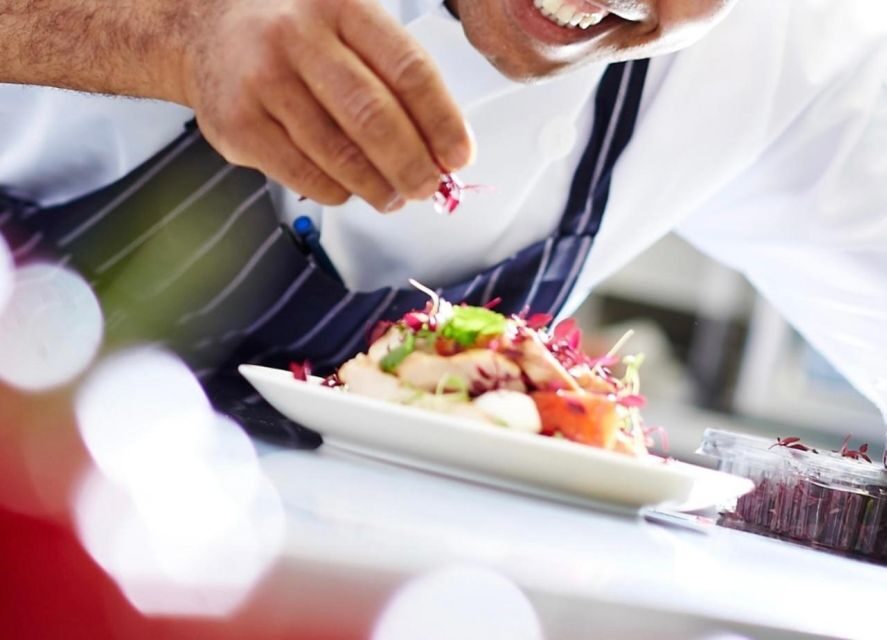
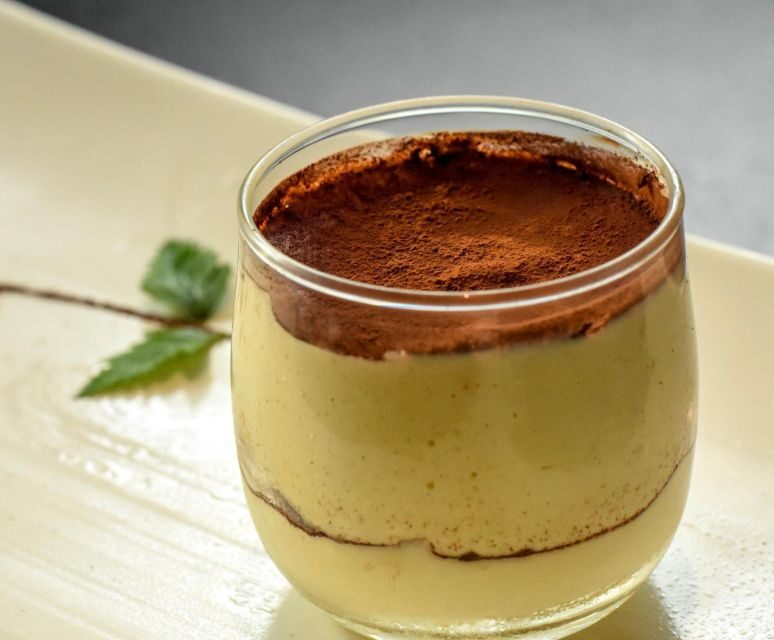
Tiramisù closes the evening, and here it isn’t treated like a generic dessert. Multiple dinners describe tiramisù as a highlight—soft, creamy, and memorable enough that people call it the best they’ve had. After a Roman meal, tiramisù is the classic ending because it’s sweet without being heavy, and it feels like a proper finale.
If you want the evening to feel even more grown-up, there’s also wine available on request. The pairing is described as thoughtful, with reasoning behind the selections. That matters because wine isn’t just about the bottle—it’s about how it supports each course and makes the flavors feel more connected.
One neat detail from reviews: Carlo can handle other beverages too, like cocktails or soft drinks, when requested. The data doesn’t say this is automatically included, but it’s clear he’s comfortable helping you build a full evening vibe beyond wine.
Practical Tips to Get the Most Out of Your 2.5-Hour Dinner
This experience works best when you treat it like hosting with a pro. You don’t need to plan a menu like a chef. But you do want to communicate a few things so the dinner matches your group.
First, tell the chef about dietary needs early. If you’re bringing a vegetarian or anyone with restrictions, ask how the menu can adjust. The experience has an example of alternate courses working for a mixed group, so it’s not a stretch—it just needs a heads-up.
Second, think about your kitchen setup. The chef says no matter how small or un-equipped it is, they can adapt. Still, you’ll help yourself if you make space where cooking and serving can happen. Clear counter room. Have a basic surface for plates or glasses. Little actions help the chef run on time.
Third, decide your role. You can help side-by-side, or you can do zero work. Both modes are supported. If you want the cooking explanations, hang around the prep area. If you want pure relaxation, keep it simple and let the chef do the performance.
Finally, plan your schedule. With 2.5 hours, it’s best as a dedicated dinner plan, not something wedged between two tours. You’ll get the full arc: course flow, dessert finish, and a kitchen cleanup that lets you end the night without extra chores.
Who This Experience Fits Best (and Who Should Skip It)
This is tailor-made for people who want Roman food without logistics. It’s ideal for couples who want a romantic night with real comfort. It’s also great for families or small groups who want everyone to eat well without splitting into separate ordering strategies.
If you’re celebrating—anniversaries, birthdays, or just the fact that you made it to Rome—this setup makes the moment feel deliberate. The home setting turns a meal into an event, and the chef’s storytelling adds meaning without turning it into a lecture.
It’s less ideal if you want the energy of walking to different dining spots. This experience doesn’t give you that roam-and-discover rhythm. It’s one location, one table, and a chef-led meal arc. If you love constant movement, you might miss that.
Also, if your trip is all about spontaneous street food stops, a scheduled 2.5-hour dinner can feel like a commitment. But if you like certainty and a good plan, it’s a strong choice.
Should You Book This Private Chef Experience in Rome?
If you want an authentic Roman dinner that feels luxurious but stays relaxed, I’d book it. Chef Carlo Bernabei’s meal format checks the big boxes: traditional 4 courses, strong execution (especially in pasta like carbonara), a dessert finish that gets praised hard, and an overall approach that makes hosting easy.
Book it when you:
- want Roman flavors without hunting down ingredients or cooking
- are bringing a mixed group and want everything handled for you
- value a warm, engaging chef who explains what you’re eating
- prefer your night to feel like a proper evening in, not a race around town
Consider skipping if:
- you want restaurant hopping and constant street atmosphere
- you’re not interested in a full meal sitting down together
- you’d rather buy wine and dinner plans separately than have it handled as one experience
FAQ
What do I eat on this private chef dinner?
You’ll enjoy a traditional 4-course Roman meal: an antipasto starter, a classic pasta course, a traditional Roman meat course, and tiramisù for dessert.
How long does the experience last?
The experience lasts 2.5 hours.
Does the chef handle everything, including shopping and cleanup?
Yes. The chef takes care of shopping, prep, cooking, and cleaning up afterward, so you don’t have to lift a finger.
Can I help in the kitchen, or should I just relax?
Both work. You can either help side-by-side or walk in to find a fully prepared dinner waiting.
Is wine included?
Wine is available upon request.
Where will the chef meet me?
Pickup is included in the sense that you’ll wait for the chef in your B&B.
What languages are spoken?
The chef/instructor communicates in English and Spanish.