This is one of the best ways to spend time near St. Peter’s: you go from watching pasta tricks to doing them yourself. You’ll learn homemade pasta with an experienced pasta maker, in a small Roman restaurant atmosphere just a stone’s throw from the sights. You also get the kind of table talk Italians actually care about, like how pasta-making happens together on holidays, when there are so many people in the house.
I especially like two things. First, the teaching style is guided by Stefania, described as patient and friendly, which matters when you’re learning hand skills. Second, you get real hands-on practice—rolling pin and wheel in hand—focused on fresh pasta plus both gnocchi and ravioli.
The one potential drawback to plan for: it’s not recommended for gluten intolerants, so if you need strict gluten-free, this likely won’t work for you.
In This Review
- Key Highlights You’ll Care About
- St. Peter’s Area Meets a Real Pasta Workshop
- Meeting at Via delle Fornaci: Start Where Locals Actually Move
- St. Peter’s Square Stop: A Sense of Place Before You Cook
- The 2 Hours of Dough Work: Rolling Pin, Wheel, and Fresh Technique
- What you’re using (and why)
- Ravioli and Gnocchi Tasting: Wine, Coffee, and the Payoff Moment
- What Makes the Price Feel Fair (Even in Rome)
- Who This Class Suits Best
- Who should skip it
- Practical Tips So You Don’t Waste a Minute
- The Big Value: You Leave With Technique, Not Just a Meal
- Should You Book This Pasta Experience Near San Pietro?
- FAQ
- How long is the pasta experience?
- Where does the tour start and end?
- Is the class offered in English?
- Is this a private experience?
- What do I make during the lesson?
- What’s included with the price?
- Is wine included?
- Is bottled water provided?
- Is it suitable for gluten intolerance?
- What’s the refund policy if my plans change?
Key Highlights You’ll Care About
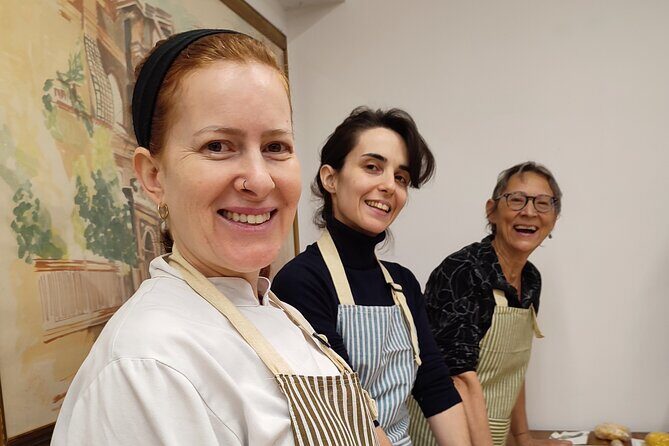
- Stefania’s calm, friendly guidance for hands-on pasta learning
- Rolling pin + wheel practice, not just watching
- Gnocchi and ravioli focus, with tasting at the end
- Wine and coffee included with your lunch tasting
- Private experience so your group cooks together
- Near St. Peter’s Square, which makes it easy to pair with sightseeing
St. Peter’s Area Meets a Real Pasta Workshop
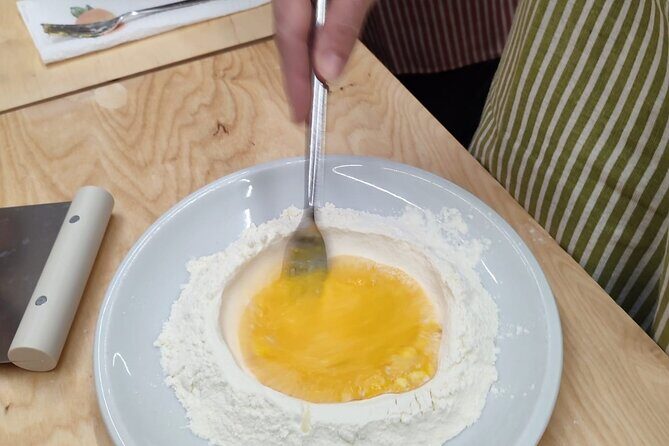
Rome can feel like one long highlight reel. This experience slows you down and puts you in a different lane: flour on your hands, sauces on the table, and a lesson that sticks because you do the work yourself. It’s also positioned right near St. Peter’s, which is handy when you’re planning a tight sightseeing day. You’re not trekking across town to find “a cooking class somewhere”—you’re staying in the area where you’ll already be.
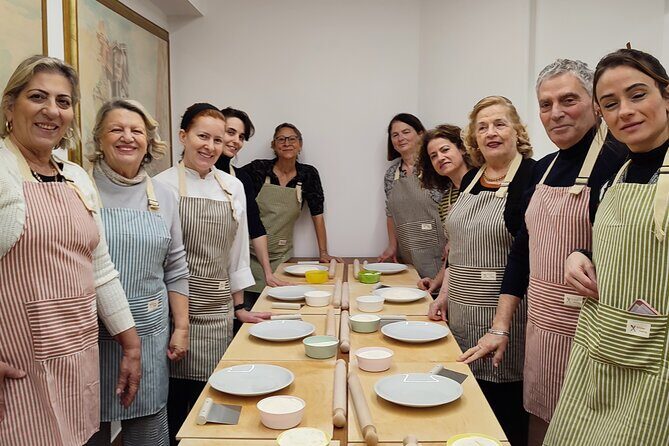
The vibe is “small Roman restaurant,” not a big show. You’ll spend roughly 3 hours total, and the real focus is about 2 hours of class practice. That timing is smart. It’s long enough to learn technique and form decisions with the dough, but short enough that you’re still fresh for the tasting portion afterward.
Because it’s offered in English, you can relax and focus on technique instead of translating instructions on the fly. And since it’s private, you’re not stuck cooking through confusion with strangers while everyone scrambles to catch up.
You can also read our reviews of more tours and experiences in Rome.



Meeting at Via delle Fornaci: Start Where Locals Actually Move
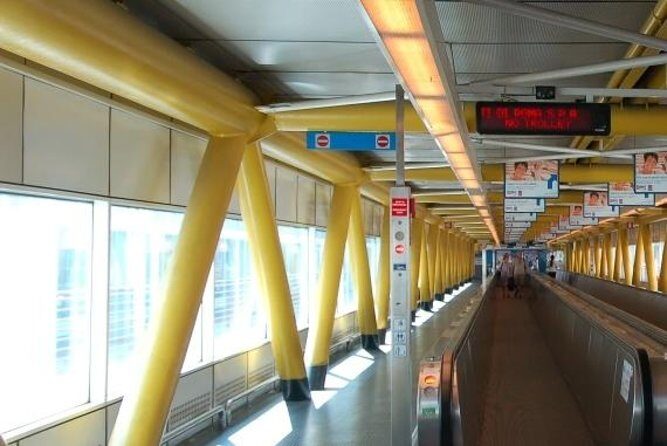
The experience starts and ends at Via delle Fornaci, 89, 00165 Roma RM, Italy. That matters more than people think. If you’re doing a cooking class, you want a meeting point that’s easy to reach and easy to get back to without wrestling with transit changes. This one is also listed as near public transportation, so you’re not forced into a long walk with luggage or dinner plans.
You’ll also receive a mobile ticket. That’s a small thing, but it makes arrival smoother, especially in Rome where you may have already used paper tickets for museums that require timed entry. Here, you can keep your phone handy and spend less time fumbling.
One more detail to keep in mind: it’s a private tour/activity, meaning it’s only your group. That can make the learning pace easier. Your instructor can correct your technique without trying to manage five different skill levels in a crowded room.
St. Peter’s Square Stop: A Sense of Place Before You Cook
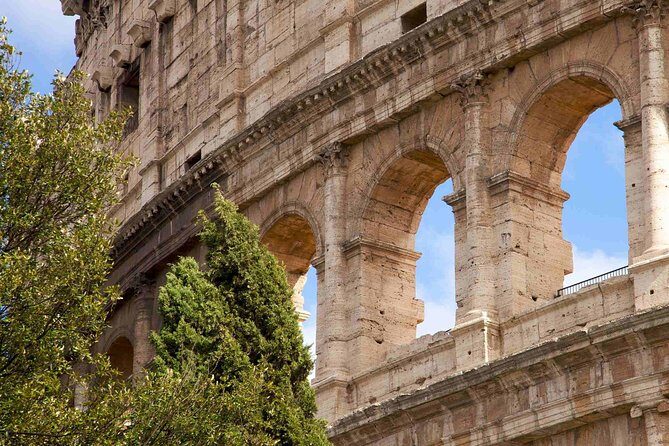
The experience lists a stop at St. Peter’s Square. Even if you’re already planning to see it later, starting the day here helps set context. You get grounded in the area first, then shift into something practical and hands-on.
What I like about this approach is how it breaks the day’s rhythm. Sightseeing is visual and fast. Cooking is sensory and slow. You’re basically toggling your brain from “look” mode to “make” mode. That switch helps the whole experience feel like more than a half-hour activity tacked onto a vacation.
If you’re the type who gets bored waiting for a tour bus, this is a good alternative. You’re not just staring at landmarks. You’re about to create something edible, and that’s a different kind of payoff.
The 2 Hours of Dough Work: Rolling Pin, Wheel, and Fresh Technique
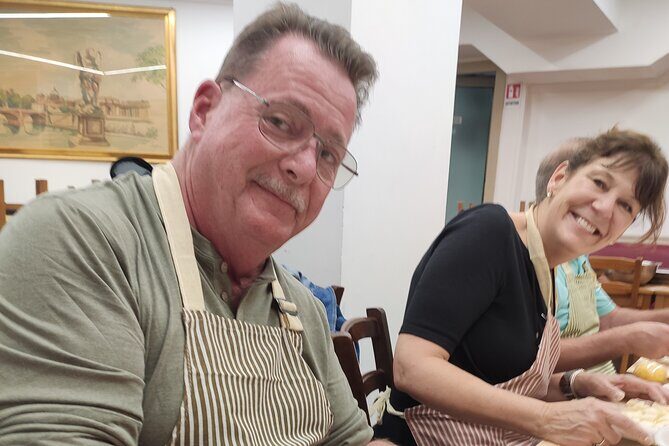
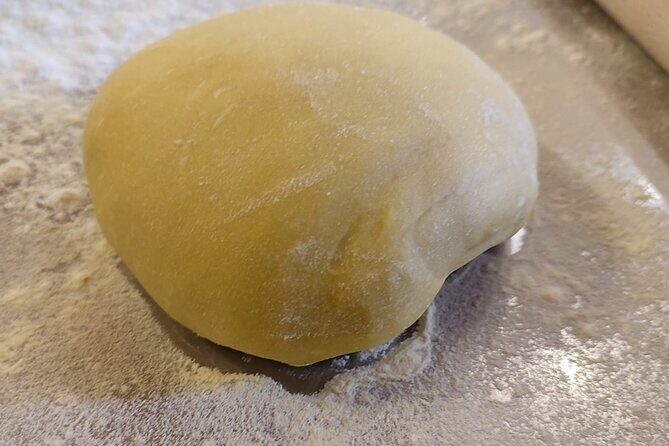
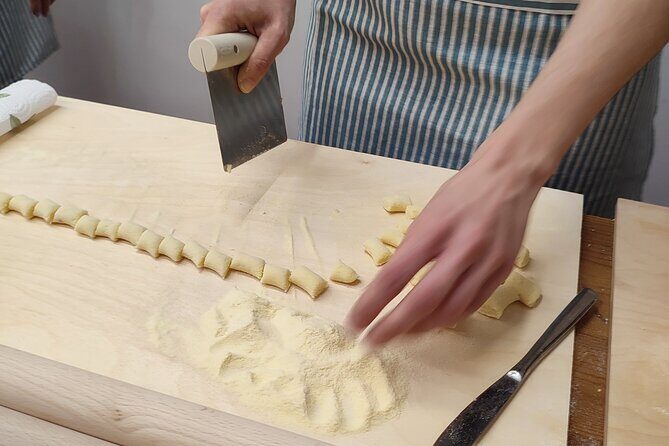
This is where the value really shows. The core of the experience is 2 hours of practical, fun lessons with rolling pin and wheel. That means you’re not only learning the theory of fresh pasta. You’re actually doing the motions—handling dough, shaping, and making choices that affect texture.
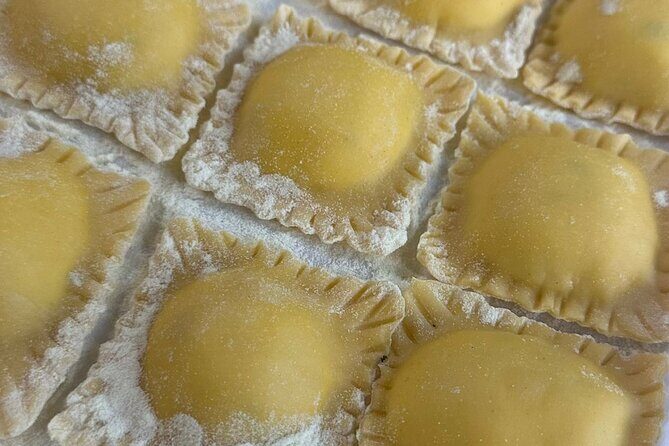
The lesson focuses especially on gnocchi and ravioli. That’s a smart pairing. Gnocchi is about forming and shaping with consistency, while ravioli requires dealing with fillings and sealing. Together, they cover two major “fresh pasta” identities in Italy, so you come away with more than one trick.
And it’s not just about the food. The class includes curiosity about habits of Italians at the table. You’ll hear examples like how some families still get together to make pasta as a group, especially on holidays with lots of guests. That kind of story matters because it explains the culture behind the technique. Pasta isn’t just a dish here—it’s often a social event.
What you’re using (and why)
You’ll have pasta tools and an apron included. That removes two common headaches:
- you don’t need to find a shop that sells specialty tools on your travel schedule
- you don’t have to worry about ruining your clothes with flour and sauce
Also included is bottled water, which helps keep you comfortable during the hands-on part. Cooking classes often run long with little hydration, so this is a welcome practical touch.



Ravioli and Gnocchi Tasting: Wine, Coffee, and the Payoff Moment
Once the dough work is done, you sit down for the tasting. This is part of why the experience feels complete. You get instruction, practice, and then a proper “eat the results” moment.
The sample menu includes:
- ravioli with aromatic herbs
- gnocchi with sauce
- a wine glass
- coffee for dessert
I like that the tasting is traditional and tied to what you made. You’re not paying for a lesson that ends in a rushed bite you didn’t really connect with. Instead, your meal becomes part of the learning loop. You can compare the shapes and textures you created with what’s served at the table, and you’ll understand how the sauces bring everything together.
And yes, a good glass of Italian wine is included. Wine here isn’t just an add-on. It’s also part of the dining culture the class talks about. You’ll taste your meal in the kind of setting that makes pasta feel like an event, not just calories.
Coffee at the end is also practical. It gives you a nice finish without needing to go elsewhere immediately afterward.
What Makes the Price Feel Fair (Even in Rome)
The price is listed as $96.23 per person, for about 3 hours. Cooking class pricing in Rome can swing a lot depending on group size and what’s included. What makes this one feel like value is the bundle:
- pasta tools and apron
- bottled water
- lunch (the tasting meal)
- alcoholic beverages (a glass of wine)
- coffee
When you compare that to the cost of eating and drinking in the area, plus the fact that you’re getting instruction in a small setting, the math starts to make sense. You’re paying for the experience and the meal together, and you’re not expected to bring gear or add major extras at the table.
The experience is also described as private for your group. Private classes often cost more than shared ones, so if you can travel as a group and want everyone to learn together, this can be a strong deal.
Who This Class Suits Best
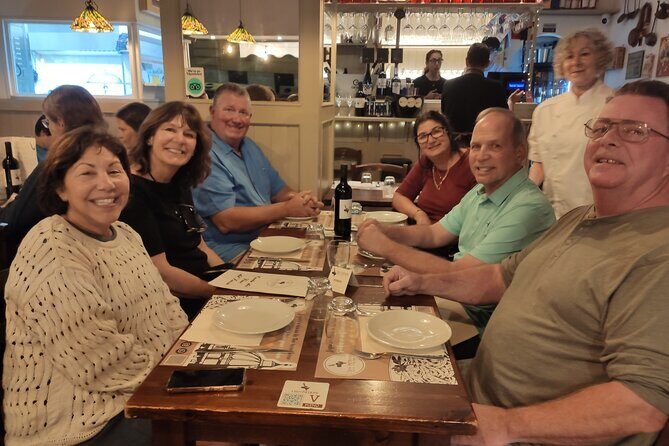
This experience is designed for “most travelers,” and that usually means the lesson is approachable for beginners. If you can follow step-by-step instructions and enjoy tactile tasks, you’ll likely be fine.
It’s especially good if you:
- want hands-on learning instead of another museum day
- enjoy food culture and want the table-story context, not just recipes
- like small-group cooking where you can ask questions easily
- plan to spend time near St. Peter’s anyway
If you’re traveling with friends or family, it’s also a great fit because you can make the pasta together after the class. The experience includes a reminder with step-by-step descriptions for remaking pasta and dressings, which helps you recreate the results at home.
Who should skip it
If you’re gluten intolerant, it’s not recommended. Since that limitation is explicitly stated, don’t plan on improvising. Choose something that’s designed for gluten-free needs if that applies to you.
Practical Tips So You Don’t Waste a Minute
Here are a few practical things that help you enjoy the class more, based on how these experiences usually run and what’s included here:
- Wear something you can get flour on. You get an apron, but dough can still fly.
- Plan for a full 3-hour block. The lesson and the tasting eat that time, so don’t stack another timed activity immediately afterward.
- Come ready to learn in English. The experience is offered in English, so speak up if you have questions and listen for the technique points.
- If you’re pairing it with Vatican-area sights, put this either before or after your main St. Peter’s time. The stop at St. Peter’s Square makes it easy to work into your day.
- Don’t worry about tools. Pasta tools and an apron are included, so you can travel light.
The Big Value: You Leave With Technique, Not Just a Meal
A common problem with food tours is that you eat well but learn little. Here, the focus is built around making pasta with guidance, then sitting down for the tasting. That format gives you a real skill, plus the satisfaction of eating what you made.
You’ll also get a reminder with step-by-step procedures for remaking pasta and dressings. That’s the difference between a nice day in Rome and a day that keeps helping you later. If you’ve ever tried to recreate something from memory and failed, step-by-step notes are a big advantage.
And the personal teaching style matters. Stefania is described as patient, friendly, and making the lesson interesting and creative. In other words, you’re not being rushed through “do this, do that.” You’re being coached into doing it right.
Should You Book This Pasta Experience Near San Pietro?
Book it if you want a hands-on cooking class near St. Peter’s that feels grounded in real Roman dining culture. The combo of rolling pin and wheel practice, a focus on gnocchi and ravioli, and a full included lunch with wine and coffee makes this a strong value for a 3-hour commitment.
Skip it if gluten intolerance is a concern, since it’s explicitly not recommended. Also skip it if you only want a quick photo-and-eat experience. This one is about making and learning.
If you’re planning time around St. Peter’s Square anyway, this is the kind of activity that turns a tourist area into something personal. You’ll walk away with technique, a full meal, and a story you can repeat at home—one that starts with dough and ends with coffee.
FAQ
How long is the pasta experience?
It runs for about 3 hours.
Where does the tour start and end?
It starts at Via delle Fornaci, 89, 00165 Roma RM, Italy, and ends back at the same meeting point.
Is the class offered in English?
Yes, it’s offered in English.
Is this a private experience?
Yes. It’s private, and only your group participates.
What do I make during the lesson?
You learn homemade pasta with special focus on gnocchi and ravioli.
What’s included with the price?
Included are pasta tools and an apron, bottled water, lunch (ravioli and gnocchi with sauces), a glass of wine, and coffee.
Is wine included?
Yes. A glass of Italian wine is included.
Is bottled water provided?
Yes, bottled water is included.
Is it suitable for gluten intolerance?
It’s not recommended for gluten intolerants.
What’s the refund policy if my plans change?
Free cancellation is available. You can cancel up to 24 hours in advance for a full refund. If you cancel less than 24 hours before the start time, the amount you paid is not refunded.