REVIEW · MUSEUMS
National Museum of Palazzo Venezia in Rome
Book on Viator →Operated by Weekend in Italy · Bookable on Viator
A palace museum with unexpected variety. The National Museum of Palazzo Venezia turns a 15th-century residence linked to Venetian Pope Paul II Barbo into a focused look at applied arts from the 15th to 18th centuries. It’s the kind of Rome visit that feels calmer than the big-ticket sites, yet still full of objects you can actually stop and study.
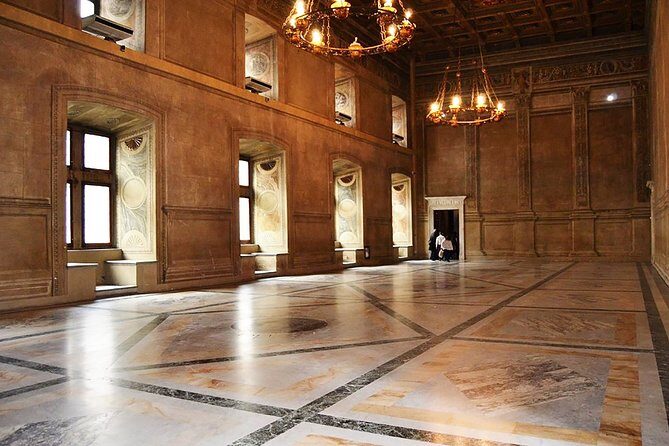
I especially love the beautiful interiors: original floors and ceilings from the 1500s, decorated rooms, and even inlaid mosaic flooring. I also like the collection’s Italian and German mix, where you can move from sculptures to Renaissance bronzes, delicate porcelain, and historic arms without losing the thread.
One drawback to plan for: this is set up for an independent visit. If you’re expecting a guided tour experience, you’ll want to double-check what’s offered on your day, because that mismatch is where a few people get frustrated.
In This Review
- Key points before you go
- What Palazzo Venezia is really about (and why you might love it)
- The 15th-century palace setting you’ll walk through
- Your route: how the museum visit usually feels
- The collections: sculptures, bronzes, porcelain, and arms
- Interiors that reward slow looking
- The garden break and those calmer moments
- Price and value: is $27.87 a fair deal?
- Timing, expectations, and the “guided vs independent” issue
- Who should book Palazzo Venezia (and who might skip it)
- Should you book this National Museum of Palazzo Venezia?
- FAQ
- How long does the National Museum of Palazzo Venezia visit take?
- What’s included in the price?
- Is private transportation included?
- When will I get confirmation after booking?
- Is the museum accessible for most people?
- Is this ticket for a guided tour?
- Is the ticket refundable if my plans change?
Key points before you go
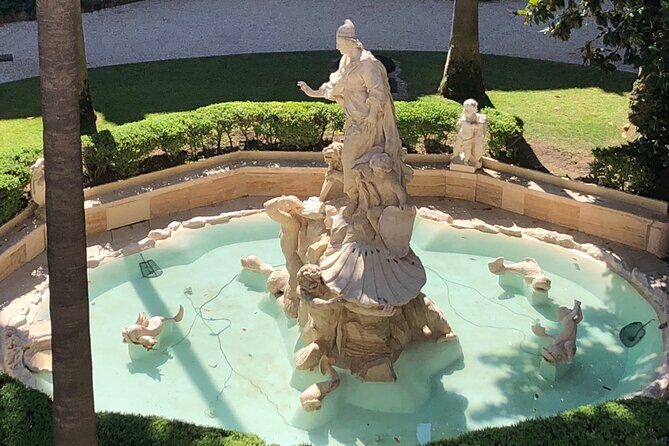
- Former papal residence: the palace connects to Venetian Pope Paul II Barbo (1464–1471)
- Applied arts focus: a museum built around decorative objects, not just paintings
- Mix of mediums: sculpture, Renaissance bronzes, porcelain, and historic weaponry in one route
- Stunning room details: decorative halls, original floors, and ceilings from the 16th century
- Good physical access: the palace is set up with elevator and ramps for easier movement
- 1–3 hour visit window: enough time to see the main parts without feeling rushed
What Palazzo Venezia is really about (and why you might love it)
Most major museums in Rome aim for one thing: famous painters, huge masterpieces, big rooms that feel like a parade. Palazzo Venezia is different. This museum is housed in the former residence of Venetian Pope Paul II Barbo, and the collection is organized around applied arts—craft, design, ornament, and the objects people actually lived with.
I find that refreshing. Instead of chasing names, you start noticing workmanship: the way materials are shaped, how surfaces are finished, and how decorative arts signal taste and status across centuries. The museum opened in 1921, and it has kept that slightly unusual angle ever since—great if you like art that’s made to be used, displayed, and admired day after day.
You’ll be looking at works spanning the 15th to 18th centuries, with a standout sense of the palace’s personality. It’s not just a container for art; the building itself helps you read the objects as part of a real lifestyle, not just museum labeling.
You can also read our reviews of more museum experiences in Rome



The 15th-century palace setting you’ll walk through
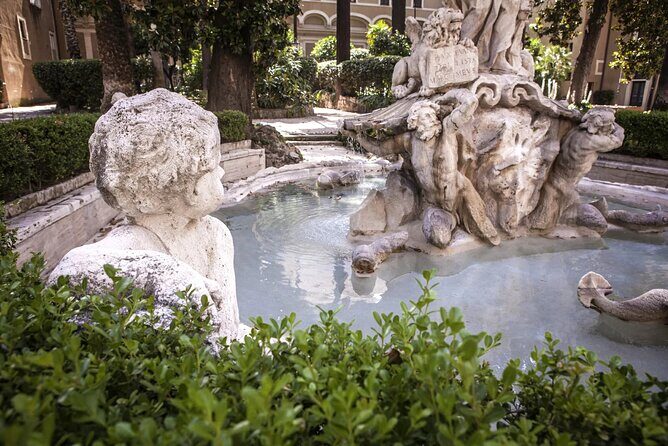
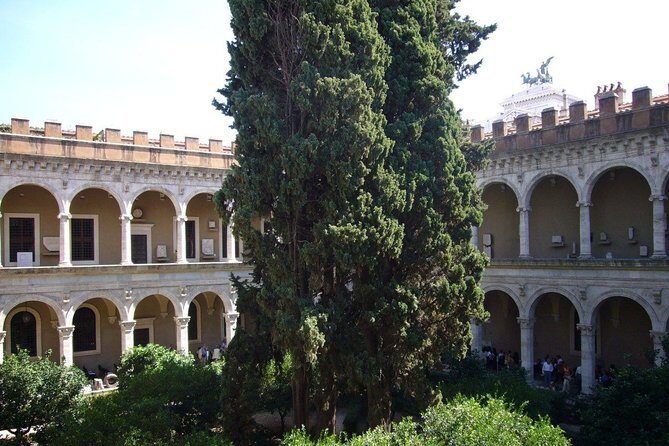
The building is the attraction on a first pass. You’re not touring a purpose-built gallery. You’re moving through what used to be a grand residence connected to Barbo before it became the National Museum of Palazzo Venezia.
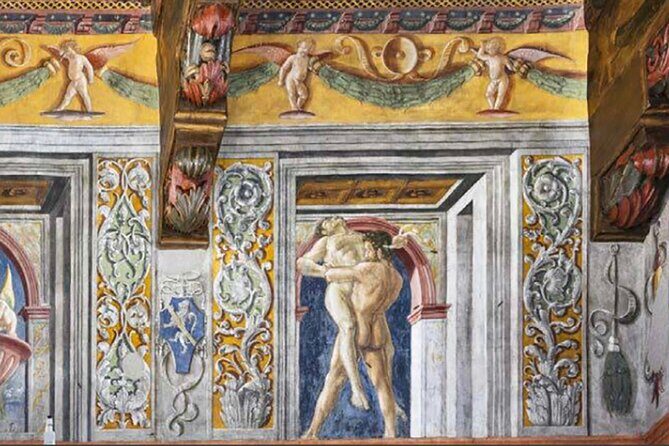
That shift matters because your eyes behave differently. In a palace, you naturally look upward at ceilings and outward at transitions between rooms. In here, you’ll notice decorated and frescoed spaces, and you’ll also see structural details like original floors and ceilings from the 1500s—things that make the visit feel like you’re stepping into a time capsule rather than just viewing cases.
And yes, the museum route can feel long. There are corridors and repeated room types, which can be a downside if you only want compact, one-room-per-floor sightseeing. But if you’re the type who likes to slow down, stop, and take in workmanship, the flow is part of the charm.
Practical note: the palace is designed to be accessible, with elevator and ramps reported as key helps for getting around.
Your route: how the museum visit usually feels
The experience is built around a single stop: admission to the Museo Nazionale del Palazzo di Venezia. The good news is that you can plan your time around your interests. The visit length runs about 1 to 3 hours, so you can do a focused sweep or a more relaxed pass depending on the day.
A helpful way to think about the route is this: you’ll be moving through multiple rooms where the museum highlights different decorative and decorative-adjacent categories—art that’s often tied to daily life, prestige, and collecting. So you’re not only hunting for one masterpiece. You’re building a sense of how arts and objects evolved.
One thing to keep in mind: the start of the experience can feel a bit odd. Some visitors describe early areas as feeling sparse or like you haven’t fully landed in the main rooms yet. Don’t panic. Rome museums sometimes do this—think of it as orientation before the real collecting begins. Once you’re in the halls with objects, the pace usually makes more sense.
Also, the museum can be quiet. If you’re coming on a slower day, that can actually help you see more. Quiet museums let you linger without competing for space, but it also means you’ll need to supply your own energy—bring curiosity.
The collections: sculptures, bronzes, porcelain, and arms
Here’s where the museum earns its keep. The collection leans hard into object-based art, and that shows in what you’re most likely to spend time on.
Expect to see:
- Italian and German sculptures, giving you a wider artistic conversation than a Rome-only lens
- Renaissance bronzes, where metalwork and design feel both precise and expressive
- Delicate porcelain, which you can often appreciate through subtle details and careful finishing
- Historic arms, which adds a surprising edge and helps you understand how decorative arts and weapon design overlapped
This mix is a smart way to understand “applied arts.” If you normally gravitate toward painting and sculpture, porcelain and weaponry can feel like a curveball at first. But they help you connect craftsmanship to culture. Weapons weren’t only tools; they were status objects, decorated and made to represent power.
And because the museum is housed in a palace, your viewing context makes sense. Furniture and decorative pieces are part of the same story as the art objects. You’re not seeing items removed from their original “job.” Even when they’re displayed behind museum glass, you can still sense the role they played.
If you like collecting, workshops, and the idea that design is a form of storytelling, you’ll probably come away happier than you expected.
Interiors that reward slow looking
In Palazzo Venezia, the building itself is part of the show. Several details tend to stick with people: decorated rooms, a sense of scale, and the quality of craftsmanship visible in the palace’s original elements.
You’ll likely notice:
- Original floors with patterns and inlaid mosaic work
- Spaces with decorated surfaces and painted elements
- Room proportions that make frescoes and decorative ceilings feel more “alive” than they do in smaller museums
If you’re building a Rome trip focused on architecture and interior design, this museum gives you a different angle than cathedrals or palace exteriors. You get the inside look, where the materials and decoration reveal what wealth looked like in practice.
There’s also an upside for the “I don’t want to stand in long lines” crowd. When the museum is quiet, you can take your time. When it’s busier, the layout still lets you keep moving room to room without feeling trapped.




The garden break and those calmer moments
One of the most pleasant add-ons in this area is the garden. People describe a tranquil garden with shaded spots where locals sit and relax. If your day has you doing back-to-back monuments, this kind of pause is gold.
Some visitors also report the garden as free to enjoy while they’re in the zone. Even if you don’t turn it into a full outdoor sit-down, plan for a quick detour. A shaded garden moment helps you reset your eyes before you head back into interiors.
If you’re pairing this with other sites around Piazza Venezia, the garden can also help you control your pace. You don’t have to rush to “finish the museum.” You can finish when you feel ready.
Price and value: is $27.87 a fair deal?
At $27.87 per person, this isn’t the cheapest museum ticket in Rome, but it’s also not priced like a top-tier timed-entry mega-attraction. The key value point is that your ticket includes admission to the palace museum.
So you’re paying mainly for:
- entry to the National Museum of Palazzo Venezia
- access to the rooms and object collections inside
You’ll want to factor out anything you need on top of that. Private transportation isn’t included, and the experience assumes you’ll handle getting there on your own. The good part: it’s near public transport, so you usually won’t need complicated logistics.
Where value really depends on you: if applied arts, decorative design, and craft-object categories are your thing, this ticket can feel very worthwhile. If you only want blockbuster painting galleries, you may feel like you’re in the wrong mood for this museum’s style.
The time window—about 1 to 3 hours—also helps. You’re unlikely to feel cheated if you use your time well and focus on what you truly want to see.
Timing, expectations, and the “guided vs independent” issue
This is the most important planning note. Your included element is an entrance ticket for the museum experience. Some people arrive expecting something more like a guided walkthrough. When that doesn’t happen, disappointment follows fast.
So if you love explanations and a guided narrative, don’t gamble. Before you go, confirm what kind of interpretation is available during your visit (and whether you should book a separate guided option if offered). If you’re happy wandering room to room with signage and your own questions, you’ll likely enjoy the freedom.
Also, give yourself a little buffer at the beginning. A few visitors describe early parts of the route as feeling underwhelming or confusing compared to what they expected. That can improve once you hit the rooms with the strongest display concentrations.
Finally, keep expectations realistic about crowds. The palace isn’t always packed, and on quiet days the museum can feel almost too calm. That’s not a problem; it just changes how you should experience it. Treat it like a self-paced art study rather than a lively group outing.
Who should book Palazzo Venezia (and who might skip it)
Book it if you:
- enjoy object-based art: decoration, design, materials, craftsmanship
- like the idea of seeing Italian and German artistic influences under one roof
- want a calmer museum break in Rome that still has personality
- don’t need a guide to enjoy art, and you like the freedom to move at your own speed
Consider skipping (or swapping for another option) if you:
- only want famous painting galleries and large-name masterpieces
- want a fully structured guided program as part of your ticket
- get impatient with museums that have long corridors and many rooms
Should you book this National Museum of Palazzo Venezia?
If you want a Rome experience that’s less about crowds and more about careful looking, I think Palazzo Venezia is a strong choice. The palace setting plus applied arts collections makes for a visit that feels distinctly “Rome,” even when you’re not chasing the usual highlights.
I’d book it if you’re the type who enjoys craftsmanship—sculpture details, metalwork, porcelain surfaces, and the way rooms in a historic residence frame the objects. I’d hold off if you need a guided narrative included, because this experience centers on independent entry.
If you’re on the fence, think about this: you’re buying a ticket to a palace museum built around decorative arts. Match your expectations to that focus, and it becomes a smart value use of your time.
FAQ
How long does the National Museum of Palazzo Venezia visit take?
Plan for about 1 to 3 hours, depending on how much time you spend in the rooms.
What’s included in the price?
The ticket includes admission to the National Museum of Palazzo Venezia.
Is private transportation included?
No. Private transportation isn’t included.
When will I get confirmation after booking?
You should receive confirmation within 48 hours of booking, subject to availability.
Is the museum accessible for most people?
Most travelers can participate. The palace is set up with elevator and ramps, which helps with movement through the building.
Is this ticket for a guided tour?
This experience is set up around independent entry with an admission ticket. If you want a guided tour, you’ll need to check what’s available for your specific visit day.
Is the ticket refundable if my plans change?
No. It’s non-refundable and can’t be changed for any reason.