REVIEW · PRIVATE
Jewish Rome District, Old Ghetto and Trastevere Private Tour
Book on GetYourGuide →Operated by Crazy4rome srls · Bookable on GetYourGuide
Rome’s Jewish stories are written into streets.
This private 3-hour walk strings together the big timeline: the Jewish community’s early roots, the ghetto era, and the Great Synagogue that was built to mark a major moment in Jewish life in Rome. I love the way the Great Synagogue of Rome is treated as a must-see anchor, and I also like the immediate contrast of Trastevere right after the ghetto lanes.
One thing to plan around: this is a walking tour, so wear comfortable shoes and keep your load light since no luggage or large bags are allowed.
In This Review
- Key highlights you’ll feel right away
- Jewish Rome plus Trastevere: why this pairing works
- Start point to end point: the 3-hour flow
- The Jewish Ghetto area: 2nd-century roots to the ghetto era
- Piazza Mattei: a pause that helps you orient
- Portico d’Ottavia and Via della Reginella: reading the streets
- Great Synagogue of Rome: skip-the-line stop with real context
- Tiber Island and the Fabricio Bridge (62 B.C.): the river as a storyline
- Trastevere: narrow lanes, cobblestones, and that staying-power feel
- Price and what $456.21 gets you (and why it can be worth it)
- Who this tour suits best
- Should you book this Jewish Rome and Trastevere private walk?
- FAQ
- How long is the Jewish Rome District, Old Ghetto and Trastevere private tour?
- Is this a private tour?
- Where do we meet, and where does the tour end?
- Do I need to buy tickets for the stops?
- Is there skip-the-line access?
- What languages are available for the guide?
- Is the tour wheelchair accessible?
- What should I bring, and what can’t I bring?
- What’s included in the price?
- Is free cancellation available?
Key highlights you’ll feel right away
- Oldest community context on foot: you’ll be walking through Rome’s Jewish story from very early roots.
- A clear ghetto timeline: the tour follows the 1555 to 1870 forced-living period, then the later shift toward citizenship.
- Skip-the-line style access: you enter via a separate entrance at the synagogue stop.
- A real Roman landmark crossing: you’ll cross the Fabricio Bridge (62 B.C.), then reach Tiber Island.
- Trastevere’s street texture: narrow, winding cobblestone lanes with ancient houses shape the final stretch.
Jewish Rome plus Trastevere: why this pairing works
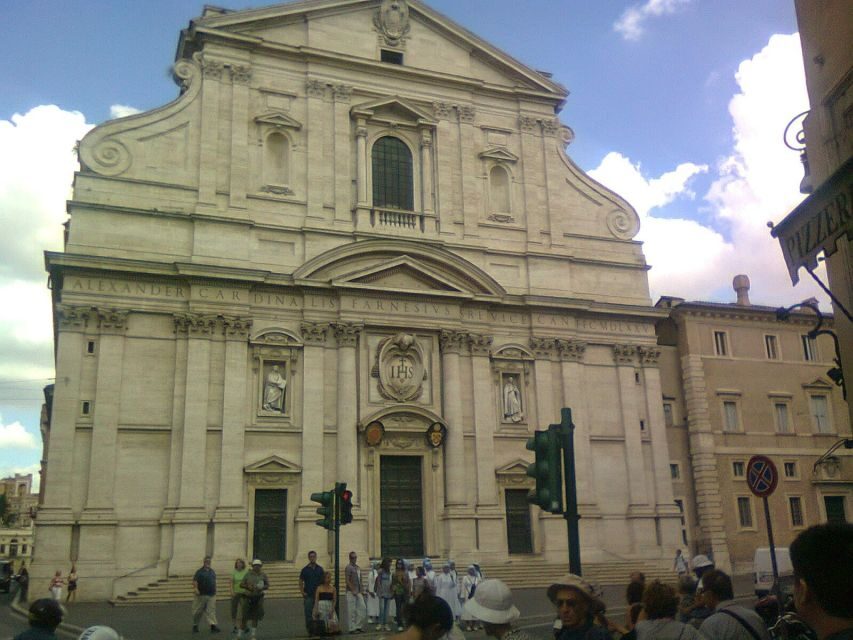
If you like Rome when it still feels human-scale, this tour is built for you. The Jewish district gives you place-based history: you’re not just looking at monuments, you’re walking through the kind of tight, lived-in streets where community life would have played out. Then Trastevere flips the mood with its maze of narrow lanes, cobblestones, and older-looking buildings that keep their character.
What makes the combination smart is the pacing and the sequence. You start near the Teatro di Marcello area, build context in the Jewish quarter, then move across the river to connect the dots between neighborhoods. The Fabricio Bridge and Tiber Island aren’t just scenic stops here; they act like a geographic hinge between what you’re learning and how the city feels in front of you.
Also, this is a private tour with a live expert guide and a multilingual team (Spanish, English, French, German, Italian, Portuguese, Russian). That matters because Jewish Rome is layered with meaning, and clear explanations help you read the streets faster.
You can also read our reviews of more private tours in Rome


Start point to end point: the 3-hour flow
You meet at the exit of Antico Caffè del teatro di Marcello (Via del Teatro di Marcello, 42). Expect a smooth, guided pace with short, focused visits—most stops are around 20 minutes, with a longer introduction-style segment in the Jewish quarter.
This kind of timing is great when you want depth without getting stuck in one place too long. You’ll see major sights in sequence, but you’ll still get time to ask questions as you move. It also means the tour works well even if you’ve already seen a few big-ticket attractions that day; this one is about understanding a neighborhood’s identity.
You’ll finish at Piazza Trilussa, with the tour concluding back at the meeting area as well. Keep that in mind when planning your next stop—this walk is designed to return you to a central, easy-to-reposition area.
The Jewish Ghetto area: 2nd-century roots to the ghetto era
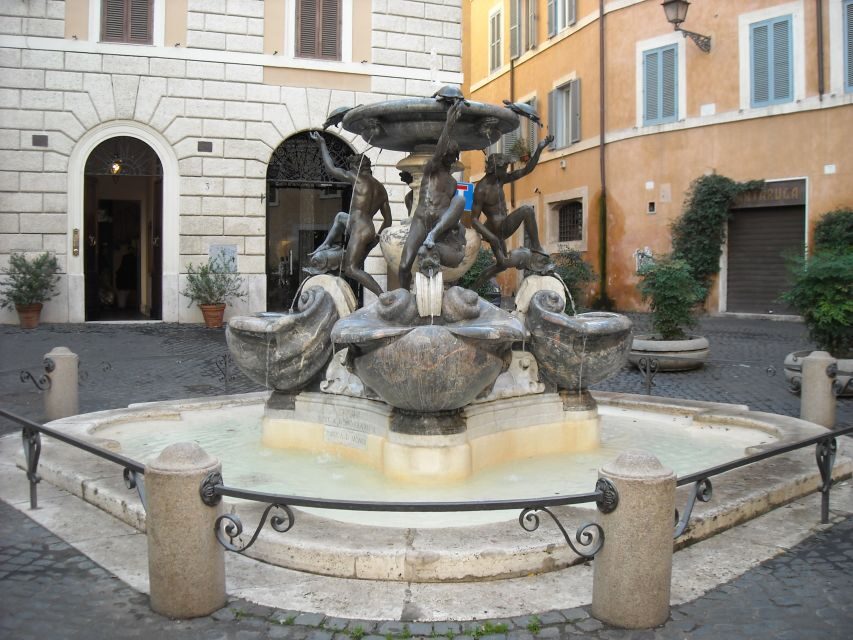
The tour begins by grounding you in the long arc of Jewish life in Rome. The Jewish community here is described as the oldest in the Western world, dating back to the 2nd century B.C. That matters because it frames the later ghetto story as more than a single chapter—it’s part of a much longer presence in the city.
Then you focus on what people usually mean by the old Ghetto: the neighborhood was created between 1555 and 1870, when Jewish residents were forced to live there. The tour also covers what happened afterward, when the ghetto was dismantled shortly after Rome became the capital of Italy and Jewish people were granted citizenship.
Walking this area with a guide is the big advantage. You get to connect those dates to specific places instead of treating them like a textbook timeline. And once you see the district as a living neighborhood—shops, kosher restaurants, and community landmarks—the story stops feeling distant.
Practical note: the “Ghetto” area is part of an urban street grid, not a single museum room. Give yourself that mental shift: you’re reading the city through guided orientation and key landmarks.
Piazza Mattei: a pause that helps you orient
After the initial Jewish quarter segment, you’ll visit Piazza Mattei. This stop is short but useful, like a gear-change in the walk. Squares in Rome tend to act as navigation tools—suddenly you can look around and understand how the lanes will funnel you onward.
What I like about a stop like this is that it gives your brain a rest while the guide continues linking the geography to the story. Even with just 20 minutes, you’re more likely to remember what you saw next, because your bearings get set.
If you’re the kind of traveler who hates feeling rushed, this is a good moment to slow down. The tour structure keeps moving, but Piazza Mattei gives you a breather inside a carefully timed route.
Portico d’Ottavia and Via della Reginella: reading the streets
Next you’ll head to Portico d’Ottavia for a guided visit, then continue to Via della Reginella. These are the kinds of places where Rome’s layout does half the explaining. Portico areas and side streets create natural frames for stories about daily life, movement, and how neighborhoods functioned.
The tour’s description also connects the district’s development to the river economy: this area grew on the right bank as a zone for merchants, sailors, fishermen, and foreigners. That detail helps you picture the city as a working crossroads rather than a set of ruins.
Via della Reginella fits that theme well. Think of it as the “in-between” street stop that helps you feel how the neighborhood connects together—links between major landmarks, and a reminder that the ghetto district wasn’t isolated. It was part of the city’s flow.






Great Synagogue of Rome: skip-the-line stop with real context
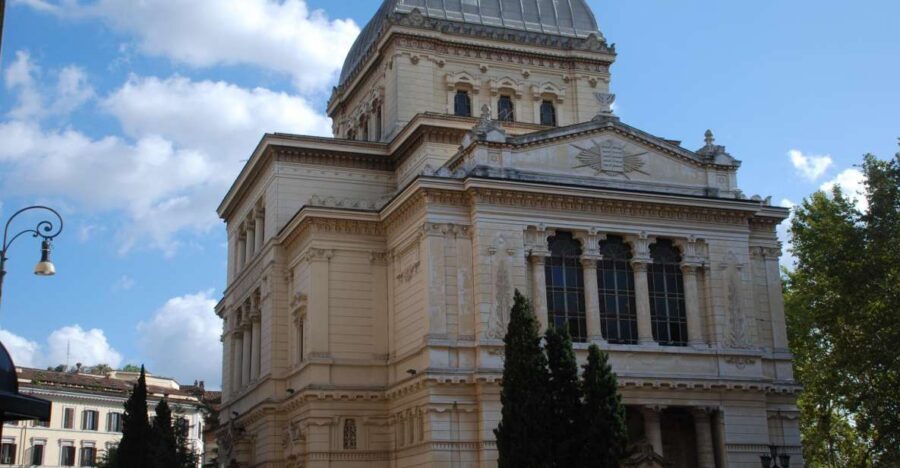
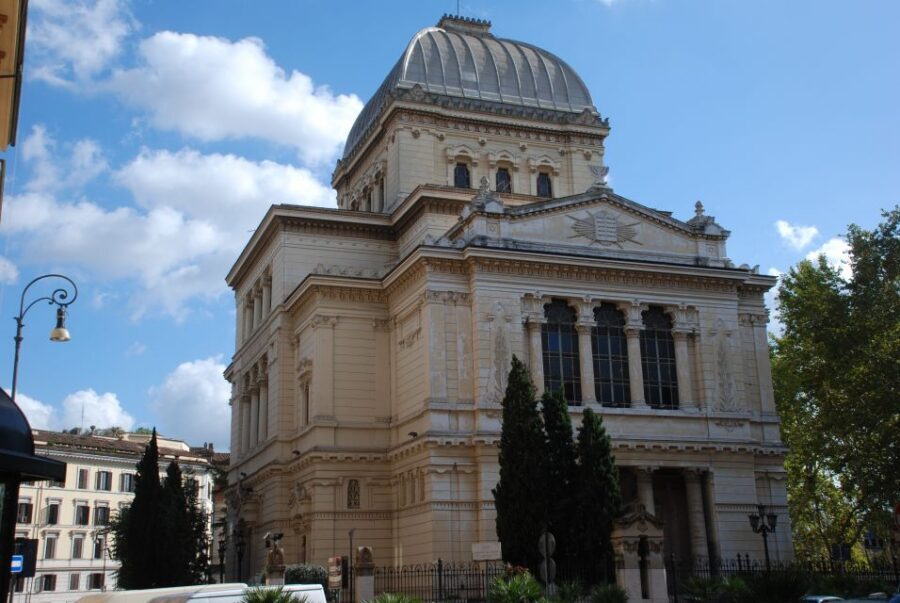
The Great Synagogue of Rome is one of the tour’s key anchors. The timing here is set at about 20 minutes, but it’s also described as the main Jewish temple in Rome. That’s important because the stop isn’t only about architecture; it’s about what the synagogue meant in its era.
The tour explains that between 1901 and 1904 a monumental temple was built to celebrate a major milestone, and that this synagogue is still the main one in Rome. Then you’ll be guided through the stop, with skip-the-line style access using a separate entrance.
If you want value from a 3-hour walk, this is where it shows. A guide plus easier entry means you don’t waste your time waiting. You get the sight, the explanation, and the connection back to the neighborhood you’ve been walking through.
Tiber Island and the Fabricio Bridge (62 B.C.): the river as a storyline
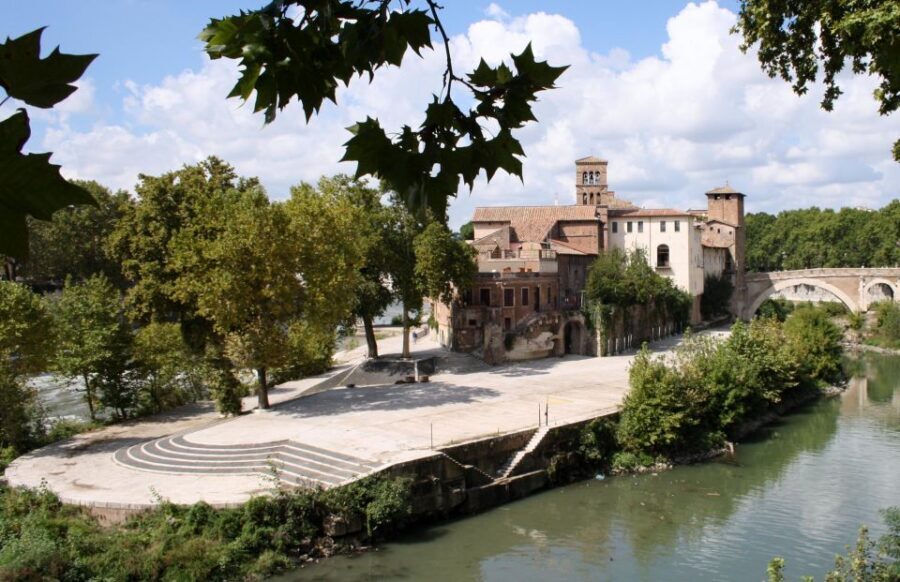
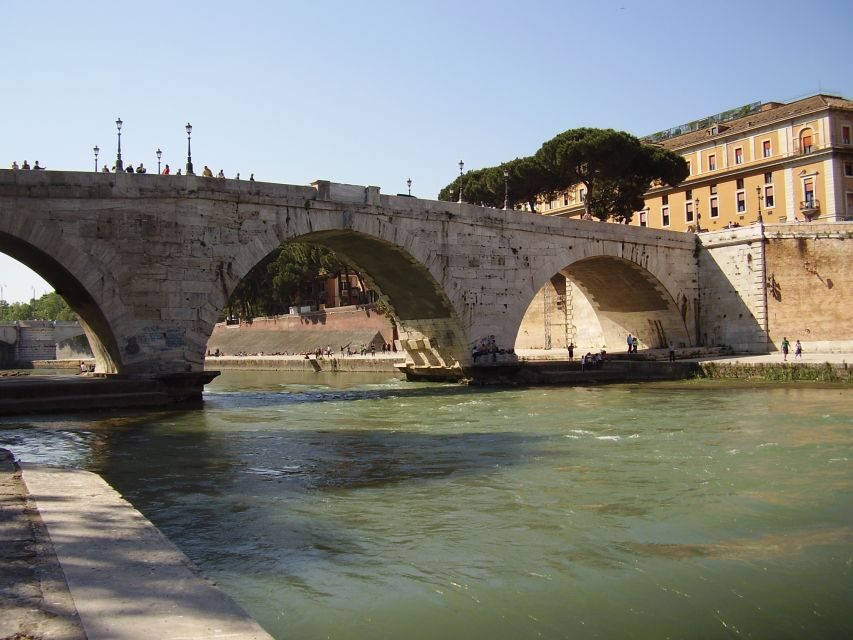
One of my favorite parts of this route is the transition to the river. You’ll cross Fabricio Bridge (62 B.C.), described as the oldest bridge left in Rome, then reach Tiber Island.
This isn’t just a “nice photo spot.” The tour uses the crossing as a practical way to connect neighborhoods and time periods. Crossing a historically significant bridge while your guide is still explaining the Jewish district makes the geography feel meaningful.
From Tiber Island, you’re set up for the final act: Trastevere. The river works like a reset button. It gives you distance from the tighter lanes of the ghetto and sets expectations for a different street rhythm.
Trastevere: narrow lanes, cobblestones, and that staying-power feel
Trastevere is a fitting finish. The tour describes it as a maze of narrow, winding streets, with cobblestone streets lined with ancient houses—and that’s exactly the kind of environment that makes you slow down without being told.
This portion runs about 20 minutes, so it won’t try to “cover everything.” Instead, it gives you a taste of Trastevere’s older feel after you’ve just learned about the ghetto district’s transformation and movement across the city.
I like ending here because the contrast helps you remember. After the weight of the forced-living period and the later shift to citizenship and synagogue celebration, Trastevere feels like the neighborhood side of Rome—street character, old buildings, and the sense that daily life continues.
Price and what $456.21 gets you (and why it can be worth it)
The price shown is $456.21 per group up to 1, for a 3-hour private tour with an official expert guide. For Rome, that’s not cheap on a per-hour basis—especially compared with big group tours. But the value can make sense if you care about getting your questions answered and keeping the route tight and efficient.
Here’s what you’re paying for:
- A private format, so you’re not stuck following someone else’s pace.
- A live guide who leads the walking route and explains what you’re seeing.
- A separate-entrance, skip-the-line approach at the key synagogue stop.
- A structured 3-hour itinerary that hits major landmarks without turning the day into logistics.
Also, no tickets are required for this tour. That helps the math, because you avoid extra steps and keep your time budget under control. Meals and beverages aren’t included, and taxis from or to your hotel aren’t included, so you’ll want to plan on short breaks or a quick snack before/after.
If you’re traveling solo or with a small group, this private pricing can feel like the best way to get depth without sacrificing time.
Who this tour suits best
This is a strong pick if you want:
- A neighborhood-focused Rome experience, not just isolated monuments.
- A guided story through Jewish Rome, the old ghetto area, then into Trastevere.
- A private format in your language (Spanish, English, French, German, Italian, Portuguese, Russian).
- A route that includes historic walking landmarks like Fabricio Bridge (62 B.C.).
It’s also a good option if you’re traveling with mobility needs, since the tour is wheelchair accessible. Still, it’s a walking-oriented experience, so comfortable shoes help you enjoy it.
Should you book this Jewish Rome and Trastevere private walk?
I’d book it if your top priority is understanding how Rome’s Jewish district connects to the city’s layout and later neighborhood life. The private guide format and skip-the-line entry at the synagogue make the short 3-hour window feel efficient, and the ghetto-to-Trastevere contrast gives the route emotional shape, not just a checklist.
Skip it if you want a long, slow museum-style visit or if you’re trying to do Rome with almost no walking. This one is designed for moving through streets and absorbing context in real time.
FAQ
How long is the Jewish Rome District, Old Ghetto and Trastevere private tour?
The tour lasts 3 hours. Starting times vary, so you’ll need to check availability.
Is this a private tour?
Yes. It’s a private group tour.
Where do we meet, and where does the tour end?
You start at the exit of Antico Caffè del teatro di Marcello. The tour finishes at Piazza Trilussa, and it concludes back at the meeting point area.
Do I need to buy tickets for the stops?
No tickets are required for this experience.
Is there skip-the-line access?
Yes. You’ll use a separate entrance for faster entry.
What languages are available for the guide?
The guide is available in Spanish, English, French, German, Italian, Portuguese, Russian.
Is the tour wheelchair accessible?
Yes, it’s wheelchair accessible.
What should I bring, and what can’t I bring?
Bring comfortable shoes. Luggage or large bags are not allowed.
What’s included in the price?
Included are the private guide service, the private official expert guide, and the 3-hour private tour.
Is free cancellation available?
Yes. You can cancel up to 24 hours in advance for a full refund.