REVIEW · ROME
German Verstecktes Rom im Zentrum
Book on Viator →Operated by Deutsche Römerin · Bookable on Viator
Hidden Rome clicks into place fast.
This German-led tour is a smart way to see Rome’s famous landmarks while still getting that wow factor from what’s under your feet. You’ll hit big names like Piazza Navona, the Pantheon, and the Trevi Fountain area, then connect them to the everyday logic of ancient Rome—water systems, building styles, and a few surprising facts about Roman life. I especially like the mix of top sights with the underground history, and I like how the route ends in a very modern setting where you can see how the city keeps layering itself. The one drawback to plan for: two of the most interesting underground segments can require extra entry since they are listed as not included.
You also get real guidance, not just sightseeing. This is set up for small groups (max 16), and if the group grows beyond four people you’ll be using headsets, which makes it easier to hear your guide without sprinting ahead. The tour runs in rain too, so comfortable shoes matter. If you hate stairs or crowded narrow passages, the underground parts may feel like a tighter fit, but the pacing stays focused on understanding what you’re seeing.
In This Review
- Key Things I Think Are Worth Your Attention
- Start at Piazza Navona: The Best First Move for Rome
- Piazza Navona Underground: Stadion Domitian Under Your Shoes
- Pantheon Stop: A Free Major Landmark With Human-Scale Stories
- Chiesa di Sant’Ignazio di Loyola: The 3D Ceiling Trick
- Trevi Fountain Coin Moment: Fun Ritual, Then Practical Context
- Vicus Caprarius (City of Water): Follow the Underground Water
- Rinascente Roma Tritone: Why a Shopping Stop Belongs Here
- Guides Matter: You May Hear Big Talent Like Mira or Giancarlo
- Price and Value: Is $115.12 for 3 Hours Worth It?
- When This Tour Fits Best (and When It Might Not)
- Weather, Pace, and What to Do With the Rest of Your Day
- Should You Book German Verstecktes Rom im Zentrum?
- FAQ
- How long is the tour?
- What language is it in?
- Where does the tour start?
- Where does it end?
- Is it a small group?
- Do I need headsets?
- Is the tour suitable on rainy days?
- Are attraction tickets included?
- Is there anything not included besides tickets?
- Can I cancel for a refund?
Key Things I Think Are Worth Your Attention
- Underground Rome, including the Stadion Domitian area under Piazza Navona
- Trevi Fountain water story at Vicus Caprarius, the so-called City of Water
- A 3D ceiling moment inside Chiesa di Sant’Ignazio di Loyola
- Small-group setup with a max of 16 and headsets when needed
- A modern ending at Rinascente where the guide ties shopping back into the city’s layers
- A German guide experience with lively explanations and Q&A focus, often led by guides like Mira, Janina, Jutta, Giancarlo, Annett, or Donato
Start at Piazza Navona: The Best First Move for Rome
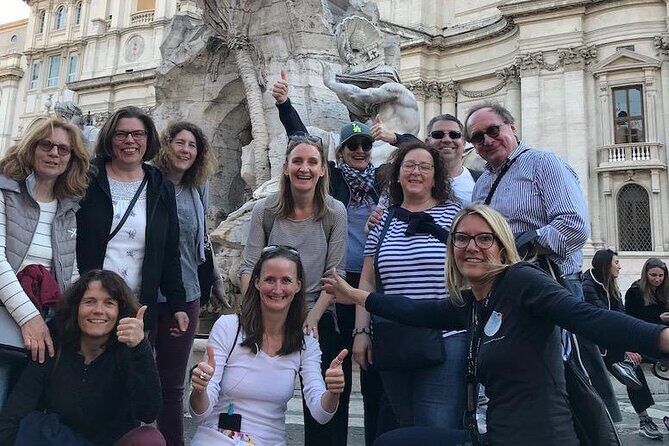
Your tour begins at Fontana dei Quattro Fiumi in Piazza Navona, and that’s a great choice. You get a landmark square right away, so you instantly understand the neighborhood geometry and where you are relative to the center of town. From there, the route is designed to keep you moving through the heart of Rome instead of doing a random highlight shuffle.
I like that your meeting spot is also easy to orient with. Piazza Navona is a natural hub, and the tour notes say it’s near public transport. That matters because Rome can be chaotic with schedules, and you’ll lose less time trying to “figure it out” before the walking even starts.
You can also read our reviews of more tours and experiences in Rome.



Piazza Navona Underground: Stadion Domitian Under Your Shoes
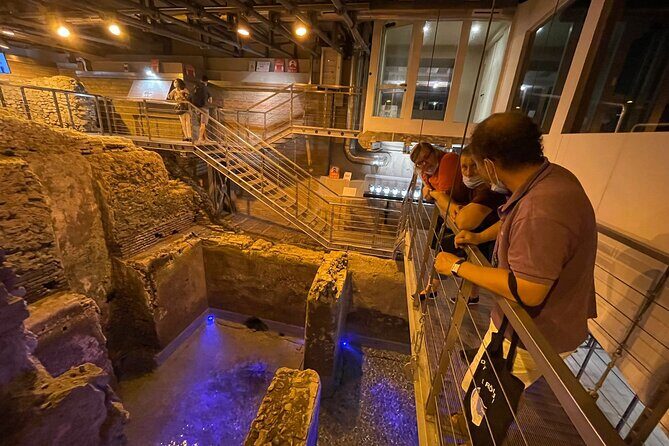
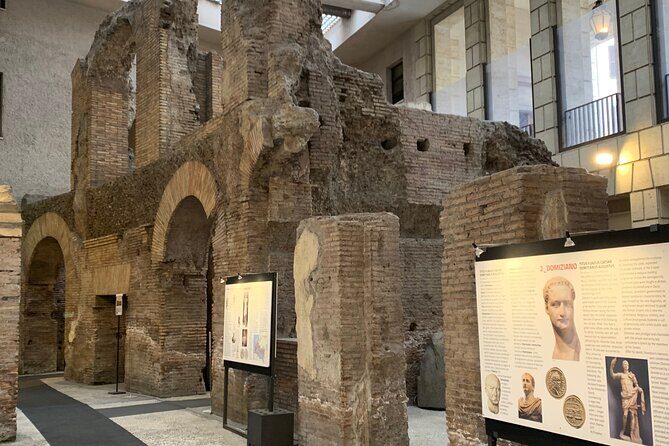
The tour kicks off with Piazza Navona and then goes below it for the underground visit connected to the Stadion Domitian. This is the part that makes the experience feel different from the usual top-spot checklist. Above ground, Piazza Navona is famous for its shape and atmosphere; underground, you see how a Roman space could be repurposed and how layers of the city kept existing instead of disappearing.
You’ll spend about 50 minutes here, and the admission for this underground stop is listed as not included. That means your best value strategy is to budget a little extra for the underground ticket while you keep the rest of your day simple. If you’re the type who enjoys atmosphere and architecture, this underground segment is where your photos and your understanding start to connect.
One practical note: underground sections can mean cooler air and uneven footing. Even if the tour is short, plan for solid grip shoes. This isn’t a “look up and walk on” moment.
Pantheon Stop: A Free Major Landmark With Human-Scale Stories
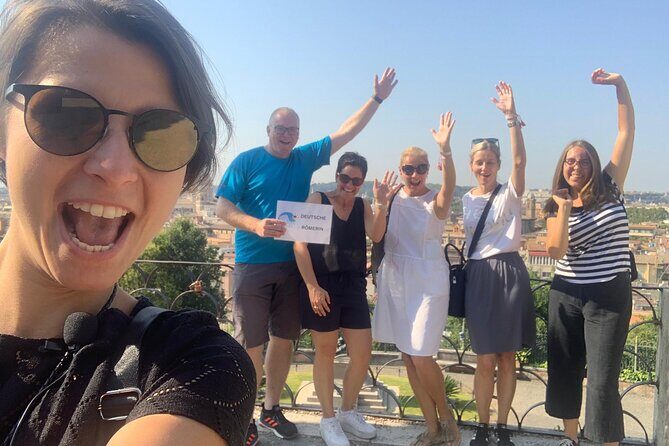
Next comes the Pantheon, where you’ll pause for around 20 minutes. Admission here is listed as free, which is a nice win. The Pantheon is already a must-see, but what makes this stop more useful is the way the guide frames what you’re looking at today—turning the building into a clue for how Romans and later generations reused impressive structures.
You won’t just get the standard wow-factor. Expect curious, human details about how the famous temple became a church and how that change influenced what you see. It’s the kind of explanation that helps you stop treating Rome as a pile of monuments and start treating it like a place where old materials kept getting new jobs.
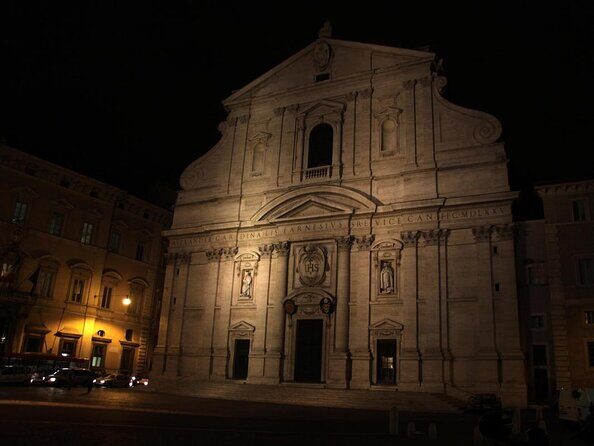
Chiesa di Sant’Ignazio di Loyola: The 3D Ceiling Trick
The Chiesa di Sant’Ignazio di Loyola is a quick stop, around 20 minutes, and it’s listed as free. The headline is the church’s incredible 3D ceiling painting. Even if you think you’ve seen enough churches already, this one is worth your time because it plays with perspective and makes you look twice at what’s flat versus what’s meant to appear deep.
From a tour value perspective, this stop is efficient. You get a world-class visual effect in a short window, and the guide’s job is to explain what you’re seeing so it feels less like a random Instagram moment.
If you’re traveling with kids or someone who gets bored standing still, this kind of ceiling illusion is a good way to keep attention without dragging the day out.
Trevi Fountain Coin Moment: Fun Ritual, Then Practical Context
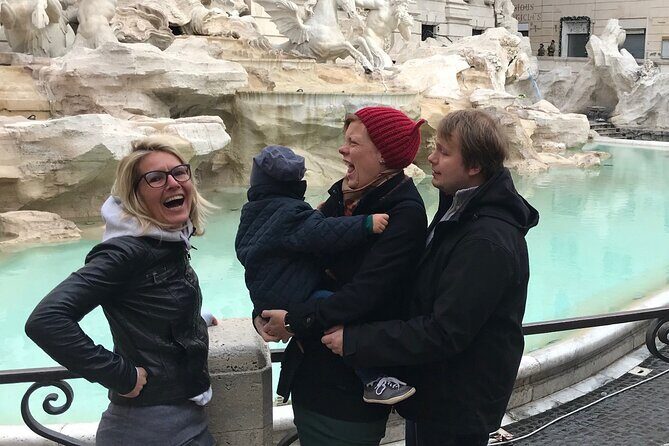
Some tours treat Trevi like a photo trap. This one includes the moment where you throw a coin into the Trevi Fountain, but it doesn’t stop there. The guide uses that ritual as a bridge to the bigger idea of how water systems shaped the city.
This is also where you get those “aha” facts promised in the tour overview. One of the memorable themes is explaining how Roman culture worked—like why certain sports events were linked to nudity—and how that culture showed up in public spaces. You don’t need to be a Roman history buff to enjoy it. The point is simple: stories plus concrete context.



Vicus Caprarius (City of Water): Follow the Underground Water
After the Trevi moment, you move to Vicus Caprarius, described as the City of Water, and you’ll visit the underground area near the Trevi Fountain connection. This stop is about 30 minutes, and the admission is listed as not included.
This is a prime example of why this tour feels worth the money. Trevi is dramatic and instantly recognizable. Vicus Caprarius answers the question you might not ask on your own: where did the water actually come from, and how did Rome move it through the city?
If you like “how things work” explanations, you’ll enjoy this part. It turns a famous fountain into a system, not just a backdrop. You’ll also understand why Rome earned a reputation as the Eternal City—because it wasn’t only about buildings. It was about engineering that kept the city functioning.
Practical consideration: underground rooms can have stronger echoes and tighter paths. It’s another reason headsets can be helpful if your group is larger.
Rinascente Roma Tritone: Why a Shopping Stop Belongs Here
The final stop is Rinascente Roma Tritone near the Spanish Steps area, and time here is about 30 minutes. Admission is listed as included for this stop. This is the part that surprised me in the best way when I read about the structure of the tour: instead of ending with another monument, it ends inside a well-known modern department store.
So what’s the point? The guide uses this stop to talk about what’s in a shopping center (including what’s located underground). It’s an angle that helps you see Rome as layers—ancient under modern, and modern built to take advantage of Rome’s dense layout rather than ignoring it.
If you need a reset at the end—bathroom break, a quick snack later, or a chance to browse—Rinascente is a practical landing spot.
Guides Matter: You May Hear Big Talent Like Mira or Giancarlo
One thing I’d pay attention to is who leads your group. The names connected with this company in recent feedback include Mira, Janina, Jutta, Giancarlo, Annett, and Donato. Across those accounts, the common thread is energetic, clear explanations and guides who handle questions well instead of rushing you through.
You don’t need a perfect background knowledge level. The tour is designed to make the history make sense in normal conversation. That shows up in how the underground stops connect back to surface landmarks and how the guide turns curiosity into a timeline you can actually follow.
Price and Value: Is $115.12 for 3 Hours Worth It?
At $115.12 per person for about 3 hours, you’re paying for more than walking between famous sites. You’re paying for a German-speaking guide who connects the big names (Pantheon, Piazza Navona, Trevi area) with the behind-the-scenes logic (water systems and underground spaces). You’re also getting a small-group experience capped at 16, plus headsets if the group gets larger than four.
Here’s the balanced take on value:
- You get multiple major stops without wasting time.
- You get underground experiences, which are often the most “ticketed” part of Rome tours.
- Two underground admissions are listed as not included, so part of your total cost may depend on what you choose to add on site.
- Pantheon and Sant’Ignazio are listed as free, and Rinascente is listed as included, which helps control costs.
If your goal is to see the center fast but still learn something that makes Rome feel real, this price sits in the reasonable range for a guide-led, multi-stop day.
When This Tour Fits Best (and When It Might Not)
This tour is a strong fit if you want:
- Rome center highlights without getting stuck in a pure crowd line
- underground history explanations, not just the surface monuments
- a German-speaking guide with lots of story and Q&A energy
- a short, organized route (about 3 hours)
It might be less ideal if you strongly dislike stairs, tight indoor spaces, or longer standing moments inside churches. Also, if you’re the type who prefers a fully self-paced day, a guided flow might feel too structured.
Weather, Pace, and What to Do With the Rest of Your Day
The tour runs in rain, and that’s a real advantage in Rome when plans can be derailed. Bring a light rain layer and plan for wetter stone. The route still works, but your comfort will depend on shoes and staying mindful of slippery steps during underground sections.
For the rest of your day, this tour gives you orientation. After finishing at Rinascente, you’ll be near the Spanish Steps area, which makes it easier to continue on foot or regroup for a meal without crossing the entire city.
Should You Book German Verstecktes Rom im Zentrum?
If your Rome goal is to go past the obvious and understand the city’s logic—especially water and what’s hidden underground—then yes, I think it’s worth booking. The pricing makes sense for a 3-hour plan that mixes major landmarks with Stadion Domitian and Vicus Caprarius, plus a modern ending at Rinascente that turns the final stretch into a story about Rome’s layers.
Before you book, be sure you’re comfortable with short underground visits and the possibility of extra ticket costs for the underground sites that are listed as not included. If you’re fine with that, you’ll come away with a Rome picture that feels more complete than the usual highlight reel.
FAQ
How long is the tour?
The tour lasts about 3 hours.
What language is it in?
It is a German-language tour.
Where does the tour start?
It starts at Fontana dei Quattro Fiumi, Piazza Navona 90, 00186 Roma.
Where does it end?
It ends at Rinascente Rome, Via del Tritone 61, 00187 Roma, near the Spanish Steps area.
Is it a small group?
Yes. The tour has a maximum of 16 travelers.
Do I need headsets?
If there are more than 4 participants, headsets are required.
Is the tour suitable on rainy days?
Yes. The tour takes place even if it rains.
Are attraction tickets included?
Some stops include admissions, while others are listed as not included. Pantheon and Chiesa di Sant’Ignazio di Loyola are listed as free, Rinascente is listed as included, and the underground stops at Stadion Domitian and Vicus Caprarius are listed as not included.
Is there anything not included besides tickets?
Personal expenses like food and drinks are not included.
Can I cancel for a refund?
Yes. You can cancel up to 24 hours in advance for a full refund.