REVIEW · 1-DAY TOURS
From Rome: Day Trip to Pompeii, Positano, and Amalfi
Book on GetYourGuide →Operated by Romaetravel · Bookable on GetYourGuide
One day can change how you see Italy.
This Rome day trip is built around two big contrasts: Pompeii, frozen since AD 79 under volcanic ash, and the coastal towns of Positano and the Amalfi Coast, where the views keep pulling your eyes back to the water. I like that it’s structured enough to get you from ruins to seaside without the stress of planning each leg yourself. I also like the Pompeii highlights that are named for you in advance, so you’re not just wandering aimlessly.
The main drawback to weigh is time. It’s a long day, and if you’re the type who wants to linger, Pompeii can feel short on a tight schedule.
In This Review
- Key highlights at a glance
- A 12-hour southbound route from Rome to Pompeii, Positano, and Amalfi
- Pompeii’s AD 79 streets: what you get without a guided tour
- Gladiators, theatres, shops, and noble houses: how to prioritize in Pompeii
- A realistic time warning for Pompeii
- Positano’s old streets: cafés, shops, and the view pull
- Along the Amalfi Coast: views, the sea, and quaint fishing villages
- Value and practicalities: cost, comfort, and what’s missing
- Food strategy (since meals aren’t included)
- Comfort strategy (based on real feedback)
- Who should book this Pompeii-Amalfi day trip, and who should skip it
- Should you book this Rome-to-Amalfi day trip?
- FAQ
- FAQ
- How long is the day trip from Rome?
- What’s included in the price?
- Is there a guided tour of Pompeii included?
- Which languages are the driver speaking?
- Where does pickup happen in Rome?
- Is free cancellation available?
Key highlights at a glance

- Pompeii’s AD 79 setting: walk a city preserved in the aftermath of Vesuvius
- The House of the Gladiators: see where gladiators trained before fights
- Theatre zones: spot areas linked to comedies and tragedies
- Positano on foot: wander old-town streets with cafés and shops
- Amalfi Coast stops: enjoy coastal views and pass quaint fishing villages
- Practical convenience: hotel pickup and drop-off plus transport from Rome
A 12-hour southbound route from Rome to Pompeii, Positano, and Amalfi
This is a full-day, get-out-and-see-it itinerary. You start with pickup from your Rome hotel (as long as it’s within the Aurelian Walls area), then travel south to Pompeii before continuing along the coast toward Positano and the Amalfi area.
The value here is in the logistics. You’re paying for a pre-planned route plus transportation, so you can spend your energy on what matters: seeing Pompeii’s ruins and then switching gears to coastal scenery and small-town strolling. Just remember, 12 hours means there’s less room for slow wandering and more room for smart choices.
If you’re sensitive to comfort, take note of a caution from past riders: the vehicle can feel small and cramped, and air-conditioning may not be strong enough for a long day. On a tour like this, that can affect how much you enjoy the ride itself.
You can also read our reviews of more tours and experiences in Rome



Pompeii’s AD 79 streets: what you get without a guided tour
Pompeii is the star, and the reason it hits so hard is simple: it’s a whole city that stopped. The eruption of Mount Vesuvius in AD 79 buried Pompeii, and what you see today is a place that still gives you the shape of everyday life—buildings, street layout, and public areas—before the disaster.
Here’s the key practical point: the tour includes Pompeii entrance, but it does not include a guided tour. That changes how you should approach it. Without a guide walking you through the story, you’ll get the most out of Pompeii by deciding in advance what you want to prioritize when you arrive.
I’d plan your mindset like this: treat Pompeii as a self-guided site with a few “must-see” anchors. You’ll still enjoy plenty by simply walking the streets and reading what’s in front of you, but you’ll get a much better day if you don’t rely on someone else to set the route.
Gladiators, theatres, shops, and noble houses: how to prioritize in Pompeii
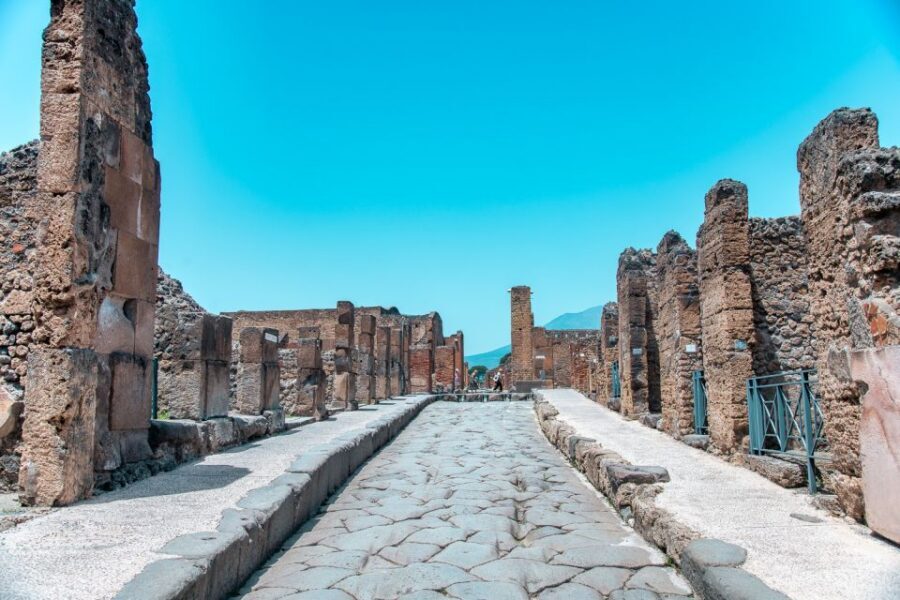
Pompeii can be overwhelming fast. It’s huge, and the ruins invite you to look at everything at once. The good news is that this tour points you toward specific areas, including places tied to leisure and status, not just the dramatic ruins.
The House of the Gladiators is one of the most memorable stops. This is where the tour focus is on training—your ticket to the practical side of gladiator life, including the areas where gladiators practised before the fights. If you like history that feels grounded (routine, training, daily work), this stop is worth centering.
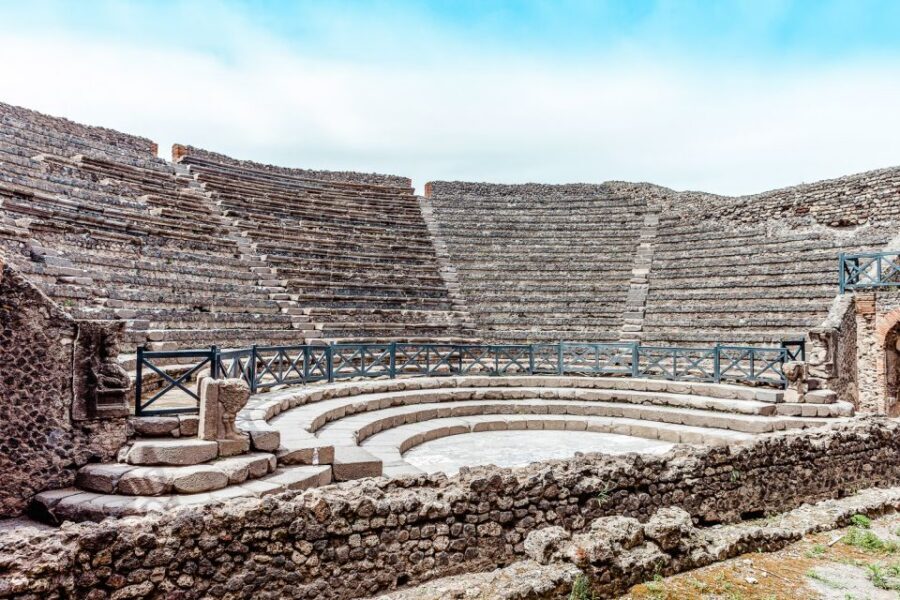
Then there are the theatres, described for their use in comedies and tragedies. Even if you don’t plan to watch any performance, it helps to think like a visitor from the past. This was entertainment with a built-in crowd energy, and the theatre spaces still communicate that through shape and scale.
You’ll also see ancient shops and noble houses. This is the human layer of Pompeii: commerce at street level, and the contrast of wealthier homes with more formal spaces. If you’re trying to understand the city beyond the headline disaster, these areas help you connect ruins to real routines—buying, working, visiting, and living.
A realistic time warning for Pompeii
Because this is a day trip from Rome, you should expect a compressed feel. One past rider called out that time in Pompeii felt like around two hours, and that wasn’t enough if you want to go deep. Even if you end up with a slightly different timing, the lesson holds: if you want to study every detail, this isn’t the slow version of Pompeii.
My advice is to pick a tight route. Aim for the gladiator focus first, then the theatre area, then one zone that shows daily life (shops or noble houses). If you try to do it all, you’ll spend too much time moving and not enough time looking.
Positano’s old streets: cafés, shops, and the view pull
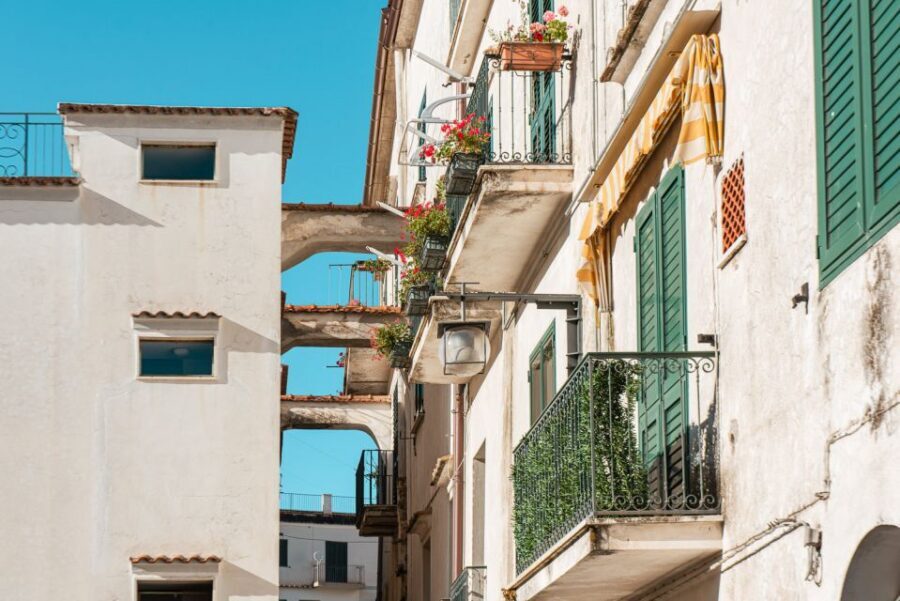
After Pompeii, the day turns gentler. You head toward Positano, described as a glimpse into Italy of old, with less of the modern intensity you might expect elsewhere. This part of the itinerary is about walking and letting the town shape your schedule.
Positano is naturally photogenic, but it’s more than pictures. You’ll wander down its picturesque streets, and you’ll have time to browse cafés and shops. This is the moment to shift from ruins to everyday pleasure. I like this kind of pacing because it prevents Pompeii from being the only memory you take home.
Practical tip: in towns like this, time can get eaten by hills and stairs. If your legs feel the Pompeii burn, use your snack and drink break strategically. Stop early, grab something small, and give yourself a little energy before you commit to more walking.






Along the Amalfi Coast: views, the sea, and quaint fishing villages
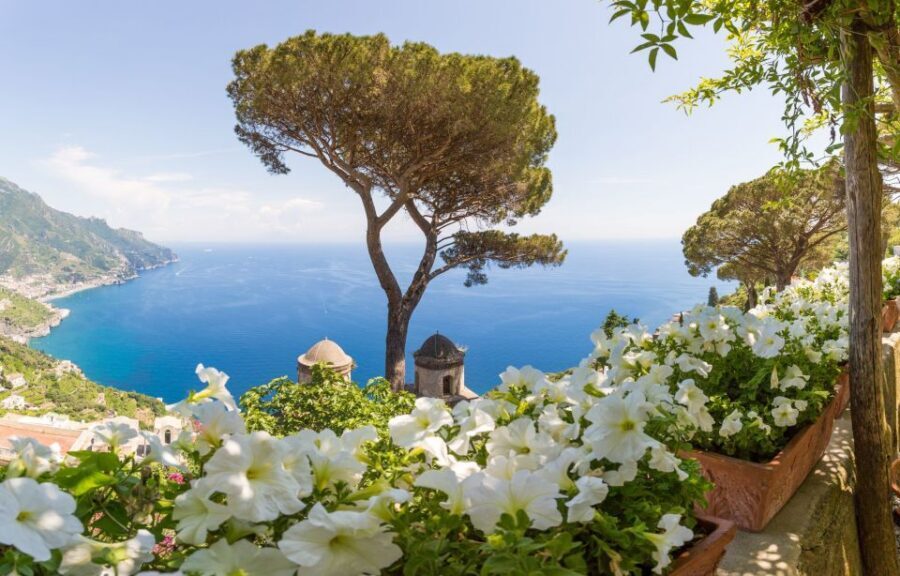
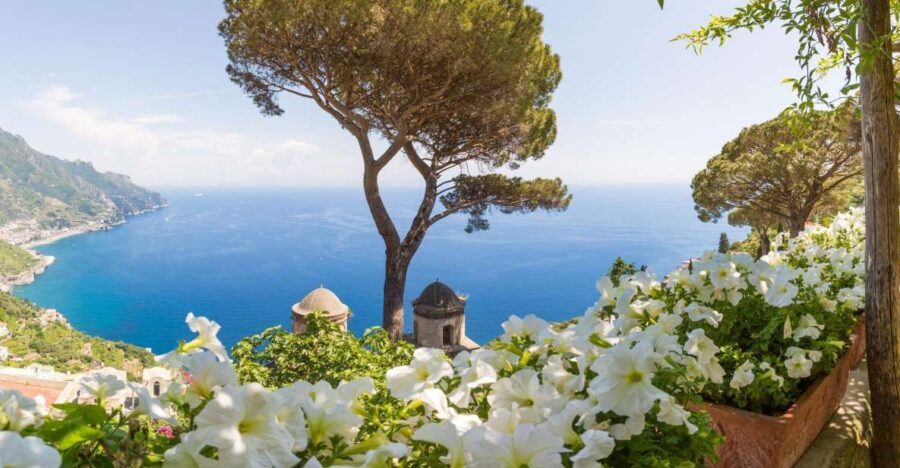
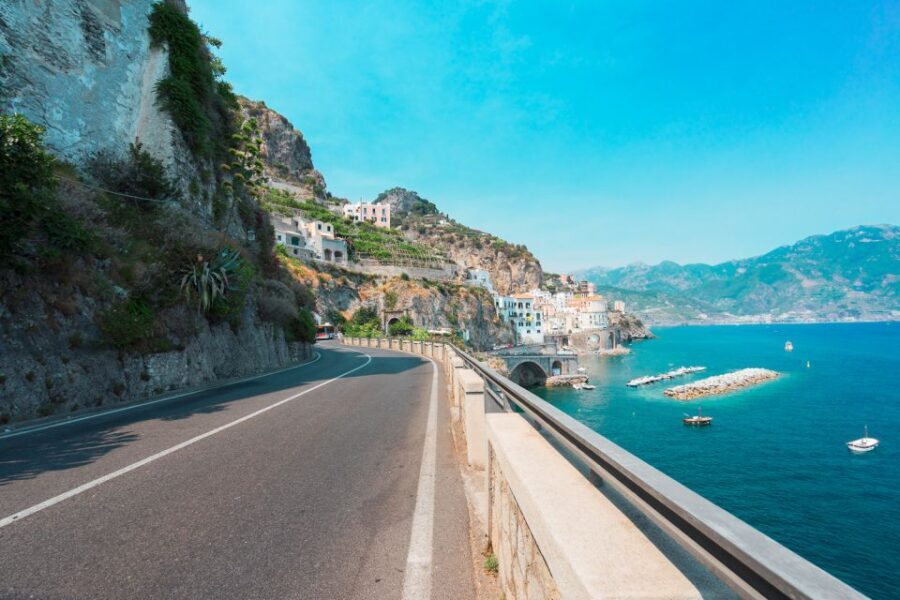
The final scenic phase is the Amalfi Coast. Here the tour focus is on breathtaking viewpoints, the sparkling Mediterranean, and passing along wayside spots that include quaint fishing villages.
This is where you’ll enjoy the ride as much as the stops. On a day trip, you’re not doing long hikes or staying long in one village. Instead, you get a series of perspectives—coastline lines, sea views, and little settlements clinging to the cliffs.
If you tend to get motion-sick or hate long car time, be prepared. The itinerary is long and travel-heavy by design, and coastal roads can add extra slow moments. Pack for comfort, keep water handy, and try to get a seat where you can look out easily.
Value and practicalities: cost, comfort, and what’s missing
Let’s talk money and what you actually receive for it. The price is $243.56 per person for a 12-hour day trip. What’s included: hotel pickup and drop-off, transportation, and the entrance fee to Pompeii.
What’s not included: meals and drinks, and there’s no guided tour of Pompeii.
So the value question is really: are you buying convenience and structure, or are you buying deep-guided sightseeing? This tour gives you the structure. You get the entrance ticket for Pompeii and a planned route that strings together three big destinations. You don’t get a guide to explain context line-by-line, and you’ll need to manage food on your own.
Food strategy (since meals aren’t included)
Because meals and drinks are not included, I’d plan to buy snacks or a meal during the breaks you have at Positano and possibly along the coast. Keep it simple: grab something quick, then keep walking. If you arrive hungry, the day will feel longer and more exhausting.
Comfort strategy (based on real feedback)
A past rider criticized the car as too small and the air-conditioning as weak for the day. That’s not a guarantee it will be the same for you, but it’s enough to plan around. If you’re tall, prone to discomfort, or sensitive to heat, treat the vehicle as a factor in your decision. Layers help too, since coastal trips can shift temperature.
Who should book this Pompeii-Amalfi day trip, and who should skip it

This is a strong match if you want a big sampler day. You’ll see a major ancient site and then swap into two of Italy’s most famous coastal towns. It’s also a good fit if you like traveling with the heavy lifting done for you: pickup, transport, and an entrance ticket are handled.
I’d also point it toward couples or solo travelers who enjoy moving efficiently. The itinerary works when you’re comfortable with quick transitions and short windows in each place.
Skip it if your idea of Pompeii is slow studying. If you want to sit with the details, this kind of schedule can feel rushed. Also skip it if long car rides in a possibly cramped vehicle will drain you fast.
Should you book this Rome-to-Amalfi day trip?
I think you should book if you want to pack in Pompeii plus Positano plus Amalfi views without the stress of planning transportation on your own. The included Pompeii entrance alone helps simplify things, and the day’s structure turns three separate destinations into one manageable experience.
But be honest with yourself about pacing. With a day-trip format, Pompeii time can feel tight, and you’ll likely spend more energy making the route work than taking your time on every street corner. If that trade-off sounds fine, this trip is a great way to get the highlights.
FAQ
FAQ
How long is the day trip from Rome?
The duration is 12 hours.
What’s included in the price?
The price includes hotel pickup and drop-off, transportation, and the entrance fee to Pompeii.
Is there a guided tour of Pompeii included?
No. Pompeii is not included as a guided tour. You’ll explore with your own route during the time you have there.
Which languages are the driver speaking?
The driver speaks English and Italian.
Where does pickup happen in Rome?
Pickup is offered for all accommodations inside the Aurelian Walls.
Is free cancellation available?
Yes. You can cancel up to 24 hours in advance for a full refund.