REVIEW · NAPLES
From Naples: Ruins of Pompeii
Book on GetYourGuide →Operated by NapoliCityVision · Bookable on GetYourGuide
Pompeii changes mood fast, for real. This guided trip from Naples lets you walk a preserved Roman city still stamped by 79 A.D.
You see how people lived, shopped, worked, prayed, and relaxed, with a structured route that keeps the day from turning into a self-guided maze.
I especially like the ancient Roman theater stop, because it helps you picture performances and crowds in the exact space they happened. I also like the focus on everyday bakeries and pizzerias, where Pompeii stops being textbook trivia and starts feeling human, right down to shopfront details.
One consideration: the 2-hour walk inside Pompeii goes by quickly, so if you want to linger and read every panel, you’ll feel time pressure.
In This Review
- Key things to know before you go
- Naples to Pompeii: how the day fits in 3–4 hours
- Entering Pompeii: your guided route and what you’ll actually see
- Roman theater stop: why that ruin is more than a photo
- Ancient shopping streets: bakeries, pizzerias, and daily routine
- Forum, necropolis, and baths: understanding public life and beliefs
- House of the richest man: what wealth looks like in stone
- Optional cameo and coral craft stop: worth it if timing allows
- Guides, language options, and how the tour stays organized
- Comfort, timing, and practical tips that make a difference
- Price and value: what $59 buys you (and what it doesn’t)
- Who this Pompeii tour from Naples is best for
- Should you book this Naples to Pompeii tour?
- FAQ
- How long is the Pompeii tour from Naples?
- Is round-trip transportation from Naples included?
- Are Pompeii entry tickets included?
- What languages are available for the tour?
- Is lunch included?
- What should I bring to Pompeii?
- Is this tour suitable for wheelchair users or mobility impairments?
- Can I cancel for a refund?
Key things to know before you go
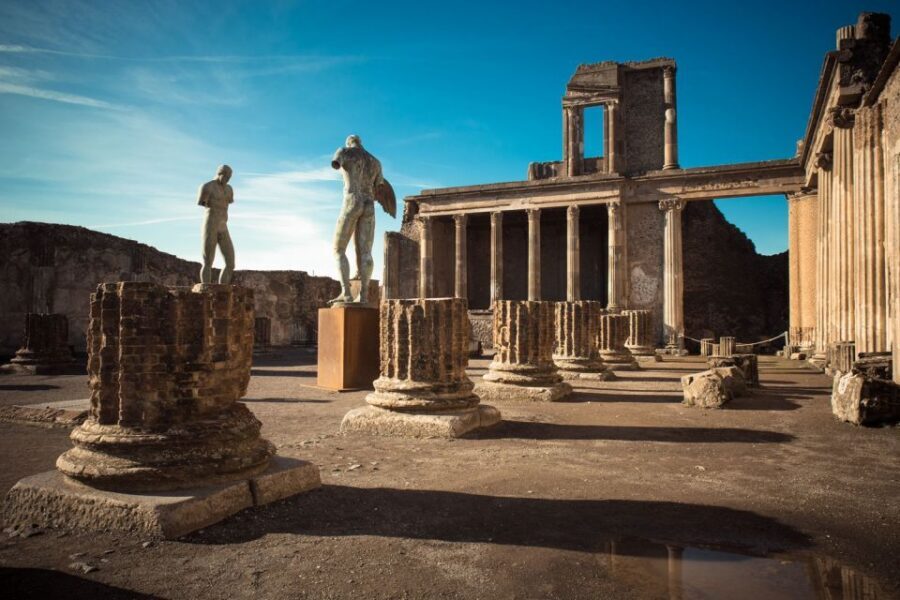
- Two-hour guided walking route inside Pompeii, designed around the biggest highlights
- Roman theater + forum + bath houses to understand daily life, not just the “wow” spots
- Ancient shopping street with preserved bakeries and pizzerias so you can picture meals and commerce
- House of the richest man in Pompeii for a clear view of wealth and status
- Optional cameo/coral factory stop (if time allows) that connects to local craft traditions
- Small group options with live guide depending on group size, otherwise audio support
Naples to Pompeii: how the day fits in 3–4 hours
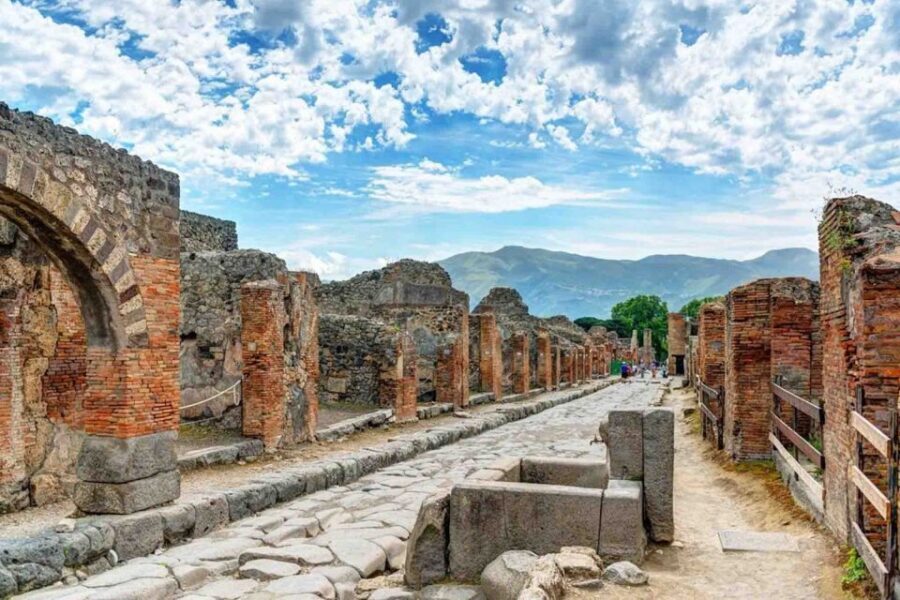
This is a classic short-and-sweet Pompeii outing: you get the big ideas and the main sights without having to fight Naples transit on your own. Pickup runs from multiple central spots around Naples, including well-known hotels and major meeting points, so you can usually match it to where you’re staying.
Once you’re on the bus/coach, the ride to Pompeii is about 20 minutes, and the full schedule lands you back in Naples the same day. The Pompeii on-foot portion is about two hours with a guide, plus a little extra time for grouping up and getting everyone back to the bus.
This format works best if you’re visiting Pompeii as part of a bigger Naples base, and you want a reliable plan. It’s less ideal if your dream is a slow, solo meander where you park yourself in one piazza-like courtyard for an hour.
You can also read our reviews of more tours and experiences in Naples.


Entering Pompeii: your guided route and what you’ll actually see
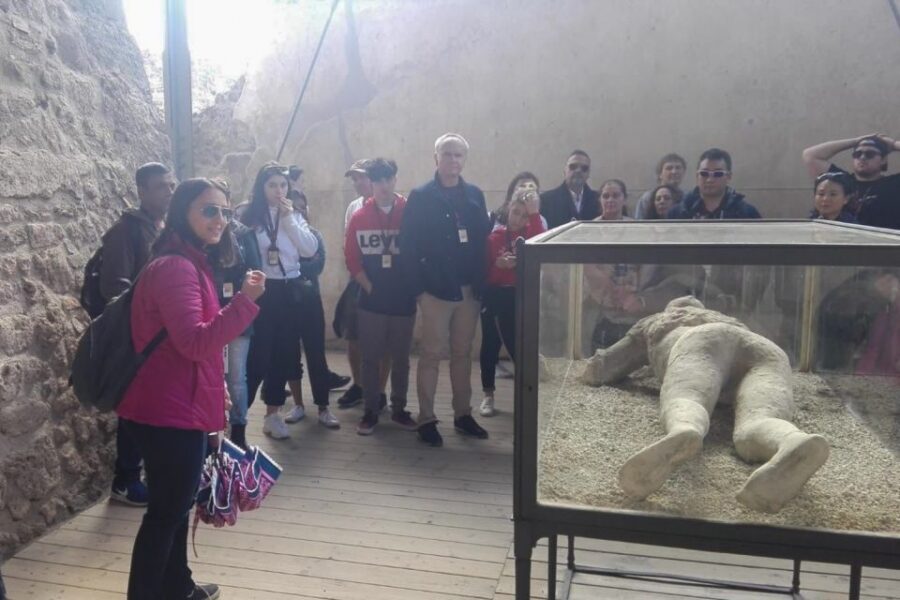
At Pompeii, the tour is built around a logical sequence of spaces that teach you how the city was organized. You’re not just getting a checklist of ruins. You’re getting a story—how the streets connected public life, commerce, and home life.
Expect a guided walk through preserved remains of shops and civic areas, with frequent context about the 1st century AD world. On board, you’ll also hear multilingual commentary, and at Pompeii you’ll have a guide or an audio guide depending on the season and group size.
In practice, the pacing matters. On hot days, a good guide keeps the group moving, watches the clock, and looks for shade when possible. If you’re handed a guide with that kind of control, the tour feels smoother and more relaxed than the typical “everyone rushes” style.
Also, Pompeii can be crowded and noisy at entrances. If you show up late to the meeting point, you might have a short scramble to confirm your group, so give yourself a little breathing room before pickup.
Roman theater stop: why that ruin is more than a photo
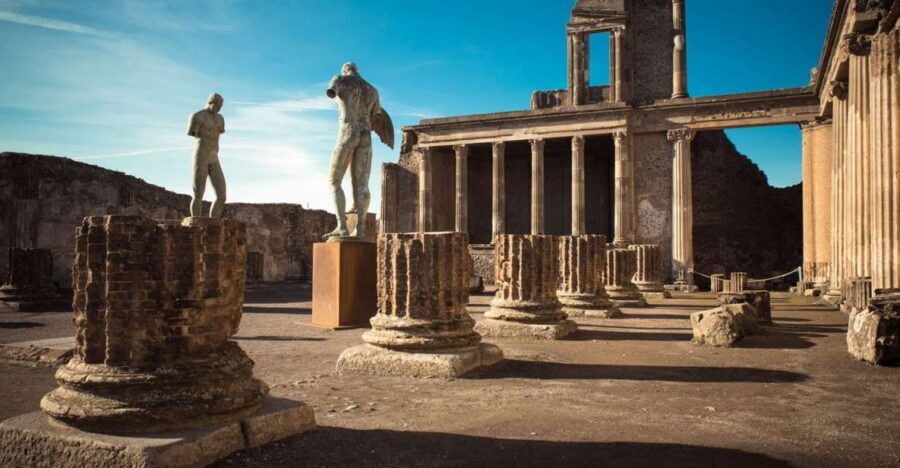
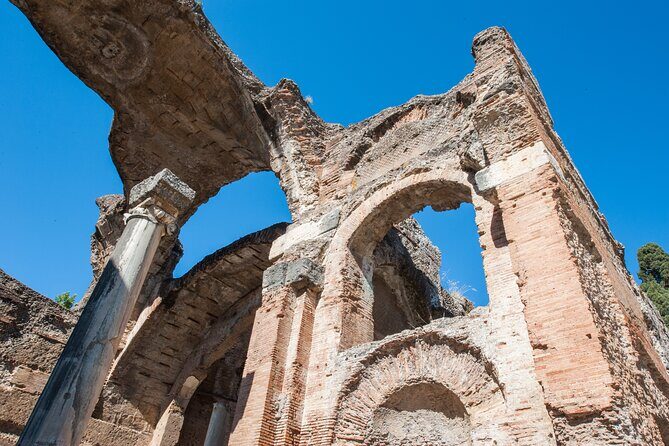
The ancient Roman theater is one of the best “anchor points” in Pompeii, and this tour takes you right into that mindset. A theater ruin can look like stones and rows at first glance, but with commentary, it becomes a snapshot of public entertainment and crowd dynamics.
This is where you start understanding the social rhythm of Pompeii. You can almost see how people gathered—how sound and seating mattered, and how performances were tied to civic identity. It’s not just about architecture. It’s about people using public space to belong together.
If you care about how Romans organized leisure and public gatherings, this stop gives you the framework you’ll carry into the forum and bath areas later in the walk.
Ancient shopping streets: bakeries, pizzerias, and daily routine
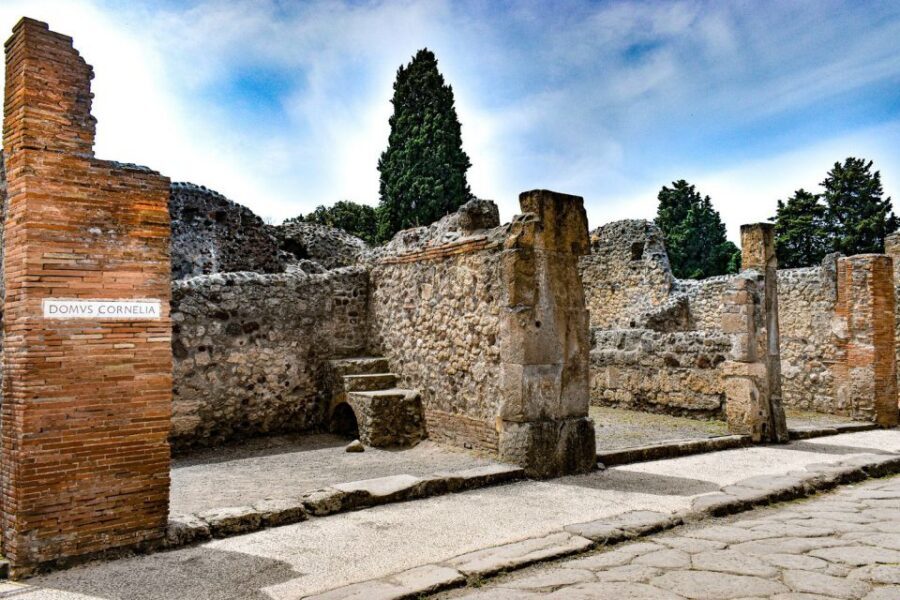
One of the biggest strengths here is the emphasis on everyday commerce. Pompeii’s preserved commercial spaces can feel like time travel, and this tour points you to the ancient shopping street where you’ll find bakeries and pizzerias among the ruins.
That focus is worth your time. It’s easy to get fixated on grand houses and temples, but shops are where you get the rhythm of daily life: who sold what, how food was prepared and sold, and how customers moved through the city.
Think of it like this: after the theater and public areas, the shopping stops help you shift from “public life” to “private consumption.” It’s a very practical way to connect the dots between Roman culture and what people actually did day to day.
If you want photos, this section delivers. If you want understanding, it delivers too—because food and retail tell you a lot about a city’s habits.
Forum, necropolis, and baths: understanding public life and beliefs
The tour doesn’t just hit the flashiest structures. You also move through traditional civic and community areas, including the forum, the necropolis, and bath houses.
The forum stop helps you grasp where public decisions and social interaction happened. Even when parts are missing, the layout and preserved features give you a strong sense of how communal life worked.
The necropolis component adds the belief side of the city. You learn that Pompeii wasn’t only about daily hustle; it also had its systems for memory and the afterlife.
And then there are the bath houses, which can be surprisingly powerful for understanding Roman culture. Baths weren’t just hygiene. They were social spaces where people talked, relaxed, and connected. Seeing the ruins with context helps you understand why baths mattered so much.
If you’re building a mental map of Pompeii, this trio gives you the essential layers: civic space, belief space, and social space.


House of the richest man: what wealth looks like in stone
You’ll also see the house of the richest man in Pompeii, one of those stops that changes how you read the entire city. This isn’t about admiration for luxury. It’s about how wealth shaped daily movement and access.
In a walk that includes theaters, shops, forums, baths, and homes, the rich-house visit becomes a comparison tool. You start noticing differences in space, layout, and what kind of life the rooms were meant for.
If you want a quick but meaningful understanding of inequality in the ancient world, this stop does the job without turning the day into an academic lecture. It helps you connect wealth to the broader city plan you’ve been seeing.
Optional cameo and coral craft stop: worth it if timing allows
Some departures include a stop at a local factory to learn about cameos and corals—jewels made using coral and seashell materials—depending on time. If it fits your schedule, it’s a nice change of pace from walking ruins all day.
Why does this matter? It adds a modern craft parallel that keeps you thinking about materials, workmanship, and regional traditions. Even if you don’t buy anything, it’s a good reminder that Campania is not frozen in antiquity.
If it doesn’t fit, don’t stress. The core value is still the Pompeii ruins and the guided route.
Guides, language options, and how the tour stays organized
The tour is multilingual. Live options can include English, Italian, and Spanish. Depending on the season and group size, you may get a live guide when a minimum number of participants is reached, or you may use an audio guide for other languages like French, Chinese, German, Japanese, Russian, and Portuguese.
This matters for your experience. A live guide can answer questions on the spot and manage the group through crowded sections. An audio guide can still work well, but it depends on how good the routing is and how tightly the group stays together.
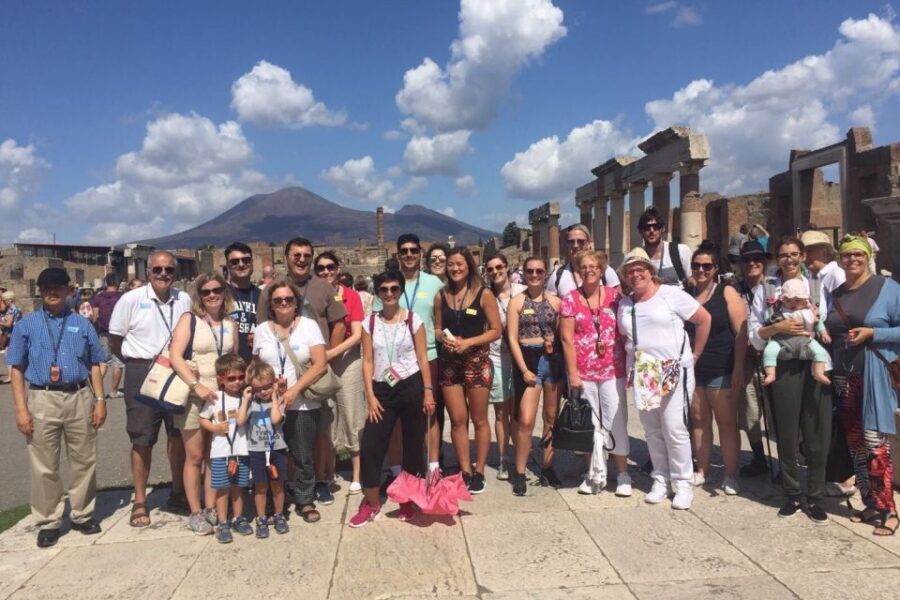
The small-group angle also helps. On some tours, it can be very small—think around eight people—so you’re not constantly losing sight of your guide.
From real-world experience with the guides, names like Salvatore and Maria have shown up as strong picks, and other guides such as Anita and Fabio have been described as doing a good job handling heat and keeping everyone together. If your departure assigns you someone with that kind of attention, you’ll feel it in the flow.
Comfort, timing, and practical tips that make a difference
Pompeii is uneven, and this tour is not suitable for wheelchair users or people with mobility impairments. You’ll be doing a walking route through ancient surfaces, so plan accordingly.
Bring comfortable shoes, plus sun protection like a sun hat and sunscreen. Summer can be harsh, and the tour is designed to keep you moving while the guide tries to find shade when possible.
Luggage rules are strict enough to matter: you can’t bring luggage or large bags. If you’re traveling light, that’s easy. If you’re used to daypacks with bulky extras, it’s worth swapping to something smaller.
Also, Naples traffic can be intense on the return drive. The tour is still structured to get you back on schedule, but if you have a tight flight, plan a buffer anyway.
One small win: the tour team may provide access to clean bathrooms during the Pompeii stop, which is a lifesaver when you’re trying to stay on time.
Price and value: what $59 buys you (and what it doesn’t)
At $59 per person, this tour is positioned as a value option for a short Pompeii visit with transportation included. You’re paying for three things that are hard to coordinate on your own in one block: the pickup logistics from Naples, the guided Pompeii walking time, and entry to the Pompeii site if you choose that option.
What’s not included is lunch, so you’ll want to plan something outside the tour window. Since Pompeii time is limited, it’s smart to eat before you go or to grab a quick bite after you return to Naples rather than trying to force a full meal during the tour.
Is it a deal? For most people doing Pompeii as a day-trip add-on, yes. You get a guided narrative and multiple key zones in about half a day of actual effort, without the stress of driving or figuring out public transport timing.
If you’re the kind of traveler who wants to spend half a day in just one neighborhood, you may want a longer or more self-paced plan. But for a “see the essentials with context” day, this price makes sense.
Who this Pompeii tour from Naples is best for
This is a strong fit for you if:
- You want a guided overview with a clear route and minimal navigation stress
- You care about how Pompeii worked day-to-day, not only dramatic scenes
- You’re happy with about two hours inside the archaeological site
- You want transportation handled from central Naples
It’s a weaker fit if:
- You need lots of mobility accommodations
- You prefer deep, slow exploration with lots of reading time
- You’re very sensitive to heat and hate being on a tight schedule
If you’re traveling as a couple or a small group, the organization tends to feel smooth. If you’re traveling solo, it can still be a good choice because you’ll have a guide or audio track keeping you aligned.
Should you book this Naples to Pompeii tour?
If you want Pompeii in a half-day format with transportation from Naples and a guided walk through the main highlights—Roman theater, forum, bath houses, shopping street bakeries and pizzerias, plus the rich-house visit—this tour is a solid bet.
Book it when: you want structure, you’re okay with a time-boxed visit, and you’d rather spend your energy learning than figuring out logistics. Skip it (or look for a longer option) when: you need more time per stop, you want to wander without pressure, or you have mobility constraints.
If you do book, do two things: pack light so you don’t fight baggage rules, and wear shoes that handle uneven stone. Then let the guide do what guides do best—make the ruins make sense.
FAQ
How long is the Pompeii tour from Naples?
The total experience runs about 3 to 4 hours, with roughly 2 hours of guided walking time inside Pompeii.
Is round-trip transportation from Naples included?
Yes. The price includes round-trip transportation from Naples to Pompeii, with pickup and drop-off at selected locations.
Are Pompeii entry tickets included?
It depends on the option you select. The entry ticket is included if you choose the ticket option.
What languages are available for the tour?
Live commentary is listed in English, Italian, and Spanish. Optional audio guides are available in French, Chinese, German, Japanese, Russian, and Portuguese.
Is lunch included?
No. Lunch is not included.
What should I bring to Pompeii?
Bring comfortable shoes, a sun hat, and sunscreen.
Is this tour suitable for wheelchair users or mobility impairments?
No. It is not suitable for people with mobility impairments or for wheelchair users.
Can I cancel for a refund?
Yes. You can cancel up to 24 hours in advance for a full refund.