REVIEW · COLOSSEUM
Colosseum Gladiators Gate & Arena Express Guided Tour
Book on GetYourGuide →Operated by LivTours - We craft tours, you live them · Bookable on GetYourGuide
If you love Roman grit, this hits.
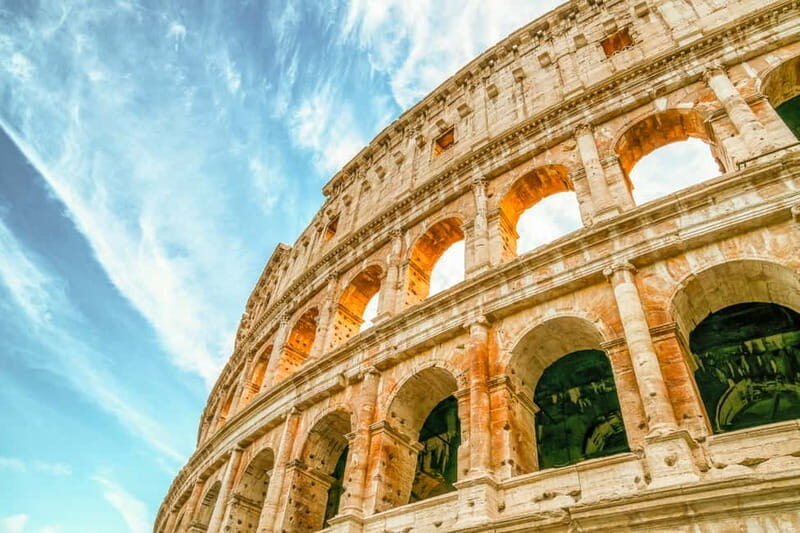
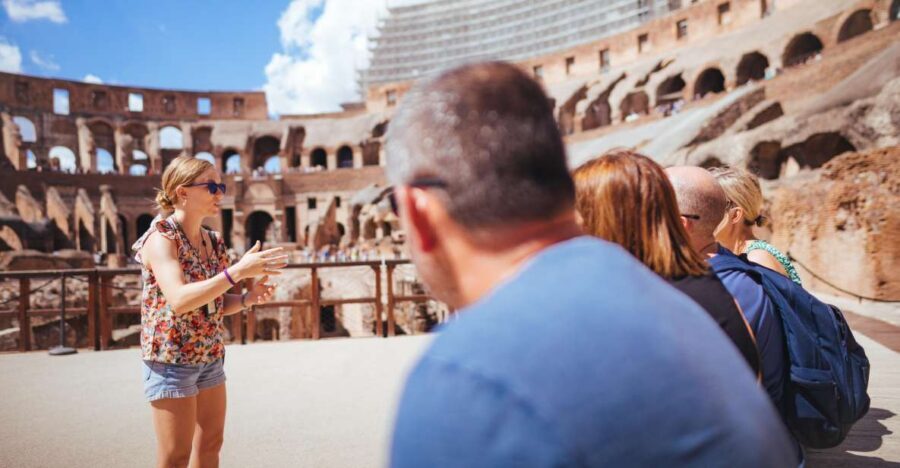
This Colosseum Arena Express tour takes you past the usual crowds and onto the Arena floor via the Gladiators Gate—so you’re not just looking at the Colosseum from the outside. You also get an expert English guide (one highlight was Fabrizio, with an engaging style), plus a clear, story-driven walk through what gladiators trained for and how the spectacle worked.
Two things I really like: the semi-private size (about 6 people) keeps the pace human, and the access is the big deal—you’re getting Arena-floor time, not just a fast overview. A fair consideration: it’s a tight 1 hour, so if you want long picture stops and lingering, you’ll need to plan extra time before or after.
In This Review
- Key Reasons This Tour Is Worth Your Time
- Why Gladiators Gate Feels Like a Real Entrance
- Meeting at the Colosseum Metro SOS Sign (And Why It Matters)
- Step Onto the Arena Floor: The View You Can’t Replicate Elsewhere
- The likely drawback: you’ll want more time here
- Gladiators 101: Training, Weapons, and the Show Logic
- The Arch of Constantine Stop: When the Colosseum’s Story Evolves
- How the 1-Hour Timeline Works (And How to Plan Around It)
- The practical trade-off
- Value Check: Does $123.48 Make Sense?
- Who This Tour Fits Best (And Who Might Want Something Else)
- Should You Book This Colosseum Arena Express Tour?
- FAQ
- How long is the Colosseum Gladiators Gate & Arena Express guided tour?
- Where do we meet for the tour?
- Do I need photo ID to enter?
- Is the tour in English?
- Is the group size small?
- What’s included in the tour?
- What’s not included?
- Does the tour connect to the Roman Forum area?
Key Reasons This Tour Is Worth Your Time
- Gladiators Gate access: you move through the route gladiators would recognize
- Arena floor priority: you’re on the fighting surface, not only in the stands
- Small-group feel: around 6 people with an English-speaking guide
- Stop at the Arch of Constantine: you connect the Colosseum to later Roman power
- Fast, focused pacing: built for seeing the essentials without losing your whole day
Why Gladiators Gate Feels Like a Real Entrance
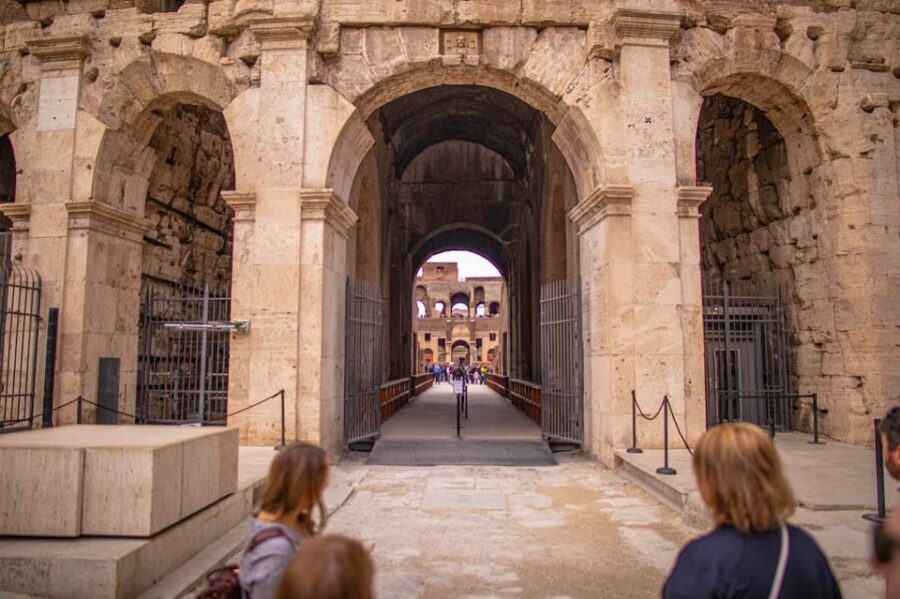
Most Colosseum tours train you to look up. This one flips that. You go beyond the iconic Arena view and into the Colosseum experience from the inside edge—by walking through the Gladiators Gate. It’s a small shift in route, but it changes how the building reads in your head.
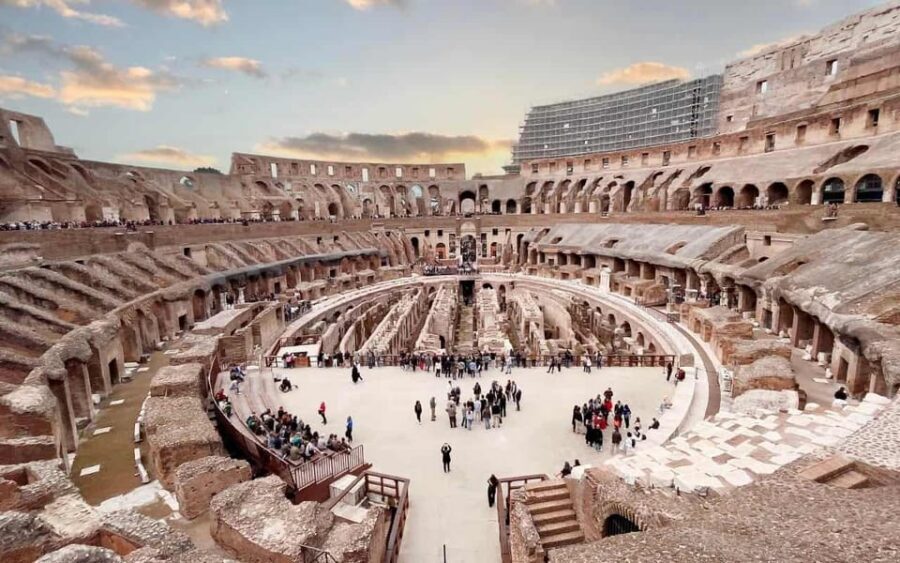
The Colosseum is huge, but what makes it unforgettable is how it staged movement and drama. When you’re on the Arena floor, you can see the scale of the stands rising above you, and you start picturing how an 80,000-person crowd would have sounded in that space. That mental picture is the whole point: you’re not just collecting facts, you’re understanding the show.
Also, this tour uses a separate entrance with skip-the-line access. In plain terms, that means you spend less time stuck in queue limbo and more time where it matters—inside.
You can also read our reviews of more guided tours in Colosseum
Meeting at the Colosseum Metro SOS Sign (And Why It Matters)
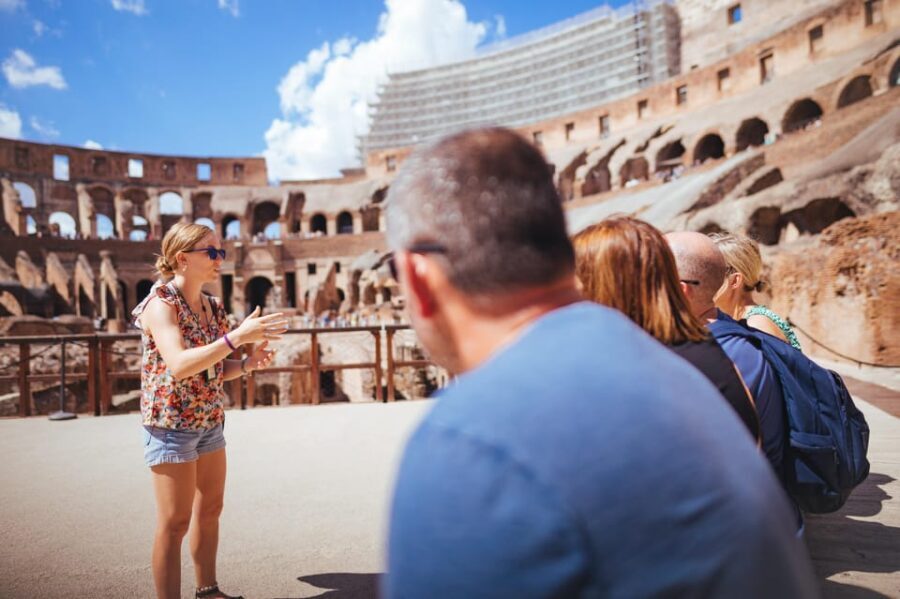
You meet at Piazza del Colosseo, 23, but the practical detail is the Metro entrance. The meeting point is in front of the SOS sign outside the Colosseum Metro station’s upper floor entrance in Largo Gaetana Agnesi (coordinates: 41.891560, 12.491393).
Here’s the common snag: the station has an upper and lower entrance, and both can have SOS signs. You need the upper level. If you show up at the lower one, you’ll waste time figuring it out while the group is already moving.
Bring photo ID. The tour operator is explicit: you need a passport or ID card (a copy is accepted), and failure to show the correct identification can mean denied entry. For this site, that’s not a minor rule—it’s the rule.
Step Onto the Arena Floor: The View You Can’t Replicate Elsewhere
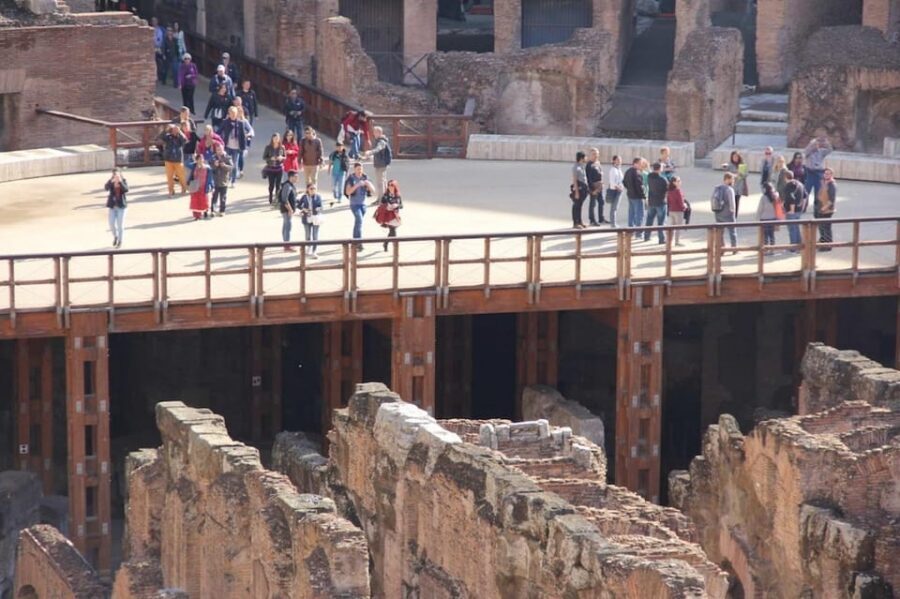
This is the heart of the tour: you get priority access to the Arena floor and a guided stop there. On a typical visit, you might look toward the Arena from above. Here, you walk onto it—so you’re standing where gladiators, animals, and performers were positioned for the main spectacle.
From the Arena, the Colosseum’s geometry makes more sense. You can better understand how crowds would have watched, how the space would have felt loud and close, and why movement through the passageways would have mattered. It also helps you connect the building to the people inside it, not just the architecture outside.
One more good point: the tour is structured to work as an expedited experience. It’s express in the sense that you’re guided efficiently, but it’s not a “blink and move on” approach. You’re given enough time to take in the space and follow the narrative without feeling rushed to the next landmark every 20 seconds.
The likely drawback: you’ll want more time here
Because this is a 1-hour tour, Arena-floor time is memorable but limited. If you’re the kind of traveler who wants to take dozens of slow photos from every angle, you’ll likely crave a longer session later.
Gladiators 101: Training, Weapons, and the Show Logic
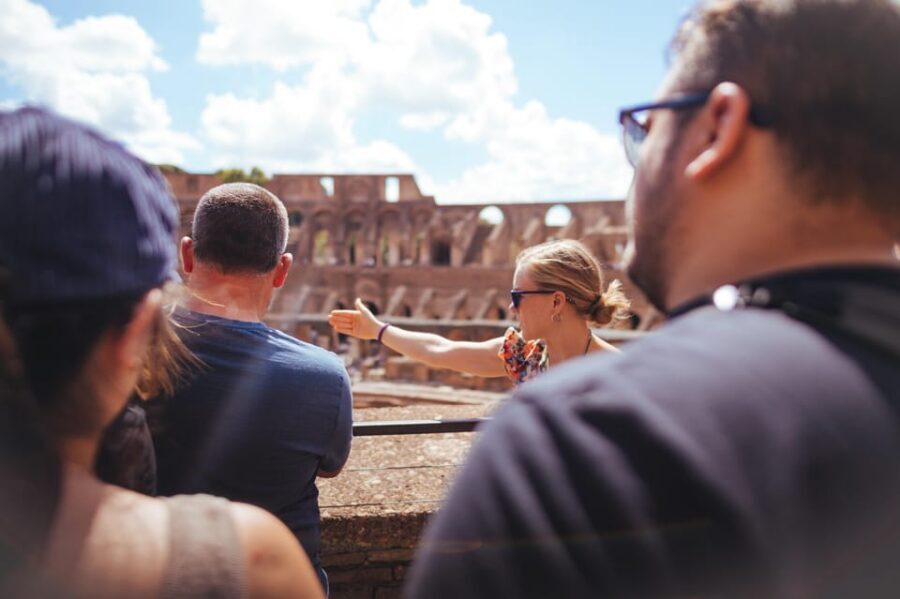
The guide doesn’t just point at ruins. You hear how gladiators trained and how the entire system ran—rigorous training methods, the dietary regimen they needed for peak performance, and how armor and weapons shaped what a fighter could do.
What I like about this style is that it makes the combat feel understandable. Gladiators weren’t just random fighters with cool helmets. Their equipment and training tied directly to roles and tactics. The story framework helps you look at the space and imagine how fights would have started, how crowds reacted, and why certain matches were staged the way they were.
You also get the darker, louder side of Roman entertainment: animal contests and staged naval skirmishes. Even if you already know the Colosseum was violent, hearing how these events were presented gives you a clearer sense of what “spectacle” meant in Roman public life.
And the guide connects the humans behind the fame. You’ll hear accounts tied to emperors, slaves, vestal virgins, and celebrated gladiators. That mix matters, because it reminds you the Colosseum wasn’t only about fighters—it was about power, status, and Roman society turning itself into a performance.

The Arch of Constantine Stop: When the Colosseum’s Story Evolves
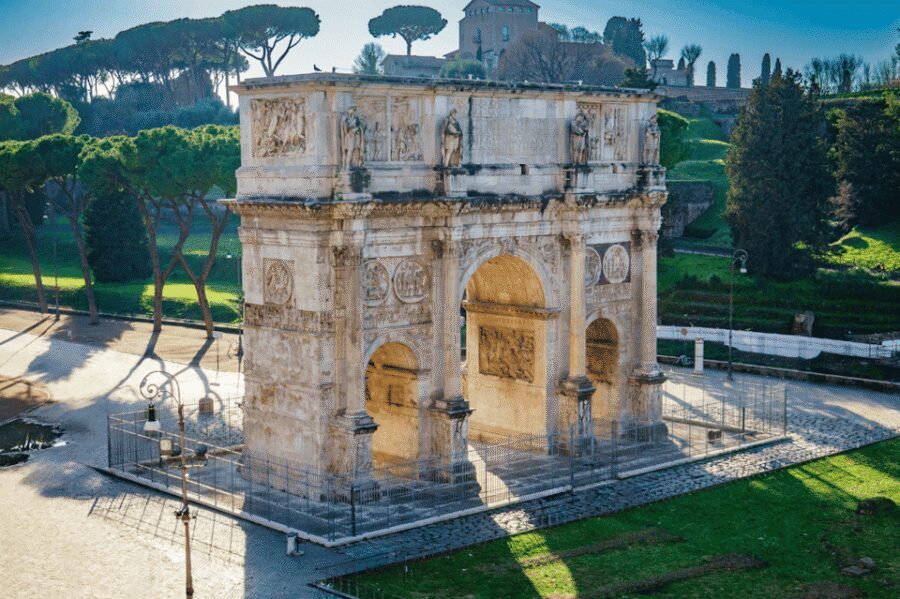
After the Arena-floor time, the tour culminates at the Arch of Constantine (Arco di Costantino). This isn’t random. The arch was erected in 312 AD to commemorate Constantine the Great’s triumph over Maxentius at the Battle of the Milvian Bridge.
So you go from the Flavian-era amphitheater (built under Vespasian, Titus, and Domitian) to a later chapter of Roman imperial ideology. The arch is a visual reminder that Rome didn’t freeze in time when the Colosseum started operating. It kept evolving, and rulers used monuments to broadcast their legitimacy.
What you should try to do during this stop: pause and connect the symbols. The Colosseum was built as entertainment and Roman might in one package. The Arch of Constantine shows how Roman power kept narrating itself through stone long after gladiators were part of the public program.
If you like architecture with political meaning, this finish lands well.
How the 1-Hour Timeline Works (And How to Plan Around It)
The tour duration is about 1 hour, with starting times that can change based on ticket availability. That’s a real-world detail worth respecting. If you’re tight on scheduling—train connections, timed tickets elsewhere, or a hard dinner plan—build in cushion time.
This timing also shapes the experience. You’re getting the essentials: guided movement inside, Arena-floor access, story context, and a final stop at the arch. You won’t be “over-schooled,” but you also won’t feel like you only saw the Colosseum as a backdrop.
One smart plan: treat this as your anchor visit. After the tour, you’re free to continue exploring the Roman Forum area on your own. That’s the best way to stretch the day—let the guide give you the narrative, then you roam with better context.
The practical trade-off
If you want a long, unhurried stroll through every corner of the site, you may need a second visit or a different type of tour. Think of this as a powerful orientation + access combo, not a full-day deep scan.
Value Check: Does $123.48 Make Sense?
At $123.48 per person, this isn’t the cheapest way into the Colosseum. But when you judge value, you have to match what you’re buying:
- Priority access that helps you skip the longest queue behavior
- Arena-floor priority access (the standout differentiator)
- A semi-private group of about 6
- An expert English guide for interpretation, not just entry
If you’ve ever waited through a major museum line, you already know what priority is worth: time, stress, and wasted daylight. And the Arena floor access is the real multiplier. Many tours talk about gladiators from above; this one takes you into their working ground—so the story has a place to sit in your memory.
So yes, the price can feel high at first glance. But for a one-hour tour that gets you into the Arena floor with a small group and guided context, it often reads like a “pay once for the best access” kind of value.
Who This Tour Fits Best (And Who Might Want Something Else)
This works especially well if you:
- care about seeing the Arena floor, not just photos from viewpoints
- like guided storytelling with a faster pace
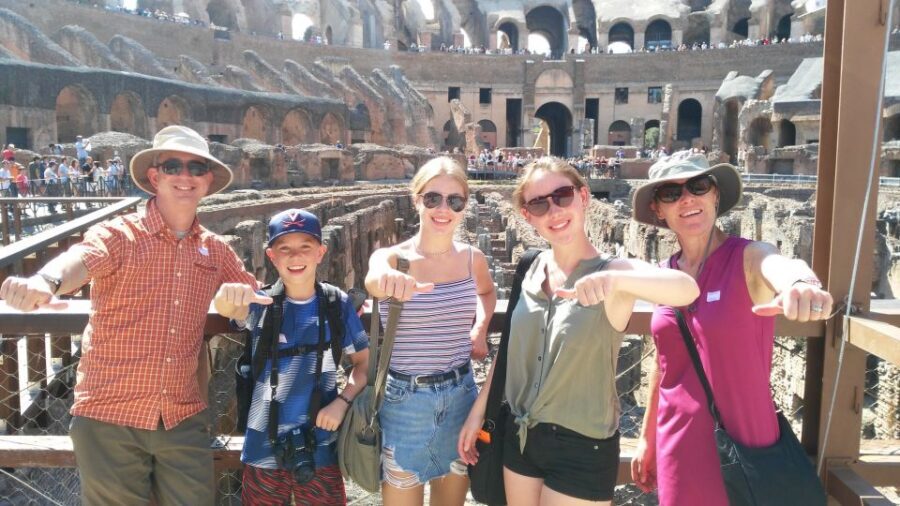
- want a smaller group experience (about 6 people)
The tour can also be a good fit if you’re managing mobility with a loved one—one review noted the pace worked well for a father with mobility issues. That doesn’t replace checking your own comfort level, but it’s a positive signal that the flow isn’t punishing.
You might consider a different option if:
- you want a very long, slow experience with lots of independent wandering during the tour itself
- you need lots of extra time for detailed photography from multiple angles on the Arena floor
Should You Book This Colosseum Arena Express Tour?
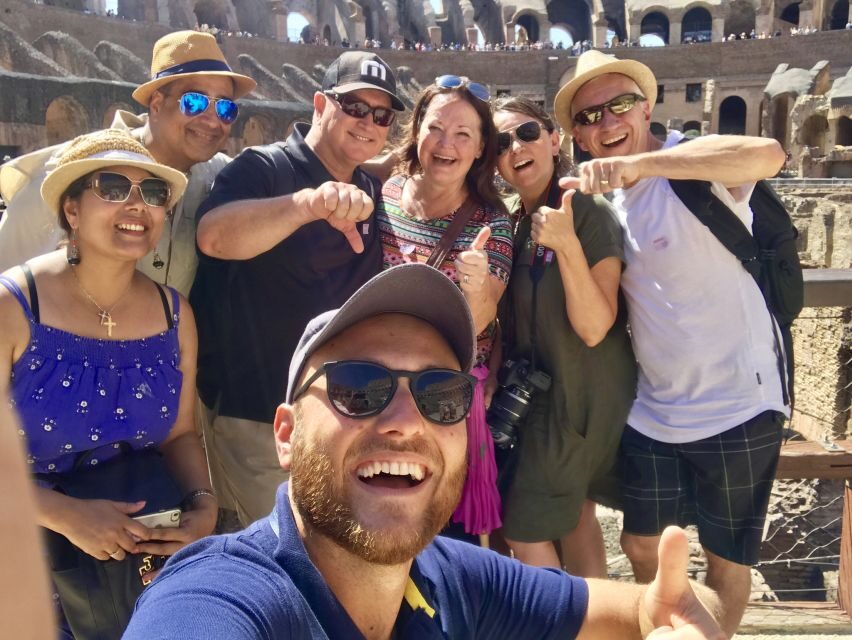
If your goal is the most meaningful access possible during a short visit, I’d book it. The Gladiators Gate route and Arena floor priority are the kinds of upgrades that actually change your experience, not just your photos. Add the small group size and an engaged English guide like Fabrizio (based on feedback), and you get a guided story that makes the Colosseum feel like a lived stage.
Book it if you’re ready to do the essentials well in one hour and then continue on your own afterward for the Roman Forum. If you prefer a slow, hours-long roam with no structure, you may feel the timeline is too tight. For most people aiming for the best “first Colosseum” experience with less waiting, this one is a strong match.
FAQ
How long is the Colosseum Gladiators Gate & Arena Express guided tour?
It’s listed as 1 hour, with starting times depending on ticket availability.
Where do we meet for the tour?
Meet in front of the SOS sign outside the Colosseum Metro station’s upper floor entrance, located in Largo Gaetana Agnesi (Piazza del Colosseo, 23). Make sure you’re at the upper level.
Do I need photo ID to enter?
Yes. Photo ID is required for all participants. A passport or ID card works, and a copy is accepted. Without ID, entry can be denied.
Is the tour in English?
Yes, the live guide is English-speaking.
Is the group size small?
Yes. It’s described as a semi-private group of 6 people.
What’s included in the tour?
You get an expert English guide, priority access Colosseum tickets, priority access to the Arena floor, and an express guided tour.
What’s not included?
Food and drinks are not included.
Does the tour connect to the Roman Forum area?
After the tour concludes, you’re free to further explore the Roman Forum at your own pace.