REVIEW · COLOSSEUM
Rome: Ancient History and Colosseum Underground Tour
Book on GetYourGuide →Operated by TOURS OF ROME · Bookable on GetYourGuide
The Colosseum gets a second life down below. This Rome experience takes you past the usual viewing level into the underground chambers where animals were kept and gladiators moved through hidden routes. I like that you also get the arena-floor walk, so the famous power of the Colosseum feels immediate instead of just postcard-view distant. You’ll be guided in English, and if you’re lucky, the storytelling quality you’ve probably hoped for is the type that people associate with guides like Christina or Laura.
Here’s the one main trade-off to expect: after the Colosseum portion, the Roman Forum and Palatine Hill are on your own pace, not a continuous guided stroll with you the whole time.
In This Review
- Key highlights at a glance
- What makes the Colosseum Underground tour different
- Entering the Colosseum: skip the line, then follow the system
- Underground chambers: cages, corridors, and the show’s backstage
- Arena-floor time: what it feels like to stand where the games happened
- How the guide brings the Colosseum to life (and why pace matters)
- Roman Forum and Palatine Hill: tickets included, then you’re the guide
- Timing, crowds, and meeting-point tips that save time
- Price and value: is $104.22 fair for what you get?
- Who this Colosseum underground tour suits best
- Should you book this Rome Colosseum Underground tour?
- FAQ
- How long is the Colosseum Ancient History and Underground tour?
- Where do I meet the guide?
- Is there skip-the-ticket-line access?
- What language is the tour guide?
- What areas are included in the tour?
- Is the Roman Forum and Palatine Hill guided?
- What do I need to bring for entry?
- Do I need to bring the tickets?
- What items are not allowed?
- Is the tour wheelchair accessible?
Key highlights at a glance
- Underground chambers and secret passageways: see the working parts of the show, not just the ruins
- Arena-floor time: stand on the same level gladiators entered before the games
- Skip-the-ticket-line entry: use a separate entrance to reduce queue time
- Roman Forum and Palatine Hill included: tickets are part of the deal after your Colosseum visit
- Live English guide with small-group feel: you’re not stuck shoulder-to-shoulder the entire time
What makes the Colosseum Underground tour different
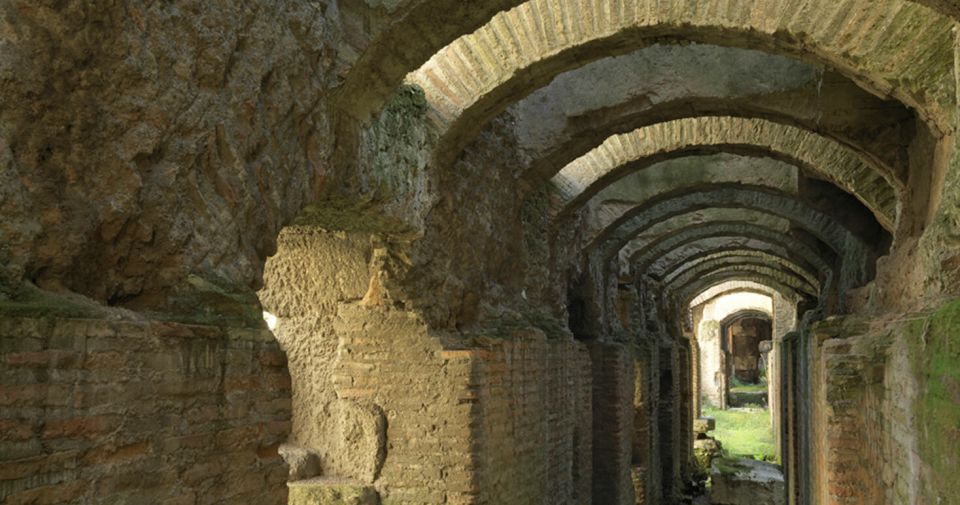
The Colosseum is already dramatic on the surface. What changes everything is going under it. Instead of only seeing architecture from the stands, you walk through the underground chambers where animals were caged and where the logistics of the games played out. It’s the difference between watching the movie and touring the set right behind the camera.
The tour also aims to give you a sense of movement. You’re not only standing still while the guide talks. You walk through areas that are described as off-limits in the normal visitor flow, and you connect the dots between the stories of gladiators, slaves, and ferocious animals and the physical space where those stories happened.
You can also read our reviews of more tours and experiences in Colosseum.

Entering the Colosseum: skip the line, then follow the system
The day starts with meeting your guide outside the Colosseum at your selected departure time. Your guide is waiting holding a sign saying Tours of Rome, and the tour runs on time, so arrive early and give yourself a buffer.
This tour’s biggest practical win is the skip-the-ticket-line setup through a separate entrance. You’ll likely go through an ID check first. You need a valid passport or ID card, and copies are accepted (a copy or even a scanned picture is listed as OK). One detail that can help: a driving licence has reportedly worked at gate check-in for some people, though the safe move is still to bring the ID type you plan to use.
Also note a few rules that affect how smooth the start feels:
- You can’t bring weapons or sharp objects
- Luggage or large bags aren’t allowed
- Pets and service dogs aren’t allowed
If you want this to feel effortless, pack light and keep your ID easy to grab. Having an on-the-road cell phone is strongly recommended, and it’s suggested you can message via iMessage, WhatsApp, or Viber for a quick response if you get turned around.
Underground chambers: cages, corridors, and the show’s backstage
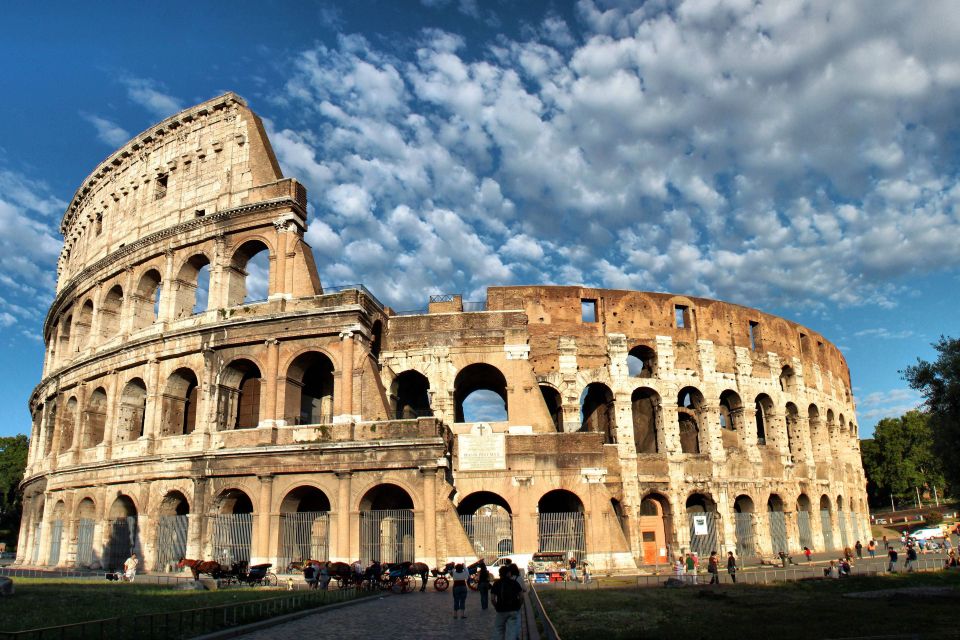
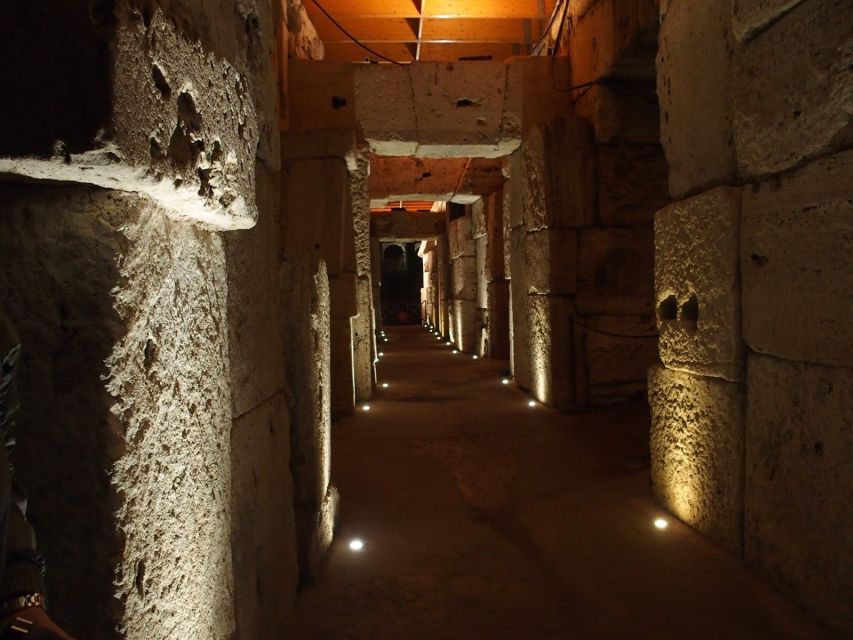
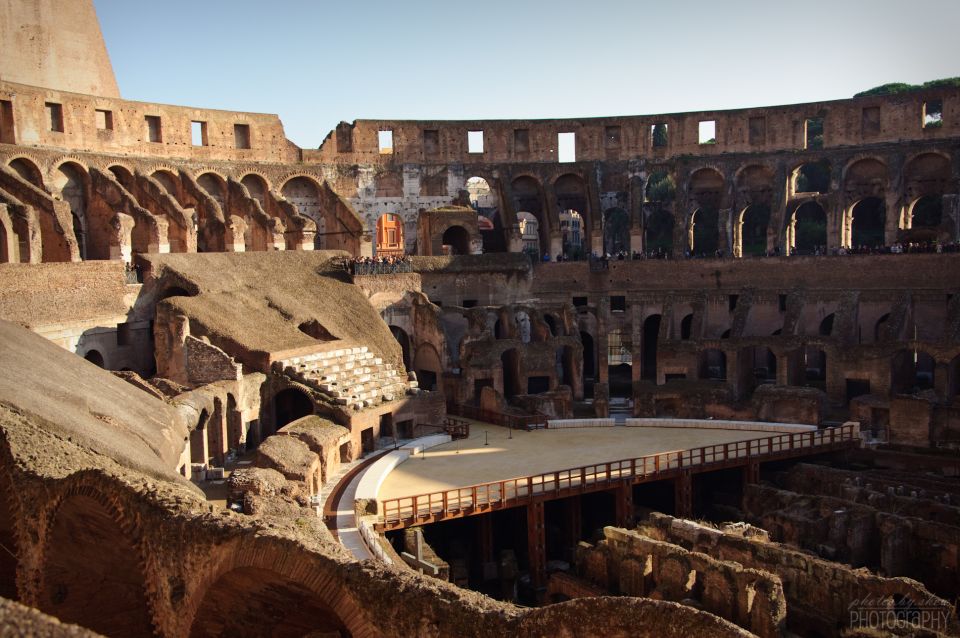
The underground portion is the heart of this tour. You’ll walk through the chambers and see the kind of spaces most visitors never access. Expect the guide to connect the storytelling to what’s physically in front of you: where wild animals were held, how they moved, and how the Colosseum’s interior “engine room” powered the spectacle.
You’ll also hear about gladiators moving through secret passages. That matters because it shifts how you view the Colosseum above. From the stands, you mostly see stone and scale. Underground, you understand timing, routes, and control. You start to picture the moments that happened moments before the crowd ever saw the action.
One other practical note: on a normal day, this feels like a structured walkthrough. But there is a real-world possibility that the underground segment could be closed or changed due to access issues. The important thing for your planning is not to assume it will always run exactly as advertised. If it’s the underground part you’re buying for, keep your expectations flexible and stay close to your guide’s instructions if anything changes at the gate.
Arena-floor time: what it feels like to stand where the games happened
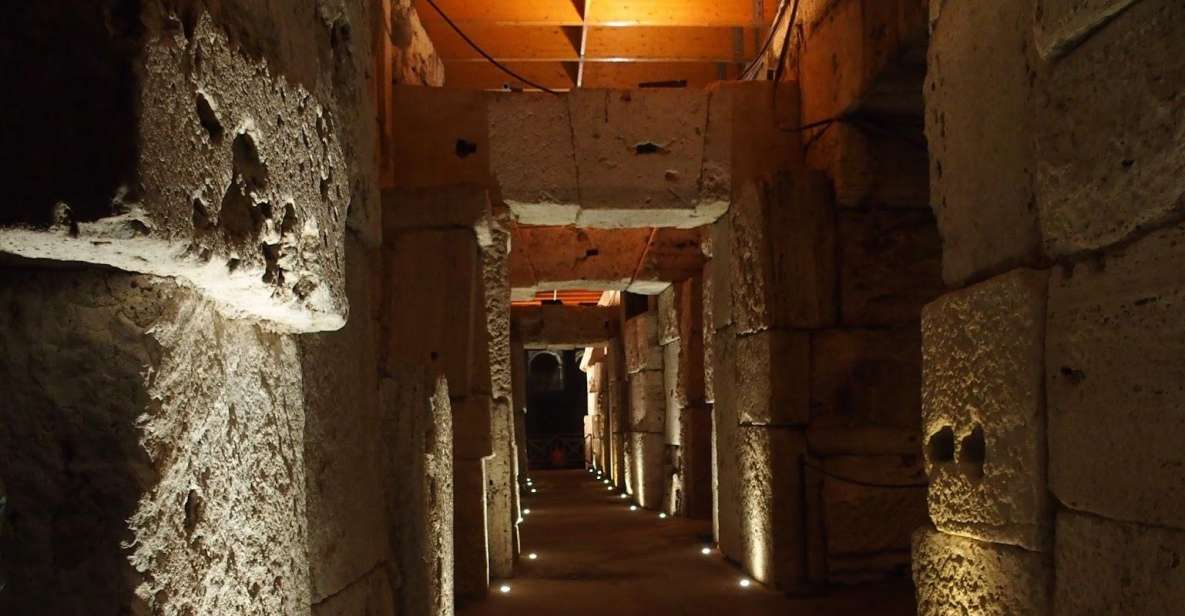
After the underground chambers, the tour takes you to the Colosseum’s main arena level. This is where the experience turns from education into a kind of time-travel. You get that rare moment to walk on the arena floor and feel the scale from the bottom up.
Even if you already know the big names of Roman entertainment, standing here gives you a different reference point. The arena floor makes the building feel like a machine built for movement and performance. It’s also a great spot for photos, since you’re at the most iconic angle most people never reach.
If you’re someone who likes to understand how an event is staged, you’ll get extra value here. The guide’s explanations land better once you’ve physically stepped onto the same level where gladiators entered and where the crowd’s view suddenly snaps into place.
How the guide brings the Colosseum to life (and why pace matters)
The tour is led by a live English-speaking guide, and the pacing seems designed to avoid the frantic, sprint-through-everything style. Many guides are praised for making the stories clear and for keeping groups organized while still giving room for questions and photos.
In particular, multiple guide names show up in praised performance: Christina, Laura, Elisabeth, and Mido are examples of guides connected to excellent commentary and strong audience control. If your guide is in that top tier, you’ll likely experience the Colosseum like a movie scene: stone becomes set design, and dates become actions.
Still, keep your personal pace in mind. One review noted that a guide wanted to share so much that they spoke quickly at times. If you’re sensitive to fast narration, bring a pen-and-paper note habit. Write down the names or details you want to research later. Even quick guides usually cover the most important parts you’ll want to remember.


Roman Forum and Palatine Hill: tickets included, then you’re the guide
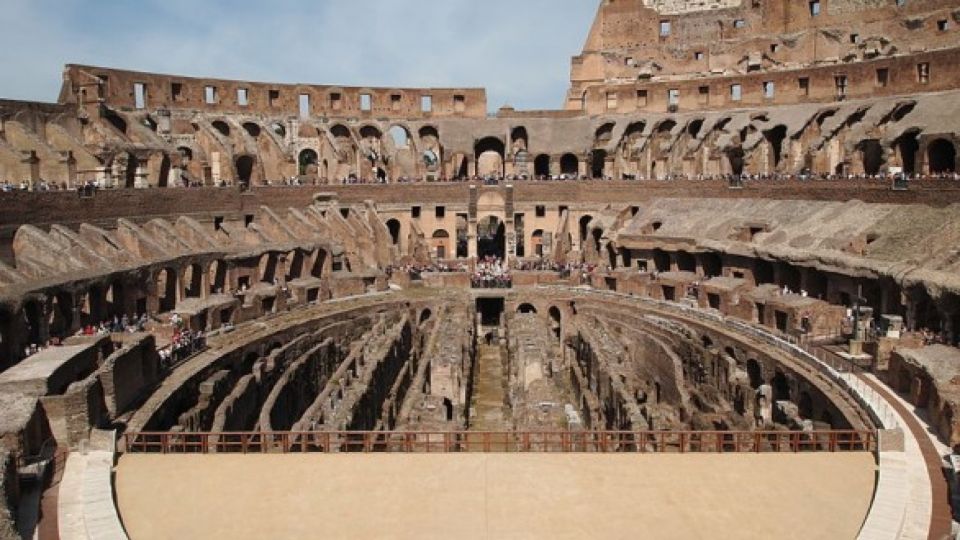
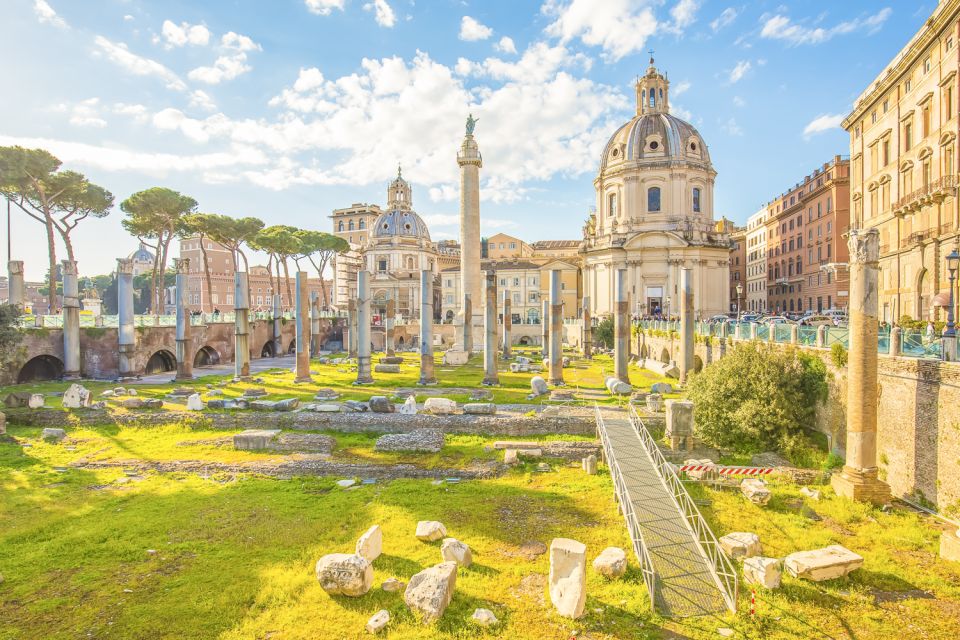
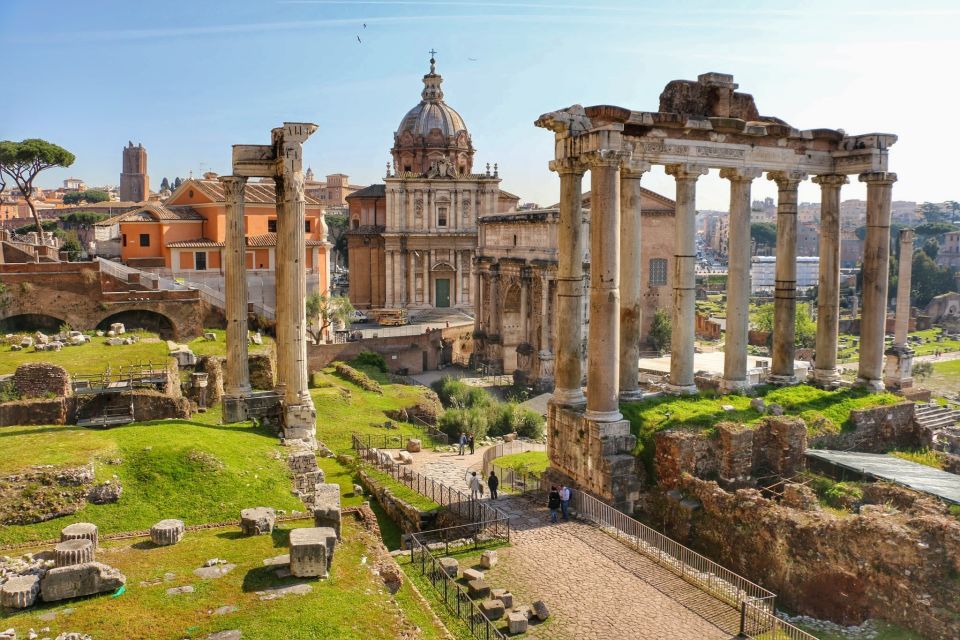
Once the Colosseum portion finishes, you’ll move to the ancient city core. The Roman Forum and Palatine Hill entry ticket is included, and you explore those areas on your own pace.
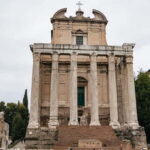
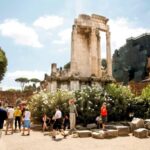
This setup can be fantastic if you like freedom. You can linger over the spots that catch your eye, step away when you need shade, and decide how long to stay in each zone. The Forum and Palatine are where you’ll see remains of ancient temples and some of the oldest places of worship connected to Roman life and civic power.
The trade-off is also real: because this part is self-paced, you’ll get fewer “right here, look at this” explanations than you did inside the Colosseum. If you want a nonstop guided experience, you might find yourself wishing the guide had followed you into every Forum nook.
My practical advice: before you enter the Forum area, decide what you want most. If it’s political Rome, focus on the civic structures. If it’s myth and emperors, make Palatine Hill your priority. With tickets included, you can build your own route without feeling pressured to race.
Timing, crowds, and meeting-point tips that save time
The tour lasts 1 to 3 hours depending on the option and starting time. That range matters because it affects how much you can realistically see without feeling rushed, especially in Rome’s heat.
Start with a mindset of arriving early. The tour is described as running on time, and the meeting point can vary depending on the option booked. Your guide will be holding a Tours of Rome sign at the meeting area, so don’t overthink it—look for the sign, then get ready to move.
Crowds around the Colosseum are a given. Even so, small-group formats help. People have praised the experience for feeling more exclusive inside, with limited group sizes, which usually makes it easier to hear the guide and take your time at photo pauses.
Also consider bathrooms. There’s no promise of facilities on this exact itinerary, and one comment specifically flagged how hard washroom access can be in the immediate Colosseum area. If you’re sensitive to long stretches without facilities, plan to use a restroom before you begin and keep your water schedule sensible.
Price and value: is $104.22 fair for what you get?
At $104.22 per person, this isn’t a bargain tour. But it’s also not “pay for a name” pricing. You’re paying for access and time-saving benefits that add up fast in Rome.
Here’s what justifies much of the cost:
- A skip-the-ticket-line ticket through a separate entrance
- A guided Colosseum experience
- Access to the Colosseum Underground
- A guided underground walkthrough
- Roman Forum and Palatine Hill entry tickets included
If you would have bought separate tickets anyway, and if the underground is truly your goal, the value starts to make sense. The underground access is the differentiator. The arena-floor component is also a major “only in this format” benefit.
The main reason you might feel it’s overpriced is when your expectations are for a fully guided experience through every Roman landmark included. Since the Forum and Palatine Hill are on your own pace, you’re not buying continuous narration for those spaces. One more caution: if the underground portion gets changed due to access issues, your sense of value depends on what you still get inside the Colosseum and how the guide adapts.
Who this Colosseum underground tour suits best
This is a great fit if you want the Colosseum to feel real. You’ll enjoy it most if you like:
- Architecture plus stories
- Roman entertainment history that connects to physical places
- A guided walkthrough that includes the behind-the-scenes areas
It’s also a good match for families and mixed ages, since a slower, question-friendly pace can work well when you have kids who need breaks. That said, the tour is listed as not wheelchair accessible, so it may be unsuitable for wheelchair users.
If you’re the type who hates standing in line and prefers time to be spent inside the monument, the skip-the-line element is a strong reason to choose this format. If you’re more of a “wander and soak it in alone” traveler, the guided underground portion might feel like you’re doing someone else’s route. In that case, you could consider a more flexible self-guided option—but you’ll miss the access this tour is built around.
Should you book this Rome Colosseum Underground tour?
I’d book it if the underground chambers and arena-floor access are on your must-do list. The combination of skip-the-line entry, underground access, and Roman Forum/Palatine tickets bundled together gives you a strong structure without feeling like you’re rushed into a dozen random stops.
Don’t book it only if you’re chasing a fully guided, point-by-point experience through the Forum and Palatine Hill. This tour gives you that guidance inside the Colosseum. After that, you’re in charge of the ancient-city wandering.
If you go, do two things that make the whole experience better: pack comfortable shoes, and keep your ID and phone ready so the start stays smooth. Then let the underground tell you what the Colosseum really was: not just a stadium, but a machine for staging power.
FAQ
How long is the Colosseum Ancient History and Underground tour?
The duration is listed as 1 to 3 hours. Starting times vary, so it’s best to check availability for the slot you want.
Where do I meet the guide?
You meet your guide outside the Colosseum. The meeting point can vary depending on the option booked, and your guide will be holding a sign saying Tours of Rome.
Is there skip-the-ticket-line access?
Yes. You get a skip-the-ticket-line ticket through a separate entrance.
What language is the tour guide?
The live guide is listed as English.
What areas are included in the tour?
You get Colosseum access with a guided tour, plus access to the Colosseum Underground with a guided underground portion. After the Colosseum, you also receive entry tickets for the Roman Forum and Palatine Hill.
Is the Roman Forum and Palatine Hill guided?
The Colosseum portion is guided, and the Forum and Palatine Hill are described as being explored on your own pace after the tour.
What do I need to bring for entry?
Bring comfortable shoes and a valid passport or ID card. A copy is accepted, including a scanned picture of your ID card or passport.
Do I need to bring the tickets?
Entry tickets are provided by your guide the day of the tour.
What items are not allowed?
Weapons or sharp objects are not allowed, and luggage or large bags are also not allowed.
Is the tour wheelchair accessible?
No. The tour is listed as not wheelchair accessible.