REVIEW · CIVITAVECCHIA
Civitavecchia: visit the city with Incitur!
Book on GetYourGuide →Operated by Incitur Tour Operator · Bookable on GetYourGuide
Cruise day, minus the traffic stress. This guided walk gives you a calmer way to see Civitavecchia without getting stuck in Rome’s crowds, starting right at the Roman Dock and moving through the medieval core. It’s designed for people who want history, but also want their feet and nerves to survive the day.
I love the focus on the big-picture story, especially how the walk works in views and context around the Giulia Fortress. I also love the stop at Leandra Square, the oldest and tiniest medieval square tucked inside the ancient city walls.
One possible snag is finding the exact start on arrival. The meeting instructions can feel a bit vague at first, so take a screenshot of Via Tarquinia, 2 and use the Largo della Pace InfoPoint as your anchor; the guide is waiting with an Incitur sign. Also, it’s not suitable for wheelchair users and it’s not recommended if you have back problems.
In This Review
- Key things that make this tour worth your time
- Why this Civitavecchia walk is a smart alternative to Rome
- Meeting up without stress: Largo della Pace, the shuttle, and Via Tarquinia, 2
- Roman Dock: the ancient port that shaped the whole town
- Porta Livorno and the Calamatta Square stop that frames daily life
- Santa Maria dell’Orazione e Morte: a church stop that changes the mood
- Piazza Aurelio Saffi and the Leandra Square moment inside the walls
- The food market segment: what to expect during the 20-minute break
- Piazza Antonio Fratti and the final return to Piazza Aurelio Saffi
- The guide factor: what great hosting looks like here
- Duration and pacing: 2.5 hours that won’t fry your schedule
- Group size and comfort: max 15 for a reason
- Price and value: is $65 reasonable for this kind of tour?
- Who should book this tour, and who might skip it
- Should you book Incitur’s Civitavecchia tour?
- FAQ
- How long is the Incitur Civitavecchia tour?
- Where does the tour start?
- Who do I meet?
- What language is the tour guide?
- What parts of the city will I see?
- Is food and drink included?
- Is transportation included?
- How big are the groups?
- Is the tour wheelchair accessible?
- Is the tour refundable if my plans change?
Key things that make this tour worth your time
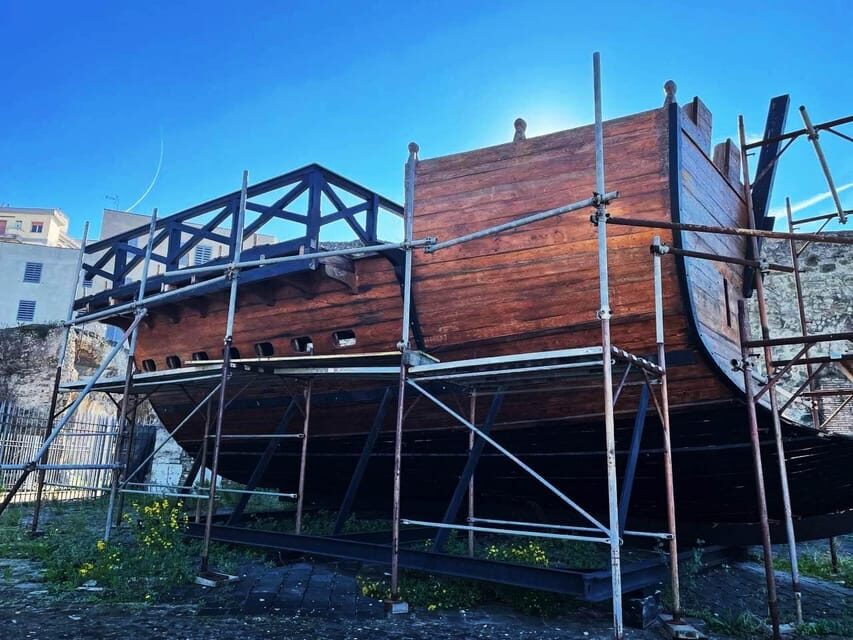
- Roman Dock photo stop at the ancient port area, with a guide who ties it to the Roman Empire
- Giulia Fortress sightlines and architectural context that connect back to St. Peter’s Basilica
- Leandra Square with a guided look at the oldest, smallest medieval square inside the walls
- Church + square circuit that mixes Roman-era remnants with the medieval city’s street life
- Small group size (max 15) that helps you actually hear the guide and move at a relaxed pace
Why this Civitavecchia walk is a smart alternative to Rome
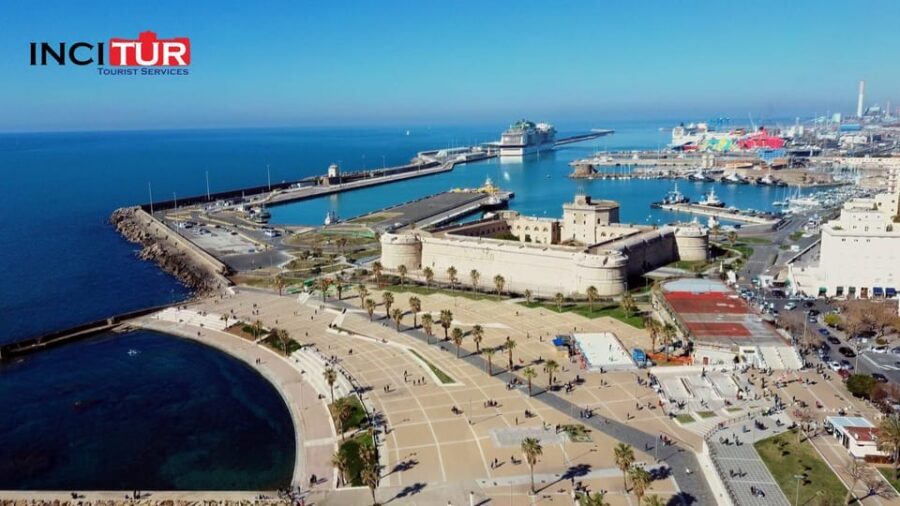
If you’ve already seen Rome, or you’re sailing in and out and don’t want a full-day grind, Civitavecchia is a nice reset. This tour keeps you local and on foot, centered on the city’s port identity and medieval streets. You’re not fighting buses, bicycles, and crowds for every photo.
What makes it work is the story chain. The walk starts with the port, then shifts into how the city grew and organized itself around that maritime role. Even the brief pass-by moments matter because they’re placed like puzzle pieces: gates, squares, and church stops that help you understand where people lived and moved.
You also get a relaxed pace. This isn’t a speed-walk “tick-off everything” plan. It’s built around multiple short visits and photo stops, so you’re not constantly rushing between landmarks.
You can also read our reviews of more city tours in Civitavecchia
Meeting up without stress: Largo della Pace, the shuttle, and Via Tarquinia, 2
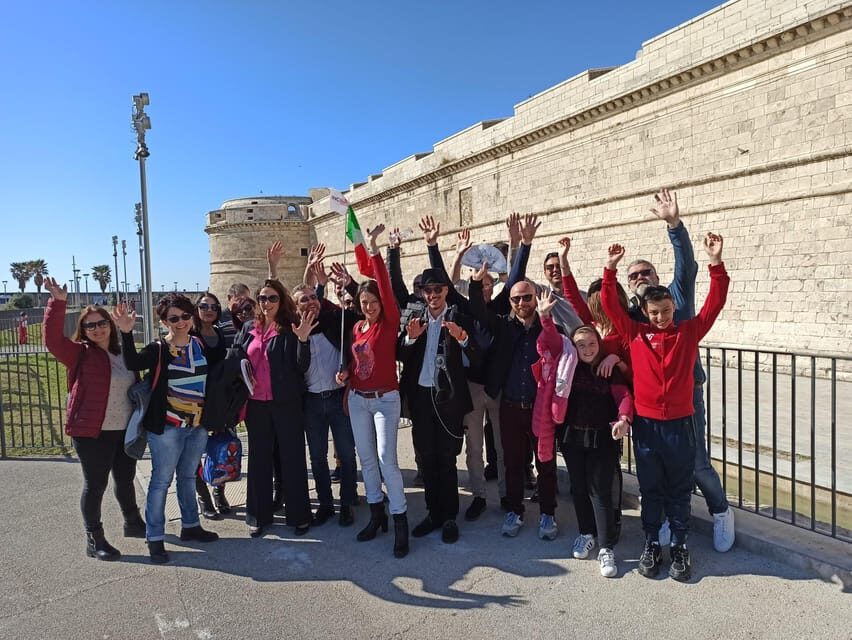
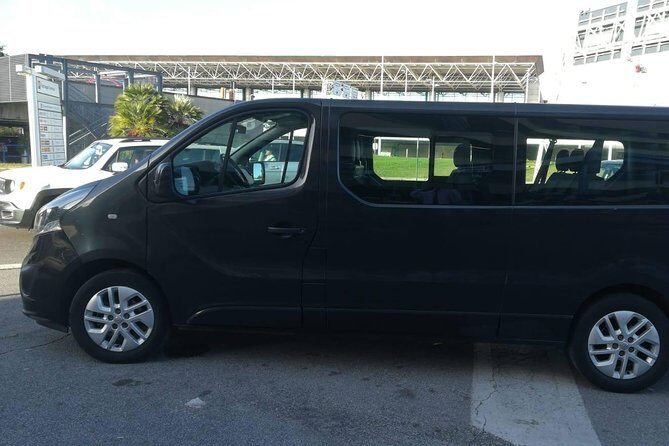
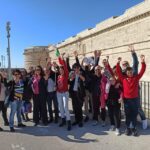
If you’re coming from a cruise ship, you’ll take a free shuttle right after you disembark. That shuttle drops you at the Largo della Pace InfoPoint area. From there, the guide waits just outside the parking lot gate holding a sign with the Incitur logo.
Here’s the practical tip: arrive with your phone ready and confirm what you’re looking for before you step out. One common hiccup is that Via Tarquinia, 2 (the listed starting point) may not be obvious on-site. I’d treat Largo della Pace as your real “ground zero,” then use the guide’s sign to connect the last few steps.
Also, dress for walking. The tour is on foot throughout, with several short stretches between stops. Comfortable shoes beat fancy shoes here.
Roman Dock: the ancient port that shaped the whole town
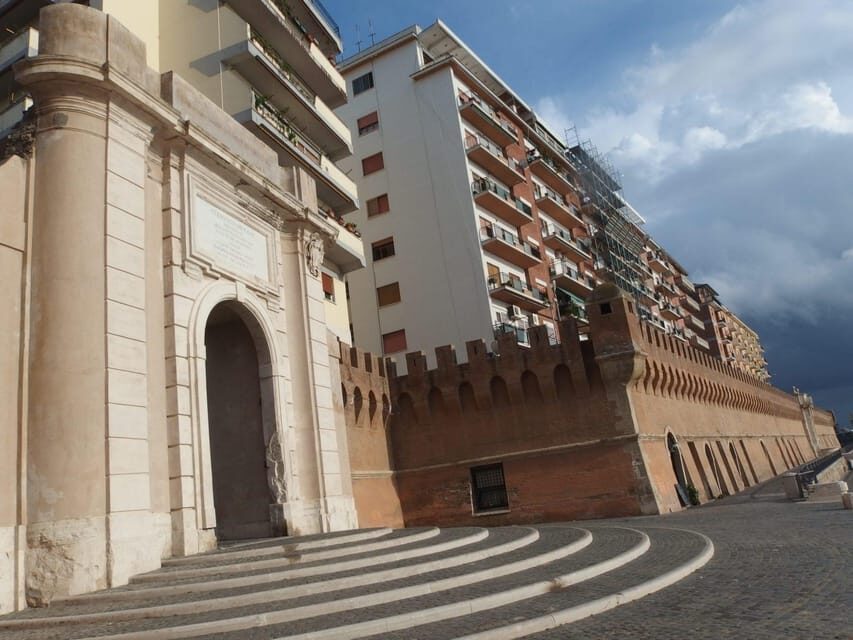
The first big moment is the Roman Dock photo stop and visit. This is where the city’s “why” comes in loud and clear: this was the beating heart of maritime activity connected to the Roman Empire. Your guide doesn’t just point at stones. They explain the historical importance of Civitavecchia as a port, and that context helps the rest of the walk make sense.
Think of this stop as your orientation. Once you understand the port role, the later medieval layout feels less random. You’ll start seeing the city as something that grew around movement—ships, cargo, arrivals, and the people who lived off that traffic.
In real terms, the Roman Dock area also gives you a good early photo window. It’s the easiest place to get an establishing shot before the walk tightens into the older streets.
Porta Livorno and the Calamatta Square stop that frames daily life
Right after the port, you’ll pass by Porta Livorno for a photo stop. Gates are useful because they show how cities controlled entry and flow. Even if you’re only there for a few minutes, the guide uses it as a transition from the Roman waterfront world to the medieval street pattern.
Then you hit Calamatta Square. This is one of the shorter stops on the route, but that’s part of its value. A quick square visit gives your brain a break from the narrow walking rhythm, while still keeping you in the story.
If you’re doing this as a cruise-day tour, these mid-route stops are exactly what you want. You’re not just moving; you’re pausing at points that help you reset, hydrate, and take a second look at what you just learned.
Santa Maria dell’Orazione e Morte: a church stop that changes the mood
At Chiesa di Santa Maria dell’Orazione e Morte, you’ll have a guided visit. A church stop on a port-and-medieval walk does one important job: it shifts the tone from civic and military movement to community life.
Even with limited time, a guide-led church visit usually lands better than a self-guided quick peek. You’ll be steered toward what matters and how it connects to the city’s identity. It’s the kind of stop that can surprise people who assumed this would be all outdoor ruins.
Just plan for standing time. The tour includes a few “visit” moments, and churches can mean slower walking inside and around entrances.




Piazza Aurelio Saffi and the Leandra Square moment inside the walls
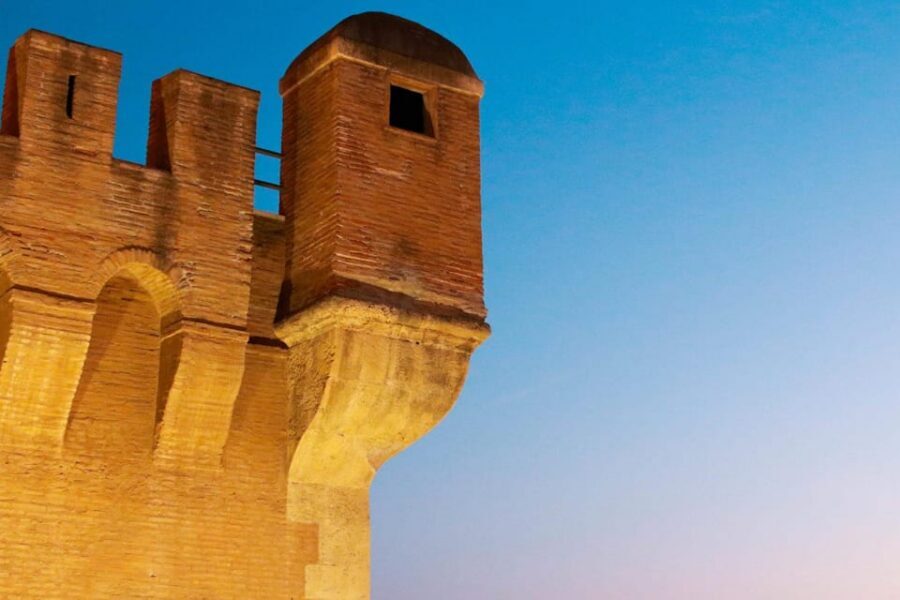
Piazza Aurelio Saffi shows up more than once in the route, with a visit/pass-by portion and then as the finish point. For you, that means it’s a key reference area. Squares like this help you understand the city’s layout so you don’t feel turned around.
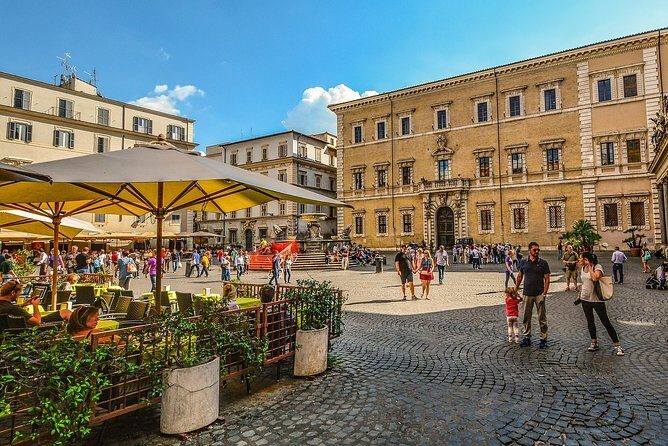
Then comes a highlight: Leandra Square. This is described as the oldest and tiniest medieval square inside the ancient walls. That combo matters. You’ll get a sense of age from the guide’s framing, but you’ll also experience the scale in your body—small space, close walls, and a more intimate feeling than the bigger piazzas.
Leandra Square is also where the walk gives you more than just a photo moment. You’ll get a guided tour, a walk-through, and some time to absorb what you’re seeing. This is often the part people remember because it feels like you stepped into a different time scale—small, quiet, and human-scaled.
The food market segment: what to expect during the 20-minute break
At about the middle-late part of the route, there’s time for a food market visit (listed as about 20 minutes, with walking and guided context). The tour itself doesn’t promise food and drink in the base inclusions, so you should plan to buy anything you want.
That said, one of the best things about this tour is that it can work as more than a pure sightseeing walk. The route is already structured to include a market moment, and that naturally lends itself to small tastings or snack-style stops. On some versions, that market time turns into short bites and drinks so you can taste local flavors without losing half your day to a separate restaurant plan.
If you care about food timing on a cruise day, this structure is practical. You get a built-in chance to grab a bite at the right moment instead of improvising while everyone else is hungry and moving fast.
Piazza Antonio Fratti and the final return to Piazza Aurelio Saffi

Toward the end, you’ll visit and walk around Piazza Antonio Fratti. This is another shorter stop, but it keeps the ending from feeling abrupt. The tour maintains the rhythm: move, pause, learn, and photograph.
Finally, the tour finishes at Piazza Aurelio Saffi. Ending in a square is helpful. It’s easier to regroup and navigate from there than finishing on a random side street. If you’re heading back to your ship, you also tend to have more options for meeting up again with whatever transport plan you’re using.
The guide factor: what great hosting looks like here
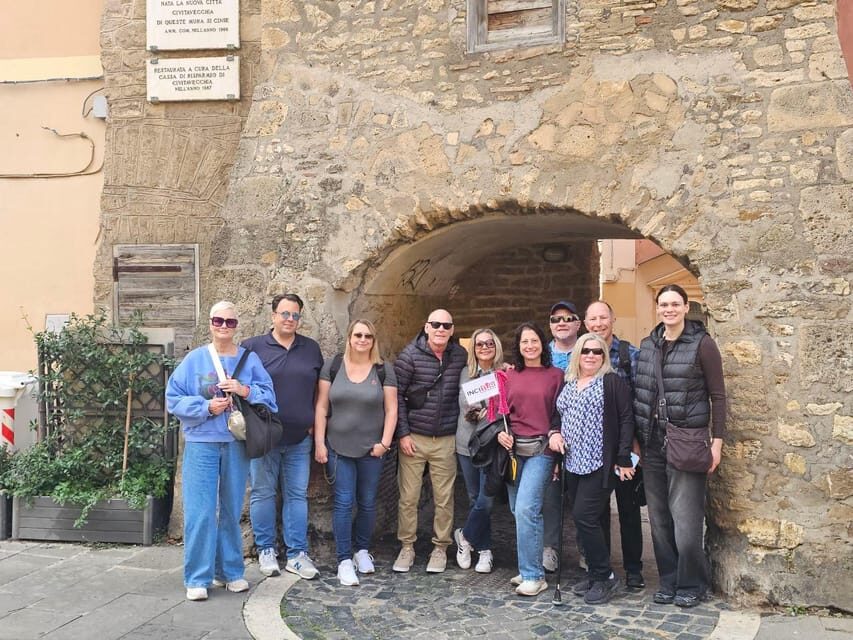
A big reason this tour earns strong marks is the way the local guide shapes the experience. Recent departures have featured guides like RAF, Aleissa, and Roberta, and the consistent theme is pride in the city and clear explanations that connect monuments to everyday meaning.
One practical bonus: some groups get audio support alongside the guide. That can help a lot outdoors, especially if you’re standing near other sounds or if the group clusters in a way that makes it harder to hear every sentence.
If you’re the kind of traveler who loves to ask questions, this is a tour where that works. The format includes multiple short stops, not just one long lecture. You get natural moments to pause and absorb.
Duration and pacing: 2.5 hours that won’t fry your schedule
This experience runs about 2.5 hours, with an emphasis on a two-hour walking core. In cruise terms, that’s a sweet spot. You can fit it into a shore day without committing to an all-day march.
The route uses short segments: quick photo stops, brief pass-bys, and several short “visit” moments. It’s not nonstop walking. That makes it friendlier if you’re not used to city walking all day.
That said, it’s still a walking tour. If you’re carrying heavy bags or you’re not used to uneven sidewalks, go slow and wear shoes that grip.
Group size and comfort: max 15 for a reason
The group is capped at 15 travelers. That matters more than it sounds. Smaller groups usually mean:
- You can stay closer to the guide during explanations
- You spend less time waiting at tight street corners
- You can move at a relaxed pace without losing people
It’s also part of why the experience feels “pampered” rather than rushed. You’re guided through the route without feeling like you’re being herded.
Price and value: is $65 reasonable for this kind of tour?
At $65 per person, you’re paying for three things: professional local guiding, a structured route through both Roman and medieval areas, and the small-group format.
You’re not paying for transportation. You’ll handle your own movement to the meeting point (and the cruise shuttle is separate). You also shouldn’t count on food being included in the base price, even if the itinerary has a food market segment.
So is $65 good value? For me, yes—if you want:
- a local guide to connect what you see to what it meant
- a calm, short walking plan that doesn’t require planning your own route
- a cruise-day option that doesn’t eat your entire afternoon
If you already have a strong background and you only want a quick stroll, you could do it on your own. But if you want the story stitched together and the stops chosen for you, the guide time is where the value lives.
Who should book this tour, and who might skip it
This is best for you if:
- you already know you don’t want to spend your shore day in Rome’s biggest crowd zones
- you like port history and want the Roman Empire story told in plain terms
- you want a guided walk with breaks built in, not a full-day excursion
- you’re comfortable walking for a couple of hours at an easy pace
I’d think twice if:
- you use a wheelchair (the tour is not suitable for wheelchair users)
- you have back problems (it’s not recommended)
- you want a long, sit-down restaurant day with lots of time to eat and relax (this tour is structured for guided walking and short stops)
It also helps if your expectations match the format. This isn’t a “cathedral crawl” or a long ruin-hunt. It’s a focused walk through the port area and the medieval city.
Should you book Incitur’s Civitavecchia tour?
If your goal is a meaningful Civitavecchia day that stays calm, yes, it’s an easy booking choice. The route gives you a clear sequence: Roman Dock context first, then medieval streets, squares, and a church stop, with Leandra Square as the intimate payoff. The small group size and guide-led pacing make it feel manageable on a cruise day.
If you’re deciding last minute, use this rule: book it if you want guidance and story more than you want maximum free time. Skip it if walking is a problem for you or if you’d rather move independently without relying on a set route.
If you do book, come in with one simple plan: save Via Tarquinia, 2 on your phone, show up at Largo della Pace, and look for the Incitur sign. Then enjoy the port-to-medieval shift—because that’s the whole point of the day.
FAQ
How long is the Incitur Civitavecchia tour?
The tour lasts about 2.5 hours.
Where does the tour start?
The listed starting location is Via Tarquinia, 2, and the cruise-shuttle drop is at the Largo della Pace InfoPoint area.
Who do I meet?
Your guide will be waiting just outside the parking lot gate holding an Incitur logo sign.
What language is the tour guide?
The live tour guide is in English.
What parts of the city will I see?
You’ll walk through the Roman port area and the medieval city, including stops such as the Roman Dock, Leandra Square, and Giulia Fortress viewpoints.
Is food and drink included?
Food and drink are not included. The itinerary includes a food market visit, but you should expect to purchase what you want.
Is transportation included?
Transportation is not included.
How big are the groups?
The tour does not allow more than 15 travelers.
Is the tour wheelchair accessible?
No, it is not suitable for wheelchair users.
Is the tour refundable if my plans change?
Yes, you can cancel up to 24 hours in advance for a full refund.